|
Stream Restoration Project Updates
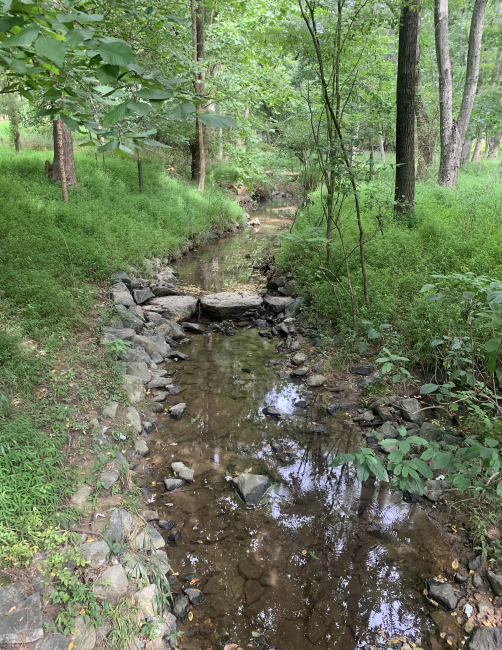
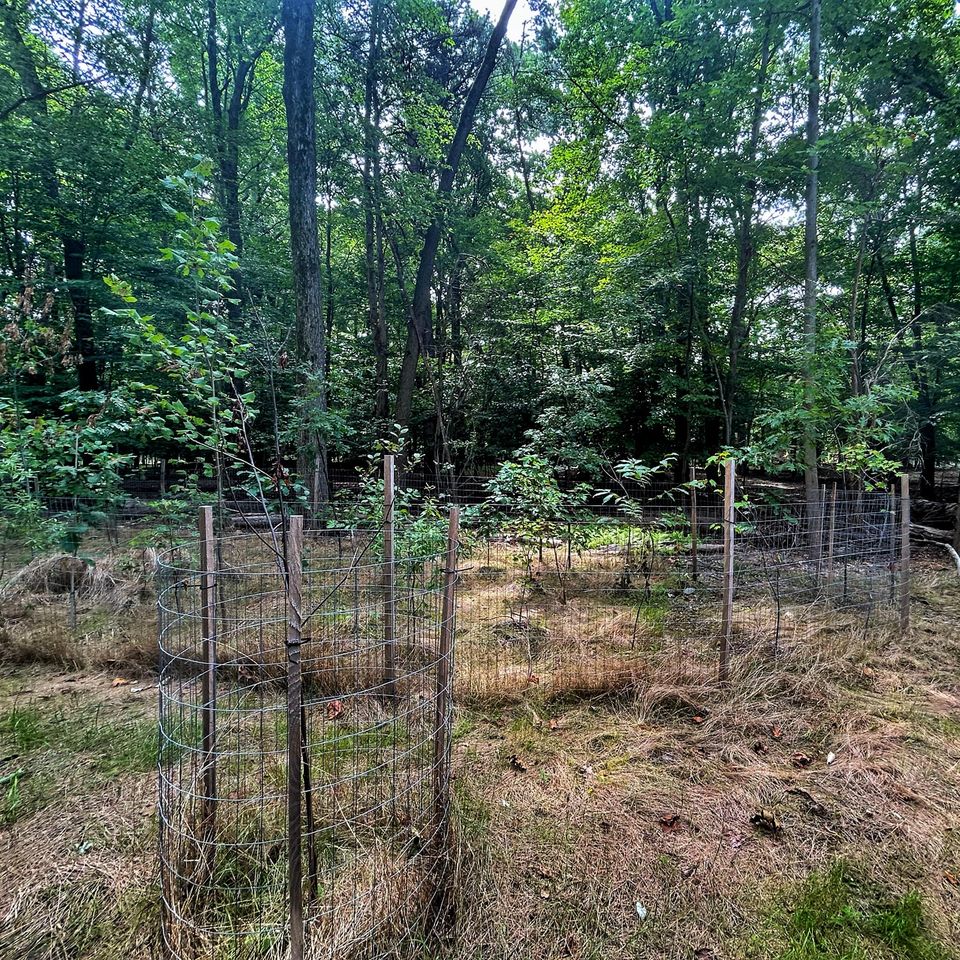
“Some interesting super clumps of trees” is what the stream restoration contractor told us he’d planted up ahead along the black-top path towards Mayfield Woods Elementary. And they were. Fast growing native like tulip poplar in the center, slower growing canopy like oaks long the edges, and understory trees and shrubs in between them. Fence around the whole to keep them safe from . D4’s Deb Jung and I were touring two stream restoration projects recently completed by the County—there and next to Centennial Park off Annapolis Road—with the County’s new Director of Department of Public Works and long-time DPW Chief of Stormwater.
Those super clumps and the live stake plantings we saw along the streambeds that morning looked pretty promising. Even better was DPW’s assurance then that 𝘁𝗵𝗲 𝗖𝗼𝘂𝗻𝘁𝘆 𝗶𝘀 𝗵𝗮𝗹𝘁𝗶𝗻𝗴 𝘁𝘄𝗼 𝘀𝘁𝗿𝗲𝗮𝗺 𝗿𝗲𝘀𝘁𝗼𝗿𝗮𝘁𝗶𝗼𝗻 𝗽𝗿𝗼𝗷𝗲𝗰𝘁𝘀 𝗰𝘂𝗿𝗿𝗲𝗻𝘁𝗹𝘆 𝗶𝗻 𝗽𝗹𝗮𝗻𝗻𝗶𝗻𝗴 𝗶𝗻 𝗗𝟭—𝗮𝗹𝗼𝗻𝗴 𝘁𝗵𝗲 𝗣𝗹𝘂𝗺 𝗧𝗿𝗲𝗲 𝗕𝗿𝗮𝗻𝗰𝗵 𝗮𝘁 𝗗𝘂𝗻𝗹𝗼𝗴𝗴𝗶𝗻 𝗠𝗶𝗱𝗱𝗹𝗲 𝗦𝗰𝗵𝗼𝗼𝗹 𝗮𝗻𝗱 𝗱𝘂𝗲 𝗲𝗮𝘀𝘁 𝗼𝗳 𝗦𝗼𝘂𝘁𝗵 𝗠𝗲𝗮𝗱𝗼𝘄𝘀 𝗖𝗼𝘂𝗿𝘁 𝗶𝗻 𝗖𝗲𝗻𝘁𝗲𝗻𝗻𝗶𝗮𝗹 𝗣𝗮𝗿𝗸.
Still troubling, though, was that none of these projects—completed or still in planning—seem to have anything to do with restoring ecology, or habitat. Rather, some certain length of waterway is encroaching upon some built-right-into-it structure—maybe someone’s backyard retaining wall or a County sewer line, maybe both—requiring that it be “restored.” Maybe its course straightened out, maybe its eroding, deepening channels stabilized with rock and fabric, maybe even lots and lots of very young trees planted in place of what old and tall and lush came out to build whatever “restoration” means.
We see opportunity—particularly at Dunloggin Middle School—for us to take a very different approach. What if instead of the latest “restoration” there proposed, we instead fortify existing native canopy and understory with new plantings, fence them in temporarily if that’s what keeps the deer off new growth, cut down the invasive vines strangling what’s worth keeping, stabilize not-too-bad stream banks with the live stakes we saw at Mayfield, and monitor efficacy of that project with before and after measurements. Of not just sediment and nutrient loads avoided, but diversity of plant and animal species added, too.
How much better to reallocate funds to mend the ecology that remains and teach two schools’ worth of our kids what habitat and being good stewards of that habitat actually looks like.
-- Liz
|