|
Community Partner Spotlight Q&A:
As families prepare for a new school year, what are some common asthma-related challenges children face, especially in communities impacted by poor air quality?
As families prepare for a new school year, children with asthma (especially those living in areas with poor air quality, like the San Joaquin Valley) often face a range of challenges. These include increased exposure to air pollution at and from school, during recess, or while participating in outdoor sports. Outdoor asthma triggers, such as particulate matter from diesel trucks, wildfire smoke, and other sources near schools, as well as gaseous pollutants, like ozone and volatile pesticides, can lead to increased asthma attacks, missed school days, and even hospital visits. https://pmc.ncbi.nlm.nih.gov/articles/PMC11167956/#abstract1
Programs like the Driving Clean Assistance Program help residents access clean air vehicles. From your perspective, how does expanding access to clean transportation support both health equity and school readiness?
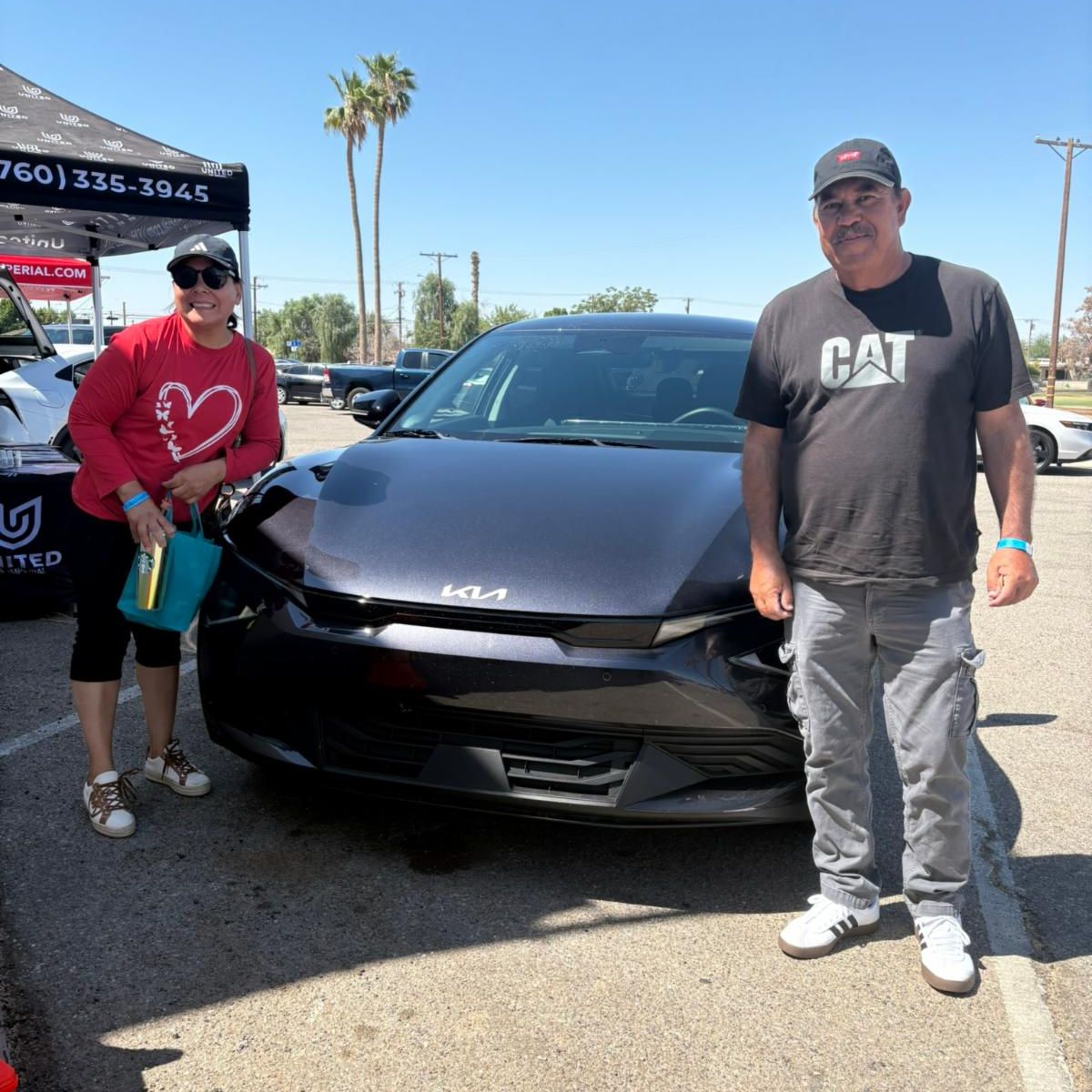
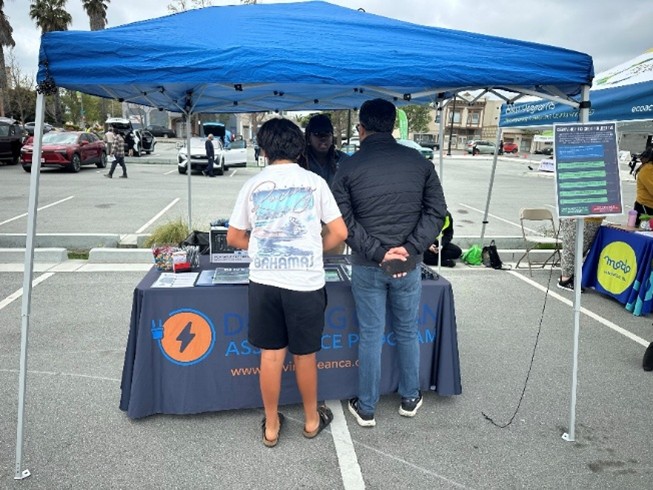
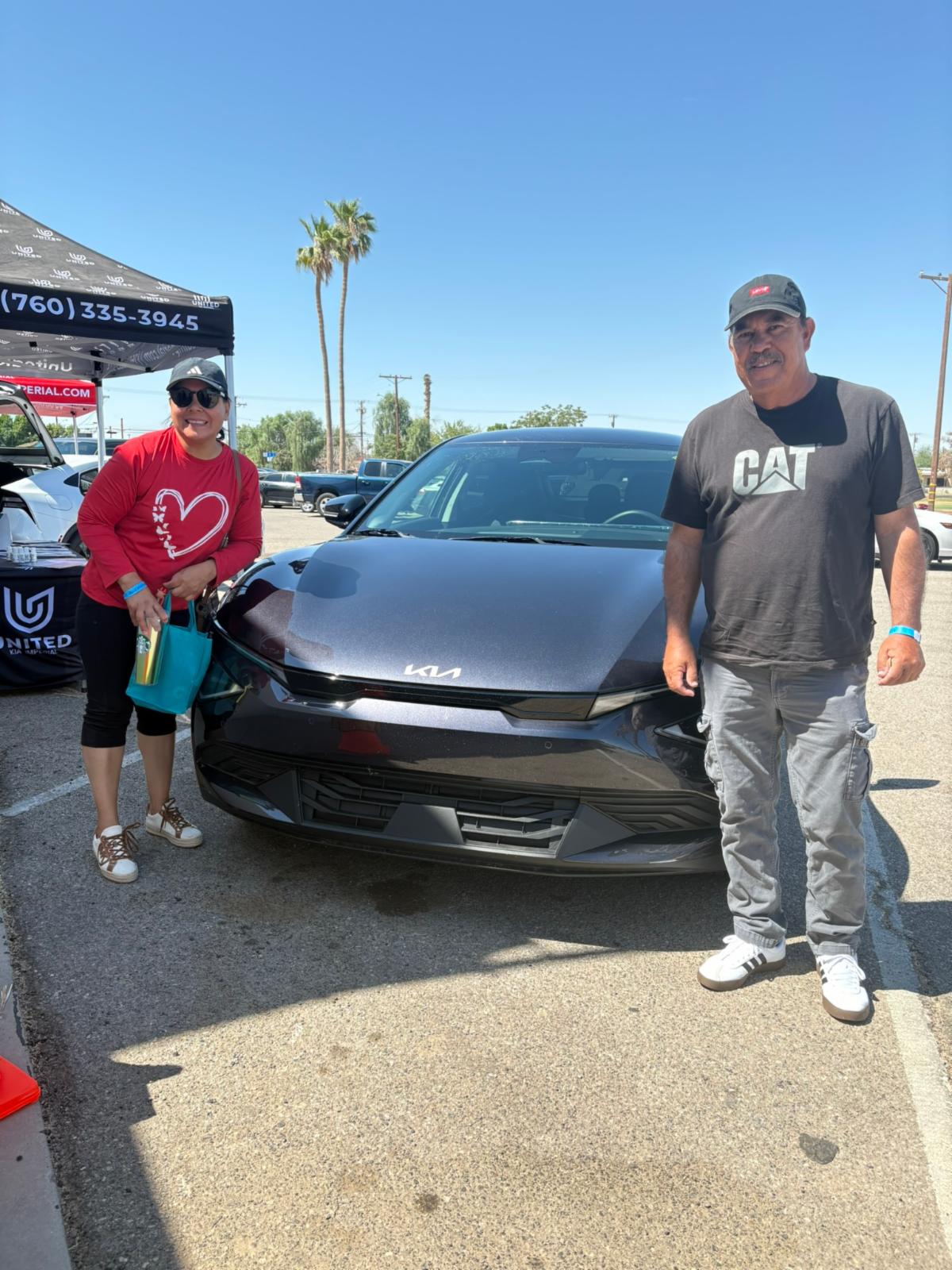
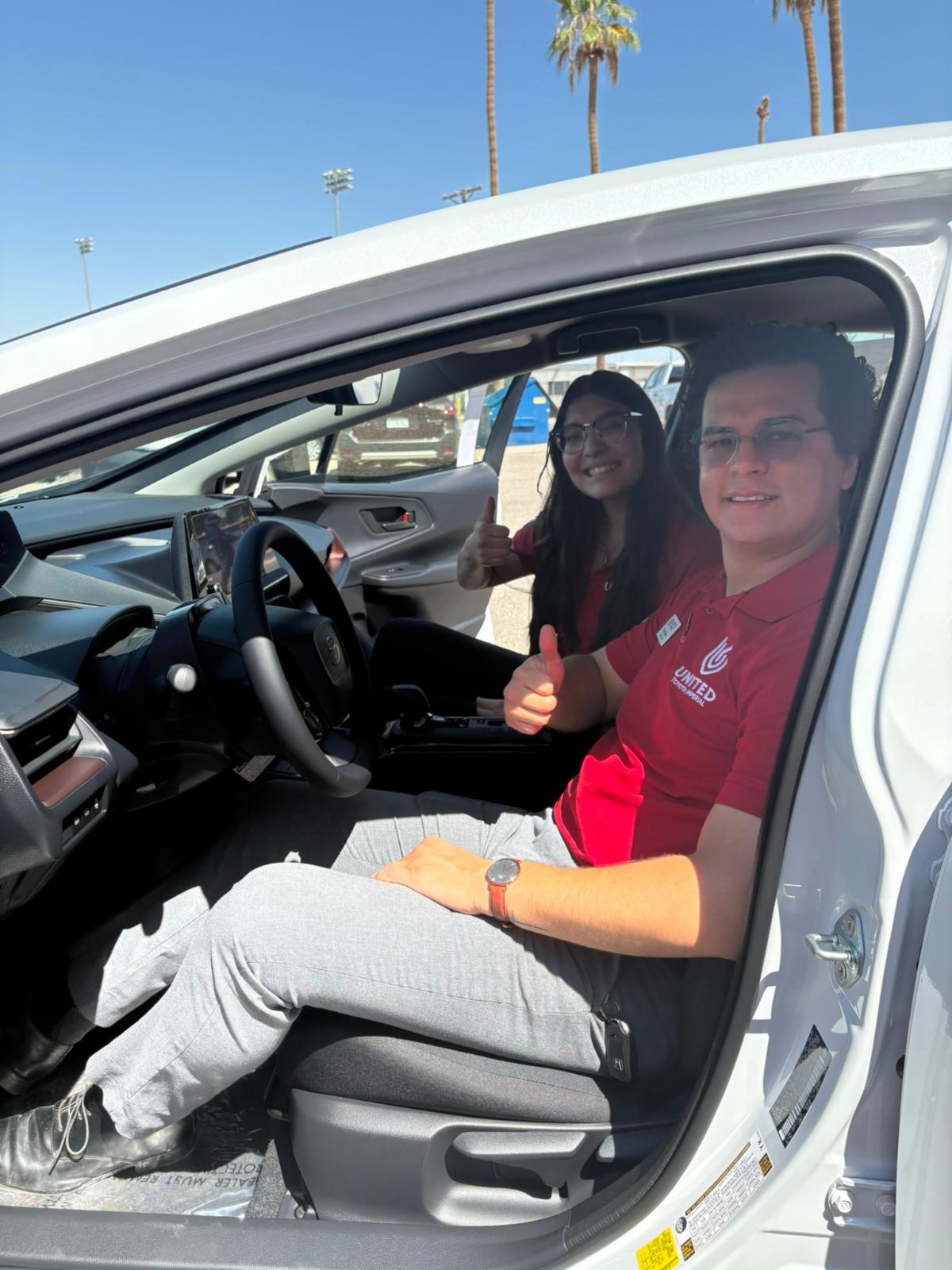
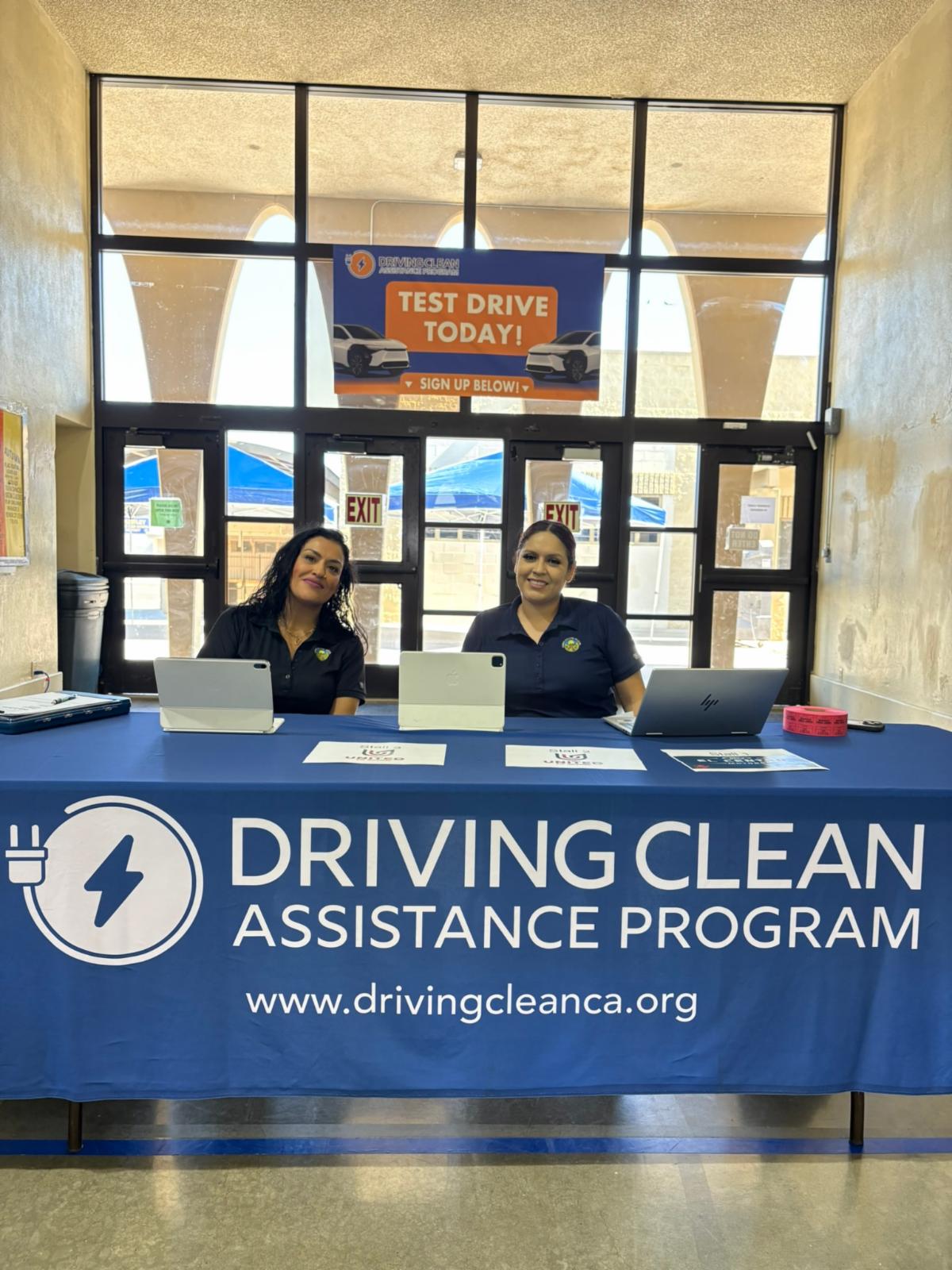
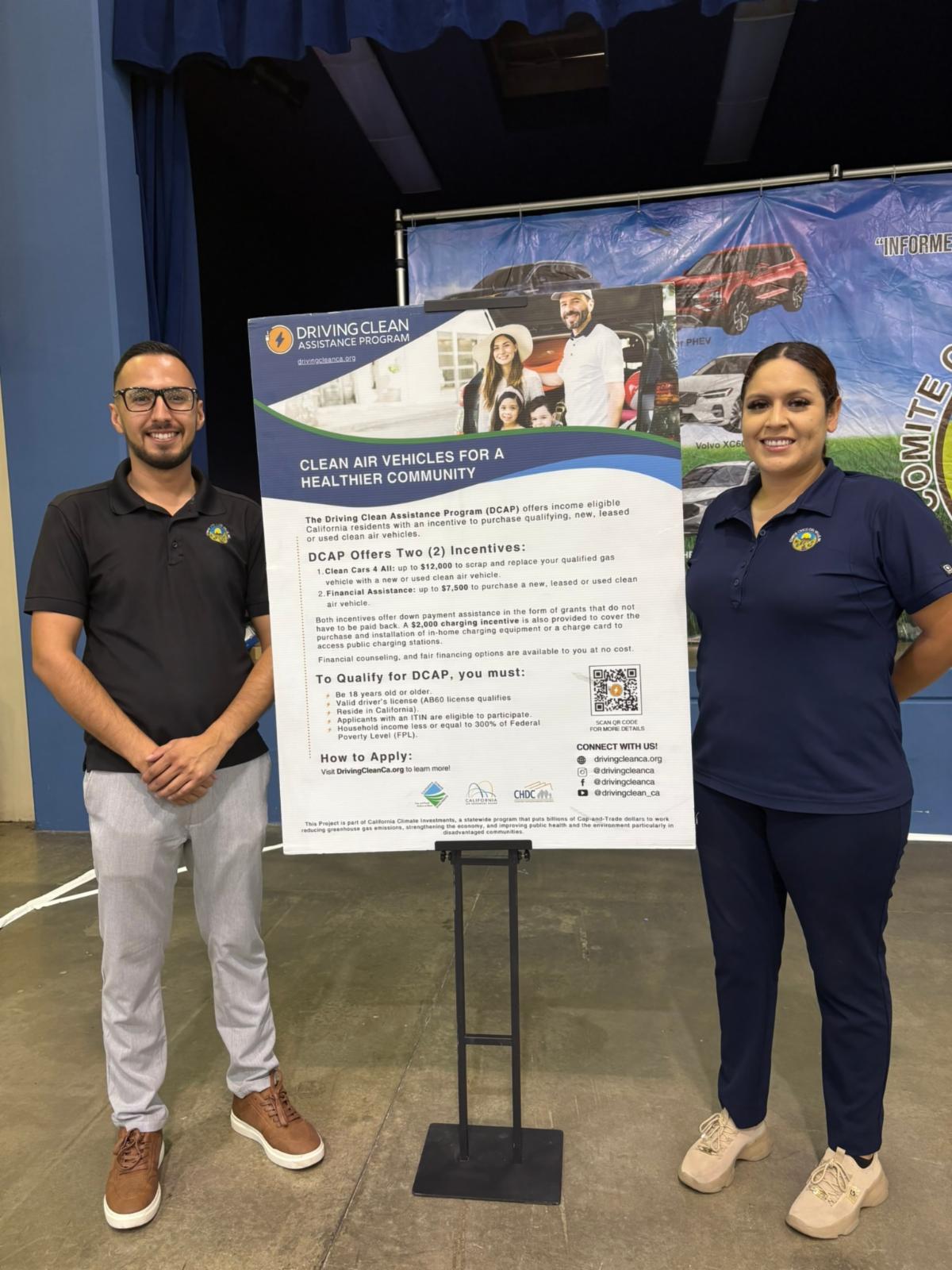
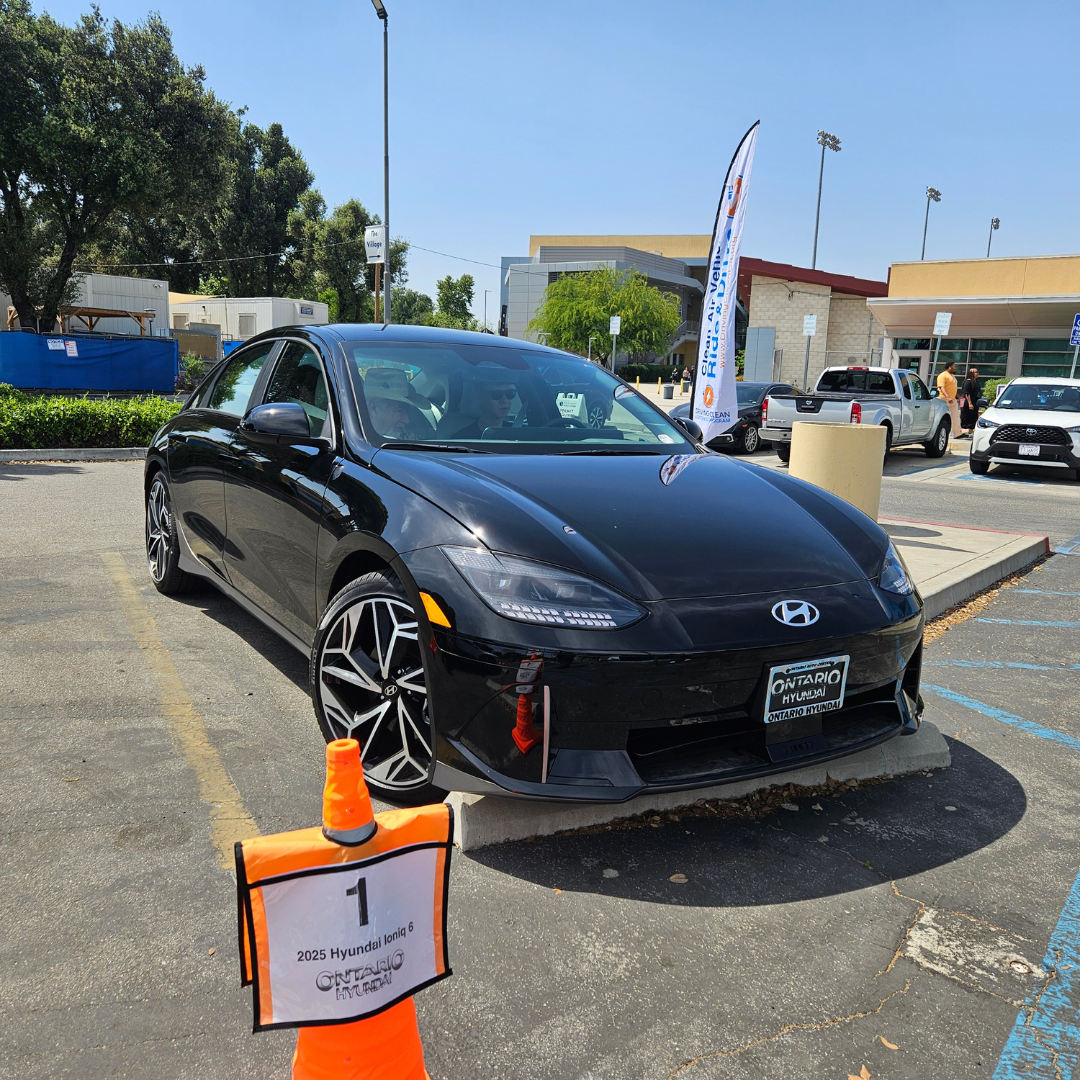
Expanding access to clean transportation through programs like the Driving Clean Assistance Program (DCAP) is a crucial step toward promoting both health equity and school readiness. These programs help low- and moderate-income families in disadvantaged communities afford reliable, zero-emission vehicles, which in turn reduce children's exposure to tailpipe emissions. Cleaner air supports better respiratory health, which in turn leads to fewer missed school days and less stress for caregivers trying to manage their child’s asthma. Having incentives like DCAP also provides opportunities for college students and budding young professionals to receive financial assistance for purchasing a clean vehicle to commute to school and work. CCAC's EV Equity team provides information about EVs and helps eligible residents submit the DCAP incentive application.
If a parent or caregiver is worried about the air their child is breathing—at school or at home, what steps would you recommend they take, and how can organizations like CCAC help?
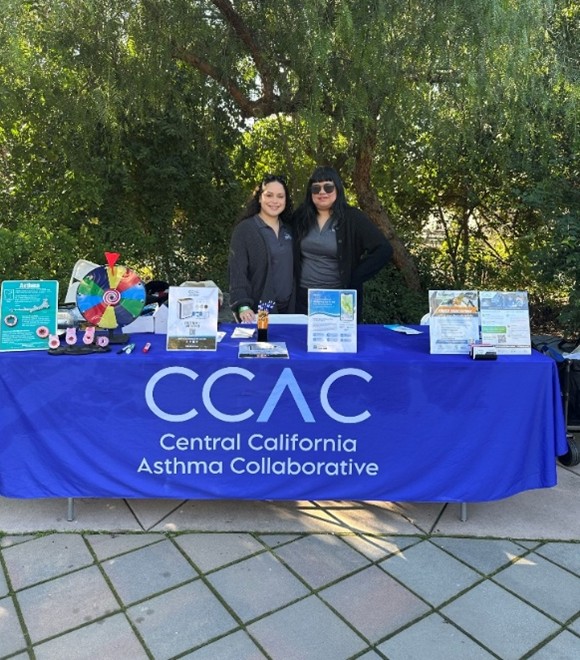
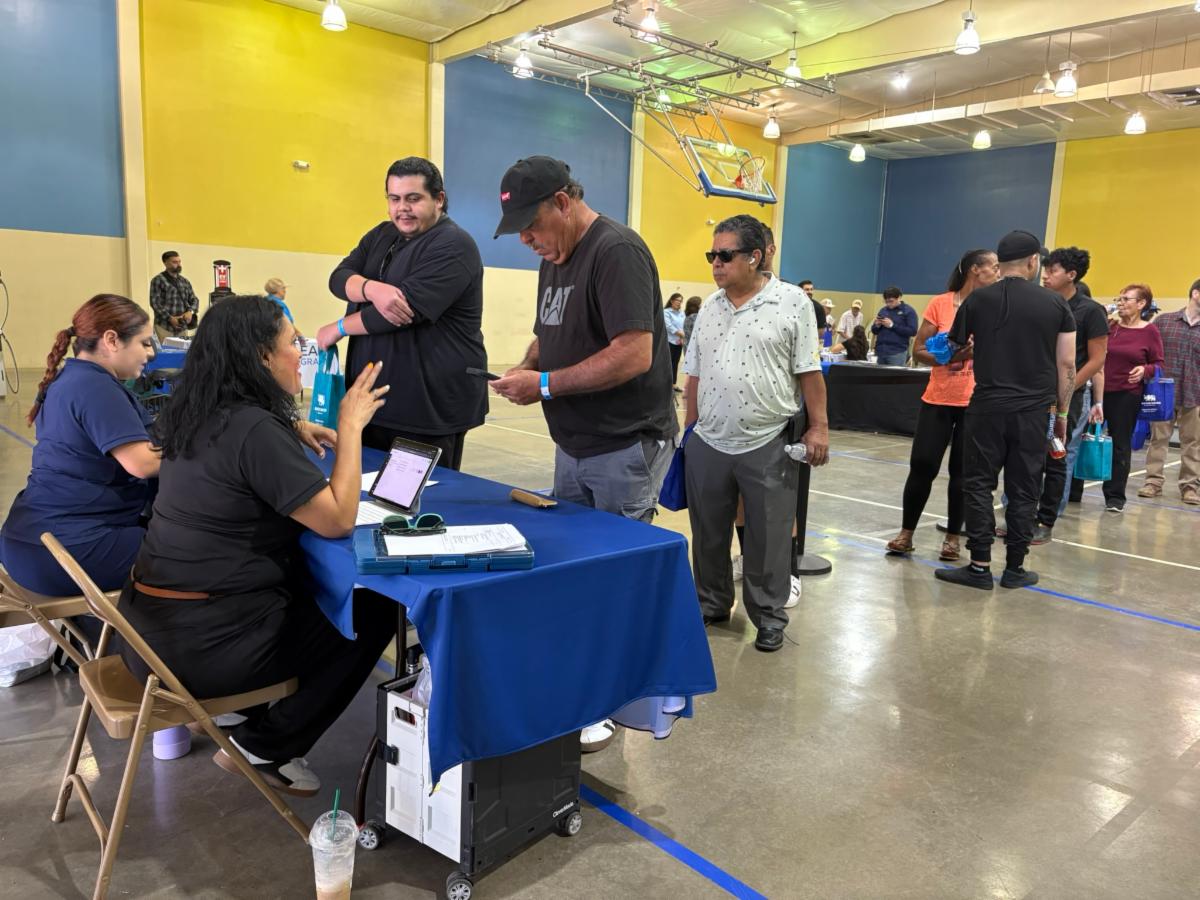
If a parent or caregiver is concerned about the air their child is breathing, there are several important steps they can take to protect their child’s health. First, they should talk with their child’s healthcare provider to ensure their asthma action plan is up to date and that medications are being used correctly. At home, reducing indoor asthma triggers like dust, mold, pet dander, and smoke can make a significant difference. Community-based organizations, such as CCAC, can play a vital role. Our organization provides in-home environmental assessments and asthma remediation tools free of charge to low-income families enrolled in Medi-Cal, helping them identify and reduce asthma triggers and improve their asthma self-management. CCAC’s asthma program was nationally recognized by the U.S. EPA in 2021 for its leadership in asthma management.
CCAC also advocates for healthier environments and policies to help families address the root causes of poor air quality and chronic disease. CCAC operates a community-based air monitoring network (SJVAir.com) that provides residents across the San Joaquin Valley with real–time air pollution data from monitors located near their homes and schools. CCAC partners with rural school districts to set up monitors at all of their schools.
|