DCJS Victims Services News

Sexual Assault Awareness Month

Special Edition

April 2025

DCJS_20Logo.jpg

Sexual Assualt in Virginia By the Numbers


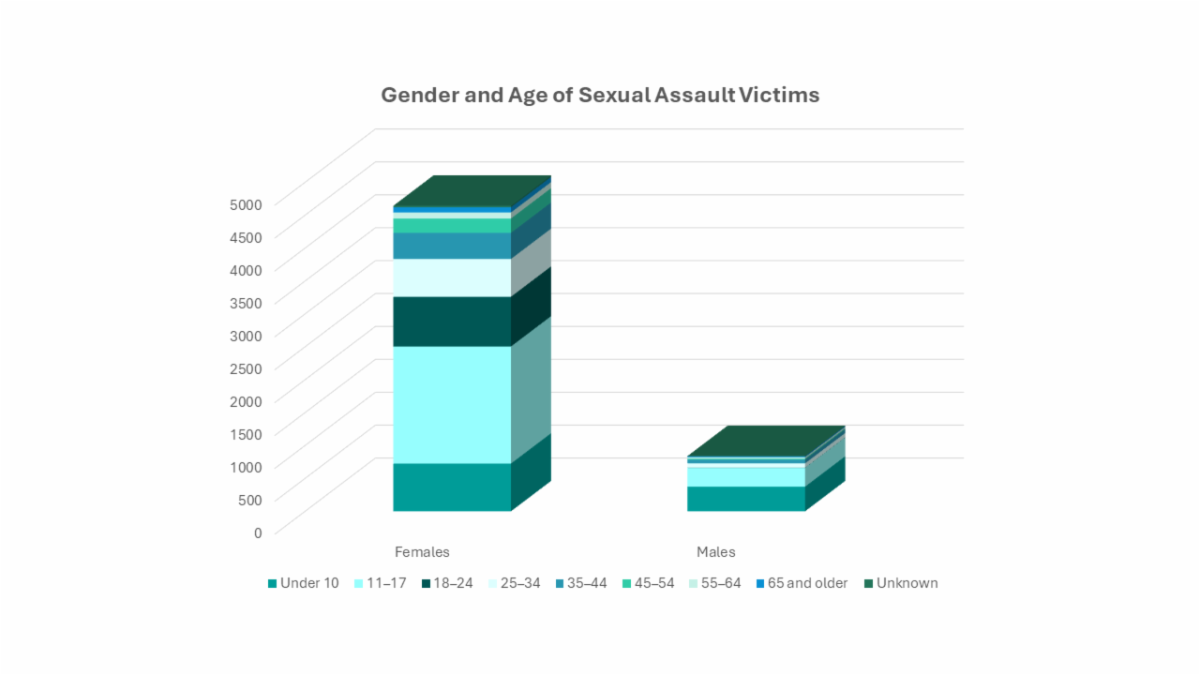
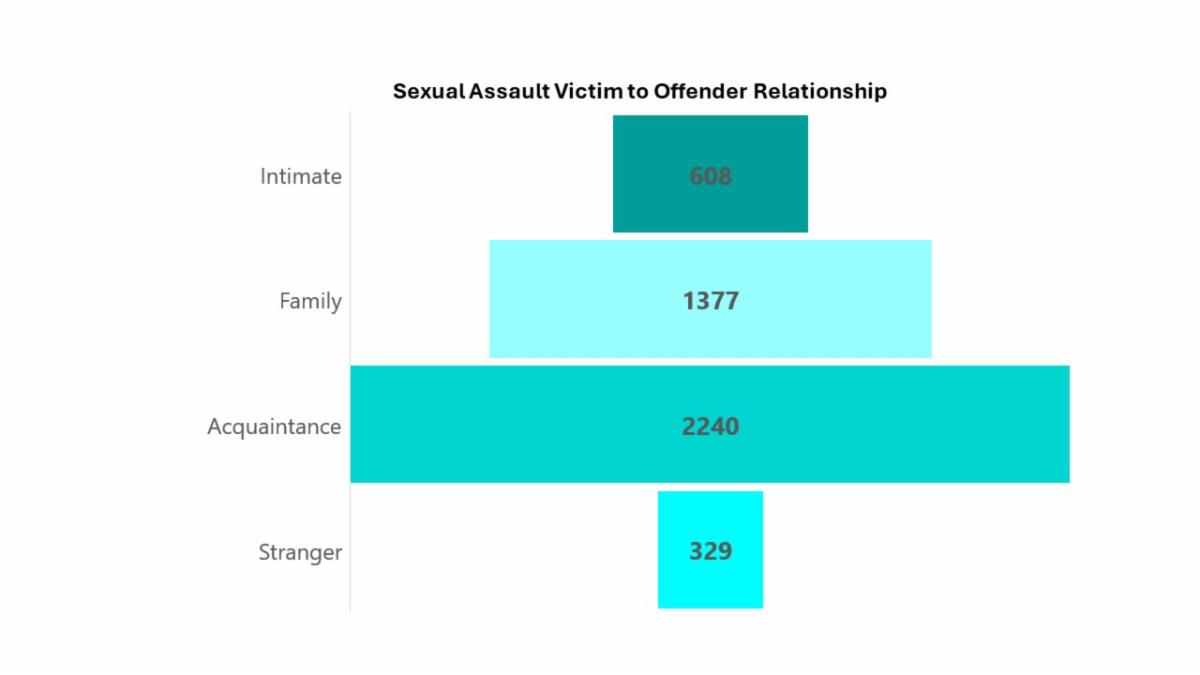
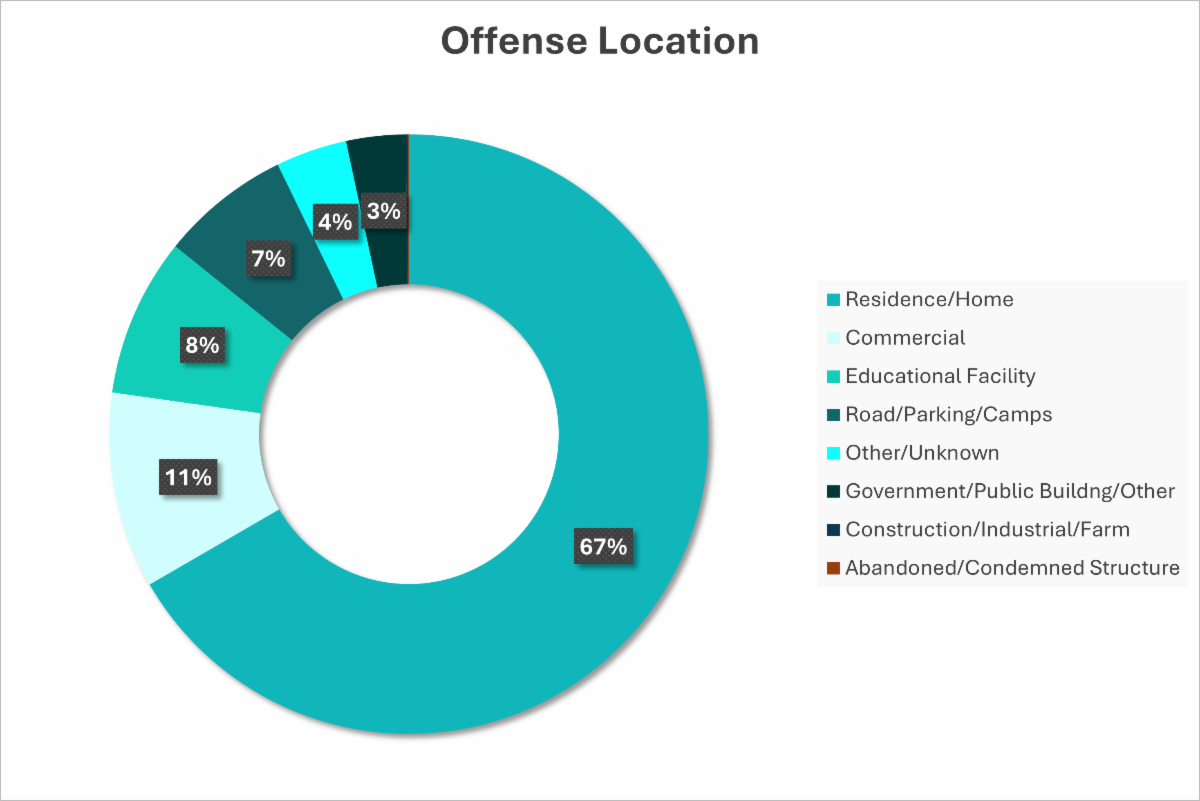
The following graphs represent sexual assault statistics reported for Virginia in 2022, according to the Virginia State Police's "Crime in Virginia 2023" report. As shown below, in 2022, sexual assaults most commonly occurred in the victim's home and were most often committed by someone known to the victim. Of the 5,540 reported victims of sexual assault, 32% were females between the ages of 11 and 17.

DCJS Victims Services Sexual Assault Infographic Fact Sheet

This downloadable fact sheet contains statistics and resources related to sexual assault.

SAAM Fact Sheet

Upcoming DCJS Victims Services

Sexual Assault Awareness Month Training

DCJS Victims Services is offering two free webinars in observance of Sexual Assault Awareness Month.


Building Accessible Justice in Virginia

April 15, 2025, from 2:00 pm–3:00 pm


This panel discussion will present the findings of a federal Office on Violence Against Women (OVW) grant-funded project focused on understanding and addressing the needs of victims of sexual assault with intellectual and developmental disabilities. The panel members, representing the three collaborative partners in this project, will delve into the comprehensive needs assessment conducted as part of this project and explore the identified statewide needs. Panelists will discuss key findings and the strategic plan they developed to address identified needs within their agencies and through their work.

Learn More and Register

Prosecuting Cases Involving Victims with Developmental Disabilities: A Focus on Sexual Assualt

April 16, 2025, from 12:00 pm–1:30 pm


Individuals with developmental disabilities are at disproportionate risk of sexual assault. These victims also face unique challenges when interacting with the criminal justice system. Cognitive, physical, and communication impairments – in addition to trauma from the assault – could impact a victim’s participation in a criminal investigation and their testimony at trial. Criminal justice professionals who fail to account for these challenges will be unable to properly evaluate, investigate, and prosecute these cases, leading to case attrition. In order to achieve justice for victims and hold offenders fully accountable, prosecutors must address the impact of developmental disabilities on victims and on the dynamics of sexual assault, particularly when assessing offenders’ access to and manipulation of victims.


This presentation will explore methods for working with victims with developmental disabilities, filing and arguing pretrial motions, developing trial strategies that take into account the victim’s disabilities, as well as any mental health issues, introducing relevant and excluding irrelevant evidence at trial, and arguing for appropriate sentences.


Learn More and Register

Listen and Learn


The National Institute for Justice's Forensic Technology Center of Excellence hosts a podcast series titled "Just Science." Episodes include:


At a Glance: Sexual Violence and Housing Insecurity


The National Sexual Violence Resource Center's Housing and Sexual Violence Research Brief summarizes relevant research regarding the intersections of sexual violence and housing insecurities. Some highlights of this brief include:


  1. Disproportionate Rates of Sexual Violence: Women who experience homelessness have experienced sexual violence at a higher rate than reported by both men in a similar study and women in national studies.
  2. Homelessness and Sexual Violence Risk Factors: Women experiencing homelessness are at an increased risk of sexual assault. Factors such as having a history of childhood abuse or neglect, substance use disorders, mental health conditions, the duration of their homelessness, and their involvement in high-risk survival behaviors such as panhandling can further increase this risk.
  3. Increased Homelessness and Sexual Assault: Researchers found that victims who experienced sexual assault had an increase in both the frequency and duration of homelessness episodes than individuals who had not experienced such violence.
  4. Intersectionality of Housing, Poverty, and Sexual Violence: A study that surveyed victim service professionals and other service providers about the sexual assault of tenants by landlords found that almost 50% of women whom their landlord sexually assaulted lived in public housing. After the sexual assault, most women reported a desire to move but were unable to do so due to economic challenges or lack of affordable, alternative housing.


These studies highlight the intersections of sexual violence and housing insecurity and the need for collaborations between victim advocates and housing advocates to ensure individuals receive the economic, housing, and advocacy resources and support they need.


Learn more on this topic:

NSVRC Housing and Sexual Violence Research Brief
NSVRC Exploring the Intersection of Sexual Assault and Housing: Key Listening Session Findings
NSVRC Links Between Sexual Violence and Housing Infographic

Staff Spotlight

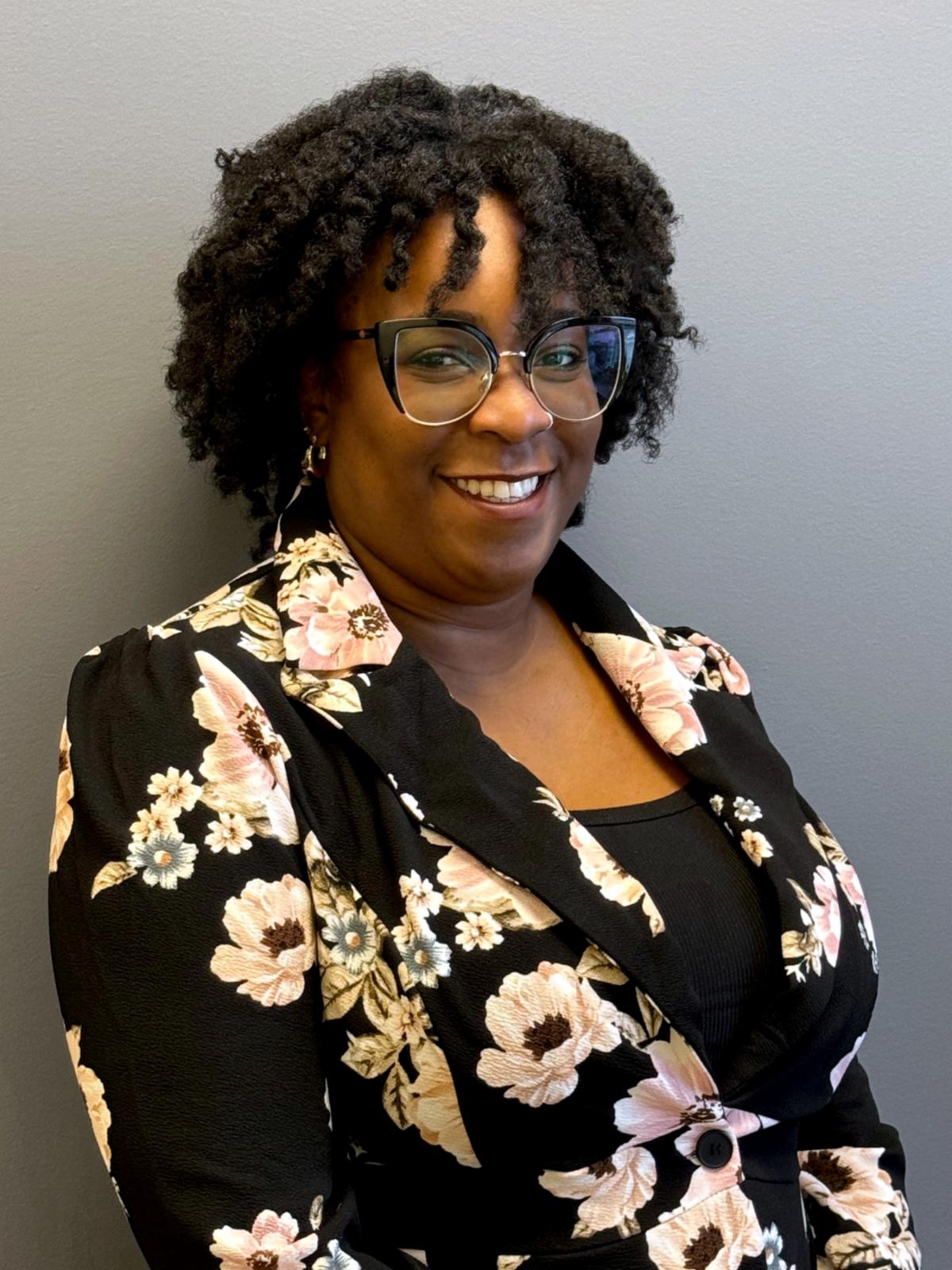
This newsletter's Staff Spotlight features Kimberly Hill, DCJS State Trafficking Services Specialist.


1.    Share a little about your educational and professional background:

 I graduated from Virginia Commonwealth University with a BS in Health, Physical Education, and Exercise Science, with a concentration in Community Health Education. I also minored in African American Studies and Sociology.


During undergrad, I completed an internship with a local sexual and domestic violence agency (SDVA), which was a catalyst for my career of working in victim services. Shortly after graduation, I worked in hospitality, mental health, and in women’s health. I also worked in the criminal justice field as a local Pretrial/Probation Officer before returning to victim services and working at multiple levels within a human trafficking residential program.


I am currently enrolled in the Master of Social Work program at Walden University, where my focus is on trauma, specifically complex trauma. I believe that having a deep understanding of the psychology of trauma is essential for working in the victim services field.


2.     What is your role at DCJS?

State Trafficking Services Specialist


3.     Why were you interested in working for Victims Services at DCJS?

I began working with the human trafficking residential program shortly after it was opened. I assisted with the completion and modification of protocols and procedures. After program evaluations were completed, changes were made to ensure we were operating under best practices. After spending a majority of my career working at the micro level, I wanted to have more of an impact on the work that is done at the macro level and work on providing technical assistance, training, and supporting human trafficking service providers to operate under best practices.


4.     What do you enjoy most about your work with DCJS?

I enjoy the healthy work-life balance. After working in a program that was staffed 24/7, I found that it was harder to maintain a healthy work-life balance due to the demands of the job.


5.     What has been your proudest accomplishment at DCJS?

I have not been here long enough. I am still learning the ropes. Ask me again in 6 months.


6.     Prior to working at DCJS, what has been your most unusual or interesting job?

 Prior to coming to DCJS, I worked as the Sexual Assault Kit Initiative Victim Advocate. Although my job title was victim advocate, I did not have any clients due to working cold cases, where the victim was often deceased. This job was interesting because I was able to learn about new DNA technologies and the benefits of re-testing old or unsubmitted physical evidence recovery kits (PERKs) using this advanced technology.


7.     When you were a child, what did you want to be when you grew up?

 A Forensic Nurse Examiner


8.     If you could only vacation one place for the rest of your life, where would it be and why?

This is one of the hardest questions to answer, but I would have to go with Egypt because of the climate, ancient history, culture and natural beauty.


9.     What would you title your autobiography? A Life of Advocacy