December is Here -

End of a Memorable Year!

Happy Holiday Season!


Regardless of what you celebrate and if you celebrate, December is a fun and active month for all of us! At the Spellman, we have been very busy this year and excited to welcome another month of stamps, content, and fun for all!

Let's all celebrate this December issue full of fun and interesting stamp-related information!


Don't forget - Family Fun Day on Sunday, December 3 12 Noon - 2pm. Want to stop by? Let us know!


And speaking of fun, we are dedicating this newsletter issue to YOU!


Do you read this newsletter when it arrives?
I read every single word immediately
I read it when I have a chance
Sometimes I do, sometimes I don't
I forward it to a friend or family member

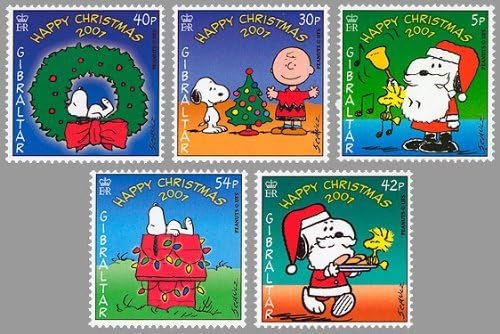
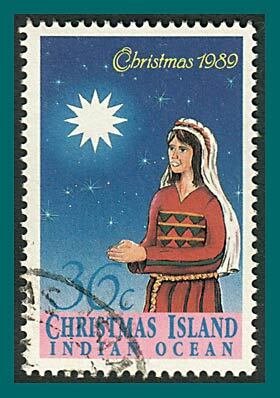
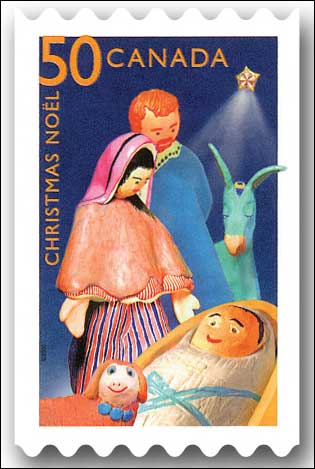
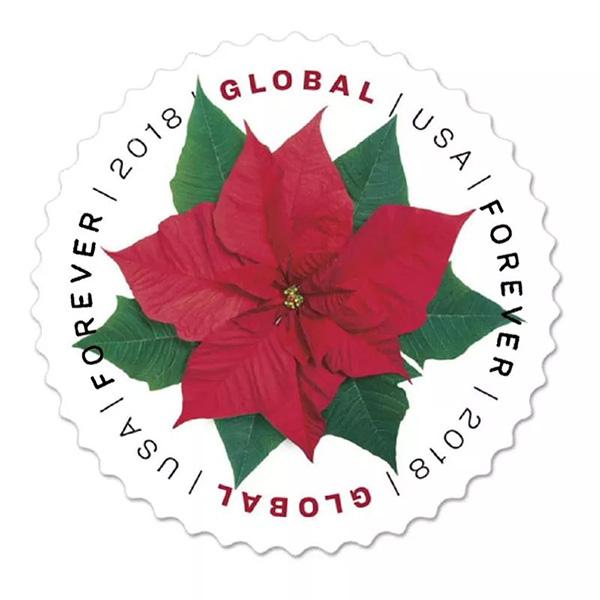
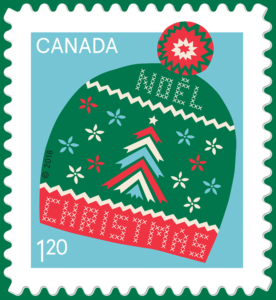
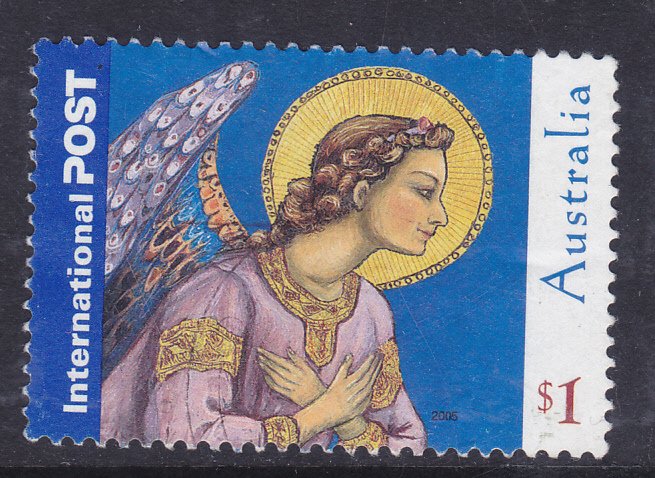
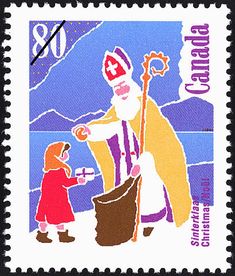
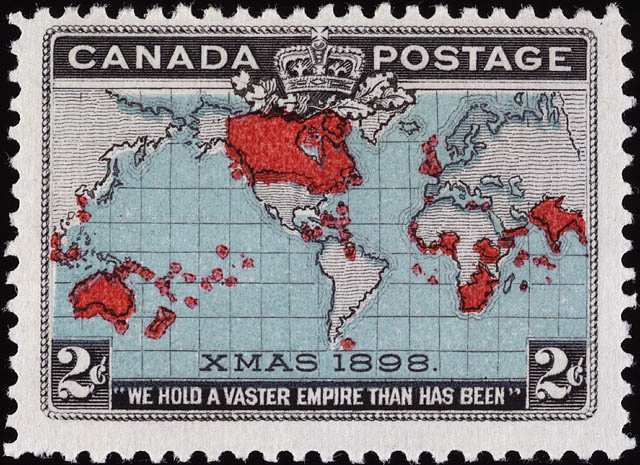
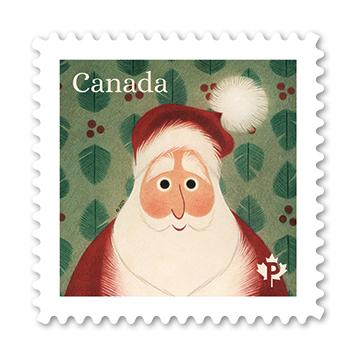
VINTAGE HOLIDAY POSTAGE STAMPS

FROM AROUND THE WORLD

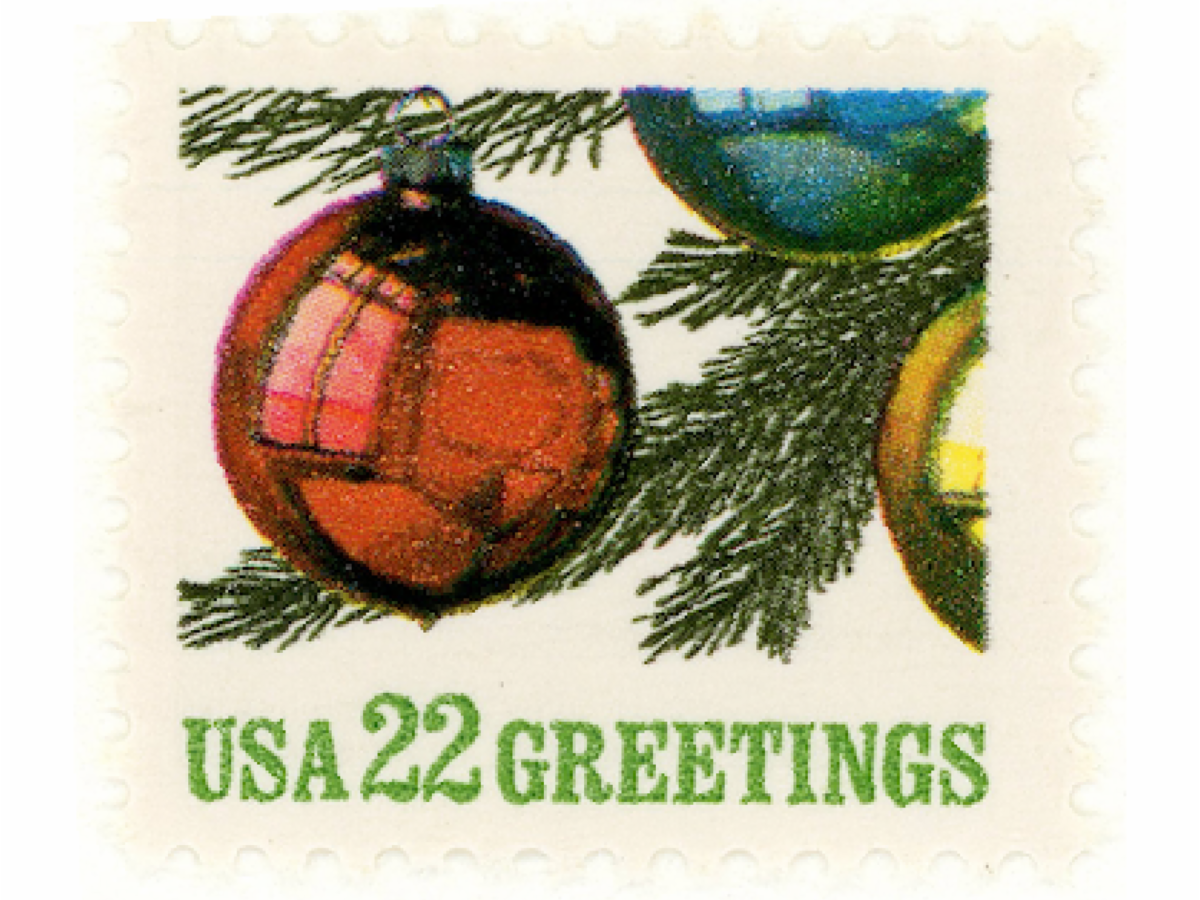
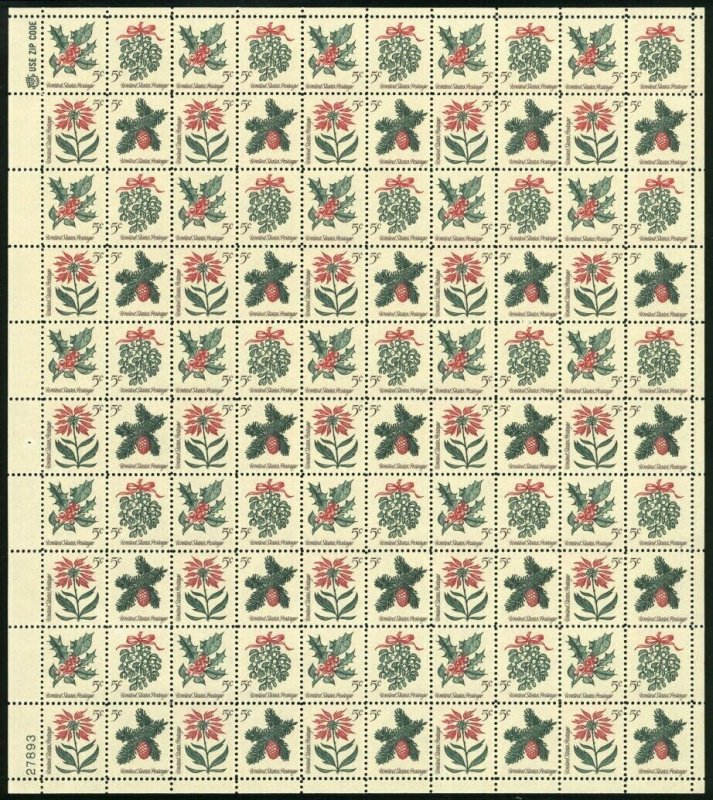
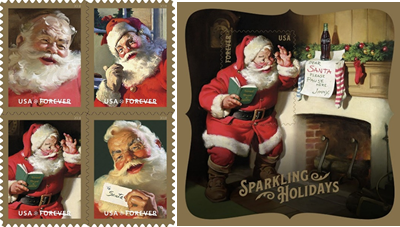
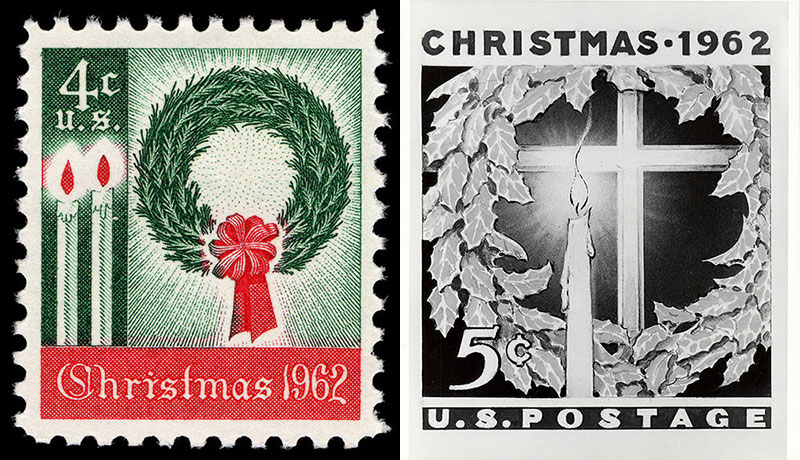
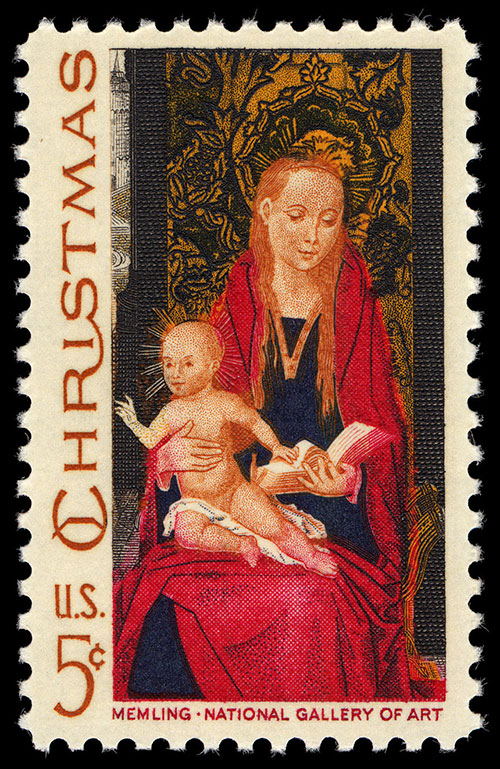
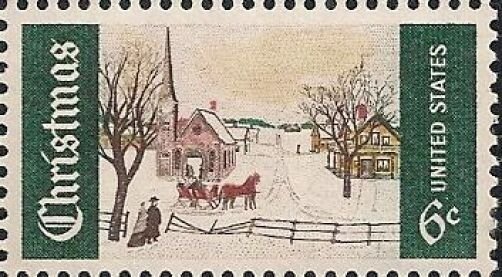
The large volume of mail has always kept the postal system busy during the winter holidays. In 1962, the first Christmas stamps were officially issued, and have since become a regular and much anticipated occurrence. Since 1970, two general themes of Christmas stamps have been issued yearly: one "traditional" and one "contemporary." The traditional stamps tend to be based on religious artwork, while the contemporary stamps usually have a secular subject.

Many of the artworks that have inspired the traditional stamps are in the National Gallery of Art in Washington, D.C.

What is your favorite holiday stamp?


SOME INCREDIBLE PEOPLE WERE BORN IN DECEMBER! WERE YOU? LET US KNOW!


December 1. Zoe Kravitz, actress

December 2. Lucy Liu, actress

December 3. Julianne Moore, actress

December 4. Marisa Tomei, Jeff Bridges, actors

December 5. Little Richard, singer

December 6, 1896 – Ira Gershwin, composer, Agnes Moorehead, actress

December 7, 1761 – Marie Tussaud, created “Madame Tussaud’s Waxwork Museum”

December 7, 1915 – Eli Wallach, actor,Ted Knight, actor, news anchor on

“The Mary Tyler Moore Show”, Gregg Allman, singer, musician

December 8, 1765 – Eli Whitney, invented the cotton gin, Sammy Davis Jr.,

actor, singer

December 9, 1912 – Tip O’Neill, Massachusetts Congressman,

Speaker of the House, Kirk Douglas, actor

December 10, 1830 – Emily Dickinson, American poet

December 11, 1942 – Donna Mills, actress,“Knots Landing”

December 12, 1893 – Edward G. Robinson, actor, Frank Sinatra, actor, singer,

Ed Koch, New York City mayor,Connie Francis, singer

December 13, 1818 – Mary Todd Lincoln, First Lady of the United States

December 14, 1503 – Nostradamus, astrologer, Patty Duke, actress

December 15, 1892 – J. Paul Getty, oil billionaire, philanthropist

December 16, 1770 – Ludwig van Beethoven, composer

December 17, 1954 – Bill Pullman, actor

December 18, 1886 – Ty Cobb, MLB baseball player, Betty Grable, actress

December 18, 1947 – Steven Spielberg, director, producer

December 19, 1920 – David Susskind, TV journalist, Cicely Tyson, actress

December 20, 1868 – Harvey Firestone, tire manufacturer

December 21, 1879 – Joseph Stalin, Soviet Russia Dictator,

Phil Donahue, TV talk show host, Jane Fonda, actress

December 22, 1912 – Lady Bird Johnson, First Lady of the United States

December 22, 1922 – Barbara Billingsley, actress, “June Cleaver” on TV series

“Leave it to Beaver”, Maurice Gibb, singer, musician, member of the

“Bee Gees”, twin “Robin”

December 23, 1948 – Susan Lucci, Emmy-winning actress

December 24, 1905 – Howard Hughes, industrialist, aviator, producer, recluse

December 25, 1642 – Sir Isaac Newton, scientist, mathematician

December 25, 1821 – Clara Barton, nurse, found the American Red Cross,

Humphrey Bogart, actor, Cab Calloway, singer, bandleader

December 26, 1921 – Steve Allen, TV personality, Jared Leto, actor

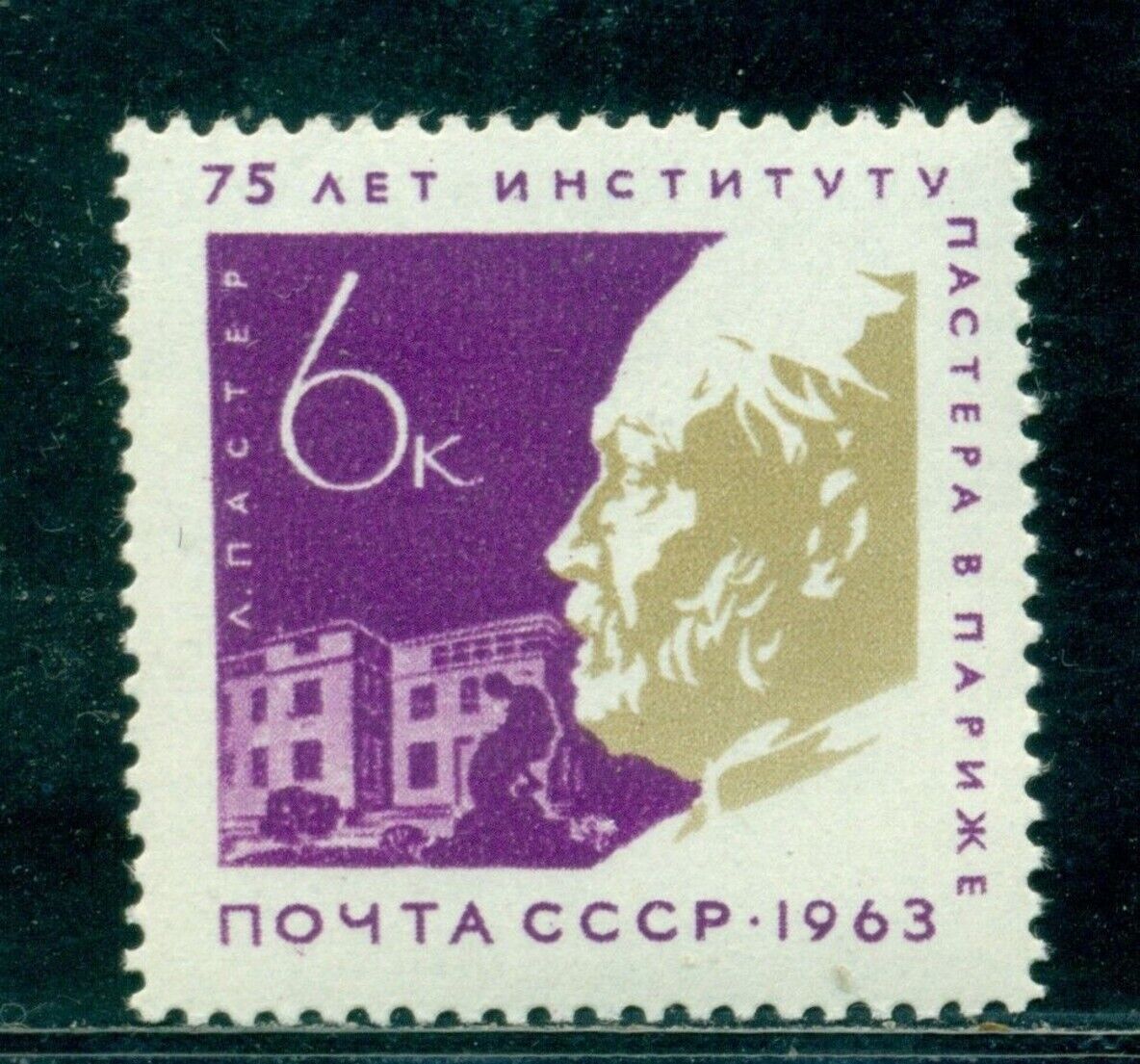
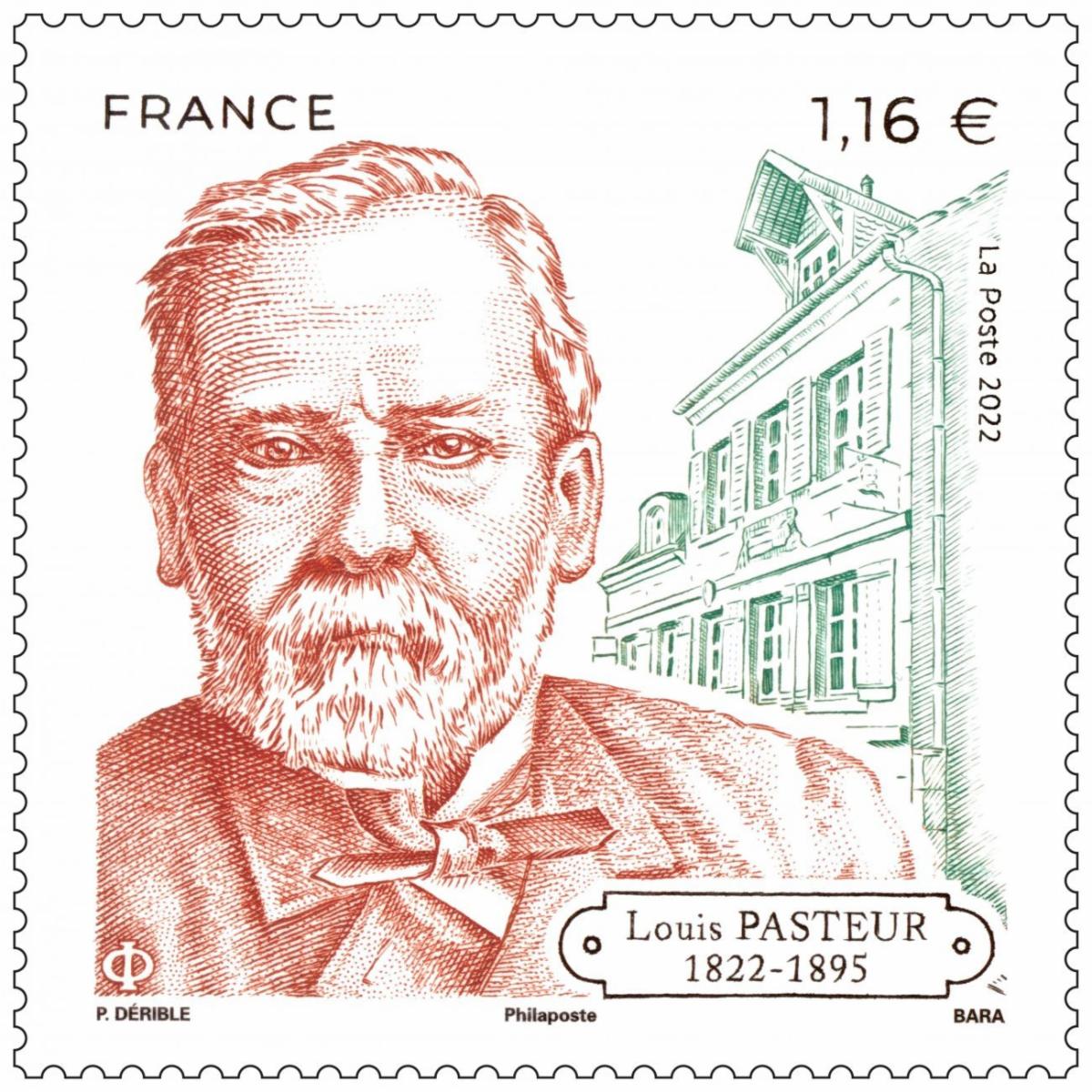
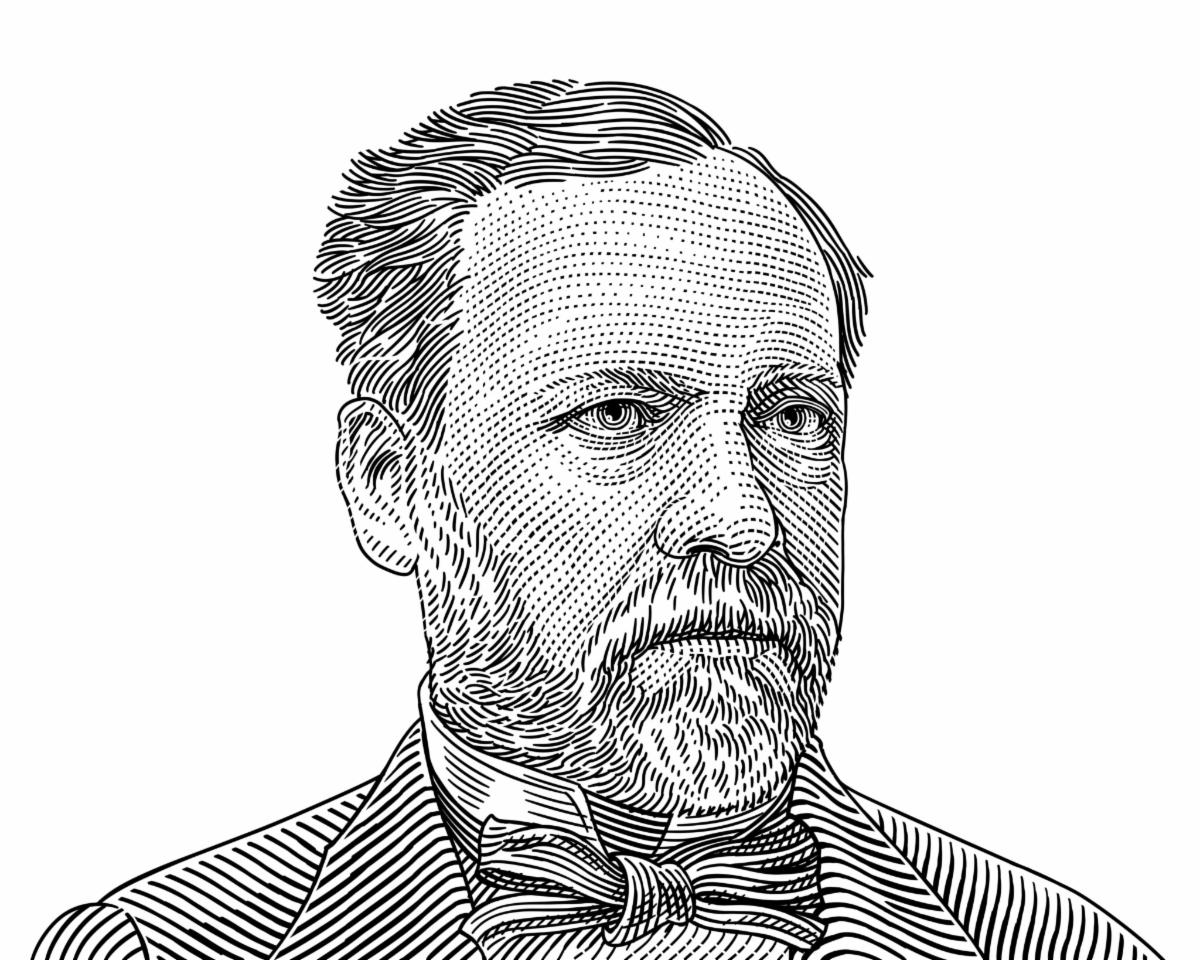
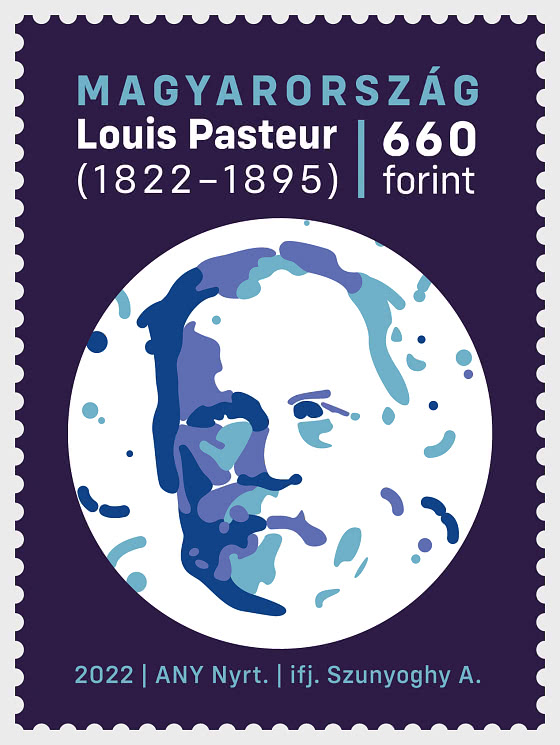
December 27, 1822 – Louis Pasteur, chemist, bacteriologist

December 28, 1856 – Woodrow Wilson, 28th U.S. President (1913-1921)

December 29, 1936 – Mary Tyler Moore, actress, Jon Voight, actor

December 30, 1865 – Rudyard Kipling, writer

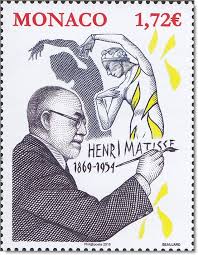
December 31, 1869 – Henri Matisse, painter


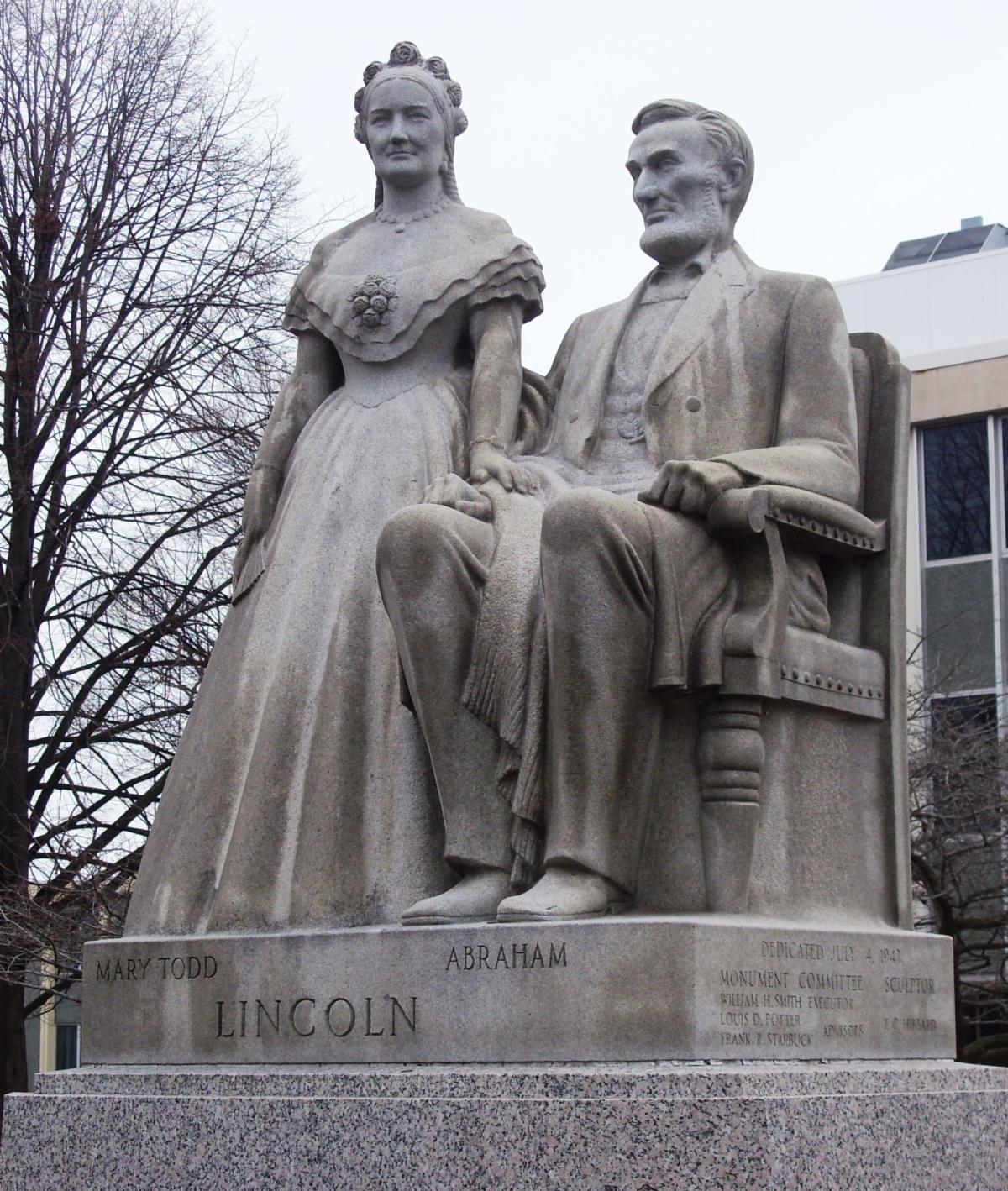
Mary Todd Lincoln:

Did you know?


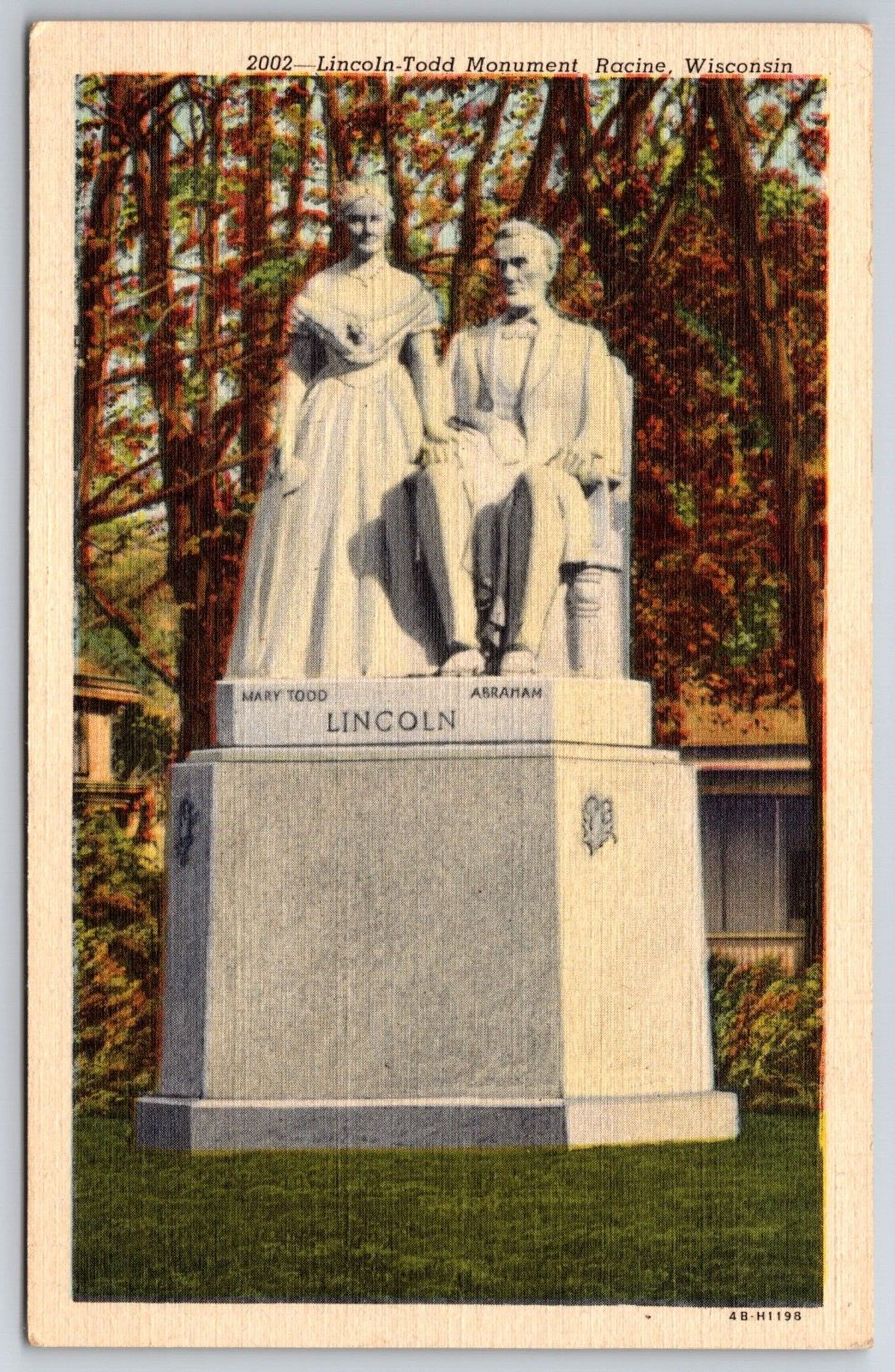
There is an Abraham and Mary Todd Lincoln statue is located at East Park, Wisconsin. When dedicated in 1943 it was the very first memorial to honor the Lincolns as a couple. The statue was a gift to the community by Lena Rosewall who left her entire estate (approximately $20,000) to create the memorial after she died in 1935. It was chiseled from Elberton gray granite and rests on a 5-ton base of pink Minnesota granite. The memorial was designed and sculpted by Chicago artist Frederick C. Hibbard. Miss Rosewall was an admirer of Mary Todd Lincoln, who spent much of the summer of 1867 visiting Racine. Ironically, President Abraham Lincoln was never known to have been in Racine during his lifetime. Many postcards have been created to honor this statue.


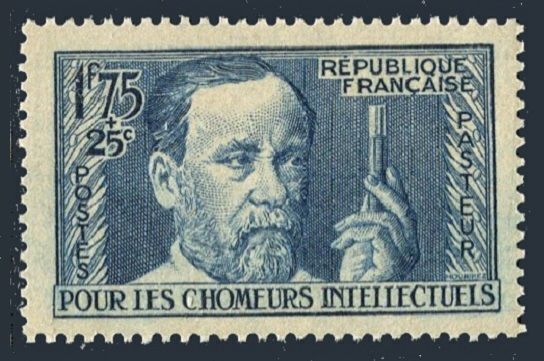
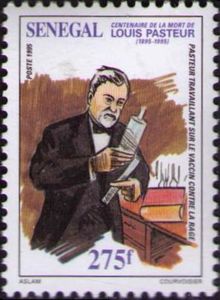
Who Was Louis Pasteur?

A 19th century French scientist often called the “father of microbiology," Pasteur is renowned for developing the germ theory of disease, creating the process of pasteurization (which prevents the spoiling of many food products), and for changing the way that scientists create vaccines.


Born to a poor Catholic family in Jura, France, on December 27, 1822, he enrolled at the Royal College of Besançon, and within one year, Pasteur had earned his Bachelor of Letters. In 1842, he graduated with a degree in science. A year later, he started studying at the École Normale Supérieure, a graduate school in Paris. In 1848, Pasteur was appointed professor of chemistry at the University of Strasbourg.


In Strasbourg, Pasteur met his wife Marie. The pair married in 1849 and had five children. However, only two of those children survived to adulthood, while the rest died of typhoid. It is said that the death of his three children motivated Pasteur to study infections and vaccinations.


Before Pasteur, people believed in a doctrine of “spontaneous generation,” which held that life spontaneously appeared from non-living matter. That faulty reasoning was used to explain why food spoiled and how infections developed. To disprove the theory of spontaneous generation, Pasteur “exposed freshly boiled broth to air in vessels that contained a filter to stop all particles passing through to the growth medium, and even with no filter at all, with air being admitted via a long tortuous tube that would not pass dust particles. Nothing grew in the broths: therefore the living organisms, which grew in the broths that had not been heated, came from outside as spores on dust, rather than being generated within the broth.”


Furthermore, Pasteur found that heating of beverages to a temperature ranging from 140F to 212F killed the bacteria in those liquids. His first successful test was completed on April 20, 1862, and the process he developed came to be known as pasteurization. Pasteur patented his discovery in 1865.

Pasteur then turned his attention to the development of vaccines. He and his colleagues injected chickens with cultured cholera microbes. After many experiments, the team discovered that if the birds were injected with live cholera microbes after they had already been injected with a weaker strain of cholera, the chickens would remain healthy.


Pasteur became the first scientist to use artificially weakened viruses as vaccines. Pasteur then went on to develop a vaccine for anthrax in 1881. In 1885, Pasteur successfully developed a rabies vaccine.


When he died, Pasteur was given a state funeral in the Cathedral of Notre Dame and his body was interred in a vault beneath his institute, where it still lays today.The work of Louis Pasteur fundamentally changed the world we live in. The proof he provided for the existence of the germ theory of disease revolutionized the way we think about human health. Pasteurization enabled us to preserve beverages and canned foods far longer than was previously thought possible. And, finally, Pasteur revolutionized the development of vaccines.


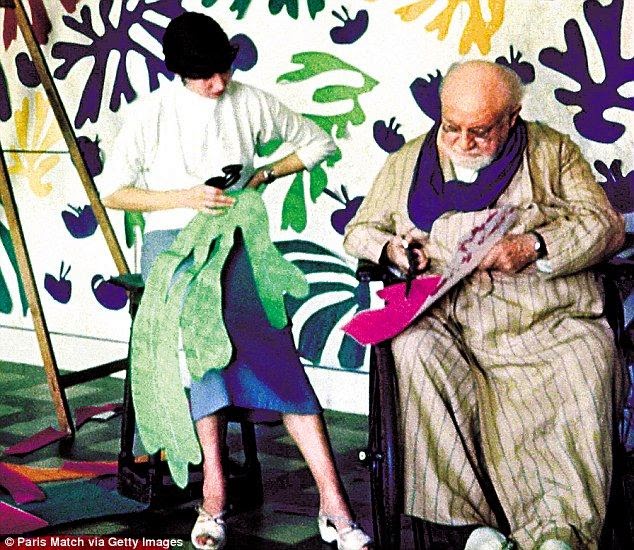
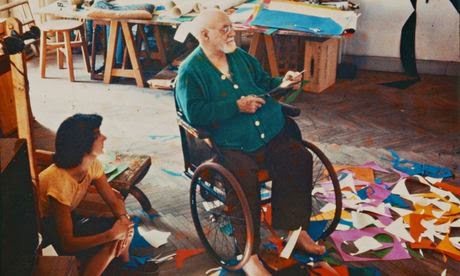
What is a unique fact about Henri Matisse?


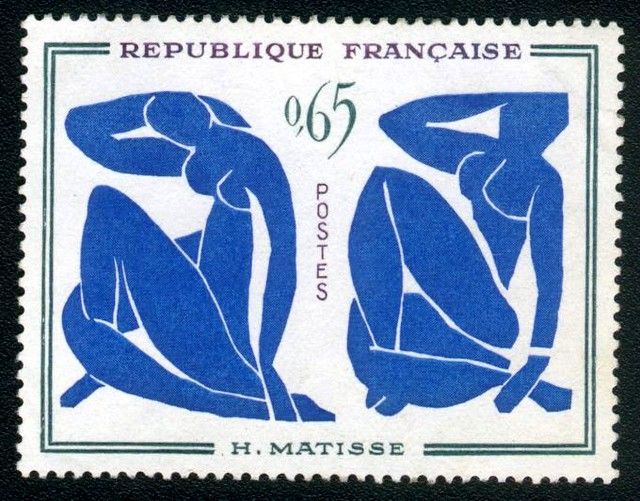
In the last years of his life, Matisse was confined to a wheelchair. As painting became increasingly difficult physically, the artist turned to his cut-out technique. He made shapes of paper with a scissor, which he then arranged using a long stick in a technique he called “painting with scissors.”


Would you like more stamp-related content in this newsletter?
Yes
No


Spellman educational programs are supported in part by a grant from the Weston Cultural Council, a local agency which is supported by the Mass Cultural Council. The Spellman is grateful for all forms of support, both financial and via collections.

We are a fun stamp museum!

How do we know? People tell us!

Stop by and find out for yourself. We are open Thursdays - Sundays noon - 5pm and by appointment.


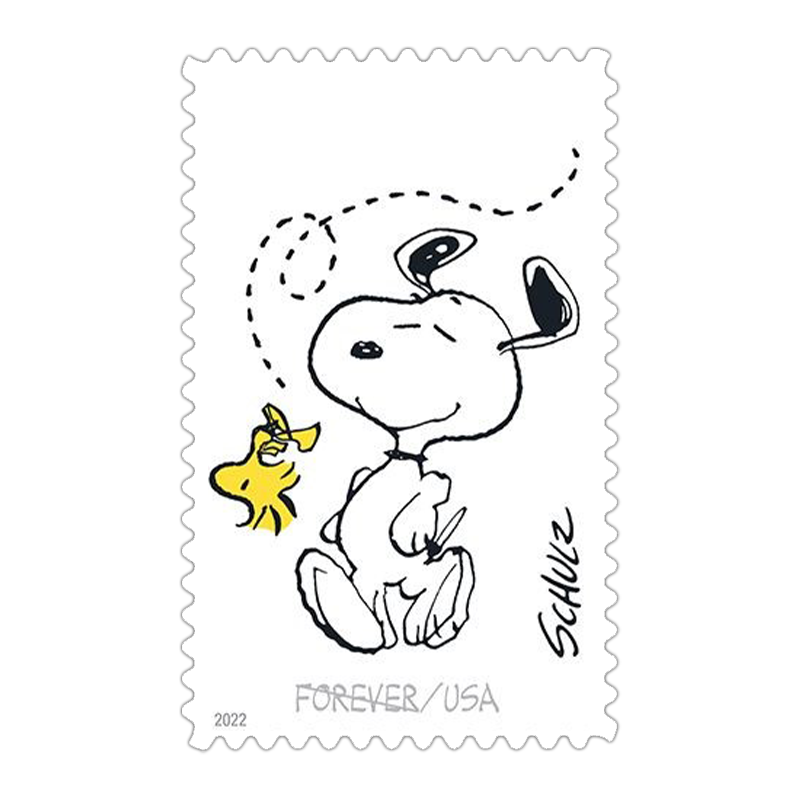
Snoopy postage stamp issued 2022:

Charles M. Schulz was the cartoonist whose “Peanuts” characters are some of the best-known and most beloved in all of American culture. For five decades, Schulz alone wrote and drew nearly 18,000 strips, the last one published the day after he died. Each character reflects Schulz’s rich imagination and great humanity. His resonant stories found humor in life’s painful realities including rejection, insecurity, and unrequited love.


If you ever visit Santa Rosa, California, stop by the Charles M. Schulz Museum and Research Center. Schulz moved his home and studio to Santa Rosa in 1969 and lived there for the rest of his life. The regional airport is named in his honor and bronze Peanuts sculptures grace the airport and downtown’s historic Railroad Square.

VIsit their site here.

WHY STAMPS? WHY THE SPELLMAN?


STAMPS ARE TINY PIECES OF BEAUTIFUL ARTWORK THAT

ENGAGE AND INSPIRE SO MANY PEOPLE.


WE ARE FASCINATED BY THE PLEASURE THESE TINY ADHESIVES PROVIDE TO COLLECTORS OF ALL AGES.


WHAT IS YOUR FAVORITE STAMPS AND WHY?

SEND US A NOTE AND LET US KNOW - WE WANT TO TELL YOUR STORY!

LET'S KEEP IN TOUCH!

The Spellman Museum is a

treasured resource, locally and nationally, and beyond!


As a 501(c)3 support-driven entity, we appreciate all forms of support.


If you have a collection to be evaluated, feel free to call or email Joseph Mullin, Public Affairs Director, to arrange the visit.

He can be reached at 781-768-8367.


If you'd like to support the museum with a donation, please visit spellmanmuseum.org


If you'd like to visit the Museum, simply stop by Thursdays - Sundays, noon - 5pm.

Or, feel free to call to schedule a private tour.


We joyfully welcome all!

Plus we are really fun!


781-768-8367


YOUTH AND SENIOR MEMBERSHIPS ARE MORE

AND MORE POPULAR! 

The Museum continues to offer a complimentary, one-year membership for children. Youth members receive a monthly packet of topical stamps, worksheets and philatelic information, a discount in the Museum store, a monthly stamp calendar plus free admission for themselves and the family. For more information, contact Jessica Leuschner.


Our seniors are a treasured segment of our membership. Established last year, this $25 membership offers those individuals all of the benefits and joys of membership. Contact us for more information!


Have ideas? Want to share?

Please send us any and all ideas!