HAPPY NATIONAL DIABETES AWARENESS MONTH

X  Linkedin  Instagram

| Op-Ed


Diabetes: A Window to Tackling Multiple Chronic Diseases in Rural Georgia

In Georgia, diabetes affects over 12% of adults, with rural communities facing the highest rates alongside greater obesity, heart disease, and dementia. These disparities are compounded by limited access to healthcare, transportation, and healthy food, creating “health care deserts.”


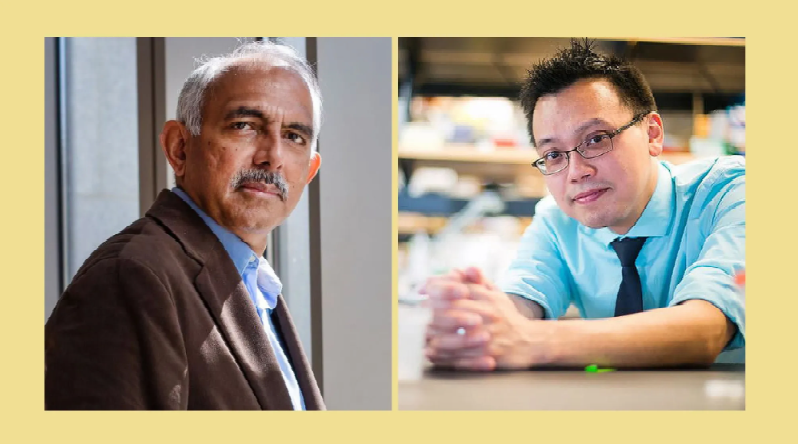
In the fall issue of Rollins Magazine, Drs. K.M. Venkat Narayan and Wilbur Lam highlight how diabetes offers a critical window to prevent multiple chronic diseases through innovative approaches in nutrition, physical activity, early detection, and technology-enabled care. By leveraging local infrastructure, community resources, and Emory’s research and tech expertise, these strategies can transform health outcomes in rural Georgia.

"There is a critical need to redirect our focus toward understanding and drastically lowering chronic disease rates through innovative approaches to nutrition, physical activity, and healthy lifestyles, rather than merely managing diseases after they develop."

Emory Researchers Tackle the Top 10 Diabetes Problems in Rural Georgia


A diverse group of health professionals, researchers, and technologists recently gathered in Macon, Georgia, for a workshop led by the Emory Global Diabetes Research Center (EGDRC) as part of StopNCD.org’s global initiative to address non-communicable diseases. This second workshop in the StopNCD.org series focused on technology-driven solutions for diabetes care in rural Georgia.


Guided by a steering committee from Augusta University, Mercer University, Albany Area Primary Healthcare, and the University of Georgia, participants explored the daily challenges faced by rural patients and providers.


Some Diabetes Challenges in Rural Georgia Include:


  • Medication discontinuation
  • Diagnostic delays
  • Limited nutrition counseling
  • Lack of exercise options
  • Specialist shortages


View Full List


Building on these insights, Emory University will host Demo Day on Saturday, Dec. 6, from 9 AM to 1 PM at the Rollins School of Public Health, Claudia Nance Rollins Building, 8th Floor. The event will showcase the Top 10 Problems from India and rural Georgia, with students from Emory and Georgia Tech, in collaboration with EGDRC partners, presenting innovative prototypes aimed at improving diabetes care.


Join us for Demo Day! | Register HERE.

| Behind the Research

Meet Wendy McKimpson, PhD


Since joining Emory University in January, Dr. Wendy McKimpson has been building a lab focused on how hormone-producing cells in the gut and pancreas influence diabetes and obesity. Drawing inspiration from both her mother’s experience with type 1 diabetes and her love of cell biology, McKimpson aims to translate these discoveries into therapies that restore and protect critical endocrine cells.

| Honors & Achievements

Congrats to Dr. Dr. Mohammed Ali!


Congratulations to EGDRC Co-director, Dr. Mohammed Ali on his election into the National Academy of Medicine, one of the highest honors in health and medicine!


Dr. Ali is internationally recognized for his groundbreaking research in cardiometabolic health, diabetes, and related chronic conditions alongside his contributions to health care delivery, preventive services, and implementation science.

Have an upcoming publication you'd like us to share?

Please email Associate Director of Communications, Myra Nwafor (myra.patrick@emory.edu) to submit an item for our next newsletter.

| Publications & Highlights

Insulin Discontinuation in Youth with New Onset Type 2 Diabetes Presenting with and without Diabetic Ketoacidosis

Shuai Hao, MD; Adrianna L. Westbrook, MPH; Cynthia Sinha, PhD; Daniel S. Hsia, MD;Priyathama Vellanki, MD


A recent Emory-led study explores whether presenting with diabetic ketoacidosis affects insulin discontinuation among youth with newly diagnosed Type 2 diabetes. Roughly half of patients discontinued insulin, regardless of whether they had experienced DKA. Researchers identified three patterns of insulin use: early discontinuation, late discontinuation, and continued use. DKA did not influence how quickly patients stopped insulin. Findings also show that youth with type 2 diabetes experience faster β-cell decline than adults, underscoring the need for therapies that sustain remission.


JAMA

Prescribing Trends of Glucagon-Like Peptide 1 Receptor Agonists for Type 2 Diabetes or Obesity


Pediatric Obesity

Associations of Acculturation With Added Sugars Intake and Weight Status Among Mexican American Adolescents in the United States, NHANES, 2009–2018

American Journal of Respiratory and Critical Care Medicine

Preoperative GLP-1 RA Use and Postoperative Respiratory Complications in Patients Undergoing Elective Surgeries: A Target Trial Emulation Study

| Coming Up

Virtual | World Diabetes Day at Emory: Prevention, Wellness, and Life with Diabetes


Friday, November 14 | 12PM - 1PM


The session will highlight practical strategies, real-world experiences, and clinical guidance—covering topics such as CGM and pump etiquette, food policies, and safe transitions from pediatric to adult care.


GCDTR Virtual Seminar | Insulin Access and Health Outcomes After the Inflation Reduction Act’s Out-of-Pocket Spending Caps


Monday, November 17 | 12PM - 1PM EST


Dr. Rebecca Myerson, Associate Professor of Health Policy & Management at the Rollins School of Public Health