X  Linkedin  Instagram

Nearly 800 Million Adults Globally May Qualify for GLP-1 Weight-Loss Therapies

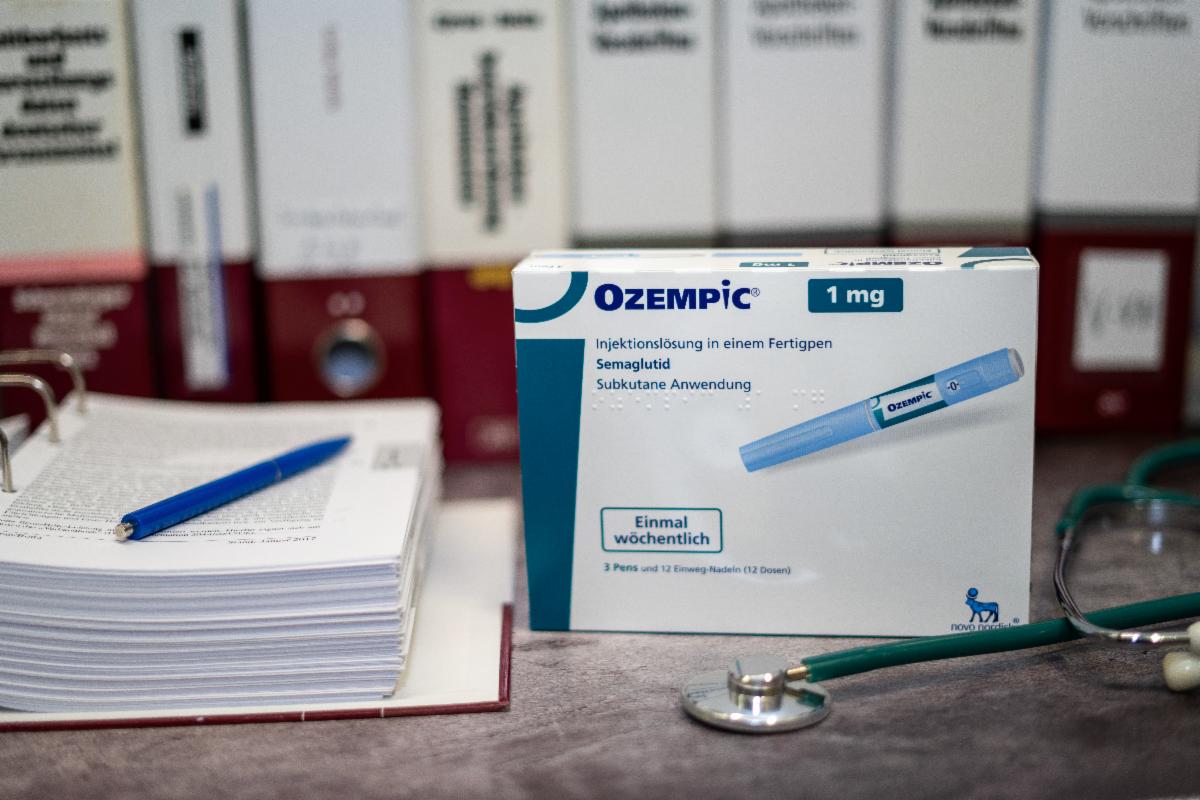
With the release of WHO’s new guidance on GLP-1 medications for obesity, questions around global eligibility are growing. A new Lancet study co-authored by EGDRC’s Felix Teufel and Mohammed K. Ali analyzes data from 810,000 adults across 99 countries and estimates that nearly 800 million people worldwide may be eligible—most of them living in low- and middle-income countries.

Key findings:


  • Approximately 27% of adults in the study population meet current eligibility criteria for GLP-1 medications for obesity management.


  • Eligibility is higher among women and older adults.


  • Nearly 80% of eligible individuals worldwide reside in low- and middle-income countries, including countries such as India and China.


  • This research provides crucial, region-specific evidence to guide culturally relevant prevention strategies and inform health policy in South Asia.

Now Available | 2024-2025 Annual Report


As we begin the new year, we’re reflecting on our latest annual report, which highlights how EGDRC, alongside our partners, is translating vision into action—advancing diabetes research and impact across Georgia and around the world.


Emory Demo Day Showcases Student-Led Technology Driven Solution for Diabetes Care


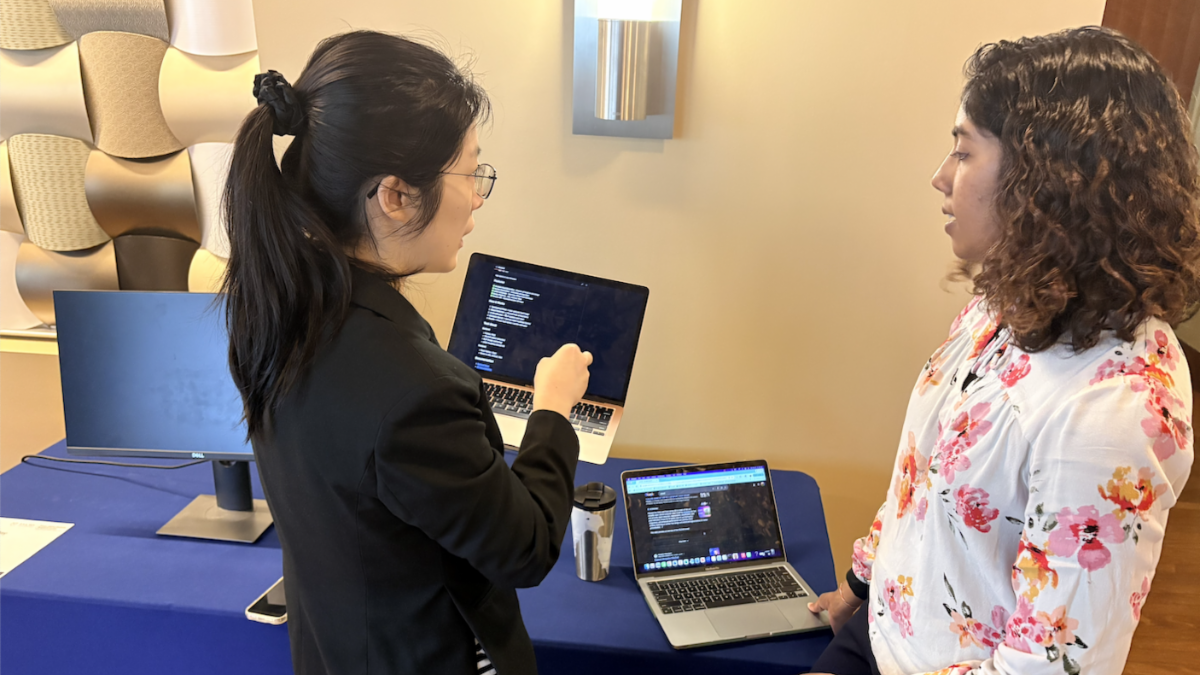
EGDRC’s recent Demo Day brought together students, faculty, and partners to highlight student-led innovations addressing real-world challenges in diabetes and chronic disease care—especially in rural and underserved communities. Students from Emory, Georgia Tech, and Kennesaw State showcased their prototypes, followed by a panel discussion with experts from academia, industry, and the community on innovation, implementation, and impact.

| Coming Up

EGDRC Virtual Speaker Series


When Medical AI Meets Reality: What African Healthcare Reveals About Today’s LLMs


Tuesday, January 27 | 12:00PM–1:00PM (ET) | Virtual


Join us for our next talk featuring Charles Nimo (Georgia Institute of Technology) and Tobi Olatunji MD, MS (Founder, Intron Inc.) for a timely discussion on the real-world limits of today’s medical AI.

Join us for the Georgia Center for Diabetes Translation Research (GCDTR) Research Summit hosted by the Socio-ecological and Behavioral Science Core. This full-day summit convenes pilot awardees, faculty, program leaders, and community partners for collaborative learning and strategic dialogue. View Agenda


Thursday, January 29, 2026 | 11:00 AM–5:00 PM | In-Person


Morehouse School of Medicine, Calvin Smyre Ed. Center, Room #H236

720 Westview Drive, Atlanta, GA 30310

Have an upcoming publication you'd like us to share?

Please email Communications Director, Myra Nwafor (myra.patrick@emory.edu) to submit an item for our next newsletter.

| Publications & Highlights

Journal of Diabetes and Its Complications

Data-Driven Subtypes of Newly Diagnosed Youth-Onset Type 2 Diabetes in the USA


Diabetes and Metabolism

Excess Burden of Hospitalizations in Adults with Diabetes - A National US Cross-Sectional Study


JAHA

Household Aggregation of Hypertension in India: A Cross‐Sectional Study of Nationally Representative Data From 450 000 Households


Diabetes Care

Soluble Urokinase Plasminogen Activator Receptor (suPAR) Mediates the Impact of Diabetes on Adverse Outcomes in Coronary Artery Disease


Better Than Nothing, Far From Perfect: Hospital and Healthcare System Leaders' Perspectives on Health Information Exchange


Sara D TurbowCamille P VaughanMohammed K Ali; Carolyn K Clevenger; Molly M Perkins


This qualitative study of hospital and healthcare leaders across seven Atlanta health systems identified persistent policy, technological, and usability barriers that limit effective health information exchange (HIE) use, despite widespread adoption. Findings suggest that as HIE availability expands, efforts should shift from implementation toward improving point-of-care usability by addressing modifiable system-, policy-, and end-user challenges.