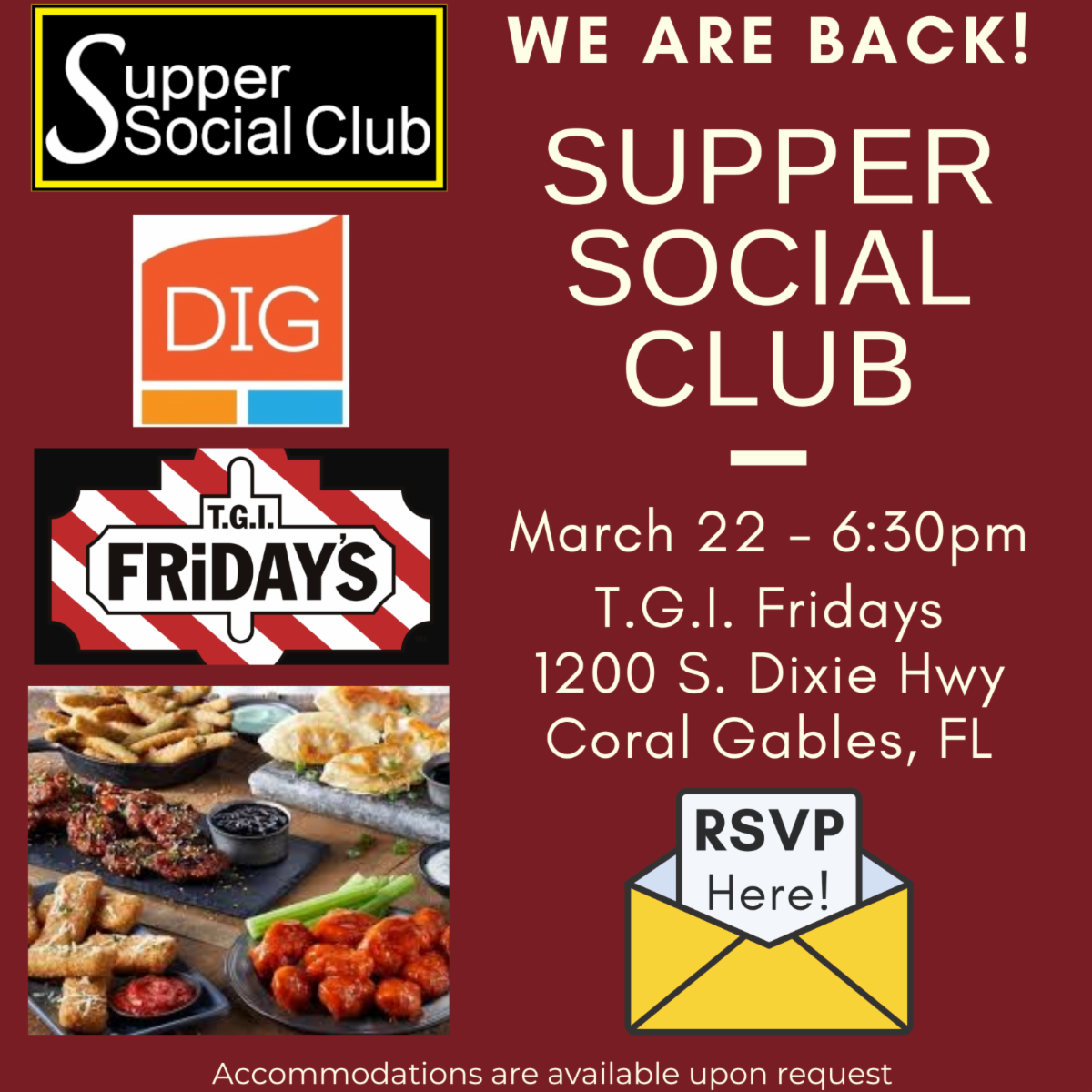
|
To honor Women’s History Month, I wanted to go back and remember Seneca Falls. In 1848, the first women’s rights convention in the United States was held in Seneca Falls, NY. This meeting began the women’s suffrage movement. Women met together and worked together to frame a national discussion about women’s rights. When I visited Seneca Falls, I was amazed by what I learned, and how incredible and brave these women were. Their work, allowed me to have the rights that I have today, including the right to vote.
Over 175 years later, women’s rights are still at risk, and today more than ever, it is important to keep fighting and making sure that women’s voices are heard and that all people must be accepted as equal.
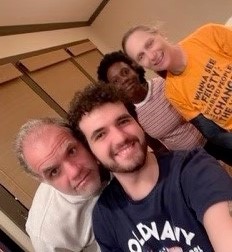
This brings me to Judy Heumann, who is known as the mother of the disability rights movement. I want to recognize her amazing advocacy and never-ending commitment to fight for what was right and just. I proudly wear my bright yellow/orange Judy t-shirt that says, “I wanna see feisty disabled people change the world."
Judy, you will be missed every day, and your work will never be forgotten.
-Debbie
|  | Follow DIG on Social Media! | |
|
Featured Article
From Tragedy to Triumph
By: Jordan Almendral
| 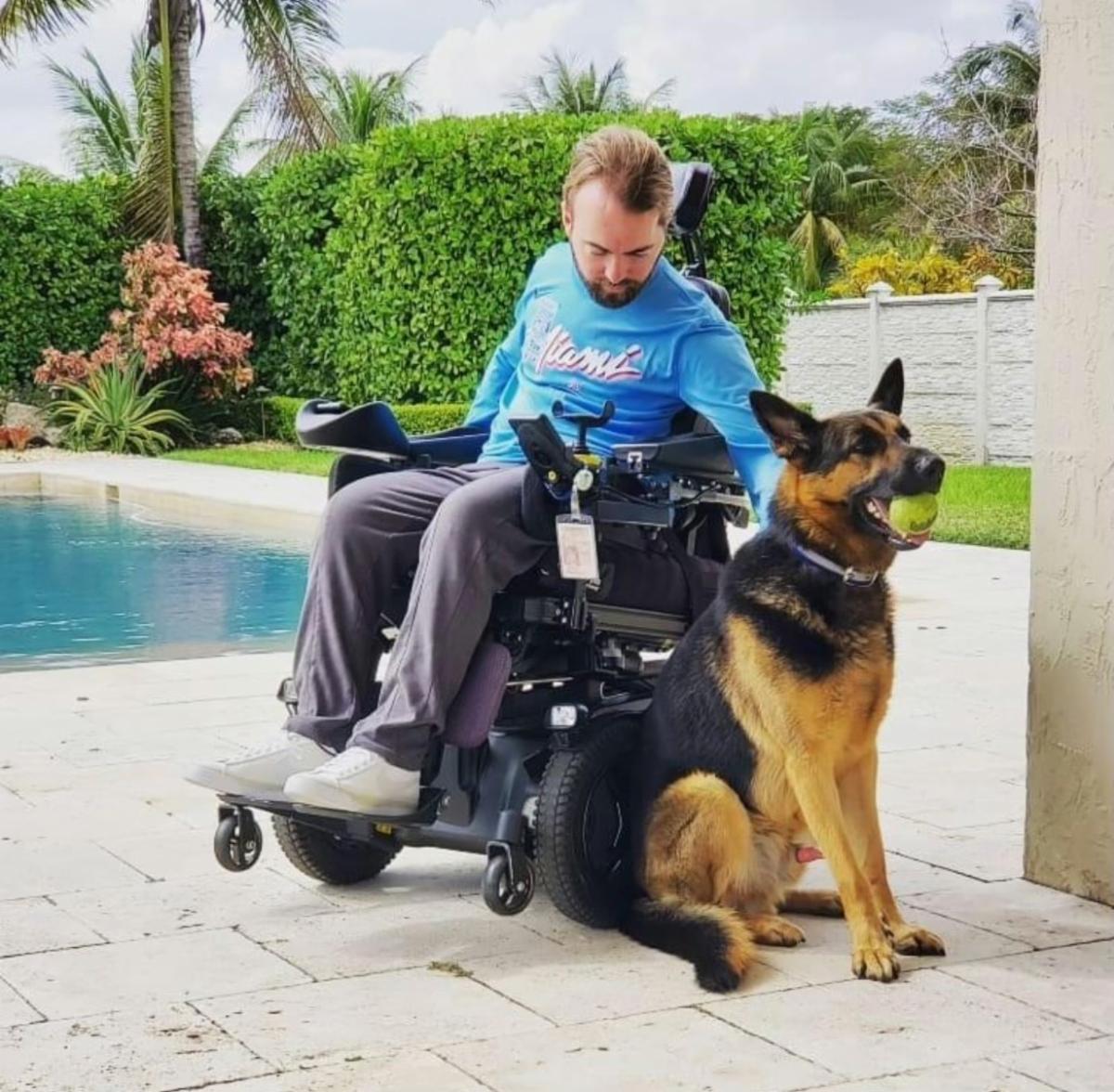 | |
How life can change in the blink of an eye. One minute, I am standing on a pitcher’s mound playing the game that I love, the next I am laying in a hospital bed fighting for my life. On July 11, 2010, my life and that of my families' lives, were forever changed.
It was an ordinary day, and I was doing what any 17-year-old does the summer before their senior year, enjoying a party with my friends. We were enjoying life and each other’s company as an acquaintance from another school drove us home in his large suburban. I was sitting in the last row when the driver of our vehicle miscalculated and made a left turn onto an incoming car.
I was immediately ejected by the force of the collision.
This next part of the story has been told to me by my family, as the force of my head hitting the pavement sent me into an immediate coma. A medical helicopter took me from the accident scene to Jackson Memorial Hospital (JMH). It was then, that doctors diagnosed me with a Traumatic Brain Injury (TBI), as well as a Spinal Cord Injury (SCI). My parents had to make an unimaginable decision on whether to operate on my spine (giving me the chance to perhaps walk again), or my brain, first. (Because what’s the point of walking, if I don’t have any brain function?) My body would not survive both surgeries at the same time. Ultimately, my parents asked the doctors to save my life and operate on my brain.
The neurosurgeons performed a craniectomy, which means they removed the bone flap from my skull to reduce swelling and inflammation. One week later, they operated on my C5 vertebrae. The surgeries were a success, but I wouldn’t wake up from my coma until six weeks later. And it’s important for me to note that waking up from a coma is a slow process. It’s not like the movies where it’s a sudden awakening.
Once I was awake, I immediately began physical therapy. I recall being confused of where I was and being unable to feel my hands and legs. The next three months were going to be crucial to my recovery. My parents made the decision to send me to one of the best rehabilitation centers in the US. The Shepherd Center in Atlanta, GA. They specialize in SCI and TBI. This is where my Mom and I spent the next six weeks. This was a very dark time for my family and for me. Recovery was slow, and there were still so many questions and unknowns about what my recovery would entail and what function I could regain. After my six weeks at The Shepherd Center were complete, I finally returned home to Miami where I immediately began speech, occupational, and physical therapy three times a week.
In January 2011, my neurosurgeon put back the bone flap that had been removed from my head and frozen. This is the first time I remember feeling like myself again. From this point on, I told myself that the accident had already taken enough from me, I wouldn’t let it take or deprive me of anything else.
Returning home brought many challenges, but it gave my family and me time together to reflect, heal and build strength for the future. I watched my friends graduate from high school in the summer, and I was determined to the do the same. I enrolled in a homeschooling program in the spring of 2012, and I graduated with my GED. That summer, I enrolled in Florida International University. I was nervous to be on my own and maneuver through the halls by myself and ask strangers to push the wheelchair door opener when it didn’t work. But I found that most people are happy and willing to help, and that I was more independent than I thought.
As a former athlete, working out was always a part of my daily routine. I’m happy that this hasn’t changed, with physical therapy being a weekly activity for me. When I wasn’t in school, I was in physical therapy. If I had class in the mornings, I’d go to therapy in the afternoon, and vice versa. Thankfully, my parents discovered Miami Physical Therapy Associates (MPTA). This is the facility and physical therapist that I credit most for my recovery. Getting me from a manual hospital chair to a power chair, that gave me independence; helping me detach my arms from my chest due to tightness in different muscles; standing me up, for the first time in almost two years, and much more.
With an interest in different facilities that offer different forms of physical therapy, I have also been going to I Am Able and Youth ‘N Action for the last six years. At times, I end up dividing my weekdays between the three facilities. Staying active is key for me, and one of the reasons I feel physically healthy.
One of my biggest accomplishments to date, was graduating from FIU in 2018, with a Bachelor Degree in Psychology. I haven’t been in a hurry to find employment, as I still want to continue gaining strength and building on my independence. My family has been my rock, and the best support system anyone could ask for.
In 2020, I set a new goal for myself...to get my driver’s license. I took a special driving class to prepare me for the test. At the time, being back behind the wheel of a car triggered some mental emotions I didn’t know existed, and anxiety got the best of me. After seeking a counselor for help, I decided to try again in 2022. I’m proud to say that I received my driver’s license in September after passing the driver’s test.
You can put an athlete on the sideline, but you can’t keep him off the field. In May of 2019, I did the Wings For Life World Run 5K marathon. Their philanthropy is to raise money for Spinal Cord Injury research. I Am Adaptive, a nonprofit foundation, sponsored me to do this run with them. In the last three years I have also competed in three adaptive fitness competitions that really brought out the competitive nature I had burning inside!
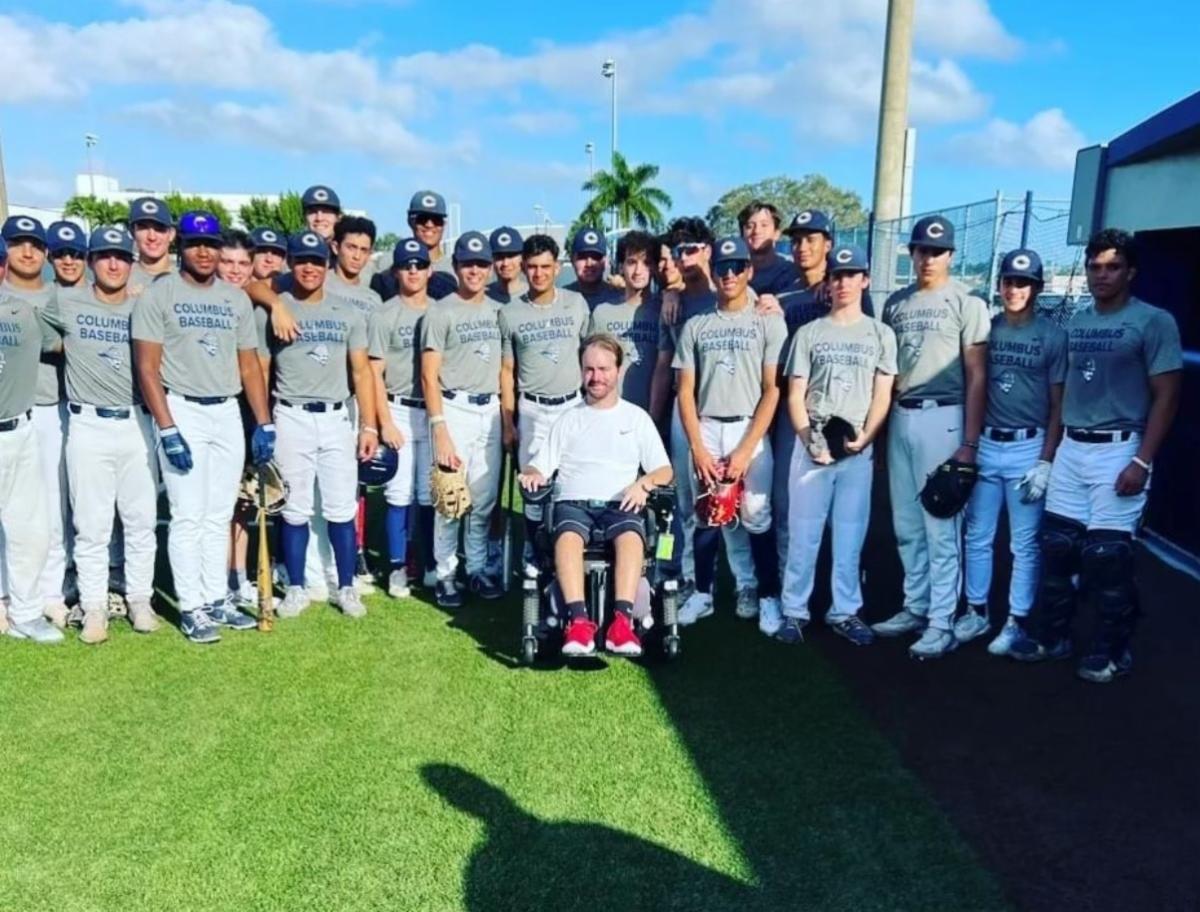
Today, I’m still finding ways to stay involved with my passion for sports. Since I can no longer physically play baseball the way I used to, I have been focusing on sharing my story and giving motivational speeches to teams and athletes. I’ve had the opportunity to return to my high school and speak to several teams, as well as other schools within Miami-Dade. I hope that hearing my story can allow them to reflect on how precious life is, and to make the most of their opportunities while they have them.
We only have this one life to live, let’s live it to the fullest.
| |
|
Martin Richard, Recreational Sports, and Community Building
By: Sabrina Zeghibe
| |
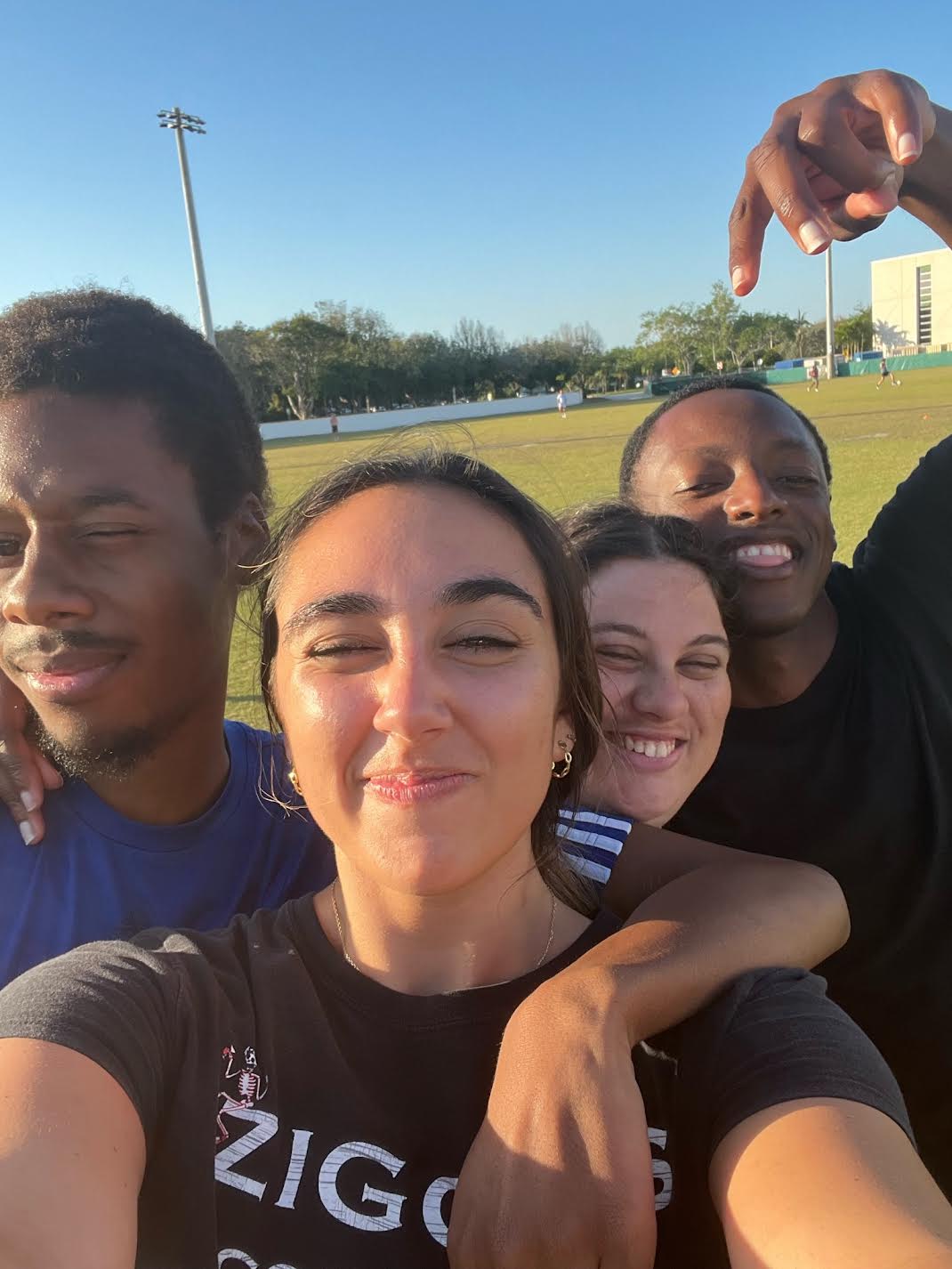 | |
Throughout the four wonderful years that I have had at the University of Miami, I have been a member in the Special Olympics Club. My motivation to engage in Special Olympics while at the University, was through my hometown experiences, specifically the Martin Richard Challengers Sports Program based out of Dorchester, Massachusetts.
Martin Richard was an eight-year-old boy who attended the Boston Marathon back in 2013, cheering people on at the finish line alongside his family. Unfortunately, for those of you who know, 2013 was the year of the Boston Marathon bombing, and Martin Richard was a victim of this crime. With this tragedy, his family made light out of the situation and created the Martin Richard Foundation. They built this foundation because of Martin’s helping and kind spirit. In an article by Irish Central, Denis Richard, Martin’s mother, spoke on the fostering of this organization in saying, “Kindness need not be displayed in random acts, but with intent and purpose. Kindness is a vital part of the effort to foster a peaceful and just region, nation, and global community. Kindness supports human dignity and should be shared freely — neighbor to neighbor, block by block, until everyone is recognized as equal…”
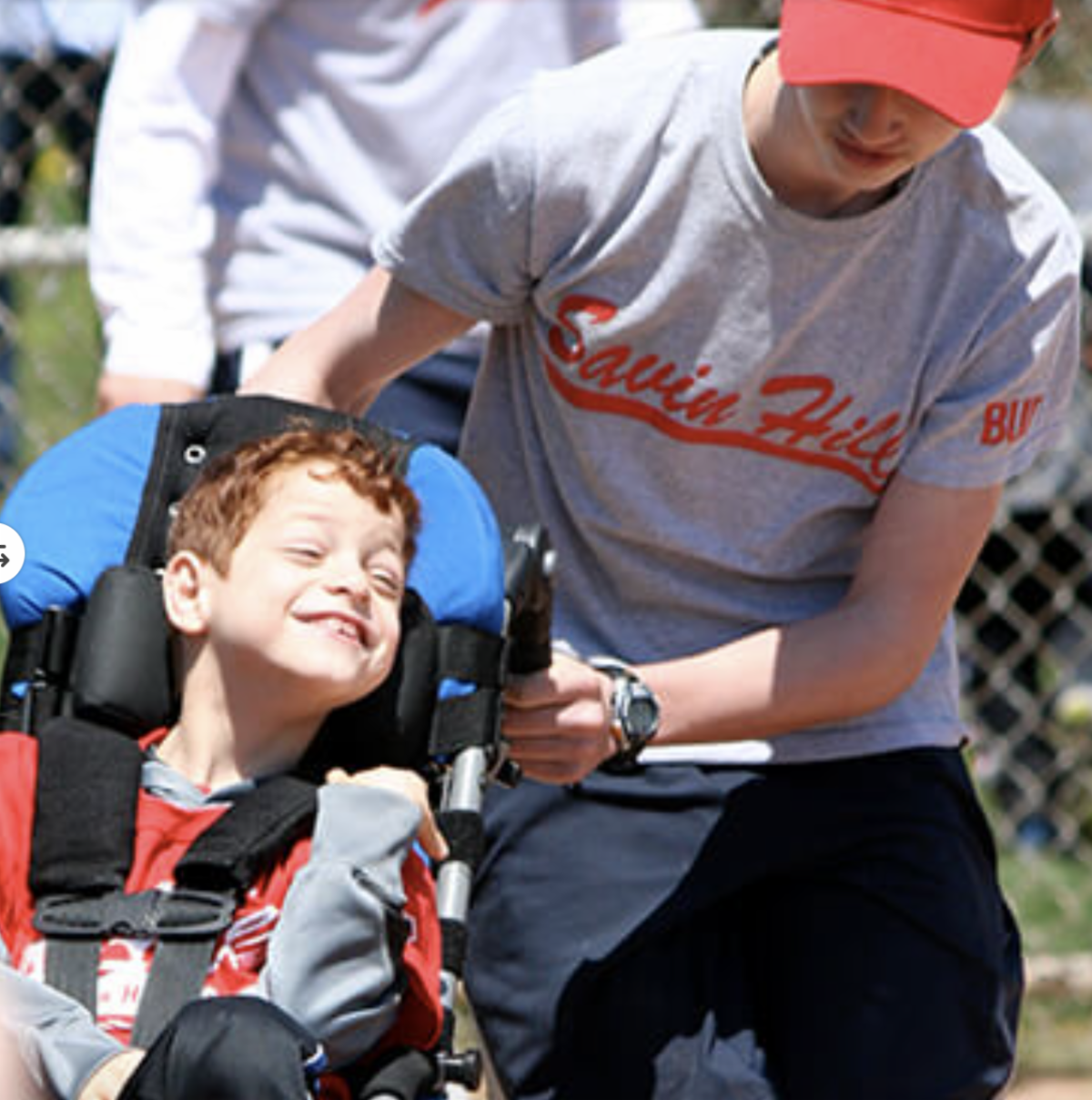
One of the many domains of the Martin Richard Foundation is the Challengers Sports program. The aim of this program is to bring individuals with intellectual and developmental disabilities to compete in recreational sports alongside other members of their community. I was introduced to this through a member of Martin’s family who attended my high school and created the Challengers Club. Martin’s family paired up with another family from my high school, whose youngest daughter in the family has Down Syndrome. They explained that, all of her life she had grown up watching her older brothers play baseball and she that she, too, wanted to play. This seemingly simple request posed a challenge to her family. With the collaboration of the Richard family and a family seeking opportunity for their daughter, they were able to form this amazing organization that used the kindering spirit of Martin to bring together individuals from the Greater Boston Area with individual and developmental disabilities to provide a community in which they could thrive and engage in sports like baseball, basketball, and soccer.
I was introduced to this organization and immediately fell in love with it. Our community came together through a tragic time and made something beautiful out of it. I have played sports all my life, and they have allowed me to make some of my best friends. Recreational sports are such a great community-building outlet, which is why I wanted to remain involved once I entered college. At the University of Miami, I now play on a Special Olympics Unified team and compete against other schools playing alongside individuals from my community that I would have never met otherwise. It has truly been such a great experience, and it is all thanks to my hometown.
Learn more about the Martin Richard Foundation and their mission here. Fun fact: the Richard family recently opened Martin’s Park, an accessible park to all children of all abilities in Boston, MA. You can find that website here!
| |
Miami Inclusion Alliance (MIA)
By: Sharon Langer, Esq.
| |
|
Between 1988 and 1994 Congress passed resolutions that proclaimed March of each year, as Women’s History Month and since 1995, presidents have issued a proclamation announcing their support each year.
In honor of Women’s History Month, I want to share with you some of the history of the Battered Women’s Movement and introduce you to some of the women that have played a role in leading that movement.
The early days of the movement were in the late 1800’s. At that time, women suffragettes became organized around a movement to ban alcohol. They supported the banning of alcohol, in part, because they thought that it would reduce violence against women. At the same time, there was another movement taking place, to criminalize abusive behavior by a husband against his wife. Until 1871, it was legal to beat your wife. Women worked together to get Alabama and Massachusetts to pass the first laws that criminalized assaults by husbands on their wives. By the end of WW1, there were laws in all the states to protect wives. While these movements weren’t connected, the suffragettes believed that the men in power went along with these law changes to appease women so they would not fight for the right to vote.
This was a little progress, but it took a long time to make significant change in the way violence against women was perceived. I came across these quotes from a 1964 article in Time magazine. It clearly shows the view of the country in 1964 on domestic violence and shows the prevailing attitude of that time, which was that it was always the wife’s fault. “The periods of violent behavior by the husband served to release him momentarily from his anxiety about his effectiveness as a man.” “ It probably helped him to deal with the guilt arising from the intense hostility expressed in her controlling, castrating behavior”.
In the 1970’s women began to address violence against women again. Here are two examples of women who made a difference.
Dr. Lenore Walker, who received her doctorate in child abuse, heard about a woman in England who opened Europe’s first domestic violence shelter and in 1975, went there to visit it. She then began researching why abuse occurs and identified for the first time, the Battered Women’s Syndrome. Her work was revolutionary, and she is still educating providers around the world on the syndrome.
Tracey Thurman, a resident of Connecticut, was a victim of severe and repeated abuse by her husband. The Connecticut police aware of these attacks but failed to protect her from repeated and serious abuse. She sued the police and got a $2 million judgement. The case led to the first state Family Violence and Prevention Response Act, which defined the role of the police in responding to and preventing abuse. The act served as a model for other states that ultimately enacted similar legislation.
| |
|
Helping People with Disabilities Communicate with First Responders.
This project has several components:
- We make customized wallet cards for people living with intellectual/developmental disabilities and Autism.
- We make customized caregiver wallet cards for caregivers of people living with disabilities.
- We have an online training program for law enforcement.
- We have a program for schools, parks programs, or community organizations.
Please click the link below to learn more about this project and to order your own customized wallet card or caregiver card.
If you have any questions, please email Debbie at debbie@justidigit.org.
| |
Benefits Information
By: Lesly Lopez
| |
|
What is Substantial gainful Activity or SGA according to The Social Security Administration?
To be eligible for disability benefits, a person must be unable to engage in substantial gainful activity (SGA). A person who is earning more than a certain monthly amount (net of impairment related work expenses) is ordinarily considered to be engaging in SGA. The amount of monthly earnings considered as SGA depends on the nature of a person's disability. The Social Security Act specifies a higher SGA amount for statutorily blind individuals; Federal regulations specify a lower SGA amount for non-blind individuals.
Both SGA amounts generally change with changes in the national average wage index.
Substantial Gainful amounts for 2023 are:
For statutorily BLIND individuals for 2023 is $2,460.
For Non-blind individuals, the monthly SGA amount for 2023 is $1,470.
What is Substantial Gainful Activity, anyway?
Social Security Definition of Disability: To meet our definition of disability, you must not be able to engage in any substantial gainful activity (SGA) because of a medically-determinable physical or mental impairment(s):
That is expected to result in death, or that has lasted or is expected to last for a continuous period of at least 12 months.
We use the term “substantial gainful activity” to describe a level of work activity and earnings. Work is “substantial” if it involves doing significant physical or mental activities or a combination of both. For work activity to be substantial, it does not need to be performed on a full-time basis. Work activity performed on a part-time basis may also be SGA. “Gainful” work activity is:
Work performed for pay or profit; or Work of a nature generally performed for pay or profit; or Work intended for profit, whether or not a profit is realized.
We use SGA as one of the factors to decide if you are eligible for disability benefits. If you receive Social Security Disability Insurance (SSDI) benefits, we use SGA to decide if your eligibility for benefits continues after you return to work and complete your Trial Work Period.
References:
-Substantial Gainful Activity (Social Security Administration) Cost-of-Living Adjustment (COLA) Information | SSA
-Social Security Administration Red Book: How we define disability? Social Security Online - The Red Book - A Guide to Work Incentives (ssa.gov)
If you have additional questions, call your local WIPA community project from SSA at 305-453-3491 serving South Florida, Miami, Broward, Monroe, and West Palm Beach.
Lesly Quintanilla Lopez
| |
|
Access The Vote Florida (ATVFL) is a state chapter of AAPD’s REVUP Campaign. REV UP stands for: Register! Educate! Vote! Use your Power!
The chapter is a statewide coalition of organizations and self-advocates that are working to raise awareness about issues that impact persons with disabilities, encourage people with disabilities to participate in the voting process, and educate elected officials on issues important to persons with disabilities.
Email Olivia at oliviab@drflorida.org to get on our mailing list.
| |
|
Vote-by-Mail and How to get an Accessible Vote-by-Mail Ballot
By: Deborah Dietz
At the end of 2022, all requests for vote-by-mail ballots expired. This was because of a new state law passed in 2021.
What this means is that if you want to continue to vote-by-mail you need to submit a new request to the elections department.
In Florida, if you are a voter with a qualified disability under the Americans with Disabilities Act (ADA) you have the option to receive an accessible vote by mail ballot by email. This option allows voters to cast their ballot independently without the assistance of another person.
Click here to request a vote-by-mail ballot in Miami-Dade County.
Click here to request an accessible vote-by-mail ballot in Miami-Dade County.
*NOTE: Requesting the accessible ballot will prompt the paper and electronic portions to be sent to the voter.
If you have any questions, please contact the Miami-Dade County Election’s Department at soedade@miamidade.gov or 305.499.8509 with any questions you might have regarding this program.
Voters who have questions should email votebymail@miamidade.gov or call 305.499.8444.
| |
|
City of Coral Gables Events
If you have any questions, please email the city at PlayForAll@coralgables.com.
DEI Clubhouse Hours (adults)
Mondays, 3 – 7 p.m. at the DEI Clubhouse, No registration. No Fees.
DEI Clubhouse, 3940 Granada Blvd., Coral Gables, FL 33134
Unprogrammed social time to hangout.
My Squad (adults)
Last Wednesday of each month, 6 – 9 p.m.
DEI Clubhouse, 3940 Granada Blvd., Coral Gables, FL 33134
Ticketed Monthly $5 each
March 29: Pizza, abstract art, and karaoke.
April 26: Pizza, Celebrate Earth Month
May 31: Pizza, Fairy Houses and Puzzles
June 28: Pizza, Rug Weaving and Games
Teen Scene (ages 13-17)
Last Thursday of Each Month, 5 – 8 p.m. (companions are welcome to eat and join all activities).
DEI Clubhouse, 3940 Granada Blvd., Coral Gables, FL 33134
Registered seasonally $50 per season
March 30: Eat pizza for dinner, make crafts, and play boccia inside after it gets dark.
Camp WILD (ages 12-17)
March 20-24, 2023, 9 a.m. – 1 p.m., at the DEI Clubhouse
**This program is run by DEI staff, and open to teens with or without disabilities.
Registration (Residents: $174) and (Non-Residents: $217)
| |
|
Litigation Update:
Disability Independence Group’s Litigation Department closed in 2022.
If you have a disability legal question, you can contact Professor Matthew Dietz at the Disability Advocacy and Inclusion Law (DIAL) Clinic at Nova Southeastern University Law School. His email is mdietz@nova.edu.
If you have a disability education issue, such as an IEP or Exceptional Student Education, you can contact Stephanie Langer at Langer Law, PA. Her email is helpline@langerlawpa.com.
| |
|
988 is now active across the United States.
988 has been designated as the new three-digit dialing code that will route callers to the National Suicide Prevention Lifeline (now known as the 988 Suicide & Crisis Lifeline) and is now active across the United States.
When people call, text, or chat 988, they will be connected to trained counselors that are part of the existing Lifeline network. These trained counselors will listen, understand how their problems are affecting them, provide support, and connect them to resources if necessary.
This new, shorter phone number will make it easier for people to remember and access mental health crisis services.
(Please note, the previous 1-800-273-TALK (8255) number will continue to function indefinitely.)
LEARN MORE
| |
|
|
Your Upward Journey
Your Upward Journey – It is Easier Than You Think, by Patricia Perisse Bochi
A three-part project that includes:a book, self-help seminars, and merchandise.
Click Here for More Information
| | | |
Follow DIG on Social Media! | | | | |