|
Dear Colleagues,
In this issue, we bring you several important updates and highlights from across our research community. We begin with key reminders and recent policy changes that may impact your work.
Mark your calendars: Bob Wachter will host a virtual Department of Medicine Town Hall on Our Collective Challenges on Thursday, May 1, from 4:00-5:30 PM. This session will include updates on research across the Department, with ample time set aside for questions and discussion.
Join via Zoom
Webinar ID: 912 0830 2956
Passcode: 087734
Please join us in congratulating Dr. Louise Walter on receiving the 2025 Harold S. Luft Mentoring Award, and Dr. Narges Alipanah-Lechner on being awarded a K23 Career Development Award.
Lastly, we spotlight valuable programs like iRAPS, which continues to support faculty at critical points in their careers, and we share a wide range of funding opportunities.
| | Updates from the Associate Chairs for Research | | |
We want to take a moment to provide a few updates and reminders related to the recent changes impacting our research community.
Hiring: Due to federal funding changes and state budget cuts, UCSF has implemented a campus-wide hiring freeze to manage costs and reinforce financial stability. The Campus and School of Medicine have developed an exceptional approval process for essential positions. Please reach out to your division chief or division manager if you need to initiate the essential hire process.
Staffing: PIs and Division managers can use the Research Connect website to seek specific staff research efforts or offer part-time research skill staff availability. This program helps address the challenges many researchers are facing with fluctuations in grant funding.
NIH applications: On March 31, many NIH funding opportunities, including parent announcements, were updated “to align with agency priorities.” For clinical studies, “an appropriately diverse population of participants” was changed to “a study population that appropriately models the target population.” Instead of evaluating the likelihood of enrolling participants by “age, racial, ethnic, and sex or gender categories,” the new announcement refers to “age, race, ethnicity, and sex.” Carefully reading revised funding announcements may provide insights into potential pitfalls and how to craft proposals that avoid these pitfalls. Read more here.
Academic advancement: The Academic Affairs Office recognizes that interruptions in federal support for research may impact faculty advancements and encourages that these impacts be taken into account when considering promotions. Candidates should use the personal statement feature in Advance to describe how circumstances outside of your control have impacted your opportunity (e.g., time and resources available) and productivity and highlight additional clinical, service, teaching, or leadership responsibilities that you took on as a result of extenuating circumstances. Even if external circumstances have impacted your productivity or funding, you are encouraged to move forward with an on-time academic review.
Share your story: The Academic Senate has sent out a call for compelling stories to humanize the impact of federal policy and funding changes on public health, patient care, and essential research. Please consider submitting a story in the Senate Service Portal.
Available resources:
-
If you receive any grant-related communications from the NIH or any other federal agency, please contact CGAwardTeam@ucsf.edu.
-
If you have general questions about your research or wish to share any information with the Office of Research, please email Research@ucsf.edu.
-
For updated information about the number of terminated awards and delayed continuation awards, and current guidance to the UCSF research community, please visit the Office of Research website.
-
Immigration policy changes may have implications for UCSF international students, scholars, and employees. Please see the ISSO’s website for details.
As we navigate these challenges together, we deeply appreciate your dedication to science and research. Your work is invaluable, and we remain confident that we will continue to advance our mission through collaboration and advocacy.
Best,
Diane and David
| | 2025 Harold S. Luft Mentoring Award | | |
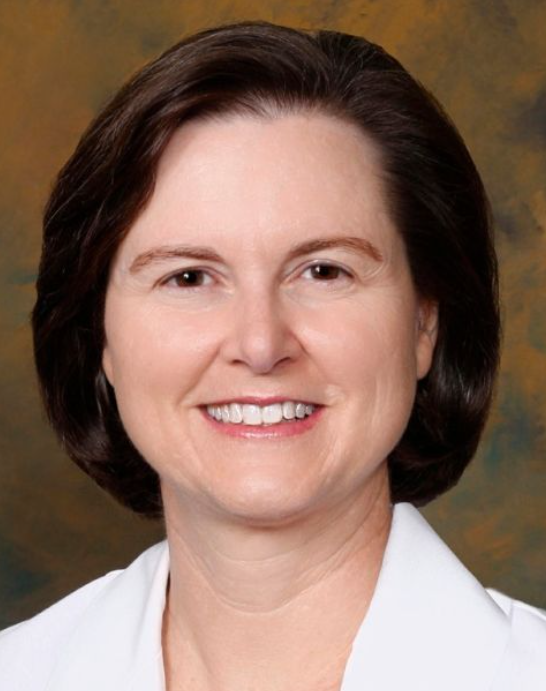
Congratulations to Louise Walter, MD, Professor and Chief of the Division of Geriatrics across UCSF Health, the San Francisco VA, and ZSFG, who has been selected as the 2025 recipient of the Harold S. Luft Award for Mentoring in Health Services and Health Policy Research.
Dr. Walter is a nationally recognized leader in evaluating the real-world benefits and harms of cancer screening in older adults. Her research has helped shape national cancer screening guidelines by promoting a person-centered approach that takes into account life expectancy and patient preferences, rather than relying solely on chronological age.
A dedicated mentor, Dr. Walter considers mentoring one of her most meaningful academic pursuits. She has guided and inspired students, fellows, and faculty throughout her career.
The Award will be presented at the UCSF Health Services Research Symposium on April 29, 2025. Please register via the button below. Lunch will be provided.
| | Please let Ilona Paredes know if we inadvertently missed your K award, first R01 or equivalent award in this issue of the newsletter. We will make sure to feature your award in our next issue. | | |
DOM Research Support Program Spotlight: iRAPS
Launched in July 2016, the In-Residence Associate Professor Support (iRAPS) program aims to increase the retention of faculty researchers by supporting them at a critical time in their careers. Department of Medicine faculty members promoted to Associate Professor in the In-Residence series receive $50,000 of salary support for up to six years. We caught up with three outstanding DOM faculty to hear about their research and how the iRAPS program helped propel their research career forward.
| | |
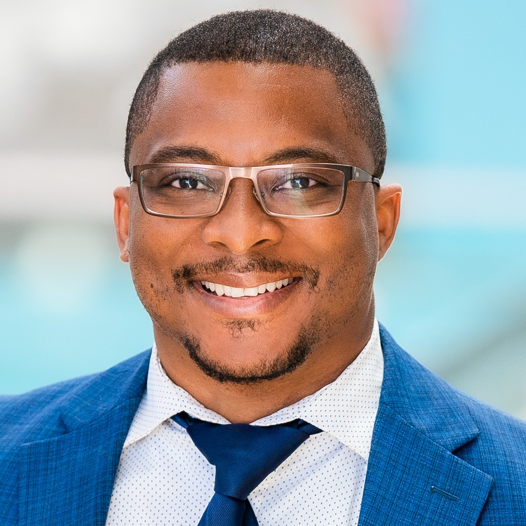
Gideon St. Helen, PhD, Associate Professor, Division of Cardiology at ZSFG
My areas of research include a focus on the risk/benefits of alternative tobacco products, such as electronic cigarettes, to inform the regulatory process. Another area of focus is the clinical pharmacology of cannabis and understanding the consequences of cannabis-tobacco co-use.
The benefits of iRAPS are both tangible and intangible. The obvious tangible benefit is the financial support provided by iRAPS. This is critically important given the challenging funding climate (before 2025) and even more challenging now given the changes in priorities at the federal level. As some grants have ended and while I continue to seek new funding, iRAPS has continued to fill the gap. I have been able to keep working on data analyses and manuscript preparation on projects whose funding have since ended. This was needed since the COVID-19 pandemic and shutdown slowed the progress of participant accrual in my clinical studies considerably.
The intangible benefits of iRAPS revolve around knowing that the university is invested in retaining people like me as well as reduced stress knowing that if my salary is not covered fully by grants, iRAPS is there to cover the rest. A sense of belonging and reduced stress create a happier researcher!
| | |
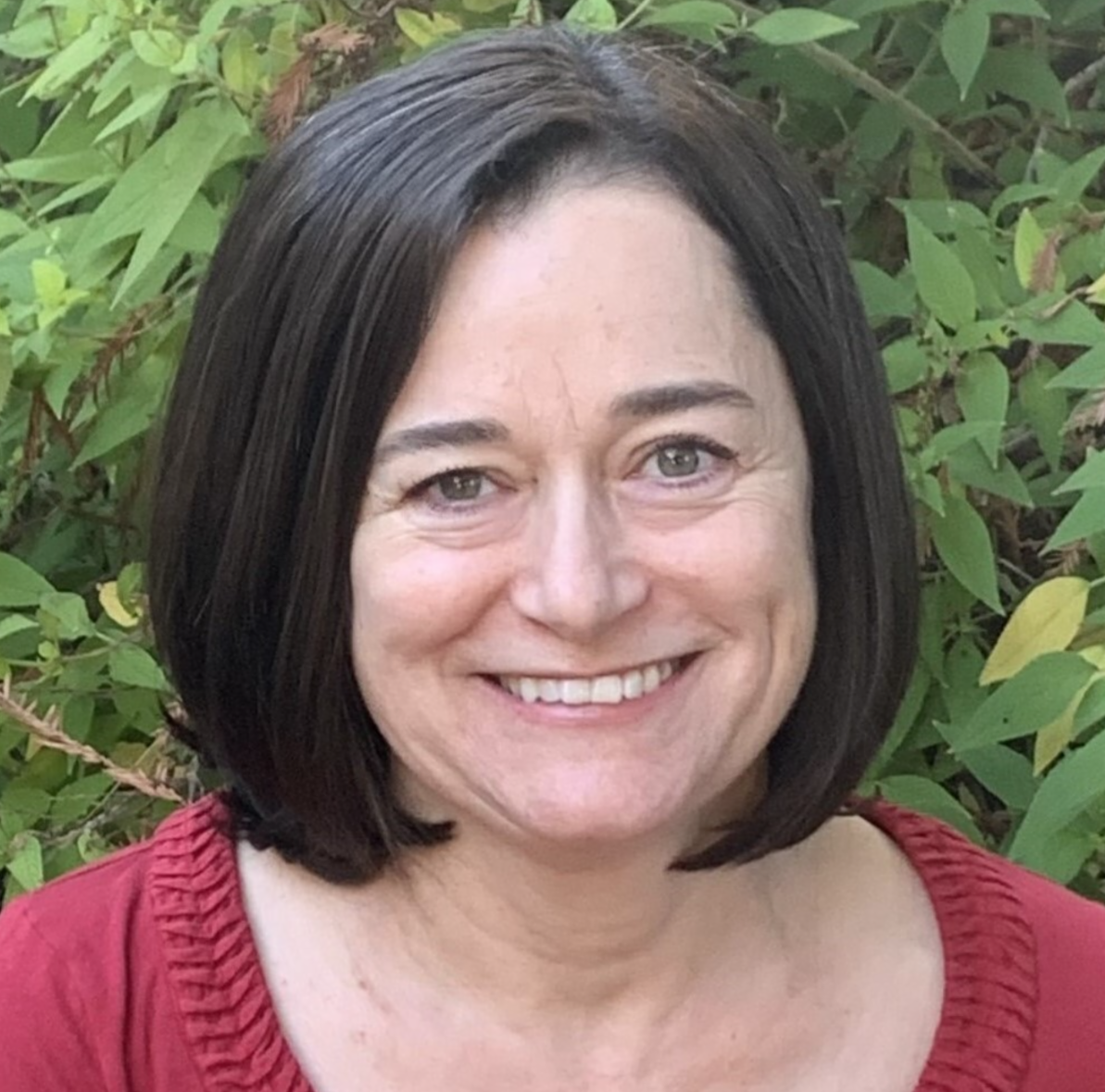
Veronica Yank, MD, Associate Professor, Division of General Internal Medicine at UCSF Health
I am a general internist and physician investigator and my research focuses on multifaceted interventions to support persons living with dementia or other high morbidity conditions and their families so that they can remain aging in place in their homes and communities rather than be hospitalized or institutionalized.
The iRAPS program has been instrumental in allowing me to fund part of a research coordinator, pay for my over the cap salary on federal grants, and protect me from undue clinical time so that I can solidify my research portfolio during my associate professor years. I honestly don't know what I would have done without it. I hope it can be protected and preserved for other investigators who come after me to help them to be successful.
| | |
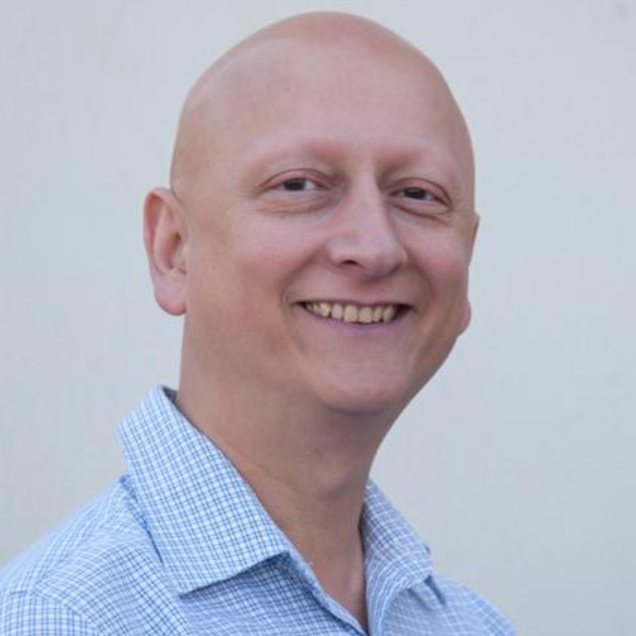
Babak Javid, MB, PhD, Associate Professor, Division of Experimental Medicine at ZSFG
My research is on the basic pathophysiology of Mycobacterium tuberculosis -- the cause of tuberculosis. We study both the fundamental physiology of the pathogen and immunity. On the pathogen side, we have a particular interest in how regulation of the protein translation machinery allows Mtb to adapt to antibiotics and the host. On the immunity side we are mostly focused on the role of antibodies in natural and vaccine-mediated immunity.
Having the funding from iRAPS was important for a number of reasons. It 'boosted' the startup package I was offered when I was considering UCSF vs. other offers and helped make the decision to choose UCSF. Secondly, it has allowed me and my lab to engage in risky science that may not yield short-term dividends in terms of traditional NIH funding.
| | |
Finding Your Why in Medicine
Sponsored by the Gold-Headed Cane Endowed Chairs, Drs. Lekshmi Santhosh and Beth Griffiths
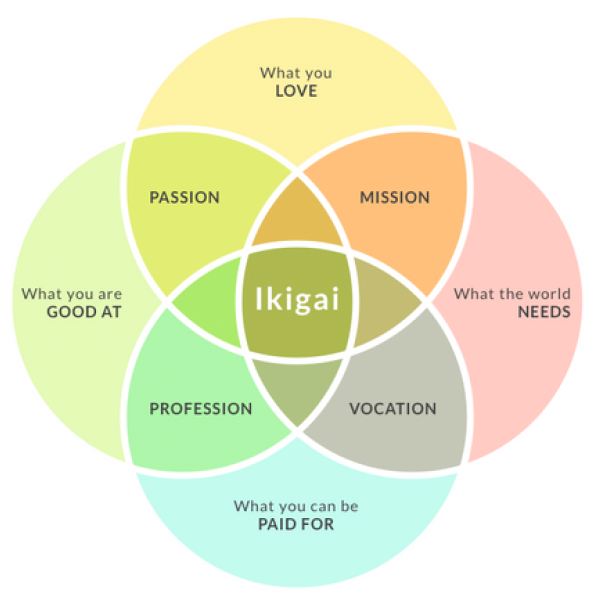
In times of uncertainty, it’s important now more than ever to reconnect with our purpose as physicians. Have you ever been struggling with a big career decision? About applying to a new role, a new job, a new fellowship? Or deciding between two big career choices and feeling like you’re at a fork in the road?
Please join us for an informal event, Finding Your Why in Medicine, on April 28 from 5:30 – 7:30 PM at the UCSF Faculty Alumni House.
Dinner and drinks will be provided as we hear from a panel of faculty reflecting on their careers in clinical care, education, research, advocacy, and creativity — inside and outside of medicine. The evening will include panel discussions, structured self-reflection activities, and dedicated time for peer mentorship and community-building.
All DOM trainees and early-career faculty are welcome.
Please RSVP here by Monday, April 21. For questions, contact Sara Wingate.
| | Career Development Resources | | |
PRE-Proposal Application REview (PREPARE) Program
Ongoing
To date, we have coordinated over 200 reviews, with many faculty members benefiting from a diverse pool of reviewers spanning across all areas of expertise in both bench and clinical science. We encourage you to continue using the PREPARE program and encouraging your peers in their submissions.
For additional information, click here. To request a concept sheet, full proposal, or summary sheet review, click the button below.
| | |
Supporting Postdocs During Challenging Times: Exciting Resources and Opportunities
The Office of Postdoctoral Affairs is committed to supporting postdocs through these challenging times. To assist with job transitions, they are hosting several key programs and need your help to share UCSF postdoc job openings for internal applicants at risk of losing funding.
How to Post a Job:
-
Register an account here: OCPD Job Board.
- Log in to your account.
- Paste your job description in the fields shown.
- Follow the prompts from the web page until you reach "submit."
- Your posting will be live for 30 days in the UCSF job listings.
Upcoming Postdoc Program:
COPE and Resiliency Program
Thursday, April 24 | 4:00-6:00 PM
Genentech Hall (Presentation in Byers Auditorium, Reception in Genentech Hall Atrium)
Join us to explore the COPE and Resiliency Program and learn practical strategies for managing mental health during these challenging times. The event will feature a presentation and reception, offering a space to connect with fellow postdocs. The event will be live-streamed for those unable to attend in person.
Click here to access key resources to support your job search and explore diverse career opportunities and pathways.
For questions, please contact Chequeta Allen.
| | |
April Writing and Focused Work Café
Monday, April 28
Do you miss writing or working in the company of others? Do you need some protected time to write that manuscript, draft a grant section, put a presentation together, or get caught up on reading, analyze data, or just want to build community around focused writing or working?
The UCSF CAPS Developmental Core will be hosting a Writing and Focused Work Café, and you are invited! The CAPS Writing Café is open to all researchers, regardless of their area of focus, and is not limited to those conducting research related to AIDS.
Who: Faculty, trainees, and staff from any university
What: Writing and focused work retreat
When: Monday, April 28, 9 AM-12 PM Pacific time
Where: Online (Zoom link will be provided to those who RSVP)
How: Please bring a work-related project you need to complete. We will briefly share what our goals are for this time and then follow the Pomodoro technique to keep us focused by working in intervals for a total of hours with short and small breaks in between. This is a great way to boost productivity while feeling connected to each other.
Please RSVP to Mireya Avila if you would like to attend or if you have questions. We ask that you only participate if you are able to stay for the entire duration.
| | |
Workshop on SciENcv
Wednesday, April 30
The Institute for Global Health Sciences (IGHS) and ImmunoX are co-hosting a workshop on SciENcv, a tool for generating NIH Biosketches. NIH will soon require graduate students, postdocs, and principal investigators to use SciENcv to generate their Biosketches (a requirement that was initially set for late May 2025 but has since been postponed).
Workshop Highlights:
- Learn the basics of the SciENcv platform and how to use it effectively.
- Avoid common pitfalls when creating Biosketches.
- Discover how to generate a Biosketch from scratch or update an existing one using SciENcv.
When: Wednesday, April 30 | 11:30 AM-12:30 PM
Where: Genentech Hall (or join via Zoom for remote access)
Who: Whether you're preparing for future NIH submissions or just looking to streamline your process, don't miss out on this workshop!
| | |
Faculty Community Building 'Writer's Block' Workshop
Thursday, May 1
Join us for this in-person event, the second of three in 2025! This Office of Collaborative Research (OCR) event offers faculty the opportunity to write together, joining a writing-focused community of practice that facilitates cross-disciplinary relationships, scholarship, and grant funding. Faculty in attendance will also have multiple opportunities to share ideas and get feedback from other faculty and hear about best practices and forthcoming changes from OCR’s Research Development Strategist and Grantwriter, Gabe Murphy.
When: Thursday, May 1 from 10:30 AM-2:00 PM
Where: CL 220/223
Who: All UCSF faculty are welcome!
For questions, please email Gabe Murphy.
| | |
Reminder UCSF ZSFG-Based Human Biospecimen Development Initiative
Application is due Friday, April 18
The Office of Collaborative Research (OCR), the Bakar ImmunoX Initiative, and the Director of Research for UCSF at ZSFG are excited to announce the ZSFG-Based Human Biospecimen Pipeline Development Initiative, which supports UCSF researchers at ZSFG in establishing new or strengthening existing biospecimen pipelines, especially for vulnerable populations.
Award Details:
- Up to 50% support for a Clinical Research Coordinator (CRC) for one year
- CRC assistance with study planning, recruitment, consent, coordination, data management, and regulatory compliance
Eligibility:
- Open to PIs based at ZSFG.
- Proposals will be prioritized for projects that leverage ZSFG’s unique patient populations, support high-impact research, and benefit the community.
This initiative offers a great opportunity to build infrastructure, generate data, and position researchers for larger funding.
To read more about the Human Biospecimen Development Initiative, click here. Send any questions regarding this application to the OCR Director, Vincent Chan, PhD.
| | |
Reminder UCSF Pulmonary T32 Grant Openings
Application is due Monday, April 21
Trainees on this grant are expected to engage in full-time research with a focus on lung health and disease. The T32 can provide one year of funding support, including funds for travel and education. Please note that the deadline has been extended to Monday, April 21. You can find the updated announcement here.
Postdoctoral fellows are eligible if they meet the citizenship requirements outlined below:
At the time of the award, the trainee must be:
1. A U.S. citizen,
2. A non-citizen national, or
3. Lawfully admitted for permanent residence with an Alien Registration Receipt Card
(1- 151 or 1-551) or another form of verification of legal permanent resident status.
This position requires a payback obligation. For more details information, please refer to the Service Payback Obligations.
Please reach out to Vanessa Trafas or Prescott Woodruff with any questions.
| | |
UCSF California Institute for Regenerative Medicine (CIRM) Scholar Research Training Program
Application is due Wednesday, April 30
The UCSF California Institute for Regenerative Medicine (CIRM) is offering a training opportunity for one clinical fellow from July 1, 2025 – June 30, 2026, with the possibility for a second-year renewal.
Applications are welcome from a wide range of disciplines related to stem cell research, including:
- Stem cell biology
- Developmental biology
- Gene therapy
- Cell engineering
- Tissue engineering
- Synthetic biology
- Systems biology
- Immunology, translation
- Clinical trials and more
Fellowship benefits:
-
Salary Contribution: $84,574 towards salary and benefits
- Research/Travel Allowance: A small stipend for research and travel
The fellowship is awarded for up to two years, contingent on a satisfactory annual progress review.
For full eligibility details and requirements, click here. For questions, please contact Kyle Pusateri.
| |
|
Reminder DOM Cohort Grant
Application is due Wednesday, April 30
Each year, the UCSF Department of Medicine offers grants of up to $100,000 for a period of 12-24 months either to initiate the development of new UCSF patient cohorts or to expand the use of existing UCSF cohorts into new areas. The goal is to develop cohorts that could be widely used by both clinical and bench investigators.
All UCSF faculty members with a primary appointment in the Department of Medicine faculty at any site are eligible to apply. Special consideration will be given to new or junior investigators with mentors who have relevant experience in the design, creation, and/or maintenance of patient cohorts. To read more about eligibility criteria and application details, click here. Please reach out to Danielle Mizuiri with any questions.
| |
|
SOM Irene Perstein Award
DOM internal application is due Thursday, May 1
The School of Medicine is now accepting nominations for the Irene Perstein Award, which honors an outstanding, newly recruited junior faculty scientist. This annual award celebrates the legacy of Ms. Irene Perstein, a dedicated supporter of junior women faculty at UCSF.
Key Award Details:
-
Funding: Up to $80,000 to support the development of an independent research program in basic, clinical, or translational research.
- Eligibility: UCSF SOM faculty whose initial appointment as Assistant Professor (in any series) began between January 1 and December 31, 2024.
How to Apply:
- Nomination packets must be submitted by the Department Chair or ORU Director.
- Interested applicants should coordinate with their Division Chiefs.
-
Submit materials to Danielle.Mizuiri@ucsf.edu by 5:00 PM on Thursday, May 1 (internal deadline for Chair’s Office review and signature).
-
Final applications are due Monday, May 12, and should be addressed to Paul Garcia, MD, Associate Dean for Academic Affairs, and submitted in a single PDF to Oriol Zales.
For questions, please contact Danielle Mizuiri.
| |
|
Institute for Human Genetics 2025 Basic and Clinical Science Seed Grants Initiative
Application is due Friday, May 2
The Institute for Human Genetics (IHG) is pleased to announce the Exploratory Grants Program, to help seed small research projects that foster collaborations between basic science researchers and clinicians. This program will fund selected grants for up to one year. The objective of this funding is to encourage new collaborative research projects focused on solving unmet clinical needs using genetics/genomics. The seed grant application should include a proposed collaboration between a clinical and a basic science researcher and requires at least one of the principal investigators (PIs) to be a member of the IHG core faculty.
Up to $50,000 can be requested for reagents, services, and equipment. PI salaries cannot be part of the budget; however, trainee salaries can be included. For application instructions, click here.
For questions, please contact Maribeth Ruperto.
| |
|
Mark Foundation Emerging Leaders Award
Application is due Monday, May 5
The Mark Foundation for Cancer Research is now accepting applications for its Emerging Leader Awards program. These grants are designed to support early-career investigators pursuing high-impact, high-risk cancer research projects that are distinct from their current research portfolio.
Key Award Details:
-
Funding: Up to $250,000 per year (including up to 10% indirect costs)
- Duration: 3 years
- Eligibility: Projects must be evidence-based (lab, data, or medical science) and not funded by other sources.
How to Apply:
- UCSF can submit an unlimited number of applications.
-
To apply, email Jennifer.Schmidt@ucsf.edu to notify her of your intent, then follow the application instructions in the RFP, consulting your Grants Officer as needed.
- LOI Deadline: Monday, May 5, 2025, by 3 PM Pacific time.
- If invited, the full application deadline will be July 28, 2025.
For questions, please contact Jennifer Schmidt.
| |
|
William T. Grant Foundation: Research Grants on Reducing Inequality
Application is due Wednesday, May 7
The William T. Grant Foundation is now accepting applications for its Research Grants on Reducing Inequality program. This program supports research aimed at understanding and improving programs, policies, or practices that reduce inequality in academic, social, behavioral, or economic outcomes for young people ages 5-25 in the United States. Priority is given to studies addressing inequalities related to race, ethnicity, economic status, sexual or gender minority status, language minority status, or immigrant origins.
Key Program Details:
-
Funding: $100,000 to $600,000 (including 15% indirect costs)
- Duration: 2 to 3 years
Research Focus:
- Descriptive studies on mechanisms to reduce inequality
- Intervention studies examining efforts to reduce inequality
- Studies improving the measurement of inequality
Note: Research on the causes and consequences of inequality is outside the scope of this program.
How to Apply:
- UCSF can submit an unlimited number of applications.
-
To apply, email Liz.Catalano@ucsf.edu to notify her of your intent, then follow the application instructions in the RFP and consult your Grants Officer as needed.
- Application Deadline: Wednesday, May 7, 2025, by 12 PM Pacific time.
For questions, please contact Liz Catalano.
| |
|
William T. Grant Foundation: Research Grants on Improving the Use of Research Evidence
Application is due Wednesday, May 7
The William T. Grant Foundation is inviting for applications for its Research Grants on Improving the Use of Research Evidence program. This program supports research focused on strategies to improve the use, usefulness, and impact of evidence to benefit young people ages 5-25 in the United States.
Key Program Details:
-
Funding: $100,000 to $1,000,000 (including up to 15% indirect costs)
- Duration: 2 to 4 years
Budget Guidelines:
- Secondary data analysis studies: $100,000 - $300,000
- New data collection studies: $300,000 - $600,000
- Generally, funding above $600,000 is only available for proposals that involve experiments where settings (e.g., schools, child welfare agencies, or justice settings) are randomly assigned to different conditions.
How to Apply:
- UCSF can submit an unlimited number of applications.
-
To apply, email Liz.Catalano@ucsf.edu to notify her of your intent, then follow the application instructions in the RFP, consulting your Grants Officer as needed.
- Application Deadline: Wednesday, May 7, 2025, by 12 PM Pacific time.
For questions, please contact Liz Catalano.
| |
|
SOM Bridge Funding Program
Application is due Wednesday, May 28
The Bridge Funding Program provides up to 12 months of support for full-time faculty members with independent research programs who are experiencing a temporary loss of significant funding. The program is intended to support applicants who face a funding gap between two extramural research grants (usually R01 or equivalent). Typically, applicants have been unsuccessful in a recent attempt to renew or replace a federal grant but are likely to be funded upon submission of a revised application, based on scores and reviewers’ comments.
Due to recent circumstances, some faculty are facing funding gaps due to terminated grants and/or delays in receiving scores or award notices. While the Bridge Funding program does not provide funding for these situations, the School of Medicine and UCSF leadership are
exploring alternative options for assistance in select cases.
Applications will be evaluated by a faculty committee. Applicants must demonstrate that their research program is at risk due to a lack of extramural funding, that they have submitted one or more well-scored but unfunded federal applications, and that they will have exhausted discretionary or start-up funds within one year of applying.
For questions, please contact SOMbridgefunding@ucsf.edu.
| | If you'd like to contribute to future newsletters, please send your items to Ilona Paredes. | | |
ReSearch ReSource Newsletter
The Office of Research delivers a monthly communication of news and resources dedicated to the research enterprise, a helpful companion to DOM Research News! Read the newsletter here.
| | |
Copyright © 2025, University of California, San Francisco, All rights reserved.
Please send comments, suggestions, and questions to:
diane.havlir@ucsf.edu and david.erle@ucsf.edu
| | | | |