|
Dear Colleagues,
In this month’s edition, we celebrate researchers with new honors and awards. We also share tips for grant applications, research support programs, new funding opportunities, NIH updates, and an open faculty Director position for CTSI.
We are hosting a seminar on Tuesday, April 21, at 4 PM on"AI Use in Grant Preparation," featuring an interactive panel of your colleagues sharing their experiences. Details on this and other upcoming events are below.
We are aware that there are ongoing delays in NIH grant funding, and we hope to report more movement in this area in next month's newsletter. Don't forget to notify OSR according to the requirements for your upcoming grant submissions. Thank you for the outstanding research you are leading in the UCSF DOM!
All the best,
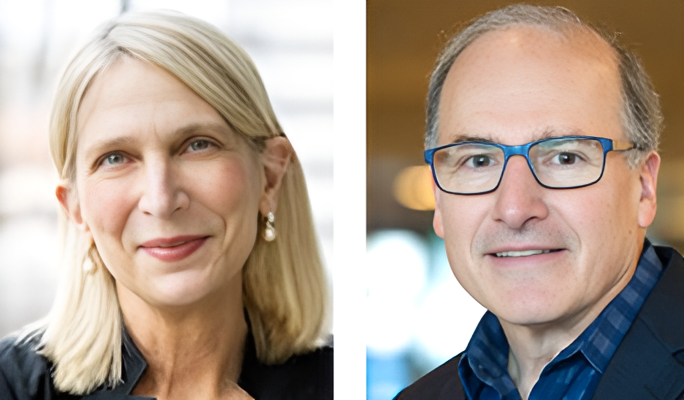
Diane and David
Diane Havlir, MD
Associate Chair for Clinical Research
David Erle, MD
Associate Chair for Biomedical Research
| | American Society for Clinical Investigation (ASCI) Award | | |
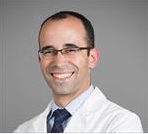
Congratulations to Emily Lydon, MD, Post-Doctoral Fellow, Division of Infectious Diseases at UCSF Health, who received the 2026 Emerging-Generation Award.
Please visit the ASCI website to learn more about eligibility and nominations for ASCI membership and about ASCI awards for faculty at all career stages and for research fellows, emerging and established investigators.
Nominations open in the summer.
|
| First-time R01s or Equivalent Awards | | |
We’re excited to celebrate the accomplishments of our faculty. If you know of recent awards, honors, or recognitions that we should highlight in future newsletters, please share them with Ilona Paredes—we’d love to spread the word!
| | Tips for Grant Applications | | |
UCSF ClinicalTrials.gov Policy 2026 Revisions
Funding Strategy Insight: Addressing NIH Priorities in Grant Applications
Recent discussions among investigators highlight an important consideration for NIH applicants: funding decisions may reflect not only scientific merit and peer-review scores but also broader programmatic priorities established by individual institutes.
Examples of these priorities can include:
- Support for Early-Stage Investigators (ESIs)
- Broadening geographic distribution of funding
- Alignment with institute-specific strategic priorities
- Demonstrating efficient use of funds through leveraging existing resources or co-funding opportunities
- Advancing the careers of early-stage scientists and trainees
What This Means for Applicants
Investigators may benefit from addressing these factors directly in their proposals whenever relevant. For example:
- Include a clearly labeled section such as “Addresses NIH Priorities” in the Significance or other appropriate section.
- Reference the specific priorities of the relevant NIH institute and explain how the project aligns with them.
- Highlight ways the project supports workforce development, trainee advancement, or early-career investigators.
- Describe collaborations, study populations, or subcontracting arrangements that broaden geographic reach or engage underrepresented regions.
- Note cost efficiencies, such as the use of existing datasets, biobanks, infrastructure, or complementary funding sources.
| | Research Support Programs | | |
DOM Seminar on AI Use in Grant Preparation
The Department of Medicine will host a virtual seminar on how investigators are using AI tools to identify funding opportunities and support grant preparation. This interactive seminar is designed to provide practical, experience-based insights from faculty who have begun incorporating AI into their grant development workflows.
Session Details:
Date: Tuesday, April 21
Time: 4 PM–5 PM
Format: Zoom moderated panel discussion with participant Q&A
Zoom Meeting Link
Please reach out to Danielle Mizuiri with any questions about the event or to suggest questions that could be addressed by the panel.
| |
PRE-Proposal Application REview (PREPARE) Program
Get expert NIH-style feedback on your R, K, and U proposals with the PREPARE Program, which provides free, high-quality application review services to help you strengthen your submission and achieve your funding goals.
| | |
Advancing Biomedical Careers: Strategies for Successful F and K Awards Virtual Webinar
This virtual webinar is designed for early-career investigators interested in pursuing NIH Fellowship (F) and Career Development (K) awards. Learn strategies for developing competitive applications, understanding the NIH peer review process, and identifying resources to support successful submissions.
The webinar will take place on Wednesday, May 6, and Thursday, May 7, from 7 AM-11 AM.
| | |
The Craft of Scientific Writing: Publishing Social and Behavioral Health Research
The UCSF Division of Prevention Science & BESST Institute presents a workshop that will focus on the following, targeted for early/mid-career scholars, public health, health psychology, medical sociology, social and behavioral health fields:
- Manuscript Structure
- Clarity and Voice
- Revision Strategies
- Peer Review Navigation
- Qualitative and Quantitative Methods
Trainings will take place on Wednesday, May 13, Friday, May 15, and Wednesday, May 20 from 1 PM-5 PM.
| |
April Writing Cafe
Do you miss writing or working in the company of others? Do you need some protected time to write that manuscript, draft a grant section, put a presentation together, get caught up on reading, analyze data, or just want to build a community around focused writing or working?
The CAPS Writing Café is open to all researchers, regardless of their area of focus, and is not limited to those conducting research related to AIDS.
The event will take place on Friday, April 24, from 9 AM-12 PM.
A Zoom link will be provided to those who RSVP.
Please bring a work-related project you need to complete. Please RSVP to Mireya Avila if you would like to attend or if you have questions. We ask that you only RSVP if you are able to stay for the entire duration.
| | |
CTSI Faculty Director, Community Engagement
Applications are sought from current UCSF Faculty (all schools) for the position of Faculty Director, Community Engagement (CE) of the Clinical and Translational Science Institute (CTSI). All academic ranks are encouraged to apply.
This is an internal UCSF search.
The Faculty Director is responsible for providing leadership, overall programmatic direction, and vision for the CTSI’s Community Engagement Program. The Faculty Director works with faculty, staff, the CTSI Community Advisory Board (CAB), and other advisory bodies and vested parties to develop resources, tools, and infrastructure for UCSF study teams and community partners to support respectful, bi-directional community-engaged research. The CE Faculty Director engages with community partners from around the Bay Area to design initiatives that support successful community-academic partnerships.
The Faculty Director, CE reports to the CTSI Director, Vanessa Jacoby.
This is a part time 15% (up to NIH Cap) position.
For consideration, please send application materials to: CTSI@ucsf.edu.
Document Requirements
- Curriculum Vitae - Your most recently updated CV
- Cover Letter outlining qualifications and interest in the position
- Statement of Research
| | |
Office of Research Town Hall
Join Vice Chancellor for Research Hal Collard and fellow Office of Research leadership, who will share the latest updates and service improvements with our research community.
The town hall will take place on Thursday, April 30 at 1 PM.
| | |
Rally for Bond Measure to Support Scientific Research in California
You may have heard about the substantial cuts to Federal research funding in the President's latest budget proposal that were announced last week. An exciting effort is underway to insulate our state from this crisis by placing a $23 billion bond on the ballot this November to fund research in California. The legislation that would fund this bond (SB 895) has the support of a bipartisan group of more than 40 state legislators, a coalition including UC, UAW, and other unions, universities, and patient advocacy groups, and over 4000 of our colleagues who have signed an open letter at www.fundCAscience.org. However, Governor Newsom has yet to declare his support.
UC, UAW, and a number of other organizations are partnering to organize a rally in Sacramento on Monday, May 4, to call on the Governor to place this bond on the ballot when it comes to his desk. UC President Milliken will be a featured speaker, and attendance at the rally is the single most impactful thing that scientists and staff at UC can do right now to support the bond and the future of scientific research in California.
We are hoping that lab and clinical research groups can attend the rally. Bus transportation will be provided to and from the event. Please RSVP along with your lab/ research group members using this link: RSVP - Rally for California Science.
| | |
UCSF Health Services Research Symposium
The fourth in-person annual UCSF Health Services Research Symposium will take place on Wednesday, May 13, at the Mission Bay campus.
| | |
NIH has announced several changes in policy and procedures this year. OSR is holding a brief overview of each policy change and will offer office hours to answer questions as the due dates get closer.
The following changes will be implemented with upcoming applications:
- Biosketch and Other Support Forms
-
As of May 25, 2026, NIH will enforce the requirement of the biographical sketch, biographical sketch supplement form and Current and Pending Other Support (CPOS) for each individual identified as Senior/Key Personnel created in SciENcv. Use the NIH template within SciENcv.
- Research Security Training (RST) Requirement
-
As of May 25, 2026, all senior/key personnel listed on NIH applications must certify that they have completed RST within the 12 months prior to submission.
-
Training that meets this criteria includes: Research Security Training at the University of California
- Completed RST diplomas must have a start date on/after 9/23/25 to satisfy both the NIH Other Support Training Requirements and the NIH Research Security Training Requirement for Key Personnel
- Data Management and Sharing (DMS) Plan
-
As of May 25, 2026, applicants must use a new, simplified DMS Plan format page (currently in draft pending OMB clearance). The DMS plan is becoming more structured and less narrative-based. See resources at the UCSF Library.
- PF5 Mechanism
-
The new PF5 Mechanism is now in effect, with an initial due date of May 25, 2026. NIH no longer recognizes foreign subawards. Recipients seeking to establish new international collaborations must use the approved NIH application structure for international components (e.g., PF5/UF5). See more info here.
- Prior approval for domestic subawards
- Effective June 1, 2026, NIH will require prior approval when adding a new domestic subaward to an existing project if the subaward was not included in the originally approved application.
-
For the latest NIH updates, please check OSR’s News page: https://osr.ucsf.edu/news
| |
IRB Is Moving to Research Gateway
UCSF is replacing the iRIS IRB submission system with a new system called Research Gateway IRB. This page outlines the change, key transition dates, how to prepare, and what to expect during the transition.
Key information:
-
Submission freeze (June 13-30): No submissions can be made in iRIS during this period. Research Gateway IRB will launch on July 1.
-
Submissions in progress: Studies submitted before June 13 that are not approved by June 24 must be resubmitted in Research Gateway IRB starting July 1.
-
During the freeze: Reportable new information that may affect whether a study can continue should be submitted using the Ask Andy form.
-
JIT submissions: Additional guidance for Just-In-Time (JIT) submissions received leading up to or during the freeze is available here.
| Grant Submission Notifications from OSR |
Notify OSR
At least 30 calendar days prior to sponsor submission deadline for non-complex solicitations such as R01, R03, R21, including fellowships and industry-sponsored grants and fellowships.
At least 60 calendar days prior to sponsor submission deadline for large proposals, such as proposals with subcontracts or international components, subcontracts to SBIRs/STTRs, and complex or ambiguous industry grants and fellowships.
4-6 months prior to sponsor submission deadline for complex proposals such as complex center grants, institutional training grants and cooperative agreements such as P30, T32, U54. Read more here.
| | |
Robert A. Winn Career Development Award
Application period runs from January 5 to May 4
This rigorous two-year program supports early-career physician-investigators with structured education and mentorship in community-oriented clinical trial design and implementation. Scholars focus on advancing equitable access to cutting-edge treatments and ensuring therapies are safe and effective for all populations.
The award provides $120,000 per year for two years and requires 40% effort for program participation.
Eligibility:
Applicants must demonstrate a commitment to improving patient participation in clinical trials and meet the following criteria:
- MD, DO, or international equivalent with an active U.S. medical license
- U.S. citizen or lawful permanent resident
- Research focus in cancer, cardiovascular/cardiometabolic disease, or neuropsychiatry
- Within the first eight years of a full-time clinical faculty appointment
| |
Burroughs Wellcome Foundation
Applications are due by Thursday, April 23
The Burroughs Wellcome Foundation has issued a request for applications for its Climate Change and Human Health Seed Grants program. This program aims to stimulate the growth of new connections between thinkers working in largely disconnected fields, who, together, may change the course of climate change’s impact on human health. This call focuses on developing partnerships. Proposals from single institutions must develop partnerships that do not already occur naturally.
The Burroughs Wellcome Fund is primarily, but not exclusively, interested in activities which:
- Build connections between basic and early biomedical science and ecological, environmental, geological, geographic, and planetary-scale approaches
- Encourage integration with population-focused fields such as epidemiology, public health, demography, economics, and urban planning
- Support pilot projects testing new approaches or collaborations to reduce the environmental impact of health-centered activities
- Advance more sustainable systems for healthcare delivery and biomedical research
- Prepare for the health impacts of extreme weather events and other crises that can disrupt healthcare delivery
- Includes public outreach, climate communication, and education efforts at the intersection of climate and health
Award amounts will range from $2,500 to $50,000, direct costs only. Proposed work should be completed within one year.
Application Information:
- Open RFP (unlimited submissions from UCSF).
-
Applicants should follow RFP instructions and notify their Grants Officer early.
-
Please contact Liz Catalano to announce your intention to apply.
| |
Weill Protein Design Alliance RFA
Applications are due by Thursday, April 23
The Weill Protein Design Alliance is funding high-impact, collaborative projects between UCSF and the University of Washington Institute for Protein Design (IPD), led by Dr. David Baker, in the area of de novo protein design.
This call is for outline research proposals for innovative, cutting-edge, and impactful de novo protein design projects. Proposals may include any aspect of de novo protein design, from fundamental discovery research to the design and testing of novel therapeutics for any disease. Projects should be suitable for collaboration with the IPD.
Awards will generally be made in the range of 100k-250k per year (to the UCSF investigator(s)) for 1-2 years, depending on the scope of work, number of PIs, etc. Budgets should not include indirect costs. PI salary support (NIH cap) can be included up to 10% effort.
Please download the full RFA and submit your application to Cammie Edwards.
| |
DOM Cohort Grant
Applications are due by Thursday, April 30
The UCSF Department of Medicine is now accepting applications for the annual DOM Cohort Grant. This program provides up to $100,000 over 12–24 months to support the development of new UCSF patient cohorts or the expansion of existing cohorts into new research areas. The goal is to build cohorts that can serve as shared resources for both clinical and bench investigators.
All UCSF faculty with a primary appointment in the Department of Medicine at any site are eligible to apply. Special consideration will be given to new and junior investigators who have mentors with relevant experience in the design, creation, and/or maintenance of patient cohorts.
For questions, please contact Danielle Mizuiri.
| | |
Huo Early-Career Fellowships
Applications are due by Friday, May 1
The Huo Family Foundation has issued a request for applications for an award entitled, "Effects of the Usage of Digital Technology on Brain Development, Social Behaviors, and Mental Health in Children and Young People."
Proposed research should address key questions within the broad topic of the effects of using and being exposed to digital technologies on brain development and function (including physiological responses), social behavior and interactions, and mental health in children and young people (ages 7-24).
This program includes two opportunities!
Huo Early-Career Fellowships:
-
Up to $169,000 per year, including up to 12.5% indirect costs (up to 3 years).
-
Eligibility: Postdoctoral researchers who completed a PhD or equivalent degree in or after January 2023.
Junior Faculty Research Grants:
-
Up to $260,000 per year, including up to 12.5% indirect costs, (up to 3 years).
-
Eligibility: Assistant professors or lecturers who hold a PhD or equivalent degree and started their first faculty position in or after January 2025.
Application Information:
| |
Irene Perstein Award
Applications are due by Wednesday, 4/29 (DOM internal deadline)
The School of Medicine invites submissions for the Irene Perstein Award for outstanding junior faculty scientists. This unique award honors the legacy of Ms. Irene Perstein, who sought to support junior women faculty in developing independent programs in basic, clinical, or translational research.
The award of up to $80,000 may be used for salary support, staff, or equipment.
All SOM faculty who started their initial appointment as Assistant Professor between January 1, 2025, and December 31, 2025, are eligible to be nominated. Candidates from all academic series may apply.
Nomination packets must be submitted to the Department Chair/ORU Director by Wednesday, April 29, and include four components:
- A one-page (maximum) letter from the Chair or ORU Director that describes the candidate’s qualifications
- A one-page letter (excluding citations) from the candidate, which describes the proposed research and the anticipated impact of the Irene Perstein award
- The candidate’s CV
- The candidate’s offer letter
Selection Criteria:
1) Scientific merit of the proposal, including novelty/innovation (if applicable, include factors that limit current funding opportunities), feasibility, and the potential impact on human health.
2) Impact on the candidate’s research and academic career. The ideal candidate has not yet secured a large extramural grant or benefited from a large start-up package.
Applicants will be notified by June 5, 2026, and the award period will begin on July 1, 2026.
| | If you'd like to contribute to future newsletters, please send your items to Ilona Paredes. | | Informational Resources for the Research Community | | |
Copyright © 2026, University of California, San Francisco, All rights reserved.
Please send comments, suggestions, and questions to:
diane.havlir@ucsf.edu and david.erle@ucsf.edu
| | | | |