|
AI is a powerful tool that can help businesses move faster, communicate better, analyze data quicker, create content in seconds, and automate tasks that used to take hours. For dealerships and finance companies, that kind of efficiency can feel like a major advantage. It's a force multiplier.
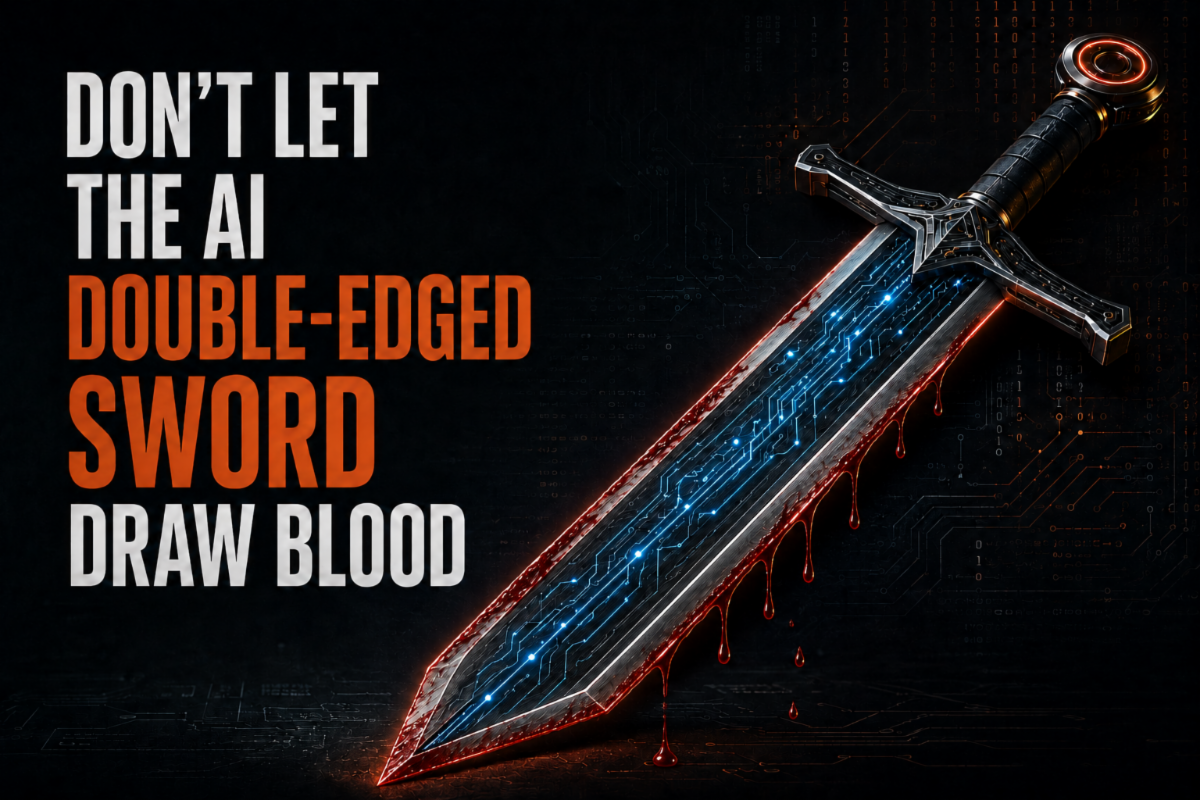
But a sword can cut both ways. The same tool helping businesses operate more efficiently can also create risk, expose weaknesses, and even damage the people using it.
How is AI being used at your Dealership or Company?
Is AI being used to make underwriting decisions? If so, ensure it doesn't consider factors it shouldn't, like an applicant's zip code. That can lead to "redlining," and regulators have already expressed the opinion that companies are responsible for how AI is being used, even if they don't know or understand the exact algorithms.
The same applies to AI-assisted decisions made in collections. There's a legal concept called "fair servicing," and much like fair lending, it requires that companies be "blind" to subjective elements when analyzing data. Does your AI go too far? How would you know?
How Do your Employees Know When THEY Go "too far?"
Do you allow your employees to use AI to obtain guidance on what's compliant in a given state, or how a law should be interpreted? Are you confident that your employees know the right questions to ask? Are you cognizant of the risks being taken?
If an employee is analyzing a customer complaint and trying to work out a settlement, are there limits to what information the employee will share with AI? Remember, AI is on a quest to learn, and it could use the information being input at a later date? Is AI being put in a position to learn your risk tolerance and tendencies? What's to stop it from taking the parameters you use in one customer situation and feeding that information back to a different customer to use against you?
Put Controls in Place to Guide Your Team
Unless you live under a rock, everyone is using AI in some capacity. Therefore, it's important to put some guardrails in place to guide the use of AI. What types of decisions do personnel have autonomy on, which require second-level review, and what are some hard prohibitions that must be communicated?
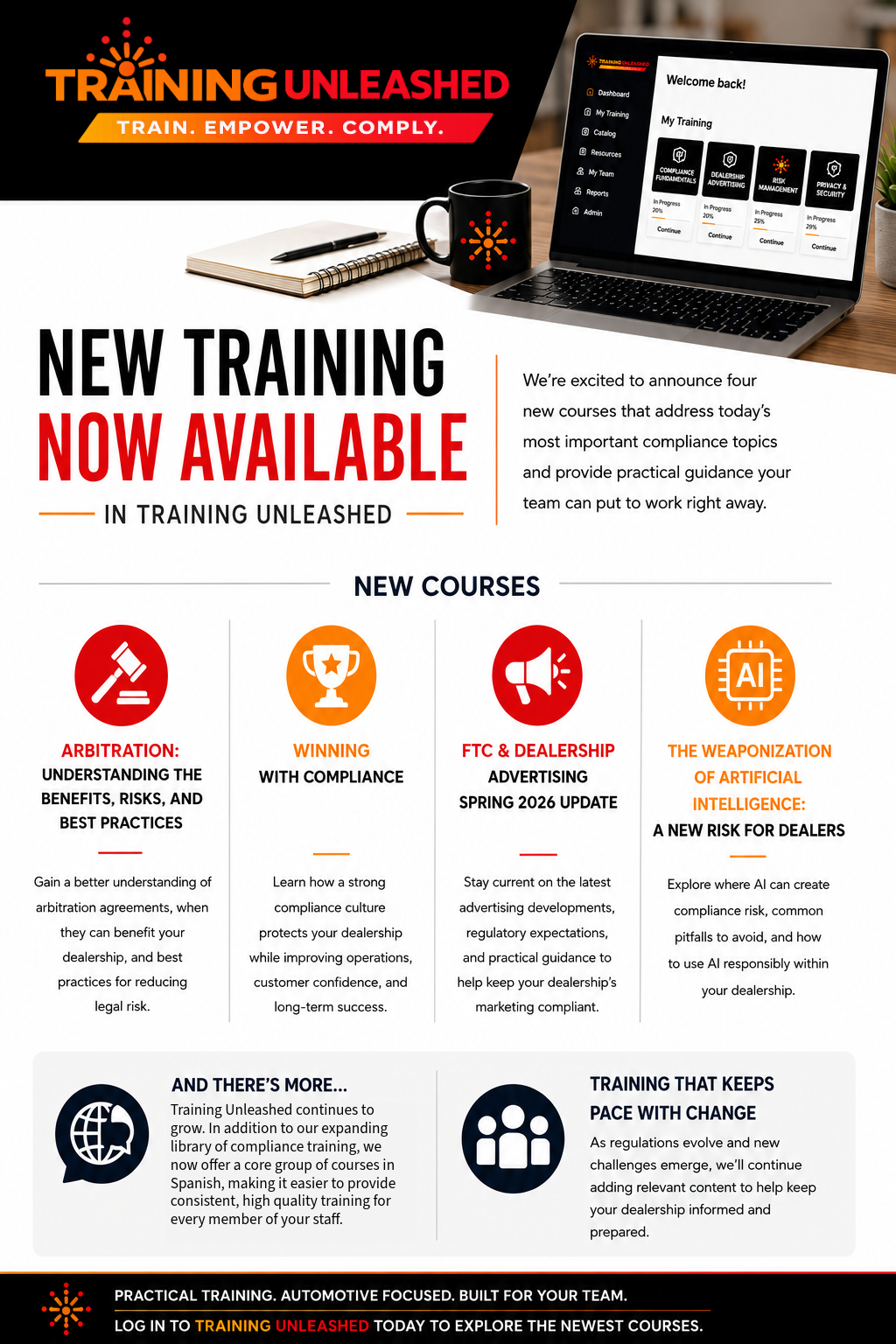
These are the questions we faced when developing an AI Use Policy over the summer. We'll be happy to share the lessons we learned and help create a policy that fits your particular risk tolerances. Reach out to Info@Ignitecp.com and mention AI.
|