|
Kratom
Kratom has been talked about a lot lately. Signs advertising direct kratom sales are sprinkled outside of smoke and vape shops throughout Cincinnati. We were curious what the hype is all about!
What Is Kratom?
Kratom is a tropical evergreen tree native to Southeast Asia. Its leaves have been used for centuries as a traditional remedy. The plant contains two primary psychoactive compounds: mitragynine and 7-hydroxymitragynine (7-OH). These substances occur naturally in the kratom plant in small amounts. However, modern kratom products may contain much higher concentrations of 7-OH.
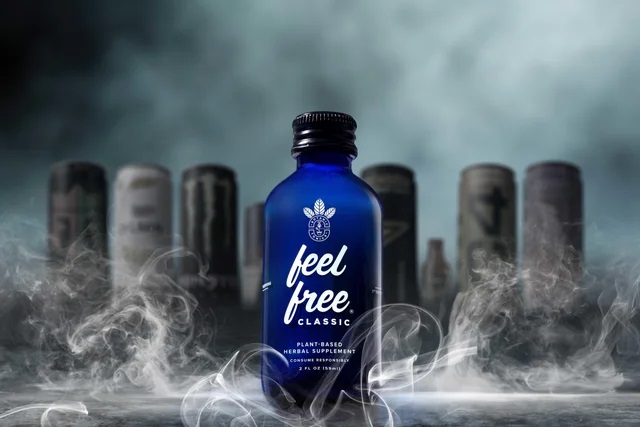
Currently kratom is being sold in products such as flavored chewable tablets, liquid shots and gummies. These are often sold online and in places like gas stations, convenience stores and vape shops.Kratom products are becoming easier to find for purchase, so they’re becoming more popular. Because of this, a lot of people make the mistake of thinking these products are safe.
How Is Kratom Used?
Kratom may be used as an herbal remedy for anxiety, depression, opioid use disorder, pain and other medical problems. It has also been used as an alternative or natural remedy to help people with opioid use disorder by reducing withdrawal symptoms.
4 Important Things to Know About Kratom
Kratom can be dangerous even in small amounts. Here’s what you should know about kratom to help keep your family safe:
1. Kratom can act both as a stimulant (low doses) and a sedative (higher doses). At low doses, kratom can cause stimulant effects such as increased alertness and physical energy, much like using products with caffeine or nicotine. At higher doses, kratom can cause sedative effects such as drowsiness or fatigue, like opioid medications.
2. Kratom is not well studied. Available evidence suggests that people can become dependent on kratom, like an opioid. The psychoactive compounds in kratom may lead to addiction. However, the long-term effects of kratom use are still not well understood.
3. Kratom is unregulated. These products are not regulated by the FDA, so the ingredients in each product may vary. Kratom may be contaminated with bacteria (salmonella) or heavy metals (lead, nickel, arsenic, or cadmium).
There are no limits on the amount of kratom that products can include. That makes it hard for consumers to know exactly what they’re taking.
4. Kratom is legal to buy. Kratom products are not classified under the Controlled Substances Act, which means they are currently not under a federal ban. Kratom sales are legal in some states and not in others.
· Ohio – Currently there are no age restrictions on purchasing kratom.
· Kentucky – Age restriction in 2024 allows adults over age 21 to buy kratom products.
· Indiana – Kratom products were banned completely in 2014.
In addition, kratom products currently on the market are often packaged to look like common snacks. This may increase the risk of accidental ingestion, especially in households with young children.
What Effect Does Kratom Have on Kids?
Kratom may be dangerous for kids. It’s important to keep kratom drinks or supplements out of reach of young children. Even small amounts of concentrated products can cause problems such as:
· Confusion
· Drowsiness
· Vomiting
· Nausea
Babies who are exposed to kratom before birth may experience withdrawal symptoms including being irritable or jittery, or having stiff muscles.
Talk to your teens about avoiding kratom. They are more likely to experience more serious effects from kratom, including:
· Agitation
· Seizures
· Hallucinations
· Tremors
· Rapid heart rate
· High blood pressure
· Difficulty breathing
Teens may also be more likely to mix kratom with alcohol or other substances, which can be risky. Using kratom at any age can lead to substance use disorder (SUD), addiction or withdrawal.
What to Do if You Suspect Kratom Use
If you suspect someone was exposed to a kratom product, contact the experts at the Drug and Poison Information Center (DPIC) at 1-800-222-1222. We will provide free, confidential, expert advice - 24/7/365. If someone is not breathing, is unresponsive, or has collapsed, call 911 immediately.
|