DRUG & POISON INFORMATION CENTER | |
Increase in Illicit Fentanyl Content in Fake Prescription Pills: 2017-2023 | |
Although many may know that substances such as cocaine or heroin can contain fentanyl, many are unaware of the increased prevalence of fake or counterfeit prescription pills containing lethal amounts of fentanyl throughout the United States.
To create these pills, fentanyl powder is compressed in molds with markings that you would often find on common prescription medications. These pills can be especially dangerous because although they may look harmless, even a very small amount of fentanyl is enough to be lethal for the average person. The image from the Drug Enforcement Administration below shows 2 mg of fentanyl, a lethal dose, which fits within the tip of a pencil.
| Figure 2: 2 mg of Fentanyl on a Pencil Tip (Source: DEA, 2024). | |
Data from the International Journal on Drug Policy has found that fentanyl seizures in pill forms increased from 10.3% in 2017 to 49% in 2023. Illicit fentanyl pressed into pill form has been found to be especially prevalent in the western United States, with over 75% of fentanyl seizures in this region being in pill form. Fentanyl tablets have also been reported in Ohio by the Ohio Narcotics Intelligence Center (ONIC). These tablets contain fentanyl mixed with other substances.
Keeping these trends in mind, it is important to be aware of these counterfeit prescription pills and to practice caution when taking medication. Be sure to only take prescription medication you received directly from a licensed pharmacist or a trusted healthcare provider.
Fentanyl test strips can also be used to test pills for possible illicit fentanyl content. For more information about fentanyl test strips, please visit the CDC’s website on What You Can Do to Test for Fentanyl. For information on how to receive fentanyl test strips in Hamilton County, please visit the Hamilton County Public Health website. For information about receiving test strips in Cuyahoga County, please visit the ADAMHS Board of Cuyahoga County website.
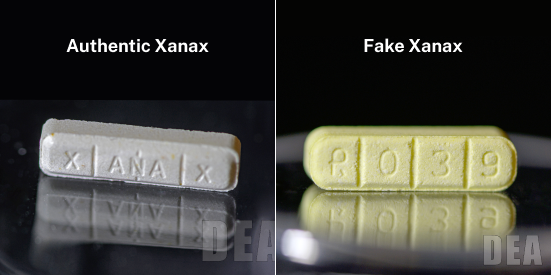
These pills can be especially dangerous to those who misuse prescription medication such as Adderall, Xanax, and Oxycodone as they are often obtained through sources other than pharmacists or healthcare providers. Recent data has found that over 22% of substance-related deaths in those aged 25 and younger were related to these counterfeit pills. Being aware of these trends is essential in preventing overdose deaths and informing harm reduction efforts. The images below, from the Drug Enforcement Administration, show how similar these counterfeit pills look to the prescription pills.
| 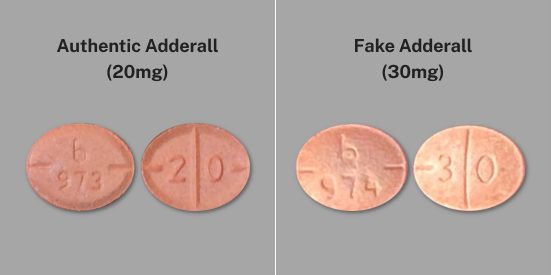 | Figure 3: Authentic and Fake Adderall Comparison (Source: DEA, 2024). | Figure 4: Authentic and Fake Xanax Comparison (Source: DEA, 2024). | |
For more information on illicit fentanyl content in counterfeit prescription pills, please visit the DEA’s One Pill Can Kill webpage.
If you suspect exposure to any substance has occurred, please call the Drug and Poison Information Center at 1-800-222-1222. Our specialists are available to provide free, confidential advice 24/7/365.
| |
|
References
Ohio Narcotics Intelligence Center (ONIC). (June, 2024). Public safety bulletins: Forms of fentanyl. Retrieved from: Forms of Fentanyl | Ohio Narcotics Intelligence Center
Palamer, J, J., Fitzgerald, N., Thomas H. Carr, T. H., Linda B. Cottler, L. B., Ciccarone, D. (2024). National and regional trends in fentanyl seizures in the United States, 2017–2023. International Journal of Drug Policy. 104417, ISSN 0955-3959, https://doi.org/10.1016/j.drugpo.2024.10441.
United States Drug Enforcement Administration. One Pill Can Kill. https://www.dea.gov/onepill
| |
|
Look-Alike Drinks & Freezer Pops: Tips to Keep Your Kids Safe
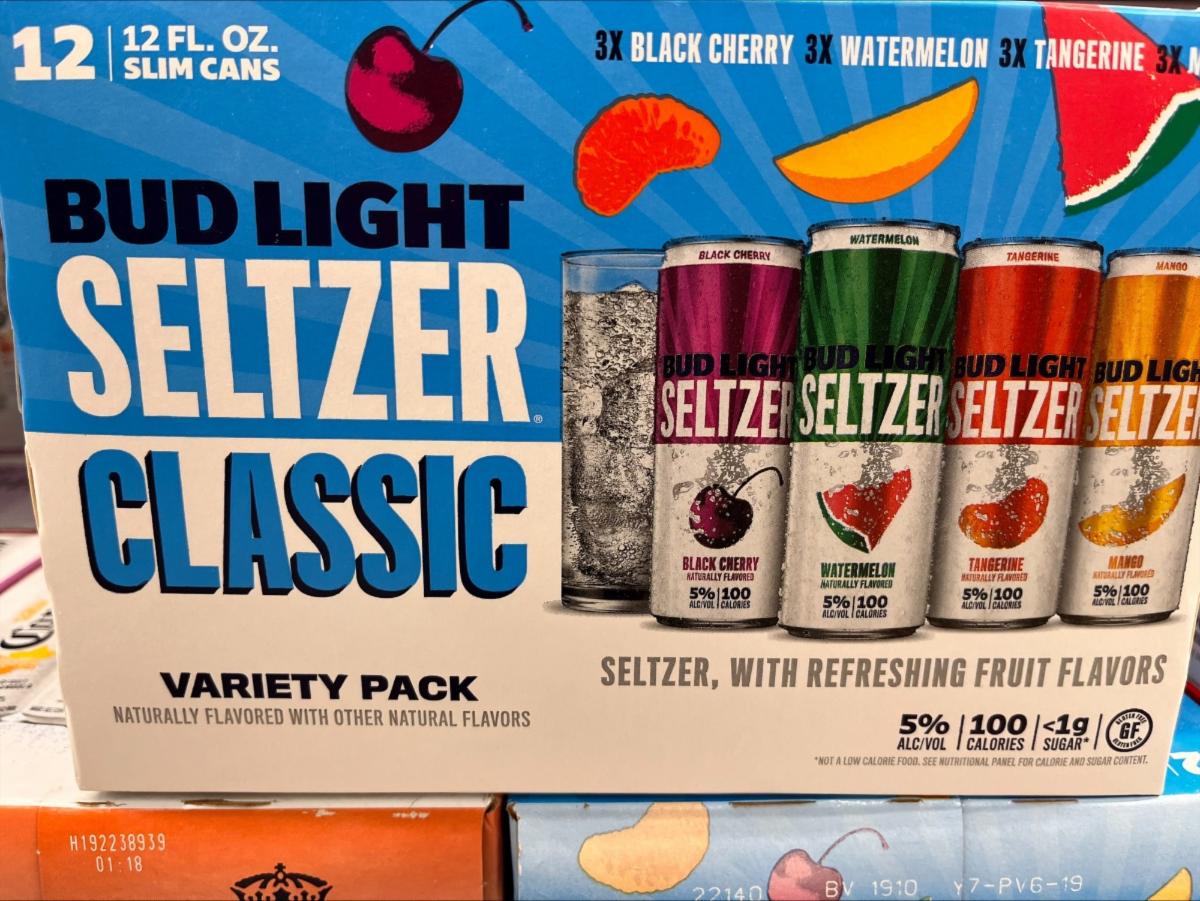
Look-alike products have long been a concern for accidental poisoning. There are more products than ever on the market today that look strikingly similar to traditional beverages but pose a danger to young children.
These beverages come in cans that can look very much like regular flavored waters, fruit juices, iced teas and other harmless products but actually contain alcohol, caffeine, or even THC (tetrahydrocannabinol), the active ingredient in marijuana. In addition, they often taste good with various fruity flavors which could lead to a child swallowing a large amount of one of these products.
If a child unknowingly drinks one of these beverages, it could lead to serious consequences from an accidental poisoning. Here are products to be aware of at your upcoming celebrations where kids are present.
| Source: (Northern New England Poison Center, 2024) | |
1. Look-Alike Alcoholic Drinks and Freezer Pops
Many of the current look-alike products are canned alcoholic beverages. There are seltzers, teas, coffees and kombucha with alcohol in them, and they often come in bright, attractive packaging. These alcohol-containing products can range anywhere from 5-10% alcohol by volume (ABV). In some cases, the percentage of alcohol can be up to 15%. In comparison, a standard light beer has an ABV of 4.2%.
Other new products on the market include alcoholic freezer pops, which resemble ordinary popsicles. Product packaging for these new items can also be bright and colorful, which may make them even more attractive to children.
Why They’re Dangerous
- Alcohol is potentially toxic to children, and it only takes a small amount for it to be dangerous to them. Due to their smaller size, children are more likely to experience toxicity from ingesting canned alcoholic beverages than adults.
- Alcohol can affect a child’s blood sugar and central nervous system and slow down breathing.
- Children may also be more likely to consume a large amount of these products, especially if they have an appealing flavor.
| 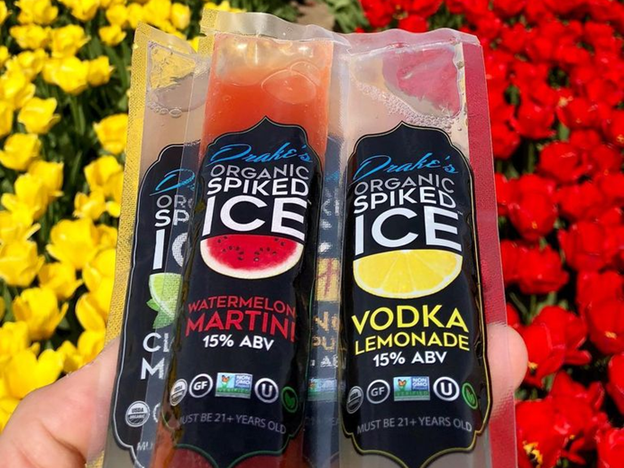 | Source: (BusinessInsider.com, 2019) | |
2. Look-Alike Highly Caffeinated Beverages
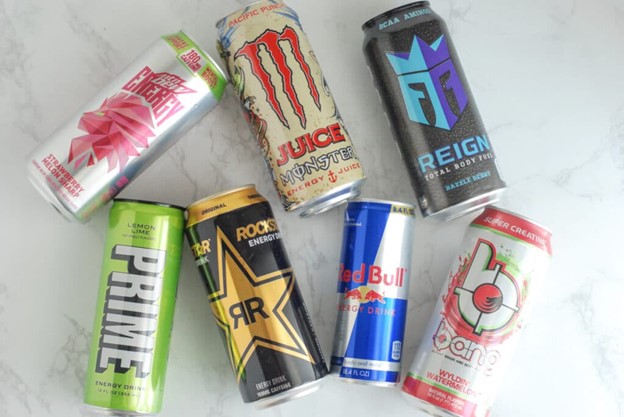
Other look-alike products contain very high concentrations of caffeine. These products can easily be mistaken for non-caffeinated beverages.
Why They’re Dangerous
Caffeine is a drug, and it has side effects. The dose and size of the person determine the extent of harm.
- Taken in high doses, or by susceptible individuals at normal doses, caffeine can cause palpitations, high blood pressure, nausea or vomiting, jitteriness, or sleep problems.
- In extreme cases, arrhythmias, seizures or even death could occur.
- In addition, some caffeinated beverages contain other ingredients that are not regulated by the FDA. This most commonly happens in energy drinks. They may include ginkgo, ginseng, taurine, guarana, kola nut, yerba mate, and more.
| Source: (RealMomNutrition.com, 2024) | |
3. Look-Alike THC-Infused Beverages
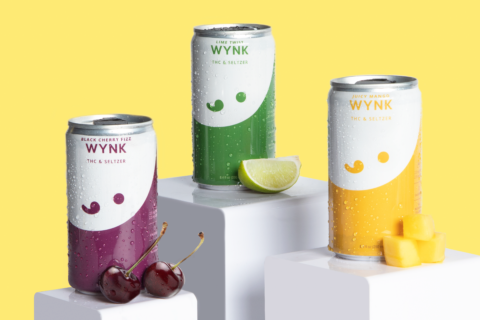
With the recent legalization of recreational marijuana, cannabis-infused beverages are also now available for purchase in 24 states. Seltzers containing THC may look like ordinary beverages, but they may contain between 5 to 50mg or more of THC per can.
Much like alcoholic beverages, these pose a higher risk to children as they are more likely to become intoxicated from consuming small amounts due to their smaller body size.
Why They’re Dangerous
- The symptoms of marijuana overdose are much worse in kids than adults, due to the difference in their weight.
- Symptoms include pronounced drowsiness, dizziness, difficulty walking, and in severe cases, central nervous system depression (coma and breathing difficulty).
| Source: (BevNet.com, 2021) | |
Tips to Help Prevent Accidental Poisonings in Kids
While no parent intends for their young child to drink beverages containing alcohol, THC, or high amounts of caffeine, the following tips may help prevent it from accidentally happening:
-
Don’t leave drinks unattended. Be aware of where you or guests have left unfinished drinks and clean them up frequently. If you’ve hosted a party at your house, be sure to clean up the unfinished drinks before you go to bed.
-
Leave beverages in their original containers. It can be very easy to confuse a flavored water or fruit juice with an alcoholic, THC-infused or caffeinated beverage if the drink is in an unmarked cup or glass.
-
Put it away. Store alcohol in a place that is out of sight and reach of your children. Better yet, lock it up!
-
Talk to your child. If your kids are old enough to understand, talk to them about the potential dangers of alcohol, caffeine, and THC and how these products may be packaged to make them look fun and attractive.
If you suspect your child has accidentally ingested alcohol, THC-infused or a highly caffeinated beverage please call the Drug and Poison Information Center at 1-800-222-1222. Our specialists are available to provide free, confidential advice 24/7/365.
| | |
CDC.gov website Updates: Division of Overdose Prevention | |
|
The Center for Disease Control and Prevention (CDC) recently updated their website as a part of efforts to improve digital communication. With this change, websites maintained by the Division of Overdose Prevention websites have been updated.
What Overdose Prevention Resources Are Now Available?
-
Overdose Prevention: this website, which combines the information in the previous Opioids and Drug Overdose websites, offers data and educational resources regarding substance use disorders and overdose prevention. In addition, the website provides trainings and toolkits for health care and public health professionals. The website is available at the following link: http://www.cdc.gov/overdose-prevention/index.html
-
Stop Overdose: this website provides specific action steps for reducing drug overdose cases, such as how to access and use fentanyl test strips and naloxone. The website is available at the following link: http://www.cdc.gov/stop-overdose/about/index.html
-
Rx Awareness: this website offers information and support for prescription opioid use. The website discusses common prescription opioids, how to prevent prescription opioid overdoses, and resources for prescription opioid use recovery, including real stories from firsthand experiences. The website is available at the following link: http://www.cdc.gov/rx-awareness/index.html
-
Cannabis and Public Health: this website, previously titled Marijuana and Health, provides background information on what cannabis is and what effects it has on health. In addition, the website supplies links to journal articles and Morbidity and Mortality Weekly Report articles related to cannabis and public health. The website is available at the following link: http://www.cdc.gov/cannabis/site.html
-
Overdose Resource Exchange: this website has not yet been updated and is still live in its original format with plans to be updated in the future. The website contains overdose educational resources approved by the CDC that can be searched for specific keywords or filtered based on the audience, format, language, topic, and campaign. The website is available at the following link: https://www.cdc.gov/ore/index.html
|  | |
|
© 2024 By the Cincinnati Drug & Poison Information Center (DPIC)
Editors: Alysha Behrman RN, MSN, CSPI, OCPC, ICPS; Sheila Goertemoeller PharmD, DABAT, OCPC, ICPS ; Julia Conroy; Jewel Sisk; Jonathan Colvin, RN, MS; Shan Yin, MD, MPH
The opinions expressed herein are those of the contributing authors and do not necessarily reflect the views of the editor, publisher or supporting institutions. DPIC is a service of the Cincinnati Children’s Hospital Medical Center and Children’s Hospital Research Foundation. Services are also supported by: the US Department of Health and Human Services (HRSA), the Ohio Department of Health, Hamilton County Mental Health and Recovery Services Board, and the Ohio Department of Alcohol and Drug Addiction Services (ODADAS). Additional support for DPIC services is provided by Cuyahoga Department of Health and Human Services and additional member hospitals.
| | | | |