|
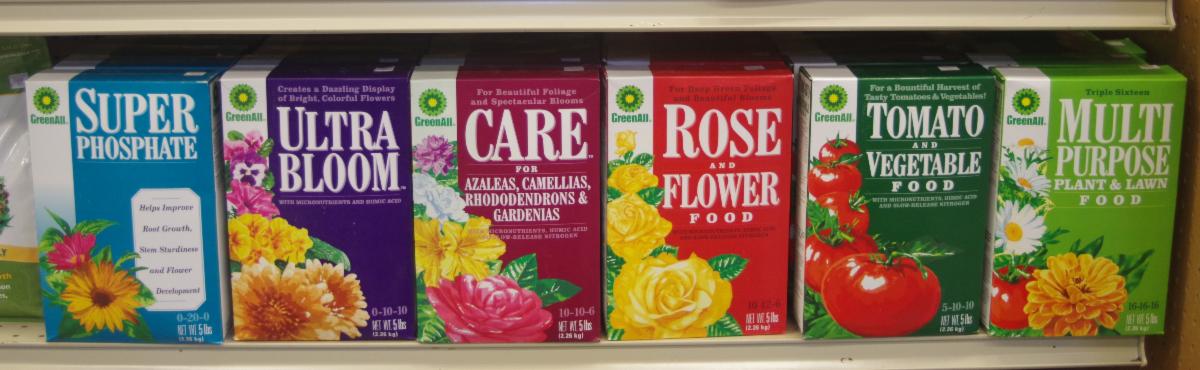
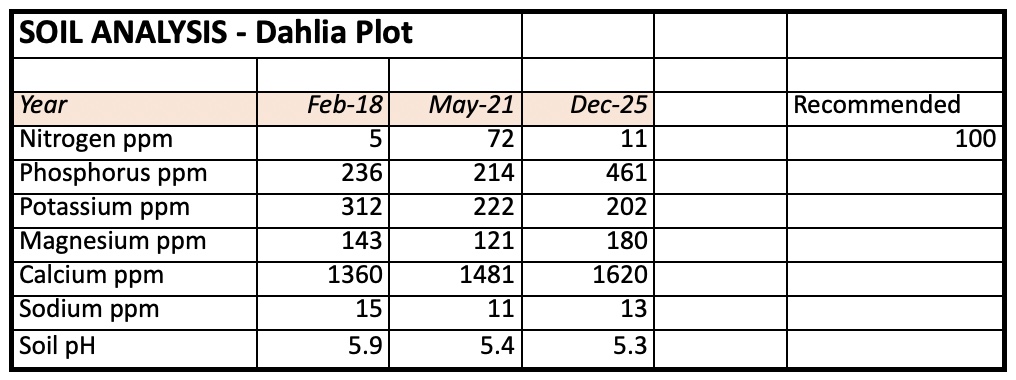
When one looks at fertilizers, the familiar NPK formula is one that consumers are focused on. My intention was to provide an initial dose of granular fertilizer at planting time, with liquid applications of 5-1-1 fish fertilizer later in the season. My intention was to boost plants by offering 10-10-10 or even 16-16-16 fertilizers every season. It seemed to work for years, until I learned that balanced NPK fertilizer was not necessary (or even desirable), and that its placement below tubers did not provide nutrition to root hairs developing above. Moreover, the soil tests proved that excessive phosphorus and potassium levels could contribute to locking up beneficial sources of other minerals.
A bit of scientific reading and watching pertinent videos would explain what happened. What plants need is not just fertilizer, whether from organic or synthetic sources, but minerals must be made available to them as water-soluble ions. So first a mineral must be converted to that state: phosphorus (P) must degrade to phosphate, potassium or potash (K) needs to become exchangeable. Actually, very little of that nutrient requires renewal; it is abundant in most soil. So do other trace metals and minerals, despite their trumpeted presence in some fertilizers. As for nitrogen (N), this essential gas gets converted to life-giving nitrites, is regularly depleted in quick order, and so it must be replenished by the gardener. Understandably, sandy soils leach all these nutrients quickly and need texture amendments.
It is a human desire to develop perfect solutions for any problem. That may explain the plethora of fertilizers and addenda in our markets, most of which promise relief from deficiencies in growth or blooming and fruiting. Well, the honest answer to most of these remedies is this: you feed the soil, not the plant. And those plants will take only what they need. The rest of the chemical soup (and it does not matter if sourced from organic or petroleum-based ingredients) is excessive and unnecessary. It may contribute to chemical imbalances in the garden, hasten eutrophication in waterways, and are a waste of money. Our current fertilizer prices are rising due to supply shortage, higher production costs, and the political instability in oil-producing countries and continued warfare. Surging natural gas prices have also led to more costly nitrogen fertilizer pricing, since natural gas is required to produce that. Reportedly, one third of the world’s fertilizer supply passes through the Strait of Hormuz, so you need to consider this when eyeing that fertilizer sack.
|