| View in Browser | |||||

|
|||||
|
Daily Transportation News |
|||||
| Editorial and legal note: This briefing is provided for general information and professional awareness. It summarizes publicly available materials from government agencies, legislatures, transportation providers, companies and news organizations. Inclusion does not constitute IATR endorsement, legal advice, a finding of fact or a recommendation that any regulator adopt a particular policy. Readers should consult original sources and applicable law before relying on an item for regulatory, procurement, enforcement or operational decisions. “Why it matters” boxes are editorial analysis. Proposals, research findings and implementation updates are identified separately. | |||||
| Featured | 2026 IATR Conference Conversations | |||||
|
Over the next few weeks, we’ll highlight sessions from the 2026 IATR conference, including keynotes, plenaries, demonstrations and sponsor presentations, sharing insights and inviting you to join the conversation. Former Commissioner, NYSDMV, Mark Schroeder: Modernizing Mobility Through Safety, Accessibility and CollaborationLuncheon & Keynote Speaker: Hon. Mark Schroeder 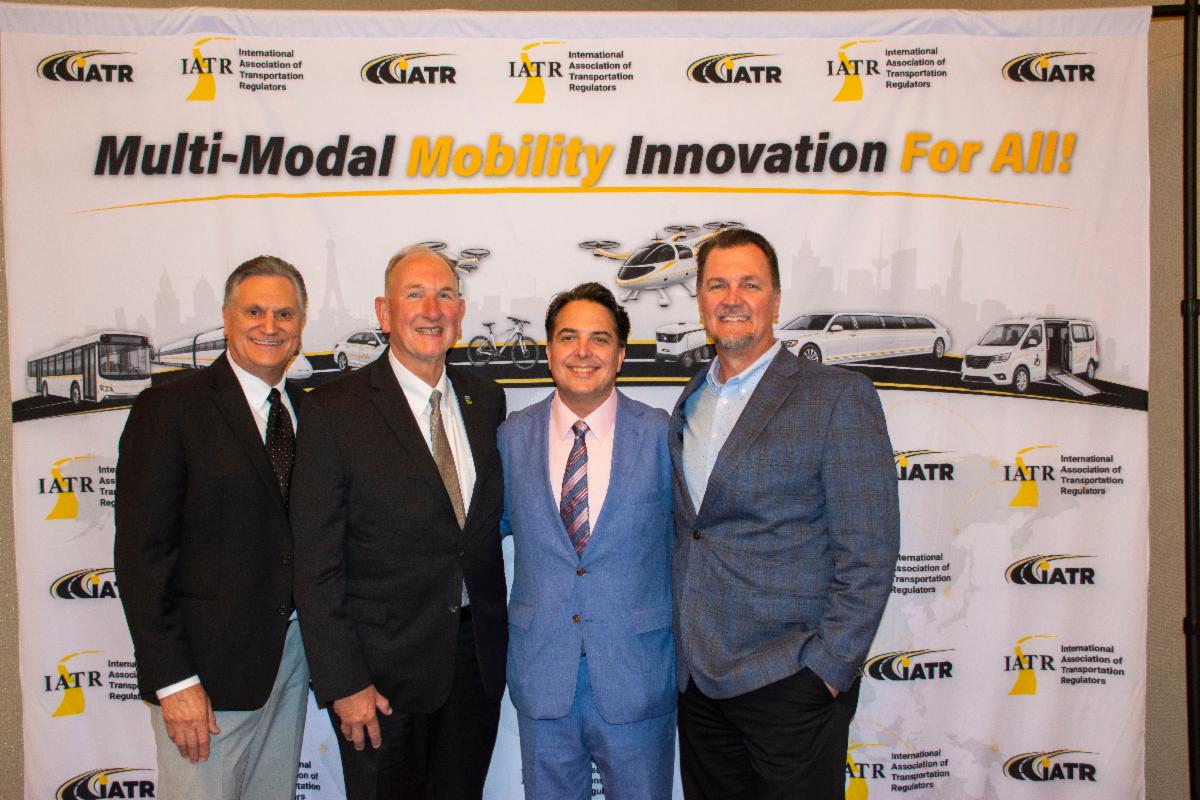
From (L): Vaughn Hartung, Chairman, Nevada Transportation Authority, Hon. Mark Schroeder, Former Commissioner, New York State Department of Motor Vehicles, Matthew W. Daus, IATR President, and Curtis Mell, Deputy Administrator, Nevada Taxicab Authority. How can regulators modernize public services and prepare for autonomous mobility while keeping safety and accessibility at the center? In his keynote, Schroeder drew on his DMV leadership to explore why progress depends on more than technology. It depends on people working together.

Hon. Mark Schroeder, Former Commissioner, New York State Department of Motor Vehicles. What does a measured approach to mobility innovation look like in your jurisdiction? Share your perspective with IATR and help advance the discussion.
Want More Conversations Like This?Become an IATR member to access the full collection of conference videos and continue exploring the discussions shaping transportation regulation. Connect with peers, exchange practical experience and bring your perspective to the IATR community.
Already a member? Access the full Conference Video Showcase. Need to sign in? Visit IATR.Global and select member sign-in. |
|||||
| Top Highlight | Drone Delivery & Emerging Mobility | |||||
|
United States · Autonomous Delivery · Investment & Deployment Zipline Raises $1.5 Billion as Walmart Plans 300 Additional Drone-Delivery Sites
Image credit: Zipline / via TechCrunch. Status: Funding announcement and planned expansion; not completed deployment Zipline has raised $1.5 billion at a $21.5 billion valuation and signed a new multiyear agreement with Walmart to add 300 drone-delivery sites across the United States. TechCrunch reports that the companies currently operate 21 active sites together, making the agreement a substantial expansion of their existing partnership. The funding round was led by Paradigm, WCM Investment Management and Layer Global, with participation from investors including Uber, Fidelity Management & Research Company, Tiger Global and Salesforce Ventures. Zipline says it will use the capital to expand U.S. manufacturing facilities, hire workers and develop a nationwide delivery network. For local communities, the significance extends beyond new aircraft. Zipline’s system combines autonomous drones, launch and landing infrastructure and logistics software. Its Platform 2 home-delivery aircraft are designed to carry up to eight pounds to customers within a 10-mile radius; its larger Platform 1 aircraft serve longer-range enterprise, government and other deliveries. The company began by delivering blood in Rwanda and later expanded into other African markets, Japan and the United States. It has received FAA Part 135 air carrier certification, an important regulatory milestone. That certification and the new financing should not be read as blanket approval for every proposed site or operating configuration.
Why it matters to regulators: Scaled drone delivery brings
aviation oversight into closer contact with
local land use, launch-site design, community
engagement and emergency coordination. The key distinction is
between capital raised, sites announced, operational readiness
and operating permissions.
Source: TechCrunch |
|||||

|
|||||
|
United States & Canada · Electrification · Fleet Charging Mercedes-Benz Charging Network Reaches 100 North American Sites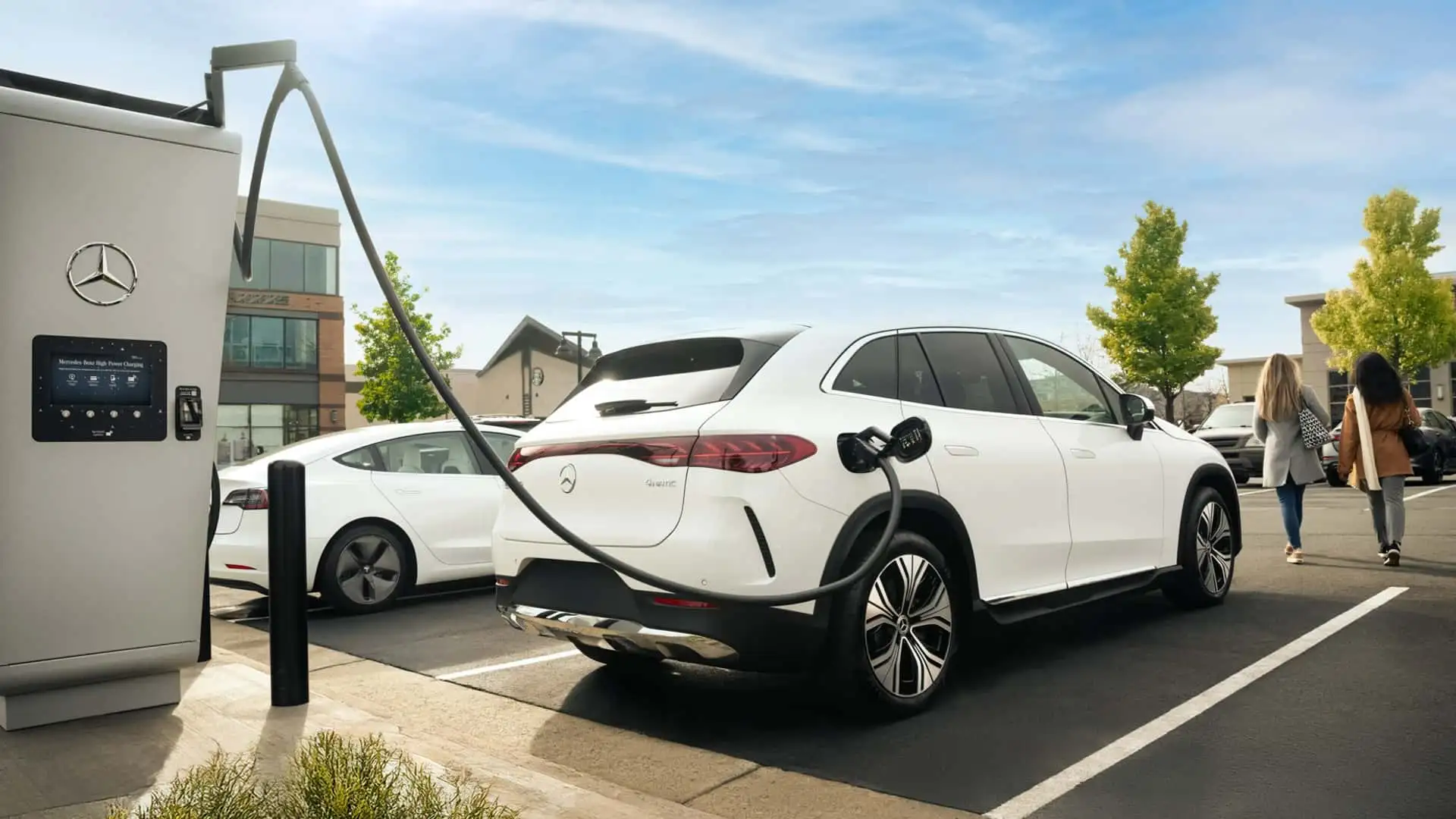
Image source: Mercedes-Benz / Motor1 via InsideEVs. Status: Company-reported network milestone Mercedes-Benz High-Power Charging has reached 100 sites and nearly 1,000 ports across 28 U.S. states and British Columbia, InsideEVs reports. The site count covers North America, rather than the United States alone. Chargers can deliver up to 400 kW, subject to vehicle capability and charging conditions. The company reports improved first-attempt charging success since launch. Network-reported performance is not an independent reliability audit.
Why it matters to regulators: Fleet electrification
depends on dependable sessions, connector compatibility,
payment access and proximity to operating areas, not simply
charger counts.
Source: InsideEVs |
|||||
|
New York City · Street Safety · Curb Management Reimagining Canal Street: Safer Crossings, More Public Space and Phased Construction
Image credit: NYC DOT. Status: Redesign proposal and phased implementation update NYC DOT is developing a comprehensive proposal to redesign Canal Street in Lower Manhattan, one of the city’s most complex, busy and congested corridors. The city aims to simplify travel patterns and make the corridor safer. The block-by-block proposal covers Canal Street from West Street to Bowery. The redesign seeks to:
Gothamist reports that much of the planned construction on the west side will be delayed. Painted curb extensions have been completed at five locations, with additional work still planned. The corridor-wide proposal, completed early improvements and remaining construction should be distinguished.
Why it matters to regulators: Changes to crossings, bicycle
connections and pedestrian space can affect
taxi/FHV pickup, loading and
accessible curb access. Clear phasing and curb
information help operators adapt without compromising passenger safety.
Sources: NYC DOT: Reimagining Canal Street · Gothamist |
|||||
|
United States · Rideshare Platforms · Affordability & Consumer Protection Lyft Introduces Membership Credits Through Expanded DoorDash PartnershipStatus: Company-announced membership rollout Lyft has begun rolling out Lyft Go in the United States. Its $9.99 monthly tier includes DashPass after account linking and activation, with 8% back in credits on eligible rides for use on future Lyft trips or DoorDash orders. A $4.99 Core tier offers 5% back in rideshare-only credits. These are future-use credits, not an immediate cash discount on every fare. The linked DashPass offer has eligibility and activation requirements and an earning cap of $40 per month. Its terms also govern credit expiry and cancellation.
Why it matters to regulators: Bundled memberships make clear
disclosure of total prices, recurring billing,
eligibility, redemption limits and cancellation rights
important. Marketing benefit rates should remain distinct from
the actual fare paid.
Sources: Lyft · DoorDash: Offer terms |
|||||

|
|||||
|
United States & Canada · Platform Integration · Parking Uber Parking Begins With 15 U.S. Cities Ahead of Wider RolloutStatus: Initial U.S. launch; Canadian expansion planned Uber has introduced in-app parking reservations following its SpotHero acquisition. CNET reports an initial launch in 15 U.S. cities, with expansion planned to more than 400 cities across the United States and Canada. The broader network includes more than 13,000 parking locations, covering garages, lots and valet options. Uber says it will explore parking locations as staging and waiting areas for autonomous vehicles; this is a prospective use, not an established fleet-staging program.
Why it matters to regulators: The Canadian relevance is the
planned rollout. Parking reservations,
curb access and robotaxi staging
involve distinct permissions.
Source: CNET |
|||||
|
Canada · Taxi & Rideshare Fleets · Electrification Weeve Profile Shows Subscription Model for Electric Fleet AccessStatus: Company fleet profile Electric Autonomy profiles Montreal-area Weeve, which reports more than 925 vehicles across Montreal, Ottawa, Toronto and Vancouver. About 80% of the fleet is fully electric and the remainder hybrid. The company offers rentals and subscriptions with maintenance and insurance included, serving primarily rideshare drivers as well as taxi operators and business fleets. Cost and winter-range estimates in the profile are company-reported rather than independent fleet-wide findings.
Why it matters to regulators: Subscription models can shift
vehicle-access costs, but operators still need clarity about
insurance scope, registration,
licensing and maintenance responsibilities.
Source: Electric Autonomy |
|||||
|
Ontario · Rideshare Oversight · Regulatory Background Ontario Pilot Separates Rideshare Approval From Municipal Taxi AuthorityStatus: Regulatory background; not a new policy announcement Ontario Regulation 136/26 establishes a rideshare pilot along the Northlander corridor. The framework preserves municipal authority over taxi and limousine licensing and over parking, stopping, traffic control and municipal property. Designated rideshare services may not initiate trips through street hails or taxi stands. The regulation separately addresses passenger services at Northlander station premises. This item is background, not a new policy announcement.
Why it matters to regulators: Defining
platform approval, street-hail privileges and
station access separately helps clarify
provincial and municipal responsibilities.
|
|||||

|
|||||
|
Peterborough, England · Licensing · Vehicle Standards Peterborough Consults on Vehicle Ages, Testing and Operator ChecksStatus: Consultation; proposals not enacted Peterborough City Council has opened consultation on a proposed taxi and private hire licensing policy, TaxiPoint reports. Proposals include an 18-year age limit for zero-emission vehicles and removal of acquired rights protecting some previously licensed vehicles. The review also considers moving from certificates of compliance to an MOT-based testing approach and introducing financial checks for new and renewing private hire operators. These measures remain proposals.
Why it matters to regulators: Vehicle-age relief,
emissions standards and mechanical testing
serve different purposes. Consultation can assess costs,
safety and service continuity together.
Source: TaxiPoint |
|||||
|
London, England · Taxi Access · Street Management Bank Junction Taxi Access Recommendation Goes Before CommitteeStatus: Officer recommendation; committee outcome not verified City of London officers recommended making experimental taxi access through Bank Junction permanent. The recommendation would retain east–west taxi movements between Poultry and Cornhill during the restricted weekday period. TaxiPoint reports that private hire vehicles would remain excluded during those hours. The recommendation relates to an existing experimental arrangement; this briefing does not establish a final committee decision or permanent order.
Why it matters to regulators: Access policy
can distinguish licensed taxis from private hire vehicles.
A recommendation should not be treated as a
final order.
Source: TaxiPoint |
|||||
|
Bucharest, Romania · Taxi E-Hail · Airport Mobility Bolt Plans Licensed-Taxi Pilot at Otopeni Airport
Image source: Romania Insider; supplied image URL identifies Cristi Croitoru / Dreamstime.com. Status: Announced pilot; not confirmed as operational Bolt has announced a licensed-taxi category in Romania, initially through a limited pilot at Henri Coanda International Airport with Meridian Taxi. Passengers would request licensed taxis through the app and use designated airport taxi pickup areas. Romania Insider reports that the category will operate under taxi legislation, separately from rules for alternative transport. The digital booking arrangement does not mean taxi and ride-hailing permissions have merged.
Why it matters to regulators: E-hail can
modernize booking while retaining separate licensing, dispatch
and airport-access rules. Passenger information
should identify the applicable service and fare framework.
Source: Romania Insider |
|||||

|
|||||
|
Singapore & Malaysia · Cross-Border Taxis · Licensing Cross-Border Taxi Quotas to Rise to 500 Per CountryStatus: Officially announced expansion Singapore and Malaysia have announced an increase in licensed cross-border taxi quotas from 300 to 500 per country. Their transport ministries also announced that CDG Zig and Kumpool will join the scheme as licensed ride-hail/e-hailing operators. The change builds on earlier designated pickup arrangements and enforcement measures against illegal domestic trips. Expanded cross-border supply does not imply unrestricted domestic point-to-point operation.
Why it matters to regulators: Cross-border arrangements require
aligned permissions, clear pickup geography
and enforceable limits on domestic service.
Source: Singapore Ministry of Transport |
|||||
|
Jordan · Taxi E-Hail · Data & Pricing Jordan Introduces Licensing Framework for Taxi Ride-Hailing AppsStatus: Published licensing requirements Jordan has introduced rules requiring yellow-taxi offices or registered consortiums to obtain an e-hailing licence from the Land Transport Regulatory Commission. Petra reports requirements covering GPS, electronic payments, cybersecurity and data privacy. Fares and commissions require prior approval, and applications must show an estimated fare or calculation method before booking. Geofencing prevents dispatch outside the authorized home governorate, although trips may carry passengers beyond it.
Why it matters to regulators: Digital dispatch remains linked
to territorial licensing and
fare oversight. Cross-boundary drop-off rights
differ from authorization to accept new trips.
Source: Petra |
|||||
|
Uzbekistan · Taxi Market Entry · Driver Eligibility Proposed 5,000-Vehicle Entry Draws Attention to Driver Eligibility
Image source: Kun.uz. Status: Market-entry plan; not completed deployment Kun.uz reports that a Chinese ride-hailing company is considering entering Uzbekistan with a 5,000-vehicle fleet. The proposal should not be read as confirmation that the vehicles are already operating. The report cites Cabinet Resolution No. 200, under which only Uzbek citizens may provide on-demand taxi services. Vehicle investment, driver eligibility and service authorization remain separate questions.
Why it matters to regulators: Market-entry announcements
require verification against local requirements before anticipated
fleet size is treated as passenger-service capacity.
Source: Kun.uz |
|||||
| Research & Regulatory Report | Rideshare Markets & Autonomous Mobility | |||||
|
United States · Research · Platform Fees & Market Monitoring Gridwise Finds Diverging Rideshare Fee Trends in Five Robotaxi MarketsStatus: Observational market comparison; not a causal finding Gridwise compared human-driven rideshare activity in Atlanta, Austin, Los Angeles, Phoenix and San Francisco with the rest of the country. Across the five markets, median platform fee rates fell 17.6%, while the comparison group recorded a 6.9% increase. In San Francisco, the median platform fee rate fell from 19.0% to 10.2%, while the median rider price remained $16.95. The 17.6% figure is a relative change in the fee rate, not a 17.6-percentage-point reduction. The analysis states that it cannot separate AV effects from other market factors. Its findings are useful for framing oversight questions about competition and driver compensation, but do not establish that robotaxis caused these changes.
Why it matters to regulators: Comparable fee, price and
compensation data can support market monitoring.
Definitions, sample composition and local factors matter before
making cross-city comparisons or policy conclusions.
|
|||||
A Message From the IATR President
At the International Association of Transportation Regulators (IATR), our regulators are at the forefront of addressing both the challenges and opportunities facing the mobility paradigm. Our IATR members, partner organizations and regulated industries will continue on our shared quest to fulfill the mission of our non-profit educational organization: to bring about Multi-Modal Mobility Innovation for All! This mission can best be accomplished through information sharing, collaboration, identifying and promoting best practices, and educating our membership. These educational updates and electronic media clips are affectionately known as “IATR snips” and endeavor to cover all aspects of mobility around the globe, especially news and developments involving safety, technology innovation, multi-modal integration, automation, sustainability, electrification, accessibility, regulatory modernization and equity. If you would like more information about the IATR, please visit IATR.Global . To explore membership or renew, visit our Become a Member / Renewal page . Current members can sign in through the IATR portal on the website. If you need help with your membership password, please email info@iatr.global. |
|||||
INTERNATIONAL ASSOCIATION OF
|