|
View in Browser
|

|
|
Daily Transportation News | November 17, 2026
|
|
Editorial and legal note: This briefing is provided
for general information and professional awareness.
It summarizes publicly available materials from
government agencies, legislatures, transportation
providers, companies and news organizations.
Inclusion does not constitute IATR endorsement,
legal advice, a finding of fact or a recommendation
that any regulator adopt a particular policy.
Readers should consult original sources and
applicable law before relying on an item for
regulatory, procurement, enforcement or operational
decisions. “Why it matters” boxes are editorial
analysis. Proposals, research findings and
implementation updates are identified separately.
|
| Event Reminder | CoMotion LA 2026 Panel: Ferries and the Future of Urban Water TransitMatthew W. Daus · IATR President · Discussion Leader Wednesday, November 18, 2026 10:55–11:35 a.m. PST 1:55–2:35 p.m. EST · 40 minutes Spotlight Stage View the session agenda |
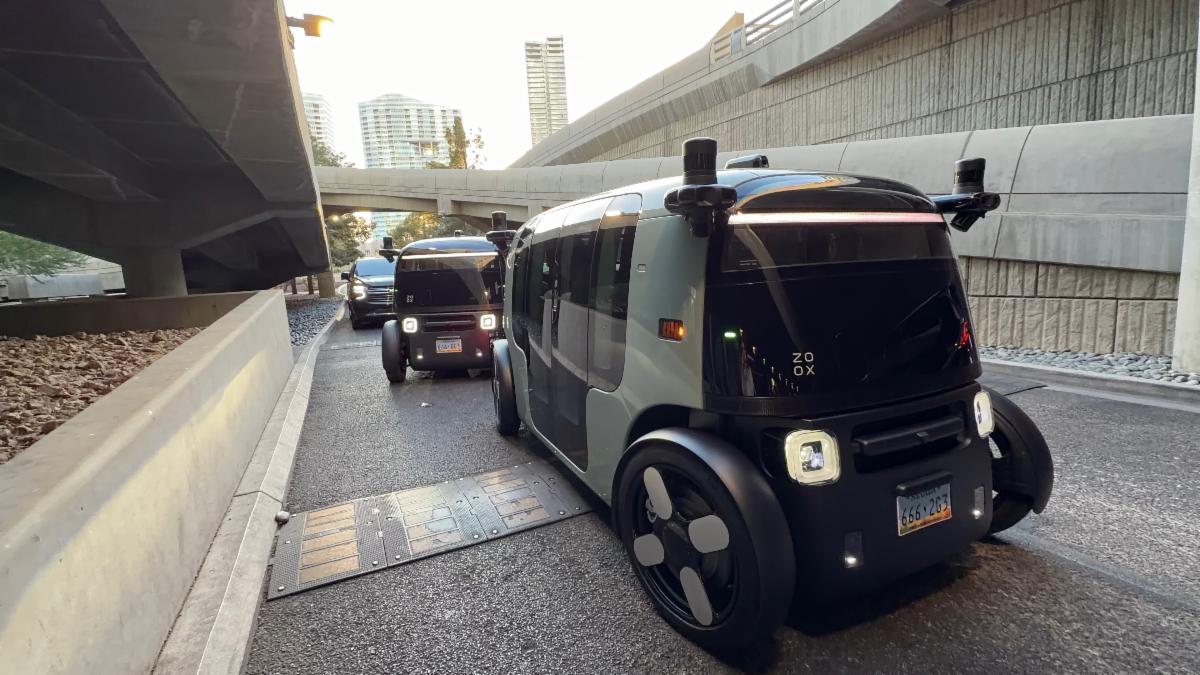
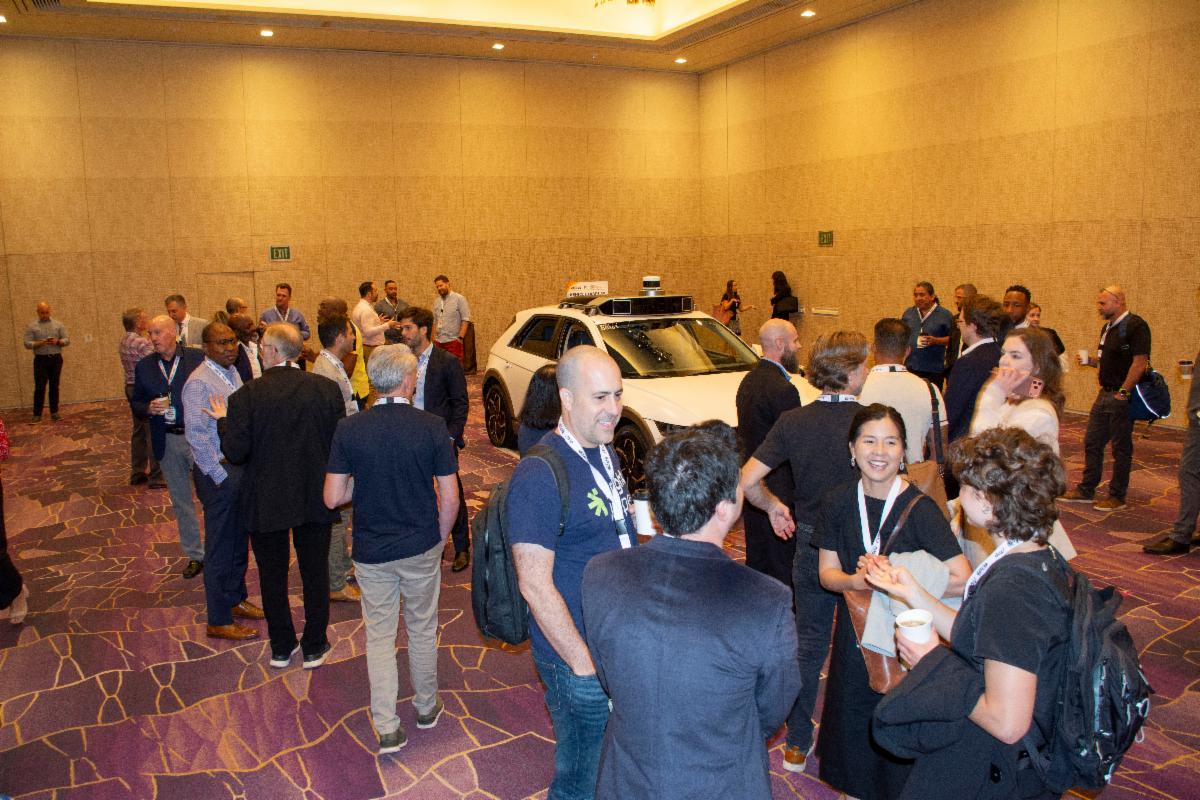
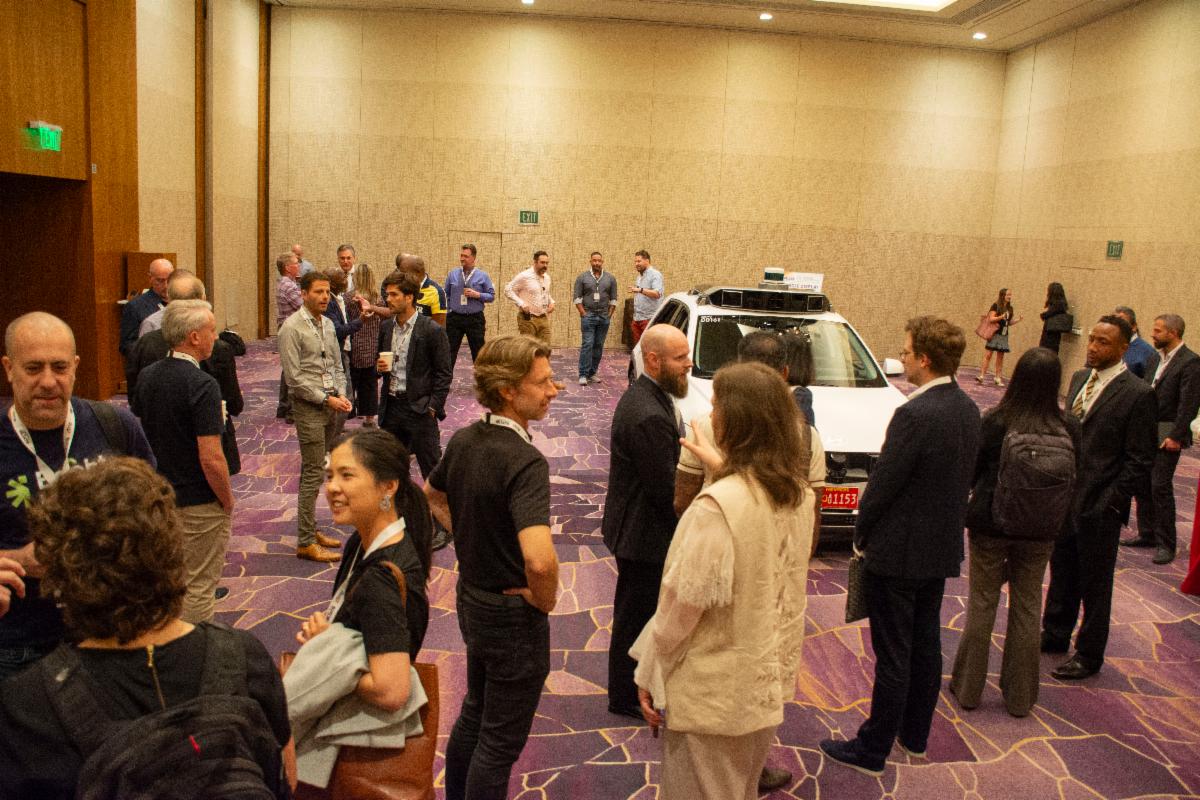
Urban Water Transit on the AgendaCoMotion LA, featuring the OMF Summit Track, takes place November 18–19. IATR President Matthew W. Daus is scheduled to lead “Ferries and the Future of Urban Water Transit” on November 18, 10:55–11:35 a.m. PST / 1:55–2:35 p.m. EST (40 minutes), on the Spotlight Stage, with Cameron Clark, Ali Chaudhry, Seamus Murphy and James Wong, with the time updated from the revised agenda details. Check the organizer’s live agenda for any changes. CoMotion NXT takes place today, November 17, in Long Beach; access is restricted and subject to organizer terms. The registration code IATR-20 for 20% savings; confirm eligibility and availability before booking. | | Featured | 2026 IATR Conference Conversations | This Week’s ConversationsThis week’s 2026 IATR Conference Conversations feature Zoox’s vehicle demonstration and ride-alongs, Motional’s vehicle display, and Jeff Farrah’s Day 1 Closing Remarks on legislative and regulatory developments. IATR thanks all of the sponsors whose support made the annual conference possible. This edition spotlights Zoox and Motional for their vehicle demonstrations and display—not the complete sponsor roster. | | Vehicle Display | AV Technology Shaping Mobility | Companies such as Zoox and Motional connect automated-driving technology with vehicle design, passenger experience and mobility services. Their IATR conference demonstration and display brought those connections into view, linking the vehicles with discussions about safety, service operations and regulatory readiness.  | Zoox DemonstrationPlatinum Sponsor | Vehicle Demonstration & Ride Alongs at Resorts World Zoox develops autonomous ride-hailing technology and a purpose-built robotaxi designed around passengers rather than a human driver. Its work connects automated-driving systems with the design and operation of a passenger service. At the IATR annual conference, Zoox supported the programme as a Platinum Sponsor and offered a Vehicle Demonstration & Ride Alongs at Resorts World. https://zoox.com/ |
|
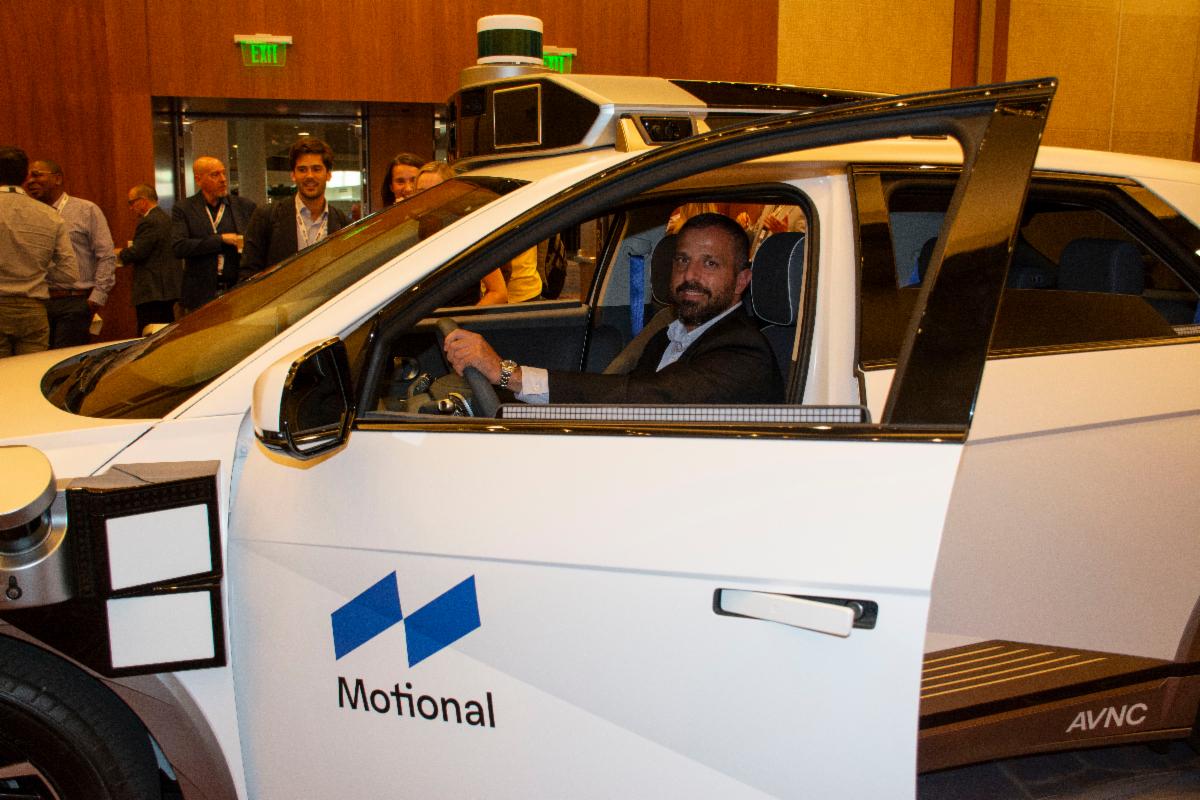
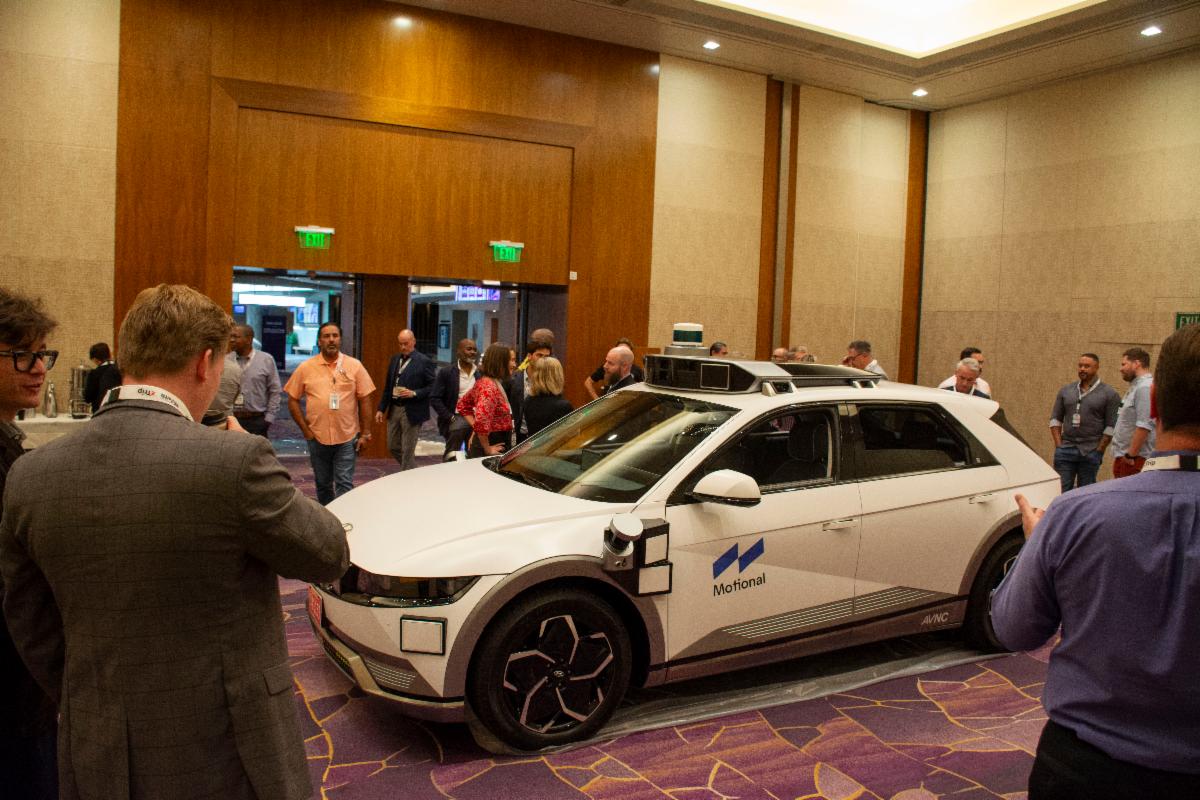
At the IATR conference, attendees had the opportunity to experience a Zoox ride-along at Resorts World, bringing the passenger experience of autonomous mobility into the conference conversation. Watch the additional Zoox video  | Motional Vehicle DisplayGold Sponsor & Coffee Break Sponsor | Vehicle Display Motional develops driverless technology for autonomous ride-hailing and delivery services, with a focus on integrating its vehicles into mobility networks and shaping the passenger experience. Motional supported the IATR annual conference as a Gold Sponsor and Coffee Break Sponsor, and presented a Vehicle Display, bringing a tangible vehicle example into the wider discussion of automated mobility. https://motional.com/ |
|
| | Day 1 Closing Remarks | Legislative & Regulatory Updates | Who Regulates What When the Driver Is Software?Featured speaker: Jeff Farrah, Autonomous Vehicle Industry Association (AVIA) 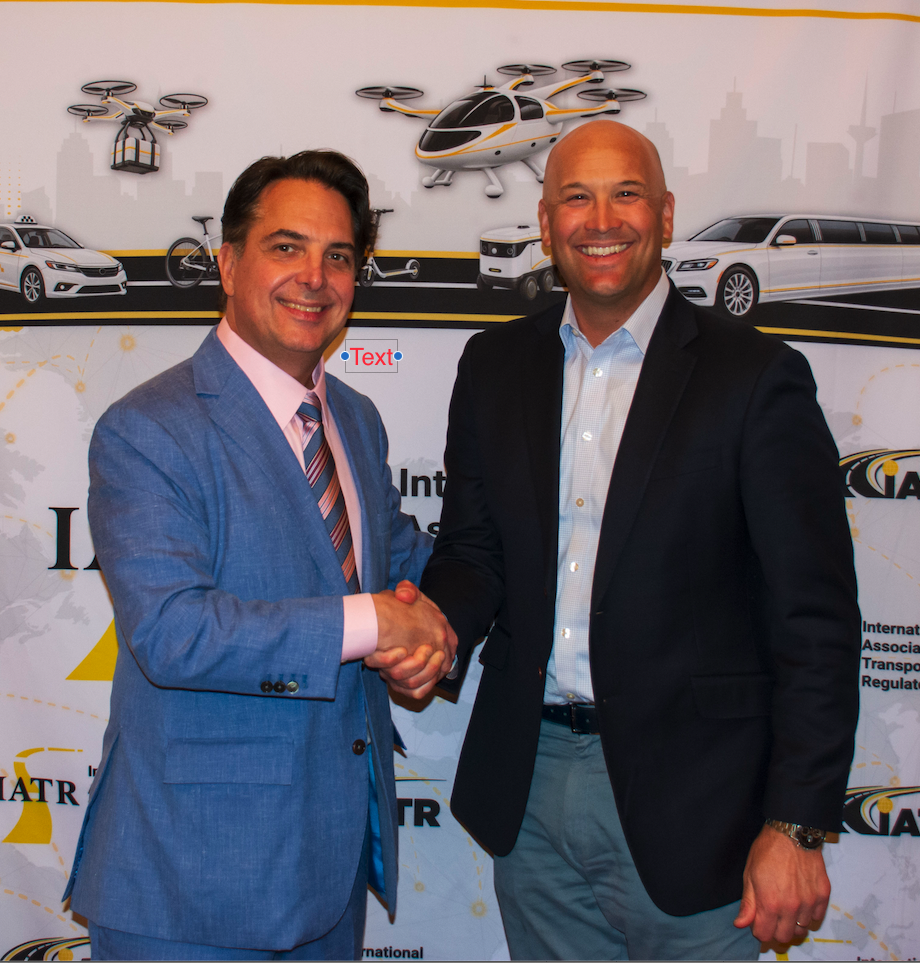 (Left) Matt Daus, IATR President and Jeff Farrah, AVIA In his Day 1 Closing Remarks, Jeff Farrah, CEO of the Autonomous Vehicle Industry Association (AVIA), examined how AV policy can evolve while maintaining distinct federal, state and local responsibilities. Using the analogy of regulatory “swim lanes,” he described federal work on vehicle design and performance standards alongside state responsibilities for licensing, insurance, traffic laws and first-responder engagement. He discussed pending congressional initiatives, federal preemption, incident-data reporting and sharing with states, as well as the challenge of adapting rules written for human drivers to driverless vehicles. Farrah also emphasized the difference between Level 2 driver assistance and Level 4 autonomous operation, and described industry–labour discussions on proposed legislation. His central message was a call for clearer, coordinated rules—not the absence of regulation. This recap reflects his conference remarks and AVIA’s perspective; it is not a current legislative-status update or an IATR endorsement of particular proposals. For the regulatory conversation: How should federal safety requirements, state operating frameworks and local passenger-service responsibilities fit together as AV technology and business models change? | | Coming Next Week | AV Plenary Spotlight | Automated Vehicle Policy, Regulatory & Business DevelopmentsNext week: perspectives from Waymo, Zoox, Motional and Via on the policy, regulatory and business questions shaping AV deployment. Members: Explore the Conference Video Showcase | Keep the Conversation GoingIATR membership connects transportation regulators and mobility stakeholders with conference recordings, educational materials, model regulations and peer exchange. Bring these conversations back to the questions facing your jurisdiction. | | Top Highlight | AV Accountability | Ohio · AVs & Robotaxis · Insurance · Data Retention · Emergency Response Before the First Fare: Ohio Proposal Puts Robotaxi Accountability on the Legislative AgendaStatus: Introduced legislation; not enacted. Newly selected legislative briefing based on November 12 reporting. Who carries the insurance, receives a traffic citation and helps emergency crews when there is no human driver? Ohio Representative Adam Holmes’s House Bill 1034 puts those questions at the center of a proposed framework for autonomous vehicles on public roads. The Ohio House lists its current version as “As Introduced.” WBNS reports that the policy questions include liability insurance, vehicle-data retention, recognition of emergency vehicles and instructions that would allow first responders to disable automated systems. Holmes says the aim is to establish rules before driverless passenger services arrive. He does not expect the bill to advance in the lame-duck session and plans to reintroduce it next year. The passenger-service proposal is separate from Ohio’s existing automated-freight pilots. Introduction of the bill does not itself authorize a commercial robotaxi service. Why it matters to regulators: AV oversight needs a clear chain of responsibility connecting vehicle operation, passenger-service licensing, insurance, usable incident data and emergency response. Agencies can assess these requirements before deployment rather than treating a technology announcement as permission to carry passengers. Sources: Ohio House — HB 1034 · WBNS/10TV — November 12 |  | New York · Equity & Affordability · Public Transit · State Policy New York Coalition Calls for More Affordable Transportation and Bus FundingStatus: Advocacy agenda reported November 17; not an adopted budget or free-bus authorization. El Diario reports that 26 organizations in the New Yorkers for Transportation Equity coalition have written to Governor Kathy Hochul seeking safer, more affordable alternatives to private-car dependence. The recommendations include restoring $200 million for MTA bus service and reviewing transportation policies and investment priorities. The governor’s office told the publication that it is reviewing the letter. The requests remain proposals from advocates; the report does not establish that New York has approved systemwide fare-free buses or the requested funding. Why it matters to regulators: Affordability policy involves both the price of a trip and whether a usable service exists. Funding proposals should be assessed alongside service frequency, disability access, coverage in transit-poor communities and connections with regulated first- and last-mile services. Sources: El Diario — November 17 | Texas · Autonomous Vehicles · Consumer Protection · Operating Boundaries Tesla Invites Selected Buyers to Purchase Cybercab for Personal UseStatus: Company sales initiative; estimated December deliveries. Not nationwide service approval. Tesla is inviting selected customers to purchase its two-seat Cybercab for personal use, Yahoo Finance reports. The reported offer includes a $29,990 price before taxes, a $1,000 nonrefundable deposit and a $299 monthly autonomy subscription, with the first month free. Deliveries are estimated for December. The report says operation is initially limited to Tesla Robotaxi service areas in Texas and that Tesla has not said whether owners may add their vehicles to its commercial network. It also notes NHTSA’s previously opened examination of the vehicle’s federal safety-standard certification. No new determination resolving that examination is established by this article. Why it matters to regulators: Private ownership, compliance with vehicle standards and authorization to provide paid passenger service are different questions. Consumers need clear information about geographic limits, recurring costs, insurance responsibilities and any restrictions on commercial use. Sources: Yahoo Finance — November 16 U.S. publication | Texas · Emerging Mobility · Drone Delivery · Platform Integration Uber Eats and Zipline Begin Drone Deliveries in Spring, TexasStatus: Commercial launch November 17; separate from the financing and Walmart expansion covered November 10. Uber Eats customers in eligible parts of Spring, Texas, can now request Zipline drone deliveries from participating restaurants. The companies launched the service November 17, moving their previously announced partnership into commercial operation. Dallas is the next planned market; expansion to dozens of other cities remains a plan, not completed deployment. Customers select the app’s drone option and confirm a clear drop-off location. The aircraft lowers orders using a tethered pod rather than landing. ABC News reports initial hours of 8 a.m.–10 p.m., capacity of up to eight pounds and delivery within 10 miles of participating restaurants. These are reported service specifications, not a blanket authorization for every site or route. Why it matters to regulators: Platform integration brings aviation oversight into contact with site safety, delivery-zone suitability, privacy, noise and consumer information. Agencies should distinguish the aircraft operator, booking platform and participating business, and verify which operating permissions apply as the network expands. Sources: TechCrunch — November 17 · ABC News — November 17 |  | Canada · Electrification · Vehicle Taxation · Fleet Costs Ottawa Proposes Higher Luxury-Tax Threshold for Fully Electric and Hydrogen VehiclesStatus: Proposal effective November 13, subject to subsequent parliamentary approval; November 17 follow-up coverage. Finance Canada proposes raising the luxury-tax threshold for fully electric and hydrogen-powered vehicles from C$100,000 to C$150,000. Its November 12 announcement states that the measure would be effective the following day, subject to subsequent parliamentary approval. Electric Autonomy’s November 17 coverage explains that other vehicles, including plug-in hybrids, remain under the C$100,000 threshold. The change is not a blanket exemption for commercial passenger-service fleets; eligibility depends on the vehicle and transaction. Why it matters to regulators: For some higher-priced zero-emission vehicles, tax treatment can affect acquisition costs. Fleet-transition analysis should distinguish the proposed federal measure from grants, charging support, commercial licensing and any vehicle-specific tax exclusions. Sources: Department of Finance Canada · Electric Autonomy — November 17 | Nova Scotia · Rural Mobility · Affordability · Service Integration Colchester Weighs Regional Transit Against Pilot-Service and Funding OptionsStatus: Financial review and planning direction reported November 17; no service launch or tax decision. Colchester’s committee of the whole voted to continue pursuing a regional transit model while exploring phased implementation and long-term financial sustainability, CBC reports. Truro is separately considering a smaller pilot, leaving the partners to resolve differences in service scope. The financial exercise assumes C$3 fares, equal municipal cost sharing and other governments contributing 60% of startup costs. A potential property-tax impact of 3.5 cents per C$100 of assessed value is a discussion scenario—not an approved levy. Each municipality has earmarked C$50,000 for a transit-coordinator position. Why it matters to regulators: Regional mobility needs an agreed service area, cost-sharing arrangement and durable funding before procurement or launch. Fixed routes, smaller pilots and complementary demand-responsive connections should be compared against rural access and affordability goals. Sources: CBC via Yahoo News — November 17 | British Columbia · Service Continuity · Accessibility · Workforce Victoria Prepares for Rolling Transit Strikes; handyDART Remains Outside DisputeStatus: BC Transit advisory issued November 16; rolling strikes possible as early as November 17. BC Transit advises that escalating labour action by Unifor Local 333 could bring rolling strikes to the Victoria Regional Transit System from November 17. Disruption may vary by day or hour, and the advisory says the conventional system could be suspended for limited periods rather than indefinitely. Victoria handyDART is not involved. Interregional Routes 66 and 99 are also outside the dispute, although local connections and stops behind picket lines may be affected. Travellers should consult live alerts rather than assume either normal operation or a systemwide shutdown. Why it matters to regulators: Continuity planning needs precise passenger information about which services remain available, particularly for disability-related and essential journeys. Agencies and licensed operators can monitor changing demand without conflating conventional transit disruption with paratransit closure. Sources: BC Transit — official November 16 advisory |  | Europe · Shared Mobility · Fleet Trends · Parking Policy Europe’s Car-Sharing Fleet Reported 23% Larger Than in 2023Status: Market research reported November 17; not a new regulation. Zag Daily reports that Invers’s latest market analysis finds Europe’s car-sharing fleet is 23% larger than in 2023, with approximately 129,000 vehicles counted. The headline describes growth across three years—not a 23% increase in one year. The finding is a vehicle-supply measure. It should not be treated as proof of equivalent growth in trips, active users, electric vehicles or reductions in private-car ownership. Why it matters to regulators: Shared-mobility permitting and parking policy benefit from a clear view of fleet supply, but local decisions also need utilization, service geography, accessibility and emissions evidence. Study coverage and counting methods should be checked before cross-city comparisons. Sources: Zag Daily — November 17; reporting Invers research | England · Driver Licensing · Accessibility · School Transport · Safeguarding Hastings Considers Restricted Private-Hire Licence for School and SEND TransportStatus: Proposal for November 23 committee consideration; not adopted. Hastings officers recommend a restricted private-hire driver licence for contracted home-to-school and Special Educational Needs and Disabilities transport. TaxiPoint reports that the proposal responds to recruitment and retention difficulties and would prohibit general private-hire work under the restricted licence. Enhanced DBS checks, medical and right-to-work checks, safeguarding training and compliance monitoring would remain. An adapted test would retain road safety, licensing, Equality Act, emergency and incident-reporting content while removing numeracy and local topographical knowledge. A distinct badge and licence would identify the restriction. Upgrading would require the full test and other applicable requirements. Why it matters to regulators: Targeted licensing can distinguish the skills needed for fixed contract routes from unrestricted private-hire work. Safeguarding, passenger assistance and enforceable limits remain central when the service carries children or passengers with additional needs. Sources: TaxiPoint — November 17 · Hastings officer report — primary document | England · Taxi Fares · Airport Access · Consumer Information Luton Proposes Revised Night and Airport Taxi TariffsStatus: Proposed tariff changes; written objections close at midnight November 23. Proposed Luton taxi tariffs would leave a three-mile standard-rate journey unchanged while increasing an equivalent night or bank-holiday journey by 8.26%, TaxiPoint reports. The standard flag drop would rise from £4 to £4.40 and the night flag drop from £4.60 to £5. Airport tariffs would retain their existing initial charges but introduce new distance bands and higher proposed trip-price increases. The proposal also addresses waiting charges and a 50% supplement during specified Christmas and New Year periods. Telephone-booking and soiling charges would remain unchanged. Why it matters to regulators: Tariff communication should show representative journey totals, not just flag-drop changes. Meter updates, airport fees, waiting time and holiday supplements all affect what passengers ultimately pay and what enforcement officers must verify. Sources: TaxiPoint — November 17 |  | Taiwan · Platform Licensing · Insurance · Privacy · Driver Flexibility Taiwan Brings App-Based Taxi Dispatch Under Operator Approval RulesStatus: Amendments take effect November 19; approval transition runs to November 17, 2027. Taiwan’s transport ministry says online taxi-dispatch platforms will enter the same regulatory framework as taxi service operators from Thursday, November 19. CNA reports that platforms have until November 17, 2027 to obtain approval or face fines and possible suspension orders. Requirements cover service quality, driver training, third-party liability insurance, consumer-dispute handling, system-outage contingency plans and information security. Operators must provide driver and vehicle details and may not cancel confirmed rides without valid reason. The amendments also remove the restriction limiting drivers to one dispatch fleet. Why it matters to regulators: The framework connects digital dispatch with identifiable service obligations while allowing multi-platform driver affiliation. Approval deadlines, platform fees, insurance, data protection and outage response deserve attention as a package rather than separate app features. Sources: CNA / Focus Taiwan — November 17 | Australia · Airport Ground Transport · Accessibility · Curb Management Perth Airport Moves Taxi and Rideshare Pickups into New Transport Hub TomorrowStatus: Airport implementation notice November 16; opening scheduled November 18. Perth Airport says its P1 Transport Hub will open November 18, becoming the main access point for Terminal 1. Terminal 1 pickup and drop-off will move to P1’s ground level via Airport Drive. Terminal 2 taxi and rideshare pickups will also move there, while Terminal 2’s express pickup/drop-off area remains open. The hub combines taxis, rideshare, accessible parking and more than 1,700 parking bays. The airport reports 70% more pickup/drop-off bays than the existing Terminal 1 area, but also warns that some passengers will face a longer walk. ACROD accessible parking is available on every level. Why it matters to regulators: A larger loading area is not automatically an easier passenger transfer. Effective implementation requires accessible routes, passenger assistance, accurate driver instructions, staging rules and clear wayfinding across both terminals. Sources: Perth Airport — November 16 opening notice · Airport-hosted notice mirror | Australia · Taxi Insurance · Market Structure · Regional Service Viability NSW Taxi Insurance Debate Separates Election Pledge from Statutory ReviewStatus: Post-rally industry update and opposition election pledge; no enacted classification change. After a November 12 taxi-industry rally, the NSW Taxi Council reports that the Liberal–National opposition pledged to place taxis and rideshare in the same compulsory third-party insurance class if elected in March 2027. The council also describes the government’s existing approach: further examination of taxi and rideshare classifications through the statutory review of the Motor Accident Injuries Act. These are separate developments: an industry reform campaign, a government review process and a conditional election commitment. Industry premium comparisons and claims about fleet losses should not be treated as independently established findings or evidence that premiums have already changed. Why it matters to regulators: Insurance classification affects financial responsibility and the cost of maintaining passenger-service capacity. Reform analysis should consider exposure, claims experience and commercial-use differences while keeping current requirements distinct from proposed changes. Sources: NSW Taxi Council — post-rally update · Opposition statement — November 12 | | Market Context | Small EVs and Incentive Design | Japan · Electrification · Vehicle Categories BYD’s Racco Offers a Small-EV Market SignalInsideEVs reports that BYD has passed 10,000 cumulative passenger-car sales in Japan and that its Racco electric kei car recorded 607 October sales, compared with 878 for Nissan’s Sakura. The article notes that government subsidies can change their relative purchase prices. This is market context—not a new rule, a taxi-service authorization or evidence of wheelchair accessibility. Regulatory connection: Vehicle categories and incentive design can shape urban fleet economics. Suitability for commercial passenger service, accessibility and local licensing requires a separate assessment. InsideEVs — reader-supplied article |
A Message From the IATR President

At the International Association of Transportation
Regulators (IATR), our regulators are at the
forefront of addressing both the challenges and
opportunities facing the mobility paradigm.
Our IATR members, partner organizations, and
regulated industries will continue on our shared
quest to fulfill the mission of our non-profit
educational organization: to bring about
Multi-Modal Mobility Innovation for All!
This mission can best be accomplished through
information sharing, collaboration,
identifying and promoting best practices, and
educating our membership. These educational updates
and electronic media clips are affectionately known
as “IATR snips” and endeavor to cover all aspects of
mobility around the globe, especially news and
developments involving safety, technology innovation,
multi-modal integration, automation, sustainability,
electrification,
accessibility, regulatory
modernization, and equity.
If you would like more information about the IATR,
please visit
IATR.Global.
Current members can renew their memberships by
logging in through the IATR portal at the top
right-hand side of the website. If you forgot your
membership password, please email
info@iatr.global.
|
INTERNATIONAL ASSOCIATION OF
TRANSPORTATION REGULATORS
Advancing safe, equitable, innovative and effective
transportation regulation worldwide.
Visit IATR.Global
|
Become a Member / Renew
|
Contact IATR
|
|
|
|