| View as Webpage | ||||||||||
 | ||||||||||
Daily Transportation News Friday, October 16, 2026 | ||||||||||
| Editorial and legal note: This briefing is provided for general information and professional awareness. It summarizes publicly available materials from government agencies, legislatures, transportation providers, companies, research organizations, and news organizations. Inclusion does not constitute IATR endorsement, legal advice, a finding of fact, or a recommendation that any regulator adopt a particular policy. Readers should consult the original source and applicable law before relying on any item for regulatory, procurement, enforcement, or operational decisions. Image credits identify sources and do not constitute permission to reproduce images. | ||||||||||
| Top Highlight | ||||||||||
New York City | Taxi PolicyNYC Taxi Coalition Calls for Driver Health Fund Financed by Existing MTA Surcharge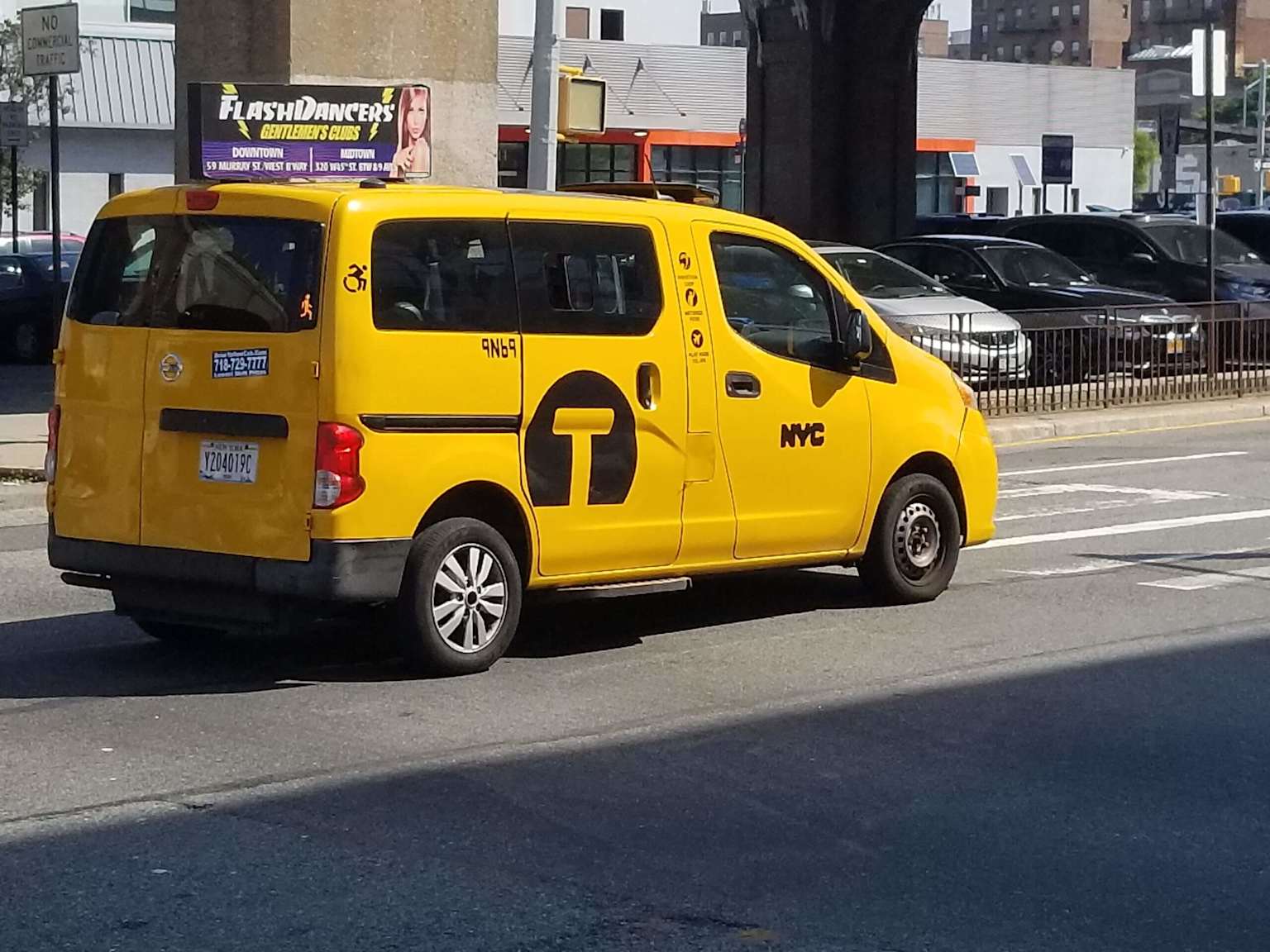 The New York Taxi Workers Alliance, Uber and medallion lender and fleet operator, Marblegate, have formed an unusual coalition asking state and city leaders to create a dedicated health and wellness fund for yellow-taxi drivers. Their joint request also calls for expanded benefits through the existing Black Car Fund and Livery Fund. The goal is to offer comparable protections across taxi, app-based and livery sectors. The coalition proposes financing the yellow-cab fund by redirecting the existing 50-cent MTA State Surcharge collected on qualifying taxi trips. The surcharge has supported the MTA since 2009. Because its destination is set by state law, reallocating the money would require action in Albany rather than a TLC rule change alone. New York City recorded approximately 47.9 million yellow-taxi trips last year. If the surcharge applied to every trip, it would represent just under $24 million in annual revenue. Policymakers would also need to assess the effect of replacing an existing transit revenue source. The requested package includes temporary disability coverage, paid sick and family leave, supplemental workers’ compensation, vision, dental and hearing care, life and accidental-death insurance, mental-health support and retirement benefits. Earlier proposals also contemplated a nurses’ station and wellness equipment at the JFK Airport taxi holding area. WHY IT MATTERS TO REGULATORS: The proposal raises questions about surcharge allocation, fund governance, auditing, driver eligibility and benefit parity. Implementation would require coordination among state lawmakers, city government, the TLC, benefit-fund administrators and the MTA. Read more → | ||||||||||
| ||||||||||
 | ||||||||||
Ontario | Autonomous Ride-Hailing Waymo Selects Toronto for First Canadian Robotaxi Market Robotaxi company Waymo said in a news release that it expects to launch service for customers in Toronto in 2028. (Jeff Chiu/AP Photo) Waymo says it will begin by mapping Toronto streets and testing with trained specialists behind the wheel. The company expects customer service in 2028 and has approval to participate in Ontario’s automated vehicle pilot program. Toronto-based Element Fleet Management will provide maintenance and customer support, while city officials have emphasized safety, accountability and worker impacts. WHY IT MATTERS TO REGULATORS: Regulators must bridge temporary testing and rules for paid, fully driverless passenger service. Read more → | ||||||||||
Ontario | Rideshare Pilot Northlander-Corridor Pilot Preserves Defined Municipal PowersOntario Regulation 136/26 creates a provincial rideshare pilot for designated communities. It establishes conditions for platforms, drivers and vehicles while preserving municipal powers over taxis, limousines, parking, traffic and municipal property. Provincial and municipal officials will still need clear protocols for inspections, complaints and cross-jurisdiction enforcement. WHY IT MATTERS TO REGULATORS: Clear allocation of provincial and municipal authority is essential for effective oversight. Read more → | ||||||||||
Manitoba | Accessibility Accessible Transportation Standard Starts January 1, 2027The standard covers vehicle features, passenger information and working accessibility equipment. It defines employee duties, requires accessible alternatives where practicable and prohibits paratransit application and assessment fees. Public bodies and contractors have until the effective date to update training, procedures and compliance records. WHY IT MATTERS TO REGULATORS: Agencies must align fleets, operations and compliance systems before implementation. Read more → | ||||||||||
 | ||||||||||
United Kingdom | Enforcement Lancaster Conducts Joint Private-Hire ChecksLancaster and Blackburn with Darwen officers conducted a targeted operation at Lancaster Railway Station. They checked drivers, vehicles and bookings after complaints involving out-of-area private-hire vehicles. The operation illustrates enforcement problems when licensing and operating areas do not align. WHY IT MATTERS TO REGULATORS: Joint inspections and rapid intelligence-sharing help close cross-border enforcement gaps. Read more → | ||||||||||
Scotland | Vehicle Caps Edinburgh Consults on Private-Hire OverprovisionEdinburgh is seeking evidence on passenger demand, waiting times and accessibility. The survey also asks about driver hours, traffic effects and the continuing viability of taxi service. Scottish law permits licensing authorities to refuse applications where additional licences would create or worsen overprovision. WHY IT MATTERS TO REGULATORS: A defensible vehicle cap requires current evidence connecting fleet size to public need and market viability. Read more → | ||||||||||
United Kingdom | Licensing West Northamptonshire Reviews Licensing StandardsThe consultation covers repaired vehicles, inspections and executive-vehicle identification exemptions. It addresses medical and English-language requirements, incident reporting, DBS checks and Euro 6 standards. The council is balancing fleet modernization and safeguarding with proportionality for specialist operators. WHY IT MATTERS TO REGULATORS: The package updates technical and driver standards while retaining case-by-case discretion. Read more → | ||||||||||
 | ||||||||||
Australia | Accessibility Australia Updates Public Transport Accessibility StandardsAmendments effective October 13 clarify requirements for training, journey information, safety, boarding and design. They apply across buses, trains, ferries, taxis and aviation. The government is separately preparing an impact analysis focused on taxi and rideshare accessibility reforms. WHY IT MATTERS TO REGULATORS: Point-to-point regulators should track immediate duties and follow-on reforms affecting taxi and rideshare operations. Read more → | ||||||||||
Indonesia | Platform Regulation Indonesia Sets 8% Platform-Fee Cap and Algorithm DutiesPresidential Regulation No. 27/2026 limits platform fees to 8% for covered services. It requires automated systems to be fair, transparent, accountable and nondiscriminatory, with explanations for decisions affecting drivers. Other provisions address social protection and tax compliance while preserving drivers’ partner status. WHY IT MATTERS TO REGULATORS: The regulation combines platform economics, algorithmic transparency and driver protection in one framework. Read more → | ||||||||||
Kenya | Platform Regulation Court Pauses Commission Cap and Data RulesKenya’s High Court suspended enforcement of the 18% platform-commission ceiling for 12 months after finding that it lacked a sufficient regulatory impact assessment and evidentiary basis. The court also ruled that requiring platforms to retain detailed passenger, driver, trip and payment information for three years violated privacy protections because the rules lacked adequate safeguards. The wider regulations remain temporarily operative while the government conducts the required assessment, public participation and corrective work. WHY IT MATTERS TO REGULATORS: Economic regulation and regulator access to platform data require evidence, proportionality, public participation and adequate privacy safeguards. Read more → | ||||||||||
| Repeat | Regulator of the Year | ||||||||||
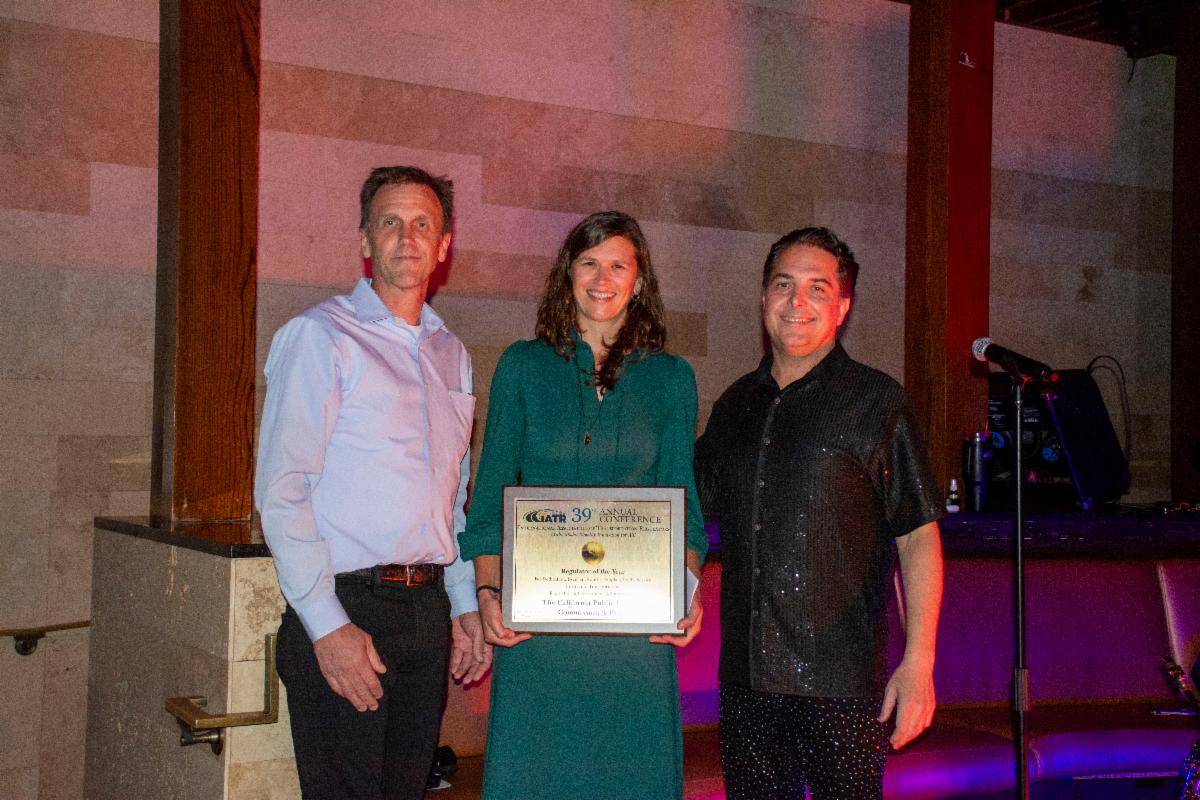
IATR Awards | 2026 Annual ConferenceIATR Names California Public Utilities Commission 2026 Regulator of the YearRegulator of the Year Award | IATR’s 39th Annual Conference | Las Vegas
The International Association of Transportation Regulators (IATR) proudly named the California Public Utilities Commission (CPUC) its 2026 Regulator of the Year, recognizing the agency for “dedication, excellence and exemplary public service.” Terra Curtis, Director of the CPUC’s Consumer Protection & Enforcement Division, accepted the award on behalf of the Commission during IATR’s 39th Annual Conference in Las Vegas. The award recognizes the CPUC’s work to strengthen transportation safety, promote accessibility, equity and innovation, advance sustainable mobility, and protect the public interest as California’s transportation marketplace rapidly evolves. The CPUC now regulates nearly 10,000 passenger transportation carriers; approximately 65 percent more than before the COVID-19 pandemic. “The IATR proudly conferred its prestigious Regulator of the Year Award on the California Public Utilities Commission for dedication, excellence, and exemplary public service in ground transportation regulation and government administration. The CPUC has demonstrated exceptional leadership in sustainability, accessibility, and the advanced and progressive regulation of transportation network companies. The Commission has also become a regulatory trailblazer in managing innovation; from robotaxis and zero-emission transportation to major international events, while maintaining its focus on safety, equity, enforcement, and the public interest. It was especially fitting to have Sean Bouffiou, IATR’s 2025 Regulator of the Year, join us in presenting the award and officially help pass the torch to Terra Curtis and the CPUC team.” MATTHEW W. DAUS, IATR PRESIDENT Among the accomplishments recognized by IATR is the CPUC’s TNC Access for All Program, which has awarded more than $50 million since 2021 to expand wheelchair-accessible, on-demand transportation. The Commission’s Clean Miles Standard and new Rideshare Incentives for Driving Electric (RIDE) Program are also helping drivers and rideshare companies transition toward zero-emission transportation. “To keep pace with growth, we have worked to make regulation more efficient, expand education and training, and focus enforcement resources where they can have the greatest impact on public safety,” said Terra Curtis, the Director of the CPUC’s Consumer Protection & Enforcement Division. “At the same time, we are working to create opportunities for innovation and expand access to transportation services across California.” TERRA CURTIS, DIRECTOR, CPUC CONSUMER PROTECTION & ENFORCEMENT DIVISION The CPUC has also taken a leading role in regulating autonomous passenger service as robotaxis expand across California. Its work includes passenger-safety planning, operational data reporting, enforcement and an ongoing rulemaking intended to strengthen the transparency and accountability of autonomous transportation. The Commission has simultaneously coordinated with transportation providers, event organizers and law enforcement to prepare for Super Bowl LX and the FIFA World Cup. At the October 8 CPUC voting meeting, Commission leadership recognized the award and the transportation professionals whose policy, licensing, program administration and enforcement work made the honor possible. The recognition underscored that the award belongs not only to agency leadership, but also to the CPUC staff members working every day to regulate an increasingly complex transportation marketplace. The IATR conference also featured S. Pat Tsen, who now serves as Chief Deputy Executive Director at the California Public Utilities Commission, who presented California’s regulatory framework for autonomous passenger transportation. Tsen discussed the CPUC’s passenger-safety requirements, data collection and incident-reporting programs, enforcement criteria, accessibility and environmental objectives, and continuing AV rulemaking.
S. Pat Tsen now serves in her new role as Chief Deputy Executive Director at the California Public Utilities Commission. Congratulations, Pat, on the new role. WHY IT MATTERS TO REGULATORS: The CPUC’s work spans AV oversight, accessibility funding, zero-emission programs and large-event planning, offering a reference point for regulators facing the same issues. | ||||||||||
A Message From the IATR President At the International Association of Transportation Regulators (IATR), our regulators are at the forefront of addressing both the challenges and opportunities facing the mobility paradigm. Our IATR members, partner organizations, and regulated industries will continue on our shared quest to fulfill the mission of our non-profit educational organization—to bring about Multi-Modal Mobility Innovation for All! This mission can best be accomplished through information sharing, collaboration, identifying and promoting best practices, and educating our membership. These educational updates and electronic media clips are affectionately known as “IATR snips” and endeavor to cover all aspects of mobility around the globe—especially news and developments involving safety, technology innovation, multi-modal integration, automation, sustainability, electrification, accessibility, regulatory modernization, and equity. If you would like more information about the IATR, please visit www.iatr.global. Current members can renew their memberships by logging in through the IATR portal at the top right-hand side of the website. If you forgot your membership password, please email info@iatr.global. | ||||||||||
International Association of Transportation RegulatorsAdvancing safe, equitable, innovative, and effective transportation regulation worldwide. | ||||||||||
International Association of Transportation Regulators |