| View in Browser | ||||||||||

|
||||||||||
|
Daily Transportation News Tuesday, October 27, 2026 |
||||||||||
| Editorial and legal note: This briefing provides general information and professional awareness. Inclusion does not constitute IATR endorsement, legal advice, a finding of fact or a recommendation to adopt a particular policy. Company claims, stakeholder views and existing regulatory background are identified separately. “Why it matters” boxes provide editorial analysis. Consult original sources and applicable law before relying on an item. Image credits identify sources and do not constitute permission to reproduce images. | ||||||||||
|
HIGHLIGHTS
|
||||||||||
|
EVENT HIGHLIGHT · TODAY AT TTA MOBILIZE Matt Daus on Today’s Agenda: Fair Regulation, Insurance Reform and Autonomous Vehicles
The Transportation Alliance’s Mobilize 2026 continues in Anaheim, California, with programming through October 28. IATR President Matt Daus is listed on today’s agenda for three sessions connecting transportation research with practical questions about regulatory competition, insurance affordability and autonomous vehicles. The sessions bring together perspectives from taxi, limousine, ride-hailing, NEMT, insurance and regulatory organizations. The agenda describes research presentations and panel discussions; this notice reports the scheduled program rather than confirming completion of individual sessions. Tuesday, October 27Regulations · 9:45–10:45 AM Mobilizing for Fair Regulation & Competition with Transportation Network Companies (TNCs)Speaker: Matt Daus, IATR President The session presents findings from research prepared by CUNY’s University Transportation Research Center, U.S. DOT Region 2, with The Transportation Alliance Foundation. Topics include taxi–TNC regulatory disparities, barriers to innovative partnerships and the effects of the TNC business model on NEMT competition, followed by discussion of industry and regulatory perspectives. Insurance · 11:00 AM–12:00 PM Tackling the Affordability Crisis through Insurance and Tort Reform for the Passenger Ground Transportation IndustriesSpeaker: Matt Daus, IATR President Regulators, operators and insurance professionals examine the insurance affordability crisis and issues identified in TTAF and UTRC research. The discussion covers tort reform, grassroots initiatives and opportunities for collaboration among TTA, IATR, GBTA and other organizations serving passenger ground transportation. Autonomous Vehicles · 3:30–4:30 PM Will Autonomous Vehicles Help or Hurt the Taxicab, Limousine and Ride-Hailing Industries?Speaker: Matt Daus, IATR President The panel examines AV testing and deployment oversight, competitive risks and possible fleet-management and ride-hail partnerships. It brings AV, taxi, limousine and NEMT perspectives to questions about robotaxi deployment and the potential future of ambulatory NEMT services. All times are local to Anaheim, California. Agenda details are subject to change. View the full agenda. |
||||||||||
|
||||||||||

|
||||||||||
Tesla Reports 3.1 Million Monitor-Free Miles; Injury Metric Requires Careful ReadingTesla reports 3.1 million robotaxi miles without onboard safety monitors and no injuries in the subset of collisions where its vehicle made first contact. Driverless.news examines the safety report and the qualifications attached to the company’s headline claim. The injury measure should not be interpreted as zero collisions. Tesla’s methodology distinguishes categories of events, and its comparison with human driving uses different collision-counting criteria. The figures are company-reported, rather than an independent determination of comparative safety.
Why it matters to regulators:
Comparisons need consistent definitions of exposure, injury,
collision severity and remote intervention. A useful review
would examine all reportable events alongside narrower metrics, with
the reporting period and operating environment made clear.
Read more — Driverless.news
|
||||||||||
Waymo Mapping Vehicles Appear in Arlington Neighborhoods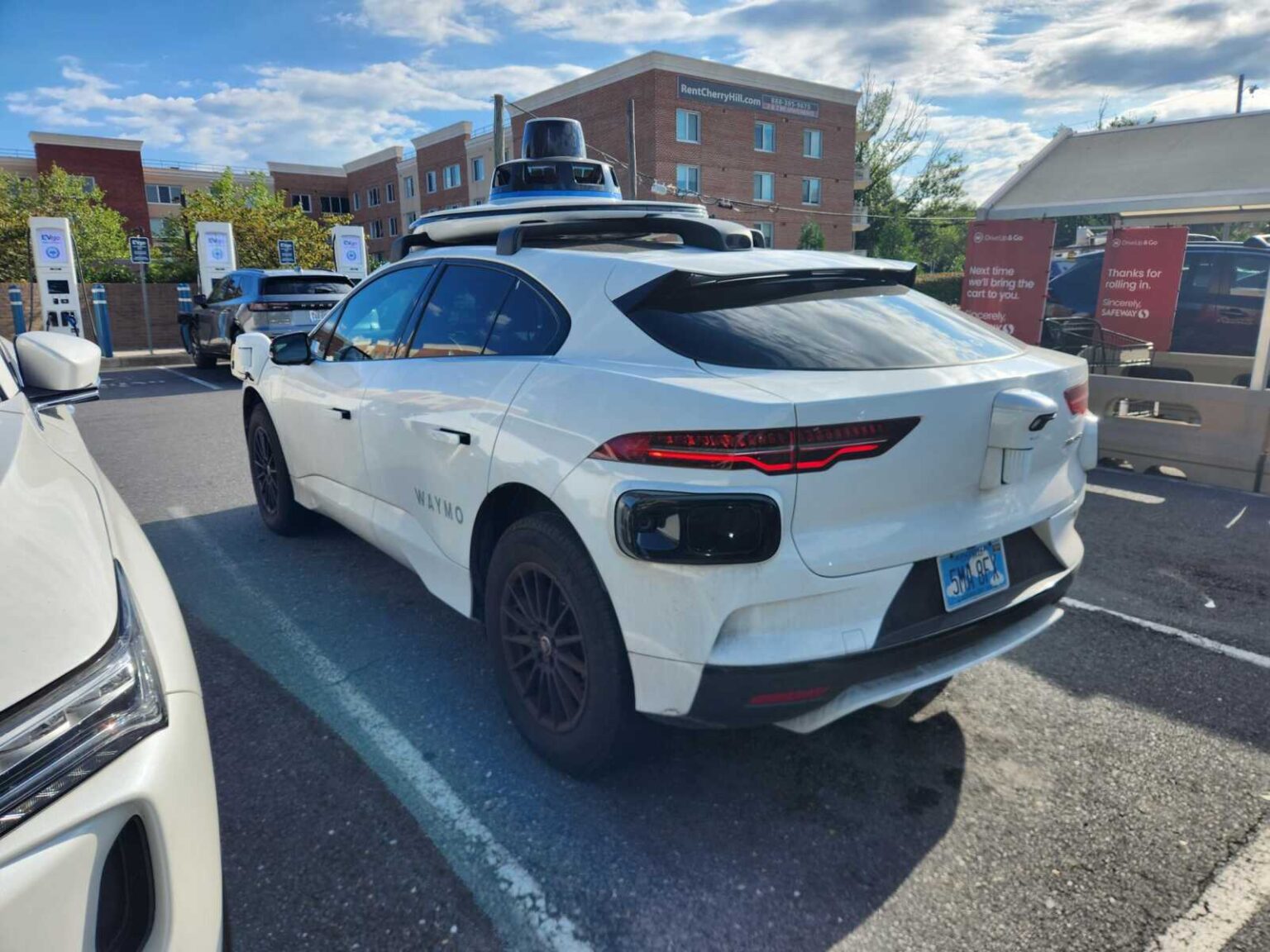
Image source: ARLnow. ARLnow reports that Waymo mapping vehicles have been operating in Arlington neighborhoods. Mapping provides a preparatory step for understanding local roads, but it is not an announcement of bookable driverless passenger service. The coverage also discusses Waymo’s interest in a statewide legal framework. Human-driven mapping, autonomous testing and commercial passenger service involve different activities and should not be presented as interchangeable milestones.
Why it matters to regulators:
A prospective framework should clarify permitting, insurance,
emergency response, accessibility and complaint resolution.
Local curb management and state vehicle-operation authority also need
clearly assigned responsibilities.
|
||||||||||
Cambridge Hearing Brings Driver Jobs, Accessibility and AV Oversight Into FocusCambridge Day reports that transportation unions and driver representatives addressed the city’s Transportation Committee on October 22, raising concerns about the potential effects of autonomous vehicles on employment and public safety. The October 26 article describes vehicles currently mapping streets with human supervision, rather than a local driverless taxi launch. Discussion included the limits of municipal authority, potential empty-vehicle mileage and congestion, and the role of state legislation. Accessibility considerations were also mixed: the city’s ADA coordinator discussed possible benefits for some people unable to drive, while noting concerns about wheelchair access and assistance when a rider is dropped at the wrong location. The hearing did not itself authorize a commercial AV service or enact a ban.
Why it matters to regulators:
Deployment reviews should address workforce effects, passenger
assistance, accessible vehicles and congestion, not only vehicle
performance. Stakeholder testimony should remain distinct from established
findings, and local responsibilities should be identified even where
primary operating authority rests elsewhere.
|
||||||||||

|
||||||||||
Waymo Approaches Alberta; Calgary Identifies Potential Vehicle-for-Hire Changes
Image source: CityNews. CityNews reports that Waymo is approaching Alberta officials about expansion. Calgary identifies provincial approval and possible changes to its Vehicle-for-Hire bylaw as steps that would precede local operations. The discussions do not establish an authorized commercial launch. Provincial permission to operate vehicles and municipal oversight of passenger transportation remain separate questions, even when they concern the same proposed service.
Why it matters to regulators:
A coordinated assessment could address winter conditions,
collision reporting, insurance, remote support and accessible
service. Early engagement is an opportunity to establish
evidence requirements, not proof of operating permission.
|
||||||||||
Patient-Transport Spotlight: Manitoba Licenses Stretcher Transportation ServicesManitoba’s legal framework requires licensing for stretcher transportation services and addresses individual attendants, subject to applicable regulations. The provincial health department describes documentary review and physical inspection as part of service approval. The framework illustrates why non-emergency medical transportation cannot always be treated as ordinary taxi or black-car service. Seated transportation, wheelchair transportation and stretcher service may involve different assistance needs and legal classifications. This is existing regulatory background, not a new nationwide NEMT rule.
Why it matters to regulators:
Licensing and procurement reviews should identify the service actually
provided. Suggested checks include staff credentials, securement,
patient handovers, subcontractor responsibilities and escalation
when a passenger’s condition changes.
Review service-licensing guidance — Manitoba Health
|
||||||||||
B.C. E-Scooter Framework Separates Device Standards From Operating PermissionsBritish Columbia’s electric kick scooter pilot regulation addresses device design, a 25 km/h capability limit, maximum continuous motor power of 500 W and a minimum rider age of 16. Operating permissions also depend on applicable pilot and local rules. A scooter’s technical eligibility does not answer every question about where a person may ride or park. This entry describes an existing framework rather than a new October 27 announcement; readers should consult the current regulation and municipal requirements.
Why it matters to regulators:
Guidance should separate compliant-device requirements
from route and operating restrictions. Evaluations can consider
injuries, obstruction complaints, pedestrian accessibility
and rule awareness, rather than relying only on ridership totals.
Review the Electric Kick Scooter Pilot Project Regulation — B.C. Laws |
||||||||||

|
||||||||||
TaxiPoint Launches National Survey on Driver Confidence in Licensing Authorities
Image source: TaxiPoint. TaxiPoint has launched a national taxi and private-hire driver survey examining confidence in licensing authorities. Topics include fees, enforcement, renewals, vehicle policy and possible regionalization of licensing. The survey seeks drivers’ experience of regulation and administration. Its launch is a data-collection development, not a published set of findings or an established ranking of authorities.
Why it matters to regulators:
Driver feedback can reveal administrative problems that application
statistics miss. Comparisons should consider sample size,
geographic coverage and taxi/private-hire representation.
Confidence measures should complement evidence about safety,
accessibility and compliance.
|
||||||||||
Italian Taxi Groups Announce December 15 National StrikeAdnkronos reports that Italian taxi unions announced a national strike for December 15, together with demonstrations during November. The organizations cite government inaction, operating pressures and concerns about competition. The new development is the announced mobilization schedule, rather than a repeat of yesterday’s fuel-cost-relief coverage. The announcement does not itself change fares, licensing requirements or the legal status of competing services.
Why it matters to regulators:
Agencies can prepare passenger information and contingency
arrangements while distinguishing economic demands from specific
compliance allegations. Engagement should clarify whether concerns
involve fares, licensing, platform conduct or enforcement consistency.
|
||||||||||
South Cambridgeshire Opens Consultation on Driver Checks, Safeguarding and Vehicle SignageSouth Cambridgeshire District Council opened consultation on an updated Taxi Licensing Policy on October 26. The proposals address driver suitability, licensing requirements, operator responsibilities and vehicle standards, together with enhanced training and clearer procedures. The council is particularly seeking views on private-hire vehicle signage, including its distinctive yellow half-moon door signs. The draft also proposes stronger safeguarding arrangements, updated suitability and convictions guidance, and refresher safeguarding training. Consultation runs until 11:59 PM on November 29. Feedback will be considered before a final policy returns to the Licensing Committee. These are proposals for consultation, not adopted requirements.
Why it matters to regulators:
The review connects passenger identification, ongoing driver
suitability and operator accountability. Consultation provides
an opportunity to test whether proposed conditions are clear,
proportionate and practical for both hackney carriages and private-hire services.
Read the official notice — South Cambridgeshire District Council |
||||||||||

|
||||||||||
XPENG YOYO Receives Citywide Robotaxi Trial Qualification
Image source: Driverless.news. XPENG says YOYO has received qualification for citywide Level 4 demonstration operations in Guangzhou. Driverless.news reports that initial passenger access remains invitation-only, with the company separately targeting passenger service without safety drivers next year. The demonstration qualification is a current milestone; future unsupervised service is a separate company ambition. Geographic scope alone does not explain every operating condition, including rider access, supervision and availability.
Why it matters to regulators:
Public descriptions should clarify operating conditions,
intervention arrangements and disrupted-trip procedures.
Demonstration permission should remain distinct from commercial or
fully unsupervised authorization.
|
||||||||||
Cat Bi Airport Enforcement Targets Unregistered Commercial Passenger TransportDTiNews reports that Haiphong police imposed a VND 13 million fine on a driver carrying paying passengers at Cat Bi Airport in a private vehicle that was not registered for passenger transportation. The case highlights the distinction between a private pickup and commercial carriage. It also raises practical questions about how passengers identify authorized services and how airport staff, transport regulators and police coordinate their responsibilities.
Why it matters to regulators:
Clear signage, booking information and vehicle identification
can support enforcement. Decisions should rest on evidence of the
activity conducted, with consistent procedures, rather than assumptions
based only on where a vehicle is waiting.
|
||||||||||
Uber Reports Golden Week Growth in Macau Taxi Use
Image source: Uber press photograph via Macau Daily Times. Macau Daily Times reports Uber’s claim that active mainland Chinese riders using its Macau taxi service increased 130% during National Day Golden Week compared with the preceding week. The figure describes a company-reported change in active riders during a holiday period. It should not be treated as a measure of completed trips, the entire taxi market or a long-term demand trend.
Why it matters to regulators:
Platform data can inform questions about waiting times,
geographic coverage and seasonal demand, but definitions and
comparison periods matter. Regulators may also seek information on
cancellations, accessibility, fares and complaint responsibilities.
|
||||||||||
A Message From the IATR President
At the International Association of Transportation Regulators (IATR), our regulators are at the forefront of addressing both the challenges and opportunities facing the mobility paradigm. Our IATR members, partner organizations, and regulated industries will continue on our shared quest to fulfill the mission of our non-profit educational organization: to bring about Multi-Modal Mobility Innovation for All! This mission can best be accomplished through information sharing, collaboration, identifying and promoting best practices, and educating our membership. These educational updates and electronic media clips are affectionately known as “IATR snips” and endeavor to cover all aspects of mobility around the globe, especially news and developments involving safety, technology innovation, multi-modal integration, automation, sustainability, electrification, accessibility, regulatory modernization, and equity. If you would like more information about the IATR, please visit IATR.Global. Current members can renew their memberships by logging in through the IATR portal at the top right-hand side of the website. If you forgot your membership password, please email info@iatr.global. |
||||||||||
International Association of Transportation RegulatorsAdvancing safe, equitable, innovative, and effective transportation regulation worldwide. |