| View in Browser |

|
|
Daily Transportation News |
| Editorial and legal note: This briefing is provided for general information and professional awareness. It summarizes publicly available materials from government agencies, legislatures, transportation providers, companies, and news organizations. Inclusion does not constitute IATR endorsement, legal advice, a finding of fact, or a recommendation that any regulator adopt a particular policy. Readers should consult the original source and applicable law before relying on any item for regulatory, procurement, enforcement, or operational decisions. “Why it matters” boxes are editorial analysis. Proposals, studies and implementation guidance are identified separately. |
| Top Highlight |
United States / Cross-border | Competition and platform governance | Announced acquisition agreement DoorDash to Acquire Instacart in $17 Billion Deal, With Regulatory Review Ahead IMAGE SOURCE / CREDIT: The New York Times. DoorDash has agreed to acquire Instacart in a transaction valued at approximately $17 billion, bringing together two major delivery platforms as DoorDash expands beyond restaurant orders into groceries and other retail categories. The agreement values Instacart at $65 per share—a 26% premium to its closing price before reports of a possible transaction emerged. At least 75% of aggregate consideration would be cash, with DoorDash shares accounting for no more than 25%. The companies describe the proposed combination as a way to help local grocers and retailers compete with larger businesses operating their own delivery networks, warehouses and shopping technology. DoorDash would contribute logistics and consumer reach, while Instacart would bring grocery fulfillment expertise, retailer relationships, advertising products and technology powering stores’ online operations. Reuters identifies the transaction as DoorDash’s largest acquisition to date, within its effort to compete with Walmart and Amazon. What Would Change for Customers, Retailers and Workers?DoorDash expects to retain Instacart’s brand, app and enterprise technology products after closing. The companies plan to combine DashPass and Instacart+ benefits so subscribers would pay one membership fee rather than two. DoorDash estimates $100 million in annual membership-fee savings and says Instacart customers could gain access to more than 50,000 additional stores beyond the nearly 100,000 currently on its platform. These are company projections, not guaranteed or independently measured results. Grocers would remain free to work with competing delivery platforms, without grocery exclusivity requirements. Instacart shoppers would retain flexibility over when they work, information used to select shopping batches, and the choice to accept DoorDash orders or continue only through Instacart. The companies anticipate additional earning opportunities, but do not guarantee individual earnings or establish new compensation requirements. Regulatory ReviewClosing remains subject to shareholder approval, expiration or termination of the applicable U.S. antitrust waiting period, regulatory approvals including in Canada and Israel, and other closing conditions. The companies will remain separate and independent until closing. Reuters reports that CFRA Research analysts view regulatory approval as the principal transaction risk and interpret the lengthy closing window as an indication the parties anticipate an extended antitrust review. This is analyst assessment—not a regulatory decision, formal objection or finding that the transaction violates competition law. Why it matters to regulators: The proposed acquisition connects competition oversight and delivery-platform governance. Monitor retailer access to competing services, membership fees and disclosures, shopper flexibility and order-selection information. These are considerations arising from the announcement, not findings of misconduct. Later changes in order allocation, delivery volumes or operating arrangements could affect local compliance oversight. The transaction does not itself change local licensing, street-use or worker-protection requirements; subsequent operational changes may require separate review. Source: DoorDash / Instacart |

|
Philadelphia, Pennsylvania | Taxation and autonomous mobility | Introduced legislation Philadelphia Proposes Tax on Driverless Rides and Robot DeliveriesCouncilmember Jim Harrity introduced legislation proposing $1 per driverless taxi ride or 5% of the trip cost, whichever is greater. Sidewalk robot deliveries would face 50 cents per delivery or 5% of the total cost, while driverless freight vehicles would face a 3% tax. The proposal would support the city’s Zero Fare program and require covered operators to register and submit quarterly reports. The measure is a proposal, not an enacted tax. Why it matters to regulators: The bill links emerging-mobility taxation to transit affordability and reporting. Separate passenger, sidewalk-delivery and freight categories require clearly defined obligations. Source: The Philadelphia Inquirer |
New Jersey | Accessibility and paratransit | Agency initiative NJ TRANSIT Gathers Customer Feedback at Accessibility ForumNJ TRANSIT reported holding its fifth Accessibility Forum with in-person and online participation. Customers could comment and ask questions about accessible services, including Access Link paratransit. The agency highlighted information videos covering vehicle and station access, reduced fares, community transportation and Access Link account management. Captions are available in six languages in addition to English; the videos were funded through the Federal Transit Administration’s Access and Mobility Partnership Grants program. Why it matters to regulators: Accessible service depends on usable information as well as vehicles and infrastructure. This initiative combines customer feedback and multilingual communication; it does not announce a new eligibility rule. Source: NJ TRANSIT |
Michigan | Micromobility, vehicle classification and product safety | Pending legislation Michigan E-Bike Proposals Put Vehicle Classification and Safety Standards in FocusNew reporting from the Traverse City Record-Eagle examines Michigan’s e-bike safety debate, including proposed state restrictions and the challenge of distinguishing conventional e-bikes from higher-powered electric vehicles. The article connects the legislative discussion with pedestrian safety and shared-trail use. House Bill 6339 would require certification standards for electric bicycles and associated components. House Bill 6340 would clarify electric-moped and electric-motorcycle classifications and introduce additional restrictions on Class 2 e-bike use. These are proposals—not newly effective requirements. Under HB 6340’s proposed framework, throttle-operated vehicles with motors exceeding 750 watts would be classified as mopeds or motorcycles depending on speed capability. Class 2 riders would need to be at least 14, with helmets required for riders and passengers under 18. The proposal would also restrict electric mopeds and motorcycles on nonmotorized natural-surface trails. Why it matters to regulators: The proposals distinguish product safety, vehicle classification and rider conduct. Clear definitions help address higher-powered vehicles without treating every e-bike as a motorcycle or confusing proposals with existing law. Source: Traverse City Record-Eagle; Michigan Legislature; League of Michigan Bicyclists |

|
Charlottetown, Prince Edward Island | Taxi licensing and fares | Reported policy development Charlottetown Taxi Debate Highlights Oversight Responsibilities IMAGE SOURCE / CREDIT: CBC News. CBC reporting examines industry concerns following repeal of Charlottetown’s taxi bylaw . The former framework addressed licensing and fares and required annual applications, proof of insurance and criminal-record checks. A local company manager raised concerns about pricing consistency and verification; these are attributed concerns, not established findings of noncompliance. The city says repeal was intended to reduce barriers, encourage competition and align with other Island municipalities. Provincial requirements remain, including a Class 4 licence, appropriate insurance and annual vehicle safety inspections for taxi and rideshare drivers. Why it matters to regulators: Removing a municipal licensing layer does not remove all regulation. Clear communication should identify remaining requirements, compliance responsibilities and fare-setting arrangements. Source: CBC News |
Edmonton, Alberta | Automated enforcement and road safety | Reported exemption decisions Edmonton Speed-Camera Decisions Highlight Provincial–Municipal OversightEdmonton has received provincial decisions on requests to use speed-on-green cameras at high-risk intersections. CTV reports that, of eight exemption requests, four were denied, one approved and three remained undecided. Alberta’s transportation minister said exemption criteria were not met; city officials are seeking further explanation. The reporting identifies changes in provincial automated-enforcement guidance. It remains unclear which criteria applied to pending requests. This concerns authorization under the provincial framework—not a newly announced provincewide camera ban. Why it matters to regulators: The case connects provincial approval powers, municipal safety evidence and revised guidance. Clear criteria and explanations help authorities understand what evidence is required for enforcement exemptions. Source: CTV News |
Ontario | Provincial–municipal authority | Proposed regulatory framework Ontario Municipalities Seek Clarity on Provincewide Rideshare ProposalThe Association of Municipalities of Ontario has requested clarity on a proposed expansion of the Provincial Rideshare Framework to all municipalities. AMO says the expansion would replace municipal rideshare bylaws with provincial regulation. In its policy update, AMO called for clear oversight and enforcement arrangements and coordination with municipalities. It also sought consideration of public transit and Ontario-owned taxi and rideshare providers. These are recommendations concerning a proposal, not confirmation that replacement has taken effect. Why it matters to regulators: Standardization can change who licenses, monitors and enforces service requirements. Allocation of enforcement duties and treatment of local transportation options remain key questions. Source: Association of Municipalities of Ontario |

|
Ireland | Micromobility and enforcement | Signed regulations; commencement pending Ireland to Double E-Scooter Fixed-Charge PenaltiesIreland has signed regulations increasing e-scooter fixed charges from €50 to €100. They also establish fixed-charge offences for riding without a helmet or high-visibility clothing, following earlier regulations introducing those requirements. The increased penalties are not yet in force. The measures complete a package approved in response to serious-injury concerns. This is an implementation watch on regulations announced , not a new rule adopted today. Why it matters to regulators: The implementation period provides time for education, operator communication and enforcement preparation. Distinguish existing obligations from commencement of the increased fixed charges. Source: Ireland Department of Transport |
Portugal | Taxi fares, transparency and taximeter compliance | Reported implementation Portugal Taxi Fare Update Highlights Meter-Conversion RequirementsPortuguese reporting describes new taxi fare rules, including a lower initial charge, fare calculations based on time and distance, and provisions for higher prices during festive periods. Operators have a reported 90-day period to adapt taximeters. Portugal’s Mobility and Transport Authority says the framework is intended to make fares simpler, more transparent and easier for passengers, operators and public authorities to understand. Why it matters to regulators: Fare modernization requires coordination of passenger information, meter configuration and compliance checks. Legal commencement and equipment-conversion deadlines are not necessarily the same. Consult the underlying AMT instrument for binding requirements. Source: SOL |
Benidorm, Spain | Accessibility and pedestrian space | Draft entering consultation Benidorm Proposes Restrictions on Multi-Occupant Mobility Scooters IMAGE SOURCE / CREDIT: Metro. Benidorm City Council is proposing restrictions on multi-occupant mobility scooters, including two-seat models rented for tourist use. Reporting indicates single-seat scooters are not included and the draft is entering a mandatory 30-day consultation. No implementation date has been set. The council’s stated objective is to address vehicles used for leisure or tourist transport in ways that create risks in pedestrian areas. This is a proposal, not an effective prohibition. Why it matters to regulators: Rules should distinguish disability-related mobility assistance from multi-passenger leisure rentals. Precise vehicle definitions help protect pedestrian space without confusing access rights. Source: Metro |

|
Hong Kong | Platform licensing and compliance | Assessment underway Hong Kong Receives Eight Ride-Hailing Platform Licence Applications IMAGE SOURCE / CREDIT: Hong Kong Government — official website header logo. Hong Kong’s Transport Department received eight ride-hailing service licence applications before the application period closed. An interdepartmental assessment committee will review the submissions. Criteria include fleet management, booking services, commencement plans, customer service, operating experience, financial capability and investment. Applicants must explain due diligence for the owner–driver binding requirement. Applications are under assessment; an application is not a licence award. Why it matters to regulators: The framework evaluates platforms as operating businesses, combining financial and service capability with compliance mechanisms. Separate driver and vehicle permit details will follow. Source: Hong Kong Transport Department |
Shanghai, China | Algorithms, driver terms and data | Draft consultation Shanghai Taxi Draft Addresses Pricing Algorithms and Driver ConditionsShanghai’s proposed taxi regulations would prohibit platforms from using data, algorithms or platform rules to charge different prices for the same service under equivalent transaction conditions. They would also prohibit unreasonable restrictions, conditions or fees imposed on drivers. The proposal addresses data-security responsibilities for taxi operators, ride-hailing platforms and aggregation platforms, alongside low-carbon development and safe deployment of autonomous taxis. Comments are open through . These remain proposed requirements. Why it matters to regulators: The draft connects algorithmic pricing, driver conditions and data stewardship, extending attention to digital intermediaries and aggregation services. Source: MLex — summary of official draft |
Australia | Automation and driver employment | Union proposal—not government policy Australian AV Debate Brings Workforce Safeguards Into Focus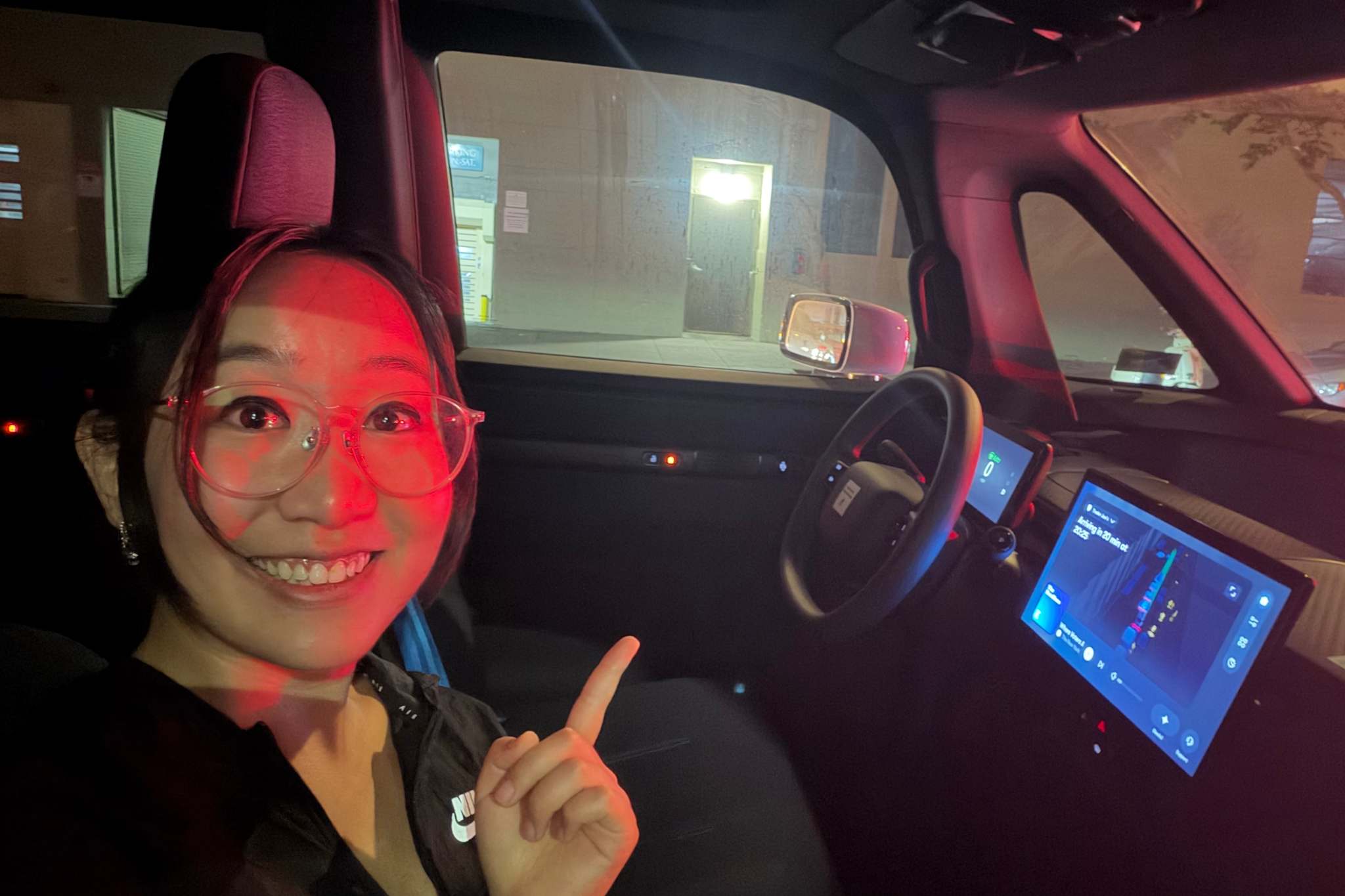 IMAGE SOURCE / CREDIT: The Sydney Morning Herald / The Age. Reporting on Australia’s potential robotaxi rollout describes a Transport Workers’ Union proposal for a “human driver guarantee.” The union proposes reserving 95% of jobs for human drivers during the early rollout, moving toward 85% over time. The report notes that practical operation remains unclear. This is not an enacted quota, an agreed licensing condition or a government commitment. Why it matters to regulators: The discussion distinguishes safe automated operation from workforce-transition policy. Any workforce condition would require clear definitions, measurable obligations and a workable implementation mechanism. Source: The Sydney Morning Herald / The Age |
| Regulatory Research Report |
|
International Transport Forum / OECD | Research spotlight | Existing research—not new regulation Regulating App-Based Mobility: Lessons from Bangkok, Manila and Phnom PenhThis International Transport Forum report reviews regulatory frameworks and governance structures for app-based passenger transport and goods delivery in Bangkok, Manila and Phnom Penh. Interviews with public- and private-sector stakeholders inform city-specific recommendations and wider policy insights. The report recommends equitable treatment of incumbent operators and new entrants, data reporting and sharing frameworks to support compliance, minimum employment protections for app-based workers, and stronger coordination across public authorities. It also calls for regulation focused on clearly identified market failures and closer regulatory alignment across ASEAN. Why it matters to regulators: The research provides a comparative framework for considering platform licensing, workforce protections and regulatory data needs together. Its findings are research recommendations, not binding requirements; their application depends on local law and institutional responsibilities.
Source: International Transport Forum / OECD — research report |
A Message From the IATR President
At the International Association of Transportation Regulators (IATR), our regulators are at the forefront of addressing both the challenges and opportunities facing the mobility paradigm. Our IATR members, partner organizations, and regulated industries will continue on our shared quest to fulfill the mission of our non-profit educational organization: to bring about Multi-Modal Mobility Innovation for All! This mission can best be accomplished through information sharing, collaboration, identifying and promoting best practices, and educating our membership. These educational updates and electronic media clips are affectionately known as “IATR snips” and endeavor to cover all aspects of mobility around the globe, especially news and developments involving safety, technology innovation, multi-modal integration, automation, sustainability, electrification, accessibility, regulatory modernization, and equity. If you would like more information about the IATR, please visit IATR.Global. Current members can renew their memberships by logging in through the IATR portal at the top right-hand side of the website. If you forgot your membership password, please email info@iatr.global. |
INTERNATIONAL ASSOCIATION OF TRANSPORTATION REGULATORSAdvancing safe, equitable, innovative, and effective transportation regulation worldwide. |