|
Daily Transportation News
Thursday, September 10, 2026
|
|
Editorial and legal note: This briefing is provided for general information and professional awareness. It summarizes publicly available materials from government agencies, legislatures, transportation providers, companies, and news organizations. Inclusion does not constitute IATR endorsement, legal advice, a finding of fact, or a recommendation that any regulator adopt a particular policy. Readers should consult the original source and applicable law before relying on any item for regulatory, procurement, enforcement, or operational decisions.
|

|
|
AUTONOMOUS VEHICLES & FEDERAL POLICY
U.S. DOT Releases "AV 5.0" Strategy to Establish First National Competency Standards for Driverless Deployment

|
|
U.S. DOT's new AV 5.0 strategy outlines federal oversight and competency rules for autonomous passenger vehicles and trucks. (IMAGE SOURCE / CREDIT: Unsplash / Public Stock)
|
The U.S. Department of Transportation has officially released its updated national strategy for automated vehicles, titled America Leads: DOT's National Strategy for Automated Vehicles (AV 5.0). The multi-year framework directs NHTSA to establish objective performance standards for automated driving system (ADS) competency, providing baseline federal requirements before driverless passenger cars, robotaxis, and heavy trucks can deploy at commercial scale. The document also previews impending FMCSA rulemakings to adapt commercial motor vehicle safety regulations for driverless operations, while emphasizing interoperable freight corridors across state lines.
Rather than establishing new binding regulations directly, AV 5.0 sets the regulatory roadmap for federal agencies through 2030. It prioritizes four key objectives: establishing federal safety guardrails, modernizing legacy vehicle regulations, promoting commercial technology deployment, and facilitating cross-jurisdictional corridor operations. The strategy explicitly notes that AVs must demonstrate the capacity to operate safely on existing physical infrastructure without requiring mandatory vehicle-to-everything (V2X) connectivity.
WHY IT MATTERS TO REGULATORS: As municipal and state regulators manage robotaxi deployments on local streets, federal authorities are moving to establish national competency baselines. Local taxi and transportation regulators will need to align municipal curb rules, law enforcement protocols, and licensing procedures with emerging federal ADS standards, particularly as commercial freight and passenger fleets seek seamless cross-jurisdictional operation.
Source: U.S. Department of Transportation / Holland & Knight | Read the Holland & Knight Legal Analysis on AV 5.0
Read the Land Line Analysis on DOT's AV Strategy
|

|
NEMT & PRIVATE-PAY TRANSPORTATION
Crown Care NEMT Launches Nationwide Direct Private-Pay Medical Transportation Platform
Crown Care NEMT announced the nationwide launch of its direct private-pay non-emergency medical transportation service across all 50 states. Operating completely outside traditional Medicaid and insurance broker billing structures, the service features an online booking framework promising two-hour confirmation windows, door-to-door driver assistance, and four vehicle tiers—including hydraulic wheelchair-accessible vans and recumbent stretcher vehicles for long-distance medical transfers.
WHY IT MATTERS TO REGULATORS: The emergence of nationwide, direct-to-consumer NEMT models operating outside state Medicaid broker contracts creates distinct oversight considerations for municipal licensing authorities. Regulators overseeing medical transport must evaluate how private-pay fleets adhere to vehicle accessibility standards, driver background checks, and door-to-door care protocols when third-party broker audits are absent.
Source: SMB Goldstream Gazette / Crown Care NEMT | Read the announcement on Crown Care's NEMT launch
|
CAR-SHARING & CURBSIDE ELECTRIFICATION
Twin Cities' Municipally Owned EV Spot Car-Sharing Network Recognized for Public-Private Model
The EV Spot Network, operated via a public-private partnership between Minneapolis, St. Paul, and non-profit Hourcar, was recognized with a 2026 Smart Cities Dive Award. Serving as the nation's only municipally owned electric car-sharing and public curbside charging network, the program operates 168 electric vehicles across dense, multi-family neighborhoods, offering first- and last-mile connections to transit while serving zero-car households.
WHY IT MATTERS TO REGULATORS: Curbside management and EV infrastructure integration are top priorities for city regulators. The Twin Cities model demonstrates how municipal ownership of charging assets combined with non-profit fleet operations can solve equity challenges in dense urban zones, offering a regulatory blueprint for integrating public curb allocation with clean shared mobility.
Source: Smart Cities Dive | Read the Smart Cities Dive report on the EV Spot Network
|
SURFACE TRANSPORTATION & TRUCKING REGULATION
Federal Highway Bill Negotiations Focus on Driver Screening, Automation Tools, and Fraud Mitigation
As Congress prepares for the September 30 expiration of the Infrastructure Investment and Jobs Act (IIJA), draft surface transportation reauthorization proposals are focusing heavily on carrier fraud prevention and safety automated tools. Proposed provisions direct FMCSA to deploy automated screening software to catch "reincarnated" carriers attempting to bypass safety bans under new DOT numbers, alongside efforts to expand Clearinghouse driver checks and establish federal AV testing provisions.
WHY IT MATTERS TO REGULATORS: Fraudulent licensing practices and identity laundering impact both freight and passenger carrier regulators. Federal moves to automate carrier screening and tighten registration databases highlight evolving enforcement tools that state and local licensing agencies can adopt to ensure driver and operator authenticity.
Source: FreightWaves | Read the FreightWaves legislative tracking report
|

|
PARATRANSIT & ACCESSIBILITY
Ottawa's Para Transpo Late-Night Weekend Service Pilot Underway

|
|
A Para Transpo vehicle outside Ottawa's Greenboro station in December 2025. The service is trying extended weekend hours for a year. (CBC)
|
Ottawa’s Para Transpo has initiated its one-year pilot extending door-to-door paratransit hours until 2:00 a.m. on weekends. The initiative directly responds to accessibility advocacy by expanding late-night transit options for riders with disabilities. Transit officials are monitoring trip booking workflows while developing integrated online reservation systems to streamline late-night scheduling.
WHY IT MATTERS TO REGULATORS: Aligning paratransit service hours with fixed-route transit networks remains a primary accessibility challenge. Ottawa's structured pilot offers a practical framework for regulators to measure late-night demand, rider booking behavior, and operational costs when extending equitable service.
Source: CBC News | Read the CBC report on Ottawa's Para Transpo expansion
|
HAZARDOUS MATERIALS & TANKER SAFETY
Transport Canada Modernizes Dangerous Goods Safety Standards for Road Tankers
Transport Canada is advancing updates to its Transportation of Dangerous Goods (TDG) framework, focusing on B620 and B622 safety standards governing highway tank design, construction, repair, and selection for Class 2 gases. The initiative follows recent commercial tanker incident responses and aligns with cross-border regulatory harmonization efforts, including transition plans toward electronic shipping documents.
WHY IT MATTERS TO REGULATORS: Commercial transport safety relies on standardized vehicle design and digital documentation. Municipal and provincial transportation enforcement agencies must stay coordinated with federal hazardous material standards as electronic shipping manifests replace paper documentation.
Source: Transport Canada / IHMM | Read the IHMM report on Transport Canada safety updates
|
AIRPORT TAXI FARES
Charlottetown Airport Authority Updates Zoned Taxi Rates Ahead of November Implementation
The Charlottetown Airport Authority has finalized its updated ground transportation taxi fare structure, set to go into effect November 1, 2026. The update revises zone-based flat rates and distance pricing for airport taxi pickups across Prince Edward Island municipal zones, representing the airport’s first comprehensive fare recalibration in four and a half years.
WHY IT MATTERS TO REGULATORS: Airport authority fare regulation frequently operates parallel to municipal taxi board rate-setting. Coordinating airport zone tariffs with city taxi meters ensures transparent pricing for travelers and protects driver earnings amid rising vehicle operational costs.
Source: Charlottetown Airport Authority (YYG) | Read the official YYG Taxi Fare Notice
|

|
AUTOMATED DRIVING & EU REGULATION
Slovenia Approves Supervised FSD as EU Prepares for October Single-Market Vote
Slovenia became the sixth EU member state to grant national approval for Tesla's Supervised Full Self-Driving (FSD) system on public roads. The decision precedes an October 6 European Union vote that will determine whether supervised driver-assistance platforms receive broader type-approval across all member states. European regulators remain in active discussion regarding speed-assistance compliance and driver monitoring mandates.
WHY IT MATTERS TO REGULATORS: The dual-track process of member-state authorization versus EU-wide type approval highlights the complex legal landscape for semi-automated and automated vehicle deployment in Europe. Commercial fleet regulators must track how driver-attentiveness laws apply to commercial taxis and FHVs utilizing Level 2+ driving assistance systems.
Source: Reuters | Read the Reuters report on Slovenia's FSD approval
|
DRIVER LICENSING & FINANCIAL COMPLIANCE
TfL Implements Updated Taxi and Private Hire Policy Covering Outstanding Licensing Debts
Transport for London (TfL) has enacted Version 6.0 of its Taxi and Private Hire Driver Policy. The updated framework establishes explicit provisions allowing TfL to refuse, suspend, or revoke driver and operator licenses based on unpaid fees or financial debts owed directly to the licensing authority, targeting repeat non-paying applicants.
WHY IT MATTERS TO REGULATORS: TfL’s explicit link between regulatory financial compliance and licensing eligibility offers a policy tool for authorities seeking to enforce administrative fee collection and maintain fiscal integrity across large driver populations.
Source: Transport for London | Read the official TfL Driver Policy Document
|
MULTIMODAL BOOKING & MAAS
EU Multimodal Passenger Booking Package Moves Forward in European Parliament
European Commission officials defended proposed regulations before the Parliament's transport committee establishing single-ticket multimodal travel frameworks across Europe. The regulations introduce mandatory platform fairness rules, neutral booking rankings, and single-ticket liability frameworks for digital platforms aggregating rail, bus, and urban mobility connections.
WHY IT MATTERS TO REGULATORS: Standardizing data sharing, booking neutrality, and passenger liability across private and public mobility providers forms the core foundation of Mobility-as-a-Service (MaaS) regulation worldwide.
Source: European Commission | Read the European Commission Passenger Rights Briefing
|

|
RIDE-HAILING LICENSING & MARKET STRUCTURE
Hong Kong Transport Department Accepts Ride-Hailing Platform Applications Through October
Hong Kong's Transport Department is accepting formal applications for platform operator licenses under its newly enacted ride-hailing regulatory framework until October 30. Licensees face strict eligibility criteria, including demonstrated operating histories in major metropolitan markets, mandatory local corporate presence, substantial paid-up capital requirements, and annual license fees of HK$1.2 million.
WHY IT MATTERS TO REGULATORS: Hong Kong's shift from informal ride-hailing operations to strict platform licensing illustrates how high entry thresholds and capital requirements can be used to balance platform accountability with traditional taxi industry preservation.
Source: HKSAR Government Information Services | Read the Hong Kong Transport Department Announcement
|
FUEL ECONOMICS & DRIVER EARNINGS
Global Fuel Volatility Renews Regulatory Debates Over Fare Surcharges and Lease Caps
Crude oil price increases above $100 per barrel driven by global supply disruptions have significantly increased fuel expenditures for commercial drivers worldwide. Rising gasoline and diesel prices are prompting driver advocacy groups and taxi associations to petition municipal regulatory boards for temporary fuel surcharges, fare indexing, and temporary vehicle lease-cap adjustments.
WHY IT MATTERS TO REGULATORS: Sudden operational cost spikes impact driver net income directly. Regulatory authorities must evaluate whether automatic fuel surcharge triggers should be activated to safeguard driver earnings while maintaining transparent fares for consumers.
Source: Reuters / Industry Reports | Read the Global Fuel Cost Analysis
|
AIRPORT GROUND TRANSPORTATION REFORM
Lagos Airport Ground Transport Modernization Brief Highlights Driver Transition Challenges
|
|
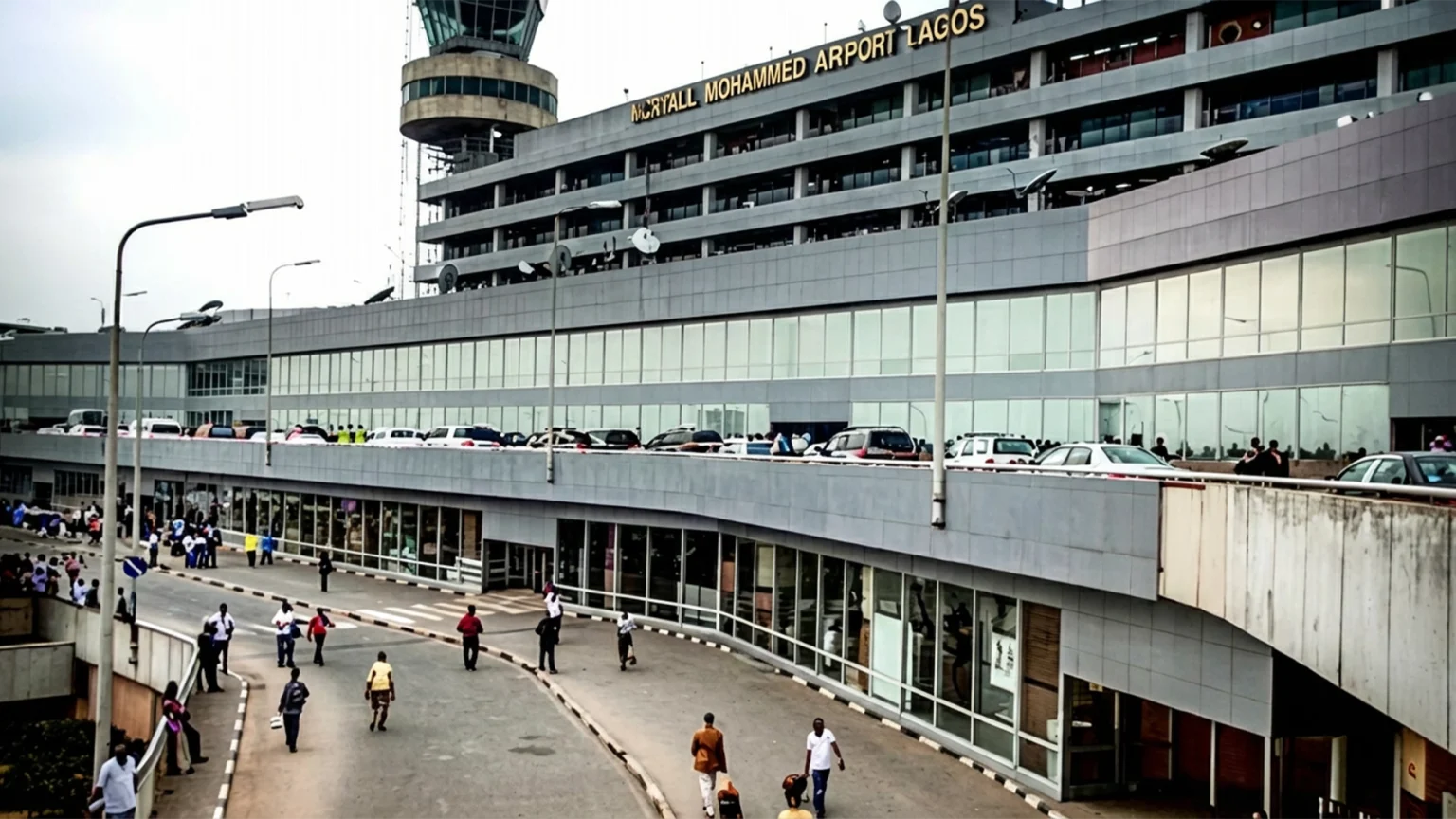
Murtala Muhammed International Airport in Lagos, where ground transport modernization and taxi reforms are underway. (The Guardian Nigeria)
|
A policy brief evaluating ground transport reforms at Lagos's Murtala Muhammed International Airport cautions that rapid implementation of digital rank management systems and strict vehicle-age caps could increase passenger fares and displace incumbent drivers unless supported by affordable compliance programs. The study highlights the need for balanced transitions during airport transport modernization.
WHY IT MATTERS TO REGULATORS: Modernizing airport taxi ranks with digital dispatch and vehicle standards is a priority across major transit hubs. The study underscores the importance of equitable transition timelines to prevent driver displacement while upgrading passenger service quality.
Source: Guardian Nigeria | Read the Guardian Nigeria Policy Report
|
|
U.S. DOT / FMCSA: Watch for upcoming proposed rulemakings on commercial automated driving systems (ADS) following the release of the federal AV 5.0 national strategy.
Tesla / NHTSA: Ongoing monitoring of NHTSA's Audit Query into Cybercab FMVSS self-certification compliance during Austin pilot operations.
EU Automated Driving: The October 6 EU-level vote on Tesla's FSD (Supervised) system following individual member state clearances in Slovenia and Germany.
NYC TLC: Upcoming public hearings on September 17 regarding taxi improvement surcharge disbursements and September 18 on proposed Vision Zero rules.
TNC Labor Collective Bargaining: Following the conclusion of California's 30-day waiting period under AB 1340, watch for formal union certification and initial bargaining steps.
Hong Kong Platform Licensing: Application window for ride-hailing platform licenses closes October 30.
|
IATR 39TH ANNUAL CONFERENCE — NEXT WEEK IN LAS VEGAS
"AV City: Autonomous Mobility" — September 14-17, 2026, Aria/Vdara Hotel, Las Vegas. This week's regulatory developments — including federal AV strategies, NEMT accessibility, car-sharing curbside infrastructure, and TNC labor models — align directly with key sessions on this year's program.
• IATR 2026 Conference Information
|
Message from IATR President

At the International Association of Transportation Regulators (IATR), our regulators are at the forefront of addressing both the challenges and opportunities facing the mobility paradigm. Our IATR members, partner organizations, and regulated industries will continue on our shared quest to fulfill the mission of our non-profit educational organization - to bring about Multi-Modal Mobility Innovation for All! This mission can best be accomplished through information sharing, collaboration, identifying and promoting best practices, and educating our membership. These educational updates and electronic media clips are affectionately known as "IATR snips" and endeavor to cover all aspects of mobility around the globe - especially news and developments involving safety, technology innovation, multi-modal integration, automation, sustainability, electrification, accessibility, regulatory modernization, and equity.
If you would like more information about the IATR, you can visit our website at www.iatr.global. Current members can renew their memberships when you log in to your IATR portal on the top right-hand side of our website, or click here. If you forgot your membership password, please email us at info@iatr.global.
|
RENEW YOUR MEMBERSHIP FOR 2026
- Weekly news snippets
- Access to the membership database
- Videos and files from recent conferences
- Discounted rates for future conferences, and more!
Renew your membership at www.iatr.global or email info@iatr.global for any questions!
|
|
INTERNATIONAL ASSOCIATION OF TRANSPORTATION REGULATORS
|
|
|
