|
|

|
|
Daily Transportation News
Wednesday, September 30, 2026
|
|
|
Editorial and legal note:
This briefing is provided for general information and professional awareness. It summarizes publicly available materials from government agencies, transportation providers, companies, research organizations and news organizations. Inclusion does not constitute IATR endorsement, legal advice, a finding of fact, or a recommendation that any regulator adopt a particular policy. Readers should consult the original source and applicable law before relying on any item for regulatory, procurement, enforcement or operational decisions.
|
|
|
|
|
NEW YORK & NEW JERSEY | PASSENGER RAIL, RESILIENCE & CAPITAL DELIVERY
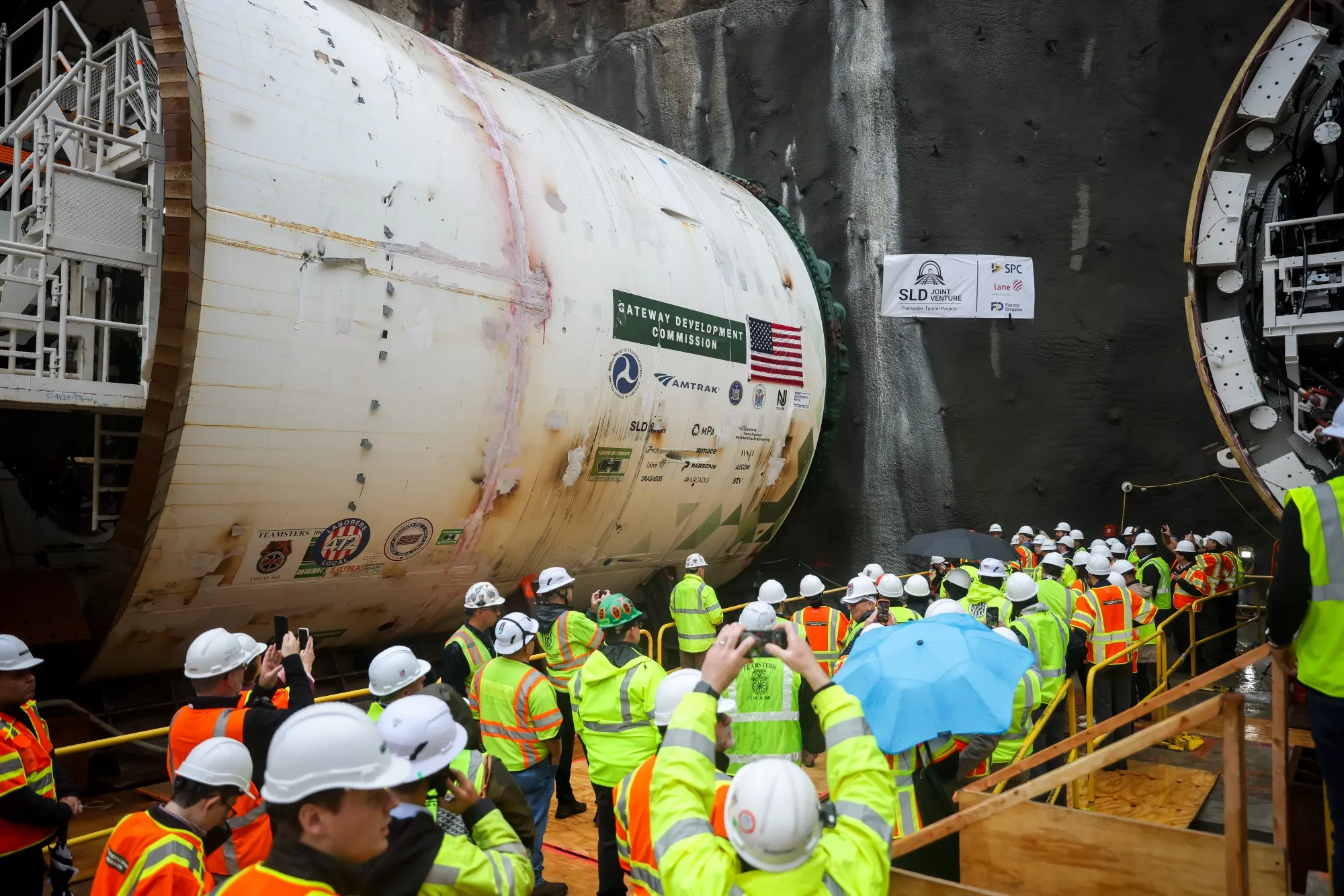
Attendees at the Gateway Hudson Tunnel Project tunnel-boring-machine launch in North Bergen, New Jersey. Photo: Michael Nagle/Bloomberg.
Gateway Hudson Tunnel Project Moves Into Major Tunnel-Boring Phase
The Gateway Development Commission has reached a major Hudson Tunnel Project milestone, with the first tunnel-boring machine launched on September 28 for the new passenger-rail connection between New York and New Jersey. A second machine is expected to follow as work advances on the new connection to New York Penn Station.
The approximately $16 billion project will construct two new rail tubes beneath the Hudson River and allow the existing North River Tunnel to undergo major rehabilitation. The investment is intended to strengthen the long-term reliability and resilience of one of the region’s most important passenger-rail corridors.
WHY IT MATTERS TO REGULATORS:
Gateway is an important example of regional transportation coordination involving federal, state and local governments, transit operators and infrastructure agencies. Its construction and eventual opening will affect regional passenger flows, multimodal connections, resilience planning and the ability to maintain transportation service while major legacy infrastructure is rehabilitated.
Source:
Bloomberg
|
|

|
|
NEW YORK CITY | FOR-HIRE VEHICLES, DATA & PRIVACY
Second Circuit Hears Challenge to NYC For-Hire Vehicle Trip-Data Reporting
The U.S. Court of Appeals for the Second Circuit heard arguments in a challenge to New York City Taxi and Limousine Commission trip-data reporting requirements for luxury for-hire vehicle operators. The dispute concerns records that include pickup and drop-off locations, driver identifiers and trip details; no decision has been issued.
WHY IT MATTERS TO REGULATORS:
The case is a timely example of how data reporting supports for-hire vehicle oversight while raising important questions about privacy, cybersecurity, retention, proportionality and the legal basis for collecting granular trip information.
Source:
Courthouse News Service
|
|
|
PHILADELPHIA | AUTONOMOUS MOBILITY & TESTING
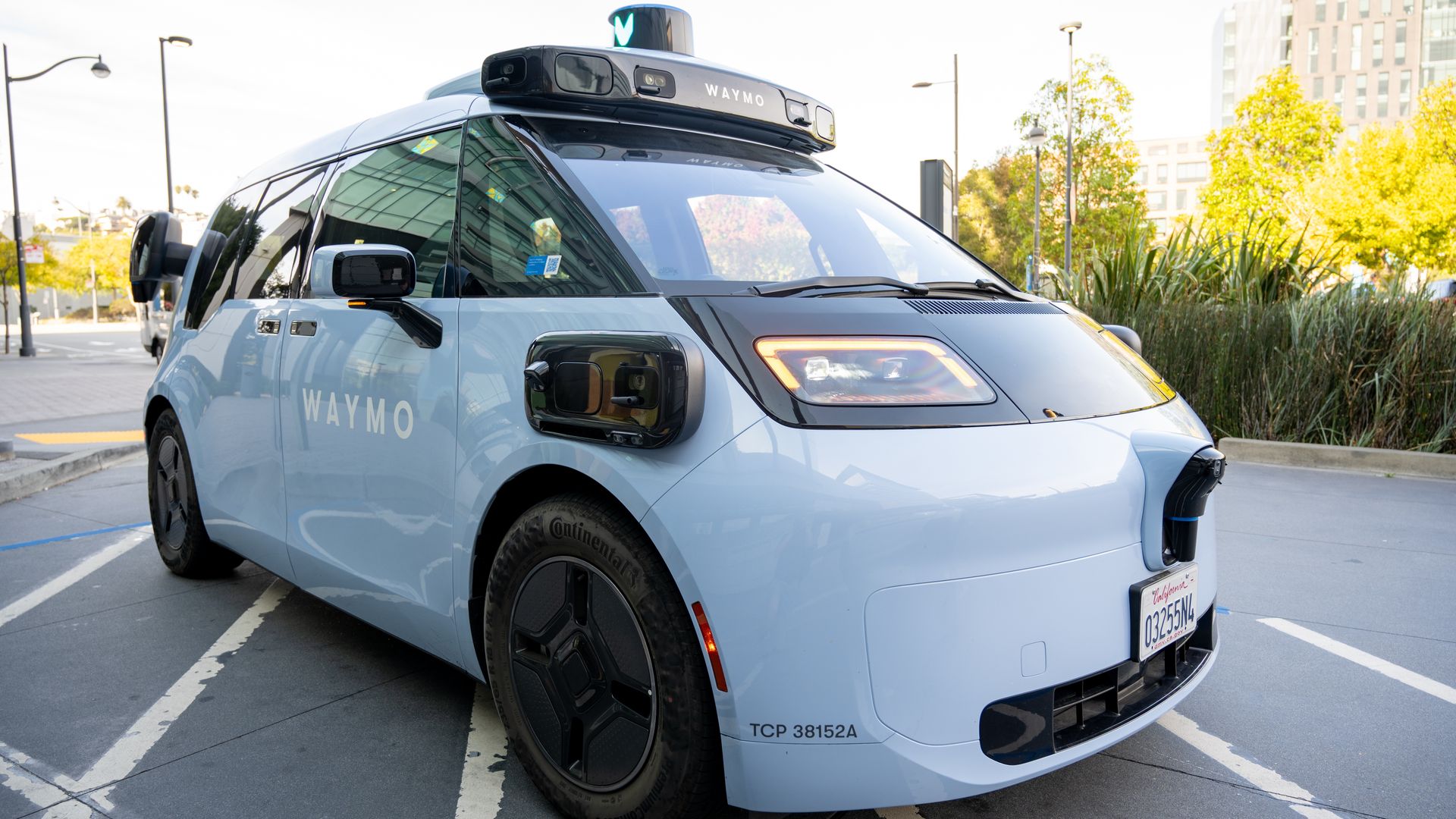
A light blue Waymo Ojai electric robotaxi. Photo: Smith Collection/Gado/Getty.
Waymo Reports More Than 150,000 Autonomous Miles in Philadelphia
Waymo says its vehicles have logged more than 150,000 autonomous miles in Philadelphia, with trained specialists accompanying the vehicles. The company has not yet begun public driverless robotaxi service in the city, making the accumulated local experience an important step toward potential future deployment.
WHY IT MATTERS TO REGULATORS:
Local testing records, safety performance, incident reporting and first-responder coordination can help inform future decisions about commercial autonomous passenger service.
Source:
Axios Philadelphia
|
|
|
NEW YORK CITY | FERRY SERVICE, AFFORDABILITY & GOVERNANCE

NYC Ferry. Photo: Ben Fractenberg / The City Reporter.
NYC Ferry Board Considers Fare and Discount Changes
The NYC Economic Development Corporation board is considering a package of NYC Ferry changes that includes a proposed increase in the standard one-way fare from $4.50 to $5, broader discounted-fare eligibility for middle-school students and a permanent two-day pass. The proposals are part of a continuing review of the service’s funding and fare structure.
WHY IT MATTERS TO REGULATORS:
Ferry fare policy illustrates the balance among financial sustainability, customer affordability and equitable access. The proposed package shows how targeted discounts and fare products can broaden access while agencies manage operating costs.
Source:
The City Reporter
|
|

|
|
PETERBOROUGH | ACTIVE TRANSPORTATION & MULTIMODAL ACCESS
Canada and Peterborough Invest More Than $7.5 Million in Little Lake Loop
The Government of Canada and the City of Peterborough announced more than $7.5 million to help complete the Little Lake Loop. The project includes a 1.15-kilometre segment with two-way cycle tracks, pedestrian paths, sidewalks, multi-use paths and streetscape improvements.
WHY IT MATTERS TO REGULATORS:
The investment demonstrates how active-transportation projects can create safer, accessible and lower-cost connections among neighborhoods, parks, businesses and visitor destinations.
Source:
Government of Canada
|
|
|
ONTARIO | RIDESHARE, RURAL MOBILITY & SERVICE ACCESS

Image: Uber Canada.
Uber Launches Service Under Ontario’s Provincial Rideshare Framework
Uber has launched rideshare service across Northeastern Ontario, becoming the first operator to go live under Ontario’s Provincial Rideshare Framework. The service includes communities across a broad northern geography, including Muskoka, North Bay, Timmins and Greater Sudbury.
WHY IT MATTERS TO REGULATORS:
The launch offers a practical case study in how a provincial rideshare framework can support service availability across smaller and rural markets while maintaining clear operating expectations for platforms and drivers.
Source:
Uber Canada
|
|
|
CANADA | ACCESSIBLE TRANSPORTATION & COMPLIANCE
Canadian Transportation Agency Highlights Accessible Transportation Compliance
The Canadian Transportation Agency continues to publish enforcement actions and accessibility information under the Accessible Transportation for Persons with Disabilities Regulations. Its current news and enforcement resources provide a practical reference for transportation providers and regulators focused on accessible service delivery.
WHY IT MATTERS TO REGULATORS:
Clear accessibility obligations, documented service practices and transparent compliance processes support more dependable travel for passengers with disabilities and help agencies sustain consistent oversight.
Source:
Canadian Transportation Agency
|
|

|
|
GERMANY | AUTONOMOUS ON-DEMAND TRANSIT & ACCESSIBILITY
German Partners Launch KIRA+ Accessible Autonomous On-Demand Transit Project
DLR, the Rhine-Main Transport Association, Deutsche Bahn and HOLON have launched KIRA+, a project preparing autonomous on-demand public transportation testing in Darmstadt and the Offenbach district. Initial mapping journeys are expected in 2027, with the project emphasizing accessible vehicles and public-transport integration.
WHY IT MATTERS TO REGULATORS:
KIRA+ offers a constructive model for considering how automated services could complement public transit while incorporating accessibility, on-demand operations and local transport partnerships.
Source:
German Aerospace Center (DLR)
|
|
|
EUROPE | AUTONOMOUS-VEHICLE TESTING & COORDINATION
European Autonomous-Vehicle Testbed Network Grows to 22 Countries
Portugal, Slovakia and Norway joined the European cross-border autonomous-vehicle testbed initiative on September 29, following Spain’s participation the previous week. The network now includes 22 countries and supports coordinated, commercially relevant AV testing across Europe.
WHY IT MATTERS TO REGULATORS:
The initiative creates an opportunity for national, regional and local authorities to compare testing methods, share practical experience and align approaches to safety assurance, infrastructure and data before services expand across borders.
Source:
European Commission
|
|
|
EUROPE | ROBOTAXI DEPLOYMENT & MARKET DEVELOPMENT
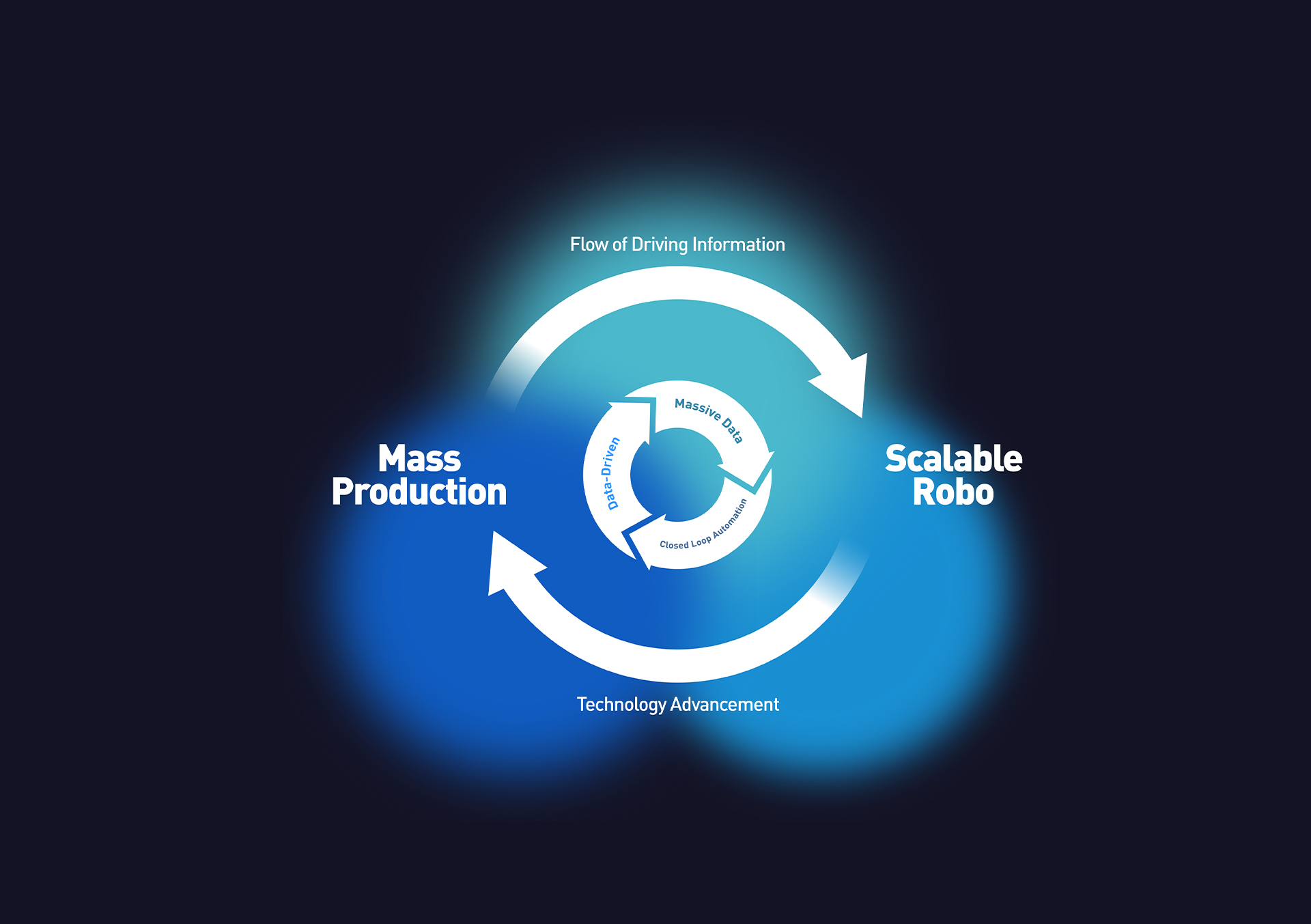
Image: Momenta.
Momenta Targets Further European Robotaxi Expansion
Autonomous-driving company Momenta says it is testing robotaxis in Munich as well as locations in China and Abu Dhabi, while holding discussions with additional European cities. The company reports more than 100 robotaxis deployed across three countries and is pursuing international expansion.
WHY IT MATTERS TO REGULATORS:
Cross-market AV expansion highlights the importance of clear local requirements for testing, commercial licensing, remote support, insurance, passenger communications and incident reporting.
Source:
Momenta
|
|

|
|
SINGAPORE | AUTONOMOUS TRANSIT & PUBLIC SERVICE INTEGRATION
.jpg)
Deployment of Autonomous Shuttles at Punggol (Photo Credit: Land Transport Authority of Singapore).
Singapore Continues Public Autonomous Shuttle and Bus Preparation
Singapore’s Ministry of Transport reports that fixed-route autonomous shuttles in Punggol have been open to public riders since April 2026. The ministry also plans autonomous-bus pilots on selected services by the end of 2026 as part of its effort to integrate automation into the public-transport system.
WHY IT MATTERS TO REGULATORS:
Singapore provides a practical example of deploying autonomous mobility through defined public-service routes, with attention to safety testing, passenger information, fleet identification and integration with conventional transit.
Source:
Singapore Ministry of Transport
|
|
|
AUSTRALIA / UN | AUTOMATION & CYBERSECURITY
Australian Heavy-Vehicle Sector Engages in UN Work on Automation and Cybersecurity
Australian heavy-vehicle industry representatives participated in the latest UN Working Party on Automated/Autonomous and Connected Vehicles meeting in Geneva. The technical discussions included vehicle cybersecurity, automated-driving systems and powered trailers.
WHY IT MATTERS TO REGULATORS:
International technical work can support consistent safety concepts for automation and cybersecurity while allowing jurisdictions to tailor implementation to local operating conditions and commercial-vehicle needs.
Source:
Heavy Vehicle Industry Australia
|
|
|
CHINA | AUTOMATED-DRIVING SAFETY STANDARDS
China Highlights Level 3 and Level 4 Automated-Driving Safety Standards
China has released a mandatory national safety standard for Level 3 and Level 4 automated-driving systems that is scheduled to take effect on July 1, 2027. Officials also highlighted ongoing international coordination on technical rules for automated driving.
WHY IT MATTERS TO REGULATORS:
Formal technical standards are an important building block for automated-driving oversight, alongside local rules for operating domains, incident reporting, remote support, insurance and data governance.
Source:
People’s Daily Online
|
|
Featured Research / Study
|
|
|
UNITED STATES | RESILIENCE & TRANSPORTATION OPERATIONS
New Report Identifies Practical Tools for Transportation Resilience
The National Operations Center of Excellence released its Resilience and TSMO Peer Exchange Report on September 29. The report highlights how agencies use day-to-day transportation operations capabilities—including coordination relationships, traffic and weather data, portable cameras, routing tools and communication systems—to strengthen preparedness and response.
WHY IT MATTERS TO REGULATORS:
The report offers practical, transferable examples of how agencies can build resilience through routine operations, particularly for incident management, transportation management centers, road-weather response and regional coordination.
Source:
National Operations Center of Excellence
|
|
|
|
|
For-hire vehicle data:
Monitor the New York appeal for developments affecting trip-data reporting, privacy safeguards, secure retention and the legal durability of FHV oversight tools.
Rail resilience:
Watch Gateway’s construction progress for lessons in multi-agency capital delivery, work-zone coordination and maintaining essential passenger service.
Autonomous mobility:
Follow public-service deployments and cross-border testbeds for evolving practices around safety assurance, operational design domains, reporting and passenger protections.
|
|
A Message From the IATR President

Transportation regulators continue to play a central role in shaping how public transportation, taxi and for-hire service, accessibility initiatives, workforce policies, and emerging mobility technologies develop.
Today’s developments offer practical examples of how jurisdictions are using technology, service planning, public accountability, infrastructure investment, and cross-sector coordination to support safer, more accessible, and more adaptable transportation systems.
|
|
International Association of Transportation Regulators
Advancing safe, equitable, innovative, and effective transportation regulation worldwide.
Visit IATR.Global
|
|
|
|
|