Living Desert Alliance
Keep our Desert and Community Livable and Thriving
| | |
Data Centers
Face Increased Scrutiny Across Pima County
County and municipal leaders are reevaluating past support adopting new protections for residents, water/energy resources, and quality of life.
Both Pima County and the Town of Marana are taking a more cautious approach to data center development as concerns grow over potential impacts to nearby communities, water resources, energy demand, and quality of life.
Following a 120-day moratorium on new data center proposals, the Pima County Planning and Zoning Commission voted 8-1 to recommend new regulations for consideration by the Board of Supervisors. The proposed rules would limit data centers to the county's most intensive industrial areas, require a half-mile buffer from homes, establish noise standards, and require public hearings before both the Planning and Zoning Commission and the Board of Supervisors. Commissioners also identified water consumption, energy demand, low-frequency noise, and conservation measures as issues requiring further review.
At the local level, the Marana Town Council recently approved amendments strengthening oversight of future data center projects. The updated regulations expand noise-control requirements and establish decommissioning standards to ensure sites are properly managed and restored when facilities are retired.
Council Member Patrick Cavanaugh cast the lone dissenting vote, joining multiple residents and speakers who argued the measures did not go far enough to protect the community. Cavanaugh acknowledged he had previously supported two hyperscale data center projects but now regrets those decisions based on a broader understanding of their potential environmental and community impacts. While supporting stronger regulations, he questioned whether the Town could effectively enforce them as written and expressed concern that large operators might view penalties as simply a cost of doing business rather than an incentive to correct violations. Click here to hear Cavanaugh's statement (1:59:22) and the council's final vote.
Together, these actions reflect a growing shift in public and political attitudes as communities and elected officials throughout our state and across the country gain a better understanding of the environmental, infrastructure, and quality-of-life impacts associated with large-scale data center development. We've a long way to go, but there's hope!
Photo: rawpixel.com
| | |
Three Points Residents Rally to Protect a Rare and Fragile Desert Ecosystem
A proposed solar farm near Three Points and Robles Junction is drawing strong opposition from local residents who say the project would permanently alter more than 5,500 acres of Sonoran Desert habitat. The project, proposed by CG Three Points LLC, a Foreign Limited-Liability and a subsidiary of Spanish utility company Repsol, is expected to generate enough electricity to power more than 124,000 Arizona homes annually while creating construction jobs and generating revenue for local schools and fire services.
Opponents argue that the site contains valuable desert habitat supporting saguaros, barrel cactus, migratory birds, Gila monsters, cactus wrens, and other wildlife. Residents fear the project could fragment habitat, disrupt wildlife movement, and permanently change the character of the area. Concerns have also been raised about potential impacts on natural water flows, groundwater supplies, and private wells that serve nearby homes and ranches.
In response, community members have organized meetings, documented the area through drone photography, and formed the Three Points Action Committee (3PAC) to share information and coordinate opposition efforts. Supporters of the effort say their goal is to preserve the area's scenic, ecological, and rural character while ensuring community voices are heard before any final decisions are made. (Future community meetings can be found on saveroblesjunction.com).
The debate highlights the growing challenge of balancing renewable energy development with the protection of sensitive desert ecosystems and the interests of rural communities.
The Living Desert Alliance opposes this project because it would sacrifice more than 5,500 acres of irreplaceable Sonoran Desert habitat for a development that is neither necessary nor appropriately located. Once destroyed, these interconnected ecosystems, wildlife habitats, and natural landscapes cannot be restored to their original condition. We support the position of local residents and conservation advocates who state, "We are not against solar. We are for putting it in the right place, where the land can handle it and the people who live nearby want it."
Click here to learn why
Pima County Supervisor Chair Jennifer Allen opposes this project.
| | |
Nature Finds a Way:
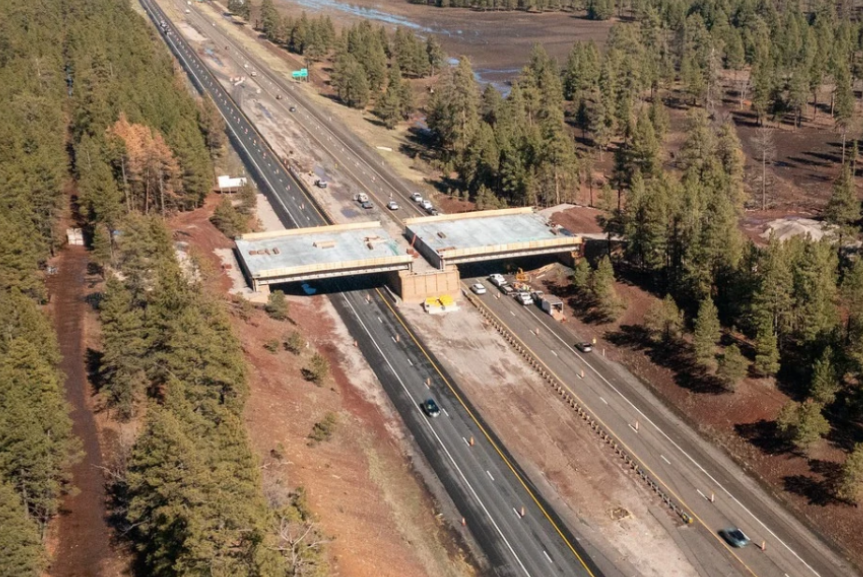
A Look at Arizona's Remarkable Wildlife Crossings
The Great Old Broads for Wilderness recently shared an excellent article from the Environment Arizona Research & Policy Center titled Reconnecting Nature in Arizona: Discover the Bridges and Tunnels Arizona Wildlife Use to Cross Roads Safely and the Work That Goes Into Creating Them.
This fascinating and informative piece explores how wildlife crossings help protect both animals and people by reducing vehicle collisions while reconnecting habitats that have been fragmented by highways and roads. The article highlights Arizona's leadership in designing and constructing these innovative crossings and explains why they are so important for the long-term health of our state's wildlife populations.
One of the article's most exciting features is an interactive story map showcasing 17 wildlife underpasses and overpasses from across Arizona. Readers can take an up-close look at these remarkable structures, including the Willard Springs wildlife crossing on Interstate 17, which is scheduled for completion in fall 2026 and is expected to open in spring 2027.
We thank the Great Old Broads for Wilderness for sharing this inspiring resource and encourage our members to take a few minutes to explore it. You'll discover how these amazing wildlife corridors are reconnecting Arizona's landscapes while helping save both animal and human lives. It's a wonderful example of how thoughtful planning can create safer roads and a healthier environment for all. Click here for full Article.
| | |
Can One Weekend of Heavy Rain Refill Arizona’s Water Supply?
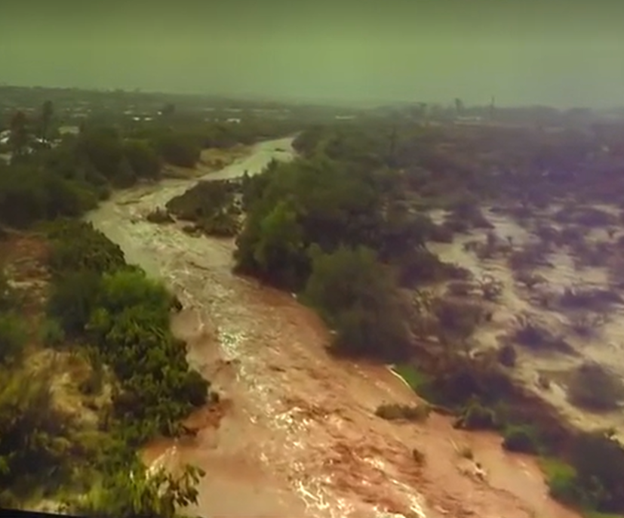
After southern Arizona’s recent record-breaking storms, many residents wondered whether all that rain would significantly boost local water supplies. A recent KOLD 13 report by Payton May takes a closer look at where all that water goes and whether it is making a meaningful difference in local aquifers and the Colorado River system.
May cites University of Arizona hydrologist Jennifer McIntosh, who stated the storms likely helped recharge shallow groundwater near mountain fronts and river channels. However, Tucson’s deeper aquifer remains heavily depleted after decades of groundwater pumping. Because groundwater levels have dropped dramatically in many areas, a single storm event cannot meaningfully restore those losses. In fact, only a small percentage of annual rainfall typically reaches underground aquifers.
According to May’s report, experts also noted that improvements to the Colorado River system remain modest. Although Lake Powell has seen some gains, Arizona’s long-term water challenges stem from a decades-long drought that will require many years of sustained wet weather and significant snowpack to overcome.
The takeaway: while the recent rains were welcome and provided some short-term benefits, experts say Arizona’s long-term water security will depend on ongoing conservation, groundwater recharge efforts, and many more wet years ahead. Let's continue doing our part to conserve and protect our precious desert water resources.
Click here to read the full article and watch the accompanying video report.
| | |
Tucson Organic Gardeners
Fall Fair
Saturday November 7th, Rillito Regional Park!
Come shop and "dig in" at the Tucson Organic Gardeners Fall Fair.
This is a real plant fair for the Sonoran Desert: native and desert-adapted plants, seeds, soil, local honey, and goods from Tucson makers, all in one place.
Tucson Organic Gardeners is a nonprofit dedicated to organic gardening in the desert, and their vendors and volunteers love talking shop. Bring your family and friends and come with questions about growing tomatoes in November or starting your first pollinator bed, and leave with plants, supplies, and a plan that actually works in our climate.
| |
Tucson Clean & Beautiful
Tree Planting Event
Help Grow a Greener Tucson
Saturday, November 7th, 9:00 a.m. to 11:00 a.m.
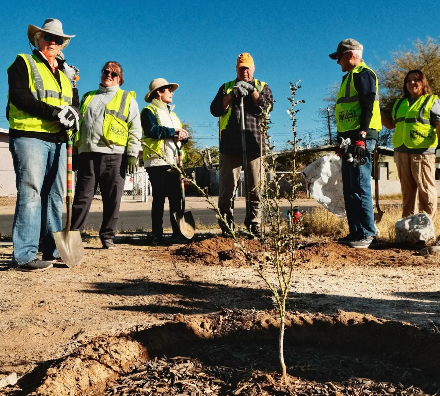
Join Tucson Clean & Beautiful for a community tree-planting event and help make a lasting investment in Tucson's future.
Trees do more than beautify neighborhoods. They help reduce extreme heat, improve air quality, conserve energy, manage stormwater, and create healthier, more livable communities. By planting trees today, we can help build a cooler, more resilient Tucson for generations to come.
Meeting Location: South side of Bravo Park 4595 Mountain Ave., Tucson
This community effort supports ongoing work to expand Tucson's urban tree canopy, especially in areas most affected by rising temperatures and limited shade. Whether you're a longtime environmental advocate or simply looking for a meaningful way to give back, your participation can make a real difference.
Let's work together to strengthen neighborhoods, improve public health, and create a greener, more sustainable Tucson.
Click here to RSVP
| | |
Help Keep Our Desert & Community Livable &Thriving
Donate Today
Your tax-deductible gift helps us protect water resources, assist community partners, and empower members to advocate for our environment.
Donations also fund newsletters, speaker events, & public forums.
Every contribution makes a difference!
Thank you for your support.
| | | | |