News & Updates November 4th, 2024 | Issue #4

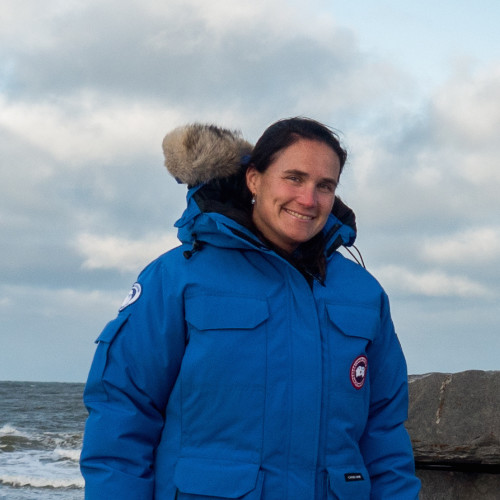
Classrooms from across the country engage with Dr. Jen Kay!

Arctic amplification and the inequities of climate change - Dr. Jen Kay


This past week Dr. Jen Kay, the featured scientist in the Not All Warming is Equal lesson, answered questions from students and lifelong learners about her work using observational data and climate models to study the rapidly changing Arctic climate system. Did you know the Arctic is warming four times faster than the rest of the world? What's causing the amplified warming in the Arctic? Learn more about the Arctic amplification phenomenon in this interactive presentation!


Watch the full recording here!


We hope to see you and your students at a future Live Q&A event!

Upcoming Events

Data Puzzles Webinar for Teachers - Wednesday, Nov. 13th, 4-5 pm MT


Wind Farms of the Future


Join curriculum developer Alyse Thurber as she guides participants through the Wind Farms of the Future Data Puzzle, a 2-day MS/HS lesson in which students explore where new wind farms should be constructed. In this Data Puzzle, students analyze surface roughness and wind speed data to construct an evidence-based explanation for the investigative question, "Where in the United States (lands and waters) should new wind turbines be constructed to generate the most energy?"


Register here

NSTA Publication related to the "Wind Farms of the Future" Nov. 13th webinar


From Windy Day Stories to Wind Farms of the Future: Leveraging Student Resources to Make Sense of Phenomena with Data Puzzles


Published in March of 2024, this article written in collaboration with middle school science teacher Ann Dubick, introduces the Data Puzzle instructional framework as a means to engage middle school students in the exploration of wind energy for future wind farm locations across the United States.


Data Puzzle Connections to Science in the News


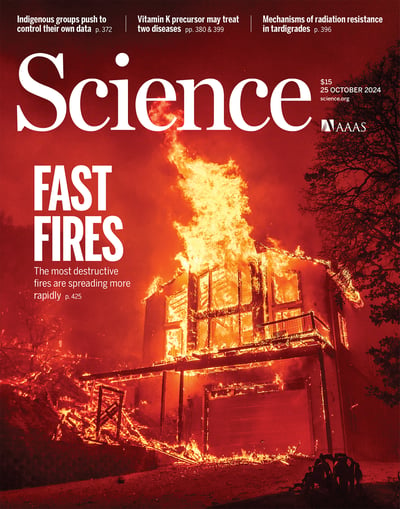
Fire speed, not size, drives threat to people, infrastructure

***New paper published by CIRES scientists!!!


Fast-growing fires were responsible for nearly 90 percent of fire-related damages despite being relatively rare in the United States between 2001-2020, according to a new CU Boulder-led study. “Fast fires,” which thrust embers into the air ahead of rapidly advancing flames, can ignite homes before emergency responders are able to intervene. The work, published today in Science, shows these fires are getting faster in the Western U.S., increasing the risk for millions of people.


We collaborated with the authors of the "Fast Fires" paper to produce this Fast and Destructive Wildfires Puzzle Piece. Explore their data for yourself in this open-ended resource! Please reach out if you have questions or would like additional information.

Read More

CLEAN revitalizes climate eduction with new climate literacy principles


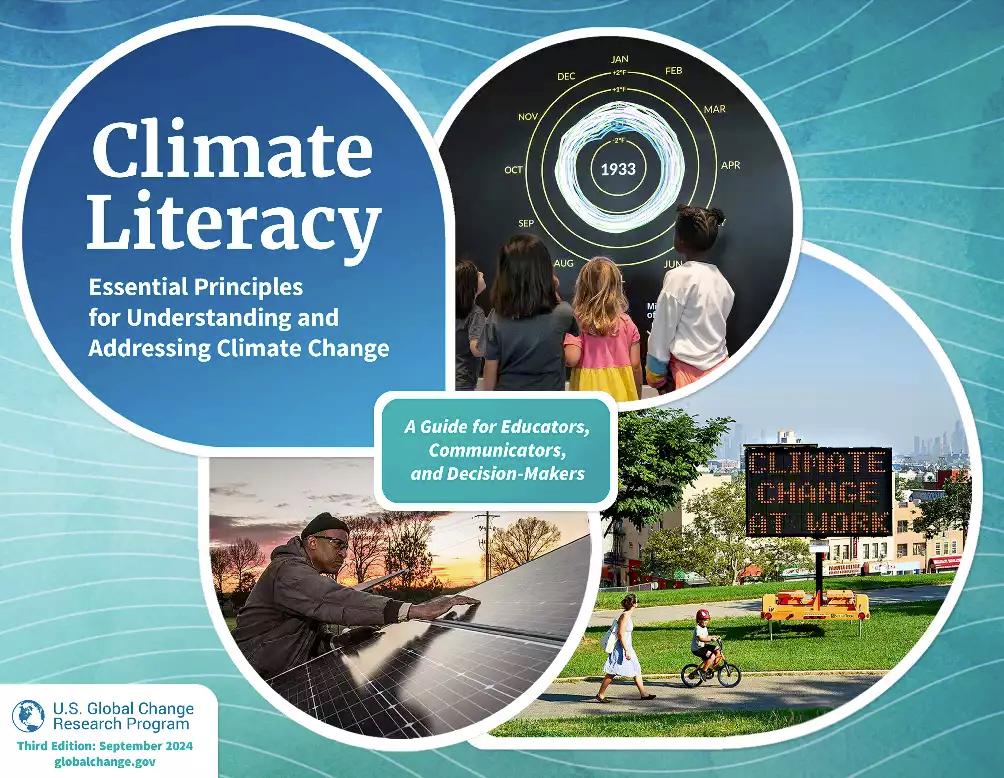
A day before Hurricane Helene barreled across the Gulf of Mexico toward the Florida coast, the federal government unveiled the 2024 Climate Literacy Guide, which summarizes the best practices on how to understand and address climate change, its unequal impacts, and a long list of possible solutions.

Since then, CIRES’ Climate Literacy and Energy Awareness Network (CLEAN) has worked diligently to incorporate the updated guide and the new principles of addressing climate change in its online database of educational resources.


Many Data Puzzles, including the Megafires: Rare Occurrences or the New Normal? lesson have gone through the rigorous CLEAN review process and have been included in CLEAN's online database.

Read More
Received this as a forward? Sign up to get the Data Puzzles monthly newsletter sent to your inbox!

Copyright © 2024 CIRES, All rights reserved.

Contact us: jonathan.griffith@colorado.edu