|
The July newsletter included a discussion of surveillance pricing, overview of data centers, and short reports including snapshots from community meetings and events. This issue will add more about data centers and catch up on snapshots and news from meetings and events this summer.
I have spent the past few weeks working on subjects critical to our local area and Oregon, especially access to health care and affordability. A few of the other topics are local area roads (story below), K-12 education concerns including absenteeism and testing, and continuing funding for a network-connected wildfire camera system. I appreciate collaborating with my colleagues Senators Floyd Prozanski and James Manning and Representatives Fahey and Fragala; we coordinate our efforts, working on some things individually and on others very closely.
Note: As Labor Day approaches, campaign season ramps up. I am running for re-election. Any broad distribution of communications such as this newsletter will be paid for with private funds and not public funds.
Photo: visiting Swan Island Dahlias in Canby
| | If you missed my latest e-news, here's the link to July 2026. | | |
In the sections below you'll find
- Data centers, part 2: tax breaks, rates, and EWEB
- Short stories: Chamber of Commerce, Vote-by-mail, LTD ridership increasing
- Vote-by-mail legal battle
- Local area: PACE care for seniors, Naturalization Ceremony, Ollie Court child care and housing, National Historic Landmark at UO, Local Access Roads
- Snapshots from the community & local events: Senator Wyden's hearing on health care, Rotary Club, Willamette Oaks, UO programs, Lift Off EUG, Korean thanks concert, State Treasurer visit, and more
| | Short stories (Quick takes) | | |
Eugene Area Chamber of Commerce: best in the U.S.
The Eugene Area Chamber has been named the 2026 Chamber of the Year by the Association of Chamber of Commerce Executives! Eugene is the first Oregon chamber to win this title.
Brittany Quick-Warner, President & CEO, says, "...this feels like a shared award for our community, because much of the work we were recognized for is not ours alone. A.C.T. Now Lane exists because 50+ organizations and cross-sector partners chose to show up together around one of our region's hardest problems, our housing and homelessness crisis. Elevate 2028 is standing out nationally because of the strength of the regional strategy to bring public and private sector partners together to improve our local economy ... This recognition is a reflection of what Lane County can do when we work together."
| | |
LTD's reduced fares for summer: ridership increasing
My last newsletter noted Lane Transit District's Dollars Days of Summer promotion, with reduced fares of $1 on all routes through August 31. Early results demonstrate a significant and positive impact on transit use.
For the period July 1-13 LTD recorded approximately 17% (31,000) more passenger trips than in the same two weeks in 2025, with increases in both weekday and weekend trips.
LTD reports that the summer fares encouraged trial use for new riders and provided affordable transportation options during a period of increased household expenses, promoting their goals of advancing mobility, access, and community connectivity.
| |
More threats to Vote-by-mail — Oregon stands firm
Oregon's vote-by-mail system has been in place for nearly 30 years and has become a gold standard for election integrity and access. Vote-by-mail is uniquely secure against foreign threats because paper ballots can be recounted and audited, and tallying machines are never connected to the internet. Despite attempts to violate voter data and threatening to interfere, the Constitution is clear: states run elections. The President has no authority to influence or determine how elections are administered.
You are likely reading or hearing about new or continuing threats to voting by mail, and possible interference using the US Postal Service. In my January newsletter, I wrote about how the federal government attempted to gain Oregonians' sensitive voter data as part of an effort to fuel conspiracy theories about election fraud. While Oregonians' data is still safe, false claims about American elections continue to fuel distrust in voting and elections.
Whipsawing legal battle. This PBS story on Friday Aug. 28 describes a "whipsawing legal battle" and says, "A federal judge on Thursday halted — at least for now — attempts to implement President Donald Trump's executive order limiting mail voting. The move stalled the directive for a second time only about a week before the first mail ballots are due to be sent out for the rapidly approaching midterm elections. U.S. District Court Judge Indira Talwani blocked the government from implementing the order for two weeks. The case could soon be appealed back to the Supreme Court, days after the justices handed down a procedural decision that allowed the the administration to move ahead."
Recent updates from Oregon's Secretary of State Tobias Read
For the November General Election the last day to register to vote is October 13, 11:59 PM
Check your voter registration status
| | |
In my July e-news I wrote about large load data centers, a recent public hearing that I called for, and the 2025 POWER Act requiring data centers to pay higher rates for electricity usage. Here's part two.
Data centers are incredibly expensive to build and can be attractive to communities because of investments that will benefit the community during construction, and potentially in the future as ongoing tax revenue. They use large amounts of water and electricity, raising concerns about sustainability, and putting increased strain on Oregon’s electrical grid. A single stand-alone large load data center uses 400 times the electricity of a standard big-box store. About half of a data center's power goes to running the high-density servers. The other half is largely dedicated to the heavy-duty cooling and water systems required to prevent the equipment from overheating.
| |
Tax incentives (tax breaks)
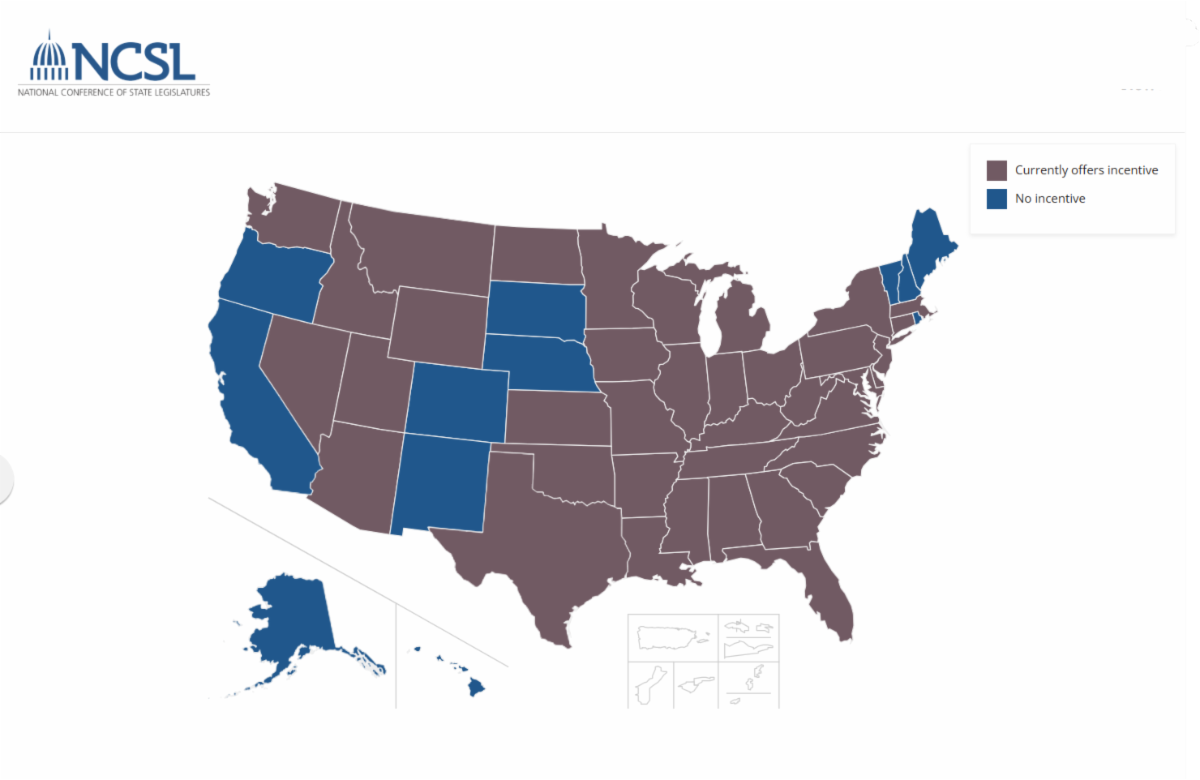
Many states (currently 38, shown in brown on the map) have tax incentives specifically designed to attract data centers and the investment they bring to states and communities. Oregon does not have tax breaks specifically for data centers, but data center developers can take advantage of tax incentives used by local governments to attract business, such as reduced or “forgiven” property tax in Enterprise Zones. I have arranged for a presentation on Tax Treatment of Data Centers for the House Revenue Committee on September 9. You will be able to watch it live or the recording later.
Significant backlash against data centers includes environmental impacts, concerns about Artificial Intelligence (AI), noise complaints from neighboring residential communities, and the tax breaks which allow them to avoid paying their fair share (in the opinion of many). In the past year, some states and local governments have considered or passed moratoria or bans on data center construction. For example, New York state recently put a one-year pause on the development of large data centers, and the city of Monterey Park, California, recently voted to permanently ban them. Other states, like Illinois and Arizona, have temporarily ended tax breaks for data centers or imposed new taxes on their operations, like in Virginia. Earlier this year, I drafted and passed an amendment to put a one-year moratorium on specific tax breaks used by data centers in Oregon, allowing time for the Governor’s Data Center Advisory Committee to review the situation and make recommendations before the 2027 legislative session.
Impact on rates
The 2025 POWER Act (see Oregon Citizens Utility Board news release) was recently implemented for the first time when PGE sought approval from Oregon’s Public Utility Commission (PUC) for a 29% increase in electricity rates for data centers, as well as rate decreases for residential and small business consumers.
EWEB's role
My office reached out to Eugene Water and Electric Board (EWEB) to see how data centers might affect ratepayers in the Eugene area. As a publicly owned and managed utility, EWEB’s policies emphasize equity and affordability for ratepayers. While the POWER Act only applies to Investor-Owned Utilities (IOUs) like PGE, EWEB has had policies in place since 2014 to protect customers from rate increases should large load users like data centers join the system. While Lane County currently has no large-load data centers, EWEB’s existing rules would base rates for new large-load users off of actual usage and service requirements, ensuring they pay different rates from residential or small business customers. EWEB policy also has strict policies regarding "cost causation," meaning the costs of additional power lines and additional infrastructure would be covered by large load users joining the system, instead of by existing users.
Additional information from EWEB:
EWEB has an obligation as a public utility to serve customers within its service territory — including any large commercial or industrial customer that requests service. But in 2014 EWEB instituted a rate applicable to new large loads that was intended to hold residential customers harmless should any large load join EWEB’s service territory. Service under that schedule (G-4) is available to customers with monthly billing demands that exceed 10,000 kilowatts or are classified as New Large Single Load (NLSL) by the Bonneville Power Administration (BPA). There are currently no customers billed on this tariff, but the policy is ready to implement, if and when it becomes appropriate.
EWEB has historically implemented bilateral retail contracts for large customers over 10,000 kilowatts of demand. For this reason, it’s possible EWEB would serve a new large load under a bilateral contract and not the default large load rate.
The POWER Act, HB 3546 did not include municipal electric utilities like EWEB because our customers already benefit from similar protections through our community-owned not-for-profit utility model, which emphasizes equity and affordability. Instead of state-regulated ratemaking, EWEB operates under the Eugene City Charter and Oregon’s “home rule” authority, allowing flexible, community-focused decision-making.
EWEB uses an industry-standard Cost of Service Analysis (COSA) method to set rates, ensuring each customer class pays its proportional fair share, including G-4 eligible customers. This aligns with the transparency fairness goals of Oregon’s new laws. Small, medium, and large businesses are charged different rates based on actual usage and service requirements. Large users do not pay the same rates as residential or small business customers.
| | |
25 new citizens
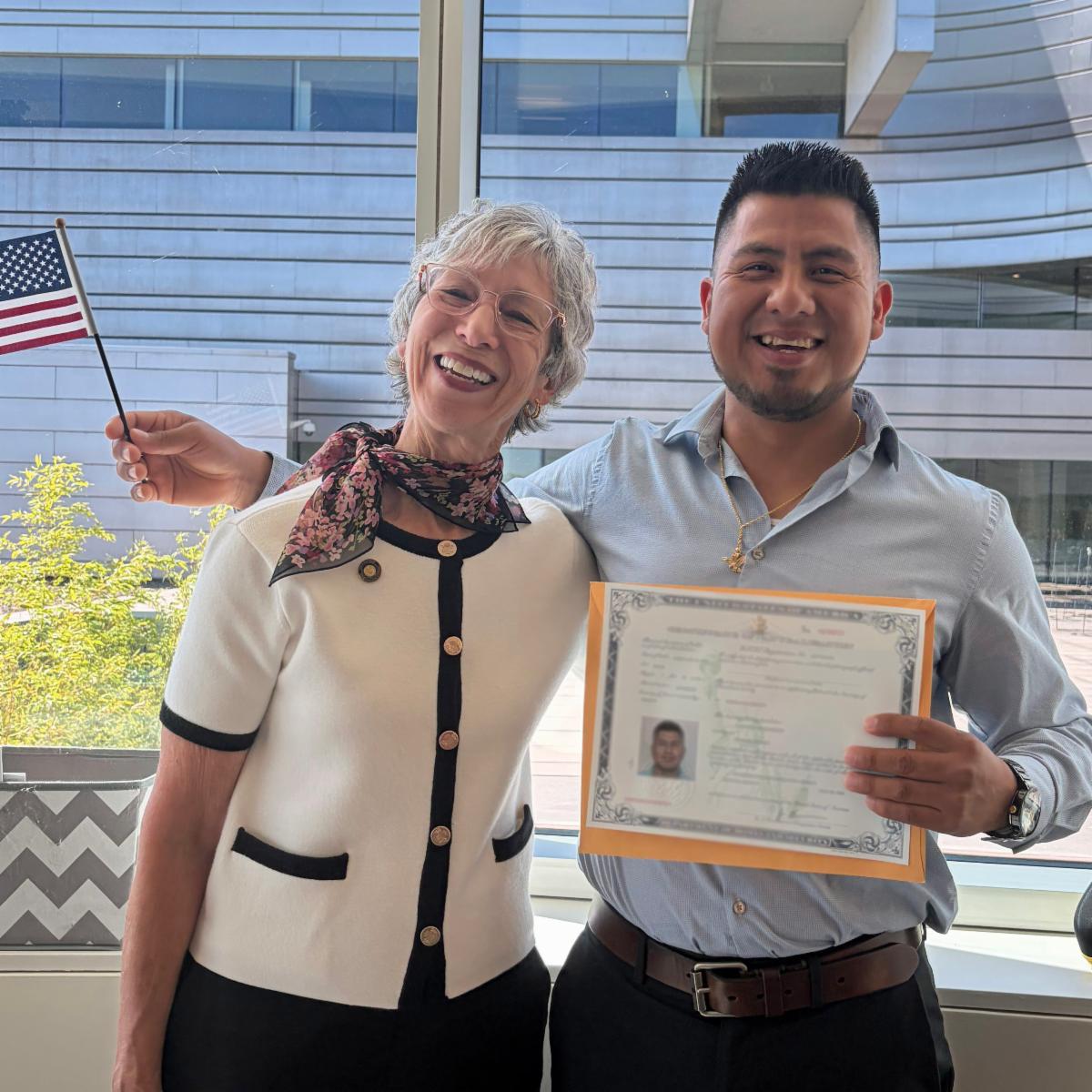
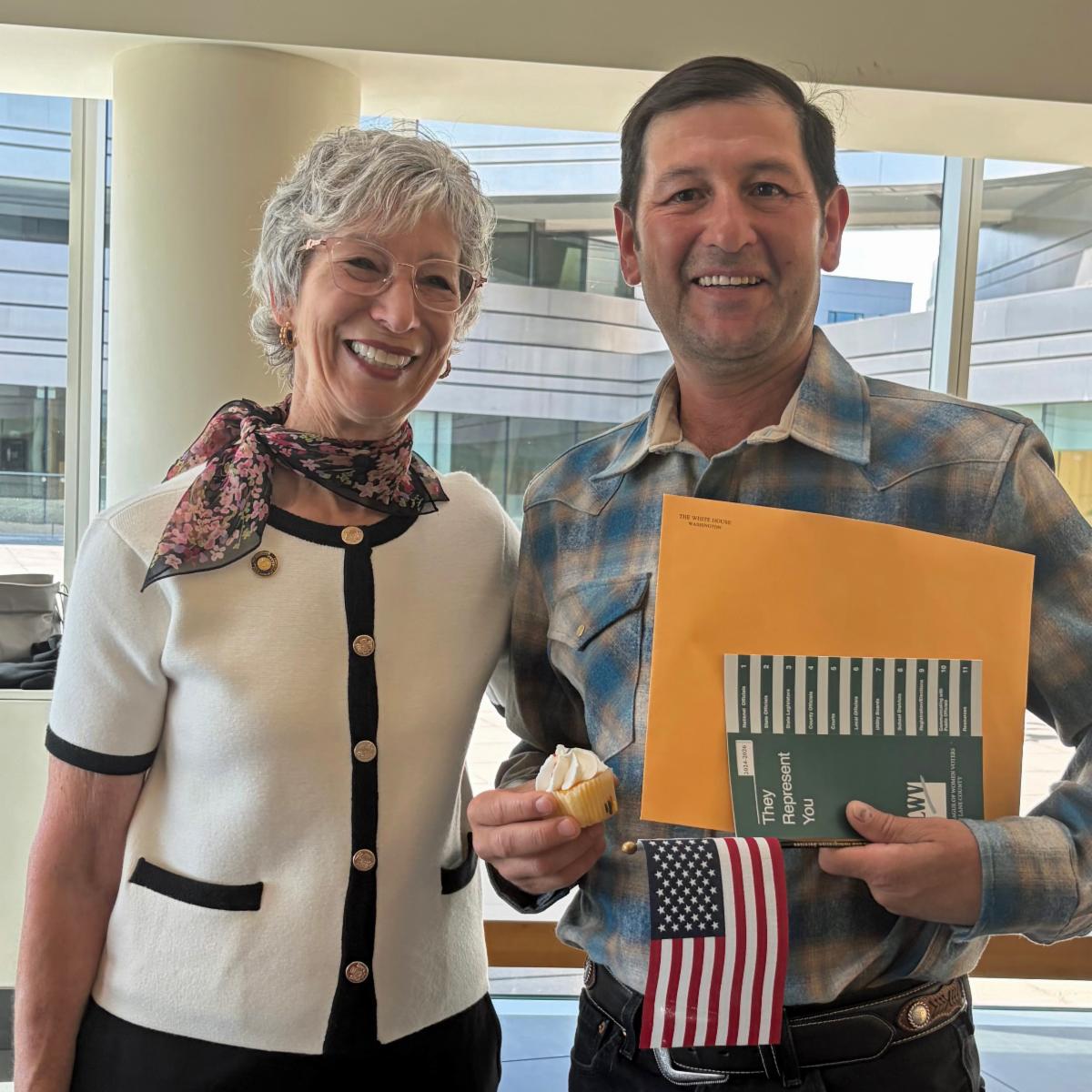
Several times a year a group of people from Lane and counties south of here take an oath of allegiance at the federal courthouse in Eugene to become a naturalized citizen. I joined the League of Women Voters of Lane County to witness the naturalization ceremony in July and welcome the new citizens from 11 different countries, including Mexico, Czech Republic, China, Philippines, Canada, and Taiwan.
| | |
PACE by Pacific Source
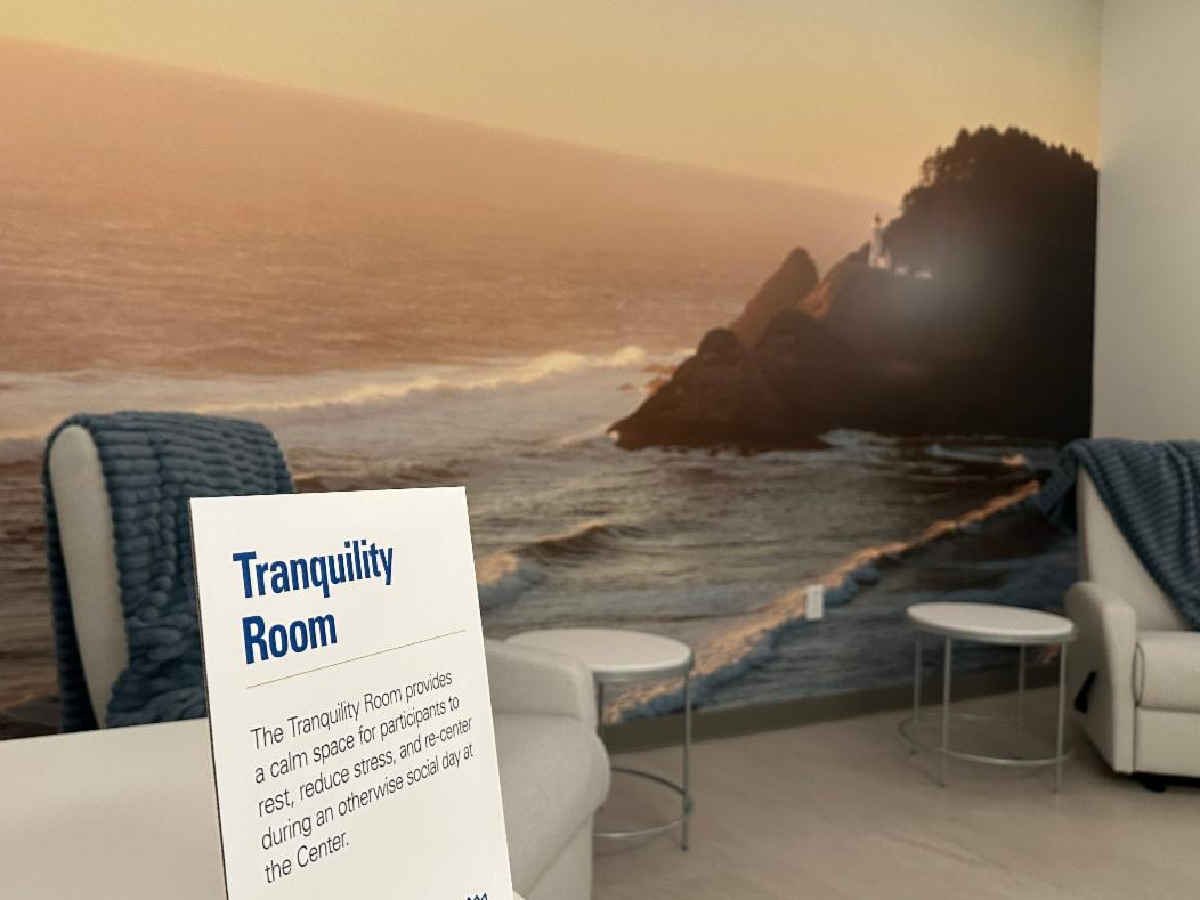
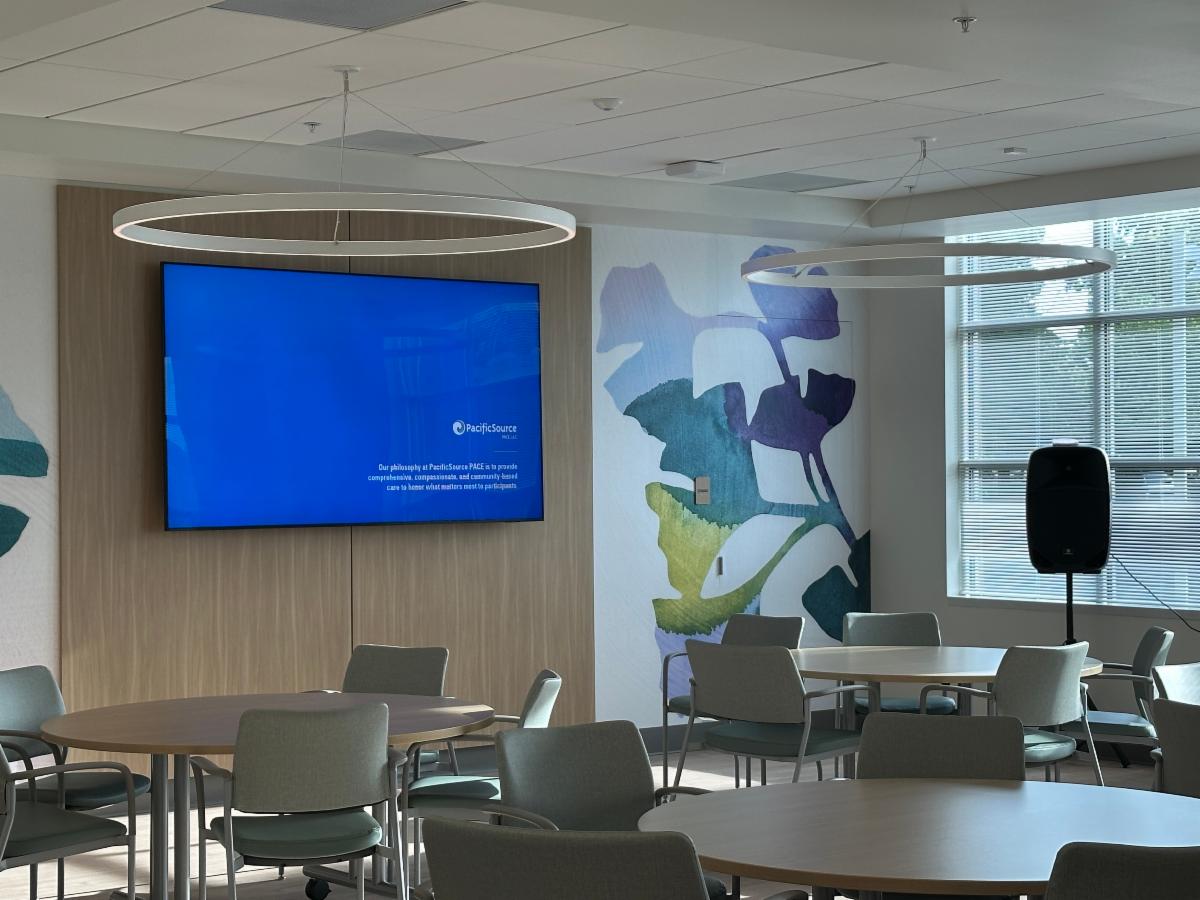
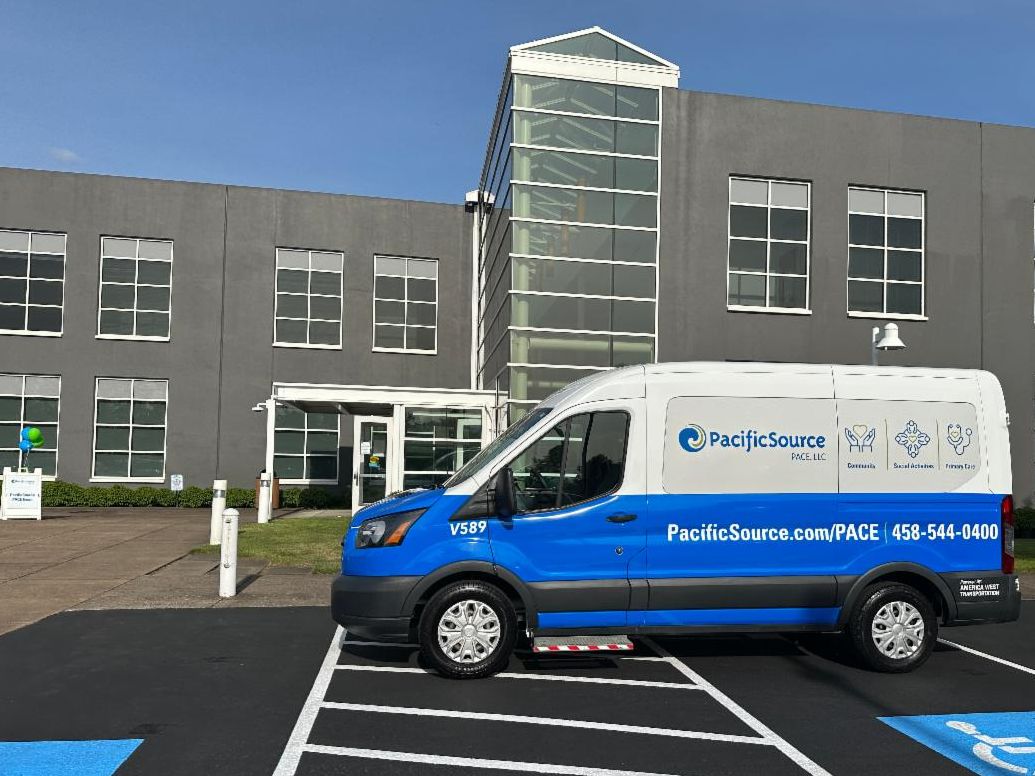
PACE is a federally recognized Program of All-inclusive Care for the Elderly. I visited the center to see the spaces for medical care including exam rooms; social connection with places for TV, games, lunch, and visiting; exercise; personal care and safe showers; and more. It will support adults age 55+ with high-quality, affordable, community-based care that honors independence, dignity, and wellbeing. The van is available to bring people to the center for an appointment or for the day, and return them home.
| | |
Ollie Court and Leap & Learn Center
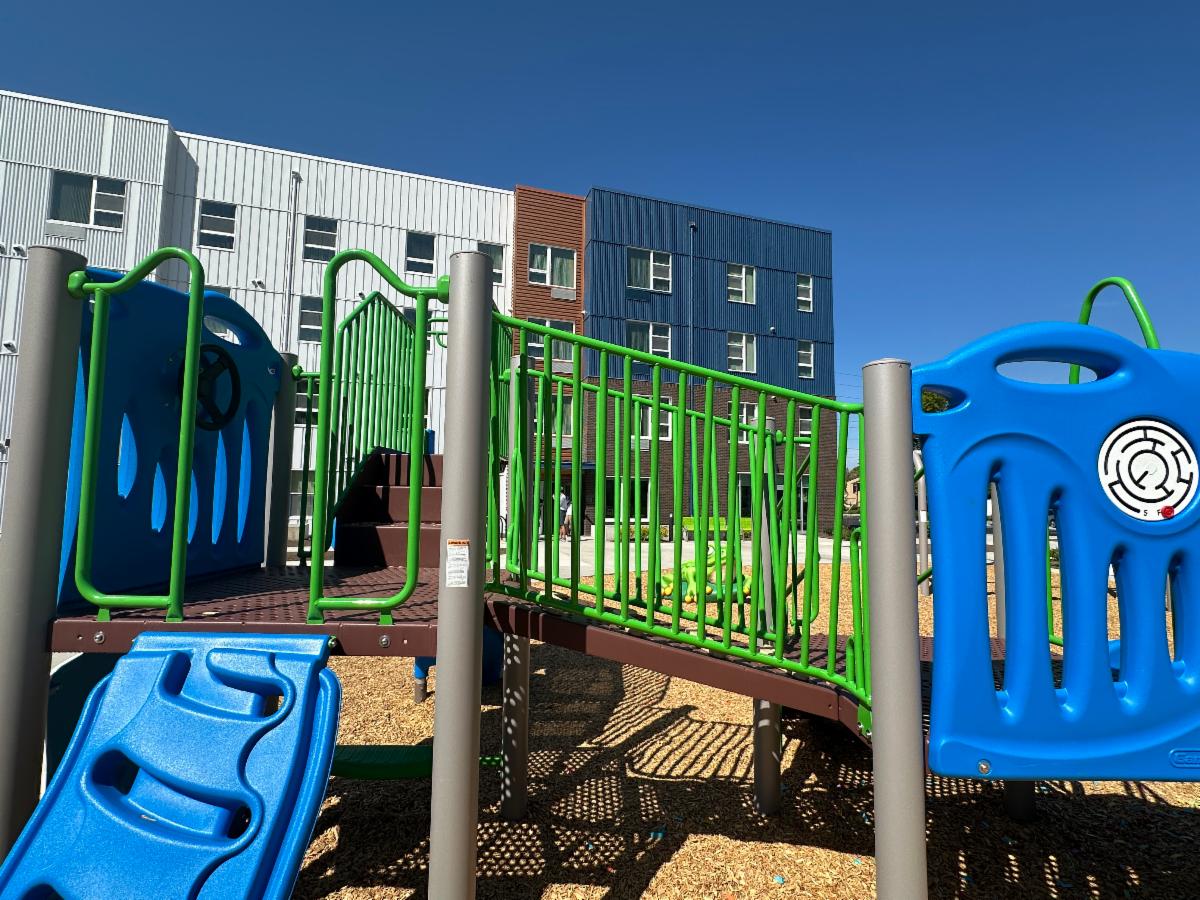
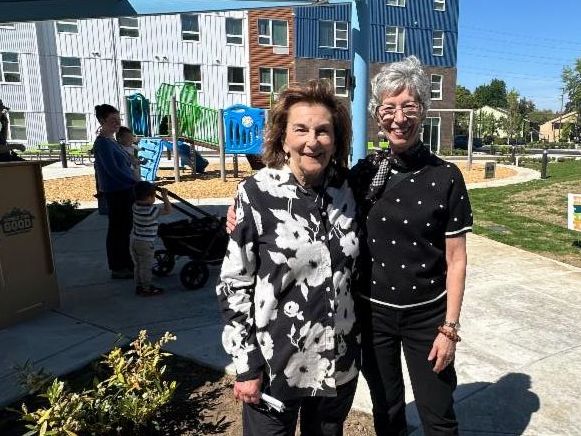
Homes for Good Housing Agency, Head Start of Lane County and Early Childhood CARES have formed a partnership to develop an innovative model for housing co-located with child care: 81 units of new affordable housing and a six-classroom early learning center. Two four-story buildings with a mix of one, two, and three-bedroom units are centered around community green spaces. (I joined other local area legislators in a successful request for some state funding for the project.)
| |
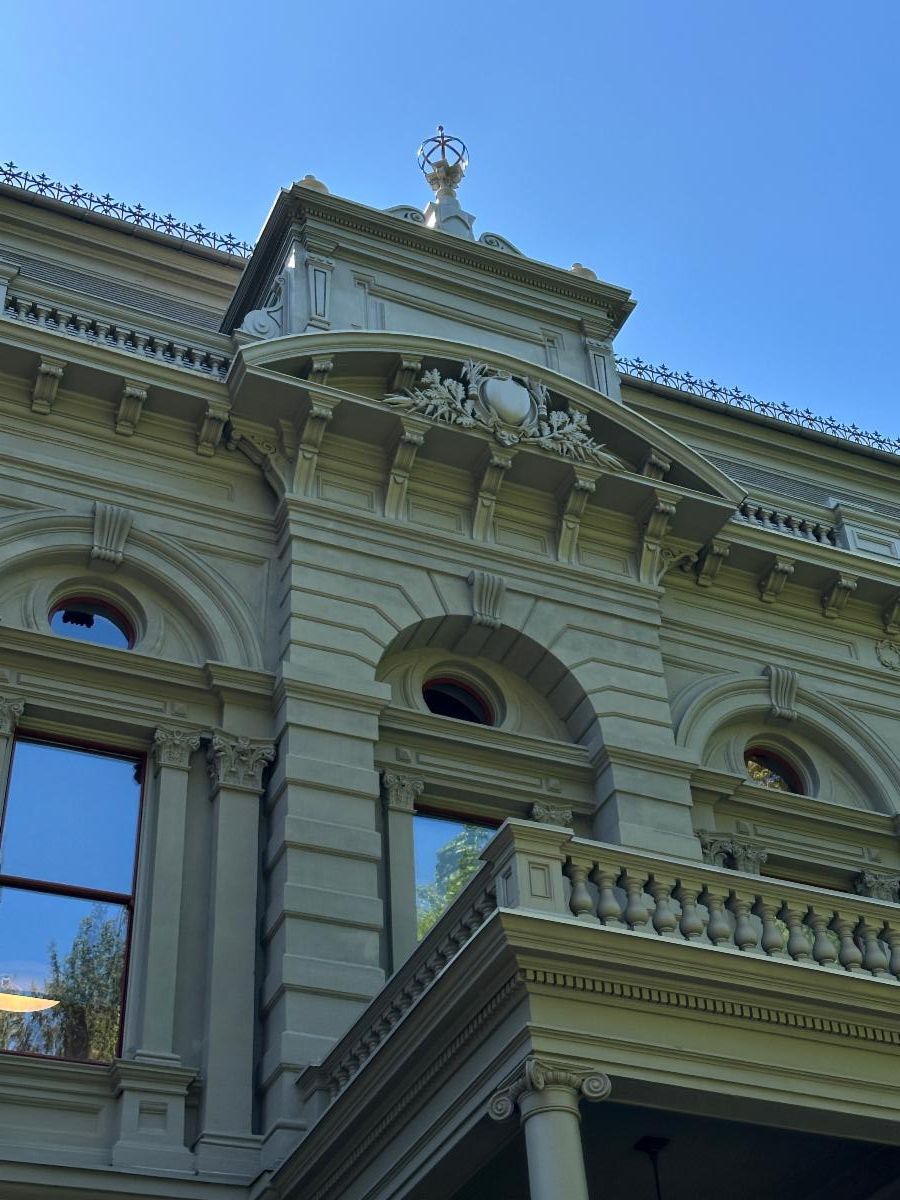
Heritage Project at UO
The Heritage Project is a National Historic Landmark, two of the oldest surviving public academic buildings in Oregon. University and Villard Halls are the original buildings of the University of Oregon campus and the birthplace of public higher education in Oregon. As reported in the Daily Emerald, 7,000 students attend classes and perform in Heritage buildings each year.
University Hall, the first building on campus, was originally built in 1873 and opened in 1876. At the time of its construction, UO’s total enrollment was only 177 students, with five faculty. It was used for everything, including administration, chapel, and commencement. It's now primarily the home of the Math Department, and has six new general pool classrooms.
Villard Hall opened in 1886. In 1949 the University Theater opened and was attached to the historic building, and the building houses Cinema Studies.
The legislature helped provide funding for the Heritage Project. I attended the reopening of the two historic academic buildings, and remarked that I made a site visit a while back; the leaks and exposed wiring, the clanking pipes, and sauna-like classrooms are fixed! The state, the university, and the broader community worked together and aligned around shared goals: expanding access, strengthening education, and investing in the future of our state.
| |
Local Access Roads
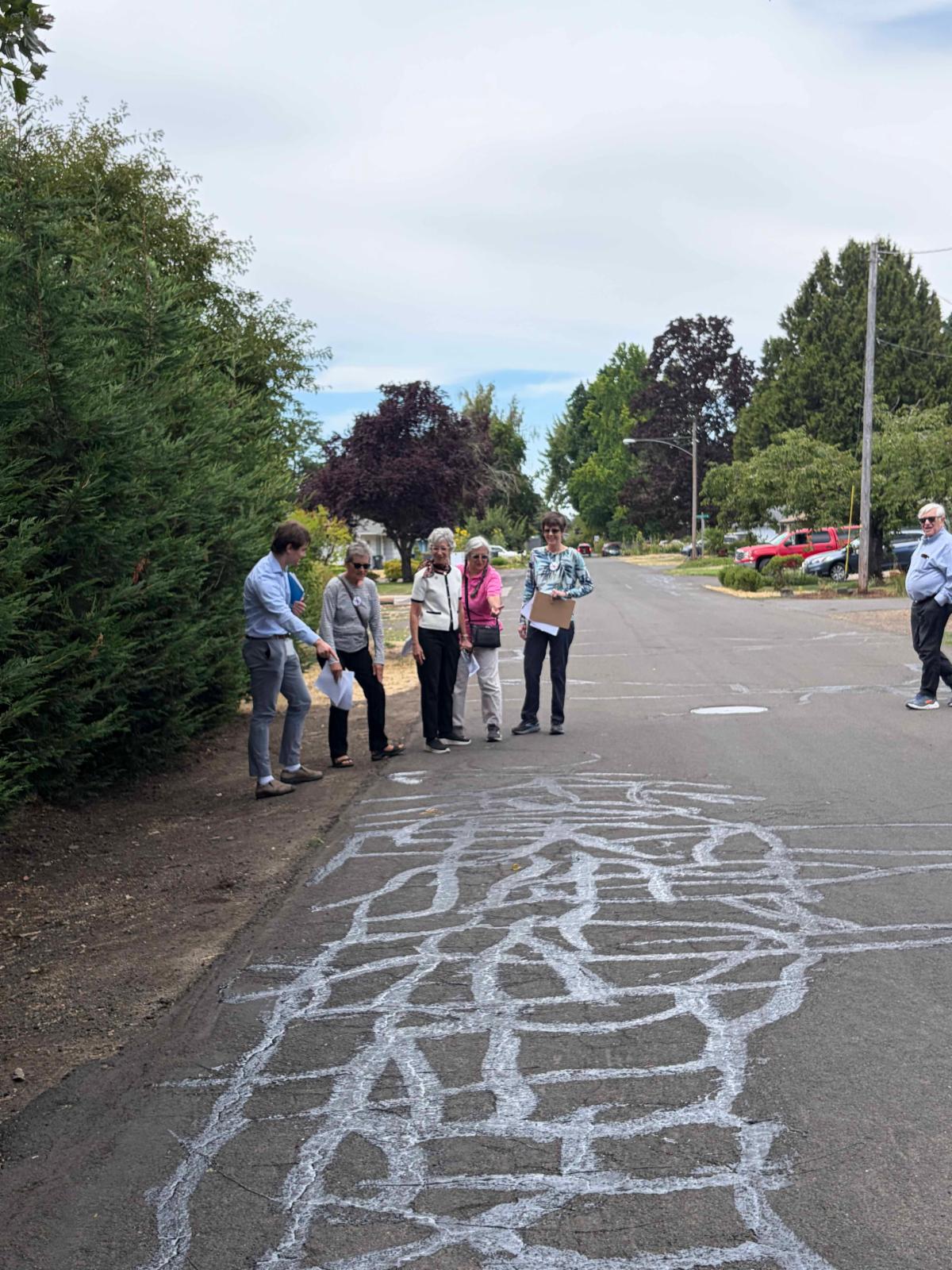
Local Access Roads (LARs) are unimproved roads which fall under a county’s jurisdiction, but which the county is not responsible for improving or maintaining (and is prohibited from using Statewide Transportation Improvement Funds to maintain or repair, except in a declared emergency). Homeowners, and owners of lots adjacent to LARs are stuck with the responsibility for maintaining LARs, which is very costly, and beyond the capabilities of most owners to afford.
In Eugene, there are 92 LARs serving 1,163 homes primarily in the River Road and Santa Clara neighborhoods. Of the 12 miles of LARs, 7.8 are through-streets.
Many homeowners do not realize that they live on a LAR, and either remain unaware, or find out when they request maintenance, and are informed by a county or city that it is the homeowner who is financially liable for upkeep. My position: Buyers should have the right to know if the home they are purchasing is responsible for the maintenance of adjacent LARs, in the same way they are informed of any easements or transportation maintenance agreements.
The city and county are engaged in discussions regarding annexation of the local access roads in the Santa Clara and River Road areas and jurisdiction and responsibility for future maintenance.
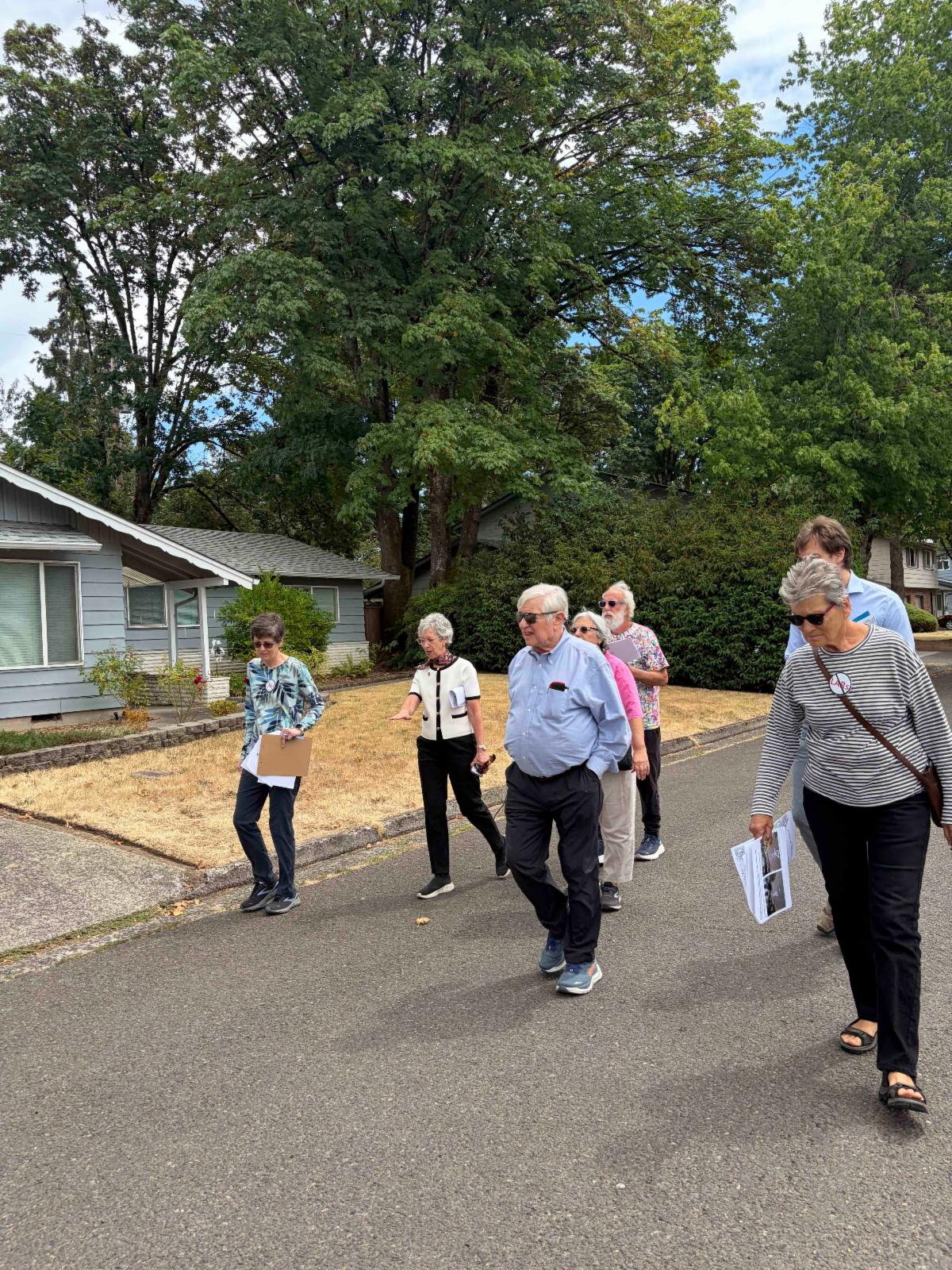
The pictures below were taken on a site visit to meet with River Road neighborhood residents about the status of their streets. Some are public access but built by a developer and not maintained by either county or city. I'm working with them on thorny legal and financial issues, and developing a legislative proposal to keep people from unknowingly facing these problems in the future.
A June 19 opinion piece in Lookout Eugene-Springfield explains, "Homeowners along these roads are asking for basic fairness. They pay the same transportation taxes that fund road maintenance as neighbors on county-maintained roads, and many live on roads that look and function exactly the same. Yet their taxes have helped maintain other county roads for decades while their own roads were excluded. They also face potential liability exposure. If someone is injured because of road conditions, homeowners could potentially be sued — yet according to State Farm, homeowners’ insurance does not cover public roads. Private citizens should not bear liability for public assets." See the news story in Lookout Eugene-Springfield.
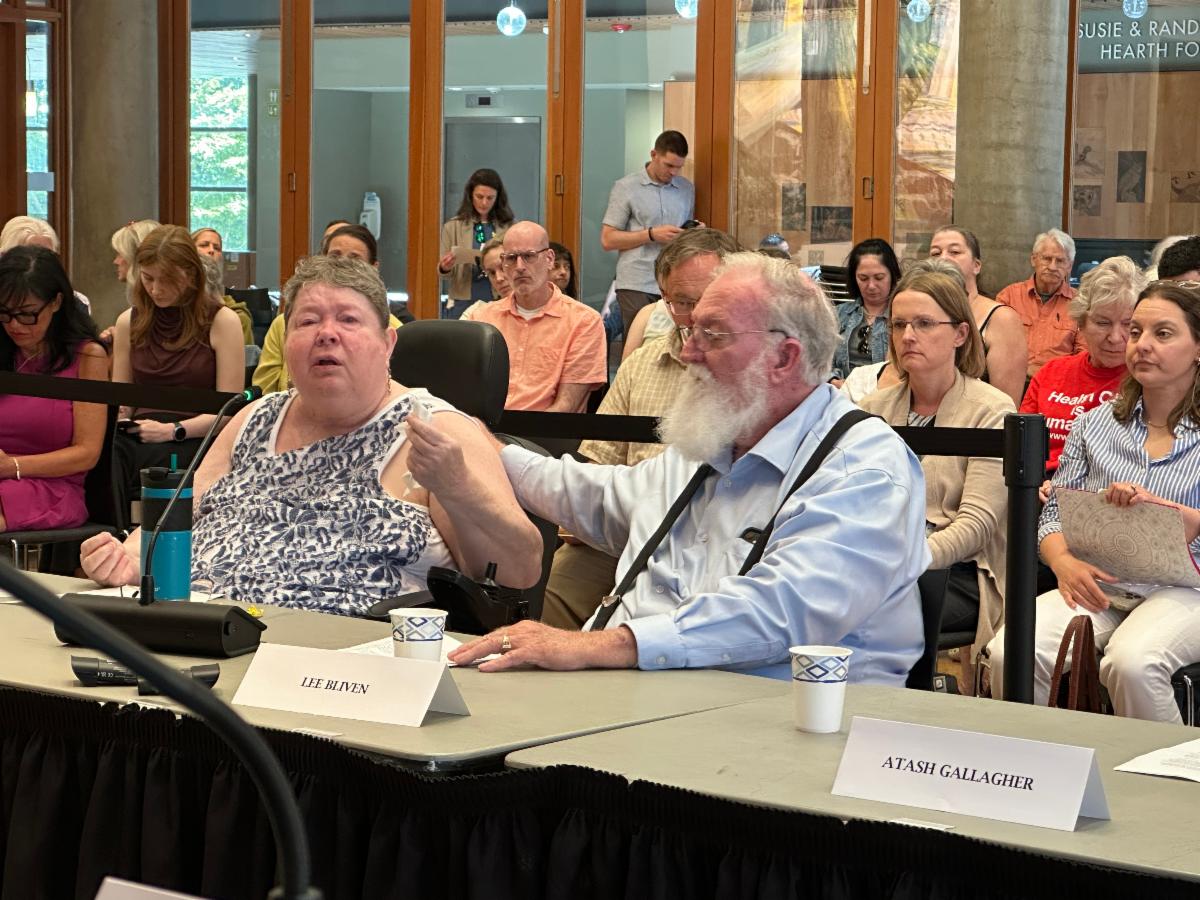
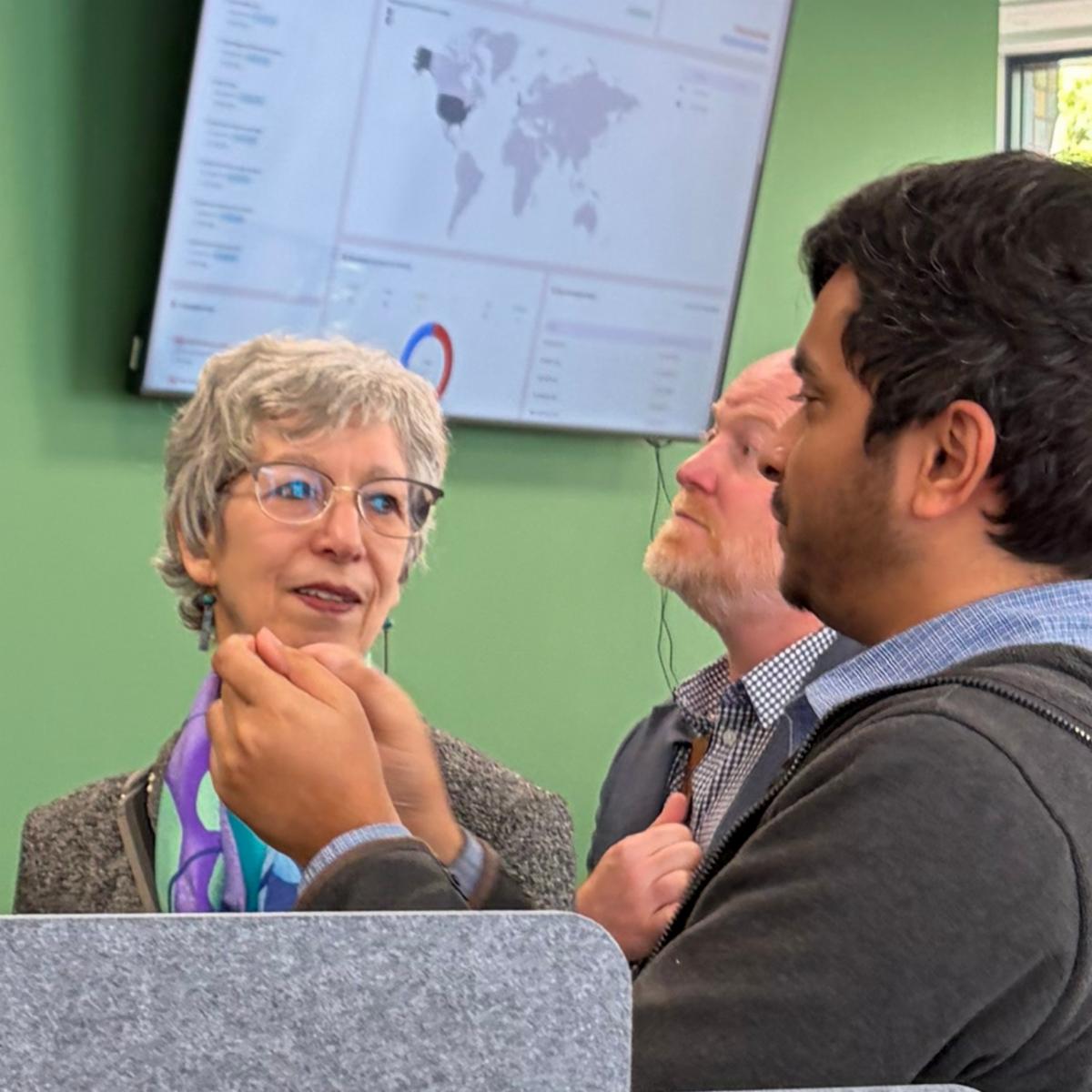
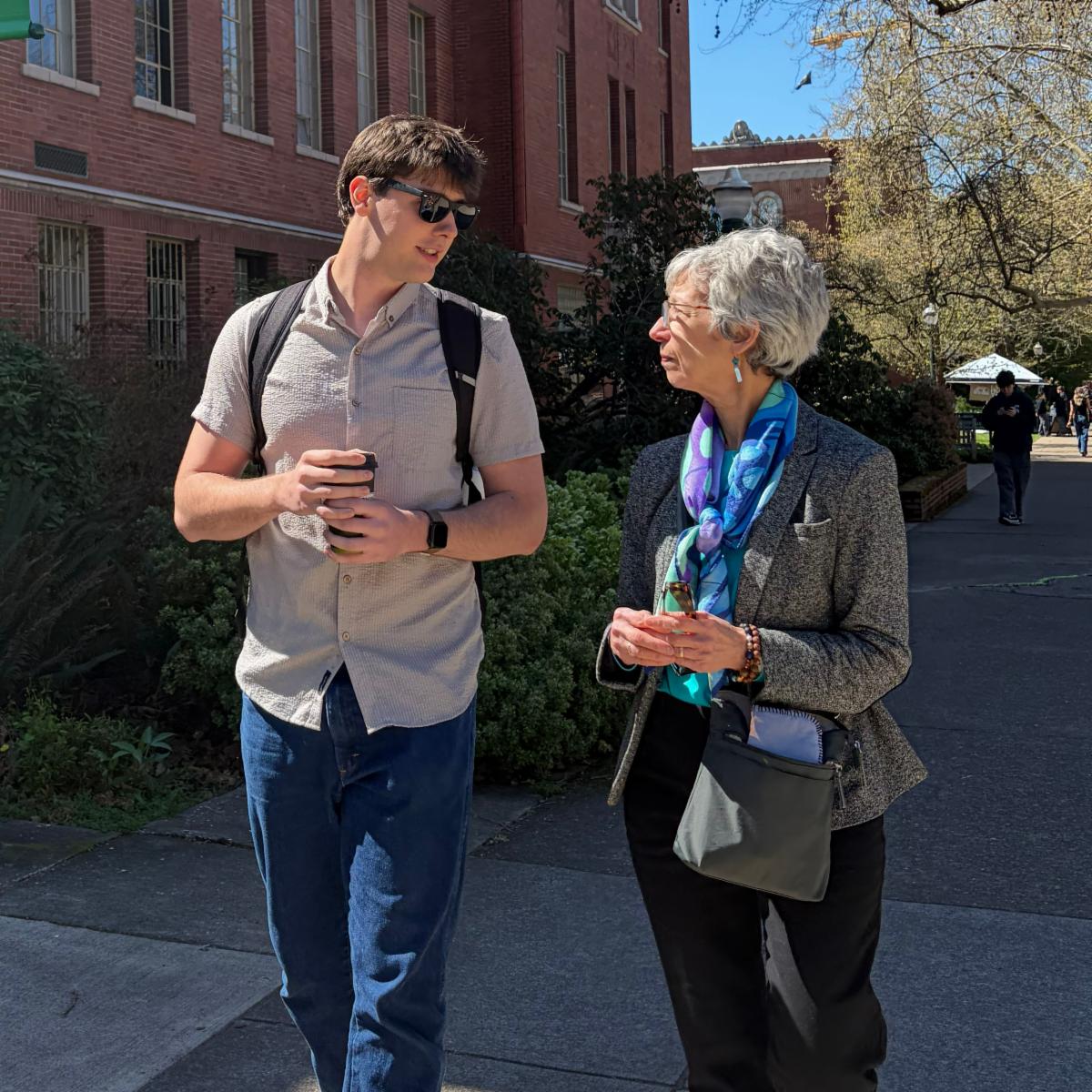
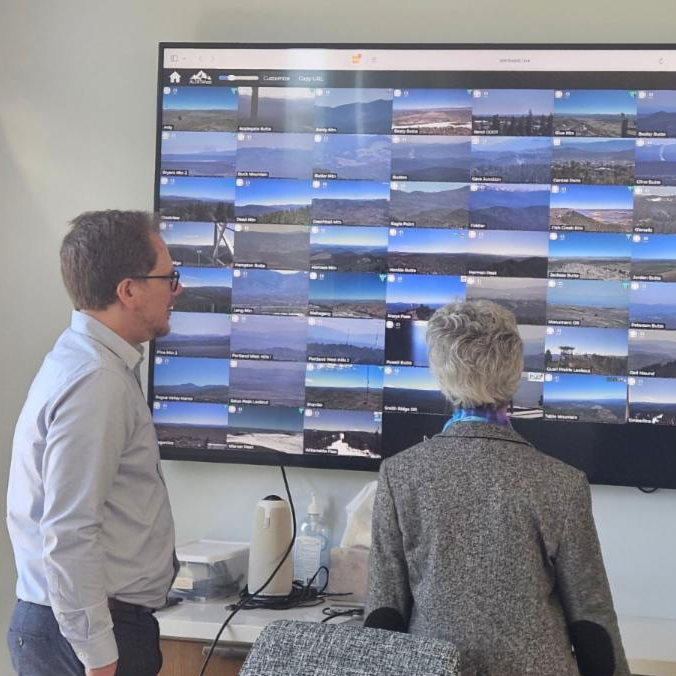
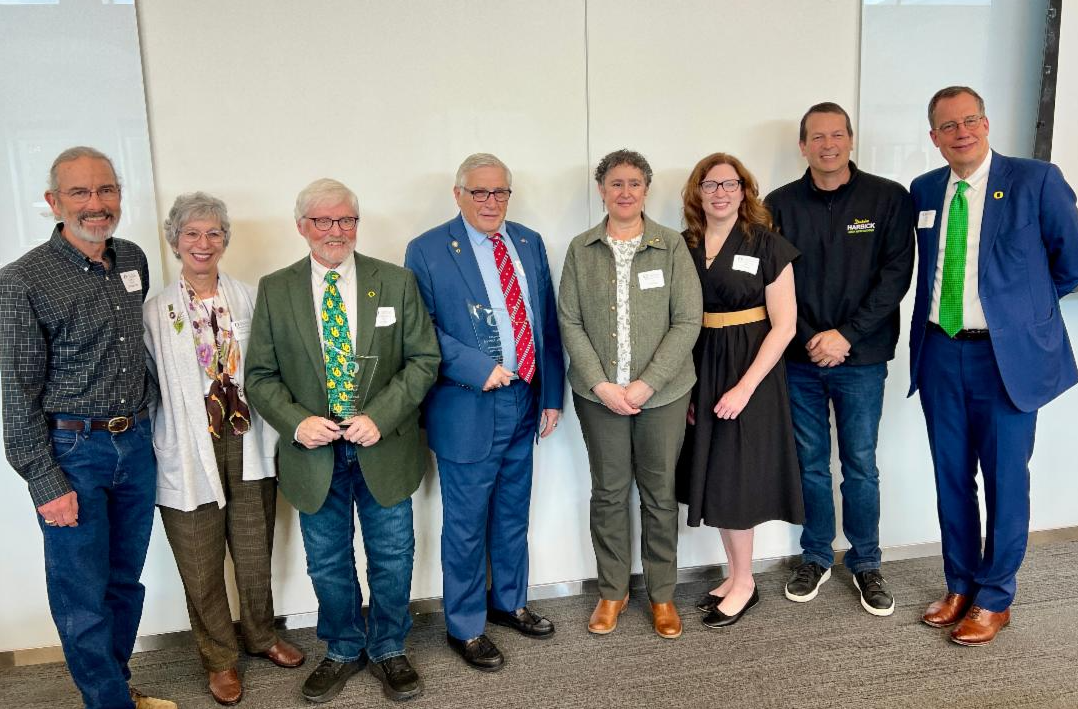
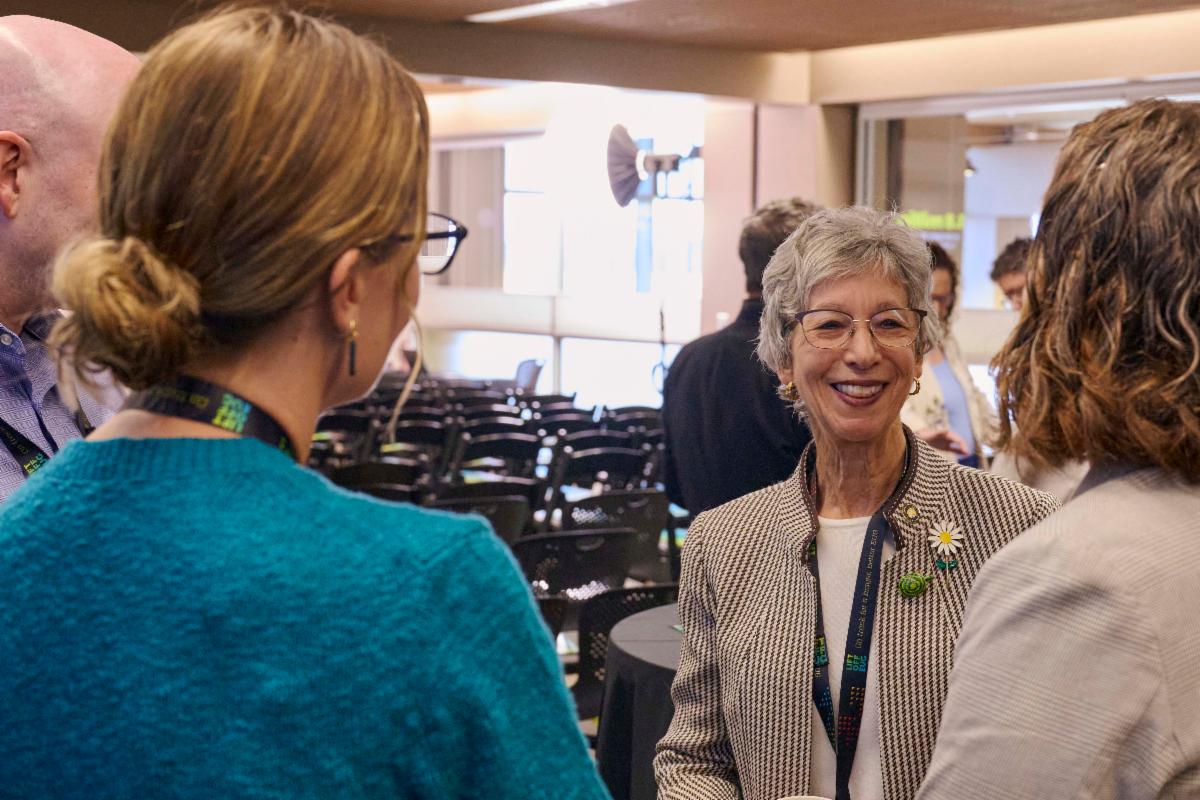
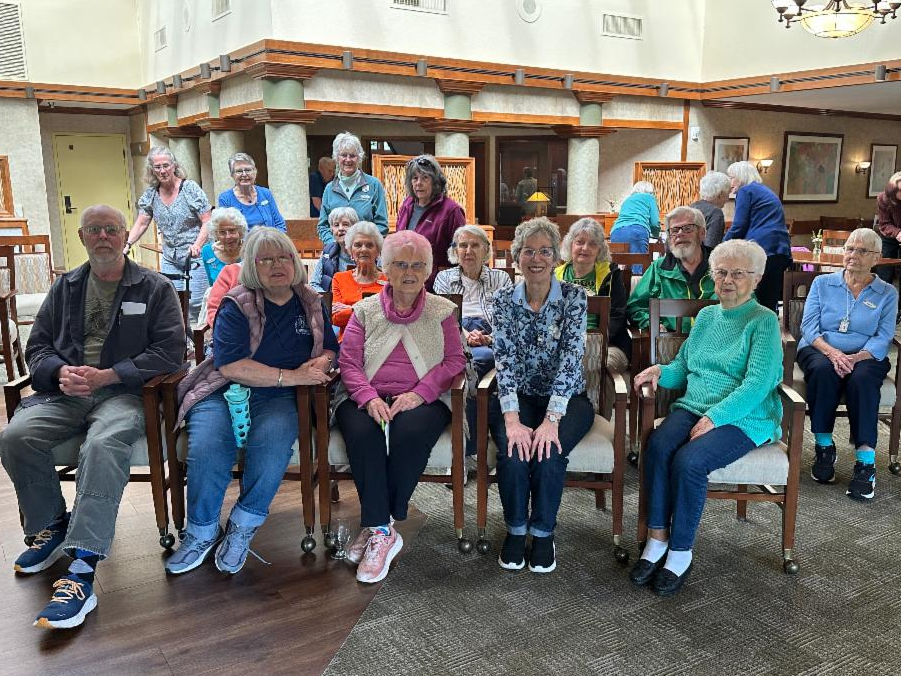
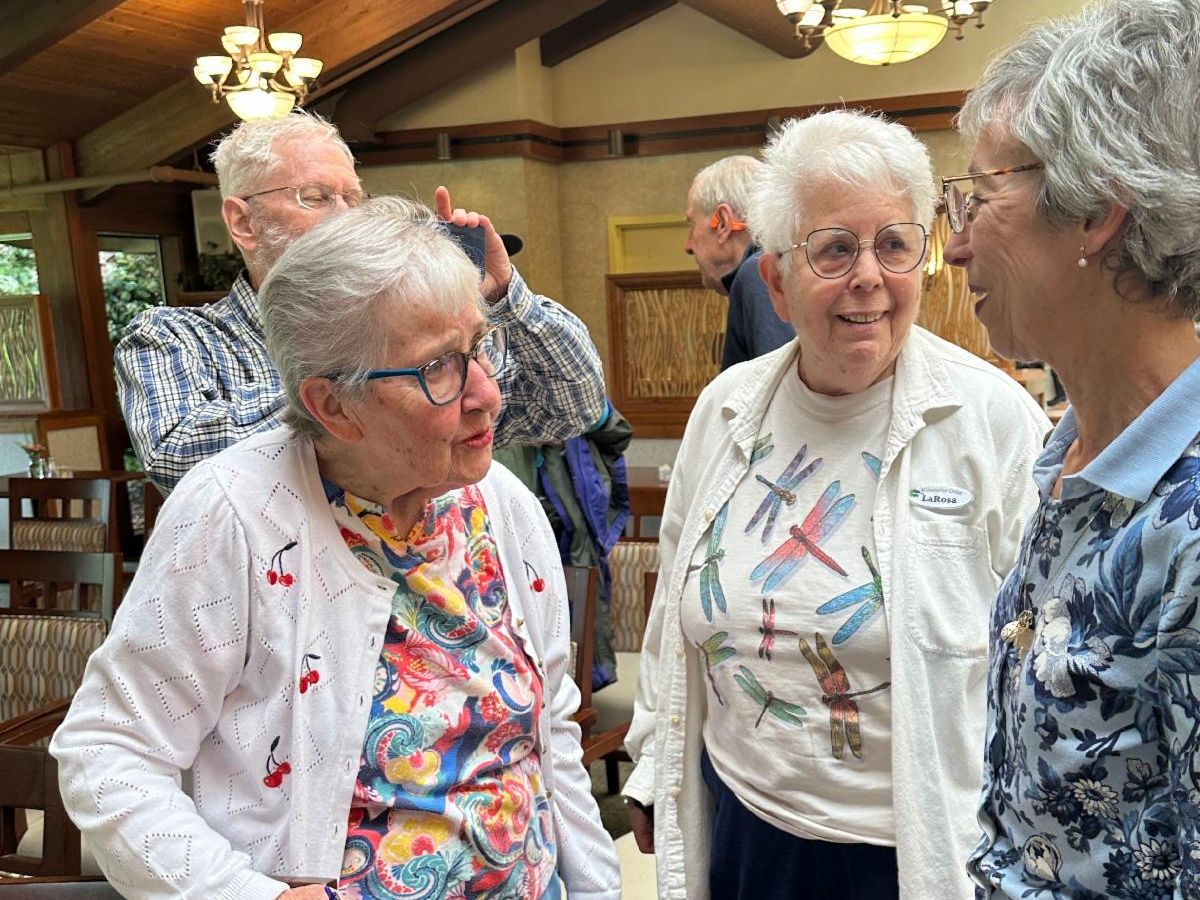
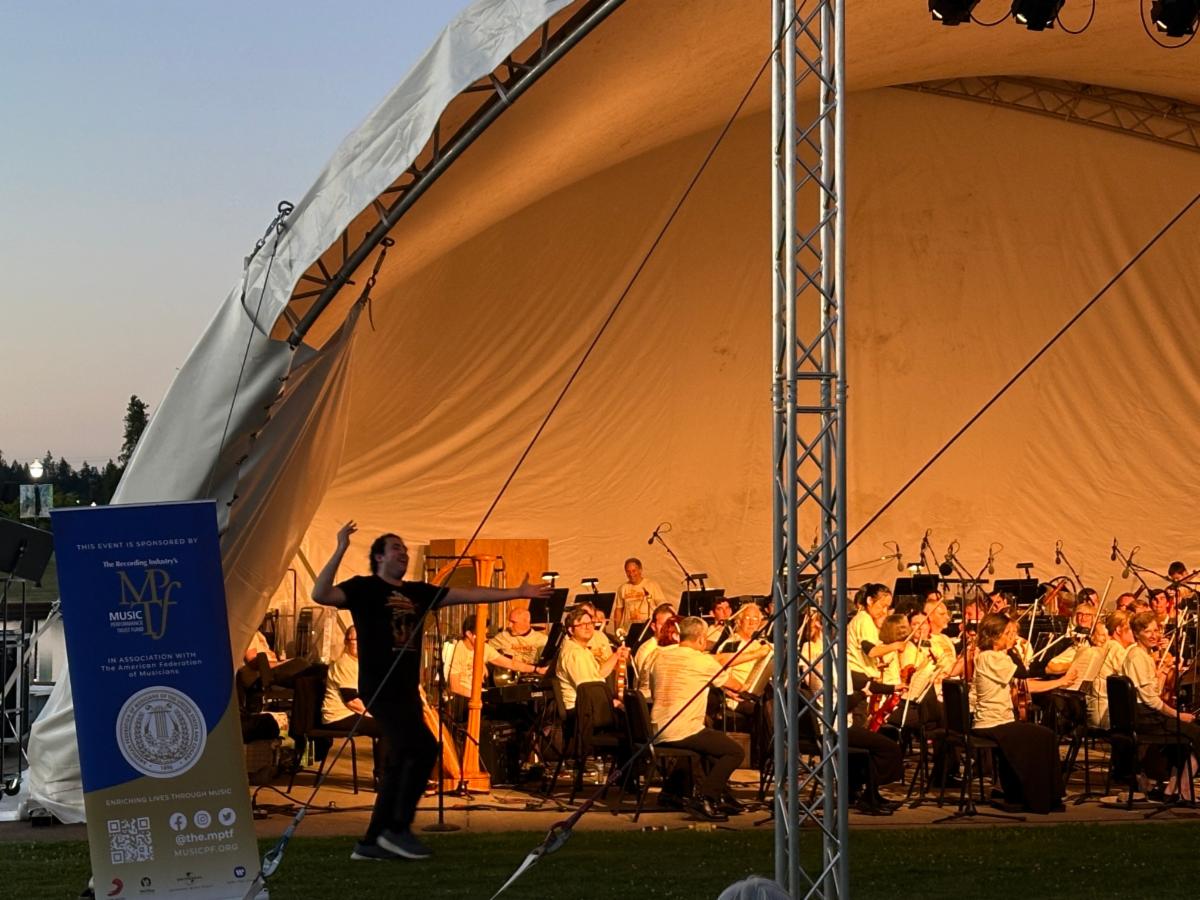
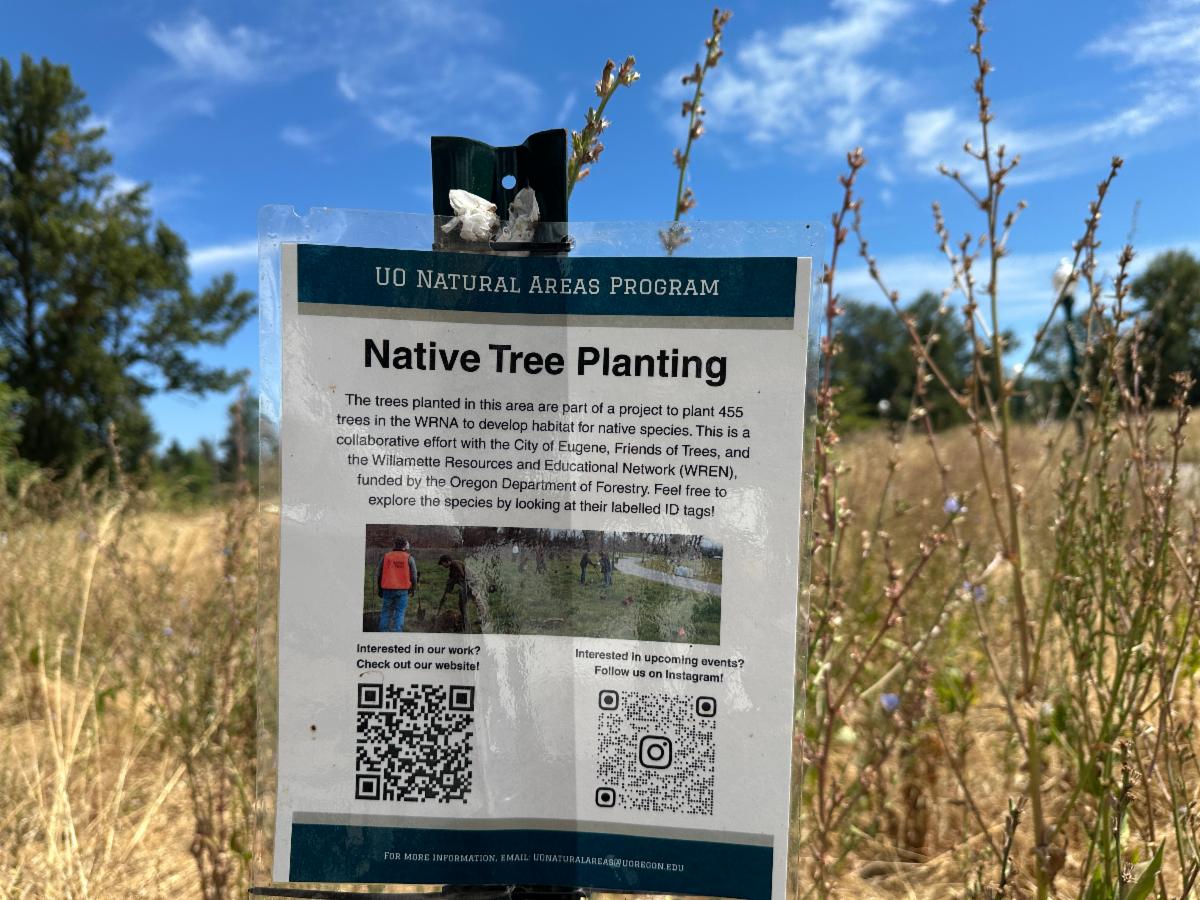
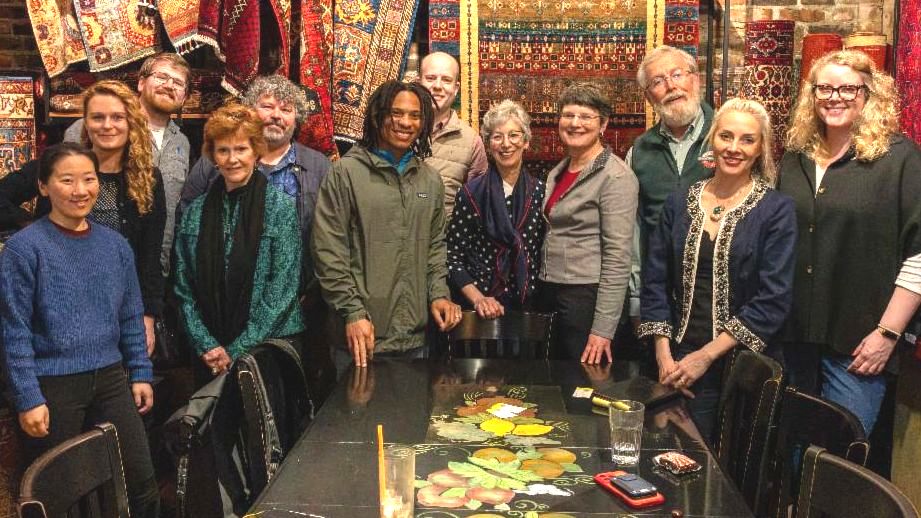
| | Field hearing: Reimagining health care in America | | Senator Ron Wyden held a field hearing in Eugene on "Reimagining Health Care for America." Nearly a dozen people testified about health care, health insurance, devastating bankruptcies, and delayed care. They included caregivers, students and adults living with chronic and disabling illnesses, an emergency room physician, and Planned Parenthood and public health representatives. My opening statement is posted on my legislative website. News story in Lookout Eugene-Springfield. | | Cybersecurity, Hazards Lab, and a student trustee | | A day on the UO campus: In the cybersecurity training room I talked with faculty about UO's Nurturing Inclusive Cybersecurity Education (NICE) Project. This program offers free courses for Oregon high schools to introduce students to the field of evolving world of cybersecurity. I watched a live view of the Hazards Lab's public access fire-spotting cameras and we talked about the Lab's role as a statewide program; the photo shows nearly forty views of landscapes around the state. I walked and talked with a UO student about student engagement on campus and on the Board of Trustees. At lunch with a UO assistant professor I peppered him with questions about dealing with AI affecting learning, writing, and testing and students' experiences navigating costs and pressures of college, and pathways for engagement in democracy and governing. | | UO event to recognize and thank retiring state representatives John Lively and Boomer Wright for their contributions to UO. | | Event to launch a major EUG airport expansion project. Adding gates will support regional economic development. Lift Off EUG update | | Visiting with Willamette Oaks residents | | Visiting with Willamette Oaks residents | | Meeting with a constituent about universal health care, marijuana regulation, and social media bureaucracy | | Eugene Symphony annual free concert
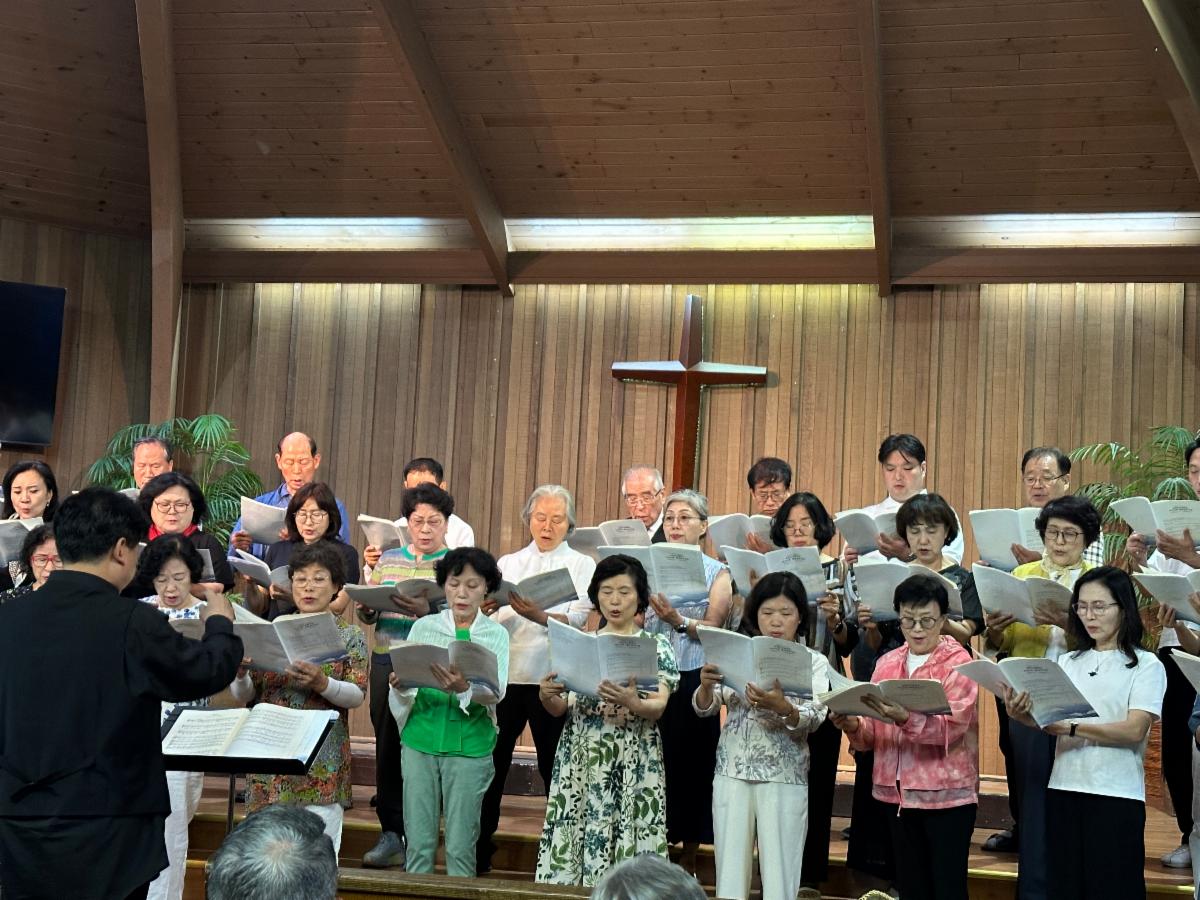
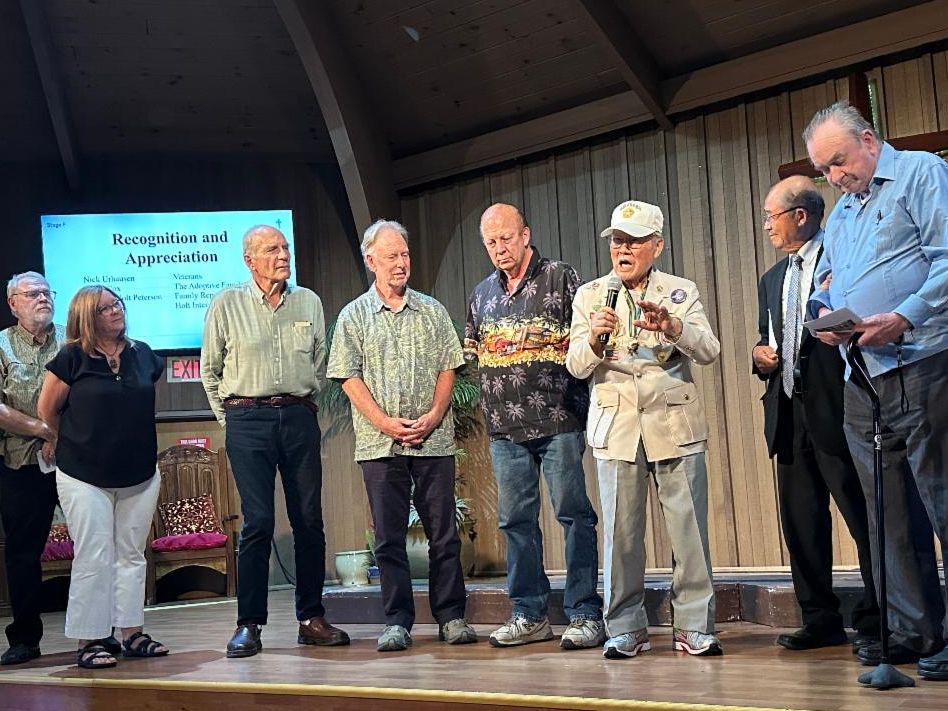
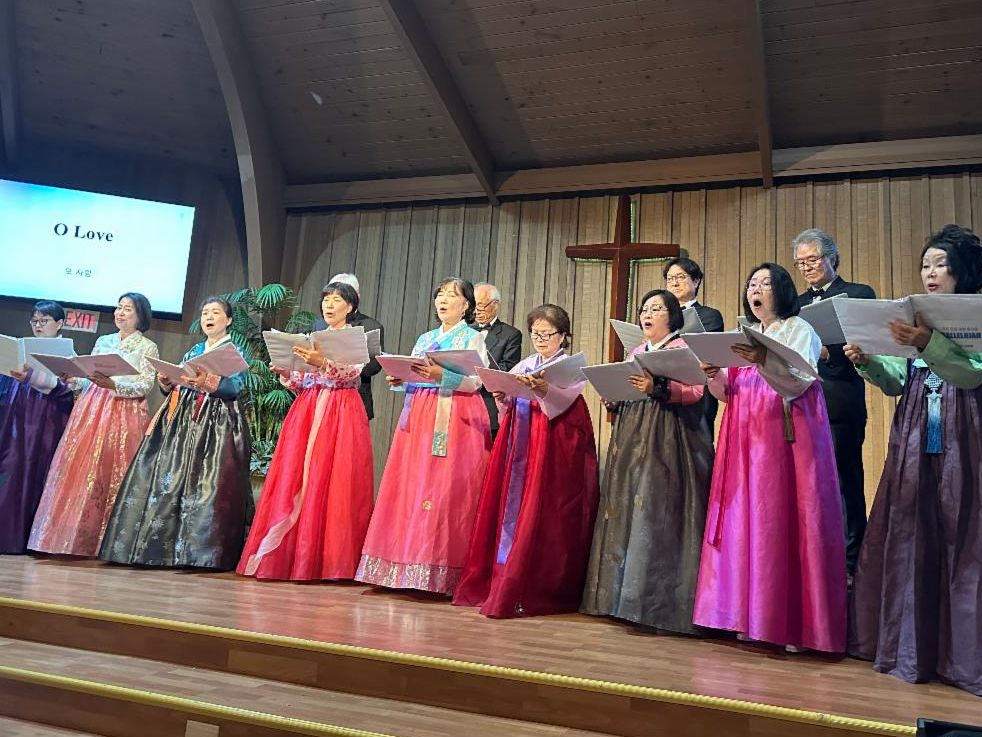
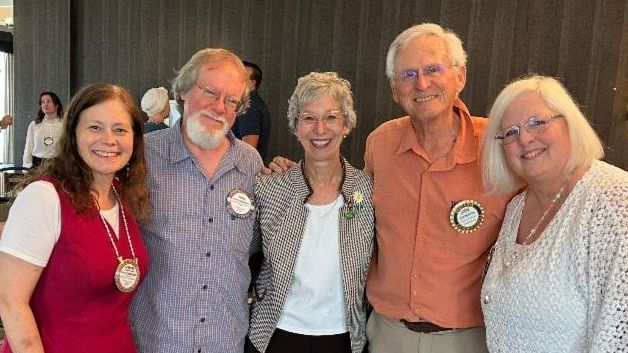
(Bohemia Park, Cottage Grove) | | UO looks after much of the natural area along the Willamette River between campus and downtown | | 28th annual Thanks Concert in appreciation of Korean war veterans and adoptive families. The concert and dinner celebrate Korean culture and heritage, and honor the veterans of the Korean War who fought and died to protect freedom and democracy for the Republic of Korea when it was invaded from the North, and the families who provided loving homes to the Korean children who were left without parents. Left: Principal Mission Choir visiting from Korea. Center: Korean War veterans and their families sharing memories. Right: Korean Central Church Choir. | | State Treasurer Elizabeth Steiner meeting with me and a dozen local community and business people | | Eugene Rotary Club downtown
(We talked about the direct and indirect impacts of federal actions on K-12 and higher education.) | | | | |