Dear Octet community,


A happy Easter to you! I have been thinking deeply about the Bible's accounts of Jesus' appearances in the forty days after His resurrection. In fact, my imagination has been going into orbit. I have been thinking about the transformation Jesus experienced in His resurrected form. He was still human—eating fish on the shore, showing His hands to Thomas and yet appearing in a locked room and vanishing on the road to Emmaus.


Recently, I read about the Heisenberg Uncertainty Principle in quantum mechanics, which states that it is impossible to measure certain pairs of physical properties—such as position (x) and momentum (p) simultaneously with arbitrary precision. The more precisely one property is known, the less precisely the other can be known. 


I couldn’t help but appreciate the similarities between Jesus' Eastertide appearances and the quantum world. He possessed a precise human location and was simultaneously boundless and unlocalized. May the awe and wonder of this season inspire your imaginations!

With hope,

Mia Chung-Yee

Executive Director

divider
section header: HIGHLIGHTS


  • An Easter Sunday sermon from our neighbors at Cambridge's Pentecostal Tabernacle.
  • Our friend Carolina tells us about her work building prosthetics in the Media Lab's Biomechatronics group.
  • A recap of our latest event on assisted dying.
  • And some faculty highlights . . .

An Easter sermon: The availability of Jesus

We love to feature sermons from our friends around Cambridge. This Easter, pastor Brian C. Greene of Pentecostal Tabernacle preached on the story of Zacchaeus, who received an unexpected house visit from Jesus.


Take a moment to listen to Bishop Greene's words on the ways the Christian story forms a map for life:

Recap: Diálogos on assisted dying

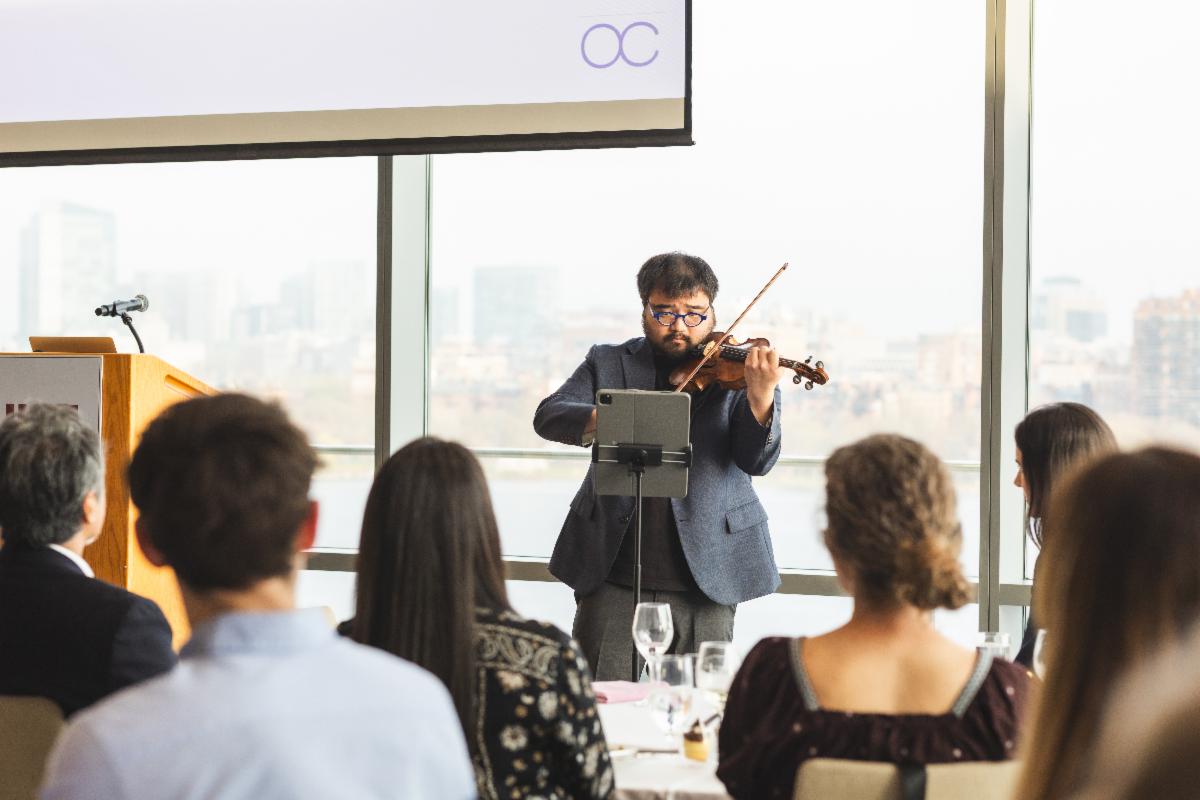
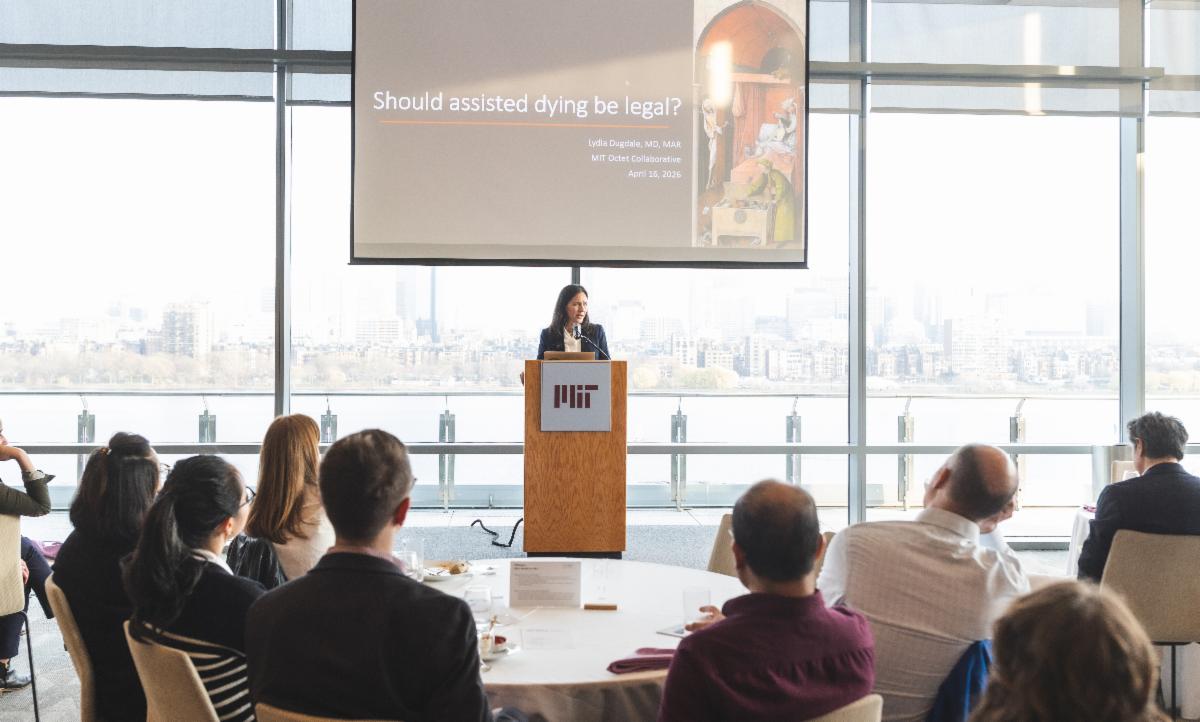
We were honored to host Dr. Lydia Dugdale for a Diálogos dinner asking: Should assisted dying be legal?


Dr. Dugdale has no room for easy answers here. During her lecture and discussion questions, she challenged us deeply: Who should make decisions about the end of life? How has the medical establishment failed the most vulnerable people?


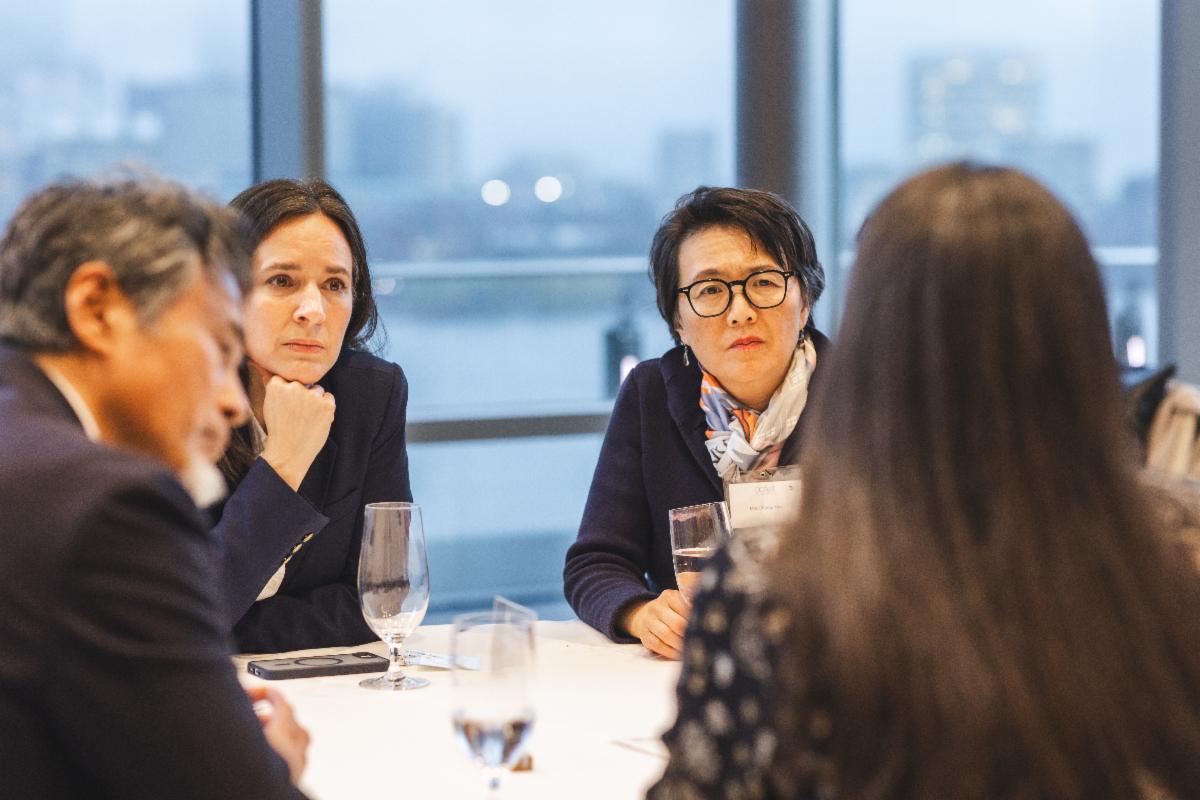
We were encouraged to see vibrant roundtable discussions: sharing stories, extending intellectual hospitality, wrestling through challenge together.


Next fall, we'll be back with more events tackling the hard topics. Thank you to all who joined us this year!


Interview: Carolina Warneryd, Biomechatronics, PhD

"It's really beautiful to see someone be able to do squats again, or kick a ball, when they lost their knee ten years ago."


That's Carolina Warneryd, who builds prosthetics in the Biomechatronics group at the MIT Media Lab. We sat down with her to hear more about how she sees God at work in research at MIT.


Life in a PhD is busy and can be, frankly, disenchanting. What keeps her going? "I absolutely believe that God is the source of all these breakthroughs."


Celebrating our faculty friends

All around MIT, our faculty friends are building and dreaming for human flourishing.


  • Read about Matt Jones' work using machine learning to combat tumors.
  • Read about Katie Galloway's Search-and-Rescue project for cell programming.


Contemplative Prayer Lunch continues


Each Wednesday, MIT staff, students, and faculty gather to eat lunch and practice contemplative prayer together. Please feel free to join us at noon in W11's Main Dining Room.


Want to join us? Text JOIN to (833) 459-3187 to receive details by text. Or reply to this email to get email reminders.


Consider a gift to Octet


We're supported by generous individuals and grants. Did you know that you can give to Octet through the MIT Fund? If you're already giving to MIT, we'd love for you to consider designating some of your gifts to Octet. Monthly gifts are especially helpful!


We are especially grateful to share that we raised $31,000 on this year's Pi Day Campaign — transcending our goal of $10,000! A million thanks to all who gave to support flourishing at MIT.

Facebook  Instagram  LinkedIn