Looking back on a busy year
Our mission is to conserve native species and habitats through
restoration, research and education. Our vision is a world where all people and wildlands are healthy and interact positively, biological diversity flourishes, and environmental challenges are met with a social commitment to solving problems with scientific principles.
And we need you to support conservation. To join us in our work,
"Remember that the happiest people are not those getting more, but those giving more."
-H. Jackson Brown Jr.
|
|
|
|
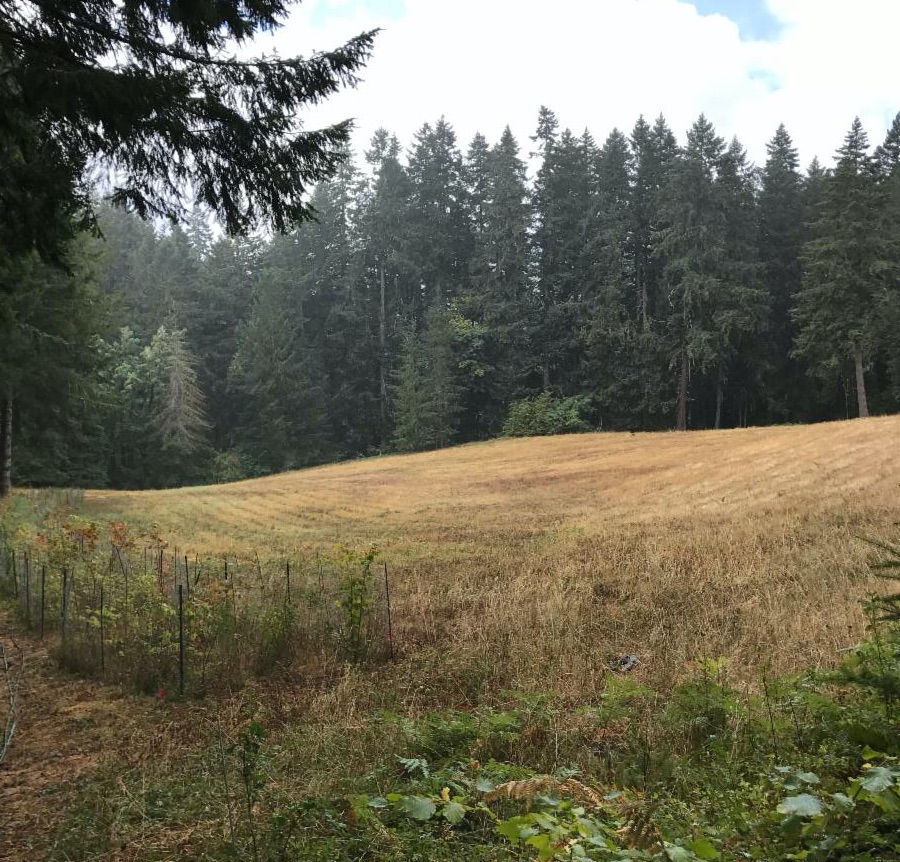
A meadow you’ll see on the Corvallis-To-The-Sea Trail |
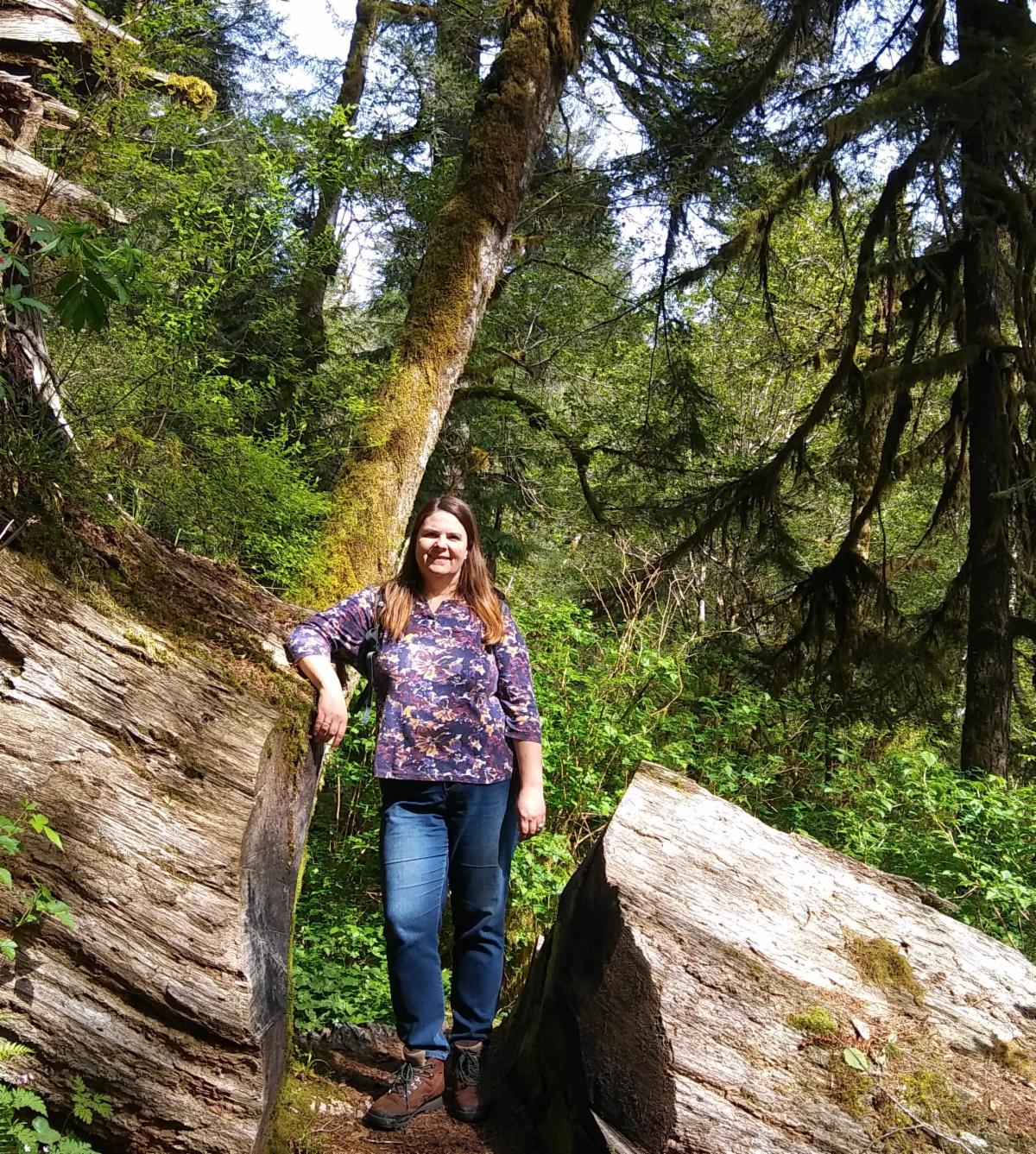
When I began working as a Restoration Ecologist at IAE in 2017, the first project I was assigned to was Old Peak Meadow near Corvallis, Oregon. Many folks in the Corvallis area probably have not been there, or even heard of the meadow, even though it is in the Corvallis Watershed. My guess is that will change soon as the newly-opened C2C Trail (Corvallis-to-the-Sea Trail) passes right by Old Peak Meadow. I thought it would be nice to describe some of the restoration work underway and what you will see at the meadow this spring. So, without further ado, welcome to Old Peak Meadow. Read More
|
|
|
|
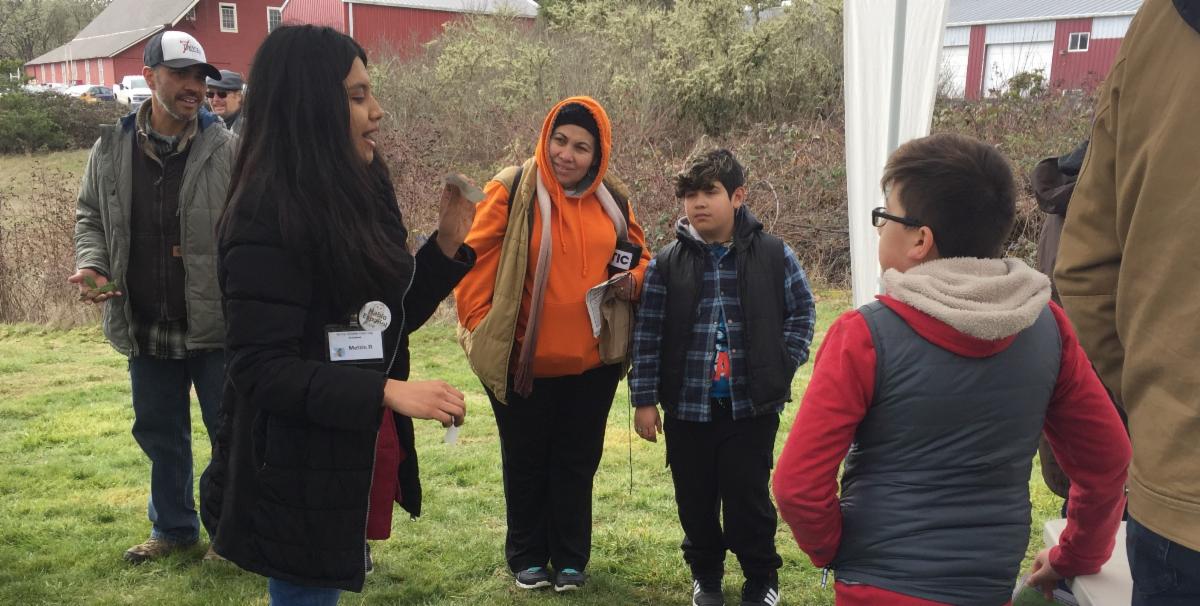
Leading a Cultural Change: Willamette Valley Refuges Focus on Reaching All Audiences
|
Guest post by Brent Lawrence, Public Affairs Officer for the U.S. Fish and Wildlife Service's Pacific Northwest Region
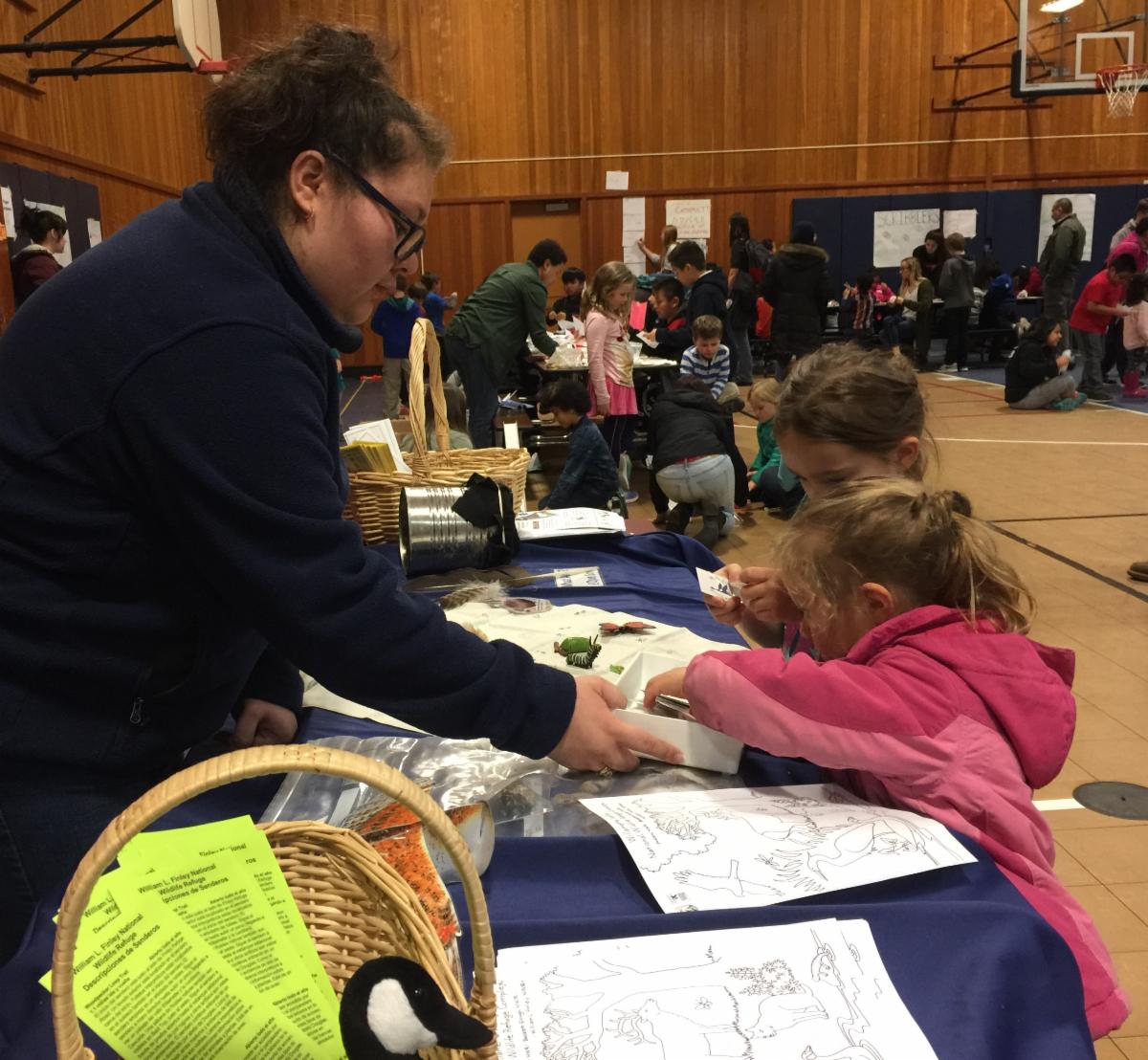
Samantha Bartling knew something was missing from the trails at the Willamette Valley National Wildlife Refuge Complex.
The three refuges in the Willamette Valley National Wildlife Refuge Complex – Baskett Slough, Ankeny and William L. Finley – are well used and loved by many people. The refuges, located along the Interstate 5 corridor and between Eugene and Salem in Western Oregon, attract more than 320,000 visitors annually.
What was missing? People of color who reflected the diverse local population.
People of Latino heritage comprise about 25% of the population in the communities around the refuges, but few members of this growing audience were finding their way to these public lands.
“I could tell that the people who were visiting the refuges weren’t representative of the diverse communities who surrounded it,” said Bartling, visitor services manager for the Willamette Valley NWR Complex. “I asked myself how we could provide a visitor experience for the whole community. If I don’t see more of my local community here, how can I change that?”
|
|
Staff Spotlight: Jennifer Butler
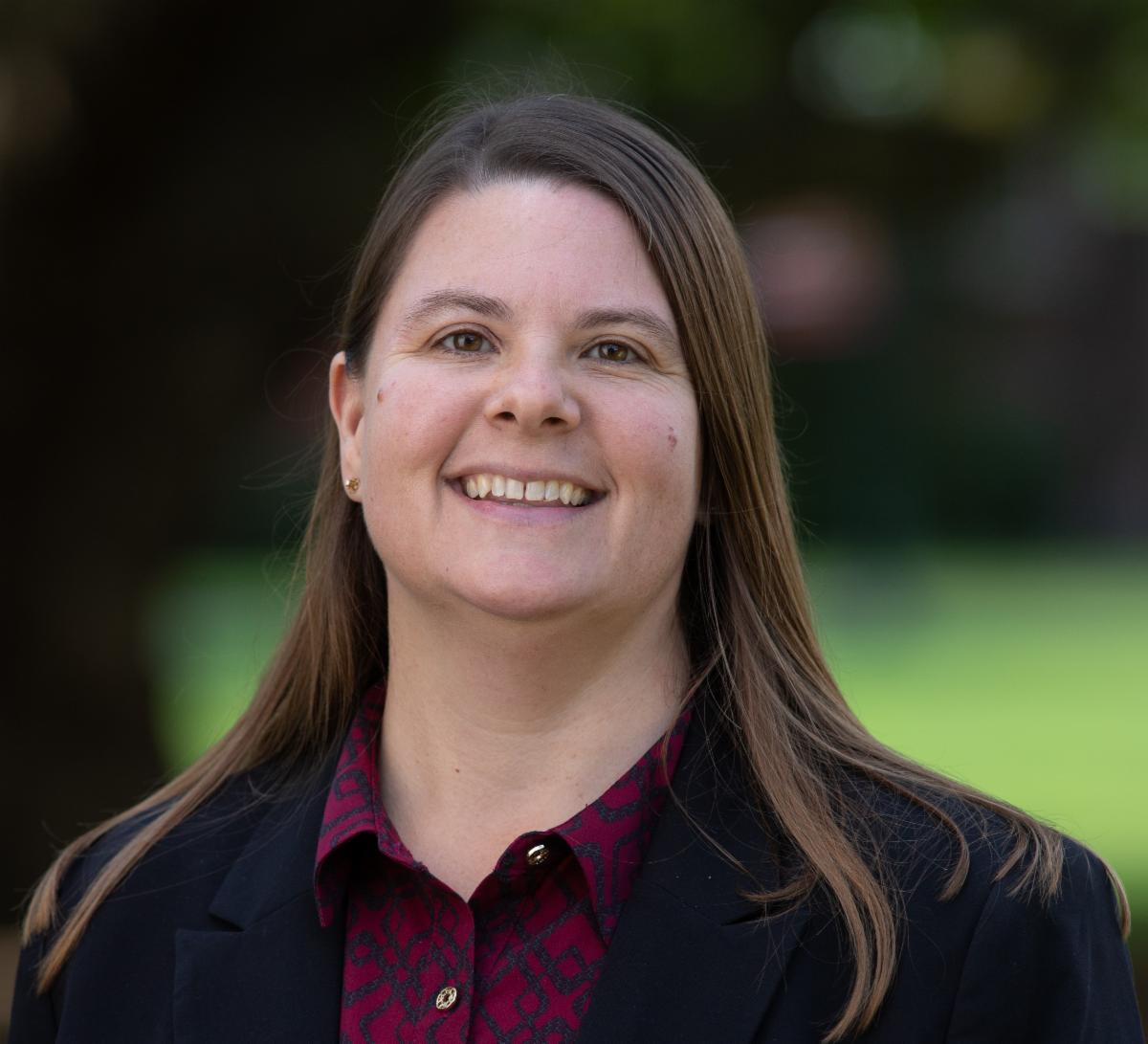
IAE is so grateful to have a new Deputy Director! Jennifer Butler recently took this second in command position, and it has been wonderful getting to know her. We recently asked her about her experiences:
IAE: Can you point to an experience or event that sparked your interest in a career in ecology?
JB: My passion for native plant conservation was sparked by an undergraduate summer research opportunity at Willamette University. I participated in a Long Term Ecological Research (LTER) project at Cascade Head, a UNESCO Biosphere Reserve on the Oregon coast. As a member of a research team, I collected data on rare plant demographics and every day during my lunch break I marveled at the amazing opportunity to contribute to important work while gazing out over one of the most beautiful views I’d ever seen.
IAE: In your previous work with students, what was one lesson that you coordinated that helped to encourage students into biological careers?
JB: Whether with college students or 5th graders, field trips to natural areas including local wildlife refuges, tidepool habitats, or Oregon’s high desert was where I often saw students discover a passion for ecology. The awe and wonder of the first time they saw a bald eagle, black-tailed deer or an old growth forest often inspired curiosity about the world around us, an important early step in pursuing a career in ecology.
Jennifer manages day-to-day operations while working closely with the Executive Director on organizational management. Her natural resources background has included work on rare plant conservation, invasive plant removal, native plant propagation and restoration, science outreach and teaching biology. When Jennifer is not busy at IAE, she enjoys spending time with her husband Jorge, hiking, kayaking, wildlife-watching and enjoying the natural world. Welcome, Jennifer!
|
|
|
Announcements & Brief Updates |
|
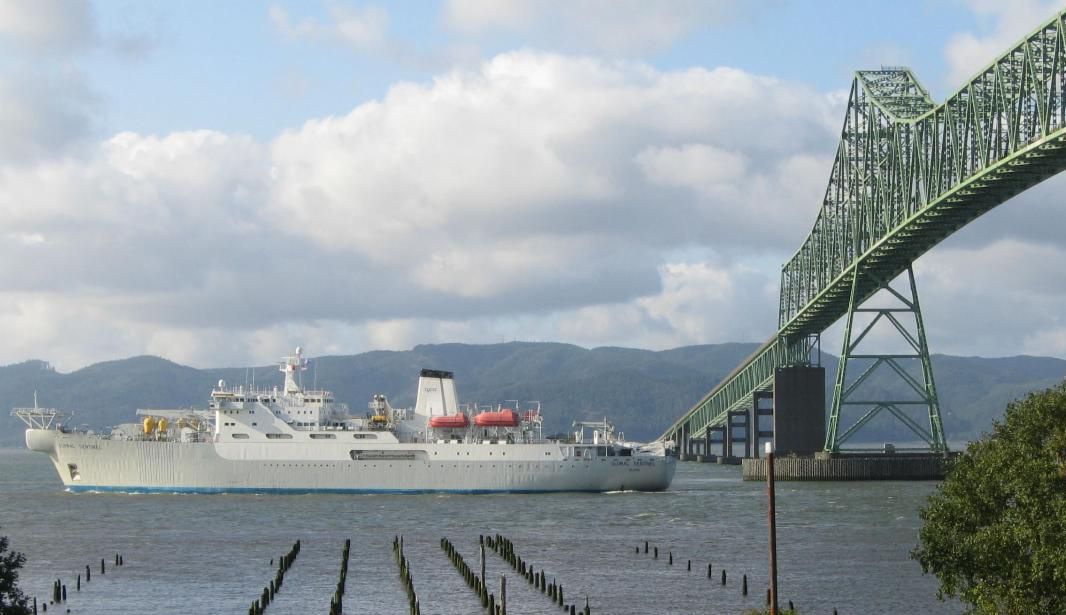
Laura Brophy, ETG's director, is working with a team that's mapping physical features in the Lower Columbia River estuary. The team, which includes scientists from the Pacific States Marine Fisheries Commission and the Oregon Coastal Management Program, is using aerial photos and GIS data from many sources to map natural features like channels, sand bars, sloughs, and beaches, as well as man-made structures like dikes, roads, railroads, docks, and marinas. The maps will be a valuable resource for understanding human impacts and planning for climate change resilience. At right, a ship passes under the Megler Bridge in the Lower Columbia River estuary. Photo by Laura Brophy.
|
|
|
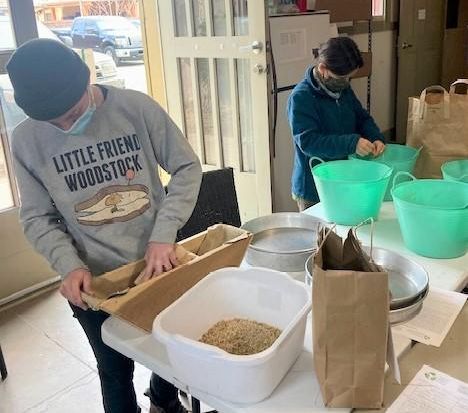
Welcome rain in New Mexico over the summer of 2021 resulted in an unprecedented volume of wild collected seed for the Southwest Seed Partnership. Great news, but extra seed means extra seed to clean. The Southwest office has been hosting a series of Seed Cleaning Volunteer Events which are really helping us get this seed cleaned and into storage in a timely fashion.
Contact Taylor Cain if you are interested in joining us - training provided. Thank you volunteers!
|
|
|
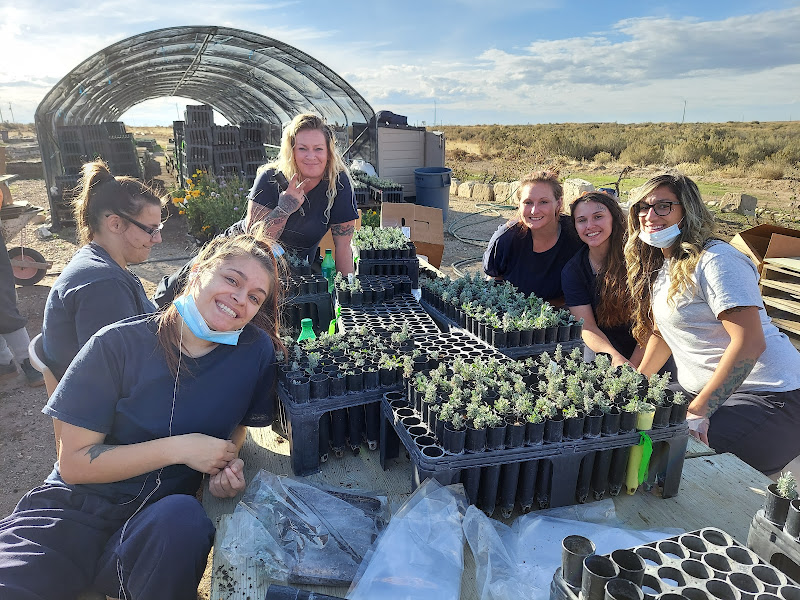
Two large wildfires that stripped the landscape of sagebrush have had help recovering with sagebrush seedlings from the South Boise Women's Correctional Center. The Cat and Soda Fires, both in Southwest Idaho, received a combined total of approximately 25,500 sagebrush seedlings from SBWCC. The women persevered through numerous difficulties this summer ranging from Covid quarantines to soil fungus outbreaks. An enthusiastic crew wrapped up the season by boxing up the plants for delivery to the Bureau of Land Management and Idaho Department of Fish and Game.
|
|
|
Virtual Plant Materials Conference
January 12 & 13, 2022
|
This conference will bring together native plant producers, restoration ecologists and practitioners, and seed researchers to discuss progress and challenges related to increasing the supply of ecologically-appropriate native seed. Author Doug Tallamy will present his work on the nature of oaks and Olivia Messinger Carril will present her work on pollinator networks. The conference will also include expert speakers and seed producer panels from the Pacific Northwest and Southwest.
The Willamette Valley Native Plant Partnership and the Southwest Seed Partnership, two regional plant materials partnerships coordinated by the Institute for Applied Ecology, have come together to host the 2022 Native Plant Materials Virtual Conference. Registration fee ($40) includes links to live conference webinars on January 12 & 13 (Zoom via Whova), speaker bios, detailed agenda, and networking opportunities. Read More
|
|
|
Does your employer support the Earth? |
IAE is proud to partner with EarthShare, a federation of leading non-profit environmental charities, making it easy for Oregonians to share the responsibility for our environmental legacy. An easy way to support our restoration, research and education work is to give through your employer's workplace giving program. Many workplaces allow donations from your paycheck via EarthShare; ask your employer to set up an account. Some will even match your donation. If you have questions, please send us an email at info@appliedeco.org.
|
|
|
IAE Board of Directors:
Ken Bierly, President; Brandy Humphreys, Vice President; Cary Stephens, Secretary; Jack Halsey, Treasurer; Jason Bradford, Anne Bradley, Shinji Kawai, Judy Li, Carol Savonen, Sunia Yang
|
|
|
|
|
|
|