|
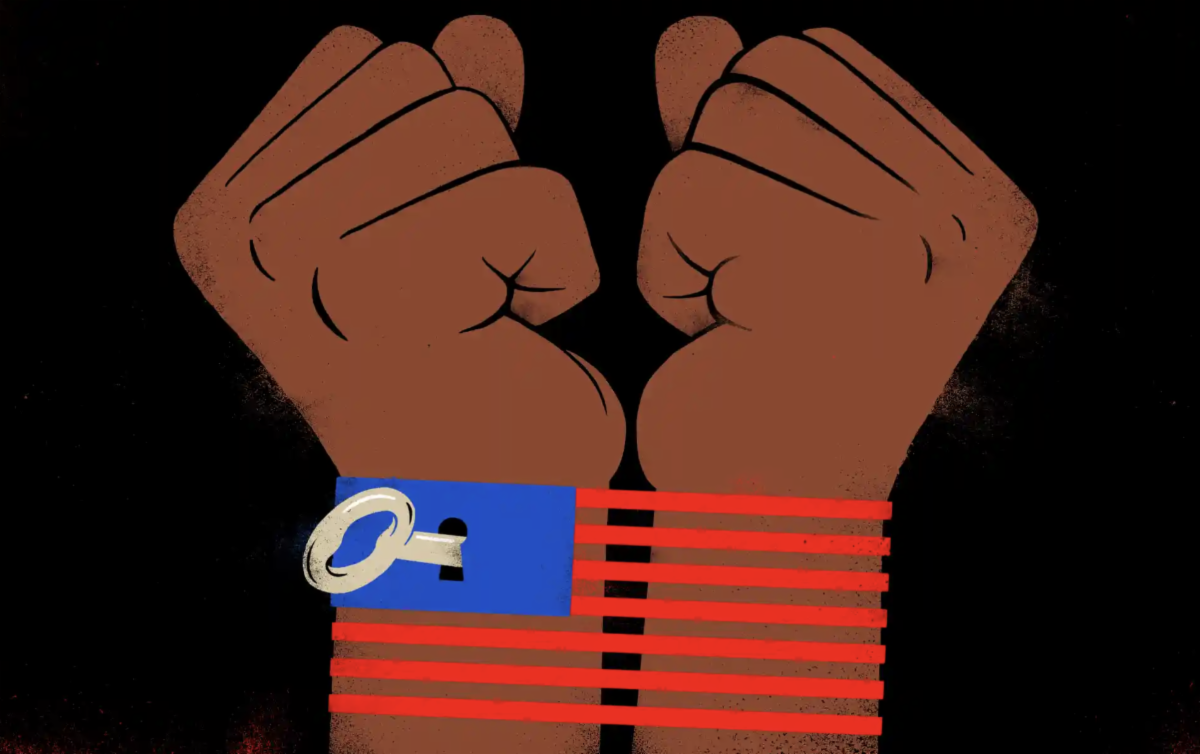
Dr. Coleman will be hosting a 14 week course through IUPUI that is open to anyone who would like to attend. You are all invited to join Dr. Coleman and his core group of IUPUI scholars on this learning journey. There is no requirement to sign up, and while regular attendance is preferred, drop-ins are welcome. All readings and materials are free and available online. The course description is below. Please feel free to forward this email to anyone in your networks you feel might be interested.
A Prison Abolition Study Group: Tuesdays 6pm-8:40pm
17 January–25 April 2023
Reading Schedule with Texts: https://martcole.wixsite.com/abolitionreadings
This fourteen-week study group will examine prison abolition as a response to the pervasive
harms of the prison industrial complex. Abolition differs from reform by attacking root causes of
harm, which can lie in economic systems, policing regimes, or enduring historical injustices. We will consider how its various components exploit race, gender and sexuality, and national borders to both expand the reach of prisons and reinforce traditional social divisions. Prisons also may be used to suppress political dissent, and we will learn about political prisoners and prison resistance in the U.S. (including Indiana). However, the situation includes significant opportunities for us to practice abolition ideals in our everyday lives. Our fourteen weekly meetings will consider these topics in conversations about assigned texts as well as in-class short readings and video viewings.
|