The Wyoming Health Council works to ensure that all people can access equitable, inclusive, high-quality, and affordable reproductive and sexual health care. | |
|
As we step into a new year under a new presidential administration, we recognize that changes in leadership can bring both challenges and uncertainties. At the Wyoming Health Council, one thing remains clear and unwavering: our belief that all people—regardless of income, identity, or hometown—deserve access to safe, unbiased, and high-quality sexual and reproductive healthcare.
Every day, we work toward this vision by providing essential services through our dedicated network of Title X clinics across Wyoming. These clinics stand as pillars of care, offering compassionate and confidential support to those who need it most.
No matter what changes may come, our commitment to the people of Wyoming is steadfast. We will continue to advocate for and provide access to vital sexual and reproductive healthcare, empowering individuals to make informed decisions about their health and their futures.
Thank you for trusting us to be a part of your care. Together, we will navigate this new chapter with resilience and determination.
— Wyoming Health Council
| |
|
15 Sex Positions That Will Bring You Lots of Holiday Cheer
This time of year, if it isn’t holiday-themed, you’re not interested. Latté? Pumpkin spice or peppermint, please. Earrings? Jingle bells or bust. Your laptop? So covered in fake snow, the keys have all jammed. Oh well! That’s called holiday cheer, mofos.
Don’t let your obsession with all things winter wonderland stop before the bedroom. Commit to your fa-la-la-la-lifestyle by adapting your favorite sex moves for the most magical time of the year. We guarantee* your partner will be into it.
So strip down to your long johns and get those snow boots a knockin’ — because these sex positions are sure to light a fire in your hearth. You'll never think of mall Santas or the Grinch in the same way again.
*We do not.
| |  |
|
25+ Sexy Gifts to Heat Things Up Well Beyond The Holiday Season
The holiday season has finally arrived, making it the perfect time to add a little extra sizzle to your celebrations. Whether you’re treating yourself, spicing things up with a partner, or bringing some cheeky joy to a friend, sexy gifts like toys, lingerie, and massage oils can be a delightful way to spread some holiday cheer. From tantalizing accessories to playful games, these sexual wellness add excitement and connection to cozy winter nights. Who doesn't want more of that?!
If you're ready to turn up the heat with a gift that will spark joy long past the holiday season, we’ve curated a list of over 25 unique presents guaranteed to thrill. These goodies aren't your average sexy stocking stuffers—there are luxurious massage candles, rumbly vibrators, and chic lingerie that feels as good as it looks. With options to suit every taste, you'll find the perfect gift for anyone on your list, each item designed to bring joy, intimacy, and a touch of adventure. So, get ready for those unwrapping moments that will have everyone saying "Ohhhhhh" with a capital O—these are the best sexy gifts that keep on giving (and giving and giving).
| | |
STIs Are Rife Over The Holidays. Here's How To Keep Yourself Safe
Ensure safe sex is part of your festive sex life, and keep yourself and those around you health.
Let’s face it, sexually transmitted infections (or STIs) are probably not the first thing to come to mind when you think of Christmas. But it may come as a surprise to know that STI acquisition (the fancy term for getting an STI) rises during the festive period, thanks to good old holiday horn.
Certain STIs, including genital herpes, gonorreha, and chlamydia are on the rise in general during recent years. But, each year, the festive period proves to be a bit of a hotbed (pun intended) for STI swapping.
After all, it’s the time of the year when parties, socializing, and get-togethers are far more frequent. And most allosexual folk (referring to those of us who enjoy sex with other people) understand how those situations can sometimes result in having sex.
How to have safe sex
To avoid getting an STI this Christmas, Newman-Clark says we need to be practicing safe sex more often. Especially if you’re having casual sex, hooking up at Christmas parties or you have a new sexual partner.
"Using condoms and testing regularly are the best ways to protect yourself from STIs. If you’ve had unprotected sex, especially if it’s with a new partner, you should have an STI test even if you don’t have any symptoms," Newman-Clark tells Mashable.
| | |
|
Therapist Give Tips on Going Home For The Holidays Amid Family Tensions
Going home for the holidays can be fraught for some no matter the time, but in an election year, any existing tension can feel amplified. This year, you might be wondering how to deal with parents, worried about the rise of open transphobia, or just dreading dealing with those relatives (we all have them). Worse, returning home may not be safe for some people, particularly LGBTQ people who have homophobic or transphobic family members, or for people whose relationship with their family is so toxic that it's untenable.
If you're worried about going home for the holidays, or know that you simply can't, first know that you're not alone. There are many, many people going through this same thing. While it's not clear whether family estrangement is actually increasing, more people are talking about it online, offering a kind of kinship for those going through that struggle. Also know that it's OK to feel grief; even if you haven't been home for the holidays in years, it's very normal to still mourn the kind of loving connection we all hope we'll have with our family.
| | |
|
How to “Ally” for the Holidays
With winter holidays approaching, people are gearing up for holiday cooking, shopping, and, of course, visits with family. And while the “visits with family” can create anxiety for many people, for our LGBTQ friends and family, the anxiety jump is often significant. Whether people are not yet out, out but not accepted by family or friends, or concerned about how family may react to meeting a partner or spouse, the “what if” scenario can be stressful.
And while there are countless great articles about how LGBTQ+ people can better handle holiday stress and conflict, there isn’t a lot out there about how allies can be part of creating a supportive and inclusive space for their friends at this time of year.
As the largest ally organization in the U.S., we’ve got some great tips to try out and share for being a great ally to your LGBTQ+ friends at the holidays!
| | |
Universal Human Rights Month is an annual designation observed in December. This month and every month to follow, people all across the globe are encouraged to come together and stand up for equality, justice, and the dignity of all humans.
Celebrate Universal Human Rights Month this December by seeking common ground with those who come from different backgrounds. It's important to remember that, despite our varied races, religions, beliefs, and cultures, we all share the same world and humanity. Instead of letting differences divide us, take this opportunity to educate yourself. If you feel uncertain or uneasy about another culture, take time to learn about their history and traditions. Gaining understanding can help break down fear and foster empathy, reminding us that our shared humanity connects us all. This month, let’s embrace learning and connection to honor Universal Human Rights Month 2024.
| | |
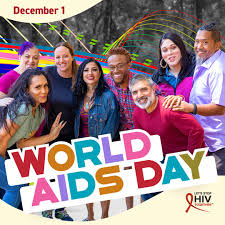
World AIDS Day
December 1
Today is a day to both honor the more than 32 million people who have died worldwide from AIDS-related illness and renew our commitment to ending the HIV epidemic. This year’s theme, “Collective Action: Sustain and Accelerate HIV Progress” challenges us to work in collaboration and community with each other to maintain and build on our progress.
An ongoing key challenge to that progress is HIV stigma—in our communities, in health care settings, and in public health research and practice—and how stigma affects access to HIV prevention, treatment, and care.
World AIDS Day serves as a reminder that together, as a community, we can end HIV stigma, promote access to treatment and prevention by committing to create a world that is equitable for all.
| | |
This video considers how HIV or human immunodeficiency virus can affect people’s bodies in the same ways, while affecting communities differently. HIV affects people’s bodies in the same way by attacking people’s immune systems and making it difficult for people to fight infections. Some communities have greater portions of their communities seriously affected by HIV. When some communities are more seriously burdened by a disease than other communities, this is called a health disparity. | |
Let’s Talk Sexual Health: A Virtual Conversation with Women of Trans Experience – What are your thoughts on HIV treatment? | |
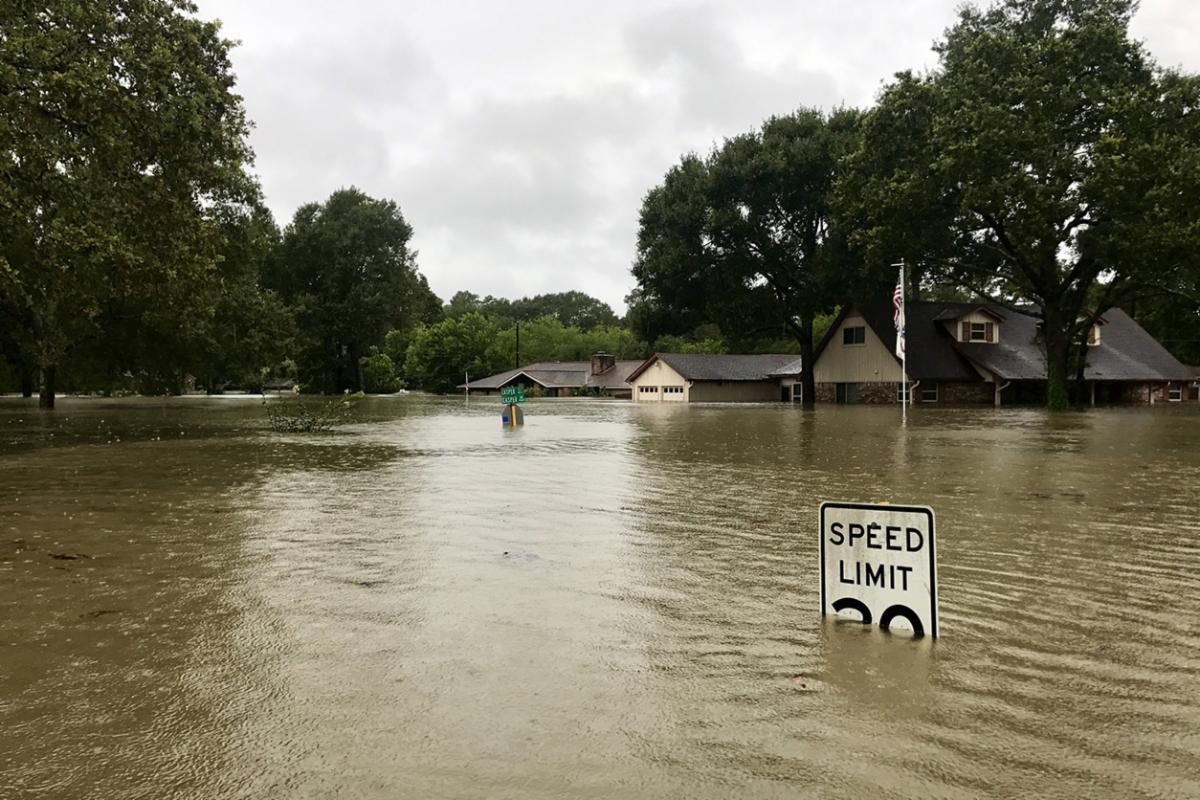
Climate Change Jeopardizes HIV Care in the U.S.
Policymakers and public health officials need to take steps to integrate climate resilience in HIV/AIDS health care programs to mitigate the disproportionate impact that extreme weather events have on people living with HIV.
While extreme weather events have broad negative health impacts, those with chronic health conditions, such as HIV, are particularly vulnerable during and following these disasters. In 2022, the Centers for Disease Control and Prevention (CDC) estimated that 1.2 million people over the age of 13 in the United States are living with HIV. These individuals are extremely vulnerable to climate change because they depend on consistent access to providers, medications, and other support services to stay alive—and climate crises often disrupt access to these resources.
From 2018 to 2022, the estimated incidence of HIV in the United States fell roughly 12 percent. However, climate change threatens care for a disproportionate number of these new and existing cases: The South, one of the most climate-vulnerable regions in the country, saw 52 percent of all new HIV diagnoses in the United States in 2022, meaning these individuals may face heightened barriers to care.
| | |
|
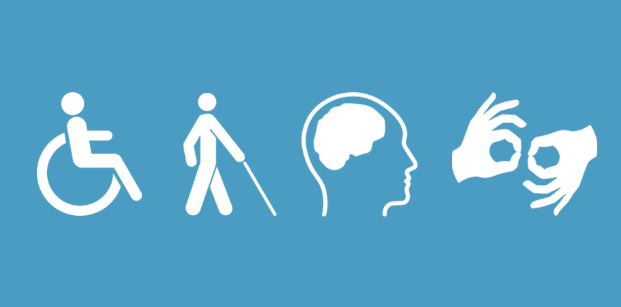
International Day of Persons with Disabilities (IDPD) is a UN day that is celebrated every year on 3 December.
The day is about promoting the rights and well-being of persons with disabilities at every level of society and development, and to raise awareness of the situation of persons with disabilities in all aspects of political, social, economic, and cultural life. WHO joins the UN in observing this day each year, reinforcing the importance of securing the rights of people with disabilities, so they can participate fully, equally and effectively in society with others, and face no barriers in all aspects of their lives.
| |
Disability Inclusion
What is Disability Inclusion?
Including people with disabilities in everyday activities and encouraging them to have roles similar to their peers who do not have a disability is disability inclusion. This involves more than simply encouraging people; it requires making sure that adequate policies and practices are in effect in a community or organization.
Inclusion should lead to increased participation in socially expected life roles and activities—such as being a student, worker, friend, community member, patient, spouse, partner, or parent.
Socially expected activities may also include engaging in social activities, using public resources such as transportation and libraries, moving about within communities, receiving adequate health care, having relationships, and enjoying other day-to-day activities.
| | |
|
The Wyoming Institute for Disabilities (WIND) is an academic unit in the College of Health Sciences and a University Center for Excellence in Developmental Disabilities (UCEDD). WIND works to assist individuals with developmental disabilities, their families, professionals, and University of Wyoming students through education, training, community services, and early intervention. The Wyoming Institute for Disabilities envisions a Wyoming where all people can participate in everyday community life as they choose.
The Wyoming Institute for Disabilities (WIND) assists and supports individuals with developmental and other disabilities, their families, and their networks by advancing diversity, equity, full community inclusion, independence, and social participation.
Our work is guided by values of service, dignity, collaboration, and innovation.
| |
Melody Brooks, a sixth grader with cerebral palsy, has a quick wit and a sharp mind, but because she is non-verbal and uses a wheelchair, she is not given the same opportunities as her classmates. When a young educator notices her student’s untapped potential and Melody starts to participate in mainstream education, Melody shows that what she has to say is more important than how she says it. | |
What does pansexual mean, and how is it different from
bisexual and polysexual?
Every pansexual’s understanding of their sexuality is personal to them, but in general it means that they aren’t limited by sex or gender when it comes to those they’re attracted to.
The word comes from the Greek word “pan,” which means “all”. But that doesn’t mean pansexuals are attracted to anybody and everybody, just as heterosexual women aren’t attracted to all men. It simply means that the people they are into might identify anywhere on the LGBTQ+ spectrum.
This includes people who are gender-fluid, and those who don’t identify with any gender at all (agender).
In fact, some pansexuals describe themselves as “gender-blind”, meaning that gender doesn’t play any part in their sexuality; they’re attracted purely to a person’s energy rather than any other attributes.
| | |
WYOMING HEALTH COUNCIL
111 S. Durbin, Suite 200
Casper, WY 82601
Call Us: (307) 439-2033
| | | | | |