The Wyoming Health Council works to ensure that all people can access equitable, inclusive, high-quality, and affordable reproductive and sexual health care. | |
|
STI's Are Rife Over The Holidays. Here's How To Keep Yourself Safe
Ensure safe sex is part of your festive sex life, and keep yourself and those around you healthy.
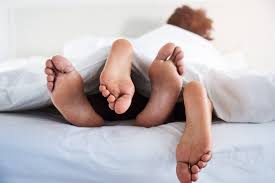
Let’s face it, sexually transmitted infections (or STIs) are probably not the first thing to come to mind when you think of Christmas. But it may come as a surprise to know that STI acquisition (the fancy term for getting an STI) rises during the festive period, thanks to good old holiday horn.
Certain STIs, including genital herpes, gonorrhea, and chlamydia are on the rise in general during recent years. But, each year, the festive period proves to be a bit of a hotbed (pun intended) for STI swapping. Research shows that sexual intercourse and unsafe sex (sex without the use of contraception) occur more around the holidays. NHS sexual health service Brook tells us visits to their nationwide centers shoot up big-time during the festive period, as well as just after New Year.
| |  |
 | |
7 Best Sex Toy Advent Calendars For Your Steamiest Holiday Season Yet
First things first: Yes, the best sex toy Advent calendars are a thing, and they’re the easiest way to spice up the holiday season. While Advent calendars are best known for containing goodies like beauty products and jewelry, sexier options (like the popular Lovehoney Advent calendar) have been popping up in recent years—and considering how gray the doldrums of winter can get, we’re certainly not complaining about a festive excuse to heat things up.
As opposed to just buying the best vibrators, these calendars allow you to surprise yourself or a partner with dildos, bullet vibrators, nipple stimulators, sex games, and so much more. (They also make some of the best gifts for the naughtiest friends on your list—just saying.) They’re relatively new, so there are only a few solid options for the time being. But you’ll still find the right option, whether it’s a collection of BDSM gear, a list of kinky sex ideas, or a collection of vibrators for beginners.
| | |
|
National Human Rights Month is spotlighted during December.
During this month, and every month to follow, everyone is encouraged to come together and stand up for equality, justice, and the dignity of all humans.
December is also a time to honor the Universal Declaration of Human Rights, the international document that enshrines the inalienable rights that everyone is entitled to as a human being - regardless of race, color, religion, sex, language, political or other opinion, national or social origin, property, birth or other status.
This year, December 10th marks the 75th Anniversary of this groundbreaking pledge on Human Rights Day.
| |
The United Nations Population Fund
UNFPA is the United Nations sexual and reproductive health agency. Their mission is to deliver a world where every pregnancy is wanted, every childbirth is safe and every young person's potential is fulfilled.
They promote gender equality and empower women, girls and young people to take control of their bodies and their futures. The UNFPA works with partners in more than 150 countries to provide access to a wide range of sexual and reproductive health services. Their goal is ending unmet need for family planning, preventable maternal death, and gender-based violence and harmful practices including child marriage and female genital mutilation by 2030.
The work of UNFPA is based on the premise that all human beings are entitled to equal rights and protections.
The UNFPA focuses on women and young people because these are groups whose ability to exercise their right to sexual and reproductive health is often compromised.
| | |
|
Each year, on 1 December, the world commemorates World AIDS Day. People around the world unite to show support for people living with HIV and to remember those who have died from AIDS-related illnesses.
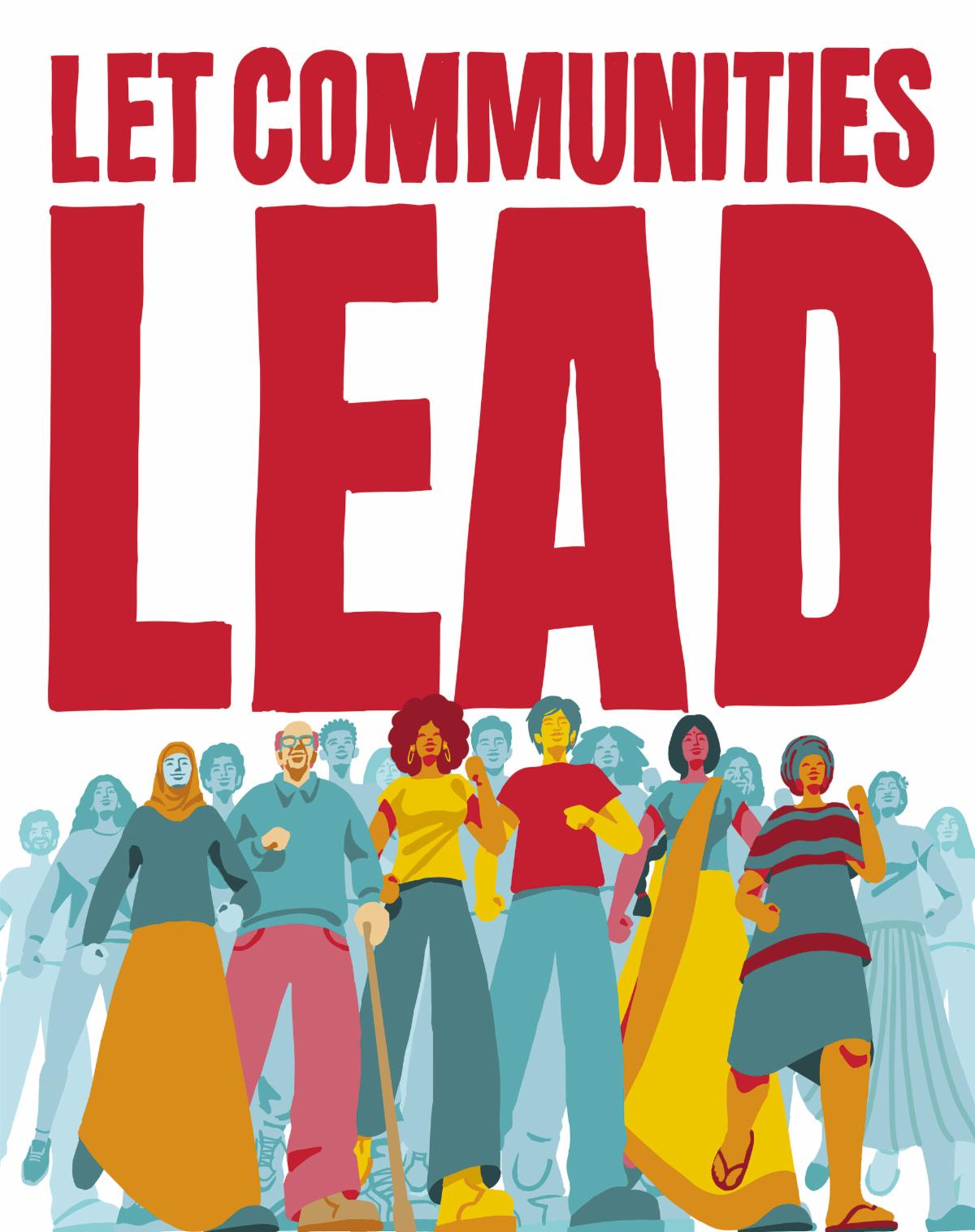
Each World AIDS Day focuses on a specific theme, which this year will be Let Communities Lead. Because change depends not on a moment but on a movement!
| |
- In 2022, there were 39 million [33.1 million–45.7 million] people living with HIV.
- 37.5 million [31.8 million–43.6 million] adults (15 years or older).
- 1.5 million [1.2 million–2.1 million] children (0–14 years).
- 53% of all people living with HIV were women and girls.
- 86% [73– >98%] of all people living with HIV knew their HIV status in 2022.
UNAIDS
| |
Surviving Voices: Women and AIDS | |
|
They Lived To Tell
In recent years, celebrities like Jonathan Van Ness and Billy Porter have disclosed their status, yet what we see about women with HIV-AIDS in the media landscape is sorely lacking. Globally, women and girls make up more than half of the 37.7 million people living with HIV, acquiring the disease at a higher rate than men. Annual HIV infections in the U.S. remain stable, but new infections disproportionately affect Black women at 11 times that of white women, and four times that of Latinx women. Trans women have 49 times the odds of having HIV compared to the general population in the U.S.
With tremendous advancements, HIV-AIDS is now considered a chronic disease, but research and messaging still largely exclude women. You can’t watch a Real Housewives episode without seeing countless ads for HIV treatment meds, like Cabenuva and Biktarvy, which include women in their narratives, but despite recent CDC literature claiming “PrEP (Pre-Exposure Prophylaxis) Is for Women,” those ads are still focused on gay male and trans female–male couples. This exclusion throughout systems has driven many positive women to activism. But ending AIDS by 2030 seems out of reach as 1.3 million people were newly infected in 2022, and it will likely remain that way.
| |
Pregnancy, Birth, HIV
Good News
Due to advances in HIV care and treatment, many women living with HIV are living longer, healthier lives. As women living with HIV think about their futures, some are deciding to have the babies they always wanted.
The good news is that advances in HIV treatment have also greatly lowered the chances that a birthing parent will pass HIV on to their baby (also known as perinatal HIV transmission, or vertical transmission; also sometimes called "mother-to-child" transmission).
The World Health Organization (WHO) reports that when birthing parents are not taking HIV drugs, HIV can be perinatally transmitted as much as 45 percent of the time. However, with HIV treatment, the chances of perinatal transmission can be less than five in 100 births. According to the US Centers for Disease Control and Prevention (CDC), if the birthing parent takes HIV drugs and is virally suppressed (amount of virus in their blood, known as their viral load, is undetectable with standard tests), the chance of transmission can be less than one in 100. It is also important to note that studies have shown that being pregnant will not make HIV progression any faster in the birthing parent.
One way we learn about how HIV drugs affect pregnancy is through the Antiretroviral Pregnancy Registry. Pregnant people living with HIV are encouraged to register (through their healthcare providers) at http://www.APRegistry.com. This registry tracks all women in the US who are pregnant and taking HIV drugs to see if these medications are harmful to the developing baby.
| | |
|
You Can Still Have Sex If You're Living With HIV-Here's How
You can absolutely have sex if you’re living with HIV, or if you’re interested in having a sexual relationship with someone who’s received an HIV diagnosis.
You just have to take certain precautions to prevent transmission.
Here’s what you need to know.
Most people living with HIV achieve an undetectable viral load within 1 to 6 months
of starting treatment with antiretroviral therapy (ART) when taken as prescribed.
Six months can feel like a lifetime when you’re jonesing for some good lovin’. There are plenty of lower-risk and oh-so pleasurable ways you can get off with a partner or solo to hold you over in the meantime.
Touching, kissing, and oral sex carry little to no risk for HIV transmission. Here are some ideas to help you get your fix:
| | |
 | |
This HIV Ally is Spicing Up Sexual Health
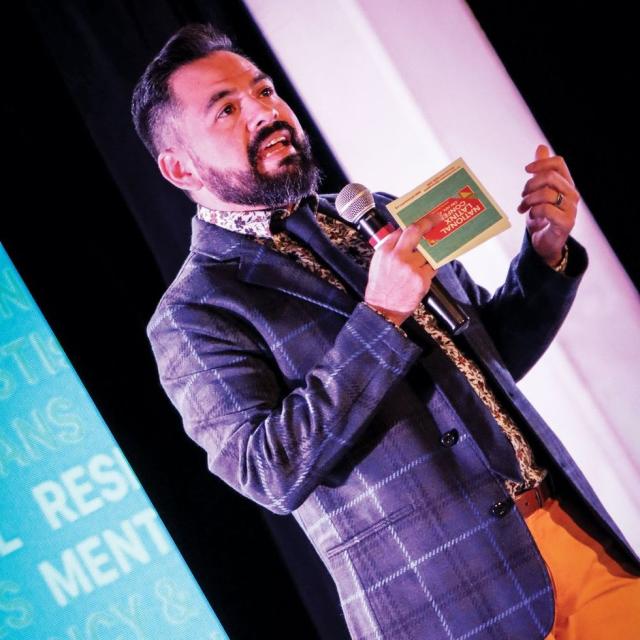
Coronado’s own adventuring into the fetish world has helped him see the unique opportunity this connection provides. It certainly is a fun and fresh way to start conversations around sex, health, and HIV rather than overwhelming, or worse yet, boring people with the often colder, clinical approach many similar conferences have utilized in years past.
“I’ve been trying to connect a lot of what I do in my own personal life with the work that I do, because this is it, right?” he says. “My life is everything about what I do here at work. So recently, I’ve been involved in the leather competitions. I competed for a local title, then I got the title of Mr. RGV [Rio Grande Valley] Leather. My thing with that is to be able to promote sexual health awareness and normalize that, hey, people have their kinks and fetishes and whatever, and we want to make sure people feel comfortable talking about it and talking to their health care provider about it. So in a lot of the messaging of any events that I’m at, it’s always like, ‘Hey, if you’re not on PrEP, get on PrEP, and I can get you connected.’ Or, ‘Hey, if you’re a person with HIV, remember U=U [undetectable equals untransmittable].’”
| | |
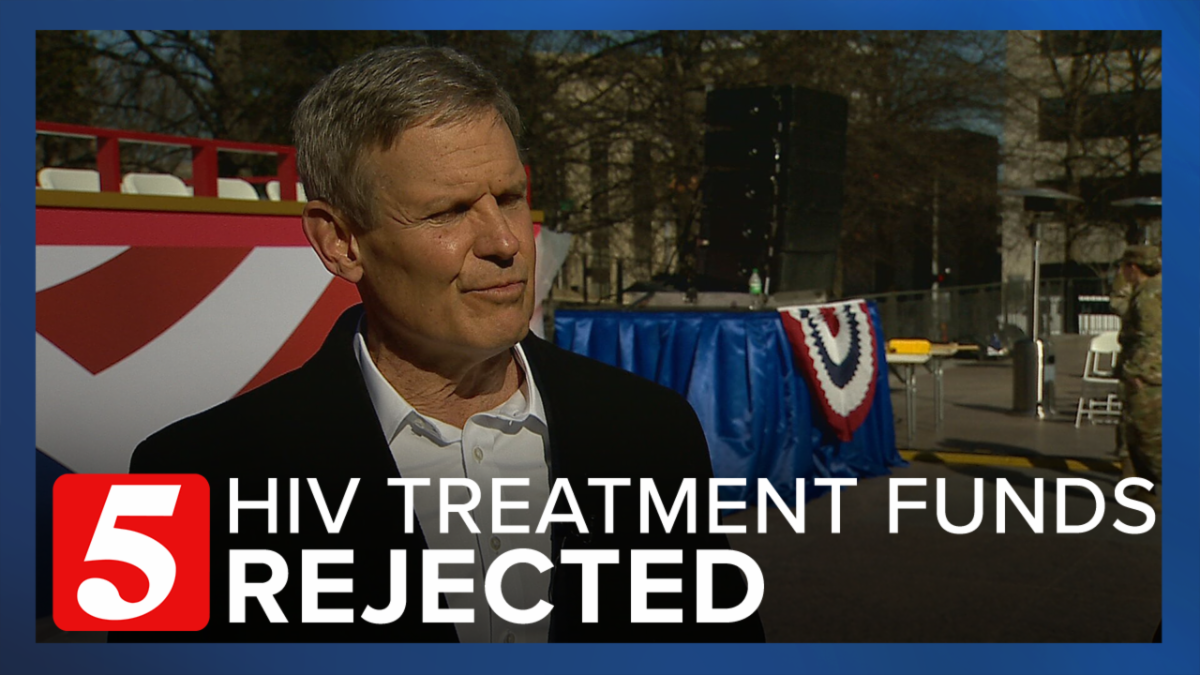 | |
Tennessee's Rejection of $8.8 Million in Federal Funding Alarms HIV Prevention Groups
Tennessee is the only state to have rejected the funding; Gov. Bill Lee, a Republican, instead plans to allocate $9 million in new state funding for H.I.V. prevention and monitoring in July. The governor said the move would offer the state greater independence in its decision-making. But some organizations say they are concerned that the state will not offer them funding if they do not align with the governor’s conservative positions on issues like transgender rights, and his opposition to abortion access.
The state has not announced which groups will receive the funds, or the rules on how they can be used, but the governor’s office has indicated that its priorities include “vulnerable populations, such as victims of human trafficking, mothers and children, and first responders.”
Public health experts say Mr. Lee’s listed examples are at odds with the reality on the ground, as those groups represent only a tiny fraction of new H.I.V. cases in Tennessee, according to a recent report from the AIDS charity amfAR. Some of the highest-risk groups in the state are sexually active gay men, transgender women and those who inject drugs, according to Greg Millett, the director of amfAR and an epidemiologist.
| | |
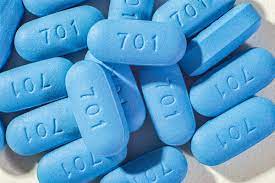 | |
Black Americans Still Struggle to Access PrEP, a Medication That Could Lower HIV Rates in The Community
Thousands of Black men could benefit from the medication, but relatively few are taking it.
About 1.2million people in the US were living with HIV in 2021, the most recent year for which data is available, according to the CDC. More than 52% of new HIV infections that year were among people who lived in the South.
According to preliminary data released by the CDC in October, there was an increase in PrEP prescriptions from 2019 to 2022, but “severe and widening inequities persist.” The CDC also noted that according to estimates, “94% of White people who could benefit from PrEP have been prescribed it, but only 13% of Black and 24% of Hispanic/Latino people who could benefit” have been prescribed the drug.
Although Black Americans accounted for 42% of new HIV diagnoses in 2022, only 14% of PrEP users were Black, according to AIDSVu, an online map that tracks HIV incidence across the US.
Dafina Ward, executive director of the Southern AIDS Coalition, an organization that aims to end the twin HIV and sexually transmitted infection epidemics in the South, said that a lack of hospitals and doctors, especially in rural areas, can account for a higher rate of the disease.
“You have hospitals and medical providers closing at record rates, especially rural hospitals,” Ward said. “You don’t have comprehensive sexual health education required in most of our schools. So, you take the full dynamic of what is happening in a region and then you layer on top of that the health disparities that are sure to follow.”
| | |
|
International Day of Persons With Disabilities
Dec 3
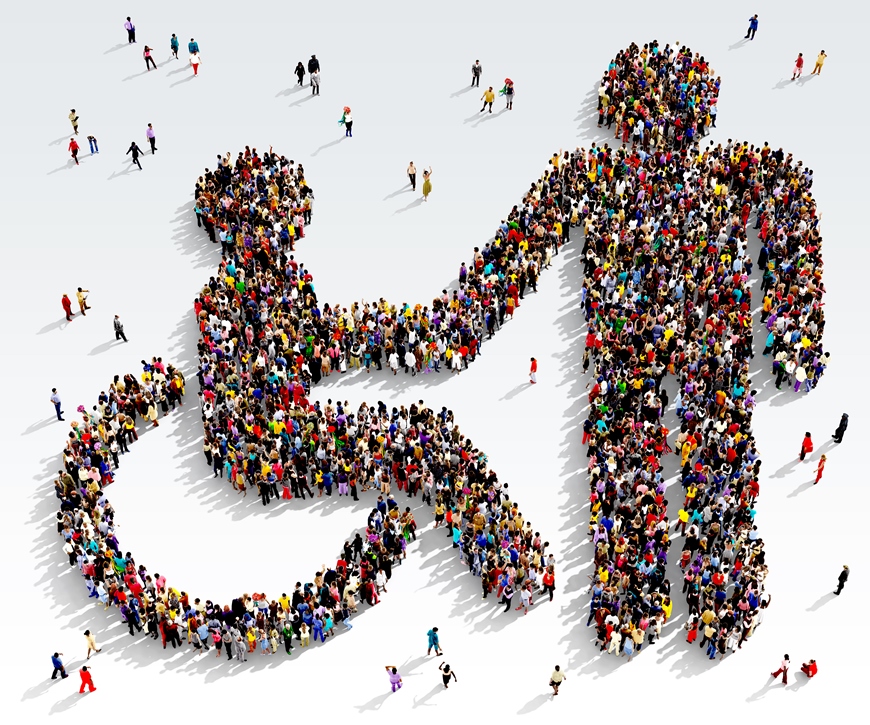
International Day of Persons with Disabilities (December 3) is an international observance promoted by the United Nations since 1992. It has been observed with varying degrees of success around the planet. The observance of the Day aims to promote an understanding of disability issues and mobilize support for the dignity, rights and well-being of persons with disabilities.
| |
|
People with Disability face barriers to sexual and reproductive health care, New recommendations are only the start
The recently released findings of the senate inquiry into reproductive health care sets the stage for potential transformative change.
Its recommendations are aimed at dismantling the barriers that have long hindered the sexual, maternal, and reproductive health care of women, non-binary, trans, and gender-diverse people, including people with disability.
Its recommendations are strong, welcome and important. For too long, people with disability have been stripped of their autonomy, self-determination and dignity when it comes to accessing sexual and reproductive health care.
But the latest recommendations are not enough to dismantle entrenched biases and stereotypes. Here’s what needs to happen next.
| | |
 | |
Ableism and Disablism-How To Spot them and How We Can All Do Better
Two types of discrimination
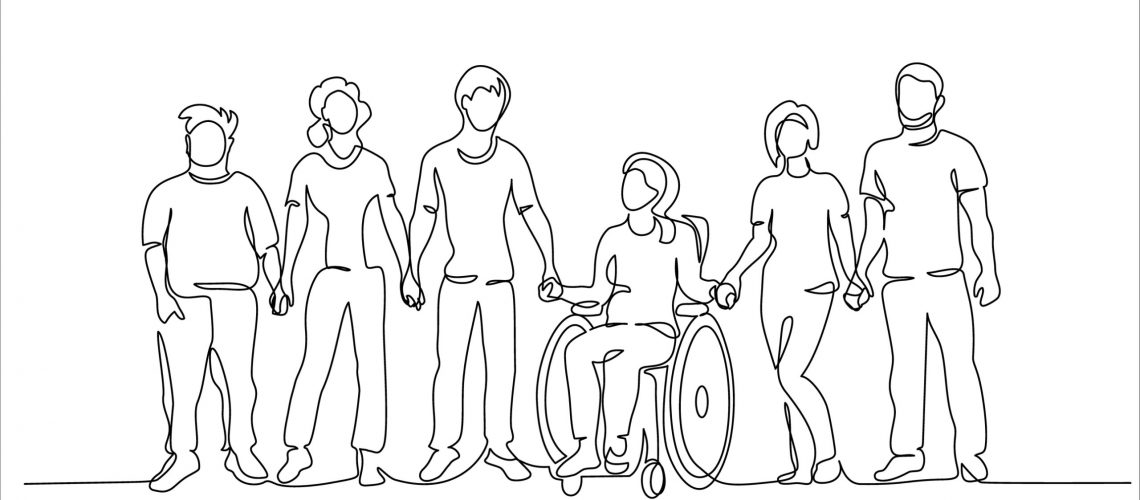
Ableism and disablism both refer to types of disability discrimination. The nuance between the two words can cause confusion but are important for acknowledging, detecting, and dismantling the types of barriers people with disability encounter.
Ableism is discrimination that favors “able-bodied” people, or people without disability. Ableism prioritises the needs of people without disability. A building designed without a ramp or a lift for people who require them, a lack of captions for a meeting, and stadiums without low-sensory spaces are all examples of ableism.
Disablism is the inherent belief that people with disability are inferior to those without disability. It is discrimination against people with disability, like those shared in the Royal Commission into Violence, Abuse, Neglect and Exploitation of People with Disability. Disablism can be a more direct, conscious act of discrimination and abuse. Using disability slurs, ignoring someone, or speaking in a patronizing way are common examples.
| | |
Love on the Spectrum
Finding love can be hard for anyone. For young adults on the autism spectrum, exploring the unpredictable world of dating is even more complicated
| |
Sex Education
Season 4
In its fourth and final season, the show portrayed storylines towards disability representation, exploring a broader spectrum of issues, including inaccessibility and ableism
| |
All the Light We Cannot See
Based on the Pulitzer Prize winning novel, All the Light We Cannot See tells the story of Marie-Laure Leblanc (Aria Mia Loberti), a blind French girl taking refuge with her father and reclusive uncle in St. Malo, France and Werner (Louis Hofmann), a brilliant teenager enlisted by Hitler’s regime with an expertise in radio repair. Together they share a secret connection that will become a beacon of light that leads them through the harrowing backdrop of WWII.
Both Loberti and Sutton, who plays young Marie-Laure, are blind, like their character.
| |
|
Appeals Court Partially Stops Biden Rollback of Family Planning Program Restrictions
A divided federal appeals court struck down some Biden
administration rules regarding the Title X family planning program, but will continue to allow health providers who refer patients for abortion to apply for federal funding.
A U.S. Court of Appeals for the Sixth Circuit panel in a 2-1 ruling on Thursday granted a preliminary injunction that blocks the Biden administration from rolling back a Trump-era restriction requiring recipients of Title X grants to maintain “strict financial and physical separation” between the grant recipient and any entity providing abortions.
| |
 | |
Will First FDA-Approved At-Home Test For Gonorrhea, Chlamydia Ease The Epidemic?
Some sexual health advocates worry that regulations of over-the-counter STI tests could backfire as diagnoses continue to sore in the U.S.
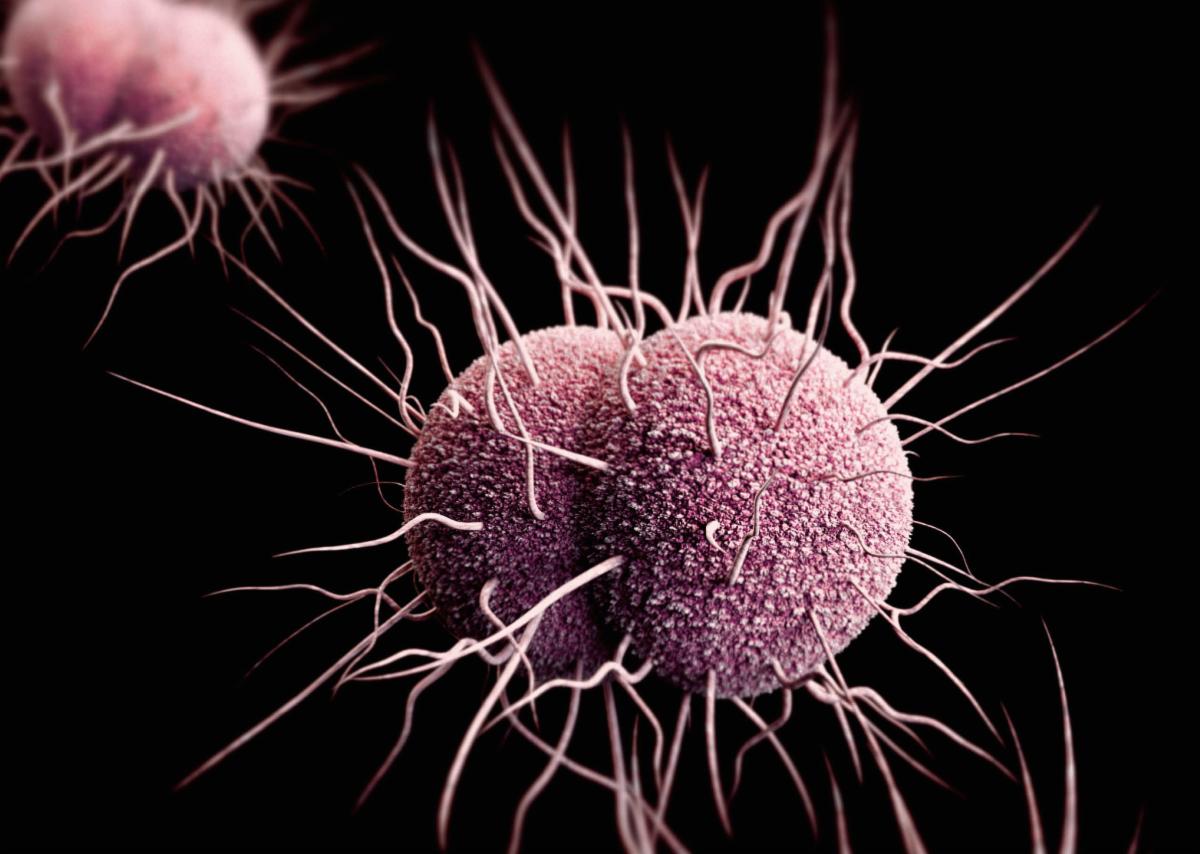
The Food and Drug Administration’s first-ever approval of an at-home test for chlamydia and gonorrhea could help drive earlier detection and treatment of these sexually transmitted infections amid a ballooning epidemic in the U.S. But some sexual health advocates worry that the FDA’s proposal to begin stepping up regulation of over-the-counter self-testing of STIs could backfire.
The need for new tools to combat these infections is dire.
Diagnoses of gonorrhea, chlamydia and syphilis have soared in the past two decades. Public health experts argue that this is at least partially driven by woeful long-term flat funding of the Centers for Disease Control and Prevention’s budget to fight the spread of STIs during this period.
Some public health officials and advocates expect that greater FDA oversight will help legitimize home STI testing, making it easier to get insurance coverage and actually expanding its use.
| |
 | |
Study Finds That Men Are Viewed As 'More Entitled To Orgasms' than Women
Both men and women prioritize male sexual pleasure during sex. A new study looks into why that is.
Research reliably shows that straight women statistically have fewer orgasms than any other demographic. That holds true in both casual hookups and long-term relationships.
A new study published in Social Psychological and Personality Science sheds some light on why the “orgasm gap” might be so vast and widely accepted.
“The lay public widely recognizes the orgasm gap between women and men as variously innate and biological-determined. But our study shows that socio-contextual factors — namely entitlement — play a crucial role in understanding gender inequalities in sexual pleasure,” Verna Klein, the study’s lead author and a Skłodowska-Curie postdoctoral fellow at the University of Michigan, told
PsyPost earlier this month.
According to the study, men are generally perceived as being more entitled to orgasms and sexual pleasure than women ― a perception that’s shared among men and women.
| |
If you or someone you know lives in or around Sheridan, Wyoming, check out Reproductive Healthcare of The Big Horns for all your sexual and reproductive health care needs, including your annual exam, today! | |
WYOMING HEALTH COUNCIL
111 S. Durbin, Suite 200
Casper, WY 82601
Call Us: (307) 439-2033
| | | | | |