Upcoming meetings:
The December Sustainability Commission meeting will take place online on Monday December 14th, 2020 starting at 5 pm. There will be an update on San Diego Community Power as well as a recap of the City’s new Climate Equity Index Findings. To view the agenda, watch the meeting live, or submit an electronic comment, please visit: www.chulavistaca.gov/boards and see the Sustainability Commission under Teleconference Meetings, which will have updated information a few days before the meeting.
|
|
Benchmarking Webinar on December 16 from 11 am to 1 pm
Join fellow building professionals in learning not only how comply with proposed City of Chula Vista building benchmarking requirements, but how to use benchmarking for ongoing utility consumption tracking and energy retrofit planning.
At this workshop you will learn how to use the industry-leading benchmarking tool, ENERGY STAR® Portfolio Manager®, which will not only help you better manage energy consumption but also give you greater insight into prioritizing energy audits and retrofits. Please follow this link to register. |
|
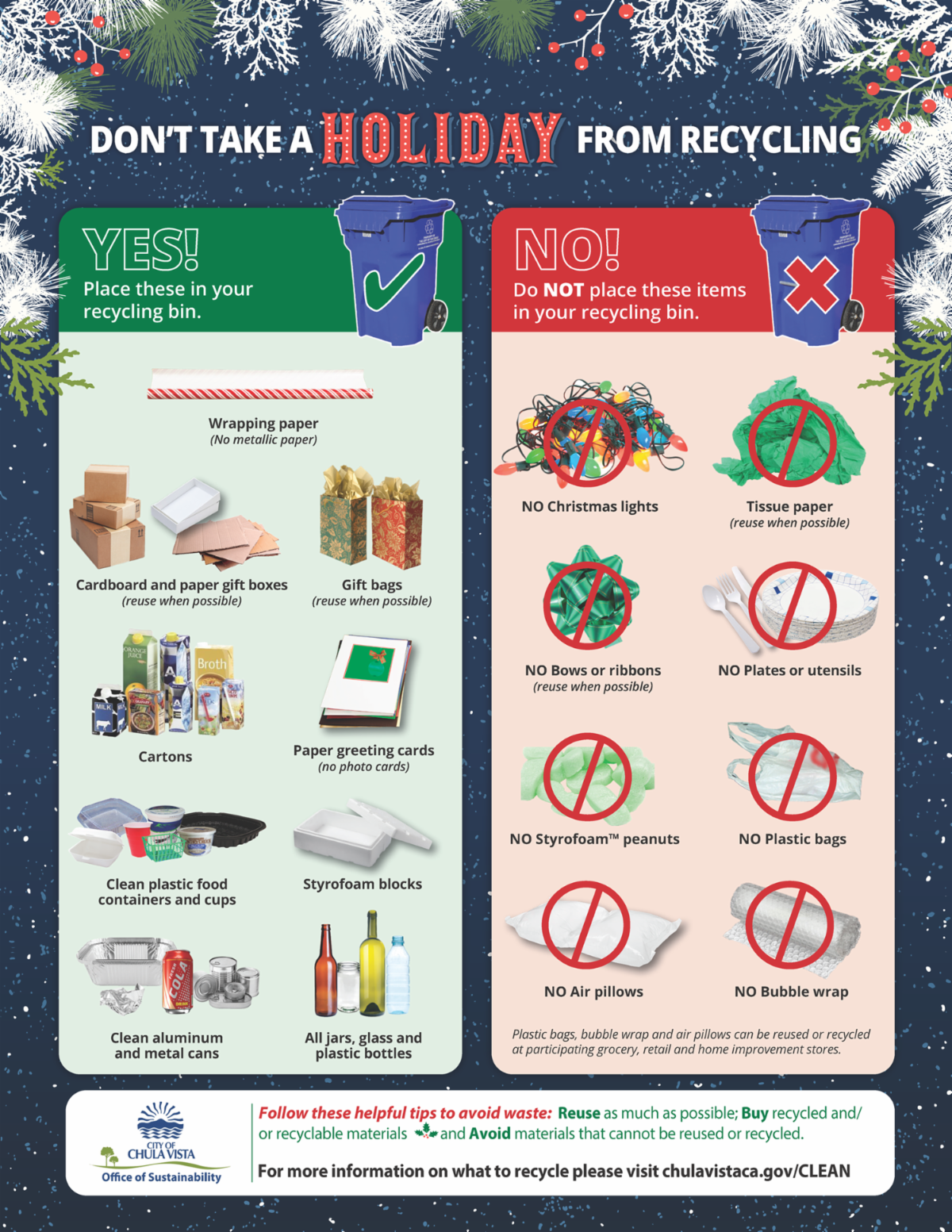
Educational Campaign for Battery and Small Electronics Disposal Aimed at Preventing Fires and Ensuring Community Safety - Made Possible by a Grant from The Recycling Partnership
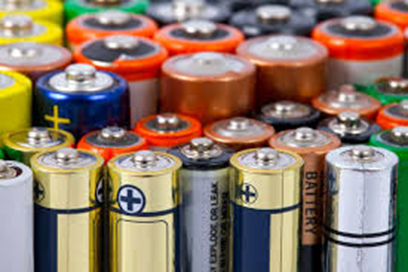
Did you know batteries and small electronics can spark or explode upon impact when put into trash and recycling collection trucks or at recovery facilities potentially igniting fires? Batteries and small electronics don’t belong in your recycling or trash. There are safe and convenient ways to dispose of them free of charge in Chula Vista.
This is the important educational message the City of Chula Vista is sharing with residents this holiday season, a time when battery and small electronics purchases, usage, and disposal are at seasonal highs. The educational campaign is made possible by a $180,000 grant from The Recycling Partnership, a national nonprofit that works with communities to transform their recycling programs for good.
“Improper disposal of batteries and small electronics is not only hazardous to the environment but also to people, as they can spark or explode, endangering trash and recycling collection workers and our community,” said Joseph Coppola, City Sustainability Specialist. “There are simple, safe, and free steps our residents can take to properly dispose of batteries and small electronics.”
Disposal is as easy as returning used batteries and small electronics to nearby participating retail locations, safely mailing in used batteries and small electronics with a pre-paid shipping envelope, and dropping off batteries and small electronics at Chula Vista’s South Bay Household Hazardous Waste Collection Facility located on Maxwell Road. Batteries and small electronics requiring special disposal include lithium-ion rechargeable batteries, lithium or lithium cell single-use batteries, greeting card recorders and singing greeting cards, electronic cigarettes/vapes, and portable devices with embedded batteries.
“The Recycling Partnership is proud to partner with the City of Chula Vista on this important educational initiative,” said Asami Tanimoto, Community Program Manager at The Recycling Partnership. “Safely disposing of batteries and small electronics not only protects our environment, it helps avoid sparks and explosions that can cause serious injury, property damage, and disruptions to recycling and solid waste services.”
The educational initiative continues through the end of December; however, residents are asked to continue proper disposal of batteries and small electronics into 2021 and beyond. To learn more about safe, free, and convenient disposal of batteries and small electronics, including participating retail return locations, visit, www.chulavistaca.gov/batterydisposal.
|
|
Holiday Light Tips
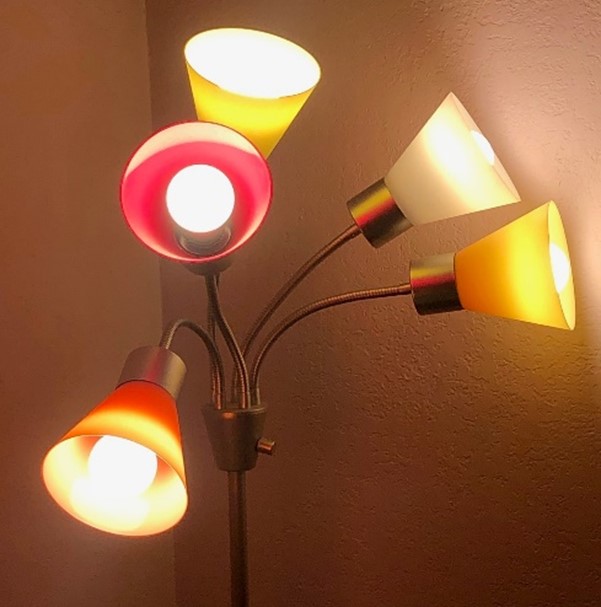
This year sure has had its share of ups and downs. But let's focus on the downs, as in lowering your energy use when it comes to your holiday lights. If you are still using the old incandescent string lights, maybe it's time for you to consider the LED version? A 100-count string of incandescent holiday lights uses approximately forty watts per hour while the LED version uses eight watts. That's a fifth of the energy. These new LED holiday lights are brighter and they do not get hot like the older incandescent lights, which potentially can cause a fire in your home and can make your energy bill skyrocket. And in many cases, making the switch may cost less than the older type of incandescent lights and they are easier to maintain. So consider brightening up the holiday this year with some energy efficient LED decorative lights!
|
|
Routine Maintenance Tips for Large Household Appliances
You've probably been spending more time at home this year and you may have noticed some of your appliances are making odd noises you had never heard before. Perhaps you can take advantage of our stay at home order and do some preventative maintenance of your appliances to help their extend their useful life and to save some money on your energy bill.
Let's start with your water heater. Your water heater is the workhorse of your home since it heats water for your showers, sinks, dishwasher and your clothes washing machine. It keeps hot water going through your home 24 hours a day, 365 days a year. Depending on how old your water heater is, you should flush it out at a minimum once a year to remove scale buildup and prolong its useful life.
The next significant energy-consuming appliance in which to perform regular maintenance on is your refrigerator. It's recommended that you clean and vacuum once a year all the vital mechanical parts that move your refrigerator and vacuum and brush off all the lint and dust accumulated on the back of your refrigerator where the condenser unit is located. If you have a shop vacuum, do the same at the bottom of the fridge.
The last item is your clothes dryer. For it to dry your garments, it needs to be able to push out all the hot air generated, so you need to clean out the lint trap regularly, as well as vacuum out the exhaust tube and vent on the exterior of your home. This may also help prevent fires associated with lint build up.
These practices should be done regularly with newer appliances, as well, and it will keep your appliances and your wallet happy.
|
|
South County Food Hub Needs Your Help
I Love to Glean partners with others to facilitate countywide food recovery systems that increase the capacity for recovery and distribution of otherwise wasted food to agencies serving those in need. Since our inception in April 2020, we have been able to facilitate the delivery of over 100,000 USDA Farm to Families food boxes plus additional 100’s of thousands of pounds of rescued and donated food through our distribution partners in San Diego County. This has been achieved by working with multiple organizations to cobble together a system of borrowed trucks and volunteers.
~40% of all food produced is wasted. Tons of edible food is being sent to the landfill adding to landfill waste in San Diego County instead of being diverted to those in need. With the huge increase in our neighbors becoming newly food insecure it is imperative that we rescue all possible food and redirect it to feeding people.
We have started to activate I Love to Glean’s South County Food Hub which will enable us to bring in tons of food, sort it and redistribute to our dozens of distribution partners that work directly with food insecure families. Our Food Hub is 4500 sq ft in Chula Vista and will enable us to socially distance and create the best environment for safe food handling using Covid protocols. Our long-term goal is to create a full-scale food bank in South County with a large kitchen so that we can stabilize donated food into various forms for redistribution to those in need.
We desperately need donations of food, both refrigerated and non-refrigerated trucks and vans, cold and frozen storage equipment, volunteers that can pick up and deliver food as well as those needed to sort and repack food in our local warehouse. Monetary donations are needed so we can keep our program going. Right now, our volunteers are using their own rent money to fund this program to keep the food flowing. Anything you can do to help will be greatly appreciated.
Please let others know of our needs. And thank you for helping us give food and hope to our neighbors.
Donations can be made through our website at www.ilovetoglean.org or please contact founder Karen Clay at 619/598-4912 or info@ilovetoglean.org.
I Love To Glean www.ilovetoglean.org
679 Anita Street, #B1 Chula Vista, Ca. 91911
619/598-4912 info@ilovetoglean.org
|
|
Conserve Energy, Save Money – Switch to LEDs
As the days get shorter during winter there are only about 10 hours of daylight. As we burn our lights much longer, we use more electricity which increases the cost. Now is the perfect time to assess the types of bulbs in your home and to consider a switch to high-efficiency LED bulbs. Typically lighting accounts for about 20 percent of household electricity. Making the switch may significantly reduce your monthly electric bill.
There are lot of potential savings for those currently using incandescent bulbs in recessed light fixtures, which typically use 65 watts of electricity. Comparable LED bulbs consume about 10 watts of electricity. Incandescent bulbs take more energy to operate because 90 percent of the electricity generates heat and 10 percent is for light. It’s the opposite for LED bulbs, which only generate minute amounts of heat. In many homes, common rooms, kitchens, hallways and staircases have recessed lights. For example, if you have 10 incandescent bulbs at 65 watts each, that is 650 watts. If you switch to LED bulbs that is 100 watts total, a significant savings. Many homes built in the 1990s and beyond may have 20 or more recessed light fixtures. Based on 3 hours per day of usage, LEDs can last 20 or more years which is far longer than incandescent bulbs which may last up to a few years. Most LEDs are dimmable bulbs that can be used with dimmer switches. However, older dimmer switches may not be compatible with LEDs because they release too much electricity for the bulbs to operate properly. It is recommended older dimmer switches be replaced with universal dimmer switches to get the full life of LED bulbs.
Additionally, LED bulbs can replace standard incandescent bulbs used in a variety of lamps, globe bulbs often used in bathroom fixtures and candelabra bulbs used in chandeliers or similar fixtures. Many people are already using CFL bulbs that are energy savers. It is recommended to replace them with LEDs when they burn out. Older CFLs take about 6 minutes to warm up and that is when the efficiency kicks in. Fluorescent tube lights often used in kitchens or in garage fixtures can be replaced with LED tubes which can cut electricity usage in half.
Overall, making the switch to LED bulbs throughout your home will start saving you money right away. With LED bulbs you can choose between soft, bright and daylight options which offer different hues and brightness. The higher the number of lumens, the more light is emitted. Packaging on LED bulbs will compare the lumens to wattage of incandescent bulbs to provide clarity to help you better select the hue and brightness you prefer. LEDs are available in brick and mortar hardware and other stores and via online shopping. It is often best to buy in multiple packs for the greatest savings.
If you need to safely dispose of CFL or fluorescent tube lights (which contain small amounts of mercury, a hazardous waste), dispose of them at the City of Chula Vista’s Household Hazardous Waste Facility. The facility is open from 9 am to 1 pm on Wednesdays and Saturdays, at 1800 Maxwell Road in Chula Vista, at the City’s Public Works Yard.
|
|
Please Meet the Sustainability Commission’s New Chair
My name is Tina Matthias. I am honored to serve the Chula Vista community as the new Chair of the City of Chula Vista’s Sustainability Commission. Many of you know me from my 32.5 years at the Living Coast Discovery Center where I managed volunteers, coordinated outreaches, hosted community clean-up and restoration projects throughout the south bay, and helped to create the Center’s Zero Waste programs. I serve on the Zero Waste and Single-use Plastics Ban Committee, the Bayfront Cultural Design Committee, and also on a small committee working to obtain funding for filtered hydration stations throughout the Sweetwater School District. I am currently the Founder and Executive Director of a new nonprofit, South Bay Sustainable Communities Network.
Though Covid has become a bit of a challenge for daily life, the Commission is still moving forward with updating the Climate Action Plan, continued education on Community Choice Energy and it’s benefits, creating a Zero Waste Plan, and collaborating with Surfrider to create the single-use plastic ban ordinance. The Commission will continue to work with the City staff towards creating a sustainable, green city. Raised in Chula Vista, I am passionate about the health and well-being of our Chula Vista Community and our environment. Through the South Bay Sustainable Communities Network, we encourage sustainable living through community engagement, foster environmental stewardship with community members, and divert organic waste from local landfills converting it back into usable soil. Through our outreach events, we increase awareness of trash in the local watershed, immerse community members in their local, natural surroundings, and encourage environmentally friendly habits.
Over the last year, we have all been supporting restaurants by purchasing take home food. For health reasons, Covid has brought single-use plastic utensils, straws, bags, and condiment packets back into each take out or delivery order. These items can be useful when eating at a non-home environment, but when eating at home, these items are unnecessary and become trash. Think Sustainable: When placing a take-out or delivery order, let us be conscious of our environment and practice sustainability by asking the restaurant to not include these single-use plastics in the order. We are calling this the “Opt Out Campaign”, (OOC). This not only will help to reduce single-use plastics in our landfills but will also cut restaurant expenses by not having to provide these plastics.
It is time we make daily sustainable choices, and it begins with us. I look forward to serving the Chula Vista Community as the Chair of the Sustainability Commission and looking forward to meeting you at one of our monthly virtual meetings.
|
|
New Existing Home Energy Efficiency Ordinance Adopted
To save energy and reduce pollution, the Chula Vista City Council adopted an ordinance at the December 1st meeting that will require some existing homes that are undertaking an addition or major remodel to be more energy efficient. Staff will need to file an application with the state before the ordinance can go into effect no sooner than February 14th, 2021. This is a continuation of Chula Vista’s effort to implement the City’s Climate Action Plan (CAP) and builds off previous ordinances that required higher energy standards for new homes. Homes in California have been built over the years to meet the applicable energy related building codes which were first put in place in 1978. Since then, newer building codes have been adopted approximately every three years, making new homes more efficient and healthier while some existing homes have been left behind. To help improve these older homes, the City is educating residents about retrofit opportunities and requiring older homes undergoing additions or remodels to make certain cost-effective upgrades, where applicable and feasible, to bring them closer to current codes.
These energy saving improvements are something most homes can benefit from, but because newer homes have already had many of these measures, this new policy applies to homes built in Chula Vista before 2006. Any home that does not have similar measures should evaluate if they would benefit their home, but this ordinance only makes them a requirement for homes that are going to be making alterations or major remodels to their home. Under this ordinance, the definition of “remodel” is tied to structural changes that trigger the need for a permit. Please review the potential examples below to better understand what projects need to comply.
What projects trigger this requirement?
• Adding square footage
• Moving interior walls
• Adding or moving windows and doors
These projects do NOT trigger this requirement:
• Adding new tile or flooring
• Bathroom fixtures
• Lighting fixtures
• Appliances
• Adding or moving a kitchen island
• Adding or changing counters
• Adding an Accessory Dwelling Unit (ADU/JADU)
• Projects that are medically necessary
Based on the age and location of the home, a different level of energy saving measures will be required but all homes have a cost-effective measure package that is estimated to save them money over its useful life. Older homes and homes that are more inland have the most opportunity to reduce energy usage and therefore have higher energy efficiency standards to meet. Residents will be able to select potential energy efficiency measures to add to their project from a list of measures that includes LED lighting, low-flow faucet aerators, attic insulation or air sealing. Some homes may be exempt from these requirements if they qualify for one of the program exemptions such as they have already taken similar measures, have a solar system that offsets their home's energy usage or need low-income assistance. If you think your project may trigger this new requirement and would like to learn more about potential energy efficiency measures that can be included in your project or exemptions, please visit www.chulavistaca.gov/departments/clean/retrofit or call 619-248-7421.
|
|
|
|
|
|
|