|
|
|
SKAGIT RIVER HYDROELECTRIC PROJECT
DECEMBER 2021 RELICENSING NEWS
| |
Project Update: Science Spotlight | |
Seattle City Light has more than 33 studies underway to help inform future operations of the Skagit Hydroelectric Project. These studies are critical to the relicensing process because they help us understand current conditions and adjust how we operate the Skagit Project to protect and steward the environment. Study focus areas range from wildlife to recreation to whether, when, and how fish passage should be provided at the dams. Below are brief snapshots of three of the studies currently underway. Initial findings from all studies will be included in the project’s Initial Study Report, which will be released in March of 2022. | |
Gorge Bypass Reach Safety and Whitewater Boating | |
|
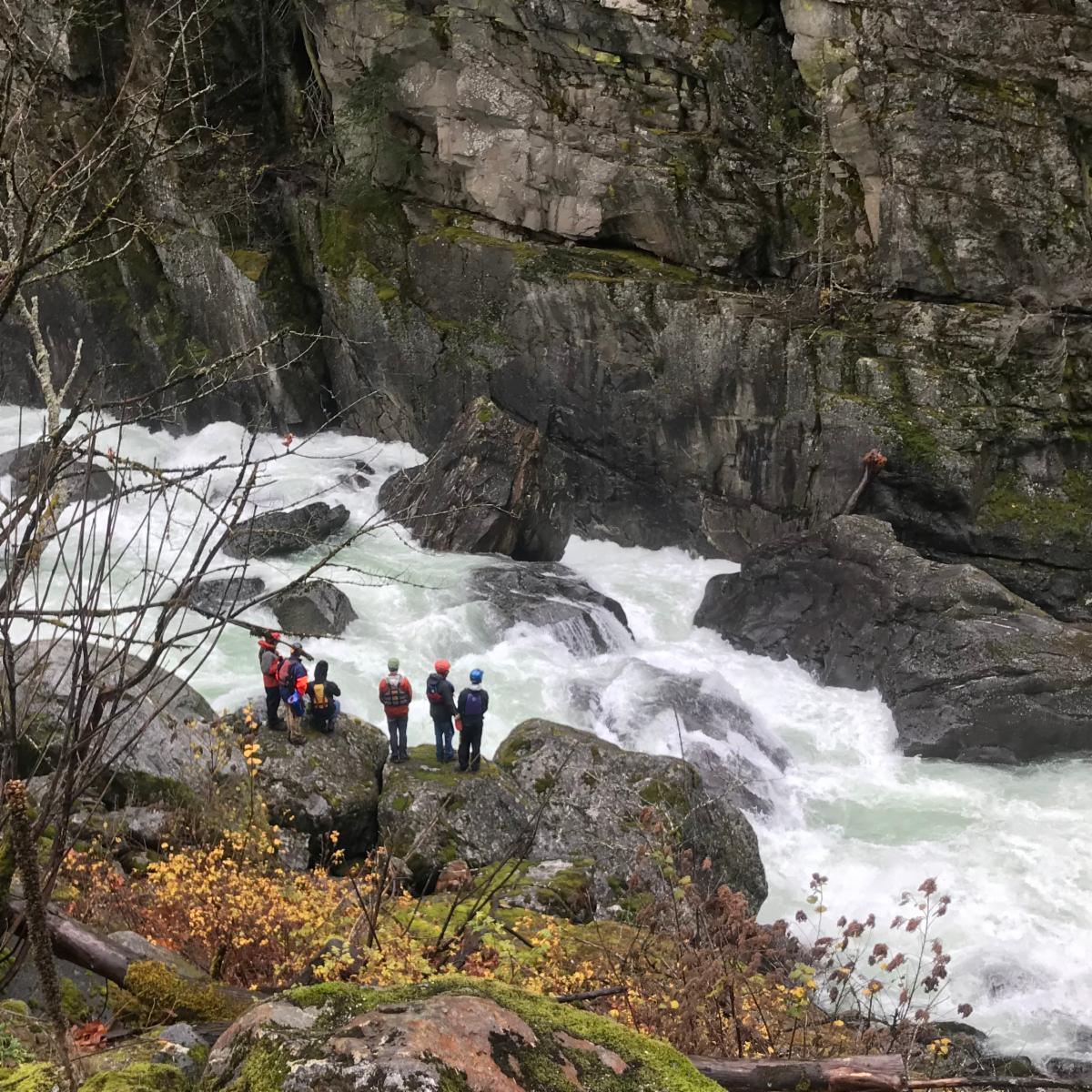
The 2.5-mile-long reach of the Skagit River extending from Gorge Dam to Gorge Powerhouse (the Gorge bypass reach) flows through a steep, narrow canyon. American Whitewater, a national nonprofit focused on river protection and whitewater recreation, has identified the reach as a potential whitewater boating opportunity. In fact, they think it has the potential to be an excellent expert-level whitewater boating location because of its unique technical whitewater challenges, extraordinary natural setting, and the fact that it can be accessed from a highway—many similar reaches can only be accessed by climbing down the side of a canyon.
This study is assessing the possibility of whitewater boating in the Gorge bypass reach. It is looking at elements like the difficulty of the whitewater, potential river put-in and take-out spots, and how much water spills into the reach from Gorge Dam at different times of year.
| A team of whitewater experts will follow up with a recommendation on next steps. If the expert team determines that the Gorge bypass reach is safe and appropriate for whitewater boating, they will return in Summer/Fall of 2022 to launch their boats for the next stage of evaluation. | |
Above: A team of boating experts observe the whitewater in Gorge bypass reach. | |
Reservoir Native Fish Genetics | |
|
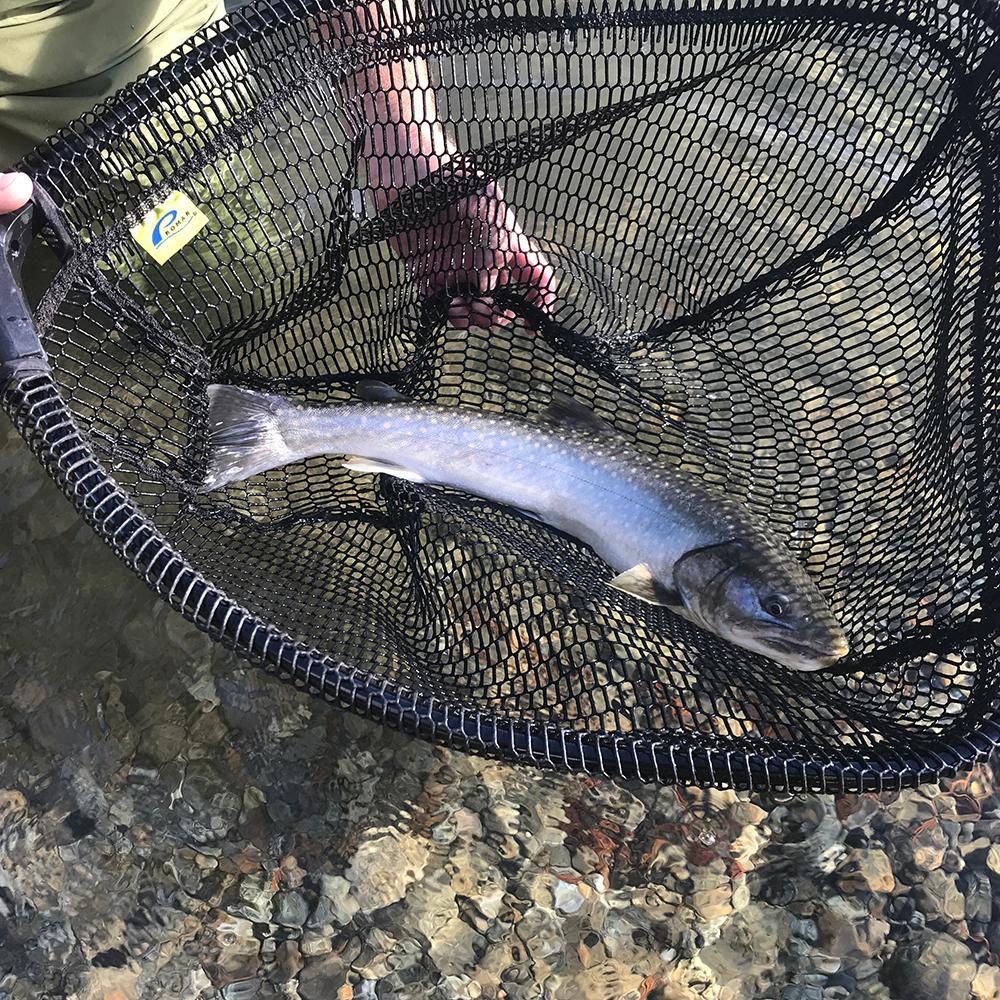
Seattle City Light is committed to ensuring that all 33 studies are done to the highest possible standard. For some studies, this means involving national and international experts on a particular subject. That’s the case for the Reservoir Native Fish Genetics study, which will analyze the genetic makeup of three native fish species in the Skagit Project reservoirs. For this study, City Light is convening a panel of experts from agencies and universities across the country and in Canada who specialize in areas such as conservation genetics, fisheries genetics, aquatic habitat, and aquatic ecology.
The expert panel on genetics will meet this winter and continue working through 2022 to compile and review existing genetic information on target fish species. Results of the review will guide the design of the next year’s field work to collect additional data.
| |
Above: Bull trout are one of the species of native fish included for analysis in the Reservoir Native Fish Genetics study. | |
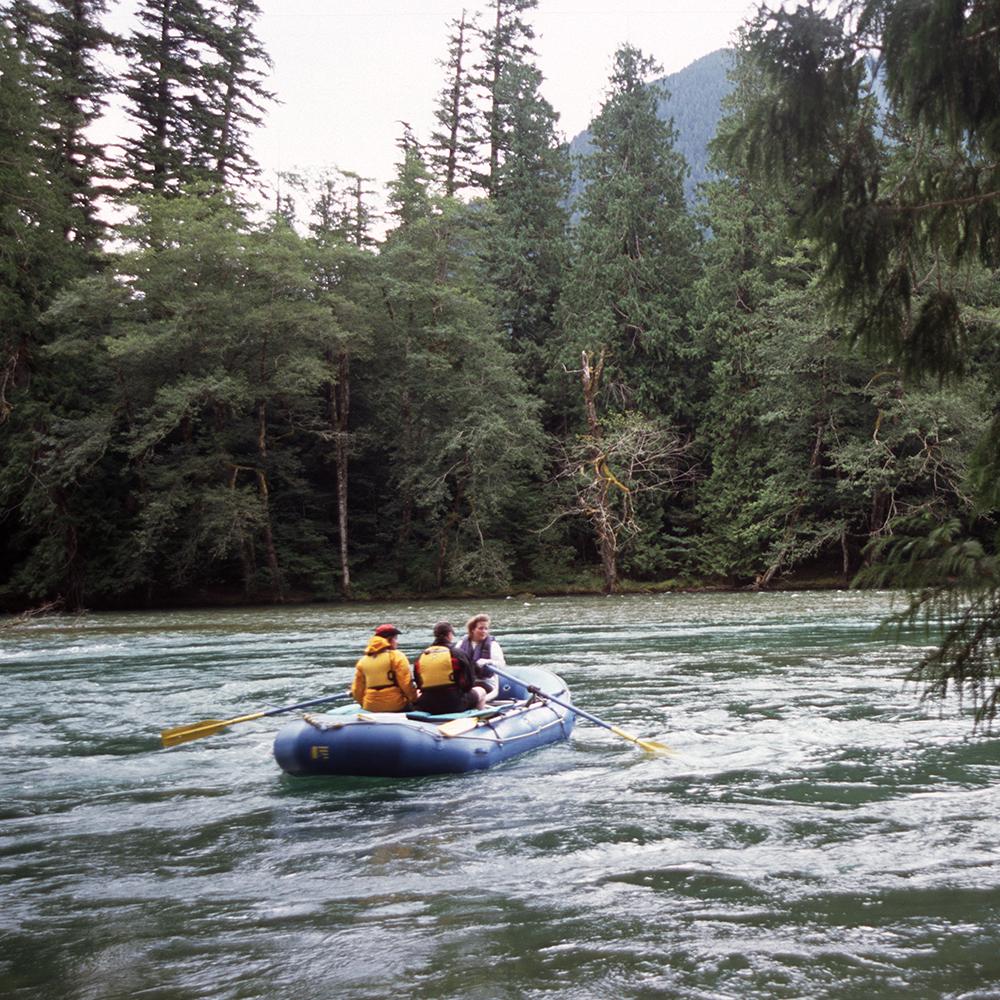
Boats, kayaks, rafts, and other watercrafts are common on several segments of the Skagit River between Goodell Creek Boat Launch and Howard Miller Steelhead Park. The goal of this study is to identify how much water needs to flow in this stretch of river for recreational boating. The study is looking at river access locations, whitewater difficulty, types of boats used in the area, and other related elements. | |
You can participate in this study today!
If you’ve ever boated on the Skagit River between Goodell Creek Boat Launch and Howard Miller Steelhead Park in Rockport, we would like to hear from you. The Skagit River Recreation Flow Survey is gathering information about water flow preferences for boating along three segments of the Skagit River (Goodell Creek boat launch to Copper Creek boat access site; Cooper Creek boat access site to Marblemount boat launch; and Marblemount boat launch to Howard Miller Steelhead Park.) The survey takes about 15-20 minutes to complete and responses are confidential. Please share this invitation with your networks – the survey will remain open through September 2022.
| |
Above: Rafting on the Skagit River. | |
Skagit Project Provides Protection During Recent Floods | |
|
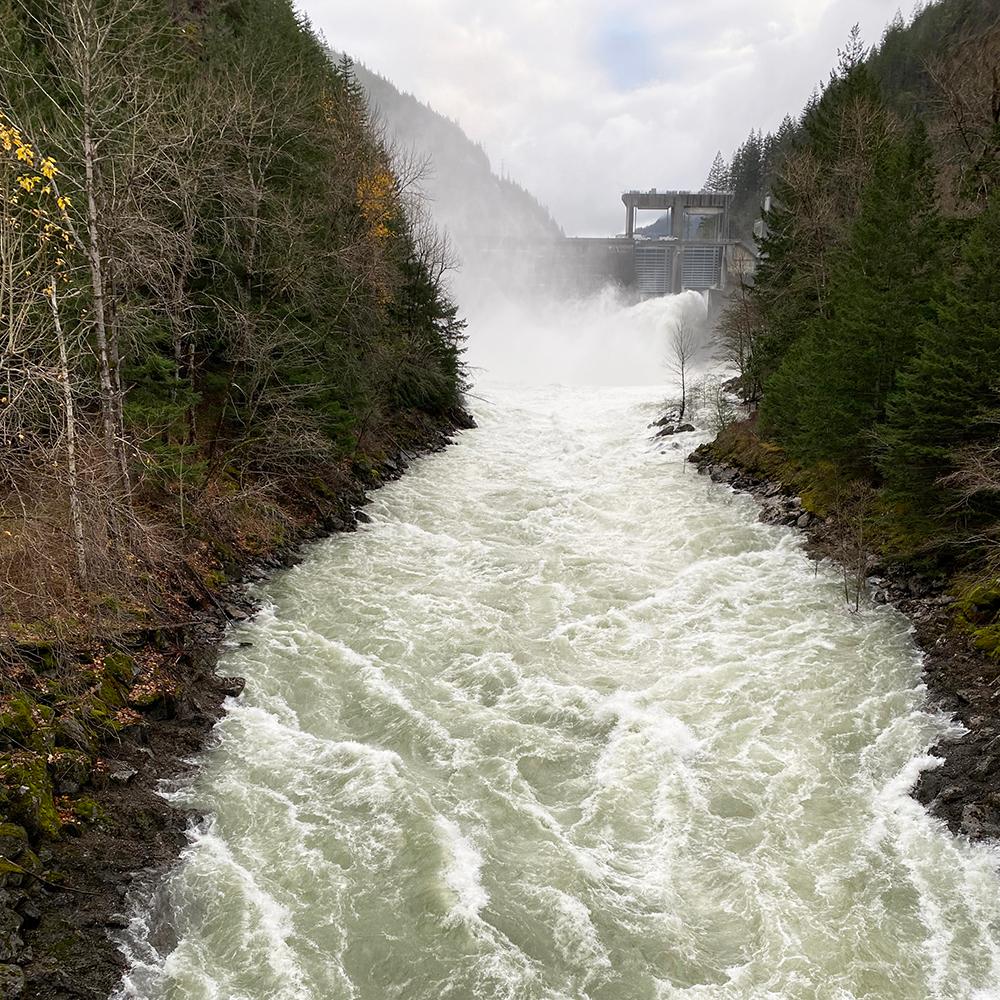
In the November issue of this newsletter, we discussed the role that the Skagit dams play in flood protection. Just days after that issue was published, Skagit County experienced its first major flood of the season. An atmospheric river brought heavy rainfall, causing the Skagit River to rise nearly nine feet above flood stage. It could have risen much higher were it not for the Skagit dams, which regulate the flow of water in the river. Below, Andrew Bearlin, Skagit License Manager at Seattle City Light, answers a couple questions about the Skagit Project’s role during this near-record flood event.
Q: How did the dams help prevent more catastrophic flooding?
A: The dams on the Skagit and Baker rivers played a key role in regulating the flow of the rivers during the November 14 flooding event. According to the US Army Corps of Engineers, the height of the Skagit River could have been eight feet higher (enough to top the Mount Vernon floodwall) had it not been for the Ross and Upper Baker dams holding back water during the floods.
| |
Above: Gorge Dam is shown releasing water that was held back to reduce flooding downstream during the record storm event that crested the Skagit River on November 16, 2021. | |
|
Q: How does City Light decide how much water to let through the dam during an event like this? Was anything damaged with that much water being held back?
A: City Light manages the Skagit Hydroelectric Project with floods, fish, recreation, and power generation in mind. When river flow is predicted to exceed 90,000 cubic feet per second (CFS) at the Concrete gauge on the Skagit River, the US Army Corps of Engineers takes control of Project operations and works with City Light to manage the amount of water that flows through the dams. Each year as summer ends and we look towards the fall rains, the level of Ross Lake behind the dam is lowered to provide room to store water from storms. During relicensing City Light and its partners will reevaluate how much storage is needed for flood control as we recognize that climate change is creating more frequent and more extreme weather events such as we have recently witnessed. As for the dams and spillways, they are built and carefully maintained to withstand extreme events – there was no damage to the dams from the November event.
Learn more in this recent article from the Skagit Valley Herald: Feds: Dams helped prevent more severe Skagit River flooding. (Kimberly Cauvel, Nov. 28, 2021)
| |
North Cascades Institute Welcomes a New Leader | |
|
On the edge of Diablo Lake, tucked in among ferns, maples, and towering old growth cedars, is the North Cascades Environmental Learning Center, home to the North Cascades Institute, a nationally recognized nonprofit whose mission is to inspire environmental stewardship through transformative learning experiences in nature. The Learning Center was created through a partnership between Seattle City Light, the National Park Service and the North Cascades Institute as part of the Skagit Project’s 1991 relicensing effort. (Learn more about its history in this video.)
The Institute and Learning Center are widely known as a destination for anyone looking to experience nature, learn about protecting habitat, and better understand environmental stewardship. People of all ages come to the Center to discover wildlife, learn about fungi and old-growth forests, practice wilderness medical skills, hike to waterfalls, take part in City Light-operated Diablo Lake Boat Tours, and more.
| |
Meet Executive Director Rebecca (Bec) Detrich | |
|
This summer, the Institute bid farewell to co-founder Saul Weisberg, who retired in June after 35 years as Executive Director and welcomed Bec Detrich as its new leader.
A blog post on the Institute’s website explains that Bec was selected after a six-month long, rigorous worldwide search process.
“Among the qualities that the Board admired in Bec were her leadership experience and deep knowledge of Residential Environmental Learning Centers, experience working successfully with federal and state partners, and her career-long emphasis on community engagement and inclusion.”
| |
Above: Bec Detrich, Executive Director of the North Cascades Institute. | |
|
We caught up with Bec to learn a bit more about what drew her to the North Cascades, what excites her about her new role, and her vision for the future of the North Cascades Institute and Learning Center.
“I’ve always been drawn to the beauty, complexity, and diversity of the North Cascades ecosystem,” says Bec. “I’m thrilled to have the opportunity to work in such a special place with a community of smart, dedicated educators, naturalists, artists, and adventurers. I believe the Institute and the Environmental Learning Center have an important role to play as we face the challenges of the future. I want to continue to grow opportunities for people from all backgrounds and areas of interest to learn more about our natural world and the importance of caring for it.”
Learn more about Bec, the North Cascades Environmental Learning Center, and the North Cascades Institute at ncascades.org.
| |
Eagle Season in the Skagit | |
Learn more about the Skagit River Hydroelectric Project and other City Light hydroelectric resources. | |
Explore the Skagit River and the beauty of the North Cascades. | |
Learn more about the relicensing process, including the library of public documents. | |
|
OUR MISSION
Seattle City Light provides our customers with affordable, reliable and environmentally responsible energy services.
| | | | |