2022 Seasonal Observations
As the winter snows start to fall, our crews now have a bit of time to reflect on another super busy and productive field season. One of the most rewarding aspects of our job is the opportunity to observe the ecology, the plant and animal interactions, of the natural areas that we manage. Each year is incredibly unique due to the variability in weather and the complexities in plant and animal populations. Observations help us understand the systems we create and manage at Natural Shore. Click the link below to read a few we would like to share with you this year.
Watch our video with more fun observations!
We have a NEW website!
Host Plant Highlight
90% of plant-eating insects use native plants to grow and survive. Without their native host plants, many butterflies and other insects cannot survive. Birds and other wildlife use caterpillars and other insects to feed their young. Over the last few years, we have seen major declines in both insect and bird populations due to a variety of factors, especially habitat loss and fragmentation. Rebuilding habitat with native plants is crucial in providing food for caterpillars, which in turn provide food for baby birds; making native plants the foundation of our food webs.
American Highbush Cranberry
(Viburnum opulus var. americanum)
# of Larval species- 97

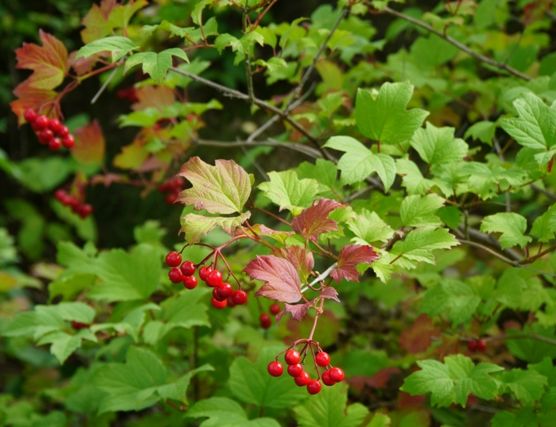
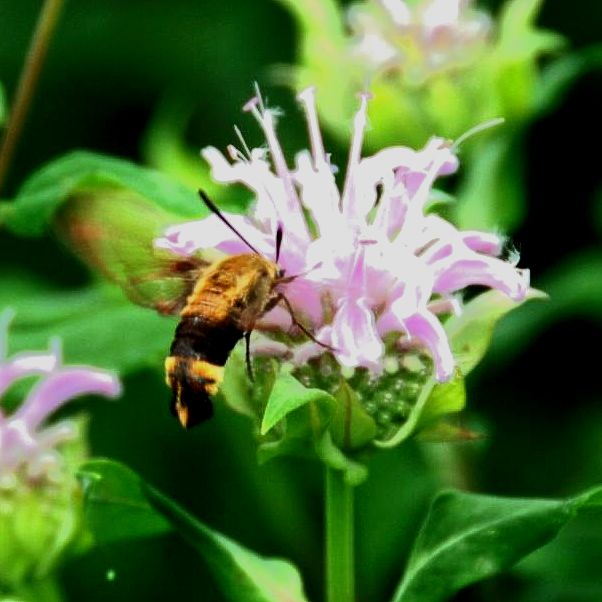
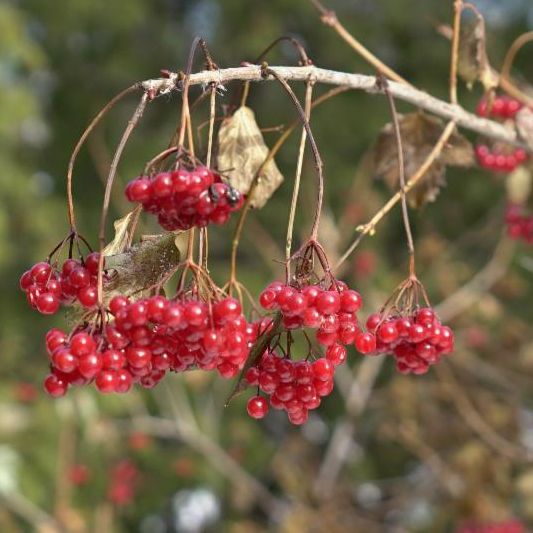
Highbush cranberry (Viburnum opulus var. americanum) and other Viburnum species serve as host plants for 97 species of larval insects, including the snowberry clearwing moth. The moth looks very similar to a hummingbird or large bumblebee when visiting flowers. The caterpillars are light green in color and overwinter in cocoons in leaf litter. Highbush cranberry is a large shrub that produces bright red berries that sweeten after freezing.
American Highbush Cranberry foliage and fruit
(Viburnum opulus var. americanum)
Snowberry Clearwing Moth (Hemaris diffinis) on Wild Bergamot (Monarda fistulosa)
American Highbush Cranberry fruit, popular with many migrating birds
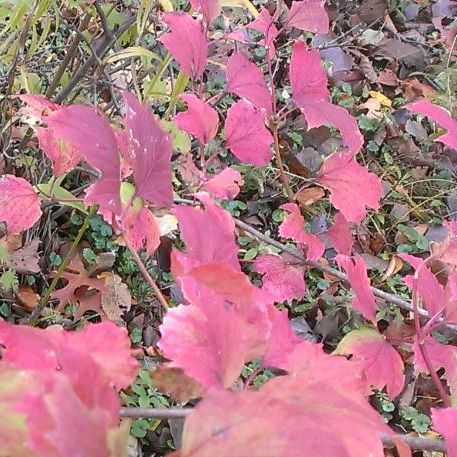
Beautiful American Highbush cranberry fall foliage!

Our Nursery is Closed for the Season

Thank you for coming out during our sale dates this year! If you are interested in plants wholesale please email our greenhouse manager for prices and stock details.
Jill@naturalshore.com
For more information visit:
Non-native Species of the Month
Glossy Buckthorn
(Frangula alnus)

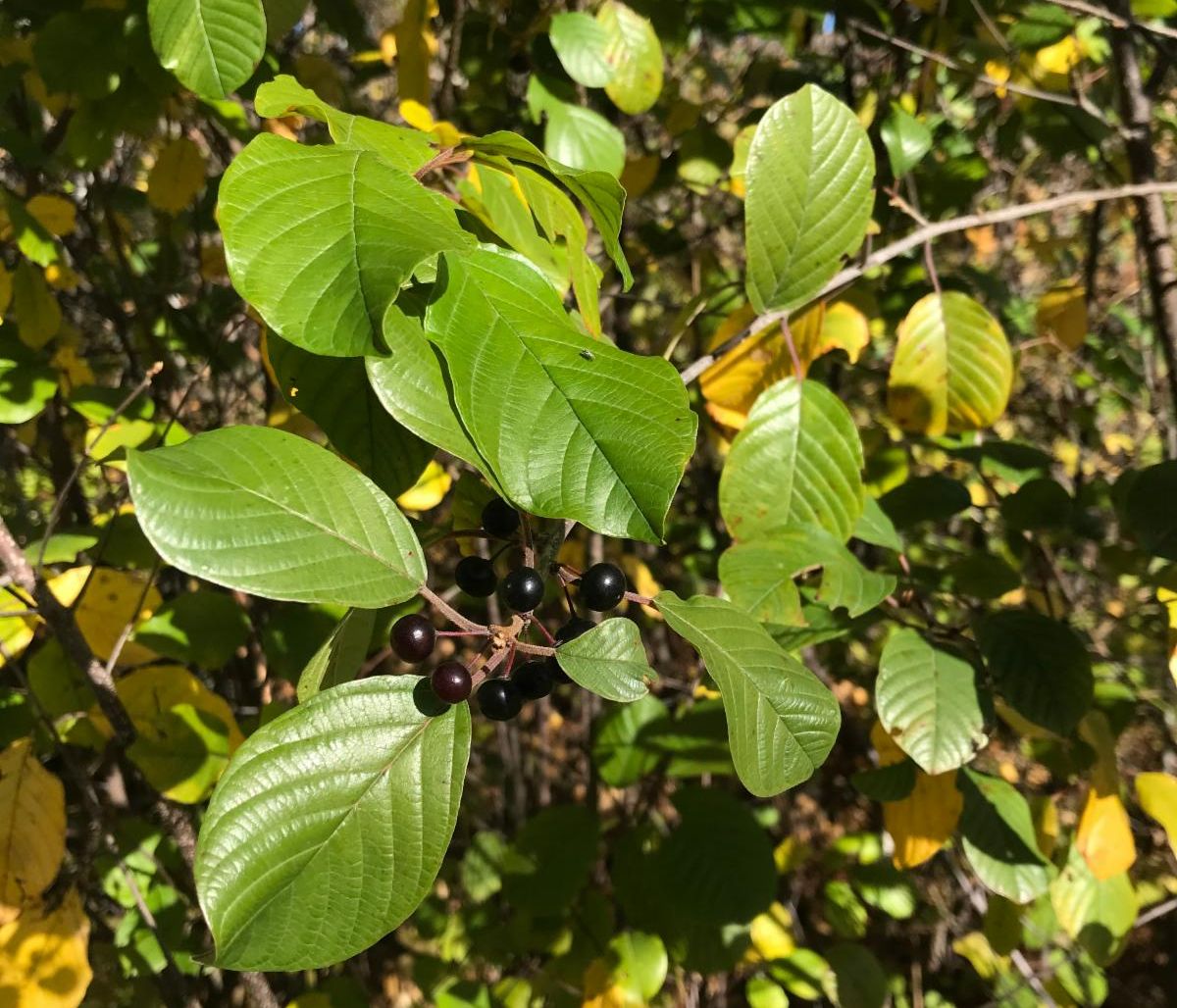
Glossy Buckthorn is a large shrub or tree that reaches a height of 20 feet and prefers moist to wet ground, occupying and pushing out native species in areas such as wetlands and woodlands. It forms flowers and red fruits that turn shiny black all season, making it arguably more aggressive than Common Buckthorn which only produces fruits at season’s end. Other identification features include horizontal white lenticels on young bark and twigs, thornless twigs, and an orange-colored heartwood. Management is essential for this restricted noxious weed, and includes cutting and treating the stump, foliar herbicide applications, or hand pulling small, minimum infestations with the help of a weed wrench. 
Native Plant of the Month-
Red-osier Dogwood
(Cornus sericea)

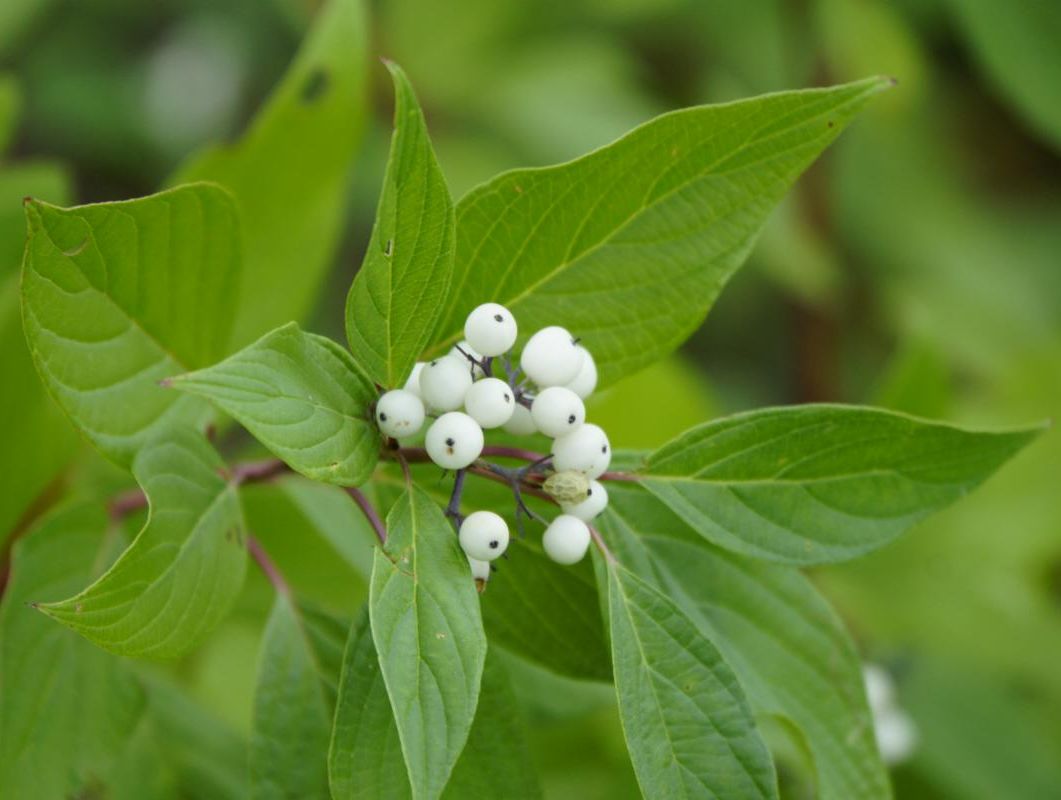
A rapid-growing, multi-stemmed, deciduous shrub with a rounded, spreading habit. The outstanding ornamental feature of this plant is its bright red winter stems which are particularly showy against a snowy backdrop. Tiny white flowers appear in flat-topped clusters in spring, with sparse, intermittent, additional flowering sometimes continuing into summer. Flowers give way to clusters of whitish, sometimes with a blue tinge, berry clusters in late summer. Fruit is quite attractive to birds and is generally considered to have as much ornamental interest as the flowers. Dark green ovate leaves turn an attractive reddish-purple in autumn. This shrub is very common in Minnesota’s open, sunny wetlands.

Forager Fix
Wild Asparagus
(Asparagus officinalis)

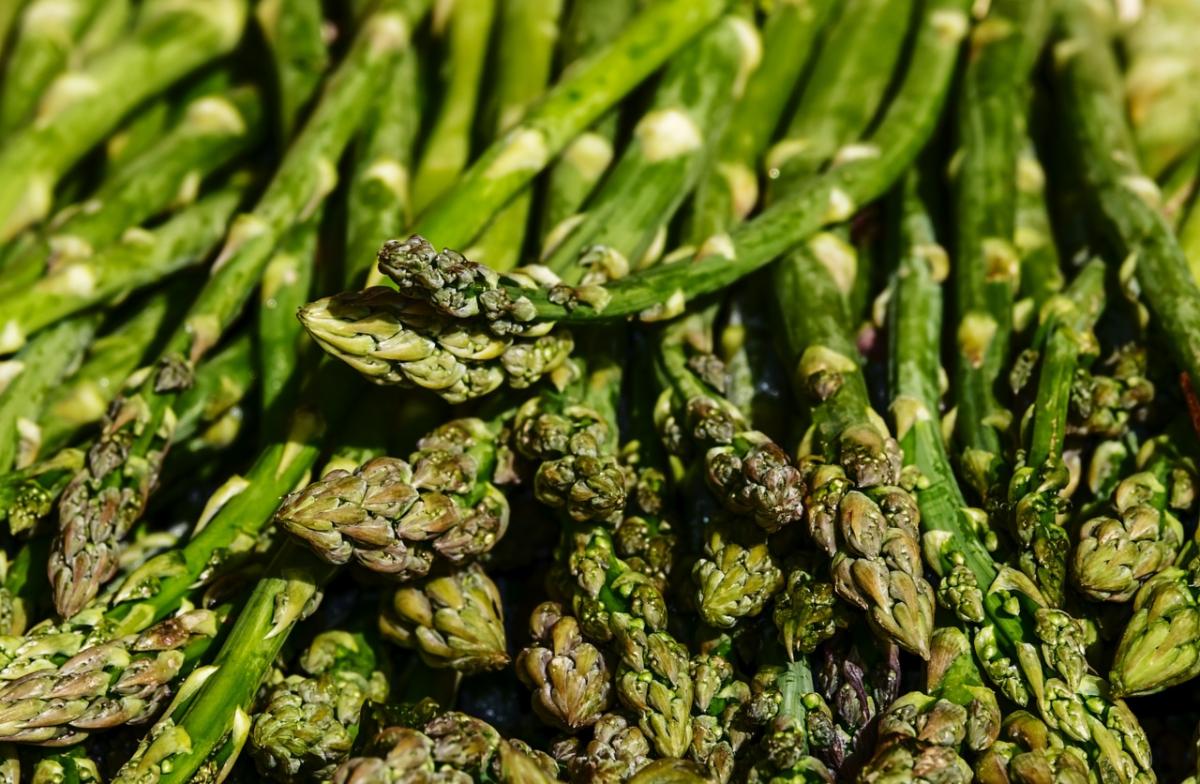
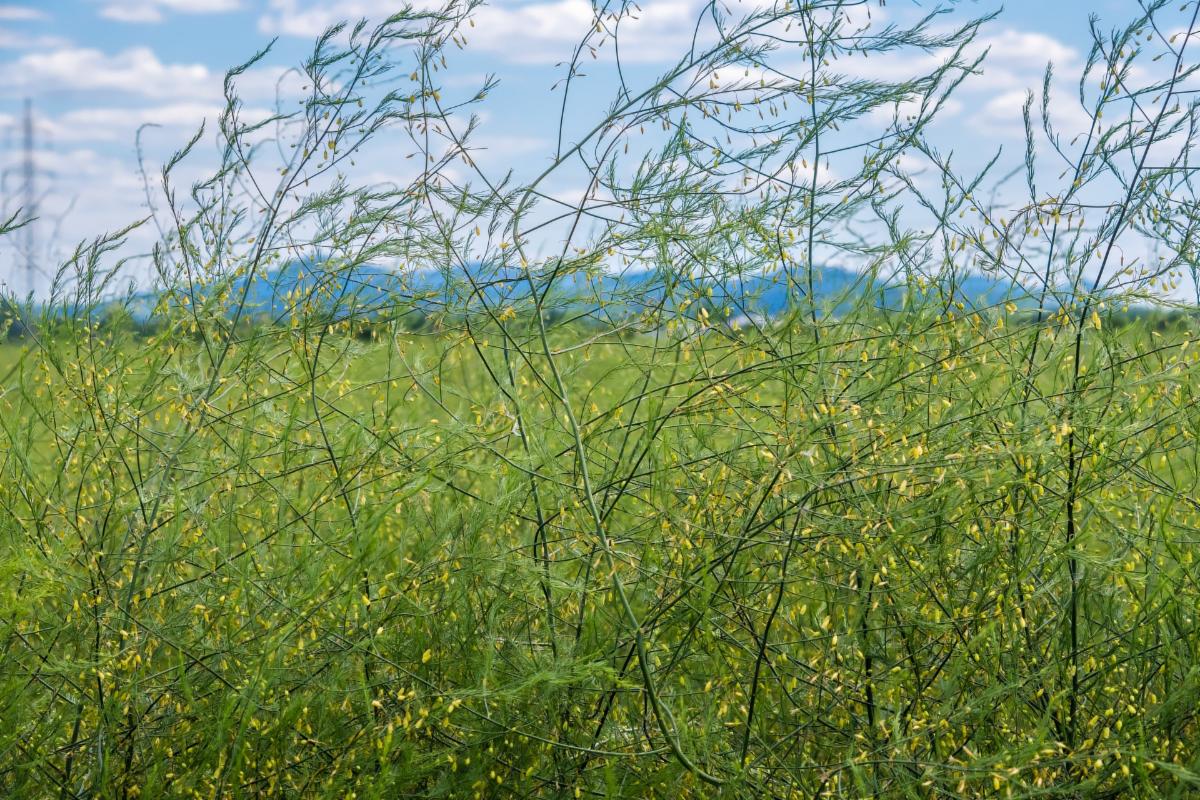
This is the same asparagus found in the common backyard garden, except it has escaped cultivation. They are often found in partially shady areas like woodland edges. Like garden asparagus, it is best to collect them in the spring when their shoots are tender. When the stems bolt up the shoots become more fibrous and harder to eat. Their leaves are feathery and soft and turn yellow in the fall. The bell-shaped flowers of wild asparagus are small, yellow, and develop into red berries.

Restoration Tip of the Month
Don't use too much salt this winter! Ice can be dangerous but overusing salt pollutes our local waterbodies. Grab a dog buddy and get out early to shovel those sidewalks before it turns to ice. You can also use large gravel or chicken grit to keep your sidewalks safe. Once salt gets into a waterbody it can't be removed and higher levels start having negative impacts on our wildlife and the system's ecosystem. If you have to use salt then use it sparingly and scoop it up to reuse for the next snowfall!
We hope to see you next spring!
Natural Shore Technologies, Inc. | www.naturalshore.com