|
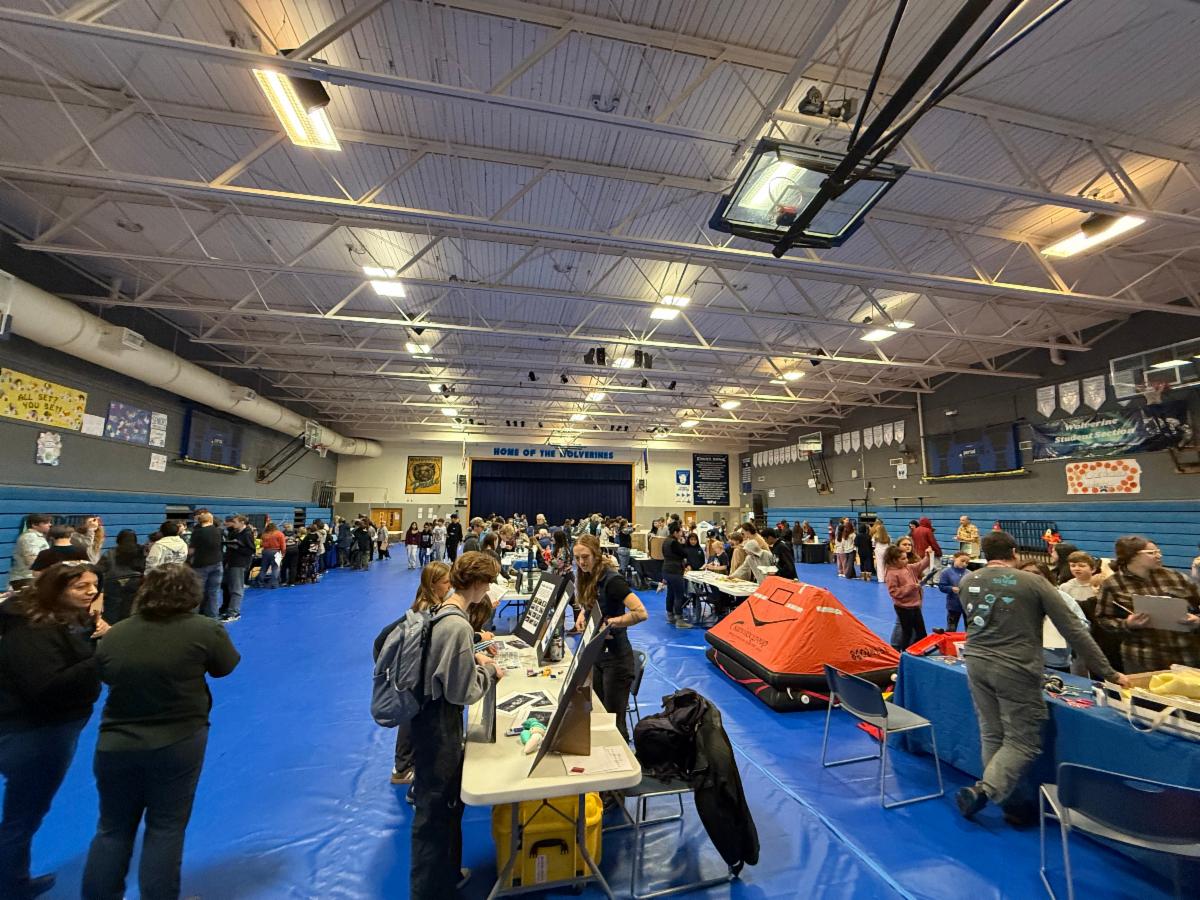
Are you curious about what our Education Team got up to in November? Check out their updates below!
Preschool Programs
Sea Squirts hammered and wrenched their way through simple machines. Preschoolers created cars that rolled down ramps, played with pulleys, catapulted dinosaurs, built a marble run, and disassembled machines. The preschoolers had a fantastic time smashing a VHS and playing with the tape. They could hardly believe a whole movie was contained on the roll of tape.
The Little Dippers continued exploring the natural environment. They experienced the effect of the shortened days on our dropping temperatures. Luckily, we had many beautiful sunny days to explore in, along with some rainy days too.
After-School Programs
Science & Snacks participants got to play bone detective. Using clues derived from the mystery specimens, students tried to correctly guess which animal each specimen came from. For added fun, they compared the animal bones to human bones, introducing the concept of comparative anatomy.
Adult Programs
Our Tuesday Night Talk lecture series took place on Tuesdays in November. You can catch up on all of them by visiting our YouTube Channel and clicking on the Lecture Series playlist. November’s talks:
In November, we hosted Nature Yoga. This sessions's theme was hibernation, prompting participants to practice breathing and relaxation exercises as we prepare for a long winter season.
School Programs
In November, our educators met with students in grades K-6 as part of our Discovery Room program:
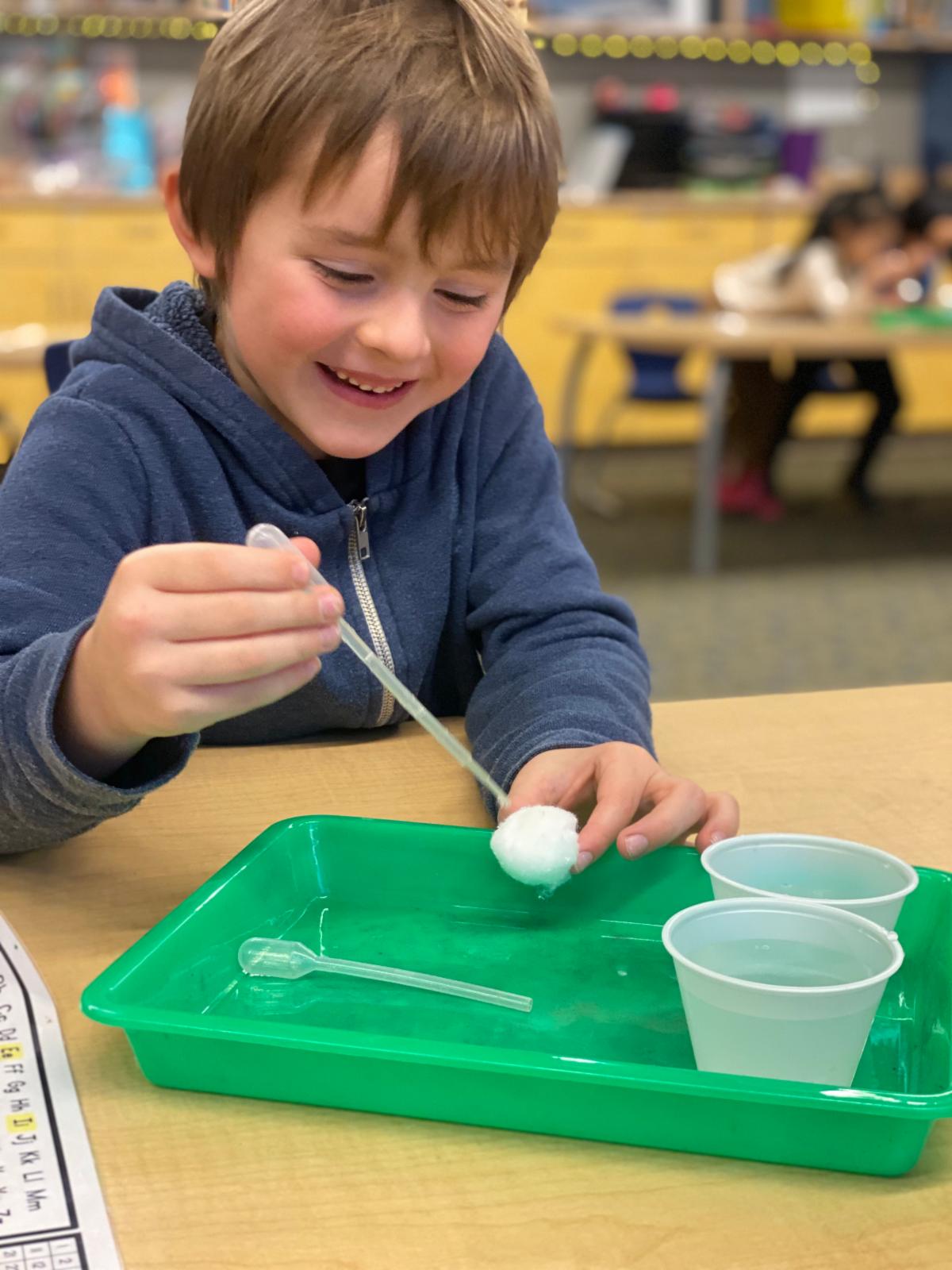
● Kindergarteners continued their exploration of the water cycle with a lesson on condensation and clouds. After conducting a science experiment that created a cloud in a jar, they used playdough to make tactile clouds and practiced fine-motor skills with pipettes to fill cotton balls with water, simulating rain.
● First Grade practiced comparing and contrasting different species of owls. They made observations and drew scientific illustrations featuring the Alaska Department of Fish and Game’s taxidermied owl collection.
● Second Grade students learned what plants need to survive. Now that they are trained plant-parents, they can care for their lettuce! Transplanting the lettuce seedlings was a highlight for all of the students.
● Third Grade moved to the next step of the bird life cycle: nesting. After learning about the nests of different species, they engaged in an engineering challenge to build a nest that can hold three eggs and withstand wind.
● Fourth Grade learned that plankton are the base of the food web and observed that their form meets their function. Putting their knowledge to the test, they competed in plankton races, an activity where they attempt to engineer a plankton that floats in the middle of the water column.
● Fifth Grade learned about the interactions of carbon and the atmosphere. Through an experiment, they discovered that carbon dioxide in the atmosphere helps hold in heat and makes our planet livable. They also added the concept of “stocks and flows” to their system’s thinking toolbox as they examined ways that carbon enters and leaves the atmosphere.
● Sixth Grade learned about thermohaline circulation in the ocean and how currents are constantly circulating the oceans' water. They then learned how to map points using the geographic coordinate system
|