Making visible the invisible since 1982 | | |
Letter from our Executive Director
As the year draws to a close, I find myself reflecting on the countless individuals we’ve been fortunate to support throughout 2025. The Brain Injury Alliance of Connecticut continues to be a vital resource for so many brain injury survivors and their families.
Our core programs remained central to our mission this year: offering guidance through our free Helpline, providing education and outreach across the state, and supporting individuals and families through our network of community resources and support groups. These services ensure that no one in Connecticut faces the effects of brain injury alone.
We could not do this work without the unwavering dedication of so many individuals, providers, and supporters. I want to take a moment to recognize each one of you. Whether you attended an event, shared a resource, or helped spread awareness, your involvement has made a real difference.
As we enter this season of giving, I invite you to continue your support of BIAC through our Annual Appeal. Your contribution, no matter the amount, helps sustain the services we offer and ensures that we can continue to be here for those who need us most.
Thank you for being part of our mission and for helping us continue this important work. From all of us at BIAC, I wish you and your loved ones a peaceful, joyful, and healthy holiday season.
| | | | |
Cynthia Bidorini
Executive Director
| | Managing the Holidays After Brain Injury | | |
The holiday season can be joyful, but also overwhelming, for people living with brain injuries. Crowds, social obligations, sensory stimulation, and fatigue can quickly become stressful.
Here are a few strategies to help you navigate the holidays:
- Prioritize rest: Allow yourself downtime to recharge between events.
-
Set boundaries: It’s okay to say no to activities that feel too overwhelming.
-
Simplify plans: Focus on quality over quantity in gatherings and commitments.
-
Communicate needs: Let friends and family know what accommodations help you enjoy the season.
-
Self-care: Engage in routines that calm your mind and body, such as meditation, gentle exercise, or quiet time.
Remember, celebrating the holidays looks different for everyone, and it’s okay to make choices that support your health. Your well-being is the greatest gift you can give yourself.
Find more tips here!
| | |
As we launch our Annual Appeal, we are asking for your support.
Early gifts help us begin the season strong and allow us to continue serving every person who reaches out. The need in our community continues to grow, and your kindness helps us stay ready for every call that comes in.
Please consider making your gift now.
You can make a donation online by clicking here
or sending a check by mail (address at the bottom).
Your support, no matter the amount, keeps this lifeline open for the people who depend on us.
| | International Day of Persons with Disabilities | | |
December 3 marks the International Day of Persons with Disabilities (IDPD), a global observance dedicated to promoting inclusion, accessibility, and advocacy for people with disabilities. For those living with brain injuries, this day is an important reminder that their voices matter and their needs should be recognized in every aspect of society - from workplaces to public spaces. At the Brain Injury Alliance of Connecticut, we celebrate this day by advocating for policies that remove barriers, providing education about brain injury, and highlighting stories of resilience. Inclusion isn’t just a concept. It’s a commitment to ensuring everyone has the opportunity to participate fully in life.
This December 3, consider how you can support accessibility and inclusion in your community. Small actions like sharing educational resources, volunteering, or simply listening can make a meaningful difference.
Learn more here!
| | BIAC 2026 Annual Conference - Save the Date! | | We’re excited to announce that the 2026 BIAC Annual Professional Conference will be held on Friday, March 6, 2026, at Yale University – West Campus. Our planning committee is hard at work finalizing nine dynamic, evidence-based workshops that you won’t want to miss. Stay tuned - and check our website conference page soon for updates on speakers, sessions, and registration details! | | |
Two young brain injury survivors, Alexa Casciano (24) and Christian Longo (26), turned their stories of survival into strength at the New York City Marathon, running to benefit the Brain Injury Association of New York State. After life-threatening injuries that left them relearning how to walk, talk, and rebuild their lives, Alexa and Christian crossed the finish line not just for themselves, but for every survivor who cannot. Their journey is a powerful reminder that recovery is not the end of the story, but the beginning of a new one.
Running the NY Marathon
| | |
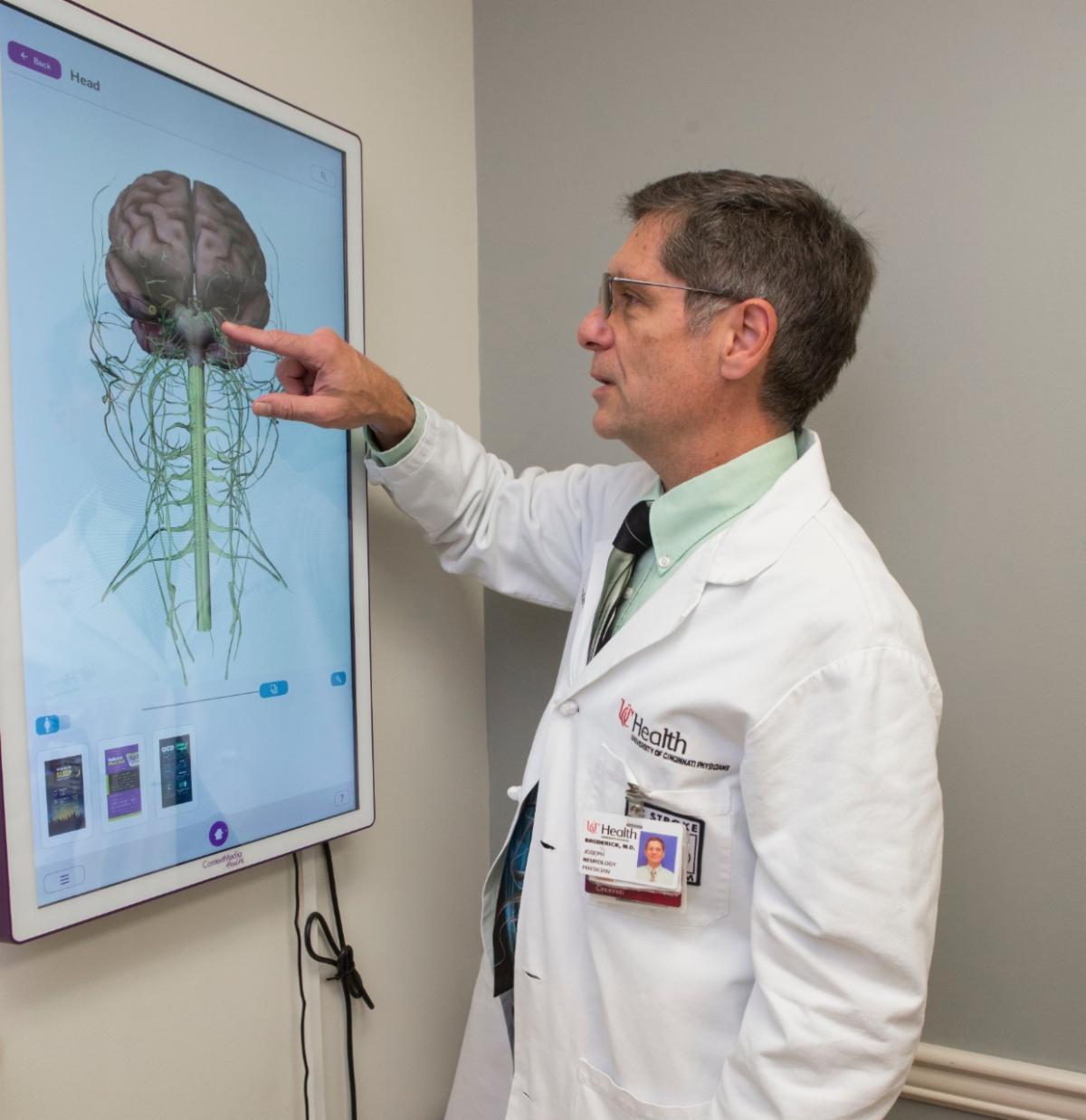
Artificial intelligence is reshaping the future of stroke care, helping doctors analyze scans faster, identify patients for trials, and personalize treatments in real time.
Experts from the University of Cincinnati Gardner Neuroscience Institute are leading national conversations on how to use AI responsibly, ensuring that innovation never comes at the cost of ethics, accuracy, or patient privacy.
As AI speeds insights and improves outcomes, researchers remind us that it must always keep a human in the loop, because in medicine, precision and compassion must move forward together.
Artificial Intelligence and Stroke Care
| | |
The WVU Rockefeller Neuroscience Institute is leading the nation with the first standardized test and care protocol for traumatic brain injury, developed with Abbott and the Department of Defense. Using a simple blood test, doctors can now detect brain injury biomarkers within minutes, helping rule out unnecessary CT scans and begin treatment faster. This innovation brings faster diagnoses, personalized care, and better outcomes for first responders, domestic violence survivors, athletes, and anyone affected by concussion or TBI. A powerful step forward for brain health and recovery.
WVU Rockefeller Neuroscience Institute
| | |
Did you miss any of these great articles? Be sure to check them out!
Follow us on Facebook and Instagram to stay current on the latest
newsworthy articles about brain injury.
| | Support Groups: A New Year’s Resolution for Healing | | |
As the New Year approaches, many people think about resolutions to improve their health or wellbeing. For individuals with brain injuries, a powerful resolution might be joining a support group. Connecting with peers who understand the challenges of brain injury can provide emotional support, practical advice, and a sense of community. BIAC offers a variety of support groups, both in-person and online, for survivors and caregivers. Whether you’re seeking guidance, encouragement, or simply a safe space to share your experiences, joining a group can be a meaningful step toward healing.
Make this New Year a commitment to yourself: reach out, connect, and engage with resources that support your recovery. Healing is easier when you don’t do it alone! Learn more here.
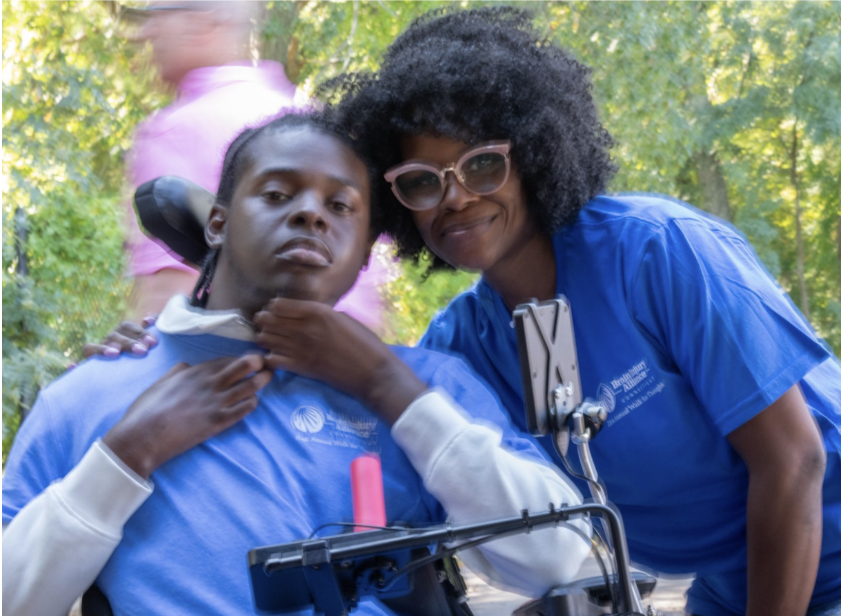
| | Thank You to Our Walk for Thought Sponsor | | |
Brain Injury Alliance of Connecticut
200 Day Hill Road, Suite 250, Windsor, CT 06095 | 860-219-0291 | www.biact.org
| | | | |