|
Dear Muskoka ECE Community,
Last month at the Hate Free Muskoka Symposium, panelists shared experiences of racism, exclusion, and feeling unseen that reached all the way back to their early childhoods. What struck me was not just how vividly they remembered these moments, but how profoundly their experiences in child care settings, in the care of educators like you and me, shaped who they became.
From Susan Perry’s article “Why It’s Important to Talk about Race with Children” in the Scientific American: “By preschool, children start associating Black people with negative traits and white people with positive traits. These biases form as children pick up on patterns—who holds power, how groups are portrayed in media and how others interact with them. Even less obvious, nonverbal cues, such as someone smiling at one group and frowning at another, influence children’s preferences. Not surprisingly, young children favor groups that receive positive signals and mimic those behaviors, reinforcing biases. These small cues accumulate, shaping how children perceive racial groups.” (Perry)
Meanwhile, hate crimes are rising everywhere, including here in Muskoka, and research tells us that what gets reported is only a fraction of what's happening.
Families entrust their children to our care, expecting us to create spaces where their children can truly belong. And yet, if we're not actively engaging in anti-bias work, our programs can be places where children learn painful lessons about who matters and who doesn't, about who belongs and who is always on the outside looking in. To be clear: ALL children are absorbing these lessons. Preschool-aged children aren't "colourblind"—the research is clear that they notice differences and absorb societal messages about them.
No child benefits from learning that some people matter more than others.
Here's what gives me hope: early childhood programs are places where change begins. Young children are building theories about how the world works—about who gets to do what, about whose ways of being matter, about where they fit. And research shows that when educators openly discuss race and fairness, children develop less biased attitudes, greater empathy, and a stronger ability to recognize and challenge inequity (Perry). When we create programs where every child sees themselves with dignity and learns to value difference, we're building the more inclusive Muskoka we all want to live in.
| | |
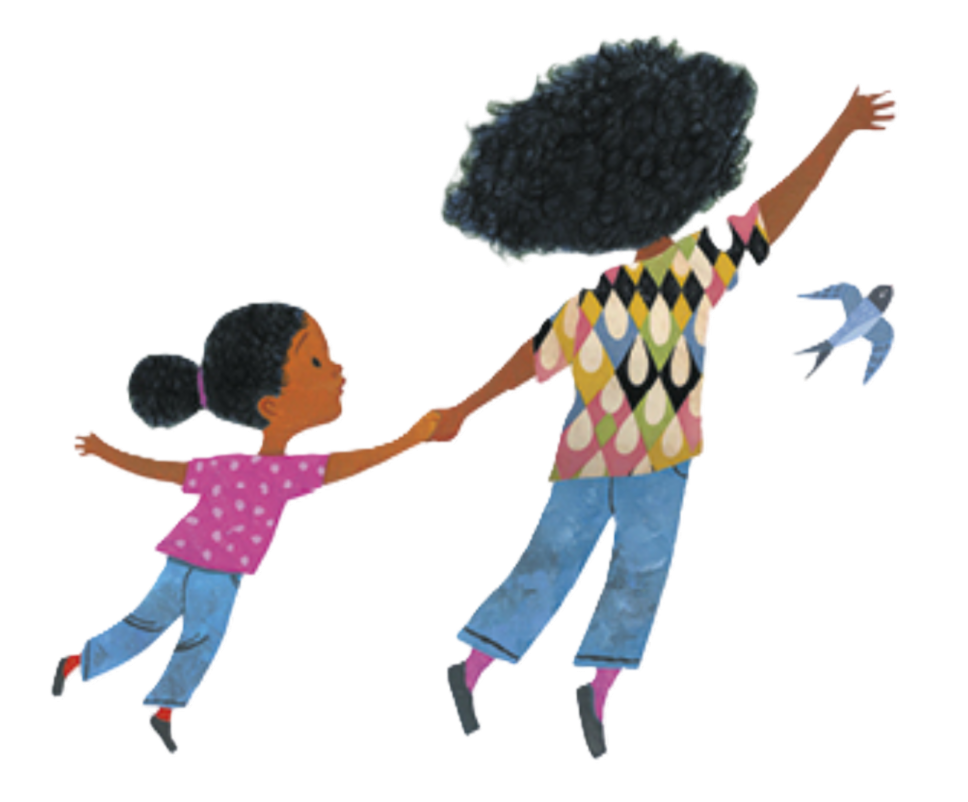
There's a moment in the picture book The Day You Begin when a child who has felt alone decides to share their story—and discovers someone ready to meet them halfway. It's a small act of bravery (for both of them) that shifts everything. Children show us this all the time, if we're watching: how much courage it takes to be yourself when you're not sure there's room for you, and what becomes possible when someone makes space.
| | |
I've heard some educators say: "But our program isn't very diverse—this doesn't really apply to us." But I'd push back on that: even in predominantly homogeneous communities, we're preparing children for a diverse world. The question isn't just whether the children in our care see themselves reflected, but whether we're helping them develop the understanding and empathy to be global citizens—to recognize and value ways of being that are different from their own.
When December arrives and we fill our spaces with particular kinds of songs, symbols, and celebrations, I find myself wondering: which children feel at home? Whose celebrations become the backdrop that everyone else moves through? Do we only use 'the holidays' as a time to talk about ‘other’ cultures in a kind of 'tourist approach' where we dip in and right back out again?
Most of us inherited the traditions and systems we work within. But we can choose what we pass forward—and what patterns we interrupt.
This month's newsletter is filled with invitations—not to have all the answers, but to wonder together about whose stories we center and what small shifts might help more children feel at home.
With warmth,
Vanessa
Perry, Sylvia. “Why It’s Important to Talk about Race with Children.” Scientific American, Scientific American, 29 May 2025, www.scientificamerican.com/article/why-its-important-to-talk-about-race-with-children/.
| |
|
🔎 Help us evolve this newsletter—and you might win something for your program, too.
Share 20-60 words of honest feedback (what's landing, what's missing, what you're curious about) OR tell us something about your practice you'd be willing to spotlight in "Community in Action." Win a $50 resource that helps children see themselves and explore difference—like diverse books, multicultural play materials, or identity-exploration tools for your learning environment - you choose what your program needs most.
Draw date: January 2nd.
Submit your thoughts here:vanessa.fraser@muskoka.on.ca
| | | | |
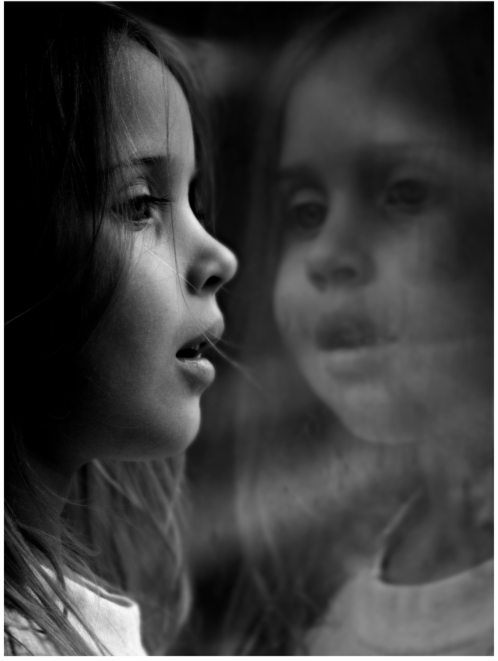
Windows, Mirrors, and Sliding Glass Doors
A framework from Dr. Rudine Sims Bishop
MIRRORS reflect children back to themselves—their families, languages, celebrations, ways of being. Mirrors affirm: You matter. You belong. Your story is valuable.
WINDOWS offer views into lives and experiences different from their own. Windows teach: There are many ways to be in the world. Other people's experiences are real and valuable too.
SLIDING GLASS DOORS invite children to step through and imagine themselves in another's experience—building empathy and connection across difference.
Here's what matters: All children need both mirrors and windows.
When children only get mirrors, they risk developing an inflated sense of their own importance—learning that their way is the only way, the right way, the universal way.
When children only get windows, they learn they are less valued, that their experiences and identities don't matter as much.
In many spaces, some children are surrounded by mirrors whilst others must constantly look through windows into someone else's world.
| | |
Think about one family whose culture isn't currently visible in your space. What would one genuine mirror for that child look like? Not a one-off "culture day"—a sustained presence.
Get curious about families' lives. Not in a "teach us about your culture" way, but genuine interest: What brings them joy? What do they want their child to know about where they come from?
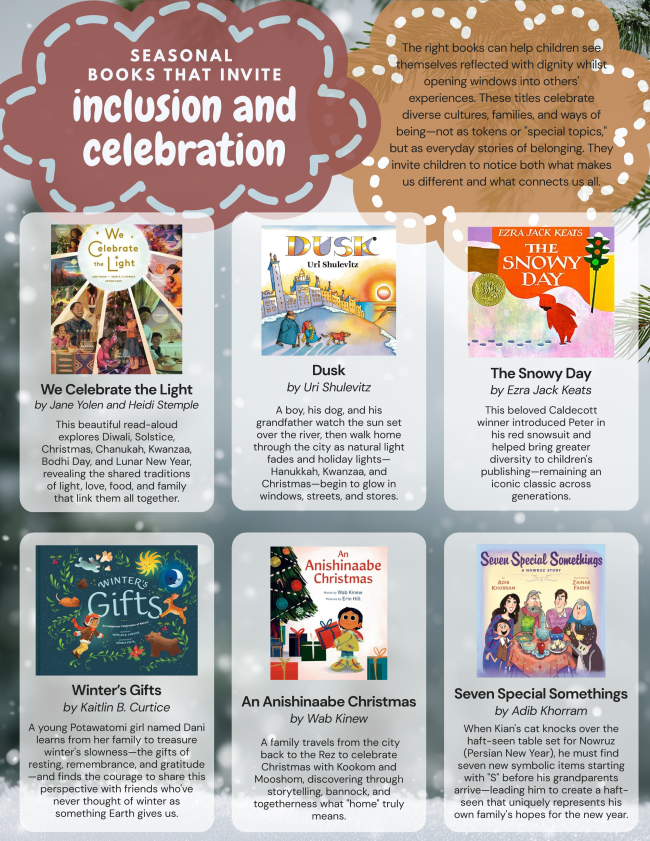
In December specifically: Add a book like We Celebrate the Light that shows many ways families mark the season. Be honest with children: "Some families celebrate Christmas. Some celebrate other things. Some don't celebrate anything special in December. All of those ways are good." And even within those that celebrate the same holiday, we all have different ways to celebrate!
When you make a misstep—and you will—repair it. Apologize. Learn. Try again. This isn't about perfection.
| | | |
|
📖Story Time = Belonging Time
The right books can help children see themselves reflected with dignity while opening windows into others' experiences.
| |
|
|
These titles celebrate diverse cultures, families, and ways of being—not as tokens or "special topics," but as everyday stories of belonging. They invite children to notice both what makes us different and what connects us all.
Click the image to view and print the PDF ➡️
| | | | | 🎧Tune in and Learn on the GO! | | |
Prefer listening over reading? Here are a few podcast episodes that explore anti-bias education in early childhood:
The Everything ECE Podcast: Anti-Bias Education in Early Childhood Spaces with Dr. Jasmine Moses
Early Risers: Waking up to Racial Equity in Early Childhood Podcast We Are the Same and We Are Different: How to Talk about Diversity with White Kids in White Communities
| |
|
CECE: Practice Guideline: Diversity and Culture
This is a Practice Guideline from the College of Early Childhood Educators that helps us create inclusive, culturally responsive learning environments by reflecting on our beliefs and biases, building respectful relationships across differences, and ensuring all children and families feel valued and see themselves represented. It emphasizes cultural humility as an ongoing professional responsibility and provides practical strategies, reflection questions, and scenarios to guide equitable practice.
Embrace Race
Webinars, articles, and conversations about talking with young children about race. EmbraceRace.org
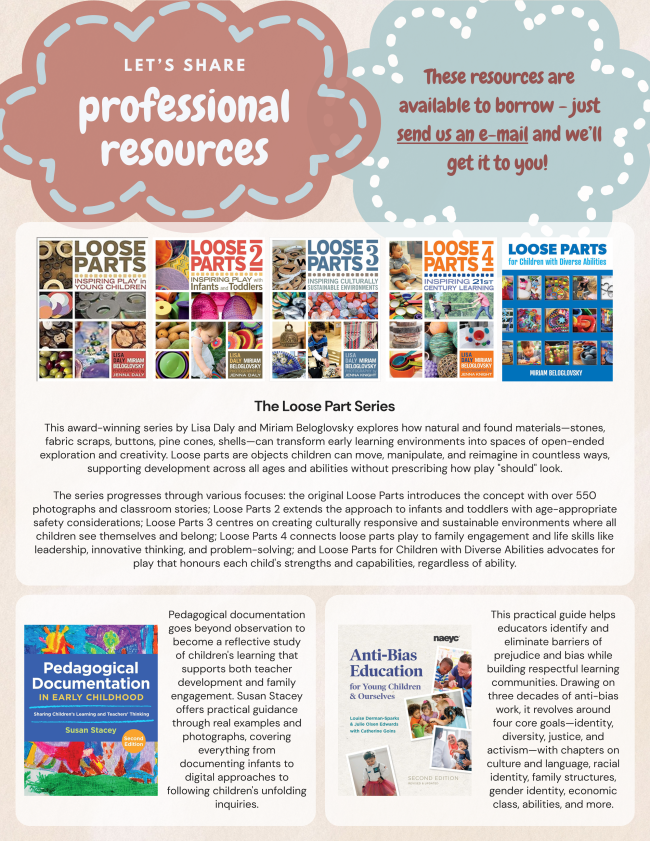
"What If All the Kids Are White?: Anti-Bias Multicultural Education with Young Children and Families by Derman-Sparks & Ramsey
This book provides early childhood educators with strategies and learning themes to help young white children develop anti-racist identities and resist messages of racism, while building skills to thrive in a diverse society. The updated edition addresses current racial dynamics, includes recent child development research on how white children enact racial power, and offers practical teaching strategies, family activities, and resources for implementation in early childhood settings.
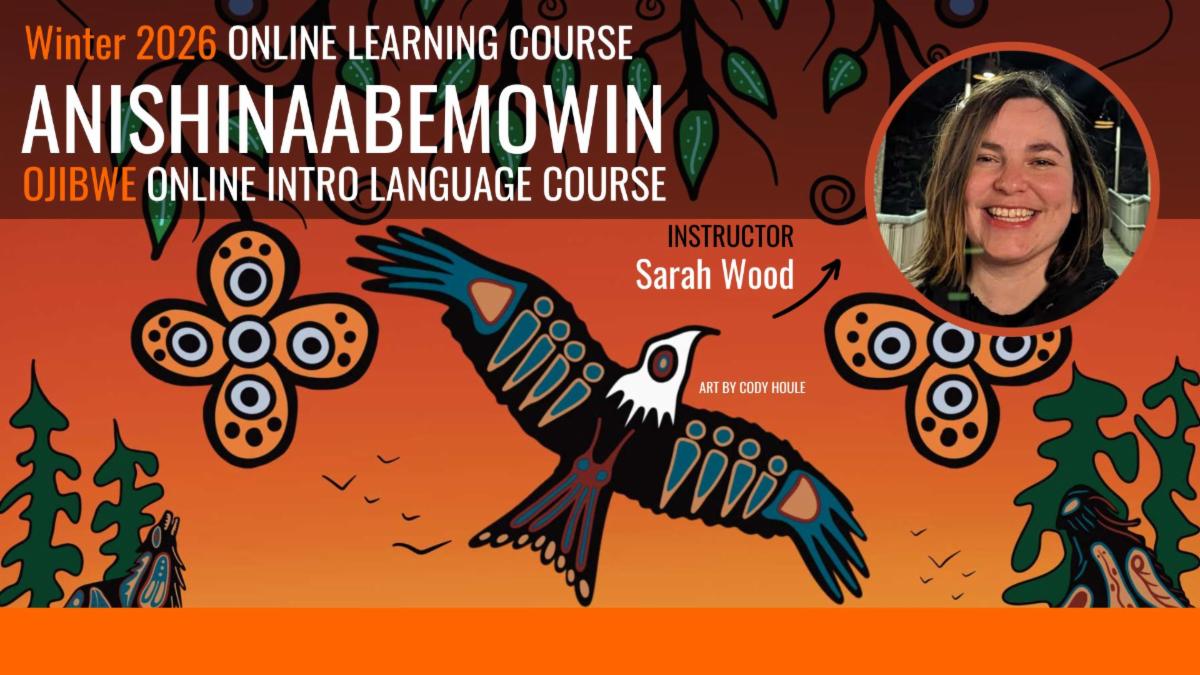
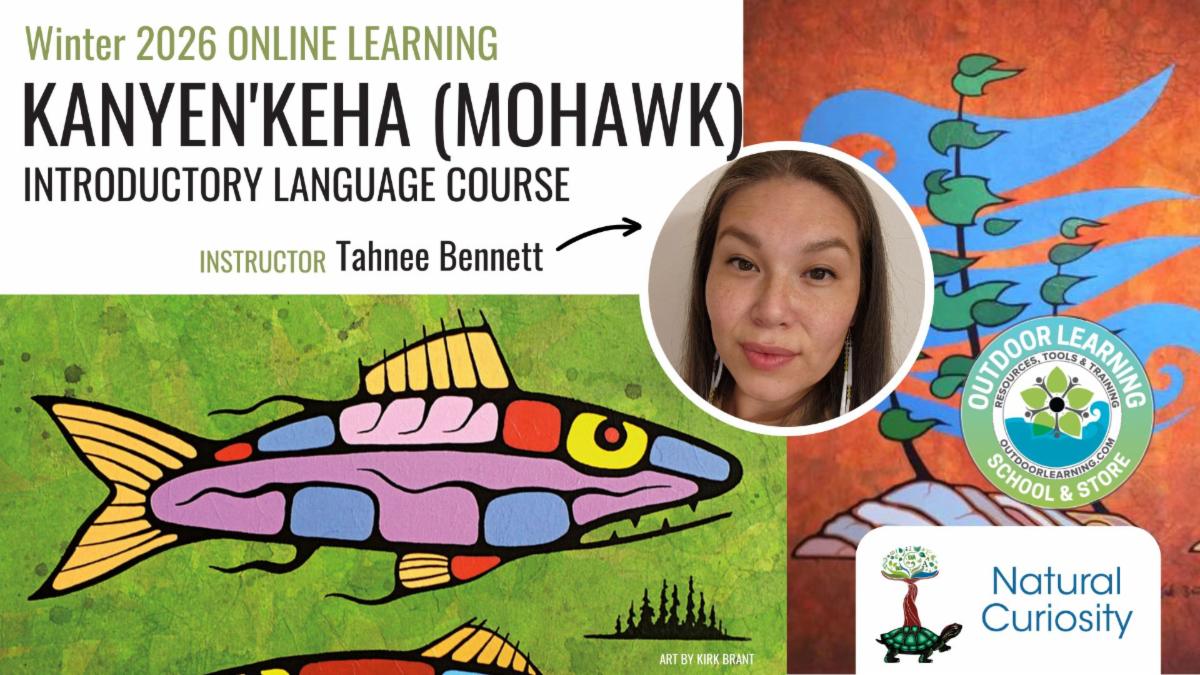
| | | | FREE Upcoming Professional Development | | Opportunities from our wider community to connect, learn, and be inspired. Most webinars can be watched ‘on demand’ at any time after the live webinar, as long as you’re registered! | | Indigenous Language Courses | | Support language revitalization! | | |
We won't get it all right, and that's okay. This work isn't about perfection—it's about noticing, wondering, and making shifts where we can. Keep asking: who feels at home here? What might help?
The children are watching. They're noticing whose ways of being are centered. But they're also incredibly generous. When we make space for all of them—imperfectly, but genuinely—they feel it.
| | | |
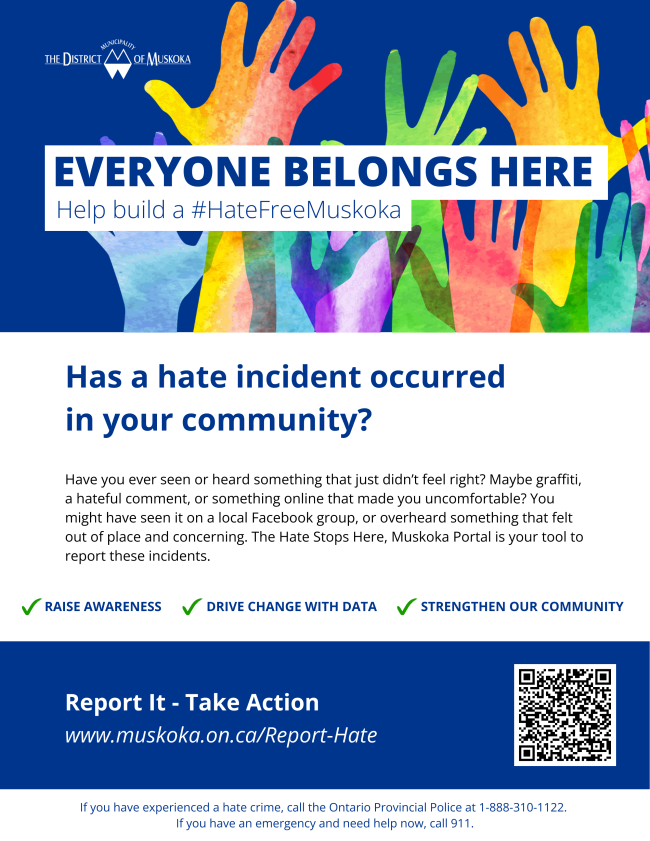
Help Build a Hate Free Muskoka
Feel free to print this poster and put it up at your child care location. Let's build a hate free Muskoka together!
Click the image to download and print. ➡️
| | | |
What resonated with you this month?
What questions are you sitting with?
We'd love to hear from you.
| | |
➕Did someone forward this newsletter to you, but you want to be added to our distribution list? Want to make sure you hear about workshops? Sign up here - Newsletter and Workshops.
| |
|
🔎Looking for past newsletters? Dig into our archive.
The Archive
| |
| |
| How did you like this months Newsletter? | | | | Please note that the information contained in this newsletter is intended to encourage conversation and self-reflection and is not to be considered as advice. | | | | |