Congrats to this year’s Central Coast representatives on the
Community Schools Student Statewide Advisory Board!
| | |
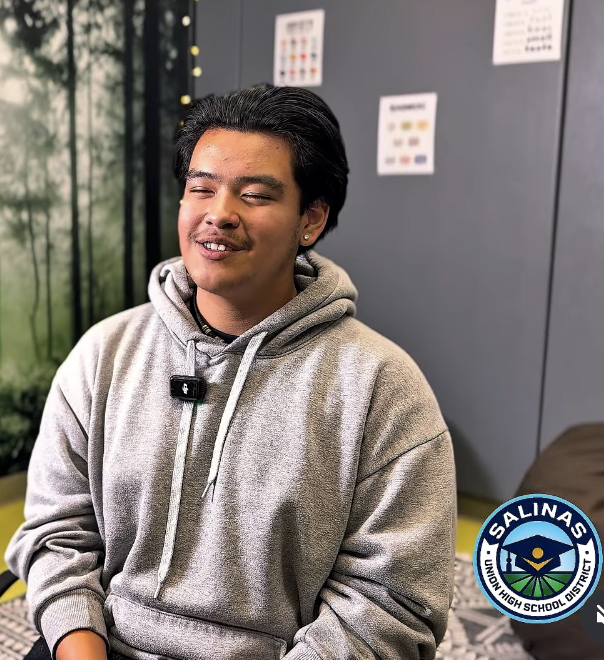
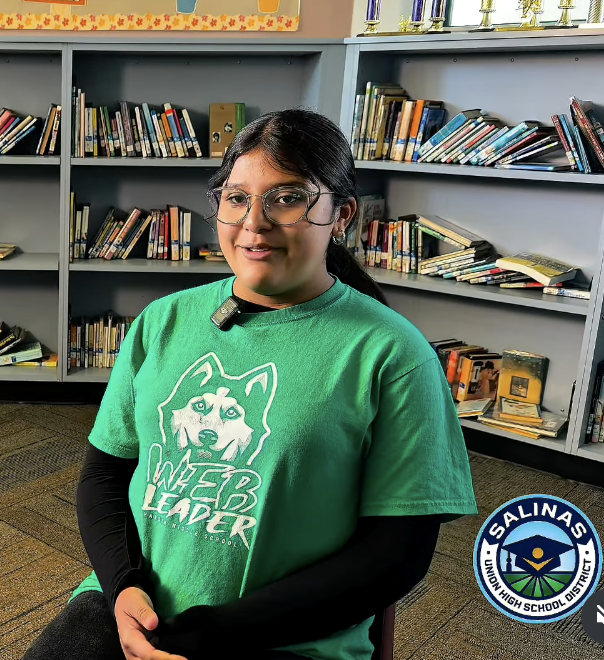
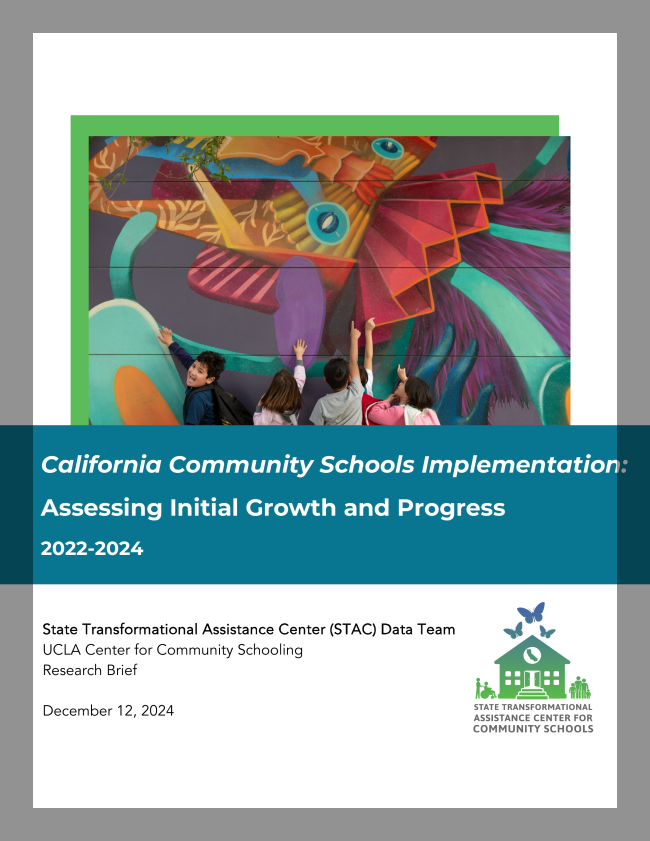
Student voice matters, and today we are proud to highlight the perspectives of two Salinas Union High School District (SUHSD) students selected to represent our region on California’s Community Schools Statewide Student Advisory (SSA) Board. The SSA Board brings together a small group of student leaders from across the state who serve as key advisors to California’s Community Schools initiative.
These students provide direct feedback on statewide policy, shape priorities, and elevate youth perspectives to ensure decisions reflect the realities of the classrooms and communities they come from. The selection process was highly competitive, with applicants evaluated on their leadership experience, advocacy work, communication skills, and commitment to strengthening their school communities—making this recognition a major accomplishment.
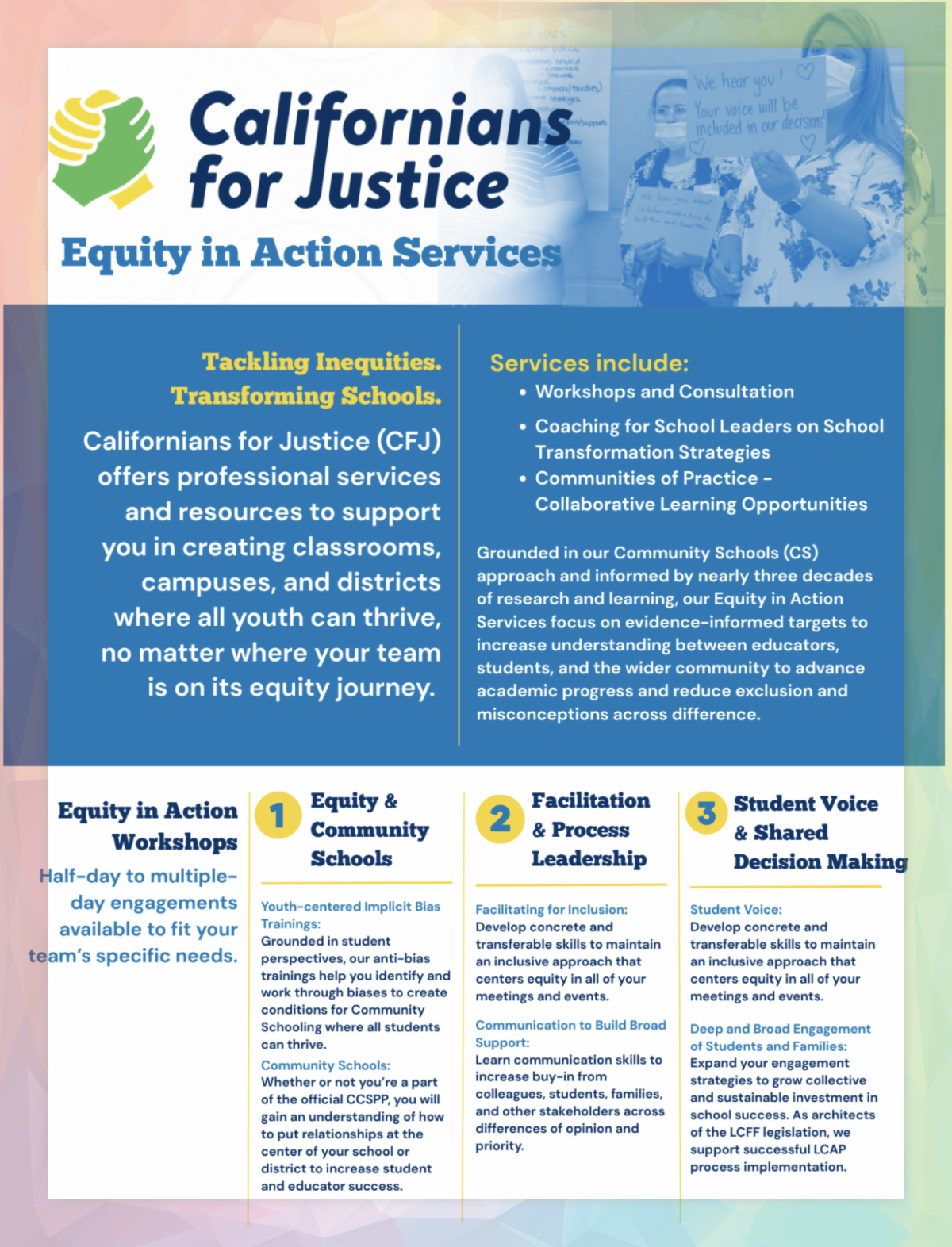
This work is led by Californians for Justice (CFJ), a statewide youth-powered organization dedicated to racial justice, educational equity, and strengthening student voice in public schools. As a partner with the STAC team, CFJ plays a crucial role in training and supporting students to participate meaningfully in decision-making spaces. Their work focuses on building youth leadership, fostering relationship-centered school cultures, and ensuring students—particularly those from communities historically marginalized—have real influence in shaping school systems. Through CFJ’s guidance, students on the SSA Board develop the skills, confidence, and platform to advocate for meaningful change across the state.
| | Caption: Angel G., North Salinas High School, 11th grade | |  | Caption: Kenia S., Harden Middle School, 8th grade | | | |
As part of the SSA, student leadership, insight, and lived experience strengthen statewide efforts and create deeper synergy within the Community Schools framework. When students actively participate, they help align the efforts of educators, families, and community partners around what truly matters to young people. Their authentic perspectives build stronger relationships, inform more responsive supports, and increase shared ownership of outcomes. Student participation becomes a powerful catalyst for collaboration, helping the entire community move forward with clarity, purpose, and unity as we work toward school environments where every learner feels seen, valued, and supported.
Check out what they had to share about being selected (video courtesy of SUSHD Instagram page) 2 min video
| | CCSPP Framework flipbook (17 pgs) The California Community Schools Partnership Program (CCSPP) Framework is a guiding document created by the California Department of Education (CDE) and the State Board of Education (SBE). It was adopted in July 2022 to help schools, districts, and counties design, implement, and sustain high-quality Community Schools across California. | | | CCSPP Capacity Building Strategies (25 pgs). This resource will support Community School Coordinator/Leads' understanding of the Capacity Building strategies to support APR conversations with Advisory Council members and other stakeholders/educational partners. | | | |
Capacity Building Workshops with Inflexion
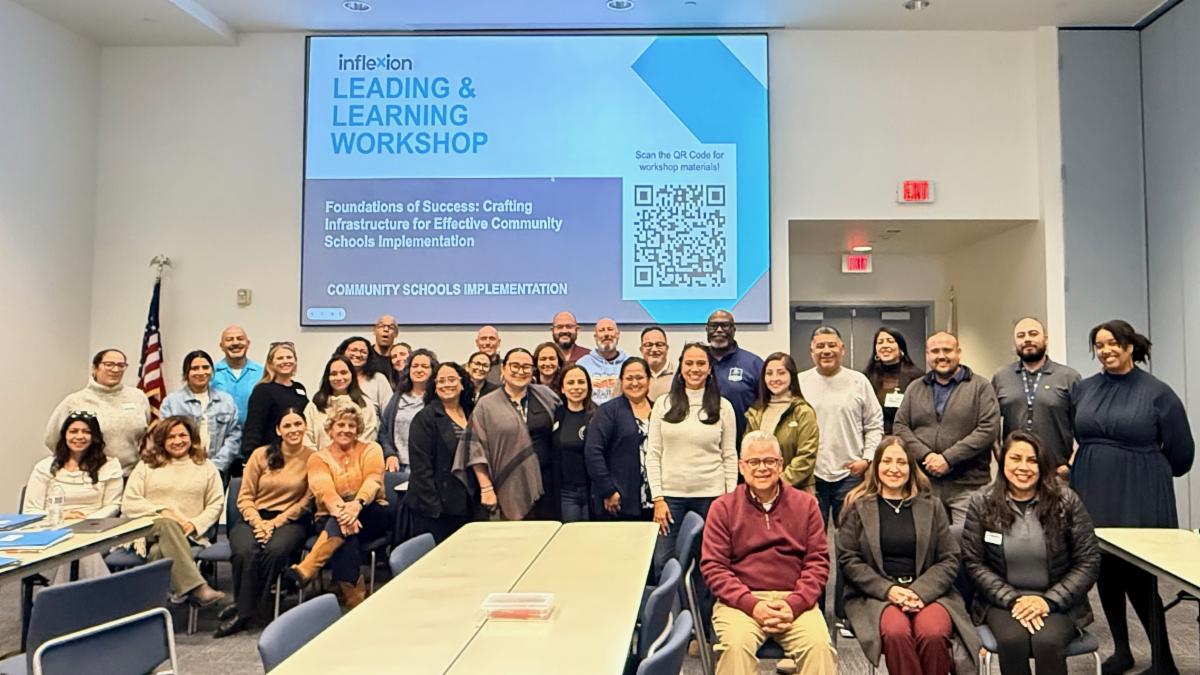
| | Caption: Group picture of the South area attendees (Ventura, San Luis Obispo, and Santa Barbara Counties). | | |
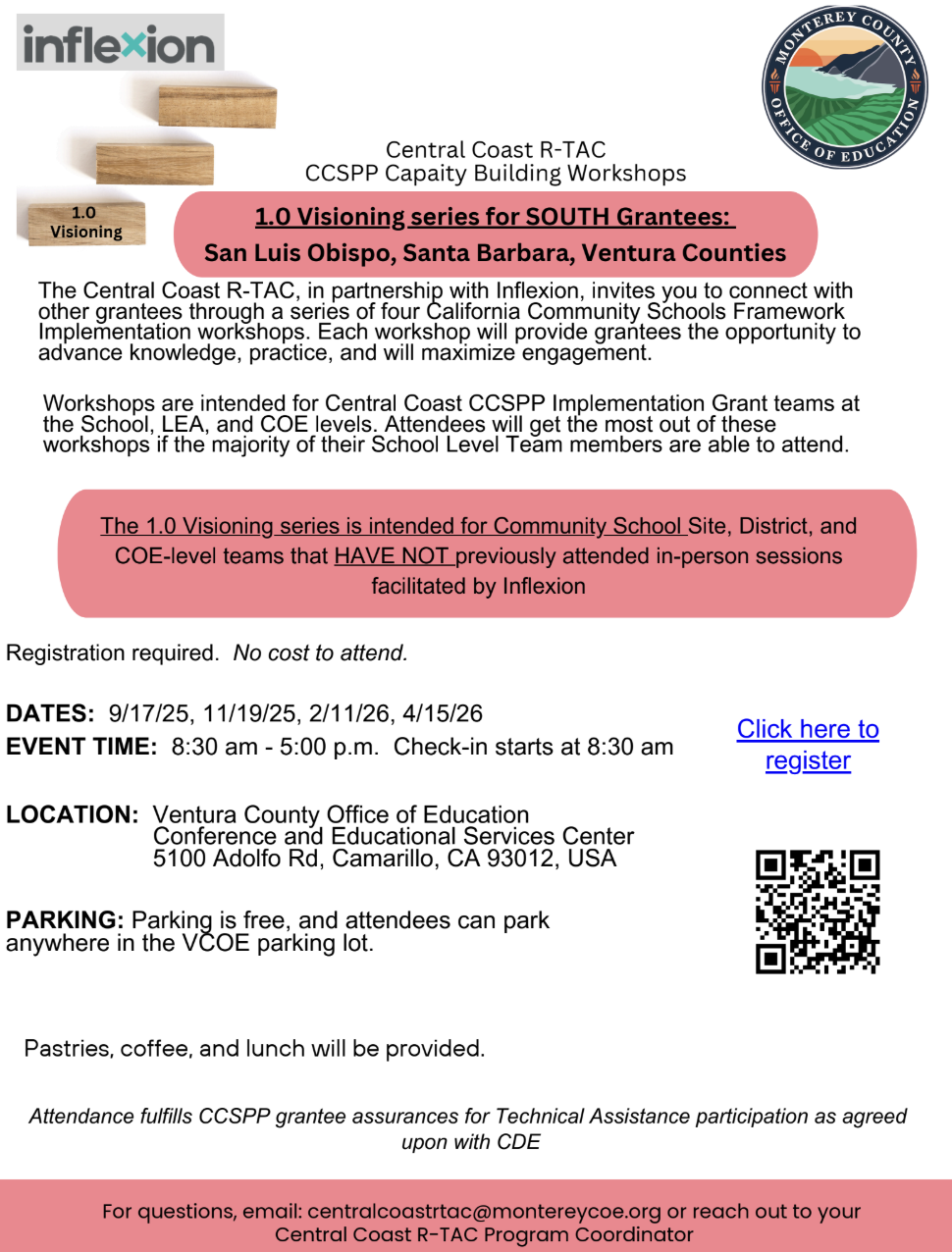
Inflexion 1.0: Foundations of Success
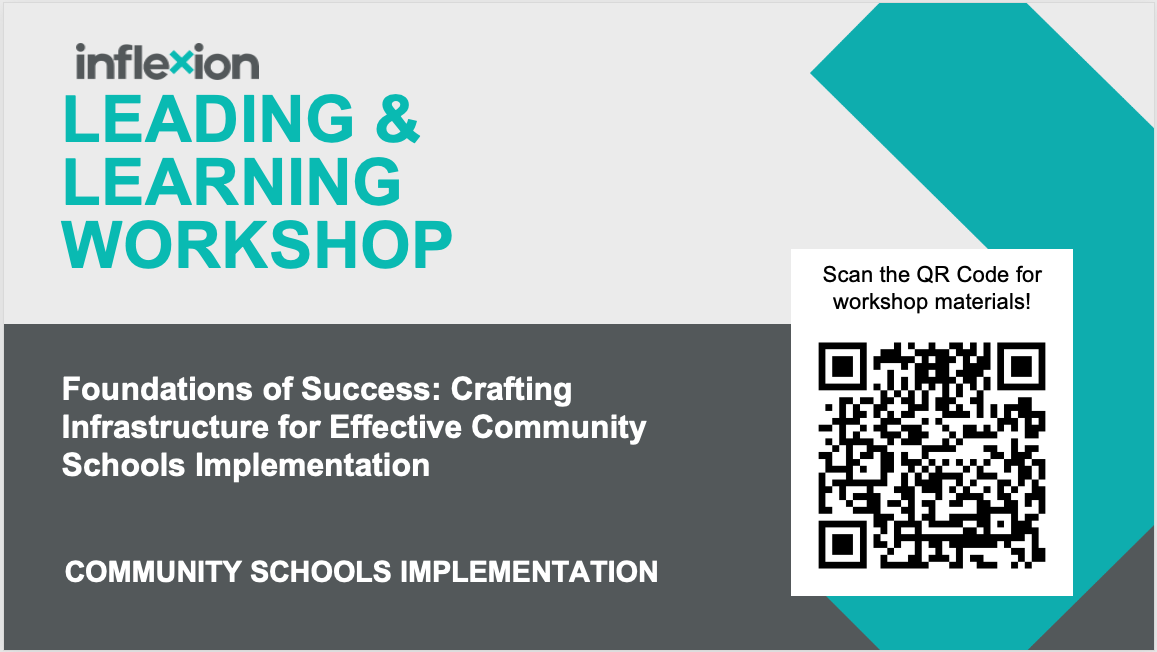
Crafting Infrastructure for Effective Community Schools Implementation
A special shoutout to our outstanding Inflexion partners, Manuel Colon and Elise Kuykendall, for leading the North and South Regional Inflexion workshops with their signature excellence and expertise. This session focused on Foundations of Success: Crafting Infrastructure for Effective Community Schools Implementation and brought together grantees and their teams of teachers, community school coordinators, site leads, and district leaders for a full day of collaboration, learning, and strategic planning.
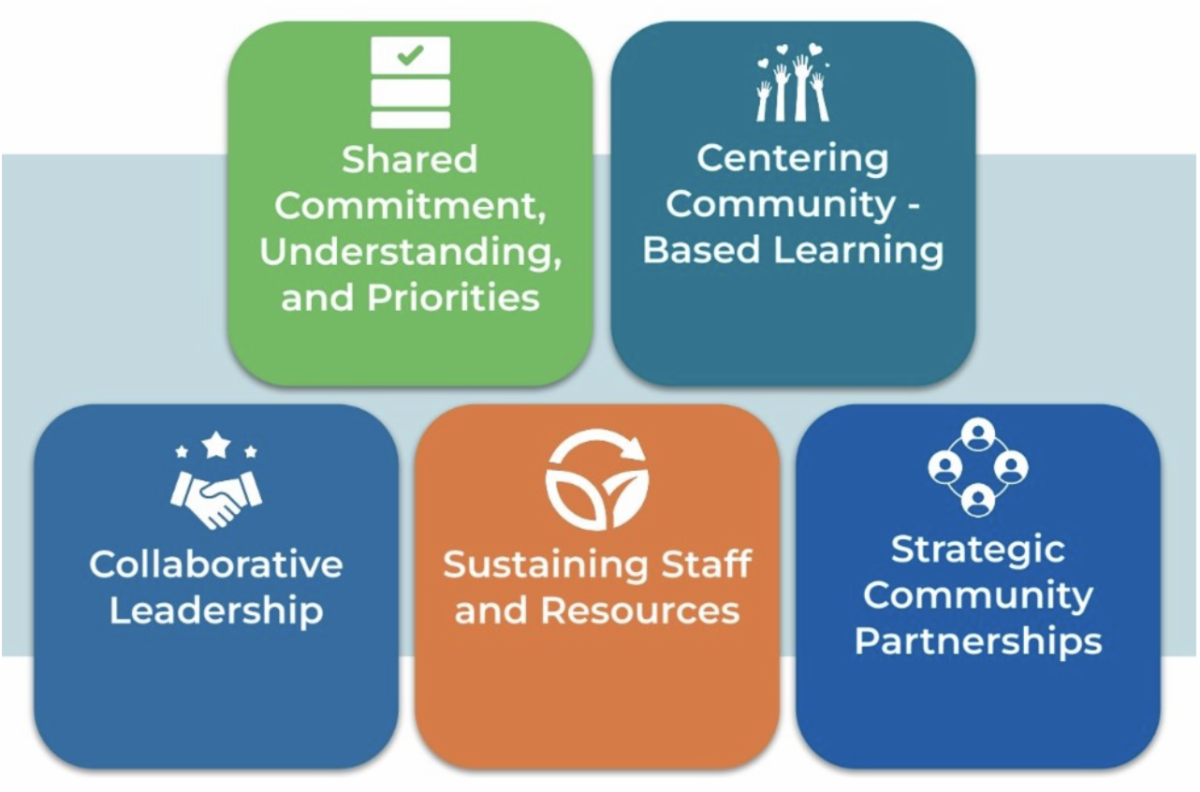
Participants explored the California Community Schools Framework and deepened their understanding of the four proven practices: shared identity and purpose, collaborative leadership, community-based learning, and strategic community partnerships. Through reflective discussions and interactive activities, teams examined how these practices strengthen readiness and promote equitable, student-centered learning environments.
| | Caption: Session materials can be accessed via the QR code | | | |
A major highlight was the Life Ready Graduate Protocol, which guided teams in identifying the skills, mindsets, and attributes students need to thrive beyond high school. This process helped establish shared language, unified priorities, and alignment around whole-child development.
The workshop also introduced Community Asset Mapping and Gap Analysis, emphasizing the value of recognizing institutional, organizational, and individual strengths within the school community. Participants identified current resources, discussed community needs, and explored strategies for gathering authentic input from students and families.
| | | |
A dedicated section on Family and Community Engagement allowed teams to analyze real-life scenarios and reflect on communication structures, relationship-building strategies, and equitable systems of support. This reinforced the importance of strong communication loops between advisory councils, instructional leadership teams, and family engagement groups.
By the end of the session, participants walked away with:
• A clear protocol for developing a shared vision for readiness
• A deeper understanding of the four proven community school practices
• Tools for assessing readiness for family and community engagement
• Strategies for aligning community schools with district initiatives such as MTSS, mental health supports, and expanded learning
The workshop concluded with a reflective activity prompting grantees to identify what resonated, what challenged their thinking, and what inspired their next steps as they continue advancing community schools work across their sites.
| | |
Resources of the Month:
Restorative practices and Parents as partners
| | |
Jeffco Public Schools. Restorative practices at home (5 pgs). Restorative practices emphasize building positive relationships, taking responsibility for our actions, and making amends when harm occurs. At home, they help children learn to maintain respectful relationships, contribute to shared spaces, and resolve conflicts in a healthy way. This resource is designed to support parents in some of that work. Jeffco Public Schools website and Document Translations
NTTAC. Restorative Parenting Guide (19 pgs). This resource is specifically tailored to equip providers with tools and insights to enhance their efforts in guiding parents toward nurturing relationships with their children.
Learning Policy Institute. Restorative Justice at Fremont High School (web article). The article highlights how Fremont High School shifted from traditional exclusionary discipline to a restorative-justice model focused on relationships and building trust, not just responding to incidents. It shows that by implementing a school-wide tiered system (including proactive circles, peer mediation, and re-entry supports), they significantly reduced suspensions and improved enrollment and school climate.
CSLX: Build the room WITH families, not for them. (web article). The author reflects on a failed parent workshop as a turning point, realizing the need to build trust and relationships with families and position them as co-leaders rather than passive recipients of school-led events. Rather than designing programs for families, schools must engage families in meaningful collaboration—asking their goals, interests, and expertise, and then building opportunities with them.
Headstart/Early Edge California. Strategies for Family Engagement: Attitudes and Practices (8 pgs.) The information emphasizes the use of strengths-based attitudes and relationship-based practices to build authentic, respectful, and culturally responsive partnerships with families by valuing their expertise, perspectives, emotions, and central role in their child’s development. These practices align directly with the CCSPP Family Partnership Strategy by promoting shared decision-making, honoring family voice, and creating collaborative relationships that strengthen student success and advance the core principles of Community Schools.
For additional Early Edge resources (website)
| | |
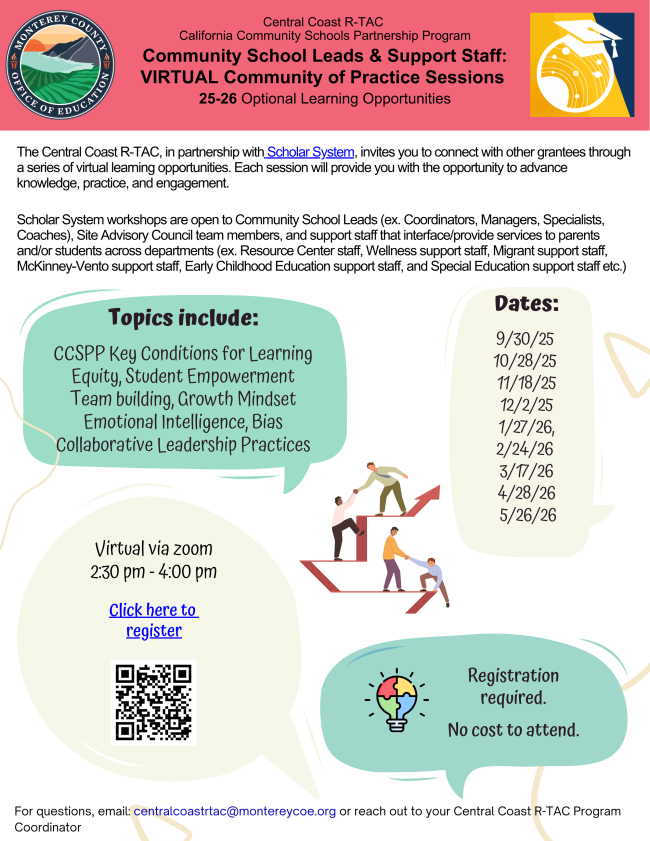
Community of Practice with Scholar System:
Advancing Prosperity for All Communities
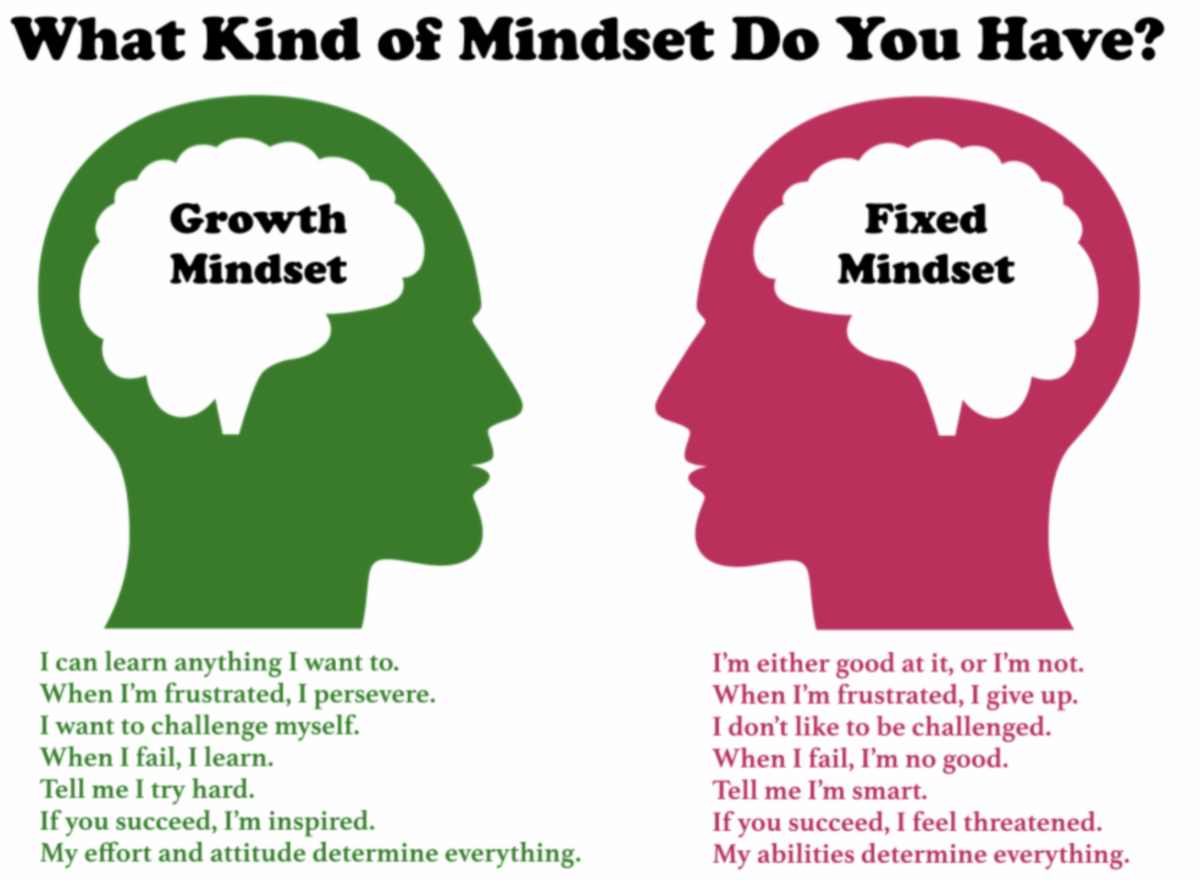
| | This month’s Community of Practice led by Dr. Cassandra Villa, brought together educators, community leaders, district partners, and site-based team members who collectively guide the implementation of Community Schools across the Central Coast region. The session provided a thoughtful balance of reflection, leadership development, and collaborative learning. Grounded in our shared commitment to equity and relationship-centered practices, the gathering strengthened our collective capacity to uplift students, support families, and build school communities where every individual is valued and connected. | | Caption: This session is one of nine that will explore topics such as mindset, emotional intelligence, and collaboration. | | | |
Leaders reflected on their personal leadership identity and grounded themselves in the collective purpose of community schools work. Through “I am…” leadership affirmations, participants explored the personal qualities that shape how they show up for students, families, and colleagues. This reflection helped deepen awareness of how lived experiences inform leadership approaches, especially related to equity and whole-child support. The group revisited the four primary leadership styles: Expressive, Amiable, Driver, and Analyzer. Together, they examined:
- Each style’s strengths and tendencies
- Motivators that influence communication and decision-making
- How leadership patterns affect relationships within school communities
Scenario-based role-play provided an opportunity for leaders to practice responding using both their natural style and a contrasting style. This activity encouraged flexibility, self-reflection, and awareness of how different approaches can shape student experiences and school climate.
A key focus of the session centered on shifting from deficit-based narratives to an asset-based lens, essential for implementing the California Community Schools Framework. Leaders explored how beliefs shape actions and discussed “collective cariño”, a mindset rooted in empathy, belonging, and shared responsibility. Through scenario-based discussions, participants practiced asset-focused reframing to strengthen communication, elevate student strengths, and reinforce equitable systems of support.
The session concluded with a shared reflection on learning and growth, providing time for participants to acknowledge both progress and next steps. A closing quote from César Chávez offered a thoughtful reminder of the long-term purpose of this work, leaving the group centered, encouraged, and ready to continue strengthening Community Schools across the region.
| |
From Four Families to a Full House: Blackstock Junior High
Redefines Community School Leadership
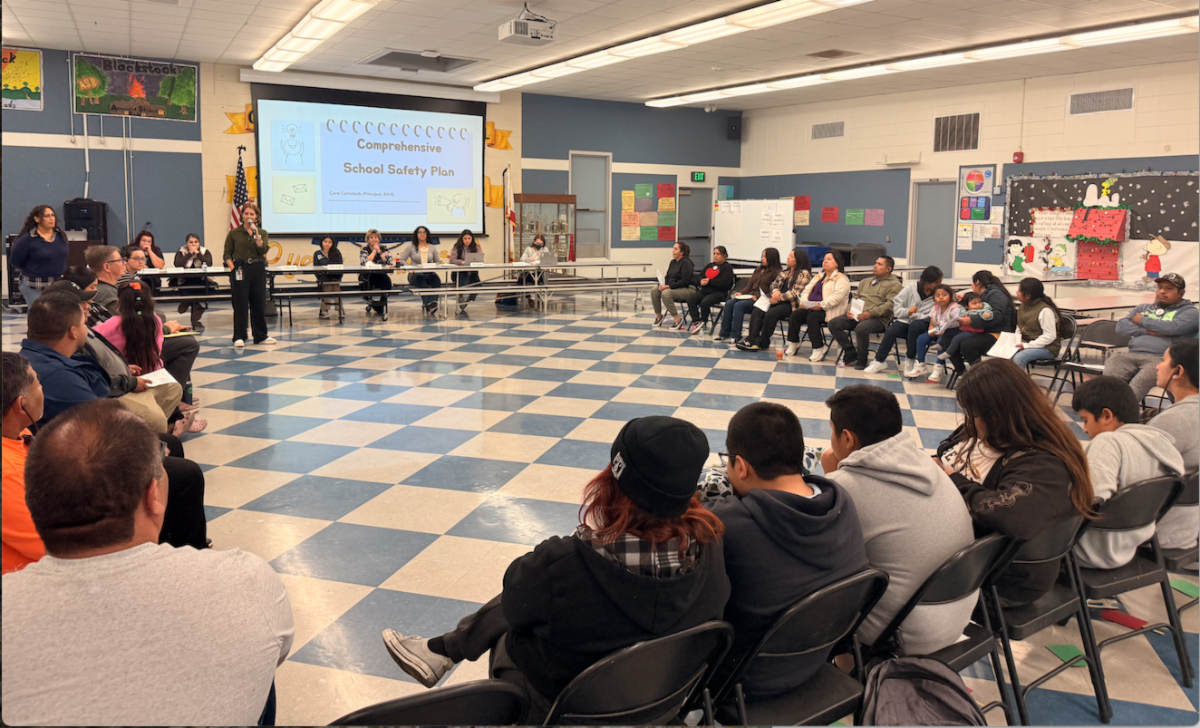
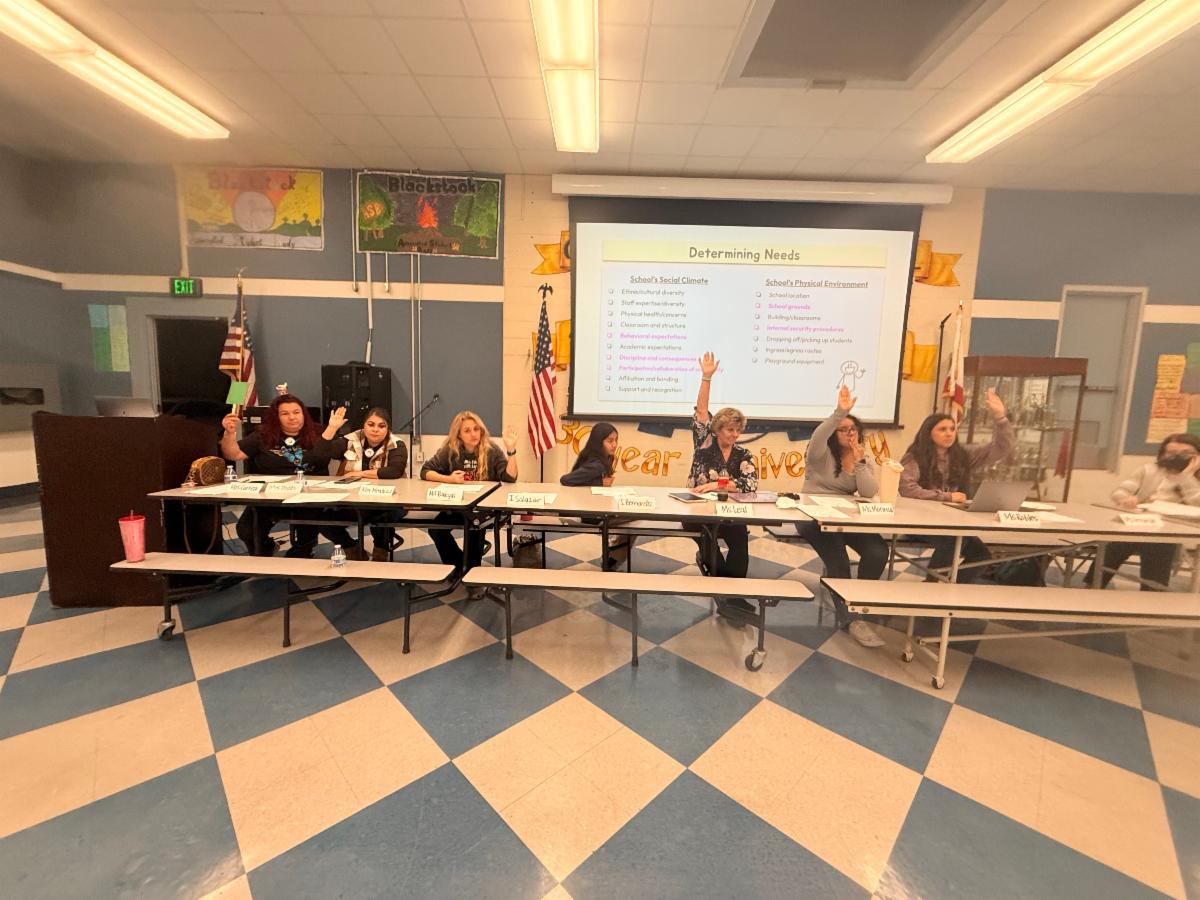
| | Caption: The Blackstock Jr. High School Community School Advisory Council meeting was student-centered and rich in community building. | | |
Ventura County - Over the last three years, School Site Council meetings at Blackstock Jr. High School mostly drew the same four parents. Today, all four parents remain actively involved—one even continues to participate without a student at the school. Their commitment is the heartbeat of Blackstock Jr. High's family and community engagement work. By recognizing and building on the strengths these parents bring, new Community School Coordinator Isabel Pelayo helped deepen and elevate their leadership in meaningful ways.
Through intentional relationship-building, shared planning, and honoring parent voice, Coordinator Pelayo helped create the conditions for their influence to grow. As a result, more than 50 participants—including a school board member, the school resource officer, community members, staff, and families—came together in support of the Community Schools work.
The impact of this collaboration was impossible to miss during the November 13th Community School Advisory Council meeting. Participants gathered to shape decisions that directly impact the lives of students and families in the Oxnard community. The purpose of this Advisory Council meeting was to gather meaningful input on the School Safety Plan before it went to the official School Site Council (SSC) vote. Traditionally, principals review the Comprehensive School Safety Plan only with the small SSC parent group that meets specific representation requirements.
This year, guided by the Four Pillars of the Community Schools framework, Blackstock Jr. High expanded that process—creating space for a much larger and more diverse group to participate. By centering collaborative leadership, inviting shared decision-making, and elevating the voices of students, families, and staff, the school ensured the plan reflected the broader community it serves.
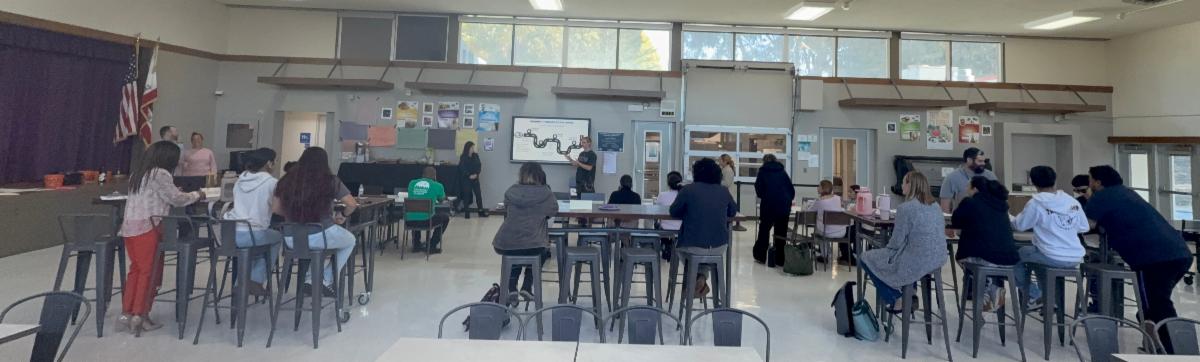
| | | Caption: Blackstock Junior High studenets participate in a needs assessment activity. | | | | | |
“The way we structured this meeting removed traditional barriers that often keep parents and families from feeling like they have a say in their children’s education,” said one teacher in attendance.
Throughout the meeting, participants were actively engaged, asking questions, and offering thoughtful input on the Comprehensive School Safety Plan. The room was filled with conversation as participants shared their experiences on campus and in the surrounding community, including what they notice on their daily routes to and from school. By the end of the evening, everyone felt heard, and the collective energy in the room was unmistakable. The contributions from the participants guided the School Safety Plan in a direction that was more comprehensive, responsive, and inclusive.This gathering exemplified the Community Schools strategy in action—shared decision-making, collaborative leadership, and solutions shaped by the community itself.
The Blackstock Jr. High Community School Advisory Council remains in the early stages of its development, with participation expected to deepen over time. Additional members will be invited to participate and more students and parents will assume leadership roles as the structure matures. While the work is still emerging, what is already evident is that Blackstock Jr. High is cultivating an authentic culture of engagement—one in which members participate because they recognize their influence in shared decision-making. As a community, Blackstock Jr. High is establishing a space where every voice is acknowledged, every perspective is respected, and all individuals experience a sense of belonging.
| | |
Shining moment: Before the meeting began, the principal paused, phone in hand, and said:
“Sorry, I have to take a picture. I’ve never had so many people attend a meeting like this; this is great!”
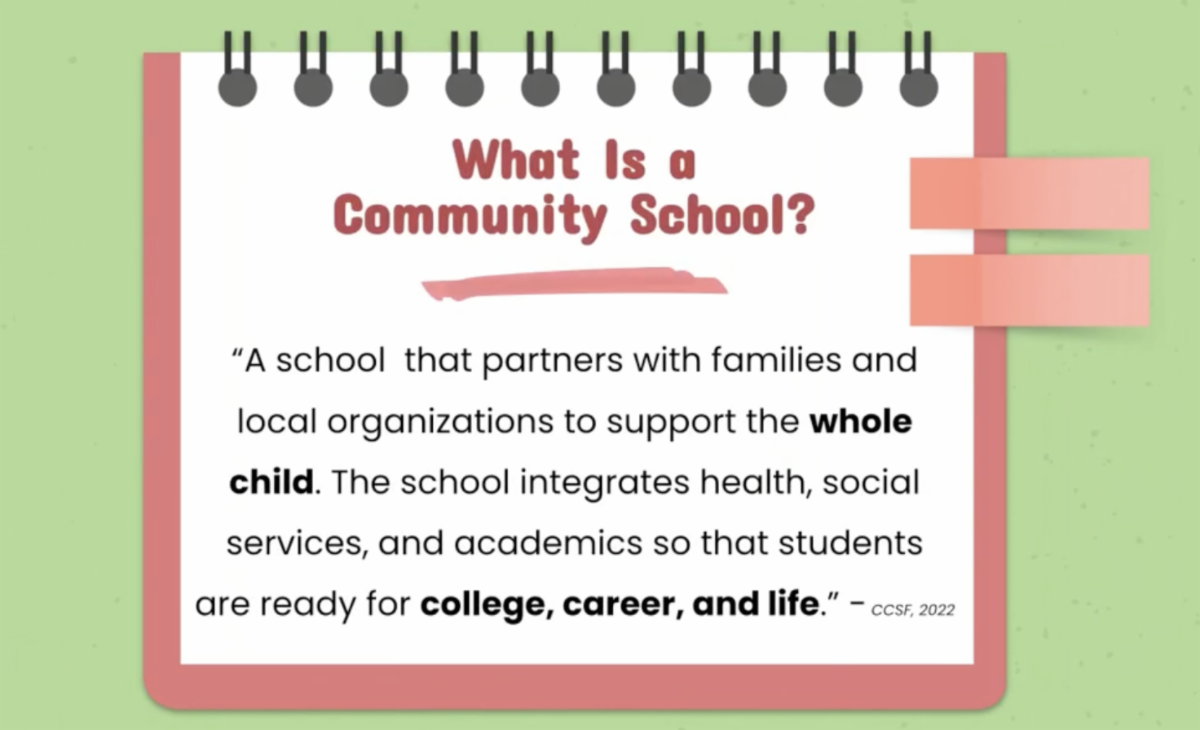
Check out Blackstock Community School Coordinator Isabel Pelayo's take on what a community school is (video, 4 min.)
| | | |
Shining moment: The next day, one student asked an administrator:
“When are we going to have another meeting? I liked that we all got to talk!”
| | |
More inspiring Community Schools work happening in the
Central Coast region!
| | Caption: CCHS Coordiantor Chantelle Cafferata presents on Community Schools with the support of a Student leader. | |
Monterey County - Central Coast High School (CCHS) is transforming what student leadership looks and feels like. This year, the school welcomed ten remarkable students to join the Community School Youth Leadership Team, placing student voice at the heart of every conversation. These young leaders meet regularly to reflect on the community schools strategy, uplift the lived experiences of their peers through thoughtful student reflection interviews, and guide adults in seeing our educational system through the eyes of those it serves most, our students.
Their leadership doesn’t end there. These students are active contributors on the Community School Advisory Council, where they present alongside staff, facilitate small-group discussions, and help shape decisions that impact the entire school community. They embody a powerful truth: meaningful change doesn’t come from asking students to fit into school—it comes from building a school with students.
Central Coast High School, is seeing firsthand how belonging deepens when students are given voice, purpose, and a real seat at the table. Their youth leaders are not merely participating, they are leading the way and helping shape the future of our community school right now.
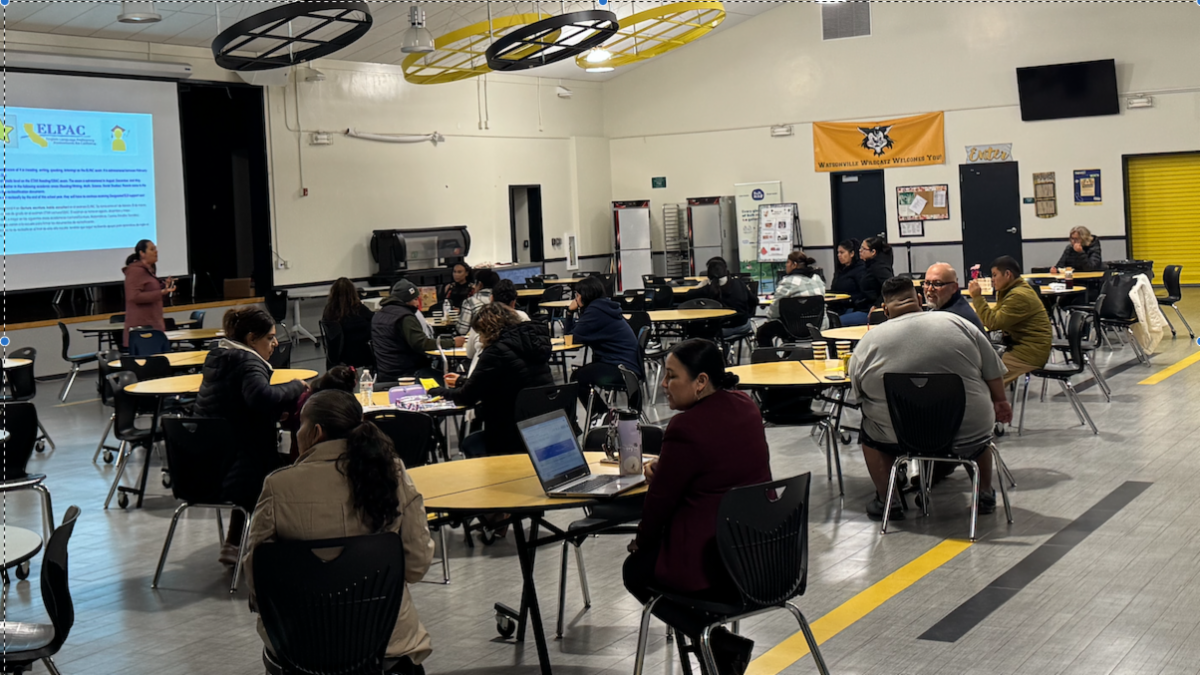
| | Caption: Community School Specialist Mariah Carpenter supported parents at the Cafecito school information meeting. | | |
Santa Cruz County - On Thursday November 20th, Watsonville High School (WHS) hosted their first in-person Cafecito meeting. The Watsonville High School Cafecito meeting was supported by Community School Specialist Mariah Carpenter along with other key leaders from the school community. Their collective efforts helped create a welcoming environment where families felt encouraged to participate, ask questions, and build stronger connections with the school.
A Cafecito, or “little coffee,” is a moment to pause, connect, and share. In schools, it takes the form of a warm, informal gathering that brings parents and staff together over coffee and conversation. These meetings create a welcoming space for families to ask questions, share ideas, and learn about school updates and resources. Rooted in culturally responsive practices, Cafecitos help build trust, strengthen family engagement, and ensure parents feel welcomed and connected to their child’s school community.
The Cafecito meetings at Watsonville High School were launched to strengthen connections with families and provide them with information that supports both student success and real-world readiness. Recent sessions focused on key topics such as attendance, reclassification, and navigating social media—areas that directly influence students’ academic progress and well-being. Many parents noted that the social media segment was particularly helpful, prompting open and honest conversations about a topic that is both highly relevant and often difficult to discuss.
Parents were highly engaged throughout the discussions, and on-site translators ensured that every family could participate fully, preserving both clarity and the meaningful, personal nature of the conversations. By the end of the event, school staff and parents had formed new connections, and families left with practical tools to support their students’ attendance, academic progress, and digital habits.
Cafecitos are a core practice within Community Schools, serving as a powerful strategy for building relational trust and authentic partnership with families. They embody the Community Schools approach by elevating family voice, strengthening connections, and coordinating supports around the whole child and whole family. For many schools, Cafecito meetings have become an essential way to reach families who may not engage through traditional communication channels—creating a more inclusive, connected, and community-driven school environment.
| |
Caption: Cafecitos are an effective family engagement activity within community school implementation plans. They elevate family engagement from mere outreach into a reciprocal conversation.
| | |
Statewide - State Superintendent Tony Thurmond Highlights Community Schools as a Cornerstone of California’s 2026 Education Vision
State Superintendent of Public Instruction Tony Thurmond convened the Statewide Literacy Task Force at the California Department of Education to introduce key education proposals he is preparing for the 2026 legislative and budget cycles—placing California’s Community Schools initiative at the heart of the state’s vision for student success. Joined by Assemblymember Heather Hadwick, Senator Susan Rubio, education experts, scholars, district leaders, and school staff, Superintendent Thurmond reaffirmed that Community Schools are central to transforming how California supports the whole child, whole family, and whole community.
Among the major priorities Tony Thurmond outlined, the first and most foundational is:
- Strengthening and codifying the California Community Schools initiative as a core part of the state’s public education system. This means expanding integrated supports, family engagement, collaborative leadership, and enriched learning opportunities so schools can fully operate as community hubs—not just places of instruction, but centers of care, connection, and opportunity.
Additional proposals build on this foundation and are designed to work hand-in-hand with Community Schools:
- Guaranteeing kindergarten for every child, giving families equitable access to early learning and smoothing the transition into the TK–12 system.
- Launching a five-year statewide literacy plan, ensuring all students can read proficiently by third grade—a key driver of long-term academic success.
- Targeting supports to close opportunity gaps for African American and Native American students, ensuring the Community Schools vision of equity is realized for students historically underserved.
Superintendent Thurmond emphasized that California is seeing promising gains—2025 marked the first year in California School Dashboard history where every TK–12 indicator showed statewide improvement. To maintain this progress, he underscored the need to invest more deeply and strategically, especially in Community Schools, which have shown powerful results in connecting academic learning with health, mental health, family engagement, and community partnership.
For the full CDE news release, click here
| |
Central Coast RTAC Partners
| | | | |
Inflexion is committed to ensuring EVERY
student receives what they need to succeed, recognizing that the playing field remains inherently unequal. An equitable education system respects students as individuals, plays to students’ strengths, values students’ unique cultures and perspectives, and allows for the individual ownership of learning along a path driven by students’ interests and aspirations.
-
Inflexion Materials/Workshop resource room (1.0 sessions)
- Inflexion Materials/Workshop resource room (2.0 sessions) (forthcoming)
Lead Facilitator: Manuel Colón
Manuel Colon: teacher, mentor, coach, administrator. AUHSD - future talks featuring Manuel Colón (27 min.)
| | | | | |
At the foundation of the Scholar System program is an educational approach focused on fostering deep learning, critical thinking, and a love for knowledge.
Programs aim to cultivate scholars who are not just knowledgeable but also possess the skills and mindset to become lifelong learners, engaged citizens, and future leaders.
Lead Facilitator: Dr. Victor Rios
Dr. Victor Rios: professor, author, speaker, mentor, and founder of the Scholar System. A teacher that tapped into his soul (video, 2 min)
| | | | | |
A most up -to-date copy of the RTAC events calendar
can be found here (Sheet)
| | | |
RTAC/CABE One-day Conference
| | |
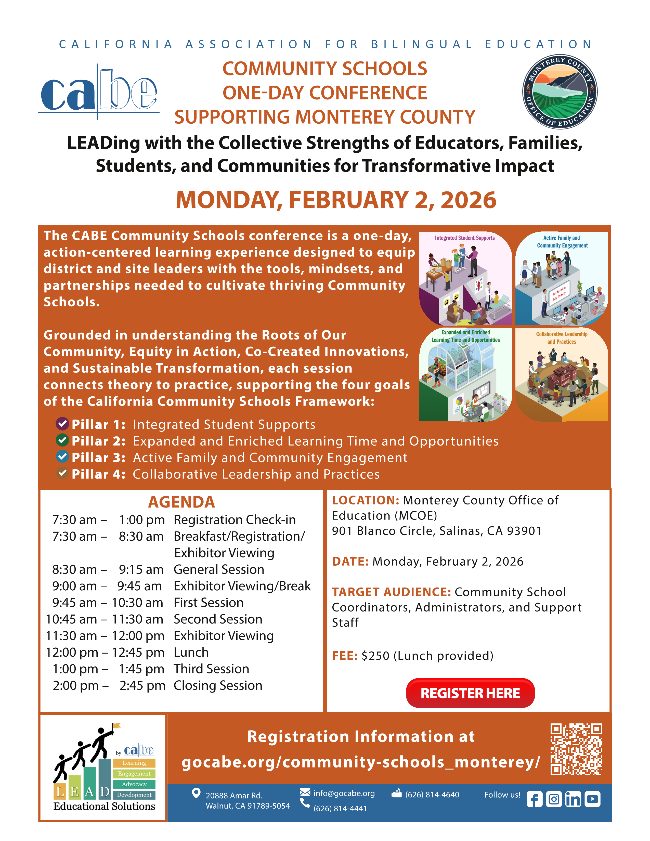
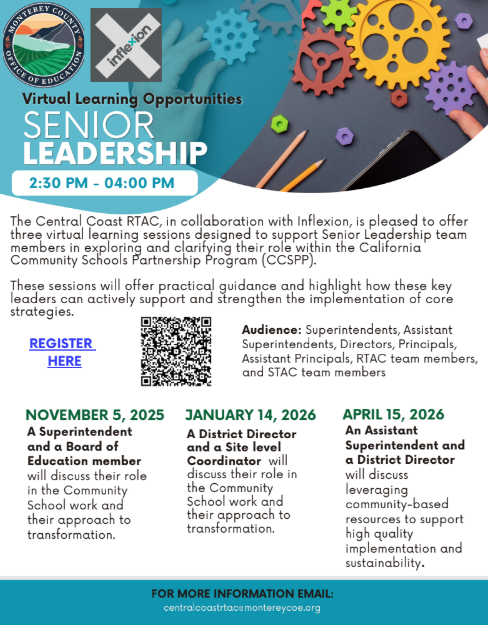
We are excited to invite you to the upcoming Community Schools One-Day Conference, which has been thoughtfully designed in collaboration with the Monterey County Regional Technical Assistance Center team (RTAC) and the California Association for Bilingual Education (CABE).
This conference is a day designed to engage you in the ongoing work of strengthening community schools in the region. This event will bring together educators, advisory council members, support staff, and community partners who are dedicated to fostering culturally responsive and inclusive environments where every learner can thrive.
Date: Monday, February 2, 2026
Location: Monterey County Office of Education (MCOE), 901 Blanco Circle, Salinas, CA.
Fee: $250 per person
Target Audience: Community School Advisory Committee members, Community Partners, Educators, and Support Staff
Registration: https://cabe.k12oms.org/1524-273427
FLYER with agenda for the day
Schools in the Central Coast region with a CCSPP (Community Schools) grant
We hope to see you at this meaningful day of learning, collaboration, and inspiration!
| | |
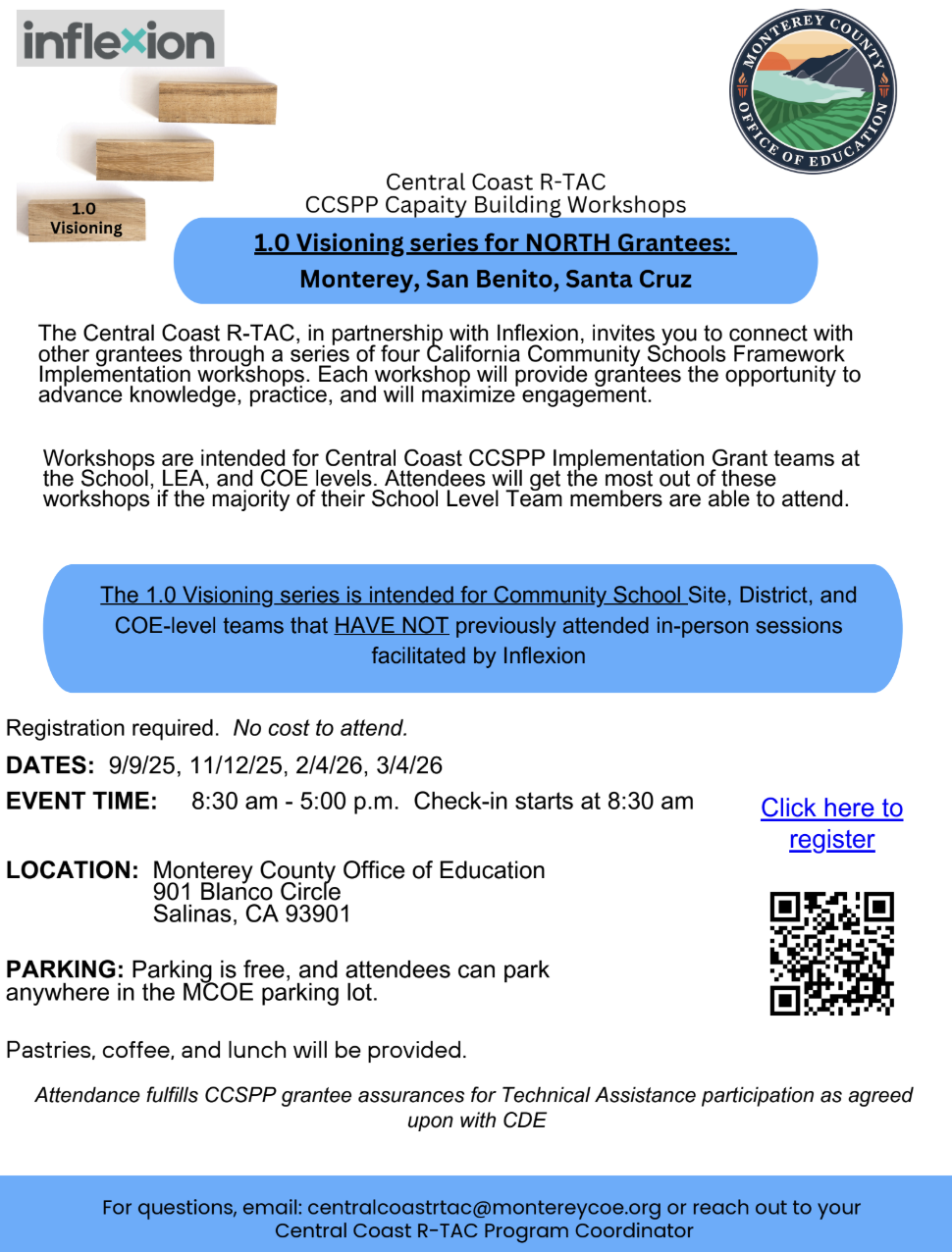
Inflexion 1.0 NORTH 25-26
(In-person) Attending EITHER the 1.0 OR 2.0 series of workshops fulfills CCSPP assurances for Technical Assistance participation as agreed upon with CDE.
| | |
Inflexion 1.0 SOUTH 25-26
(In-person) Attending EITHER the 1.0 OR 2.0 series of workshops fulfills CCSPP assurances for Technical Assistance participation as agreed upon with CDE.
| | |
Scholar System 25-26
((Virtual/Optional-Highly recommended)
| | |
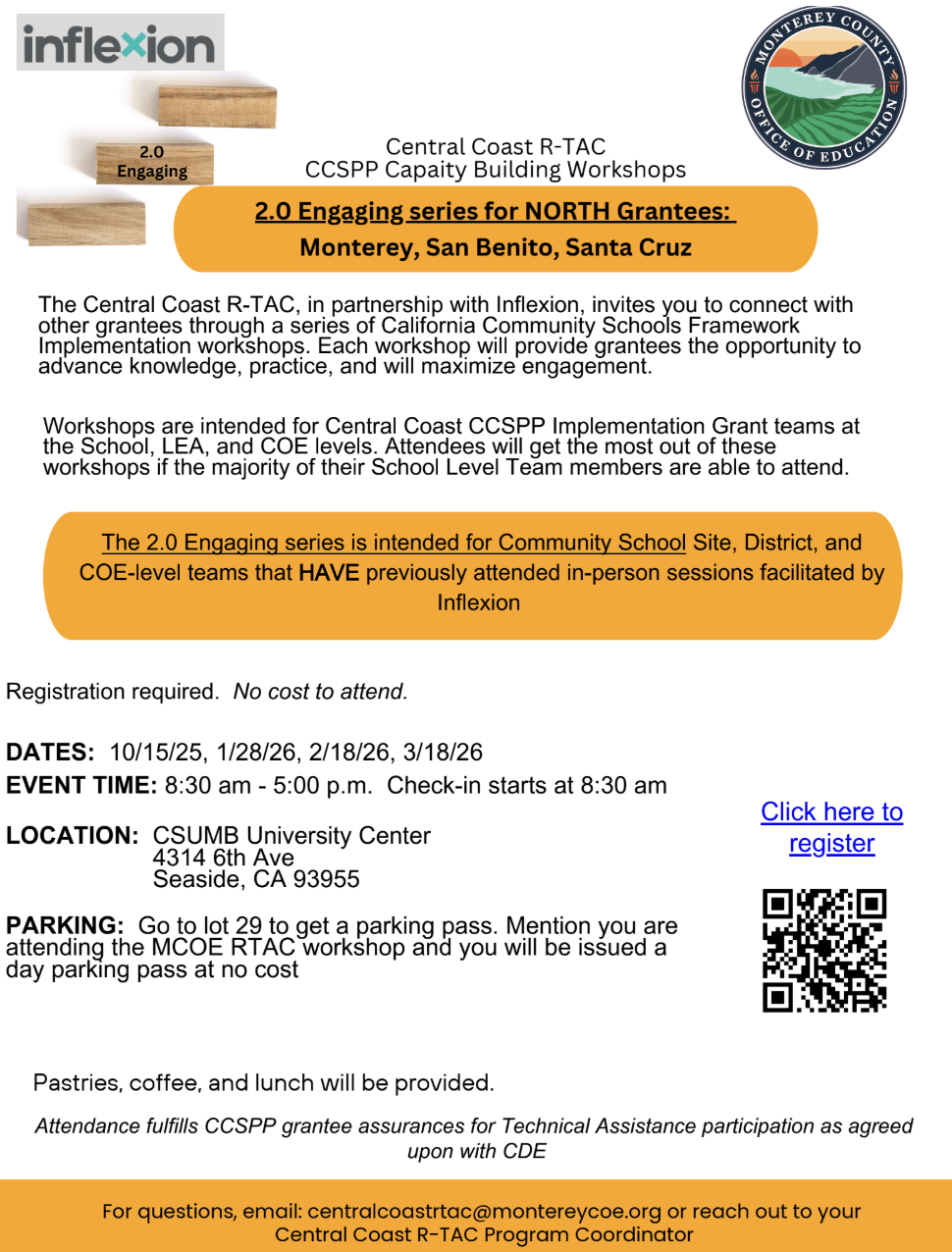
Inflexion 2.0 NORTH 25-26
(In-person) Attending EITHER the 1.0 OR 2.0 series of workshops fulfills CCSPP assurances for Technical Assistance participation as agreed upon with CDE.
| | |
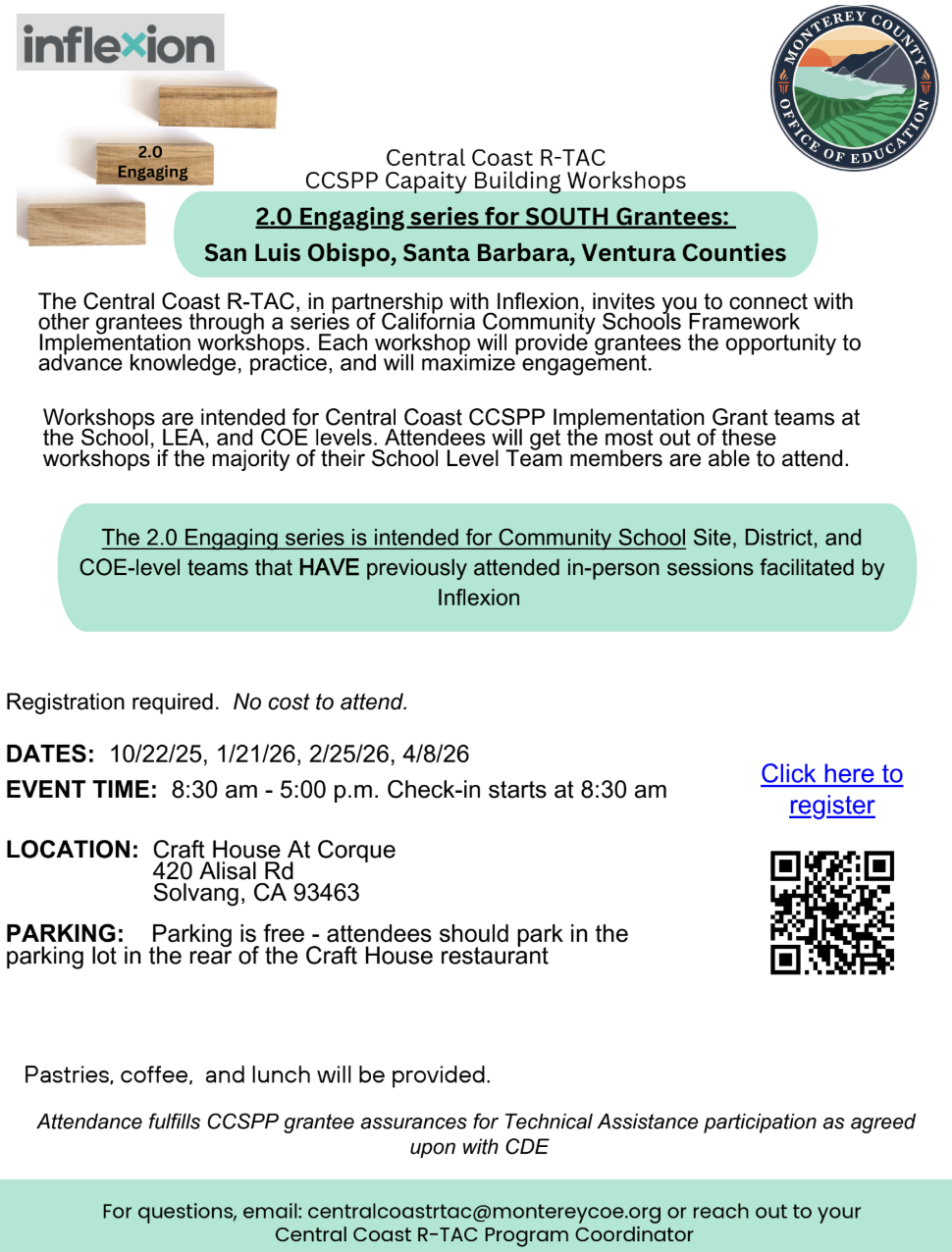
Inflexion 2.0 SOUTH 25-26
(In-person) Attending EITHER the 1.0 OR 2.0 series of workshops fulfills CCSPP assurances for Technical Assistance participation as agreed upon with CDE.
| | | |
State Technical Assistance Center team (STAC)
Updates
| | |
CDE - California Department of Education (CDE) State Superintendent Tony Thurmond celebrated the release of a new study highlighting the positive impact of California’s Community School Initiative. The study demonstrates that schools implementing the initiative are seeing measurable improvements in student attendance, stronger school culture, and enhanced engagement among students, families, and staff. Superintendent Thurmond emphasized that these results reflect the power of community schools to provide holistic support, foster equity, and create safe, inclusive learning environments where every student can thrive. The findings underscore the importance of continued investment in and expansion of the Community School Initiative across the state. The brief released by the Learning Policy Institute (LPI) can be found here: “Community Schools Impact on Student Outcomes: Evidence From California.”
STAC - Save the Date (applies to the 26/27 School year) - September 10-11, 2026 in Ontario, CA. The Community Schools Summit, hosted by the STAC team, will take place over two days in September. This statewide gathering brings together a diverse ecosystem of stakeholders—CCSPP grantees, RTACs, educators, students, families, and community partners—united by a shared commitment to advancing the community schools movement. The Summit is designed to reimagine and strengthen community schools by showcasing how collective efforts can support the whole child through collaboration, aligned resources, shared leadership, and innovation. More than a showcase, the Summit serves as a space for sharing lessons learned, engaging in collaborative learning, and identifying strategies to scale and sustain effective practices across California. Additional details and registration information will be shared in early 2026.
| | |
State Technical Assistance Center team (STAC)
Members
| | |
CDE - The California Community Schools Partnership Program (CCSPP) California Department of Education (CDE) team supports the community school, “whole-child” school improvement strategy, where the district and school work closely with teachers, students, families, and partners.
To subscribe to the CCSPP-Info listserv, send a "blank" message to: join-CCSPP-Info@mlist.cde.ca.gov
The Sacramento County Office of Education (SCOE) is the County representative on the State Transformational Assistance Center (STAC) team for the California Community Schools Partnership Program (CCSPP). This means SCOE, in partnership with Californians for Justice, the National Education Association, and the UCLA Center for Community Schooling, works closely with the California Department of Education to build content and an overarching methodology for CCSPP technical assistance.
Focus:
- Implementation rubric development
- Community of practice facilitation
- Coherence and sustainability
- Coach and advise regional technical assistance center teams (RTACs)
| | | | |
Californians for Justice.
The mailing list option is at the bottom of their website.
Focus:
- Student Engagement
- Relationship Centered Schools
- Equity
- PDF
| | |
National Education Association
The mailing list option is at the bottom of their website.
Focus:
- Professional Learning
- Leadership Development
- Just and Equitable Schools
- PDF
| | |
UCLA Center for Community Schooling.
The mailing list option is at the bottom of their website.
Focus:
- University Assisted Community Schools
- Research and Data
- Equity
- PDF
| | |
Monterey County Office of Education
901 Blanco Cir, Salinas, CA 93901
Central Coast RTAC | Website
Sign up for the RTAC newsletter, link here
email: centralcoastrtac@montereycoe.org
| | | | |