|
While it might seem like a minor administrative hurdle, the effective management and sale of surplus medical equipment is more than just clearing storage space – it's a strategic imperative with significant benefits for your organization, other healthcare providers, and even the environment.
Here's why selling your surplus medical equipment/instrumentation is so important:
Financial Recovery & Resource Optimization: Every piece of equipment, even if no longer in active use, represents a significant investment. Selling surplus items allows you to recoup a portion of that initial outlay, freeing up valuable capital that can be reinvested into new technologies, staff training, or facility upgrades. This not only improves your bottom line but also optimizes your resource allocation.
Supporting Other Healthcare Providers: In today's diverse healthcare landscape, not every facility has the same budget or access to cutting-edge equipment. Your surplus perfectly functional equipment could be a lifeline for smaller clinics, developing hospitals, or specialized practices that desperately need reliable tools but can't afford brand-new models. This fosters a more equitable distribution of resources within the healthcare community.
Enhancing Sustainability & Reducing Waste: The healthcare industry, like many others, faces increasing pressure to operate more sustainably. Disposing of functional medical equipment contributes to landfill waste and the environmental impact associated with manufacturing new devices. By selling and extending the lifespan of your equipment, you're actively participating in the circular economy, reducing your carbon footprint, and demonstrating a commitment to environmental responsibility.
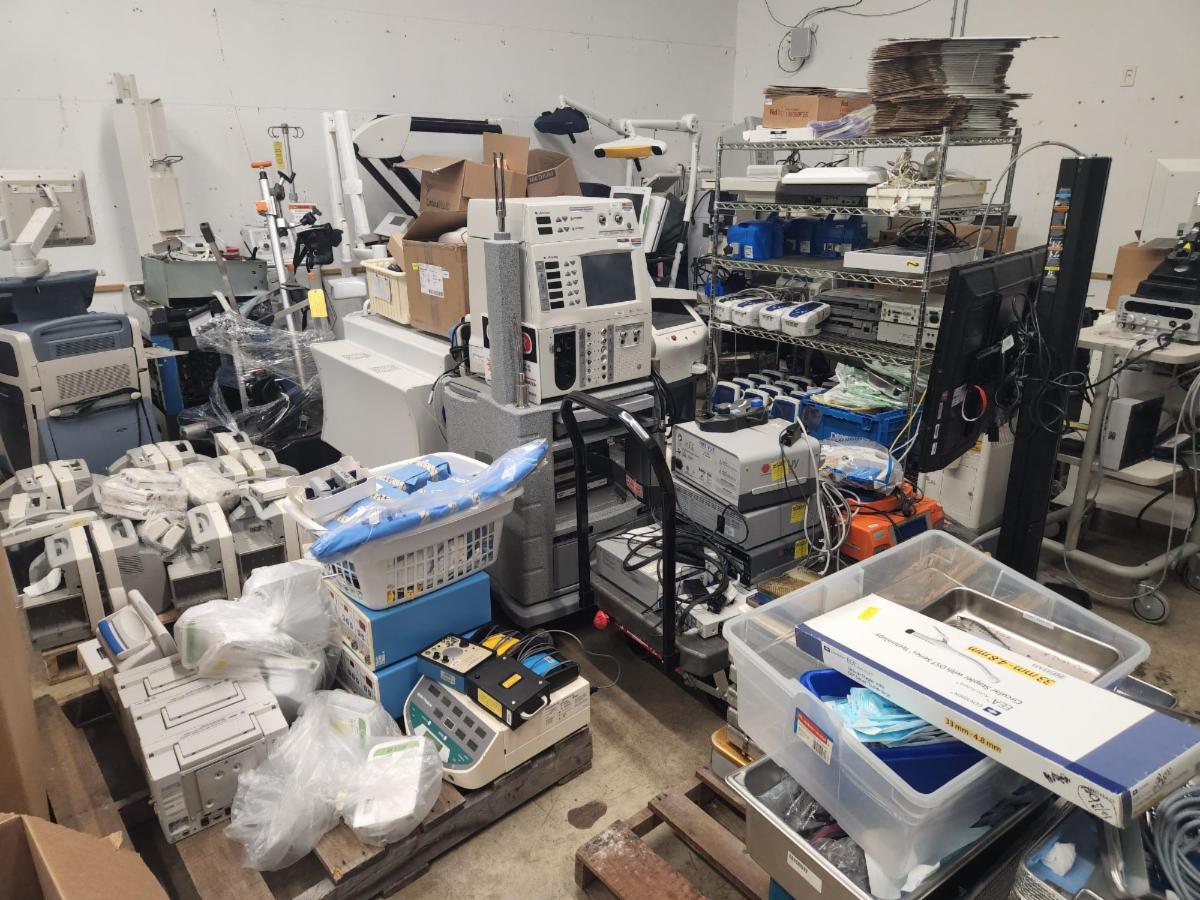
Streamlining Operations & Space Management: Unused equipment takes up valuable space, whether in storerooms, hallways, or even patient care areas. By efficiently divesting surplus items, you can declutter your facility, improve operational flow, and create a more organized and efficient environment for your staff.
Mitigating Obsolescence Risks: Technology advances rapidly. Holding onto outdated equipment, even if functional, can expose your organization to risks associated with part availability, serviceability, and compatibility with newer systems. Selling sooner rather than later helps mitigate these obsolescence risks and keeps your inventory current.
Selling surplus medical equipment doesn't have to be a daunting task. Here are some steps to consider:
-
Inventory and Assess: Conduct a thorough inventory of all equipment that is no longer actively used or is slated for replacement. Assess its condition, functionality, and potential market value.
-
Research Reputable Channels: Explore various avenues for selling, including specialized medical equipment resellers, brokers, or direct sales to other healthcare facilities.
-
Ensure Compliance: Familiarize yourself with all relevant regulations regarding the sale and transfer of medical equipment, including data security and proper decommissioning protocols.
-
Consider Professional Assistance: If your volume of surplus equipment is substantial, consider engaging a professional asset management company specializing in medical equipment.
Recognizing the value in your surplus medical equipment is a win-win situation. It allows you to unlock hidden capital, support fellow healthcare providers, contribute to a greener future, and optimize your own operations.
|