Newsletter | December 2025 | | | Latest Updates on Children's Care | | | Resources on Ukraine Response | | | This section includes resources, news and other key documents related to children's care in the context of the current humanitarian crisis affecting Ukraine. For more resources, visit the growing collection of documents in the BCN Ukraine Response Repository. | | | | |
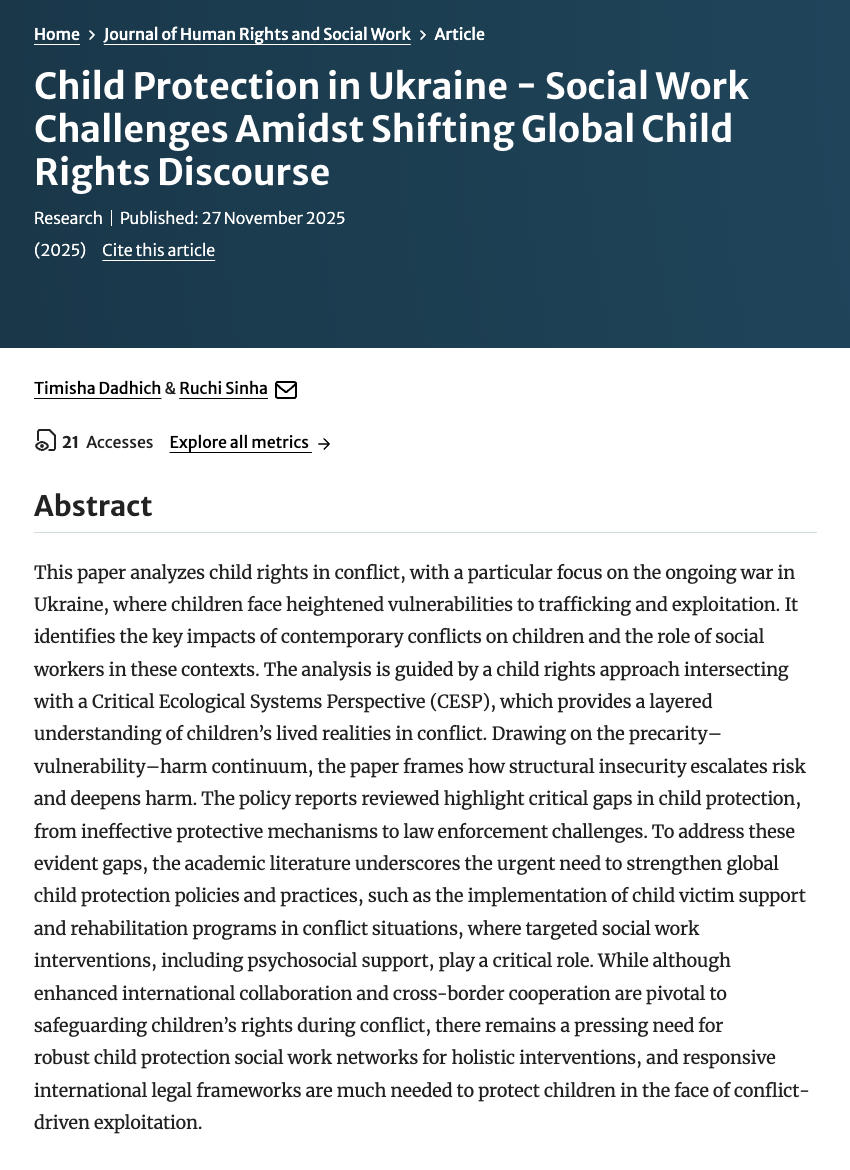
Child Protection in Ukraine − Social Work Challenges Amidst Shifting Global Child Rights Discourse
This paper analyzes child rights in conflict, with a particular focus on the ongoing war in Ukraine, where children face heightened vulnerabilities to trafficking and exploitation. It identifies the key impacts of contemporary conflicts on children and the role of social workers in these contexts.
| | Understanding the Situation | | | | |
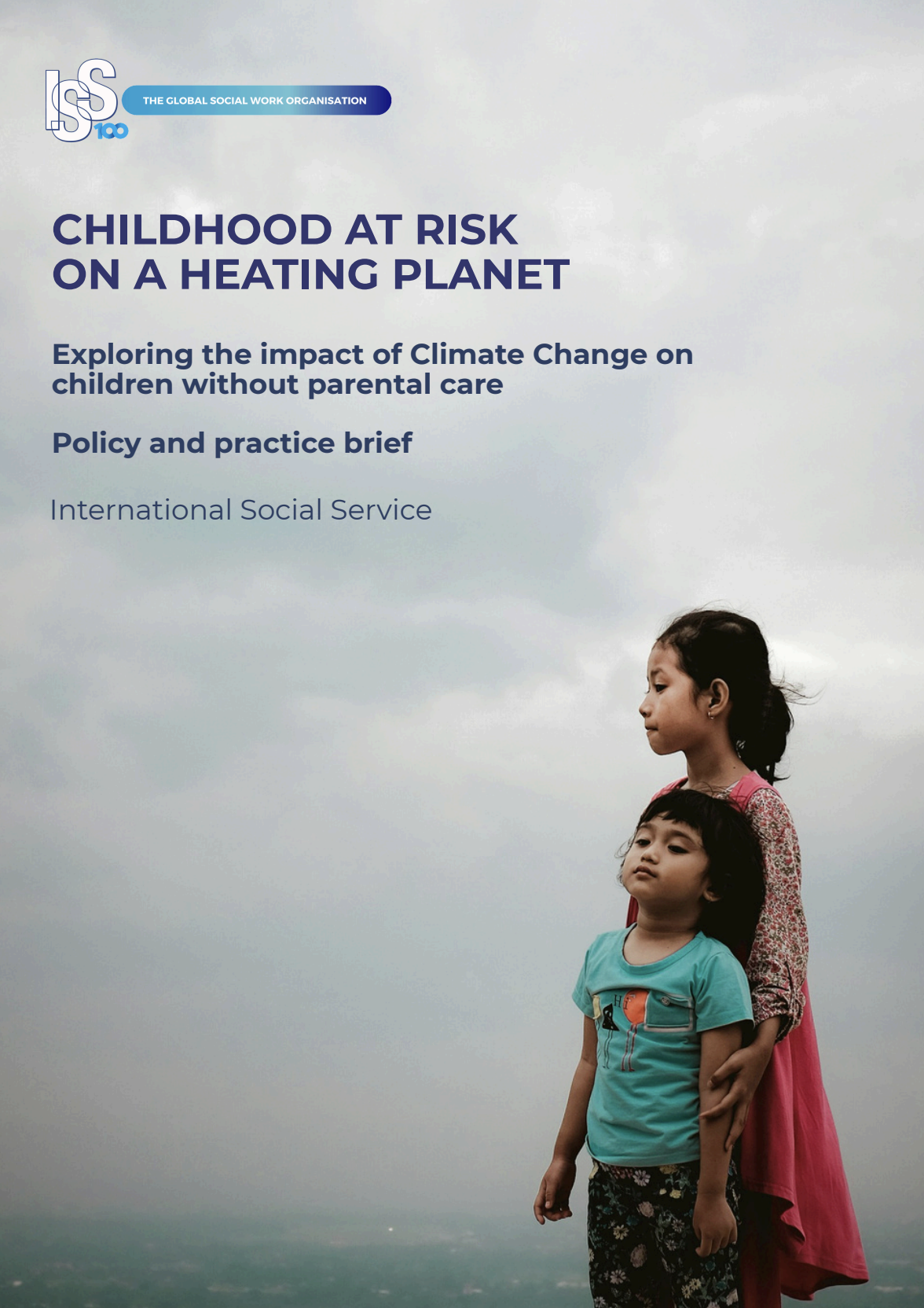
Childhood at Risk on a Heating Planet: Exploring the impact of Climate Change on children without parental care
Climate change is increasingly recognized as a child rights crisis, with children without parental care being particularly vulnerable to its impacts. This brief highlights how climate change heightens risks of losing parental care, creates unaccompanied children, and disrupts alternative care systems, and it offers recommendations for policymakers and practitioners to prevent separation and protect these children.
| | | | |
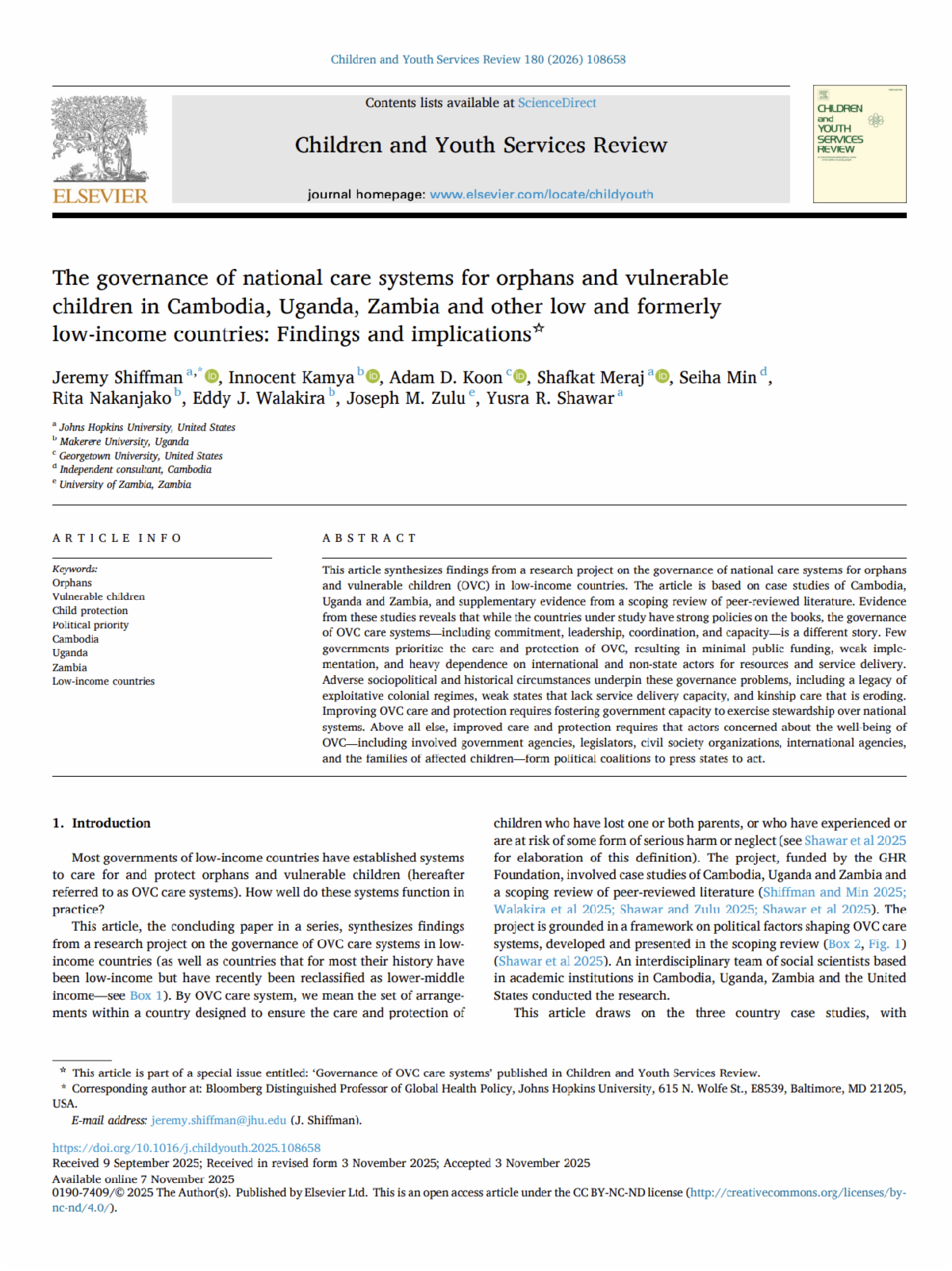
The Governance of National Care Systems for Orphans and Vulnerable Children in Cambodia, Uganda, Zambia and Other Low and Formerly low-income Countries: Findings and Implications
This article examines how national care systems for orphans and vulnerable children in Cambodia, Uganda, and Zambia are governed, drawing on case studies and a review of existing research. It highlights the gap between strong policy commitments and weak on-the-ground implementation, pointing to historical, political, and capacity-related factors that hinder effective care and protection.
| | | | |
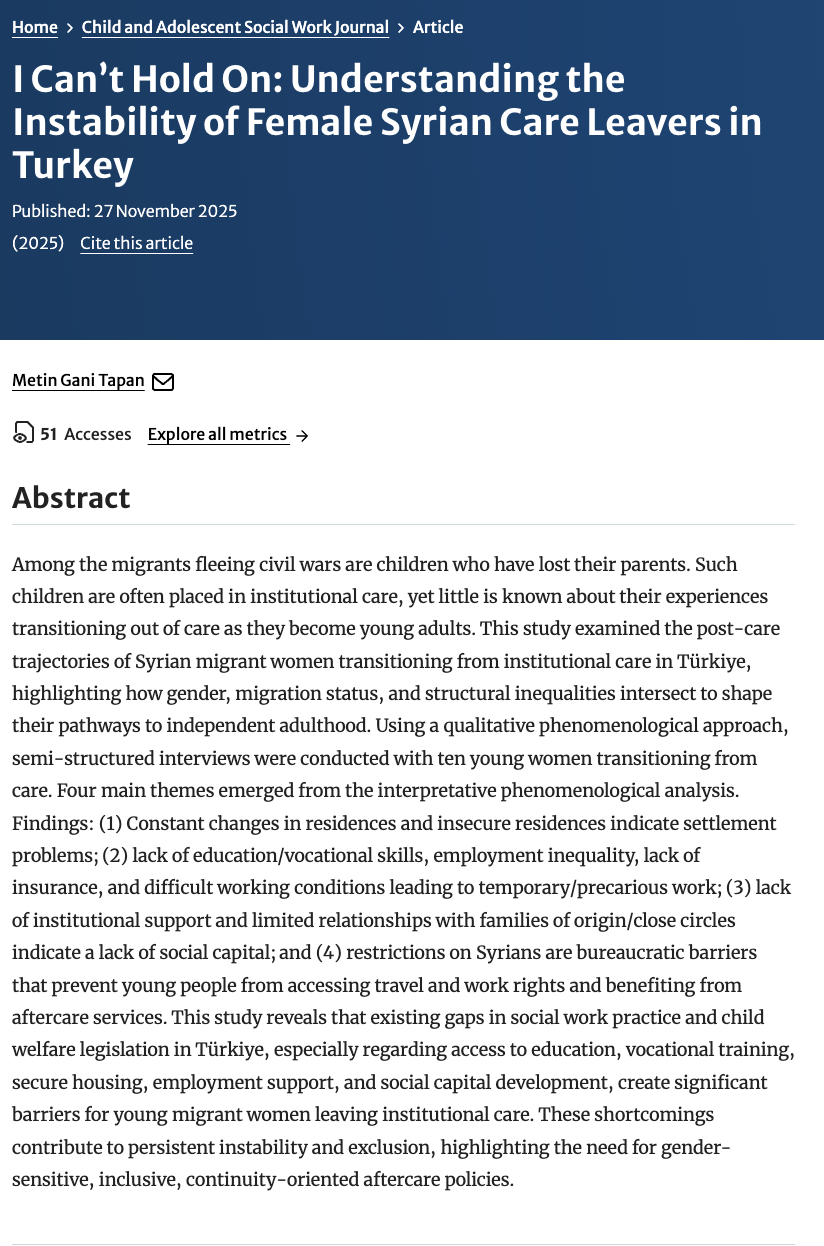
I Can’t Hold On: Understanding the Instability of Female Syrian Care Leavers in Turkey
This study explores the experiences of young Syrian migrant women transitioning out of institutional care in Turkey, revealing how gender, migration status, and structural barriers shape their pathways to adulthood. It finds that gaps in education, employment support, housing, social capital, and aftercare services create persistent instability and exclusion, underscoring the need for more inclusive, gender-sensitive aftercare policies.
| | | | |
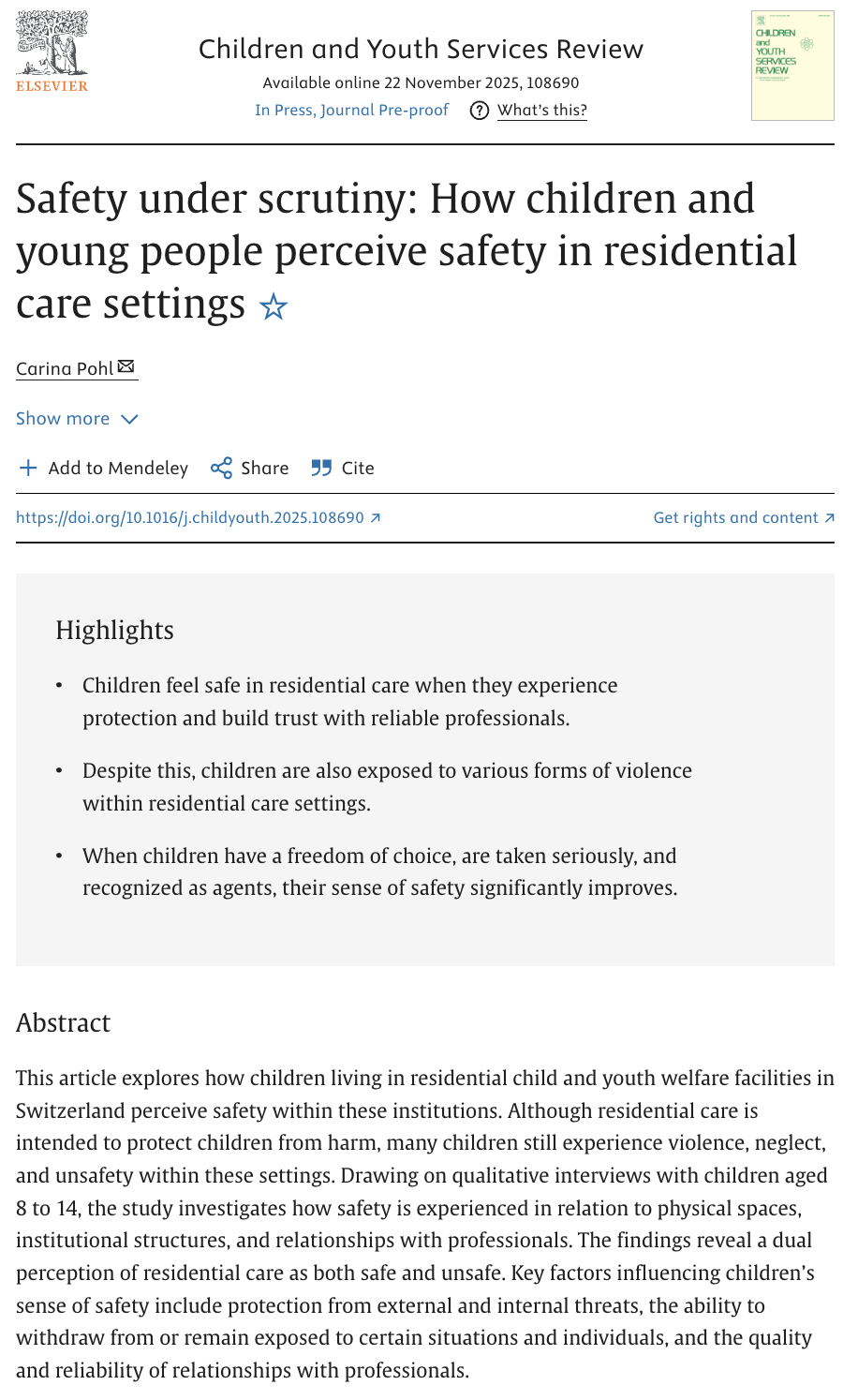
Safety Under Scrutiny: How Children and Young People Perceive Safety in Residential Care Settings
This study examines how children in Swiss residential care perceive safety, revealing that while institutions aim to protect them, many still experience both safety and unsafety shaped by physical spaces, institutional rules, and relationships with staff. By centering children’s voices, the article highlights gaps between residential care’s protective mandate and children’s lived experiences, calling for a more nuanced, justice-oriented understanding of safety in child welfare.
| | | | |
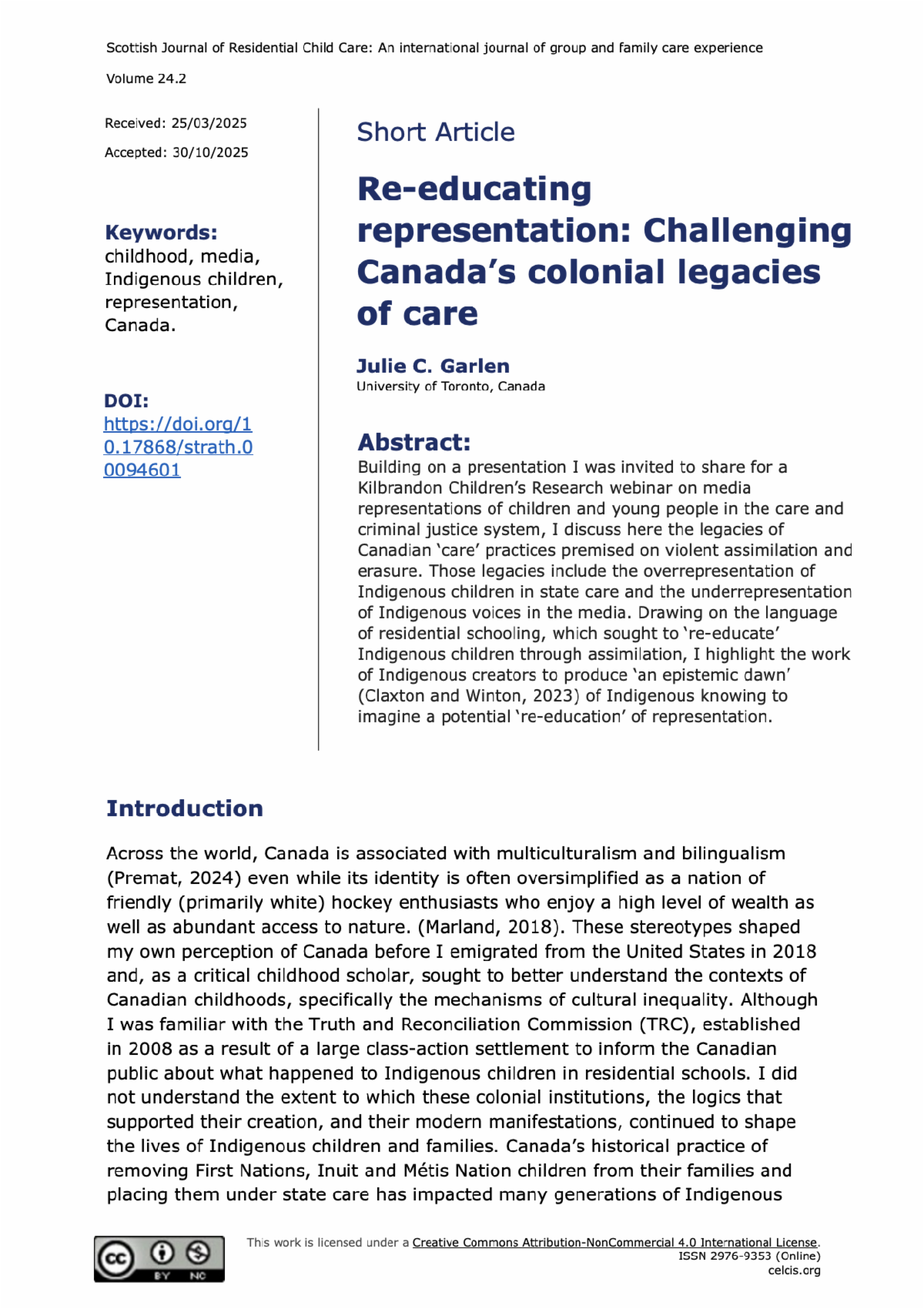
Re-educating Representation: Challenging Canada’s Colonial Legacies of Care
Building on a presentation invited for a Kilbrandon Children’s Research webinar on media representations of children and young people in the care and criminal justice system, this article discusses the legacies of Canadian ‘care’ practices premised on violent assimilation and erasure.
| | | | |
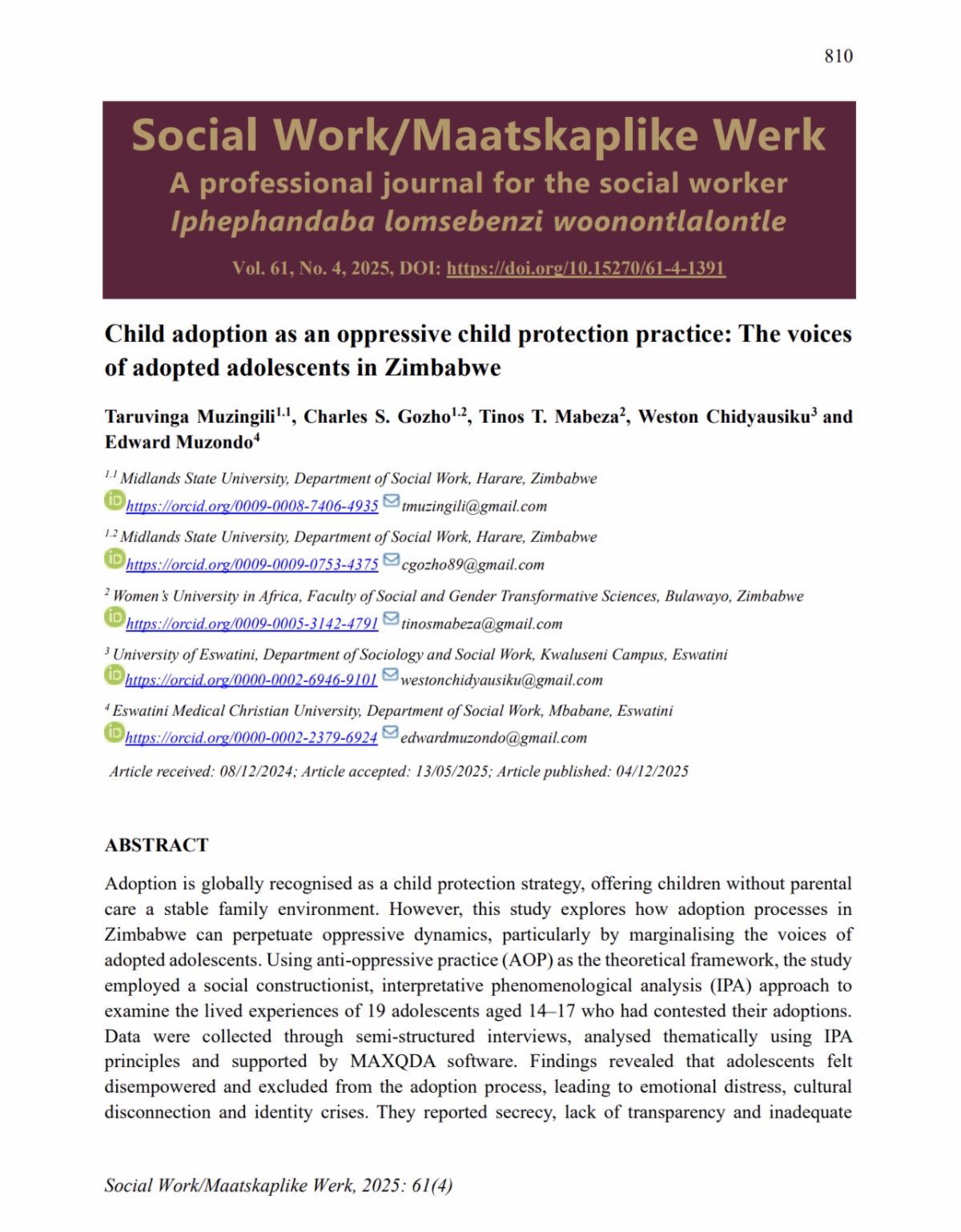
Child Adoption as an Oppressive Child Protection Practice: The Voices of Adopted Adolescents in Zimbabwe
Adoption in Zimbabwe, while intended to provide stable families for children without parental care, often marginalizes adopted adolescents by excluding them from decisions, limiting transparency, and severing cultural ties. This study highlights the emotional distress and identity challenges this creates and calls for more inclusive, transparent, and culturally grounded adoption practices that uphold children’s rights and voices.
| | | | |
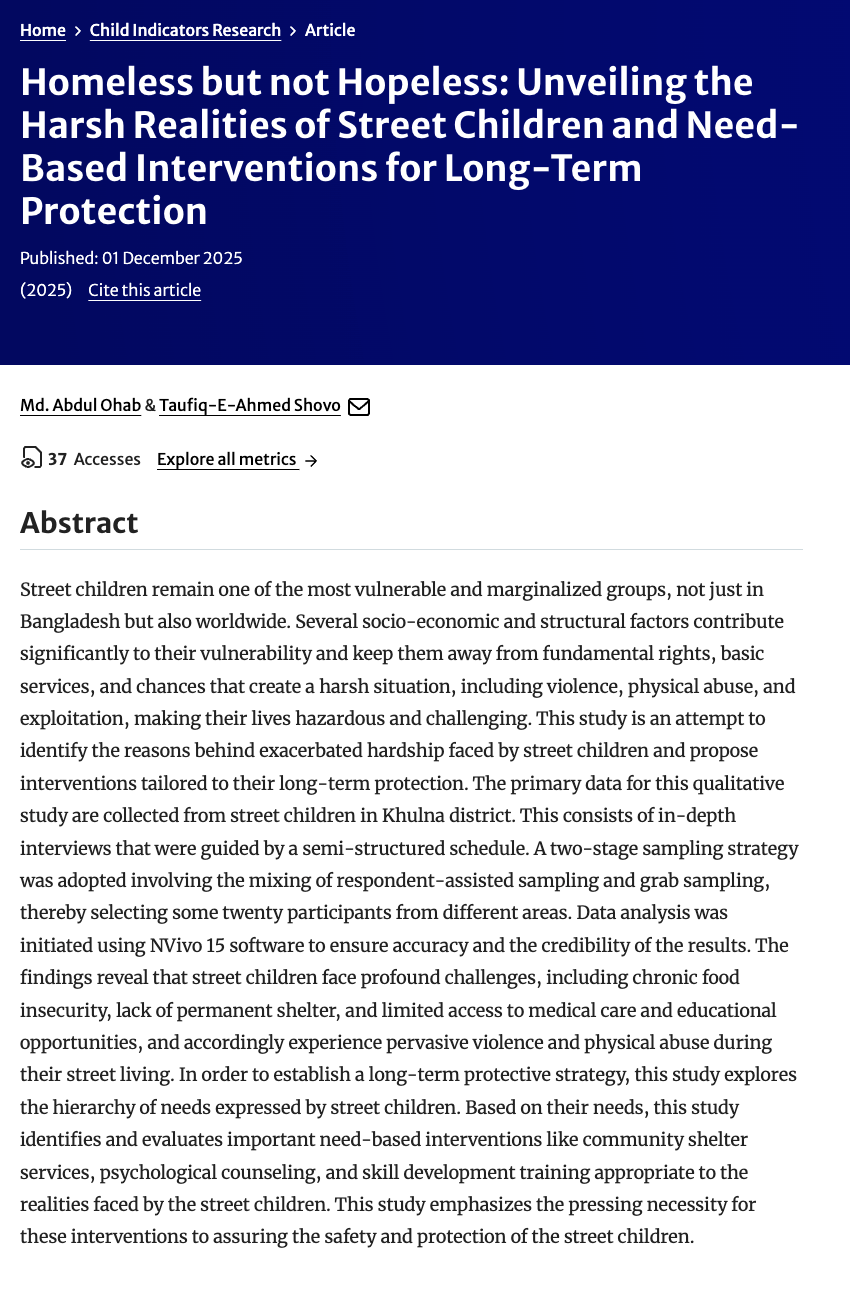
Homeless but not Hopeless: Unveiling the Harsh Realities of Street Children and Need-Based Interventions for Long-Term Protection
Street children in Bangladesh face chronic food insecurity, unstable shelter, limited access to health and education, and pervasive violence and abuse, as revealed through qualitative interviews with twenty children in Khulna district. Based on the hierarchy of needs expressed by the children, the study identifies essential long-term protection interventions, including community shelter services, psychological counseling, and skill-development training, and underscores the urgent need to implement these measures to ensure their safety and well-being.
| | | | |
Voices of Care Leavers: Ageing with Dignity after Childhood Institutionalisation
This report explores how childhood institutional care negatively shapes health, well‑being, housing, and social outcomes well into older adulthood for people now aged 50 and above in Australia. Many participants explicitly rejected the notion of re-entering residential aged care, viewing it as re‑institutionalization; instead, they expressed a strong preference for home-based or community‑based care if it ensured autonomy, dignity, consistency, and trauma‑informed support.
| | | | |
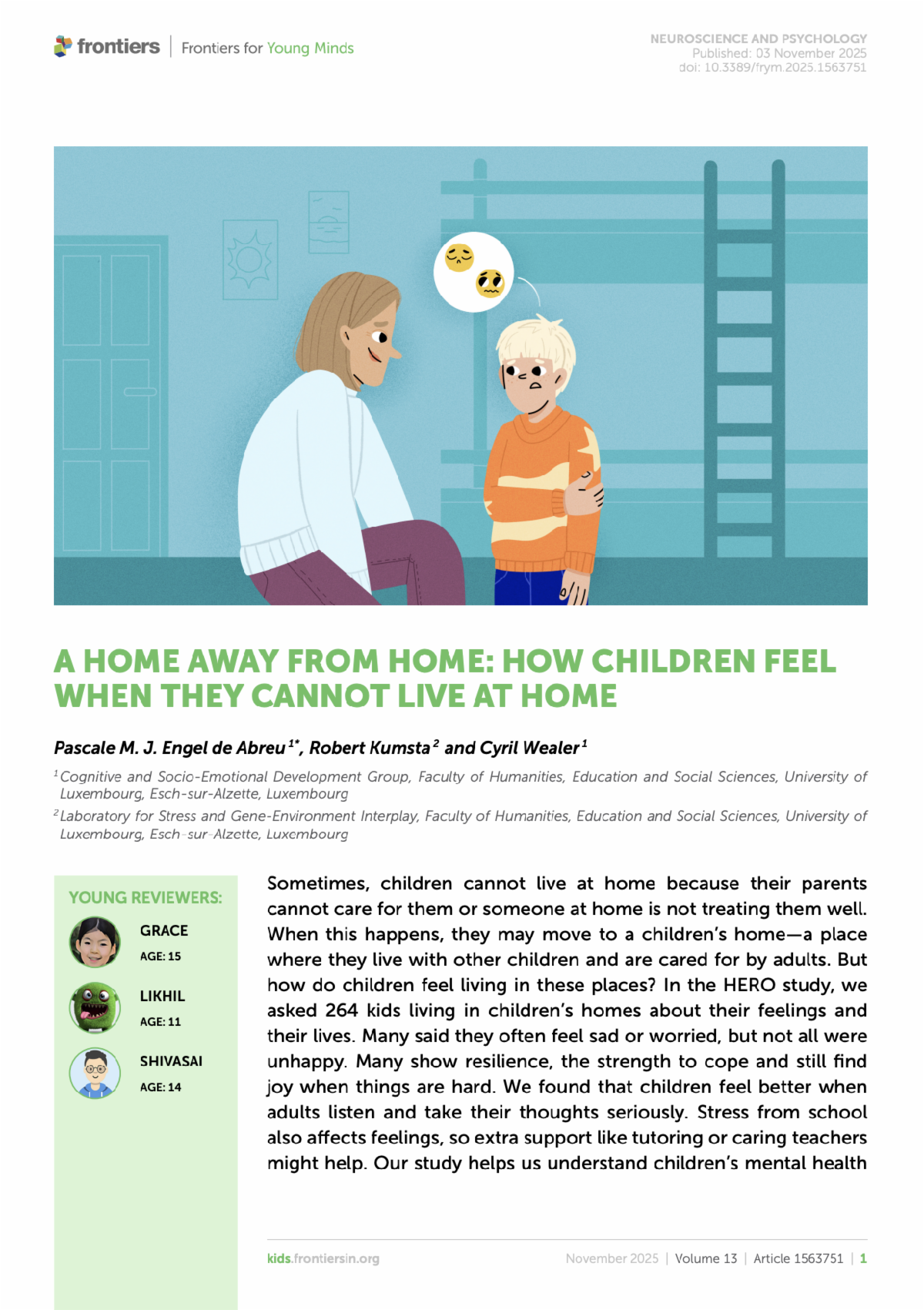
A Home Away From Home: How Children Feel When They Cannot Live at Home
This study explores how children living in children’s homes in Luxembourg experience their daily lives, revealing that while many feel sad or worried, they also demonstrate resilience and the ability to find joy. The findings highlight that children feel better when adults listen and take them seriously, and that additional support with school and caring relationships can improve their well-being.
| | | | |
Exploring the Experiences of Orphans and Vulnerable Children in the Vhembe District: a Qualitative Study
This study explores the lived experiences of orphans and vulnerable children in South Africa’s rural Vhembe District and finds that they face significant challenges, including maltreatment, deprivation, neglect, abuse, and social alienation. The findings highlight an urgent need for strengthened psychosocial support through coordinated stakeholder action, reinforced drop-in centres, and enhanced prioritization by social workers.
| | | | |
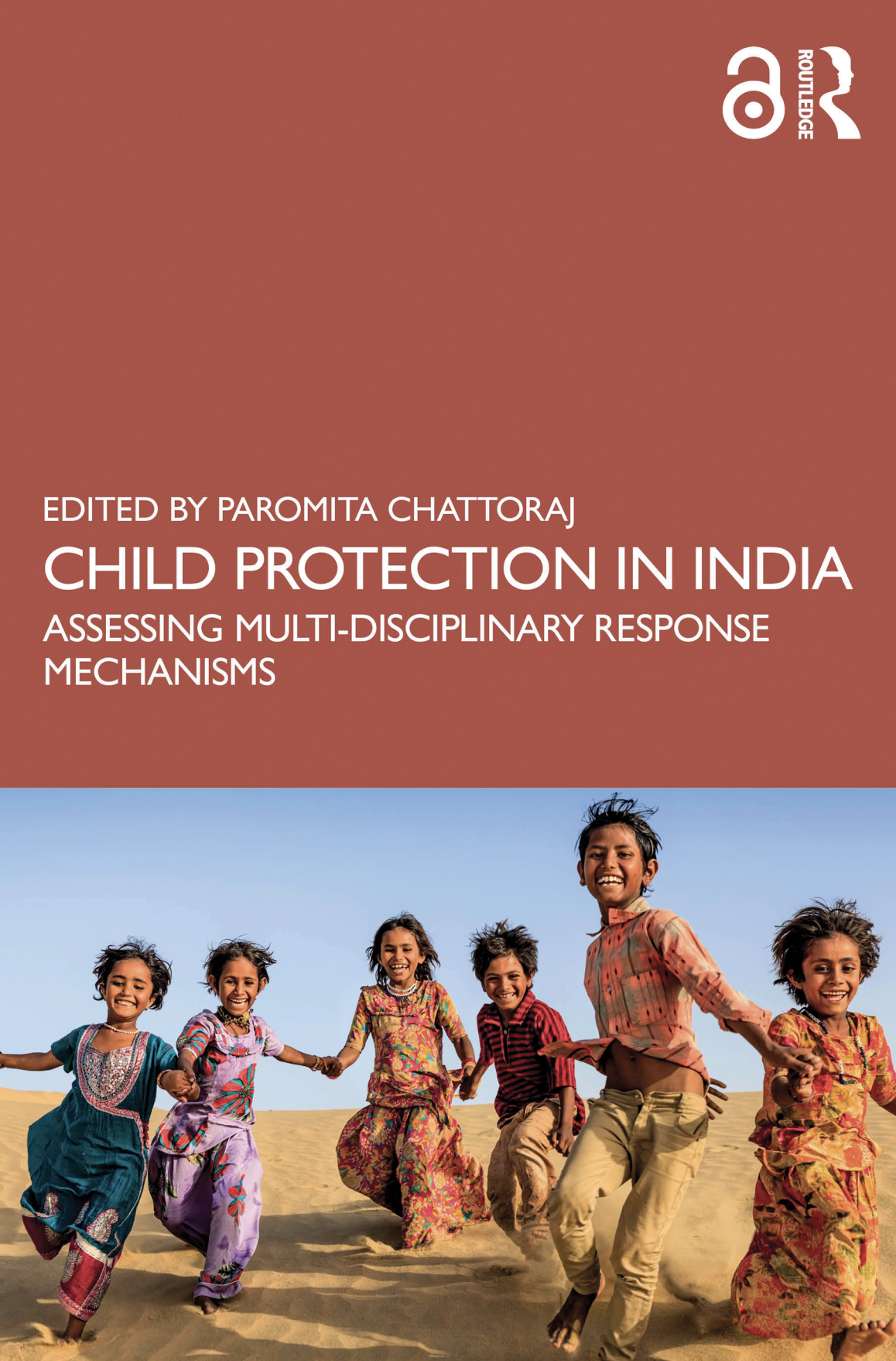
Child Protection in India: Assessing Multi-disciplinary Response Mechanisms
This book offers a comprehensive exploration of the institutional, legal, and social frameworks surrounding child protection in India. Anchored in a multidisciplinary approach, the book brings together insights from law, social work, psychology, education, and public policy to examine how various systems interact in addressing the issues related to the protection of children from abuse, neglect, trafficking, and exploitation.
| | | | |
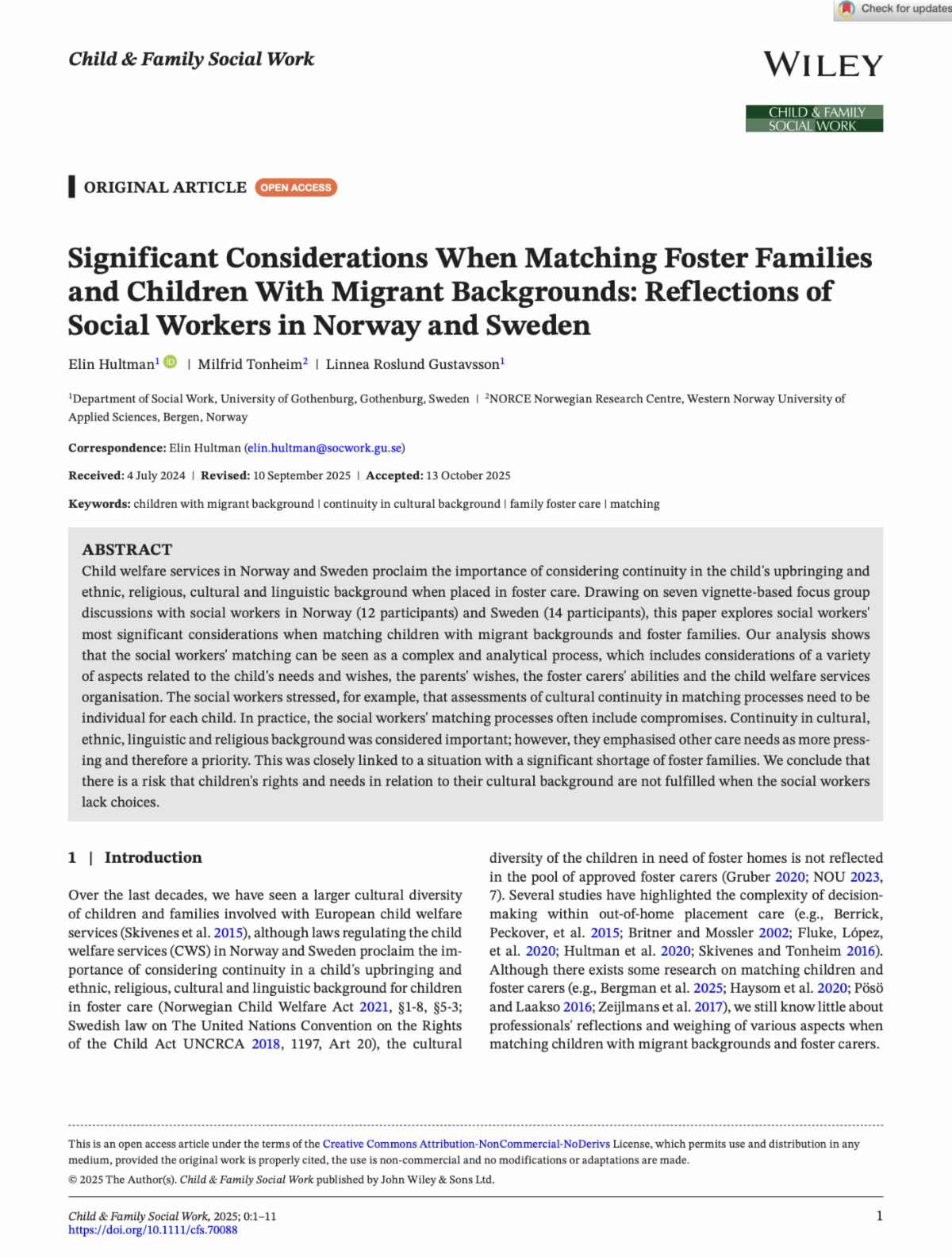
Significant Considerations When Matching Foster Families and Children With Migrant Backgrounds: Reflections of Social Workers in Norway and Sweden
This study, based on vignette-based focus group discussions with social workers in Norway and Sweden, examines how they balance children’s cultural, ethnic, religious, and linguistic continuity with other needs when matching migrant-background children with foster families, revealing a complex process shaped by the child’s and parents’ wishes, foster carers’ capacities, and organizational constraints. While social workers value cultural continuity, they often prioritize more urgent care needs—especially amid a significant shortage of foster families—creating a risk that children’s rights and needs related to their cultural background may not be fully met.
| | | | |
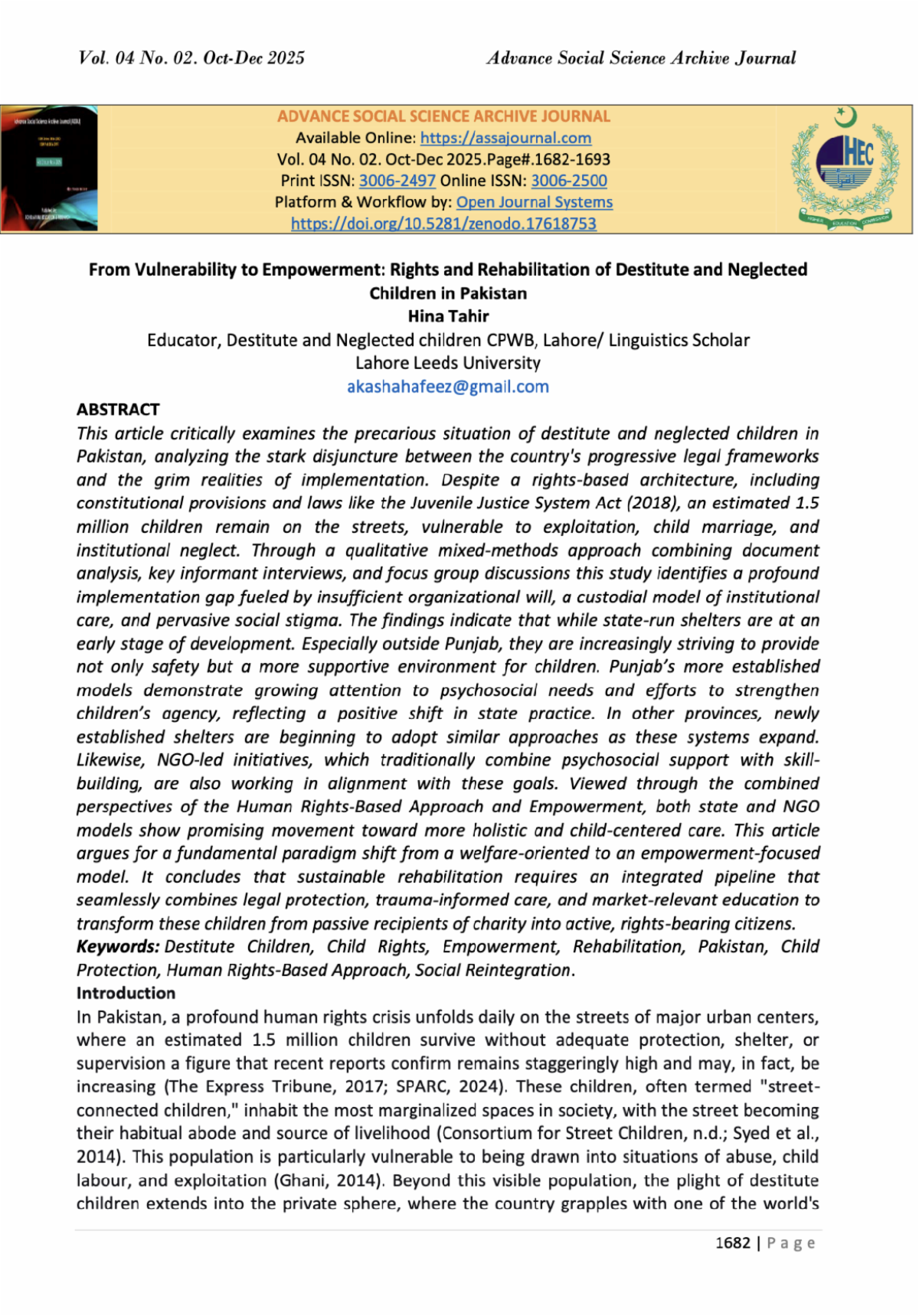
From Vulnerability to Empowerment: Rights and Rehabilitation of Destitute and Neglected Children in Pakistan
This article analyzes the gap between Pakistan’s progressive child protection laws and the harsh realities faced by the country’s 1.5 million destitute and neglected children, highlighting how weak implementation, custodial care models, and social stigma undermine their rights and well-being. It argues that meaningful rehabilitation requires shifting from welfare-based responses to empowerment-focused, holistic support systems that integrate legal protection, trauma-informed care, and market-relevant education.
| | | | |
An Exploration of Independent Advocacy Provision for Children in Care and Young Care-Leavers: Towards a Best Practice Model
This report, from Ireland, provides a comprehensive exploration of the principles and practice of independent advocacy for children and young people with care experience, noting what constitutes best practice in this field and proposing a model of advocacy practice which reflects the key themes arising.
| | | | |
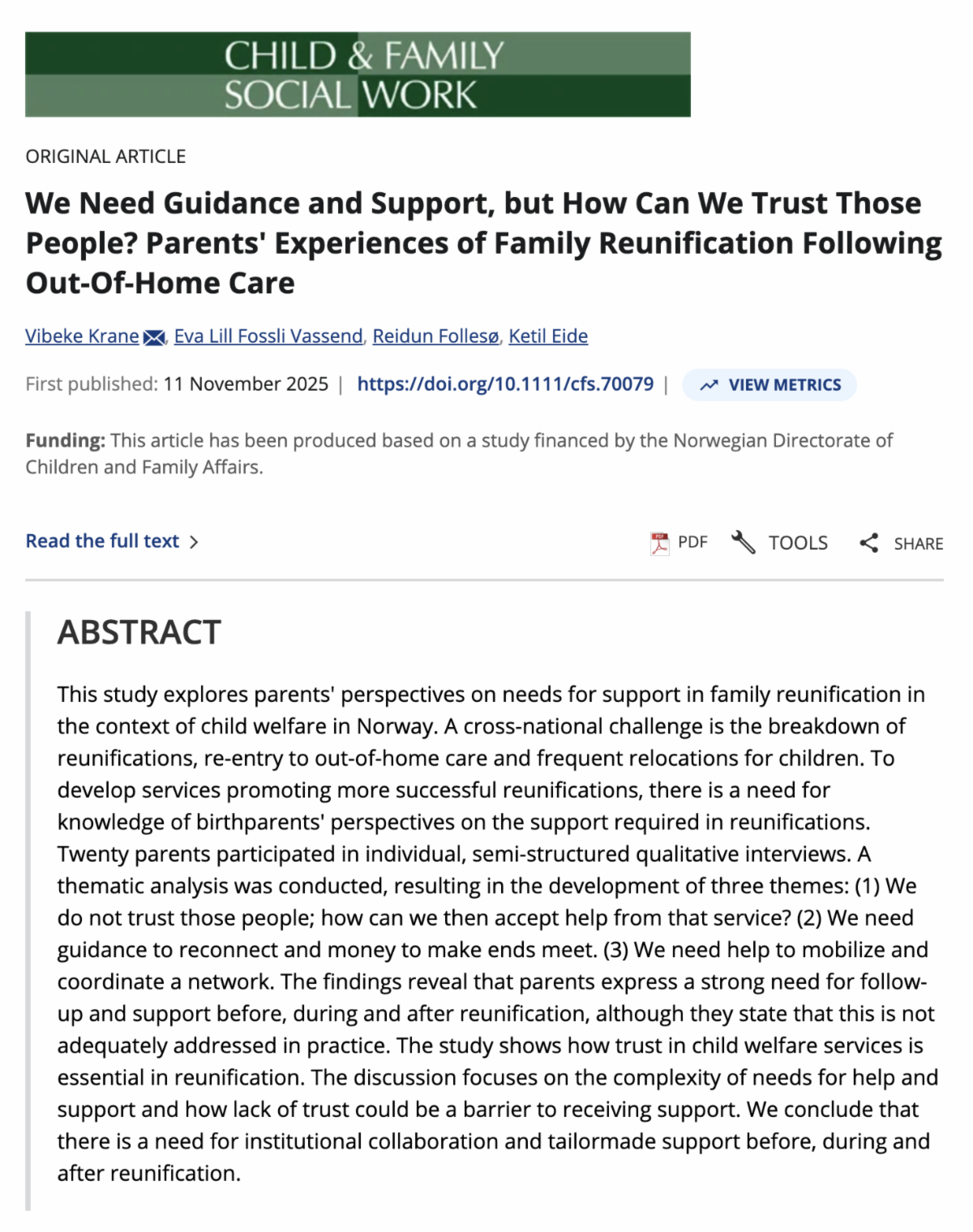
We Need Guidance and Support, but How Can We Trust Those People? Parents' Experiences of Family Reunification Following Out-Of-Home Care
This systematic review and meta-analysis assessed the effectiveness of psychosocial interventions for families with young children involved in child protection services in the UK. While the interventions improved parenting sensitivity, attachment, and parental functioning, evidence for reducing maltreatment risk remains limited, highlighting the need for larger, more consistent studies.
| | | | |
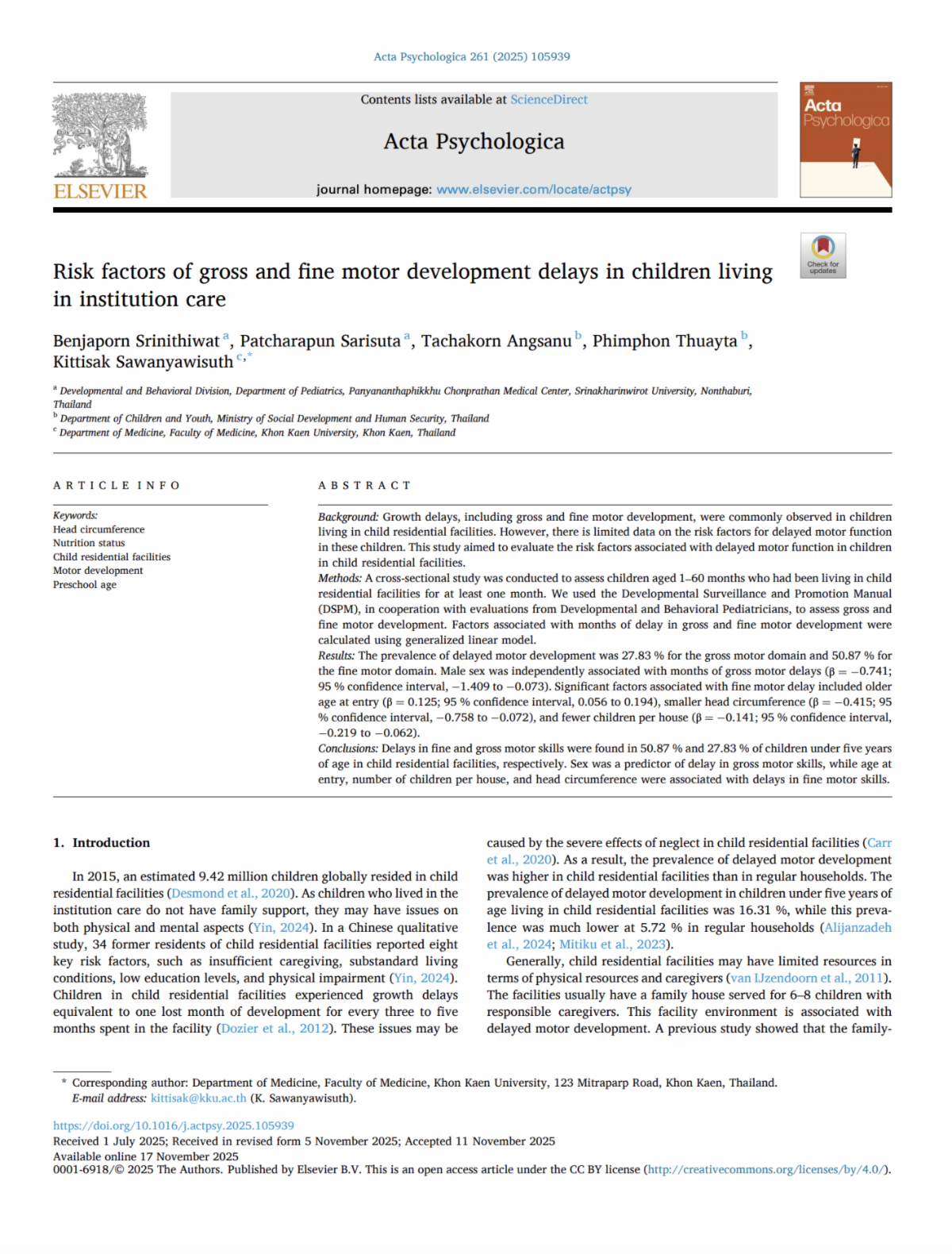
Risk Factors of Gross and Fine Motor Development Delays in Children Living in Institution Care
This study identifies high rates of gross and fine motor delays among young children living in residential care facilities in Thailand and examines factors contributing to these developmental challenges. These findings highlight the developmental vulnerabilities of young children in residential care and point to key predictors that can inform early interventions.
| | | | |
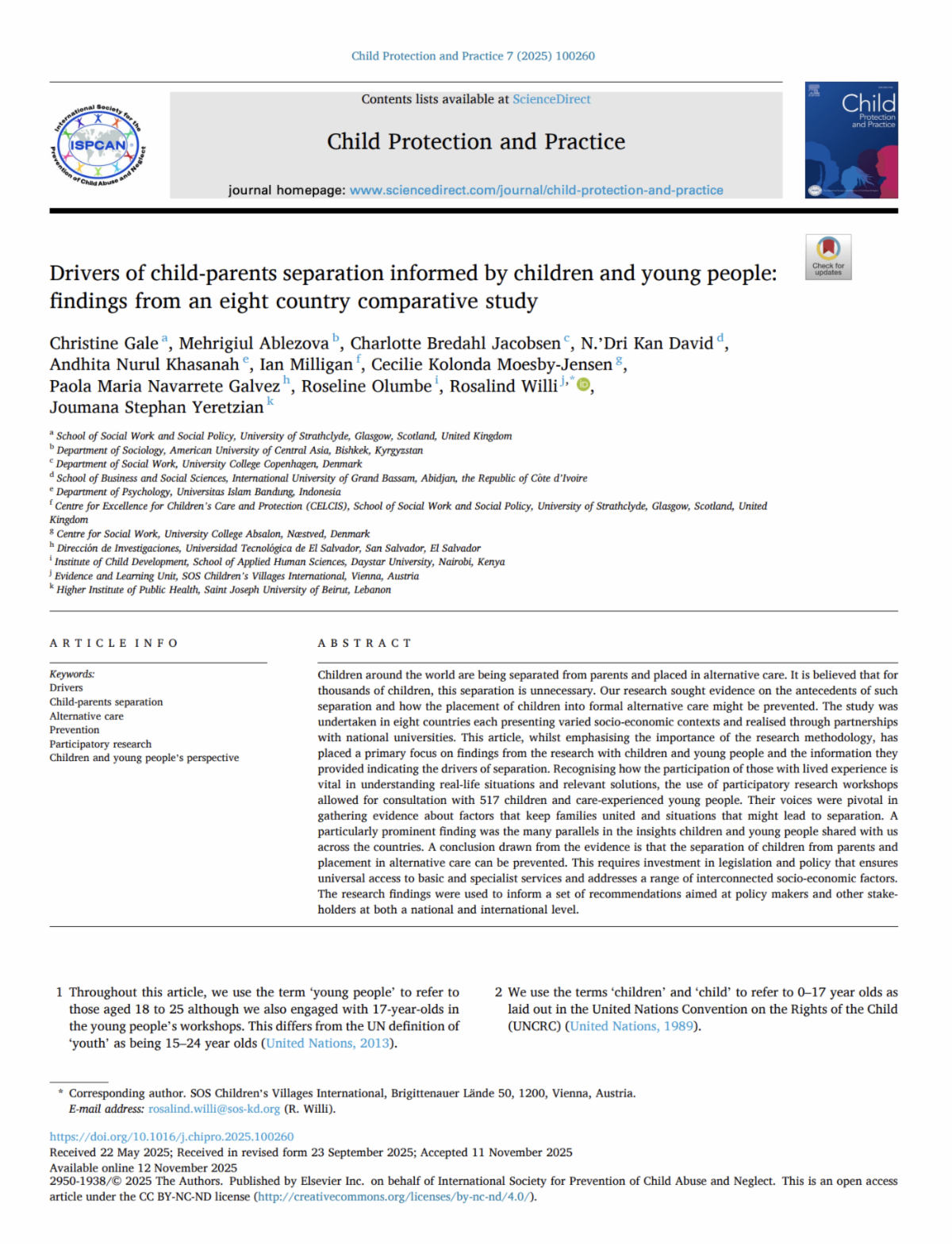
Drivers of Child-parents Separation Informed by Children and Young People: Findings from an Eight-Country Comparative Study
This article presents research from eight countries showing that many child–family separations are preventable, with children and young people identifying common drivers of separation rooted in unmet basic needs and broader socio-economic pressures. The study concludes that strengthening laws, policies, and access to essential services—guided by the lived experiences of children—can help keep families together and reduce reliance on alternative care.
| | | | |
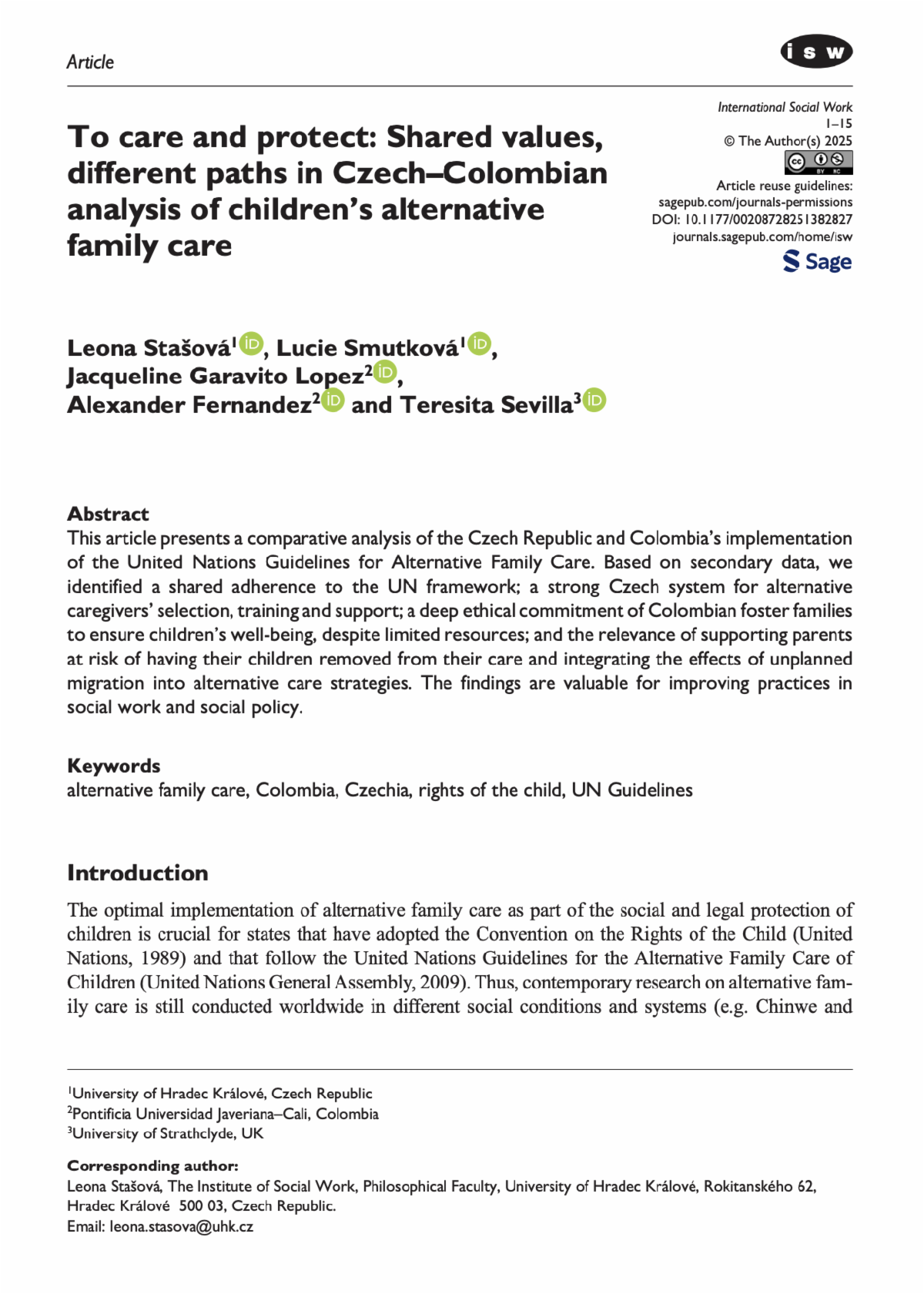
To Care and Protect: Shared Values, Different Paths in Czech–Colombian Analysis of Children’s Alternative Family Care
This article presents a comparative analysis of the Czech Republic and Colombia’s implementation of the United Nations Guidelines for Alternative Family Care. Based on secondary data, it identifies a shared adherence to the UN framework; a strong Czech system for alternative caregivers’ selection, training and support; a deep ethical commitment of Colombian foster families to ensure children’s well-being, despite limited resources; and the relevance of supporting parents at risk of having their children removed from their care and integrating the effects of unplanned migration into alternative care strategies.
| | | | |
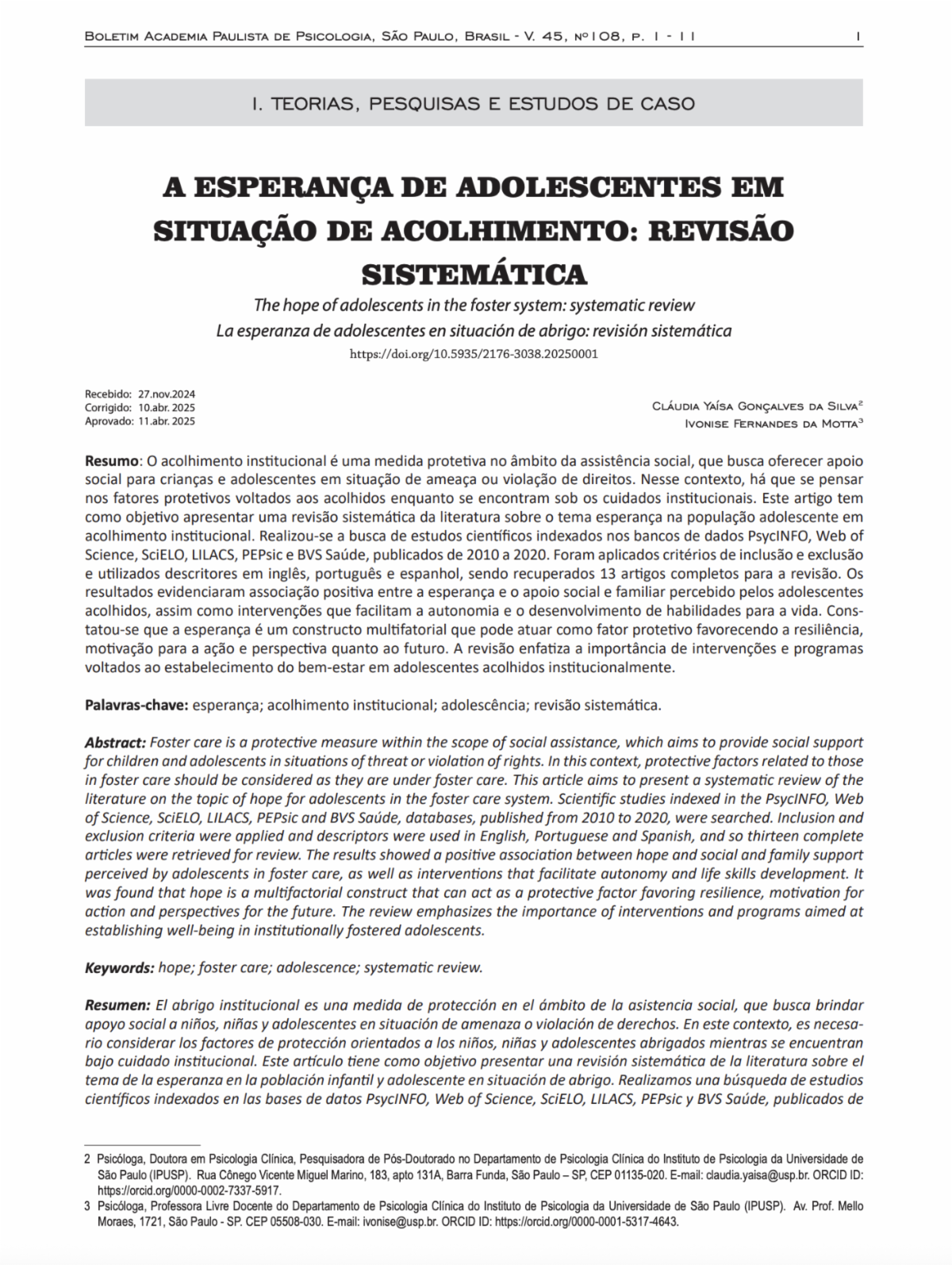
Hope for Adolescents in Foster Care: A Systematic Review
This systematic review examined how hope functions as a protective factor for adolescents living in foster care settings in Brazil. The review found that hope is positively linked to social and family support, autonomy-building interventions, and life-skills development, highlighting its role in strengthening resilience and overall well-being. This article is available in Portuguese.
| | | | |
Transforming Practices: Racial Literacy in Institutional Foster Care
This article examines how racial inequality shapes institutional care for adolescents in Brazil and highlights how racial literacy workshops exposed both gaps in practitioners’ understanding and systemic barriers to anti-racist practice. Despite these challenges, the intervention showed promising improvements, underscoring the urgent need to embed racial literacy in public social assistance policies and high-complexity care services to better protect Black adolescents.
| | | | |
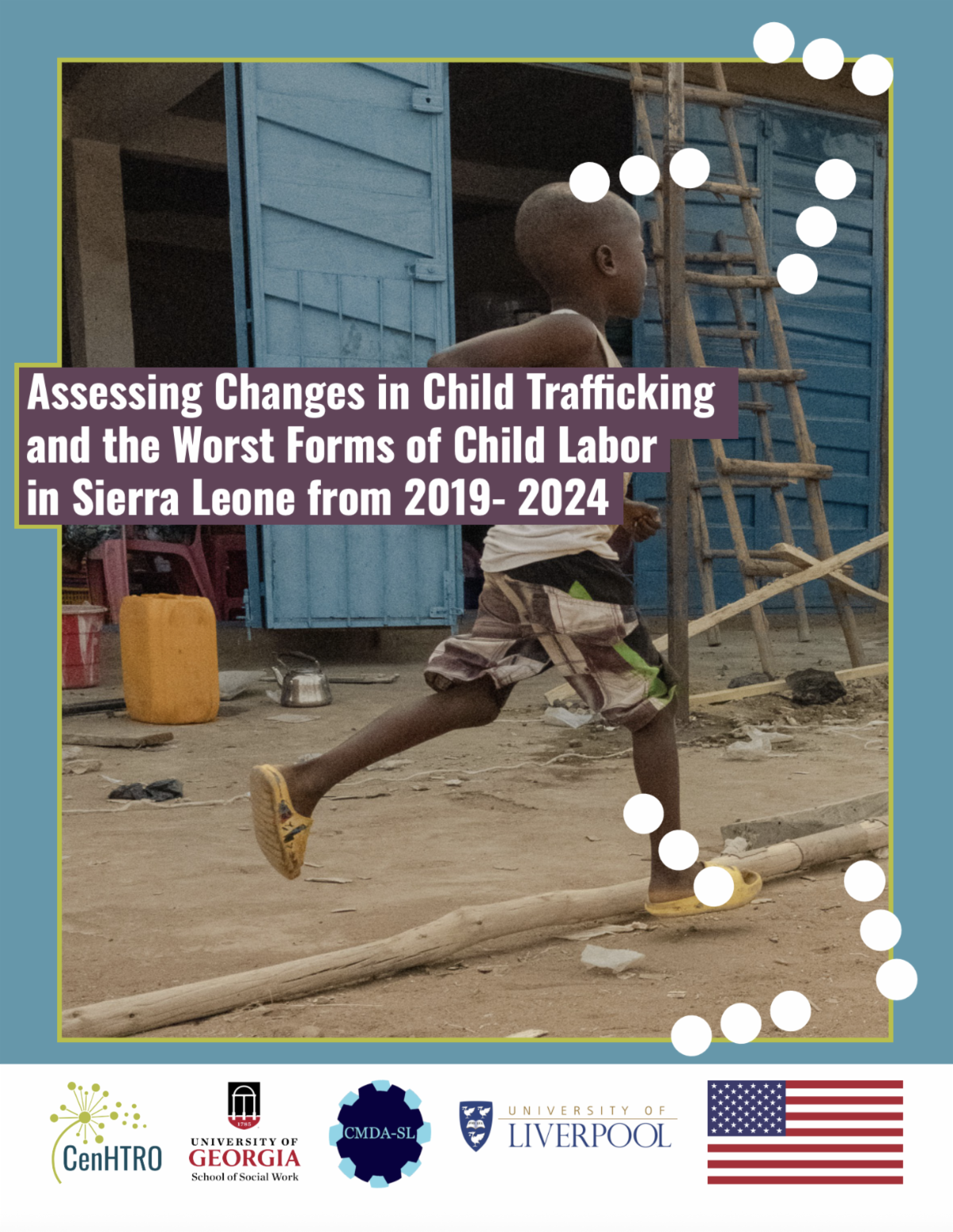
Assessing Changes in Child Trafficking and the Worst Forms of Child Labor in Sierra Leone from 2019- 2024
This endline report describes changes in child trafficking and child labor prevalence within four districts in Sierra Leone, Kailahun, Kenema, Kono (Eastern Province), and Kambia (North Western Province), from baseline (2019) to endline (2024).
| | | | |
Assessing the Impacts on Child Welfare Practice of Important Articles of the UN Convention on the Rights of the Child: A Comparison of Australia, Canada and the USA
This article critically examines how effectively Australia, Canada, and the United States have implemented key Convention on the Rights of the Child principles—particularly best interests and corporal punishment—by comparing their child protection policies, legislation, and practices to assess the Convention’s influence and its potential to drive broader system reform.
| | Policies, Standards, and Guidance | | | | |
General Comment No. 10 on Children Without Parental Care in the Context of Article 25 of the African Charter on the Rights and Welfare of the Child and Care Systems Reform
The African Committee of Experts on the Rights and Welfare of the Child (ACERWC) has released General Comment No. 10, offering authoritative guidance on the interpretation and implementation of Article 25 of the African Charter on the Rights and Welfare of the Child (ACRWC). This document sets out a comprehensive framework for ensuring the rights, protection, and well-being of children without parental care (CWPC) across the African continent.
View French version.
| | | | |
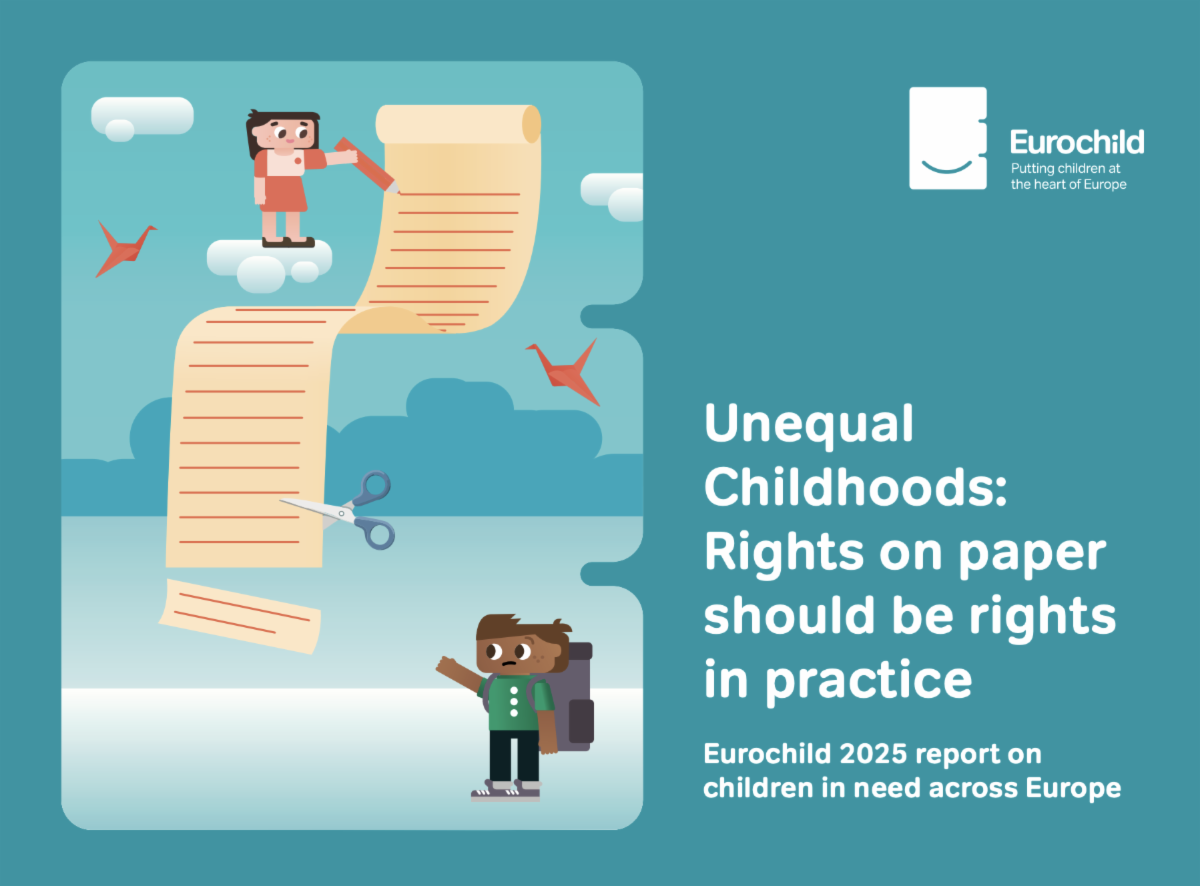
Unequal Childhoods: Rights on Paper Should be Rights in Practice
This report examines how rising child poverty, social exclusion, and anti-rights movements across Europe threaten children’s rights, emphasizing the urgent need for collective action and strong civil society engagement. Focusing on vulnerable children, it reviews progress on the European Child Guarantee and broader rights issues—from mental health and protection systems to digital rights, housing, and social investment.
| | | | |
Transformation of Residential Care Facilities for Children in Moldova
This guidance aims to support the transformation process of residential care facilities to models that promote family support and community-based services, or to safely close them and redirect their resources. National and local authorities can use this guidance to design, plan, budget, communicate, and coordinate transformation at both individual and system levels.
View Romanian version.
| | | | |
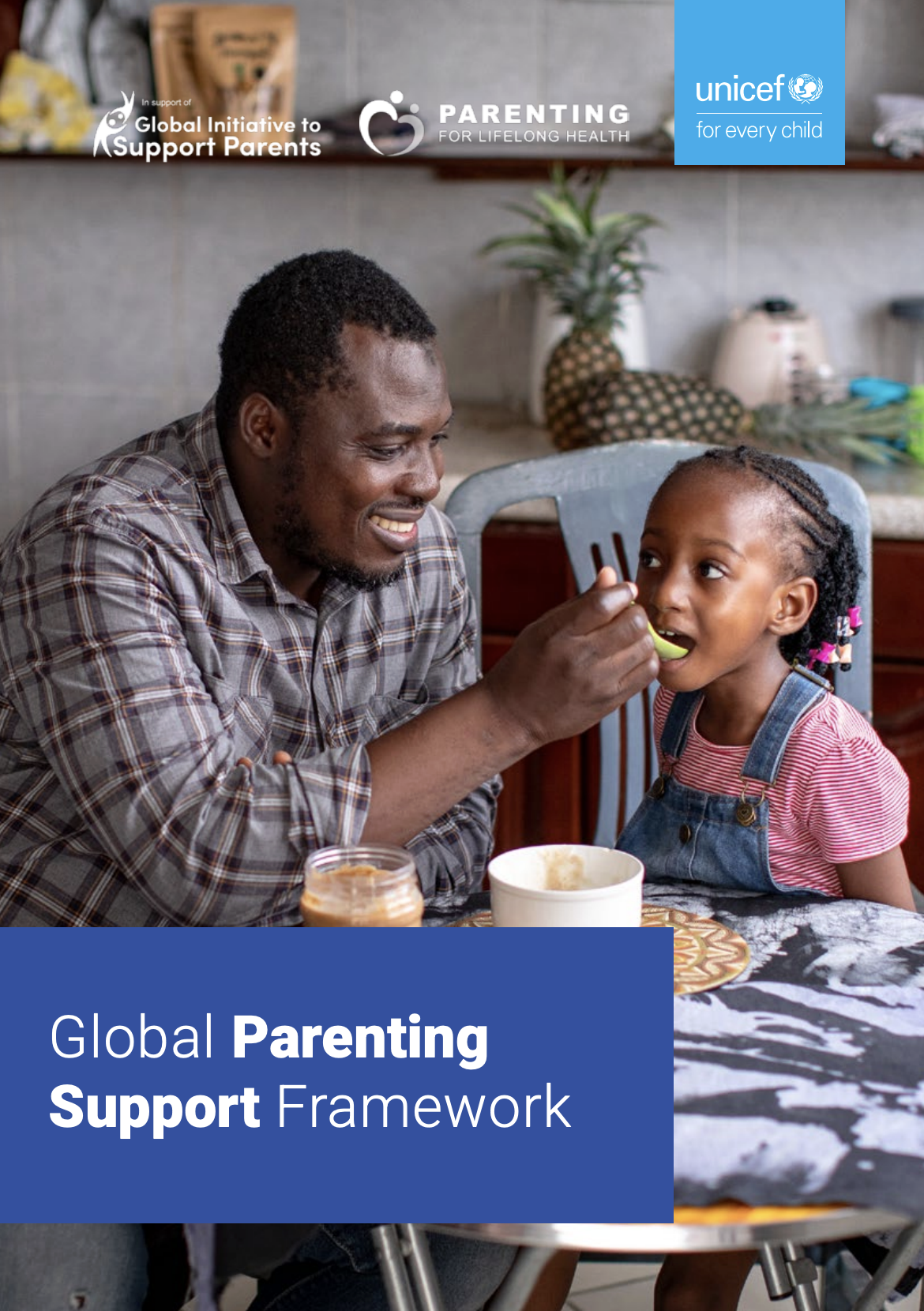
Global Parenting Support Framework
This Framework outlines how countries can build strong, coherent, multisectoral systems that ensure all parents and caregivers have access to the support needed to raise children in safe and nurturing environments, providing a shared foundation for aligning policies, financing, workforce, development, and service delivery across health, education, social protection, child protection, and community-based services.
See also:
| | | | |
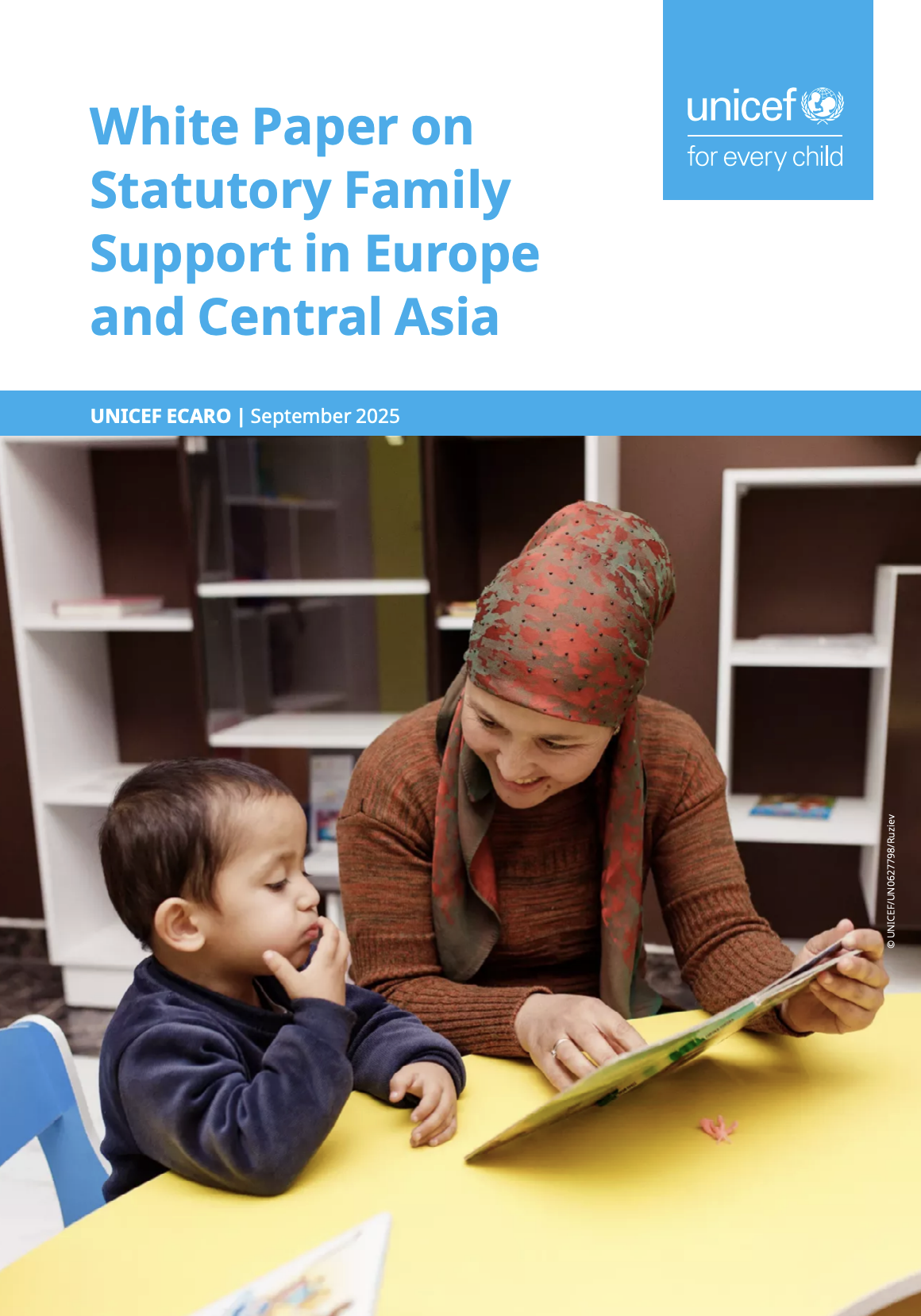
Statutory Family Support in Europe and Central Asia
Governments across Europe and Central Asia have advanced child care reforms, yet many children—especially those with disabilities or from marginalized communities—still face risks of separation without strong statutory family support systems in place. This White Paper outlines the essential policies, services, workforce standards, and rights-based approaches countries need to prevent unnecessary separation, strengthen families, and ensure every child can grow up safely in a supportive family environment.
| | | | |
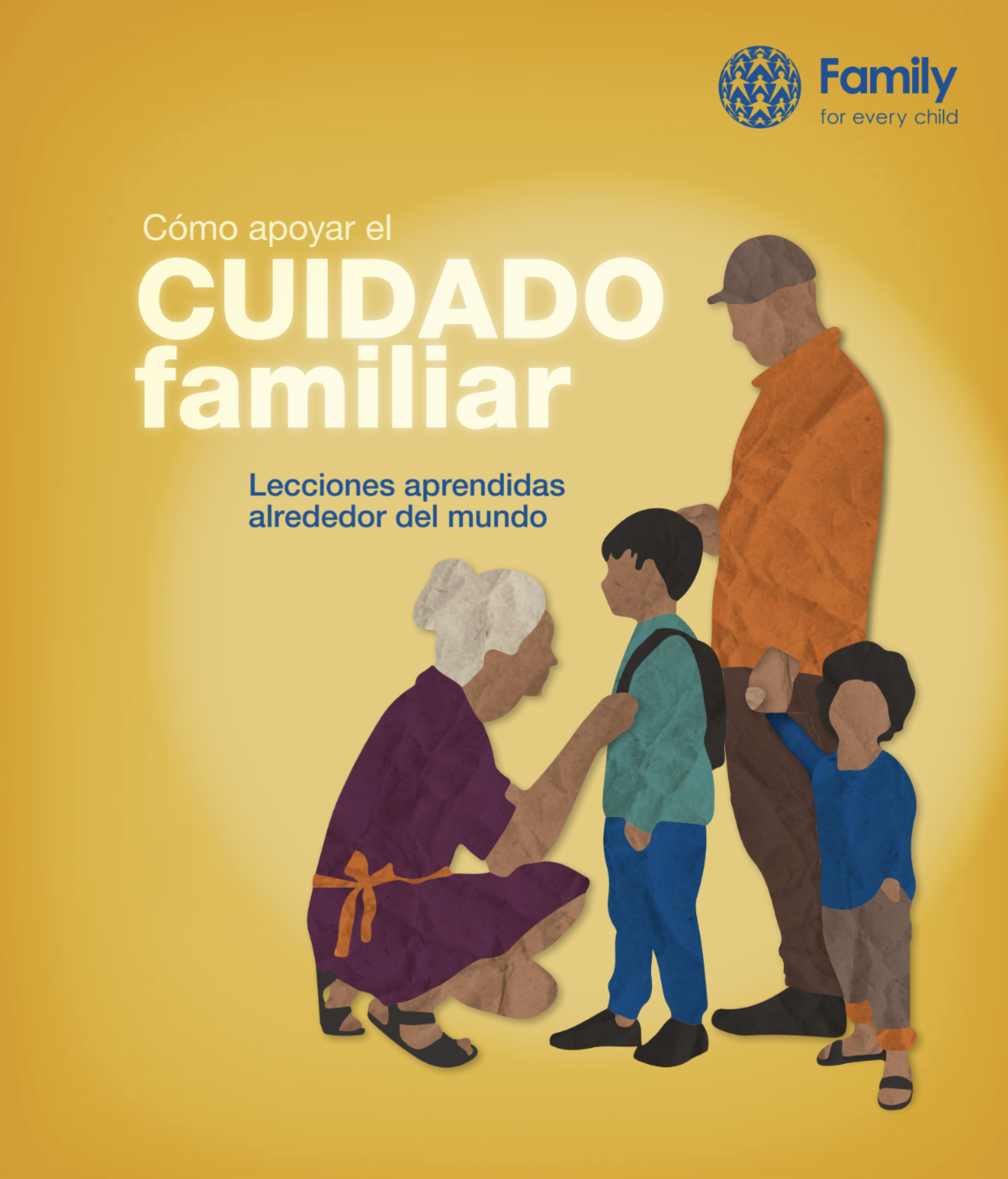
How to Support Kinship Care: Lessons Learnt from Around the World (Spanish and Portuguese Now Available)
This guidance explains why supporting kinship care is so important and provides principles of good practice and lessons learnt from across the world. The guidance is aimed at policymakers and programme managers working to improve the care of children. Originally released in 2024, the Spanish and Portuguese versions are now available.
See:
| | | | |
E-course: What We Stand For: Essentials of Children's Rights
This online course brings UNICEF’s child rights mandate to life and helps translate our shared commitment to children’s rights into everyday practice across all areas of work. The interactive course explores the rights that children have and what it means for children to be rights holders, how the Convention on the Rights of the Child (CRC) has transformed the way the world relates to children, and the obligations of States in upholding these rights set out in the CRC.
| | | | |
Transition Case Study: Alliance For Children Everywhere Zambia
This case study describes how ACE Zambia, founded in 1998 as a faith-based organization supporting orphans and vulnerable children, gradually shifted from operating multiple residential care facilities toward strengthening family- and community-based services after recognizing the harms of long-term institutionalization. Between 2014 and 2025, the organization closed all residential homes, expanded preventative and family-focused programs, and ultimately increased its reach by supporting far more children in safe family settings using the same level of resources.
| | | | |
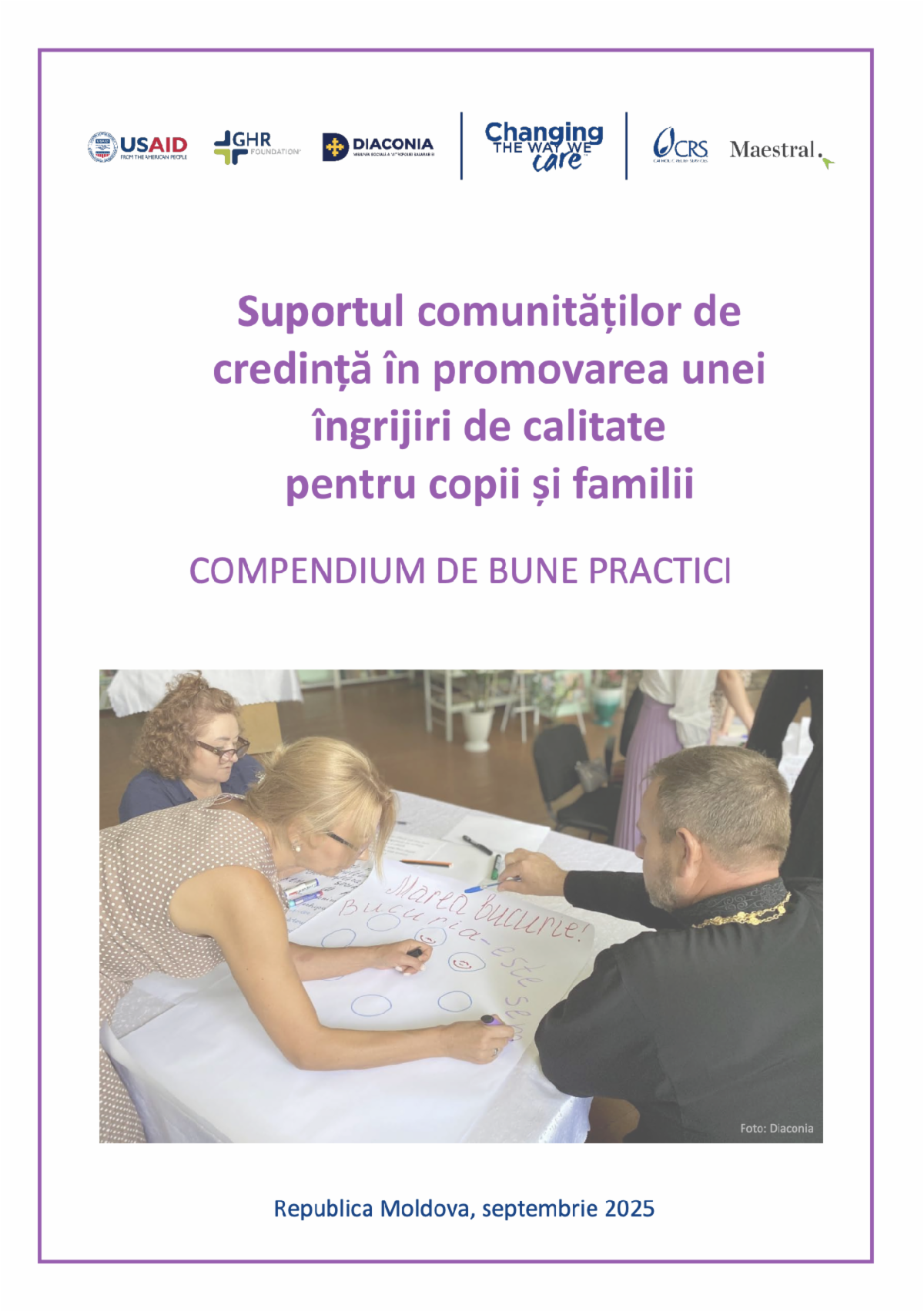
Handbook of good practice on faith engagement for better care in Moldova
This publication summarizes lessons and good practices from the Community Engagement for Better Care pilot project implemented in four communities by Diaconia of the Bessarabian Orthodox Church in Moldova in 2024-2025. The project explored how faith communities - especially the Orthodox Church - can support children and families in need. Key actions included training priests as agents of community change and creating Local Initiative Groups (LIGs) to mobilize resources and implement support activities. Available in Romanian.
See also:
| | | | |
The Development of a Community-Led Child Protection Approach in Low- and Middle-Income Countries
This paper outlines the development of a community-led child protection approach (Seeds), created through a multi-stage process involving a systematic literature review, formative research in Uganda and Lebanon, a field test in Sri Lanka, a feasibility study in Colombia, and expert review, resulting in a six-phase model designed to strengthen children’s protection and their sense of safety.
| | | | |
Effects of My First Place on Labor Market and Postsecondary Educational Outcomes
This Chapin Hall report evaluates the My First Place program, which provides intensive case management and fully subsidized housing to young people aging out of extended foster care in six California counties. Using data on 2,598 participants, the report finds that program completers were more likely to be employed, earned higher wages, and were more likely to enroll in and complete a semester of college compared with nonparticipants or those who did not complete the program.
| | | | |
Family Network Pilot Evaluation Initial research report
The Family Network Pilot (FNP) aims to help UK children stay safely within their extended families and prevent entry into care by providing Family Group Conferences and Family Network Support Packages. This report evaluates the pilot’s implementation, processes, and impacts across seven local authorities, using qualitative research and monitoring data analysis.
| | | | |
Kenya Package on Costing the Changing the Way We Care Kafaalah and Case Management Scaling Models
This package of materials encompasses a comprehensive costing framework for scaling two key care reform models implemented by the Changing the Way We Care initiative in Kenya—Kafaalah and Case Management for Reintegration.
Documents in this resource package:
| | | | |
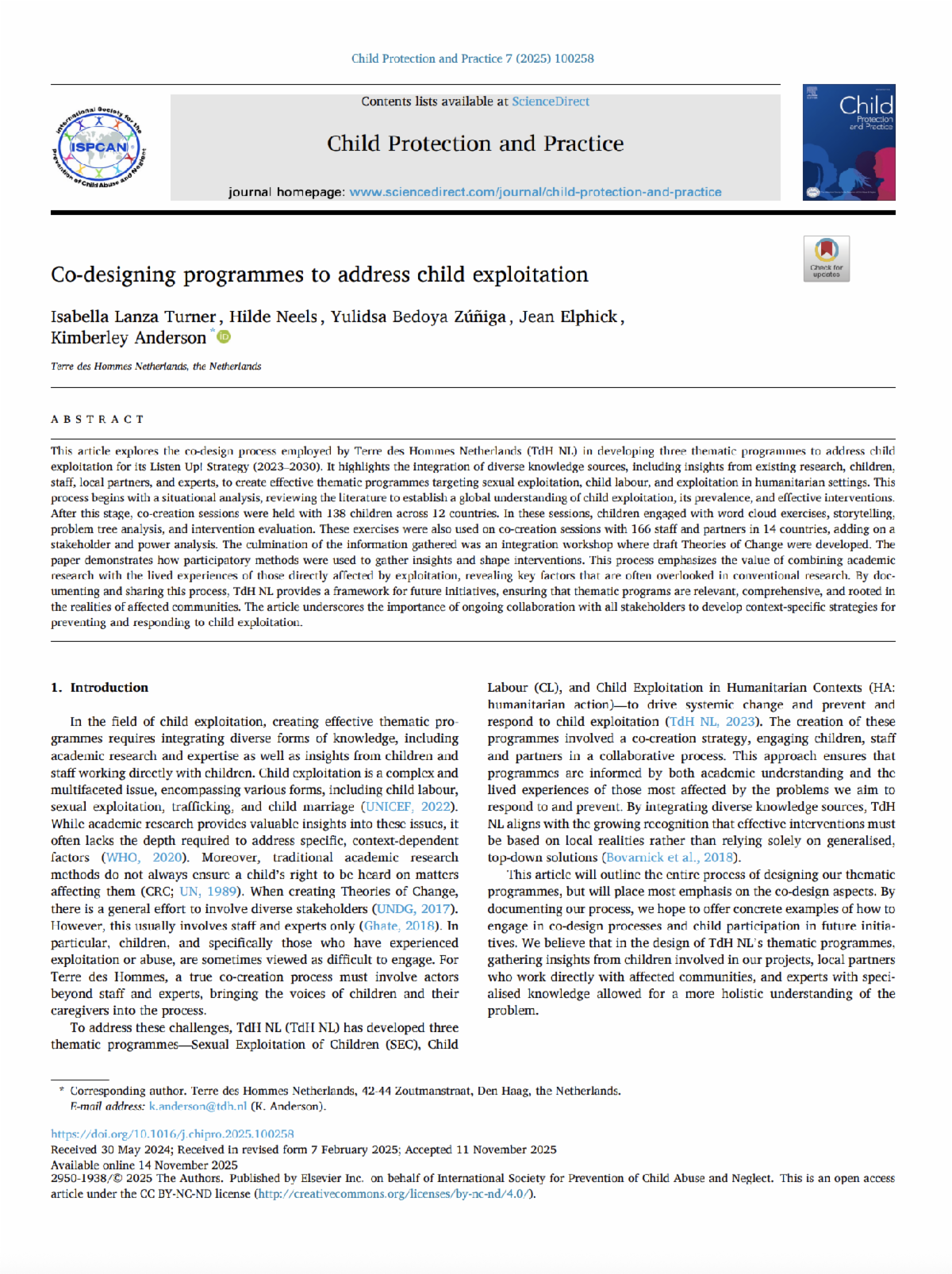
Co-Designing Programmes to Address Child Exploitation
This article examines how Terre des Hommes Netherlands used a participatory co-design process to develop thematic programmes addressing sexual exploitation, child labour, and exploitation in humanitarian settings as part of its Listen Up! Strategy (2023–2030). By integrating insights from research, children, staff, and local partners through workshops, storytelling, and problem analysis, the process combined academic knowledge with lived experiences to create context-specific, evidence-informed interventions and Theories of Change.
| | | | |
We would love to learn more about your work as a practitioner so that your local, national and/or regional lessons and experiences in the field can be shared with other practitioners.
| | | | |
Webinar Recording: Strengthening Children’s Care Reforms through Access to Justice
This webinar, held December 16, 2025, spotlighted the powerful intersection between two consequential global advocacy movements in human rights: the reform of alternative care systems for children and the advancement of children’s access to justice.
View Spanish recording.
| | | | |
Webinar Recording: Global Conceptual Framework for Universal Parenting Support
The webinar introduces UNICEF’s new Global Conceptual Framework for Universal Parenting Support, explaining its purpose, core components, and how it was developed. It highlights how countries can use the Framework to scale up parenting support across sectors to strengthen child development, reduce violence, and advance progress toward the SDGs.
| | | | |
Change in Residential Child Care in Scotland Webinar
CELCIS’ October 2025 webinar explored recent developments in residential child care across Scotland, featuring insights on nurture-based practice, shifts in inspection approaches aligned with The Promise, and staff development through reflective practice. Speakers highlighted how new care models, regulatory changes, and whole-system approaches are strengthening practice and improving outcomes for children and young people.
| | | | |
Child Protection in the Era of Localization: Context, voice, and ownership
Effectively and sustainably localizing child protection and well-being initiatives requires shifting power to communities and fostering genuine community ownership. This webinar, co-hosted by the the CPC Learning Network and Columbia University Seminar on Global Mental Health, explored three case studies that illustrate the transformative potential of community agency and collective action to promote children’s well-being.
| | | | |
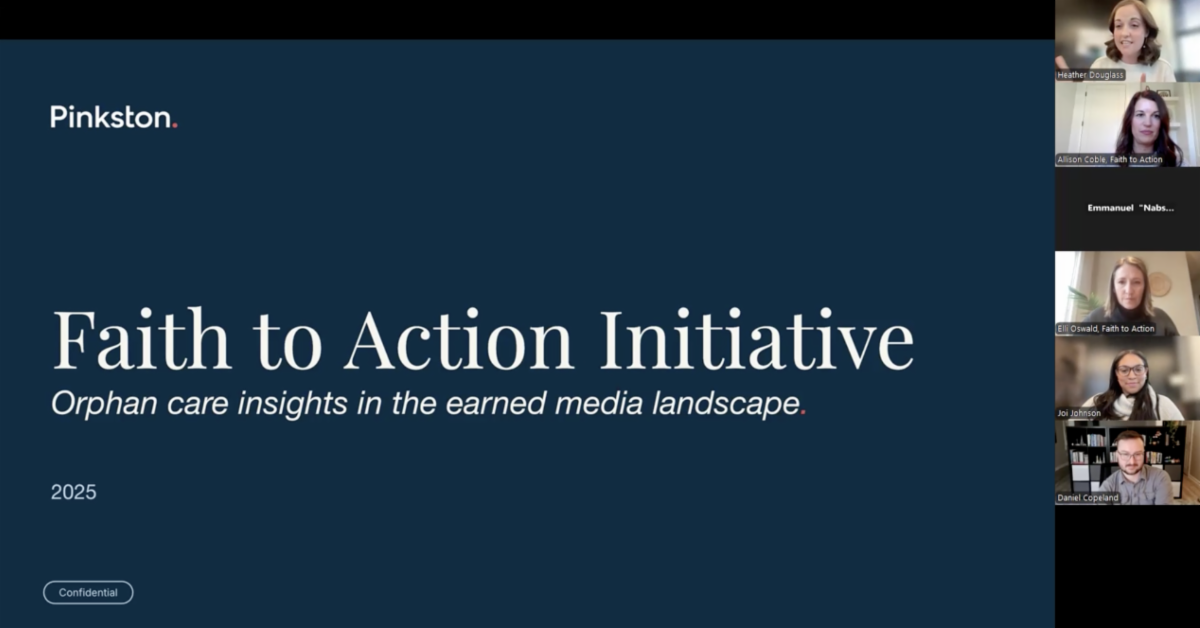
Shifting U.S. Christian Support in Global Orphan Care: Learning and Strategy Session
This webinar presented findings from a 2025 Media Landscape Analysis by Pinkston and Barna’s 2025 survey of U.S. Christians, highlighting a significant shift in Christian media narratives away from orphanages and toward family-based care, alongside rising awareness that poverty—not orphanhood—drives most placements.
| | |
Newsletter participants, currently 3,375 in total, work on issues related to the care and support of vulnerable children across Europe, Africa, the Middle East, Asia and the Americas. The purpose of the newsletter is to enable members to exchange information on matters of mutual concern. If you would like to share a document, raise a specific issue, request a newsletter subscription, or reach out in any other way to the Network, please send the information to us at contact@bettercarenetwork.org or visit our website at www.bettercarenetwork.org.
Thank you!
| | | | |