Water Wisdoms | December 2025 Newsletter


Our Wastewater History

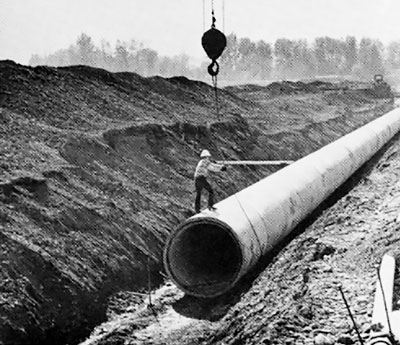
As the year comes to a close, it’s a good time to reflect on how we got here. For more than a century, locals have cared for the Willamette River and they built the infrastructure we rely on today. Thoughtful planning by past generations shaped our wastewater system, and our work today shapes the future.


Before 1950, Eugene and Springfield sent most wastewater directly into the Willamette River. By 1955, each city had its own treatment plant. Springfield’s plant was within the West D Street Greenway. Eugene’s plant was on the same site as today’s plant on River Avenue.


River water quality continued to decline nationwide, and in the 1960s pollution became a major concern, with some rivers even catching fire. In 1972, Congress passed the federal Clean Water Act, limiting the amount of pollution allowed in rivers. Meeting these higher standards would have been costly for both plants, so the cities and county chose to collaborate and build one large and more efficient facility. Working together allowed them to borrow federal funds, save money for ratepayers, and better protect the Willamette River.


In 1977, the local governments formed the seven-member Metropolitan Wastewater Management Commission (MWMC) to build and manage the new plant. Construction began in 1979, and the regional plant opened in 1984, replacing the two separate plants.


Today, about 110 MWMC staff clean wastewater, manage resources, and protect the Willamette River. We keep Eugene and Springfield safe and healthy, control costs, and carry forward the careful planning of past generations for the benefit of all.


Local Wastewater Timeline


Before 1840 – Land managed by the Kalapuya tribe.

1840s – Euro-American settlement.

1862 – Eugene became a city.

1885 – Springfield became a city.

1889 – Oregon passed its first law to protect the Willamette River.

1930s – Public outcry statewide over Willamette River pollution.

1938 – Oregon formed the State Sanitary Authority (SSA) to protect rivers.

1940s – Eugene and Springfield continued releasing untreated sewage into the Willamette.

1950s – Eugene and Springfield operated separate wastewater plants.

1960s – Growing national concern about river pollution.

1969 – Oregon turned the SSA into the Department of Environmental Quality (DEQ).

1972 – Federal Clean Water Act passed.

1977 – MWMC formed by Eugene, Springfield, and Lane County.

1984 – MWMC's Regional Wastewater Treatment Plant fully operational.

1989 – MWMC opened the Biosolids Management Facility.

2004 – MWMC planted the first poplar trees at the Biocycle Farm.

2019 – MWMC opened new Laboratory and Maintenance buildings

2021 – MWMC opened the Renewable Natural Gas Facility.

Wastewater Billing Goes the Extra Mile

Here's four ways we are careful to make your wastewater bill convenient and to charge you for only the wastewater you send down the drain.


Winter Average

Your wastewater bill is based on water usage from the December through April billing cycle. We find the winter months are the best gauge of what's actually going down the drain.


Outdoor Usage

For May through November, we use the winter average to calculate your bill. That way you aren't billed for extra outdoor water usage, such as watering lawns, filling the pool, or washing cars.


Credits Available for Fixed Leaks

If you have a leak during the winter months, you would be billed wastewater services for the water that's lost. We want to help you when this happens so you aren't paying for services you didn't use.


If you find a leak, call the Wastewater Billing Department to get the process going: Springfield 541-726-3696, Eugene 541-682-4900. Once the repair is complete and your water use returns to normal, we will credit your account. Many utilities do not offer this, but we think it's worth the extra work to charge only for the services you use.


Please address leaks quickly because credits are only available for up to 12 months.


Three Systems on One Bill

Wastewater, drinking water, and stormwater are separate systems managed by three different agencies. In general, Wastewater charges go to the MWMC and cities, drinking water charges go to your water utility, stormwater charges go to your city government. For your convenience, all three charges appear on one bill, paid through your drinking water utility. 

Wastewater Trivia!

Test your knowledge with these fun facts about your friendly local wastewater treatment plant. Scroll down for the answers.


1. When does the Regional Wastewater Treatment Plant close?

A. Every evening

B. Every weekend

C. Never


2. How much wastewater does the plant clean every day?

A. 20 million gallons

B. 35 million gallons

C. 200 million gallons

Hint: It's enough to fill Autzen Stadium halfway, or cover a football field over 100 feet deep (10 stories)!


3. When wastewater arrives to be cleaned, how much is water vs. pollution?

A. Mostly water; a little pollution

B. About half water; half pollution

C. Mostly pollution; a little water


4. How long does it take for one gallon of water to pass through the treatment plant?

A. About 24 hours

B. About 3 days

C. About 18 days


5. Who mostly pays for wastewater cleaning services?

A. Taxpayers

B. Water users

C. City government


6. Who owns the Regional Wastewater Treatment Plant?

A. The State of Oregon

B. Co-owned by Eugene, Springfield, and Lane County

C. Privately owned wastewater company


Answers:

1. C – It never closes! It runs 24/7, 365 days a year. Our workers are essential workers.

2. B – 35 million gallons per day, or 13 billion gallons a year. Summer dips to 20 million; winter peaks around 200 million. We see more water in winter due to infiltration from rain.

3. A – The dirty water we receive is 99.9% water and just 0.1% pollutants. After we clean it, the water is cleaner than river water.

4. A – It takes one full day to clean a gallon of water from start to finish.

5. B – Water users pay for wastewater services through their utility bill.

6. B – It’s co-owned by Eugene, Springfield, and Lane County. They work together as the Metropolitan Wastewater Management Commission, which meets monthly and anyone can attend the meetings.


Want to learn more? Take the tour with your friends and family!

Pollution Solutions

Keep FOG Out of Your Drains This Season


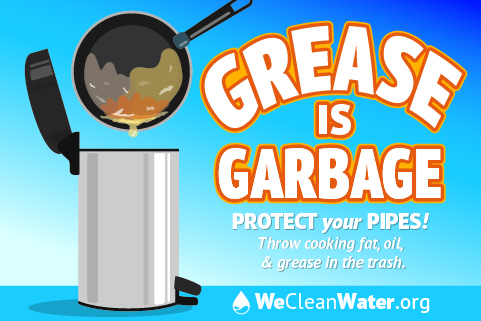
Holiday meals are great, but the cleanup can leave a lot of fats, oils, and grease (FOG). When FOG goes down the drain, it cools and hardens in the pipes. That can cause blockages in your home's plumbing and in the public wastewater lines that serve the whole community.


The simplest way to avoid those problems is to put FOG in the trash, not in the sink.


One fun way to do that is to use our "FOG Kits" available free to Eugene-Springfield homes and businesses. Simply email mwmcpartners@springfield-or.gov or phone 541-726-3694 and we will mail one to you. They make great stocking stuffers!


Each FOG Kit includes a pan scraper and a reusable plastic lid. Scrape grease into a metal can, place the lid on top, and store the can in your freezer. When the can is full, put it in the trash and keep the lid for your next can.


This small step keeps your plumbing clear and protects the wastewater system you rely on.

 
Share with Others
Love receiving water news and tips for protecting the Willamette River each month? Forward this newsletter to a friend or colleague to share and encourage them to subscribe to our newsletter at this link. Thanks for partnering with us in our mission to protect the community's health and environment.
 
 
Facebook  Twitter  Instagram  Youtube