|
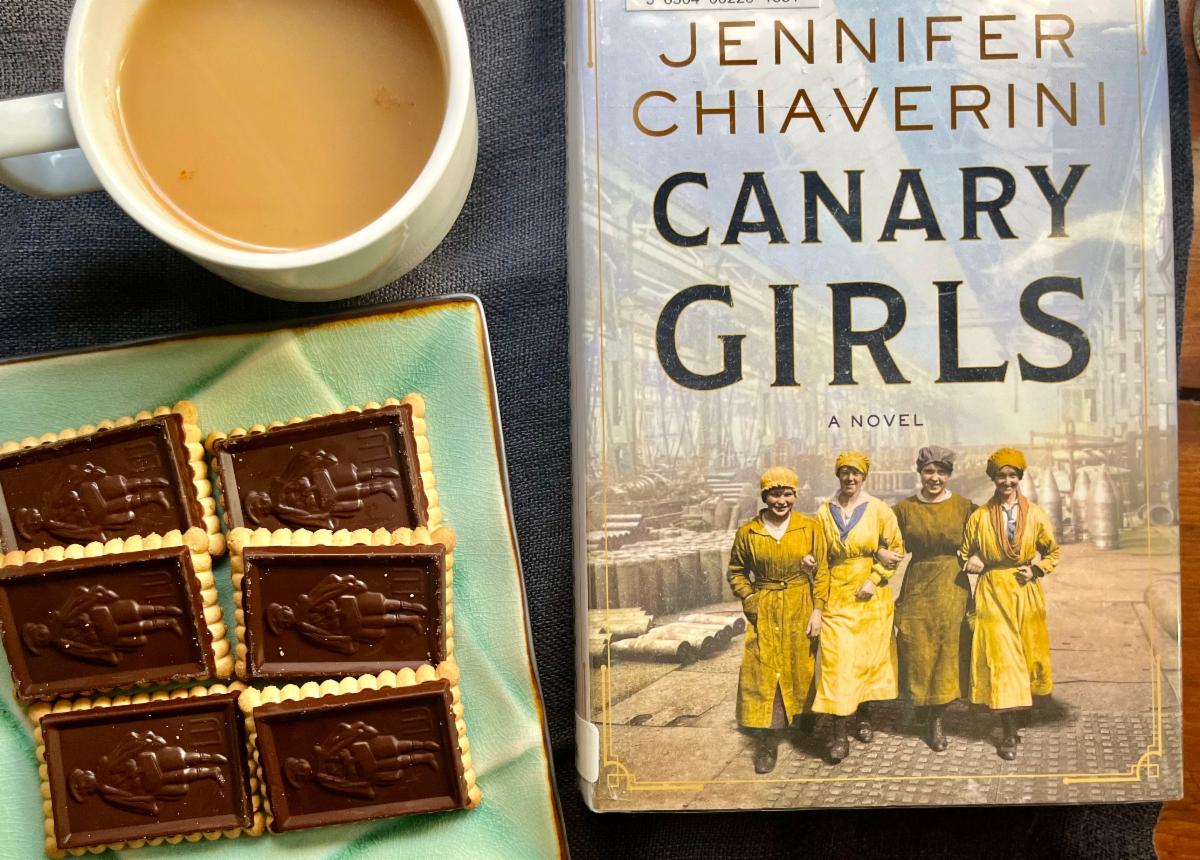
Jennifer Chiaverini's novel Canary Girls tells the story of the “munitionettes” who built bombs in Britain’s arsenals during World War I, risking their lives for the war effort and discovering camaraderie and courage on the football pitch.
From Jennifer Chiaverini: "I'd serve something flavorful and comforting, like bangers and mash with warm oatmeal bread. My family of four vegetarians prefers Beyond Sausage Brat Style Plant-Based Links for the bangers, and a medium-starch potato like Yukon Gold makes the best mash.
The women munitions workers enjoyed two hearty meals a day in the factory canteens, but as the Great War dragged on and supplies grew scarce, the Thornshire Arsenal cooks had to make do with far less. If your book club relishes experiencing the hardships of bygone eras, you could replicate one of the meals my Canary Girls had to choke down late in the war: 'A bowl of bland fish soup thickened with barley and seasoned with a sprinkling of dried herbs, ersatz coffee made from roasted chicory root and rye, and a wheat roll so hard that they were obliged to chip off pieces with their knives or dunk the roll in coffee to soften it before they could chew it.' I don't recommend that menu unless you want to reduce your club’s membership.
A tastier option— if your club includes dedicated foodies—is to reproduce the holiday feast the munitions workers enjoyed when provisions were still plentiful. From Christmas Eve through Boxing Day, the Canary Girls at Thornshire Arsenal enjoyed Irish gammon, cabbage and potatoes, roast goose, and plum pudding. On Boxing Day, workers took home generous boxes of food and drink to share with their families. In that spirit, send your guests home with treats from your kitchen. For dessert, a pot of tea and a plate of biscuits—cookies, in the United States—would never go amiss.
|