Holidays in December
A Global Celebration of Seasonal Joy
| Rep. Ford’s Call for Unity, Kindness, and Giving this Holiday Season | |
Dear Reader,
As we step into the holiday season, I want to take a moment to reflect on the beauty and diversity of this time of year. December is a month filled with celebrations, both religious and non-religious, that highlight the richness of our shared traditions and the strength of our community. Whether it’s lighting candles, exchanging gifts, enjoying festive meals, or simply spending quality time with loved ones, these moments remind us of the values we hold dear: togetherness, gratitude, and the spirit of giving.
This season, let us celebrate not only our own traditions but also the vibrant diversity of our neighbors. From Christmas and Hanukkah to Kwanzaa and other meaningful observances, each celebration adds a unique thread to the fabric of our community. By sharing and learning from one another, we strengthen the bonds that unite us and create a brighter future for all.
While many of us find joy and warmth during the holidays, we must also remember those who may not be feeling the holiday spirit. For some, this season can bring challenges—grieving the loss of a loved one, managing a health illness, or caring for someone with a serious condition. Let us extend our love and support to these individuals and families. A kind word, a thoughtful gesture, or simply being present can make a world of difference to someone navigating difficult times.
As we gather to celebrate, let us embrace the true spirit of the holidays by lifting one another up. Together, we can spread light and kindness, ensuring that no one feels alone or forgotten. This December, let’s make it a priority to not only cherish the joys of the season but also to share them with those who need them most.
Wishing you a season filled with peace, love, and hope.
Warmest regards,
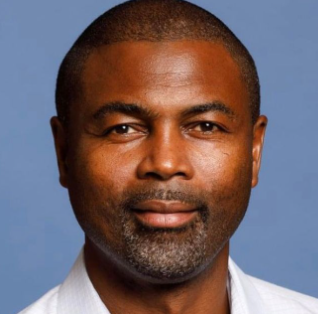
La Shawn K. Ford
State Representative
| |
Immaculate Conception Day
December 8, 2024
| Immaculate Conception Day, observed on December 8, is a Roman Catholic feast day celebrating the belief that the Virgin Mary was conceived without original sin. This day honors Mary's purity and her role as the mother of Jesus Christ. The doctrine, formally declared by Pope Pius IX in 1854, holds that from the moment of her conception, Mary was preserved by God's grace from the stain of sin, making her a fitting vessel to bear the Son of God. The day is marked by religious observances, including Mass, and is a holy day of obligation for Catholics. | |
National Catholic Register Reports
December 3, 2021
| |
8 Things You Need to Know About the Immaculate Conception | |
December 8th marks the feast of the Immaculate Conception. It celebrates an important point of Catholic teaching, and it is a holy day of obligation.
Here are 8 things you need to know about the teaching and the way we celebrate it.
The most Blessed Virgin Mary was, from the first moment of her conception, by a singular grace and privilege of almighty God and by virtue of the merits of Jesus Christ, Saviour of the human race, preserved immune from all stain of
original sin.
| History of the Holiday, Dec 8: Feast of the Immaculate Conception | |
The Catholic News Agency Reports | |
Solemnity of the Immaculate Conception of the Blessed Virgin Mary | |
"The most Blessed Virgin Mary was, from the first moment of her conception, by a singular grace and privilege of almighty God and by virtue of the merits of Jesus Christ, Savior of the human race, preserved immune from all stain of original sin."
In 1854, Pope Pius IX's solemn declaration, "Ineffabilis Deus," clarified with finality the long-held belief of the Church that Mary was conceived free from original sin. Mary was granted this extraordinary privilege because of Her unique role in history as the Mother of God. That is, she received the gift of salvation in Christ from the very moment of her conception.
| |
|
Bodhi Day
December 8, 2024
| |
Bodhi Day, celebrated on December 8, marks the day Siddhartha Gautama, who became the Buddha, attained enlightenment under the Bodhi tree in Bodh Gaya, India. This important day in the Buddhist calendar is a time for reflection, meditation, and the celebration of the Buddha's awakening to the true nature of reality. Buddhists observe Bodhi Day by meditating, practicing mindfulness, and studying the teachings of the Buddha. The day serves as a reminder of the path to enlightenment and the potential for all beings to achieve inner peace and wisdom. | |
When is the Next Bodhi Day? | |
|
There are really two Bodhi Days each year. The “Secular” Bodhi Day, celebrated on a fixed date in much of the Western World and Japan, is December 8.
The other Bodhi Day is based on the lunar calendar so, like Easter, the date changes year to year. I call the lunar Bodhi Day the “real” one. January 7, 2025, is the next Lunar Bodhi Day. See this link for how I figured out this January 7, 2025 lunar Bodhi Day.
I explain the reasoning for a lunar and secular Bodhi Day in a blog from 2018.
Towards the bottom of this page are links to a few series of posts from
past Bodhi Days.
A few weeks prior to Bodhi Day, I post blogs offering advice for your observation of the Enlightenment of Siddhartha Gautama. If you’re reading this during those few weeks leading up to December 8, please do check out those recent blog posts.
| |
NBC News Los Angeles Reports
December 8, 2023
| |
What is Bodhi Day? And how do Buddhists celebrate it? | |
|
“Bodhi” comes from a verb in Sanskrit and Pali that means “to awaken” or “awakened.” In Buddhism, it’s generally understood to mean “enlightenment.”
Siddhartha Gautama spent years seeking the answer to the problem of suffering.
Finally, he attained awakening and became the Buddha while meditating under a peepal tree in Bodh Gaya, a village in the northeastern Indian state of Bihar.
“He was determined not to arise until he had solved the problem. Seated at the base of the Bodhi tree, facing East, he began a meditation that was to last through the night,” said Philip Almond, emeritus professor at the Institute for Advanced Studies in the Humanities at Australia's The University of Queensland.
That night, he said, "Gautama directly knew the true nature of suffering, its origin, its cessation, and the way to its cessation."
| |
|
Feast Day of Our Lady Guadalupe
December 12, 2024
| The Feast of Our Lady of Guadalupe, celebrated on December 12, honors the apparition of the Virgin Mary to Juan Diego in 1531 on Tepeyac Hill in Mexico. This event is deeply significant to Catholic communities, especially in Latin America, as Our Lady of Guadalupe is considered the patroness of the Americas. The feast celebrates her message of love, compassion, and protection for all people. Devotees observe the day with Mass, processions, and prayers, especially in Mexico City, where the Basilica of Our Lady of Guadalupe stands as a major pilgrimage site. | |
The Story of Our Lady of Guadalupe | |
NBC News Reports
December 12, 2017
|
Why Our Lady of Guadalupe is celebrated
across the U.S.
| |
If you see a colorful procession in your city or town on Tuesday, it may have to do with a venerated "lady" whose presence is ubiquitous in many Latino communities across the U.S.
The feast day of Our Lady of Guadalupe, also known as the Virgin of Guadalupe, is celebrated on December 12. For Mexicans and Mexican-Americans as well as other Latinos, Our Lady of Guadalupe is a powerful symbol of devotion, identity, and patriotism. Her image inspires artists, activists, feminists and the faithful.
| |
Britannica Reports
November 13, 2024
| |
Our Lady of Guadalupe, in Roman Catholicism, the Virgin Mary in her appearance before St. Juan Diego in four visions in 1531. The name also refers to the Marian apparition itself. Our Lady of Guadalupe holds a special place in the religious life of Mexico and is one of the most popular religious devotions. Her image, of a woman of mixed Indigenous and European features (mestiza) wearing a turquoise-colored mantle surrounded by a sunburst, has played an important role as a national symbol of Mexico. | |
Hanukkah
(December 25, 2024-January 2, 2025)
| |
Hanukkah 2024 will begin at sundown on Wednesday, December 12, and end at sundown on Thursday, January 2. Known as the Festival of Lights, Hanukkah celebrates the rededication of the Second Temple in Jerusalem and the miracle of the oil that lasted eight days despite there being only enough for one. During the eight-day celebration, Jewish families light the menorah, adding one candle each night, recite special prayers, sing songs, and enjoy traditional foods like latkes (potato pancakes) and sufganiyot (jelly doughnuts). Hanukkah is a time for family gatherings, gift-giving, and reflecting on the themes of resilience and faith.
| |
History of the Holidays: Hanukkah |
NBC News Chicago Reports
December 2, 2024
| |
When is Hanukkah 2024? Jewish holiday to overlap with Christmas this year | |
The first day of Hanukkah, or Chanukah, each year takes place on the 25th of the month of Kislev in the Hebrew calendar, which corresponds to November-December in the Gregorian calendar.
The Hebrew calendar is is based on the lunar cycle, the Old Farmer's Almanac says, which means the dates of the holiday according to the Gregorian calendar change yearly.
| |
Adam Sandler Chanukah Song | |
Yule
(December 21, 2024-January 1, 2024)
| |
Britannica Reports
November 7, 2023
| |
The History of the Yule Festival | |
Yule, festival observed historically by Germanic peoples and in modern times primarily by Neo-Pagans, coinciding with the winter solstice (December 21–22 in the Northern Hemisphere; June 20–21 in the Southern Hemisphere). The pre-Christian festival originated in Scandinavia and was later subsumed, along with other pagan celebrations, into the Christian holiday of Christmas. Some modern celebrations of Yule attempt to re-create ancient traditions, while others have been adapted or reimagined to suit contemporary personal and religious practices. | How to Celebrate the Yule Holiday |
Britannica Reports
November 17, 2023
| |
|
This festival has been on the calendar for centuries. Yule was first celebrated as far back as the fifth century (so, more than 1,500 years ago) by Germanic pagans as a midwinter festival to stave off the dark and cold and prepare for the long winter still to come.
Farmers and locals would assemble at the heathen temple, bringing food, ale, and livestock to be sacrificed. I don’t want to put you off, but they would splatter the blood of the sacrificial animals over their altars, the walls, and themselves. There was also a lot of toasting to various gods (notably Odin).
Drinks + sacrifices = messy.
| |
|
Christmas Day
December 25, 2024
| Christmas is celebrated on December 25 and marks the birth of Jesus Christ. It is observed with religious services, prayers, and festive traditions. Families gather to exchange gifts, enjoy festive meals, and decorate their homes with Christmas trees, lights, and ornaments. The holiday emphasizes love, peace, and generosity, and is celebrated worldwide by both religious and secular communities. | |
History Reports
December 23, 2014
| |
Christmas is celebrated on December 25 and is both a sacred religious holiday and a worldwide cultural and commercial phenomenon. For two millennia, people around the world have been observing it with traditions and practices that are both religious and secular in nature. Christians celebrate Christmas Day as the anniversary of the birth of Jesus of Nazareth, a spiritual leader whose teachings form the basis of their religion. Popular customs include exchanging gifts, decorating Christmas trees, attending church, sharing meals with family and friends and, of course, waiting for Santa Claus to arrive. December 25—Christmas Day—has been a federal holiday in the United States since 1870. |
Britannica Reports
December 3, 2024
| |
Christmas, Christian festival celebrating the birth of Jesus. The English term Christmas (“mass on Christ’s day”) is of fairly recent origin. The earlier term Yule may have derived from the Germanic jōl or the Anglo-Saxon geōl, which referred to the feast of the winter solstice. The corresponding terms in other languages—Navidad in Spanish, Natale in Italian, Noël in French—all probably denote nativity. The German word Weihnachten denotes “hallowed night.” Since the early 20th century, Christmas has also been a secular family holiday, observed by Christians and non-Christians alike, devoid of Christian elements, and marked by an increasingly elaborate exchange of gifts. In this secular Christmas celebration, a mythical figure named Santa Claus plays the pivotal role. | |
Reader's Digest Reports
October 18, 2024
| |
What Is Christmas, and Why Do We Celebrate It? | |
Crowds of people dressed up and going door-to-door while asking for treats and threatening mischief if the homeowners don’t pony up—sounds like Halloween, right? Actually, that was one popular way Christmas was celebrated during the Middle Ages! That’s right, our modern holiday, full of Christmas traditions like giving gifts and putting up trees and crunching on candy canes—is a far cry Christmases of old. But what is Christmas all about, why do we celebrate it and why does it take place in December?
Before you start thinking of Christmas decoration ideas and your special mistletoe kiss, read up on the fascinating origins of the holiday, including why it’s called Christmas and how it all began. (You won’t believe the surprising reason it’s celebrated in December!) So keep reading for everything you need to know about America’s most popular holiday.
| |
Why Do We Celebrate Christmas? | |
|
Boxing Day
December 26, 2024
| |
Boxing Day, celebrated on December 26, is a holiday observed in several countries, including the UK, Canada, and Australia. Traditionally, it was a day when employers would give gifts, or "boxes," to their servants and workers as a token of appreciation for their service. Today, it is often associated with shopping, as many stores offer significant sales, similar to Black Friday in the U.S. It is also a time for family gatherings, sporting events, and charitable giving, continuing the spirit of generosity that marks the holiday season. | |
History Reports
August 10, 2023
| |
|
Why is the Day After Christmas Called
'Boxing Day'?
| |
|
December 26 is not only a day for Santa Claus to catch his breath. It's also a public holiday known as "Boxing Day" in the United Kingdom and other British Commonwealth countries such as Australia, Canada and New Zealand.
In spite of its peculiar name, Boxing Day has nothing to do with fisticuffs, the trashing of empty boxes left over from Christmas or the return of unwanted presents to department stores.
| |
|
Kwanzaa
December 26, 2024- January 1, 2024
| |
|
Kwanzaa is a week-long celebration held from December 26 to January 1, honoring African heritage, culture, and values. Created by Dr. Maulana Karenga in 1966, it focuses on seven principles known as the Nguzo Saba, which include unity, self-determination, and collective work. Each day of Kwanzaa is dedicated to one of these principles, and families celebrate by lighting a kinara, sharing meals, and engaging in activities that promote community and cultural pride. The holiday encourages reflection on the past, appreciation of African traditions, and a commitment to
future progress.
| |
What Is Kwanzaa and How Is It Celebrated? | |
The Holy Spirit Reports
December 23, 2021
| Dr. Maulana Karenga, professor and chairman of Black Studies at California State University, Long Beach, created Kwanzaa in 1966. After the Watts riots in Los Angeles, Dr. Karenga searched for ways to bring African Americans together as a community. He founded US, a cultural organization, and started to research African “first fruit” (harvest) celebrations. Karenga combined aspects of several different harvest celebrations, such as those of the Ashanti and those of the Zulu, to form the basis of the week-long holiday. Kwanzaa 2023 begins on Tuesday, December 26, and lasts through Monday, January 1, 2024. | |
The Holy Spirit Reports
December 23, 2021
| |
|
Kwanzaa, the celebration of cultural heritage and traditional values in the Black community, falls this year between December 26 and January 1.
The first time Kwanzaa was ever celebrated was in December 1966, when it was introduced by Maulana Karenga, a Black nationalist and college professor, to help those of African descent have an opportunity to celebrate their heritage.
| |
|
Zarathosht Diso Day
December 26, 2024
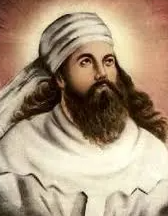
| Zarathosht Diso Day, observed on December 26, commemorates the death of Zarathustra (Zoroaster), the ancient Persian prophet and founder of Zoroastrianism. This day holds significant religious meaning for Zoroastrians, as it honors the life and teachings of Zarathustra, who emphasized the importance of truth, good thoughts, and righteous actions. The observance includes prayers, reflections on his teachings, and gatherings within the Zoroastrian community. Zarathosht Diso is a time for followers to celebrate their faith and reflect on the values of goodness and justice that Zarathustra promoted. | |
Redlands Daily Facts Reports
December 19, 2019
| |
Professing Faith: Traditions in the lesser-known Zoroastrian faith are familiar to a wider world | |
The month of December is known for a variety of religious holidays and holy days. This month, the faithful will or have observed Hanukkah, the feast days for Immaculate Conception and Our Lady of Guadalupe, winter solstice, and perhaps the most widely known, Christmas.
But there is a little known holy day sacred to the Zoroastrian faith called Zarathosht Diso, which falls on Dec. 26 in the Western calendar, which recalls the death of the Persian prophet Zarathustra, or Zoroaster.
| |
|
New Year's Eve
December 31, 2024
| |
New Year's Eve, celebrated on December 31, marks the end of the current year and the beginning of a new one. It is a time of reflection, celebration, and anticipation for the year ahead. People around the world observe the occasion with parties, fireworks, and special events, often counting down to midnight when the new year officially begins. Many traditions include making New Year's resolutions, symbolizing hopes for personal growth and positive change. New Year's Eve is a time to gather with friends and family, celebrating the past while looking forward to new opportunities. | |
History Reports
November 28, 2023
| |
|
The earliest recorded festivities in honor of a new year’s arrival date back some 4,000 years to ancient Babylon. For the Babylonians, the first new moon following the vernal equinox—the day in late March with an equal amount of sunlight and darkness—heralded the start of a new year.
They marked the occasion with a massive religious festival called Akitu (derived from the Sumerian word for barley, which was cut in the spring) that involved a different ritual on each of its 11 days.
| | The History of The New Year | |
Click Below to View Today's Job Highlights | |
|
First Stop Specialist- Spanish Speaking
Date: Dec 4, 2024Location: Springfield, IL, US, 62701
Job Requisition ID: 41766
Agency: Department of Commerce and Economic Opportunity
Class Title: ECONOMIC DEVEL REPRESENTATIVE II - 12932
Skill Option: None
Bilingual Option: Spanish
Closing Date/Time: 12/18/2024
Salary: Anticipated starting salary $6,005 a month +
5% bilingual pay;
Full Range $6,005 - $8,678 monthly
Job Type: Salaried
Category: Full Time
County: Sangamon
Number of Vacancies: 1
Click Here to Apply
Fiscal and Procurement Specialist Date: Dec 4, 2024
Location: Springfield, IL, US, 62704
Job Requisition ID: 43499
Agency: Board of Elections
Closing Date/Time: December 18th, 2024 11:59pm
Anticipated Starting Monthly Salary: $4,584.00 - $5,417.00
County: Sangamon
Number of Vacancies: 1
Click Here to Apply
Emergency Response Telecommunicator
Date: Dec 4, 2024
Location: Springfield, IL, US, 62703-4528Job Requisition ID: 43360
Opening Date/Time: 12/04/2025
Closing Date/Time: 12/18/2024
Agency: Emergency Management Agency
Class Title: EMERGENCY RESPONSE TELECOMMUNTOR - 13543
Skill Option: None
Bilingual Option: None
Salary: $4,246- $5,701/month anticipated starting salary
is $4,246/month; CBA language applies
Job Type: Salaried
Category: Full Time
County: Sangamon
Number of Vacancies: 2
Click Here to Apply
Officer Coordinator Date: Nov 22, 2024
Location: Chicago, IL, US, 60603
Job Requisition ID: 43216
Job Requisition ID: CS 43216
BPIS: 10419
Start Date: 11/23/2024
Closing Date/Time: 12/10/2024
Agency: Department of Healthcare and Family Services
Class Title: OFFICE COORDINATOR - 30025
Skill Option: Keyboarding
Bilingual Option: None
Salary: Anticipated Starting Salary $3,971 monthly; Full Range $3,971 - $5,243 monthly
Job Type: Salaried
Category: Full Time
County: Cook
Number of Vacancies: 1
Click Here to Apply
| |
Click Image Below to View Job Highlights From Previous Days | | |
Our Company | Contact Us | FAQs | Privacy Policy |
| | | |