Happy Holidays

from Sedgwick Reserve!

In this newsletter:

  • Letter from the Director
  • Research Feature: Shane Dewees studies how fire affects oak photosynthesis
  • Reserve Feature: ALERTCalifornia Tower installed at Sedgwick to inform public safety and fire sciences
  • The Year in Review

Letter from the Director

Dear Sedgwick Community,


Happy Holidays! As we reflect on a very challenging and dynamic year, I am truly grateful for all of the support and strength this community has shown.


Thank you for your generous donations which help us recover from the Lake Fire. The research conducted here will help to inform wildfire resilience and recovery throughout the state. Whether it was a financial gift, volunteer hours, or kind words of support; each act supports conservation and scientific inquiry.


We hope you will join us as we watch the land transform and reveal surprises from the seed bank! As we plan for another engaging year ahead, please consider supporting us. 


With Gratitude,


Dr. Heather Constable

Reserve Director


"Those who contemplate the beauty of the earth find reserves of strength that will endure as long as life lasts." – Rachel Carson

Research Feature

Shane Dewees studies how fire affects oak photosynthesis


By Kristen Zumdahl, Frank Davis, and Shane Dewees

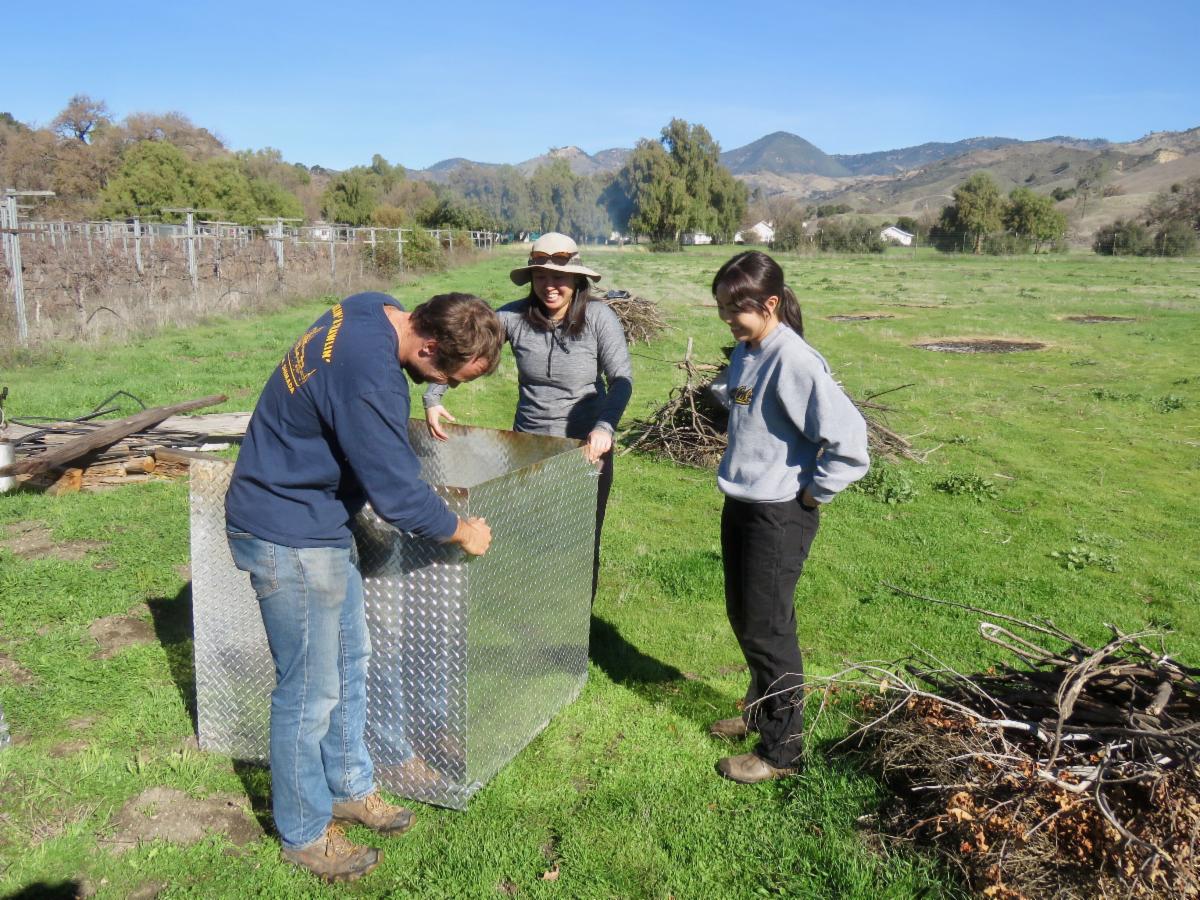
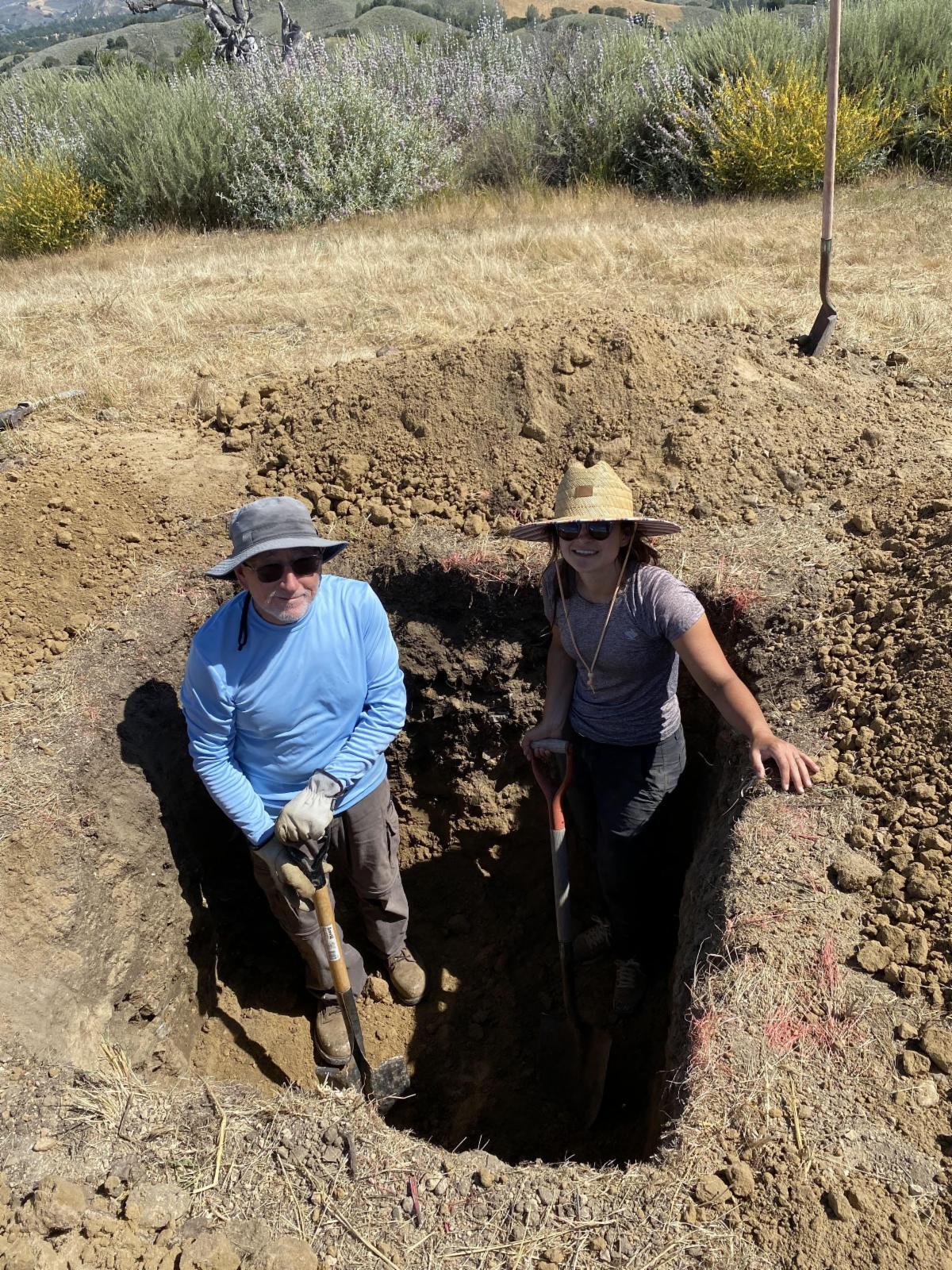
Image 1. Dr. Shane Dewees testing a burn box with La Kretz Center Fellows Priscilla Ta and Thuy-tien Bui

The La Kretz Center is supporting a number of projects focused on the fire ecology of our local oaks, including coast live oak, blue oak and valley oak. For example, Kaili Brande is completing Ph.D. research at UCSB's Bren School documenting how fire impacts on oaks vary depending on oak species, tree size, and bark thickness. Associate Professor Dan Sousa and his students in the Geography Department at San Diego State University are comparing remote sensing imagery obtained from drones, aircraft and satellites for mapping fire effects on oak canopy damage and recovery from fire. Shane Dewees - who recently obtained his Ph.D. at UCSB's Department of Ecology, Evolution and Marine Biology (EEMB) and is now a research scientist at UCSB's Earth Research Institute - is looking at fire effects on oak health from a more physiological perspective.


With the assistance of talented undergraduate research assistant Brooke Ryan, Shane is studying how prescribed fires affect the ability of oak trees to transport water from their roots to their leaves for photosynthesis immediately after a fire. It is a challenging question to answer! First, he has to monitor how selected trees inside and outside of the burn unit are using water immediately before the fire. He then measures canopy heating during prescribed fire using small thermometers hung like ornaments in the outer branches of the oaks. After the fire he compares water transport of unburned oaks to oaks that experienced different levels of canopy heating during the fire. He expects that oaks that receive more heat will suffer more damage to their water transport system. Even if these oaks were not killed or heavily scorched by the fire, they may be more vulnerable to water stress or additional heat stress in the coming years.


It is an important question as we experiment with bringing more prescribed fire into our foothill landscapes to reduce the risk of severe wildfire in local residential areas. Shane is also monitoring oaks burned in the Lake Fire, along with initiating more experimental fire effects studies at Sedgwick Reserve using small "burn boxes" to study fire effects in oak woodlands and coastal sage scrub ecosystems.

Reserve Feature

ALERTCalifornia Tower installed at Sedgwick to inform public safety and fire sciences

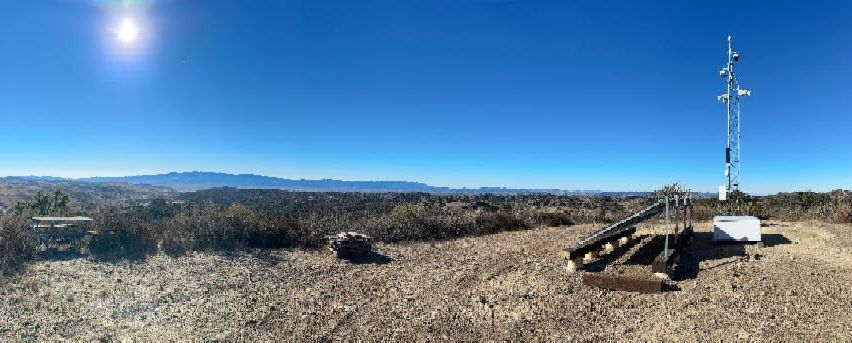
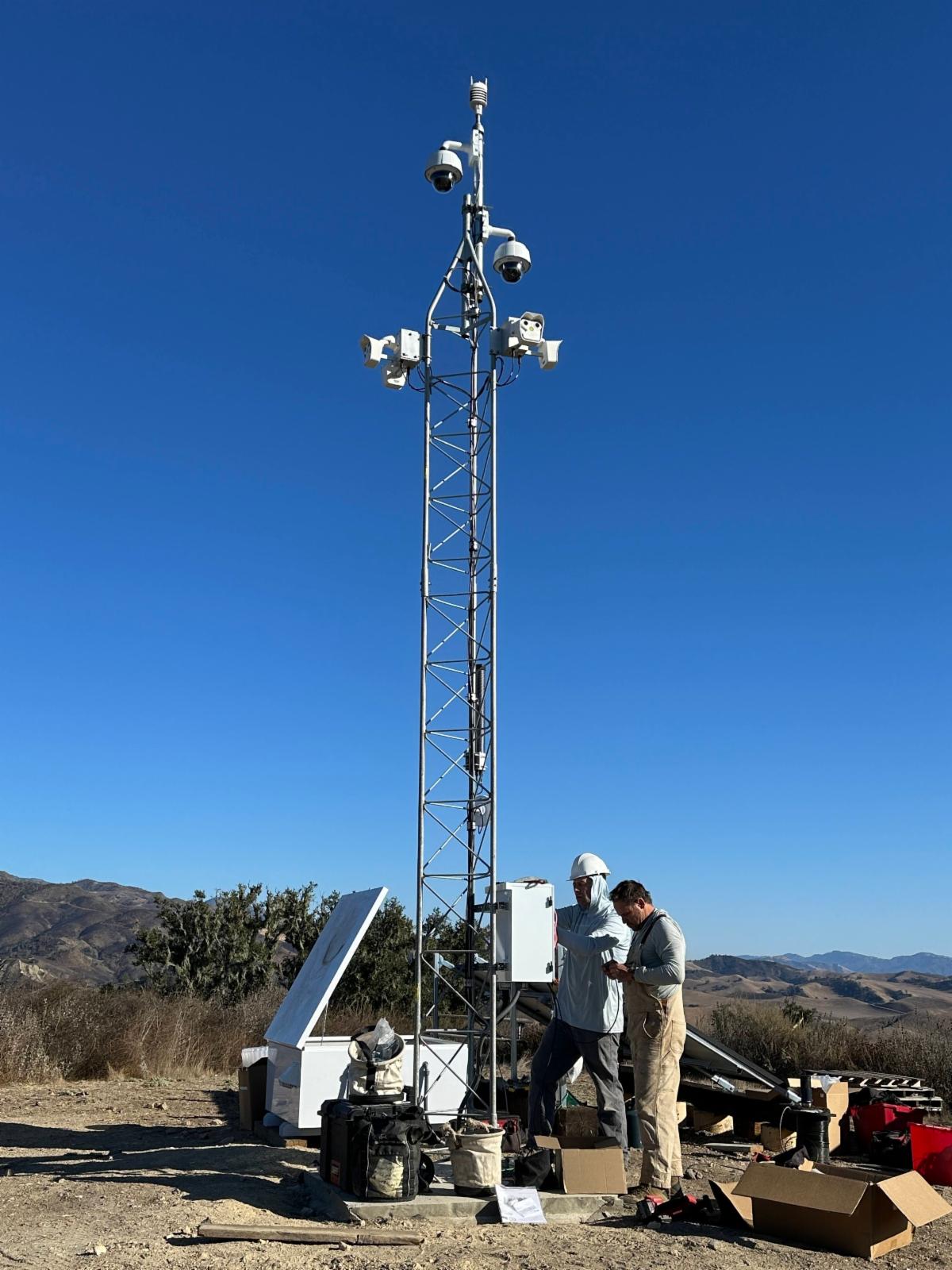
Image 2. ALERTCalifornia Tower at Sedgwick Reserve

A new tower has been installed in the heart of Sedgwick Reserve to capture information about potential wildfires. As part of ALERTCalifornia's network of more than 1,080 monitoring cameras and sensor arrays, Sedgwick Reserve Fire Lookout tower will collect data and provide actionable, real-time information to inform public safety. ALERTCalifornia’s high-definition cameras are able to pan, tilt, zoom and perform 360-degree sweeps approximately every two minutes with 12 high-definition frames per sweep. The cameras also provide 24-hour monitoring with near-infrared night vision capabilities. Each can view as far as 60 miles on a clear day, and 120 miles on a clear night. Using the cameras and associated tools, first responders with the California Department of Forestry and Fire Protection (CAL FIRE) can rapidly confirm fire ignition, quickly scale fire resources, support evacuations through enhanced situational awareness and monitor fires through containment. 


The statewide network is run out of the University of California- San Diego and was started with a National Science Foundation (NSF) funded grant titled High Performance Wireless Research & Education Network (HPWREN). It was even named one of Time’s best innovations for 2023. In addition to the camera network, and in response to increasingly frequent and severe climate-driven disasters, ALERTCalifornia is prioritizing novel data collection and research. These data are open-source and are shared with fellow institutions and partners. Using AI technology, the cameras can help with early detection of wildfires and fire behavior. ALERTCalifornia is creating a virtual dashboard to inform fuel reduction efforts year-round and more efficient firefighting during peak fire season to save lives as well as protect habitats and infrastructure. 


The tower was installed on a ridgeline between Lisque Canyon and Figueroa Creek Road, chosen for its vantage point with a direct internet signal from Santa Ynez Peak. Sedgwick staff broke ground on the project in the beginning of June, after a very wet winter and spring turned the access road to mud and delayed the project. A 4 x 4 x 4 foot hole was dug by an auger and by hand. Over 160 bags or 9,600 lbs of concrete were needed for the tower footing to withstand the strong winds on the hill. The tower is solar powered and runs off of twelve 12-volt batteries and a solar array. In consultation with founder Dr. Frank Vernon and the HPWREN Team, Sedgwick staff including Anthony Nelson, Angela Giordani, Lyza Johnsen, Logan Davis, Valentine Navarro, Gary Nett, and Sam Spaulding, worked tirelessly to install the tower over the course of the summer and fall. 


Now officially connected to the statewide network, Sedgwick's ALERTCalifornia tower, which we warmly call "Sofi", was made possible by donor support, with contributions from over 20 individuals. The fundraising effort was motivated by a generous donation from Sedgwick neighbor and supporter, Bert Cohen, who creatively put out a matching challenge to Sedgwick friends and neighbors to secure the funding needed for the tower and associated installation. 


To watch Sedgwick's cameras online go to the ALERTCalifornia website and type in Sedgwick Reserve Fire Lookout on the OPs tab.

Image 3. Sedgwick Staff Angela Giordani and Anthony Nelson helping install the tower

Image 4. HPWREN Team connecting the cameras to the internet

Sedgwick Reserve's

Year in Review

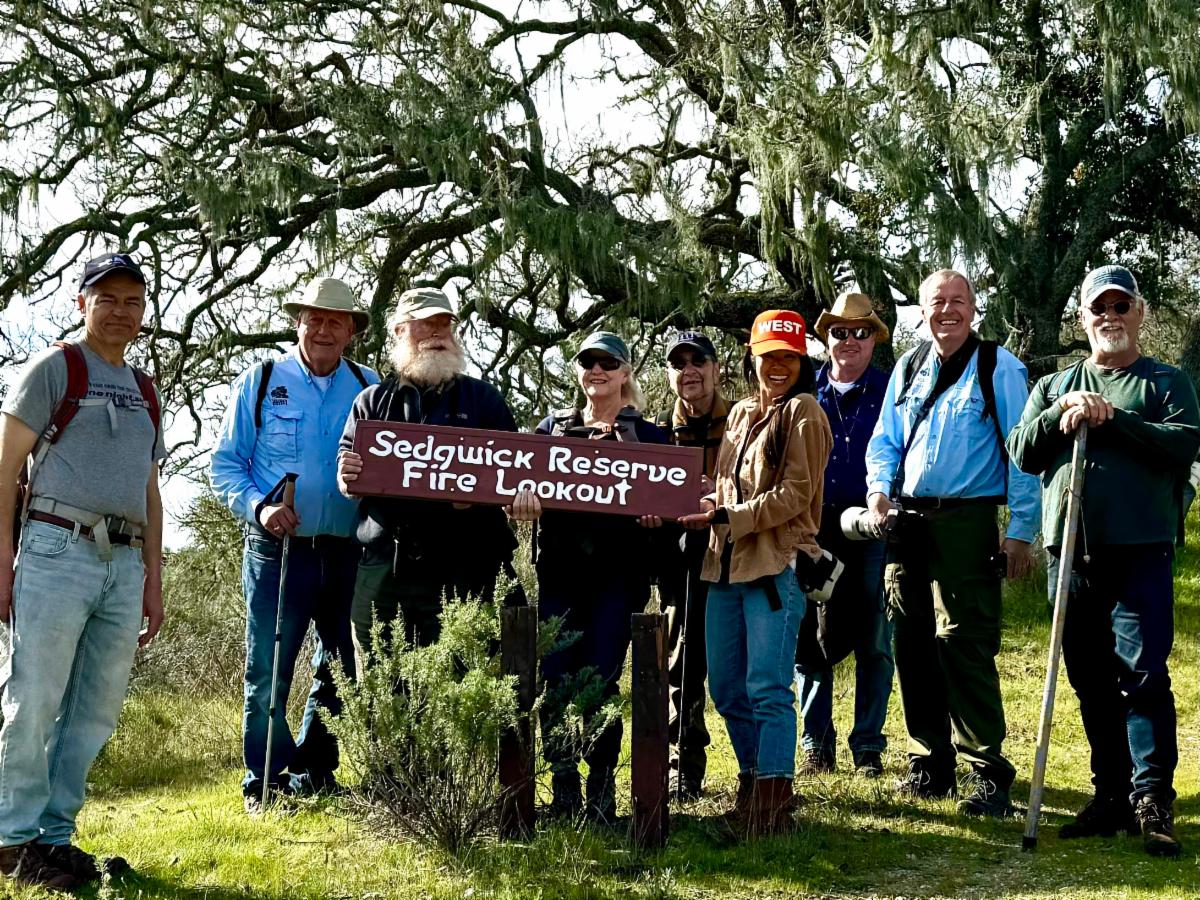
Image 5 . Sedgwick Docents Installing a New Sign at the Fire Lookout

As part of the University of California Natural Reserve System, Sedgwick Reserve's mission is to contribute to the understanding and wise stewardship of the Earth and its natural systems by supporting university-level teaching, research, and public service.

Public Use

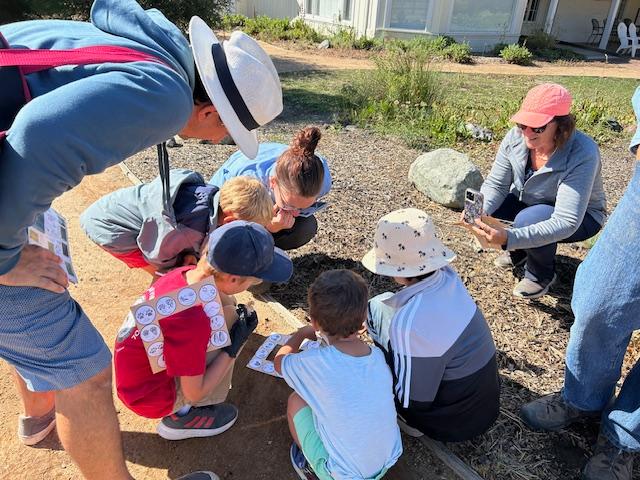
Image 6. Using Track Viewers at the Family Tracking Adventure in September

In 2024, Sedgwick Reserve brought in 638 people for public programs

Barn Dance


Family Birding Adventure


Family Wildlife Tracking Adventure


Family Flower Hike


Full moon hike


Spring public hikes


Winter public hikes


In 2024, Sedgwick Reserve docents gave 1,338+ user days of service for public programs, trainings, and projects

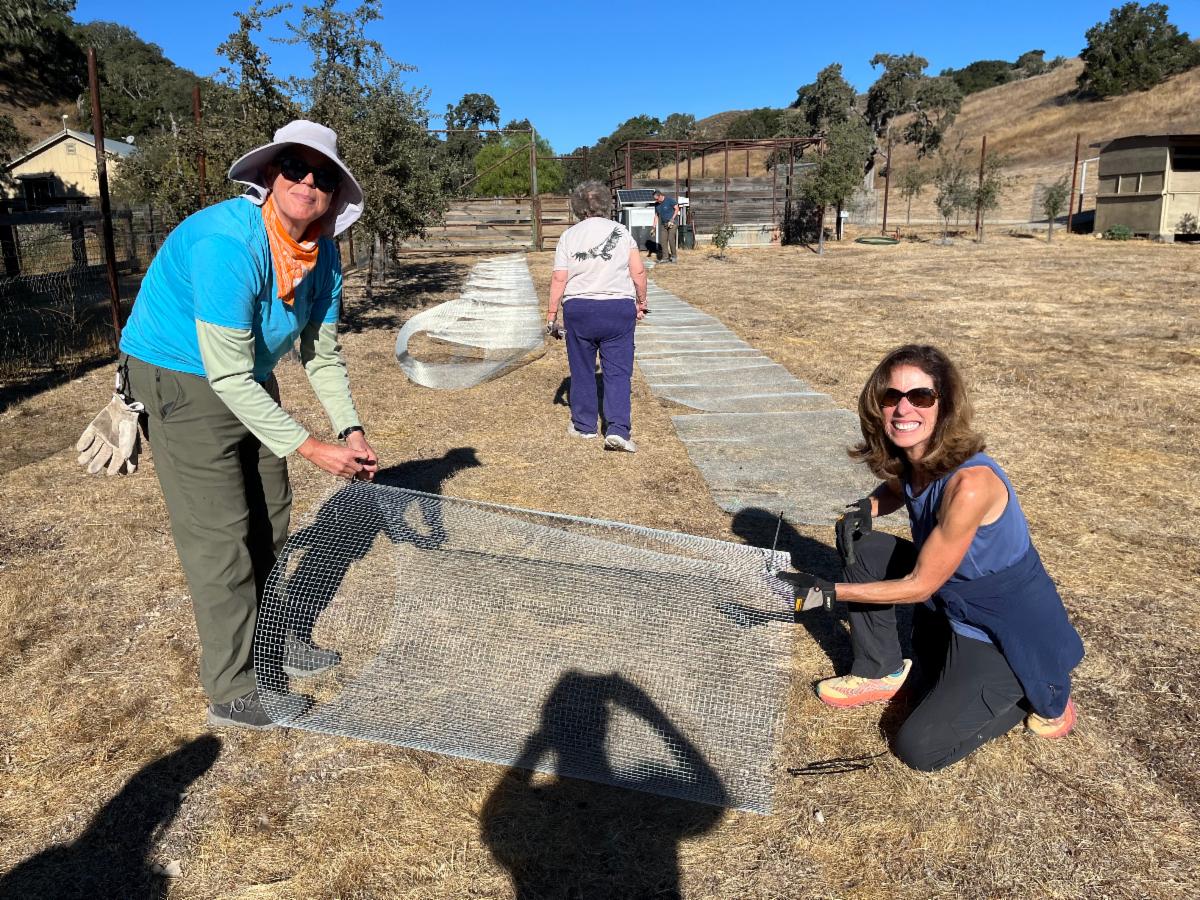
Image 7. Sedgwick Oakies preparing materials to plant 50 oak trees

Docent Citizen Science Projects

  • Birding Census
  • Floral Phenology
  • Reserve Photo Plots
  • Herbarium and Collections
  • Prescribed Burn Botanical Surveys


Docent Stewardship Projects

  • Landscape maintenance
  • Lop-and-scatter erosion protection
  • Oak restoration
  • Trail marker installation
  • Trail and road clearing
  • Rebar pulling
  • Wire cleanup

Docent Enrichment Trainings

  • Birding
  • Chumash Lifeways
  • Geology
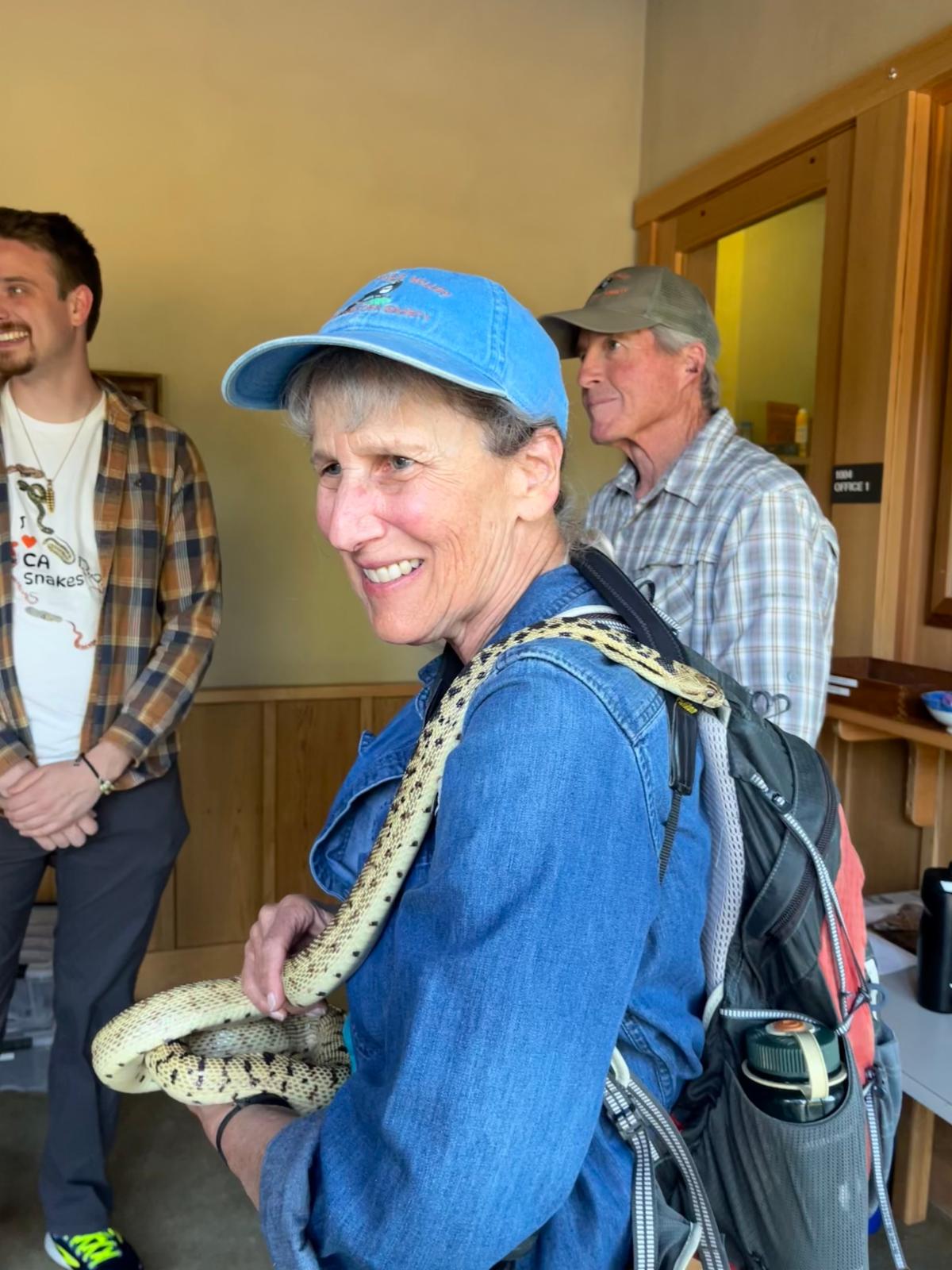
  • Snake Safety
  • Wildlife Tracking


Docent Public Program Roles

  • Hike Leaders
  • Hike Centers and Sweeps
  • Registration
  • Parking
  • Safety
  • Sign-in
  • Interpretive Tables


In 2024, Sedgwick Reserve supported educational and workshop visits for 49 groups (with many of these groups visiting multiple times)

Image 8. Sedgwick Docent and Santa Ynez Valley Natural History Society Board Member Margie Popper gets to know a gopher snake during a snake talk from Emily Taylor

University Groups


UC Santa Barbara

  • Alt-Right Media Literacy Symposium
  • BREN DEI Group
  • Creative Studies
  • English for Multilingual Students
  • National Center for Ecological Analysis and Synthesis Working Group on ocean-derived soil amendments
  • National Center for Ecological Analysis and Synthesis Working Group on Western Wildfire Resilience Index
  • Police Department
  • Southern California Thermal Theory Retreat
  • Wildfire resilience in the Western United States Conference


UC Agriculture and Natural Resources

  • UC Master Gardeners


UC Davis


UC Natural Reserve System

  • Education Planning Committee


UC Office of the President

  • California HIV/AIDS Research Program
  • Tom Smith Symposium


California Polytechnic State University, San Luis Obispo

  • Fuels and Vegetation Education Program


California State University (CSU), Northridge

  • Ecology and Evolutionary Biology


Mount San Antonio College

  • Astronomy Club


K-12 Education


Nonprofits


Audubon

  • UCSB Chapter
  • Goleta Coast Chapter


California Lichen Society


California Native Plant Society

  • San Luis Obispo Chapter
  • Vegetation Rapid Assessment/Relevé Workshop


Channel Islands Nature Journalers


Environmental Defense Center


Moore Foundation


Mountain Ember Wildfire Disaster Preparation and Education Group


Santa Barbara Museum of Natural History

  • Quasars to Sea Stars High Schoolers
  • Winter Birding Class


Santa Barbara Land Trust


Santa Barbara Prescribed Fire Training Exchange (SB TREX)


Santa Ynez Valley Natural History Society

  • Birds of Sedgwick
  • Snakes with Emily Taylor
  • Lichen with Rikke Naesborg


Santa Ynez Valley Women Hikers


The Western Section of the Wildlife Society

  • Women and Allies Retreat


Western Watersheds Project


Other


Atterdag Village Retirement Community


Government Agencies

  • Third District Staff
  • Santa Barbara County First 5 Children and Families Commission
  • City of Riverside Museum


National Geographic Society

University-level Classes

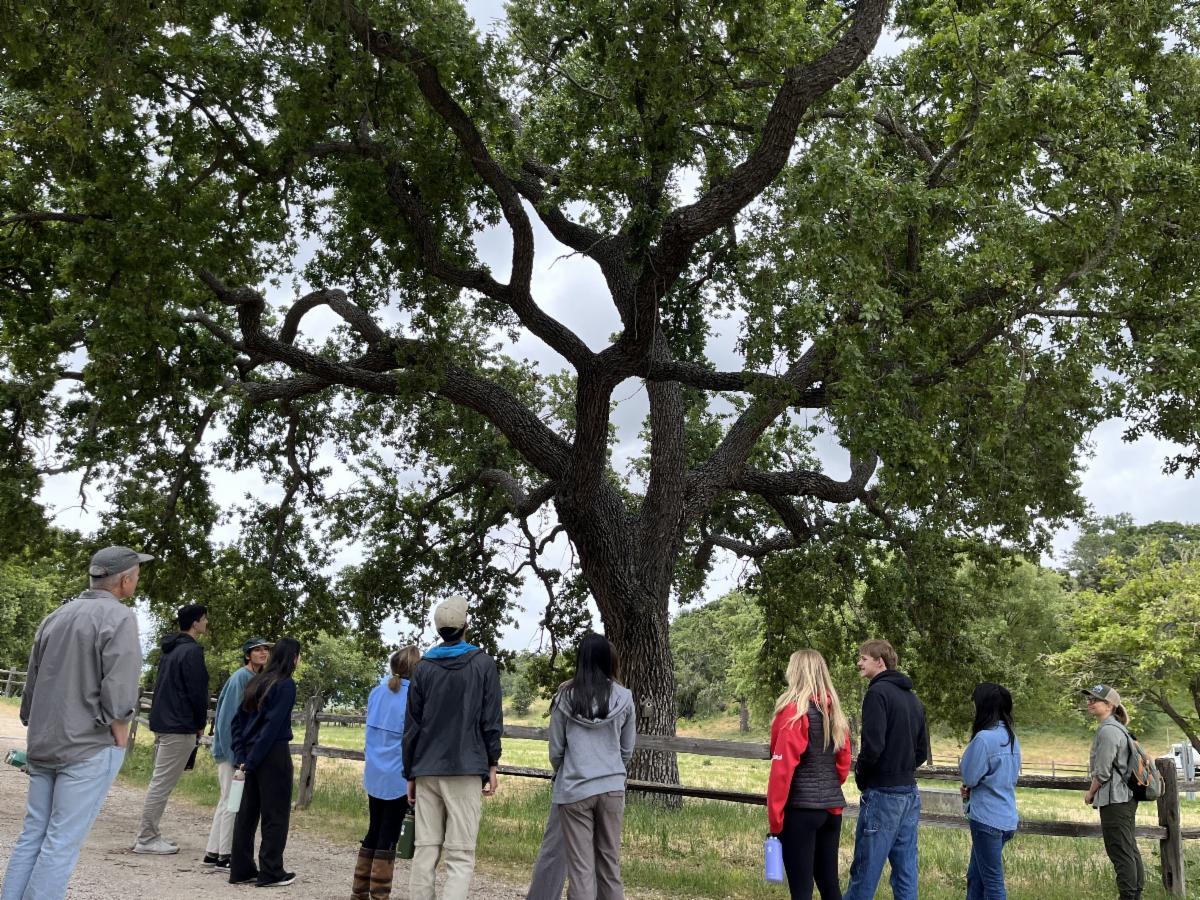
Image 9. Students learning about oak trees during a discovery seminar overnight at Sedgwick Reserve

 In 2024, Sedgwick Reserve supported visits from 21 university-level classes.

Allan Hancock College

  • General Zoology


Mt San Antonio College


NASA


Pacifica Graduate Institute


University of California

  • California Ecology & Conservation
  • Data Science Training Essentials


University of California, Los Angeles


University of California, Santa Barbara

Research

In 2024, Sedgwick Reserve supported 63 active research projects

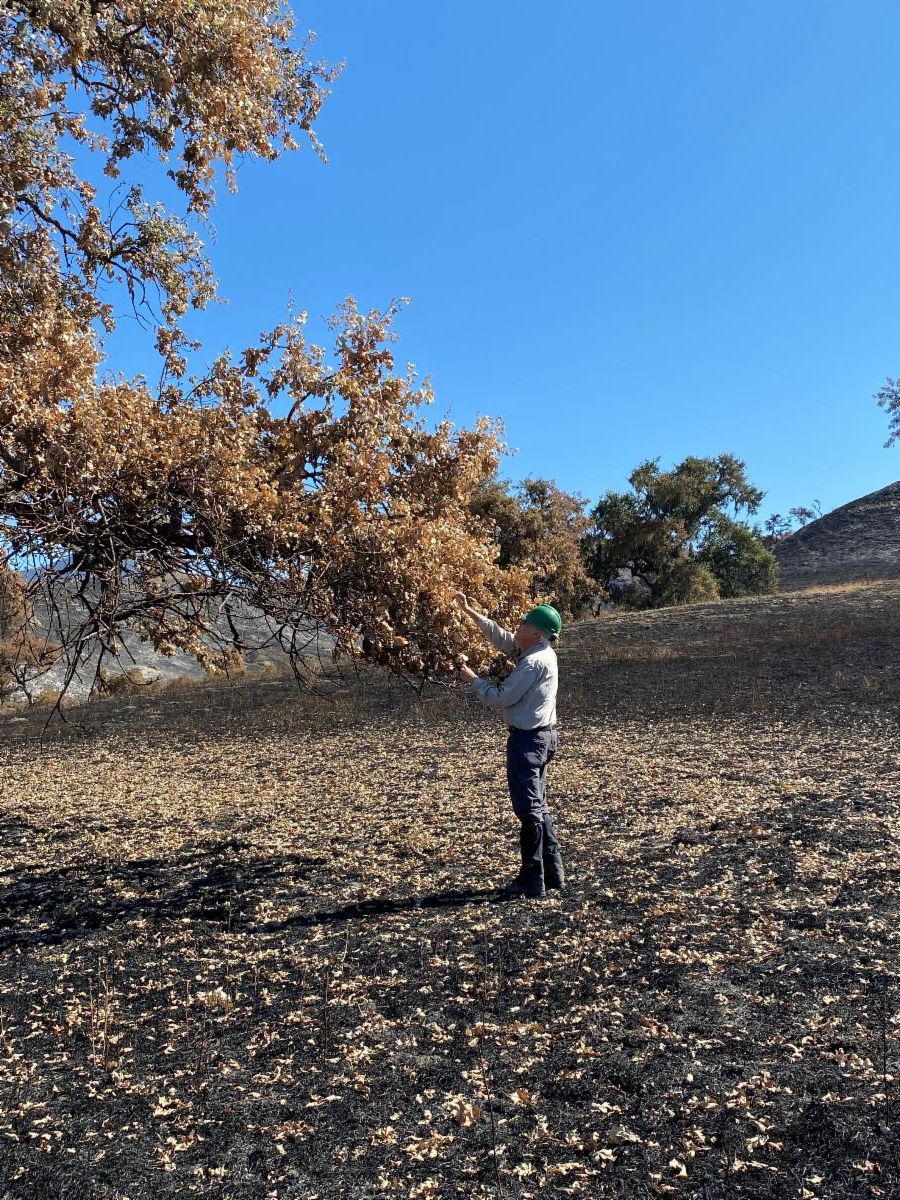
Image 10. Sedgwick Docent and Research Assistant Andy Lentz collecting oak data

"Adaptive Capacity of California Oaks"

Kaili Brande / Brooke Rose

San Diego State University (CSU) / University of California, Santa Barbara


"Assessing the Determinants of Collective Behavior of Veromessor Harvester"

Ants at the UCSB Sedgwick Reserve"

Sean O'Fallon

University of CA, Los Angeles


"Assessing the Effects of Climate on Tick Community Composition, Infection"

Prevalence, and Human Risk of Tick-Borne Disease in California"

Andrew MacDonald

University of CA, Santa Barbara


"BEL Wildfire Resiliency Comms Project"

Izzy Sofio

University of CA, Santa Barbara


"Bioacoustic Monitoring of Tricolored Blackbird Colonies"

Wendy Shackowitz

Point Blue Conservation Science


Read more>>>

Stewardship

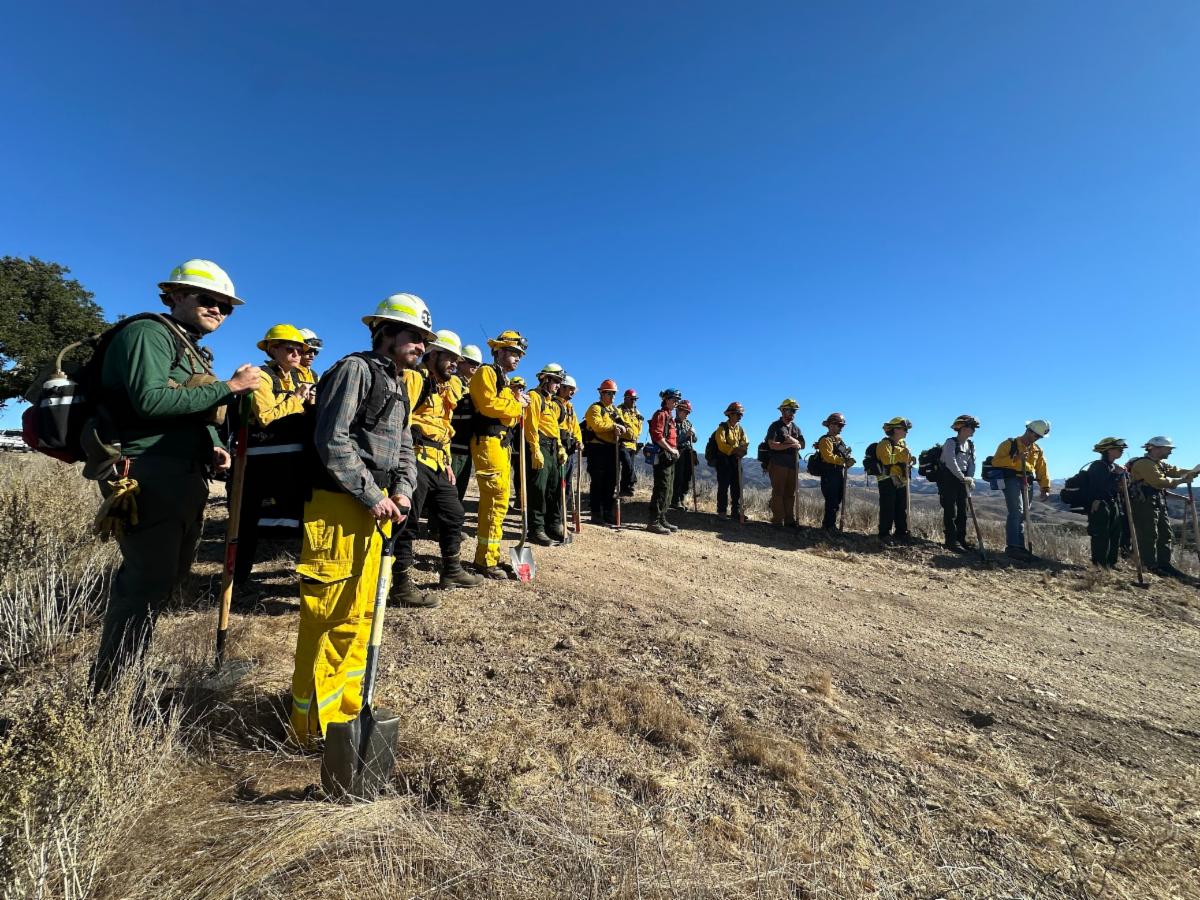
In 2024, Sedgwick Reserve hosted a prescribed burn training in collaboration with 54 organizations

Sedgwick Reserve hosted a third annual Prescribe Burn Training Exchange, the Santa Barbara TREX November 9th - 18th, 2024. Sixteen acres of the Sedgwick vegetation management plan areas were treated.


The goals of the burn were:

  • Reduce fuels next to homes and structures
  • Provide education and training opportunities
  • Facilitate indigenous and cultural activities
  • Research the physical and ecological effects of fire
  • Reintroduce small scale low intensity burns to the ecosystem


Funding was provided in part by the Collaboration of Native Nations for Climate Transformations and Stewardship (CNNCTS).


Read more>>>

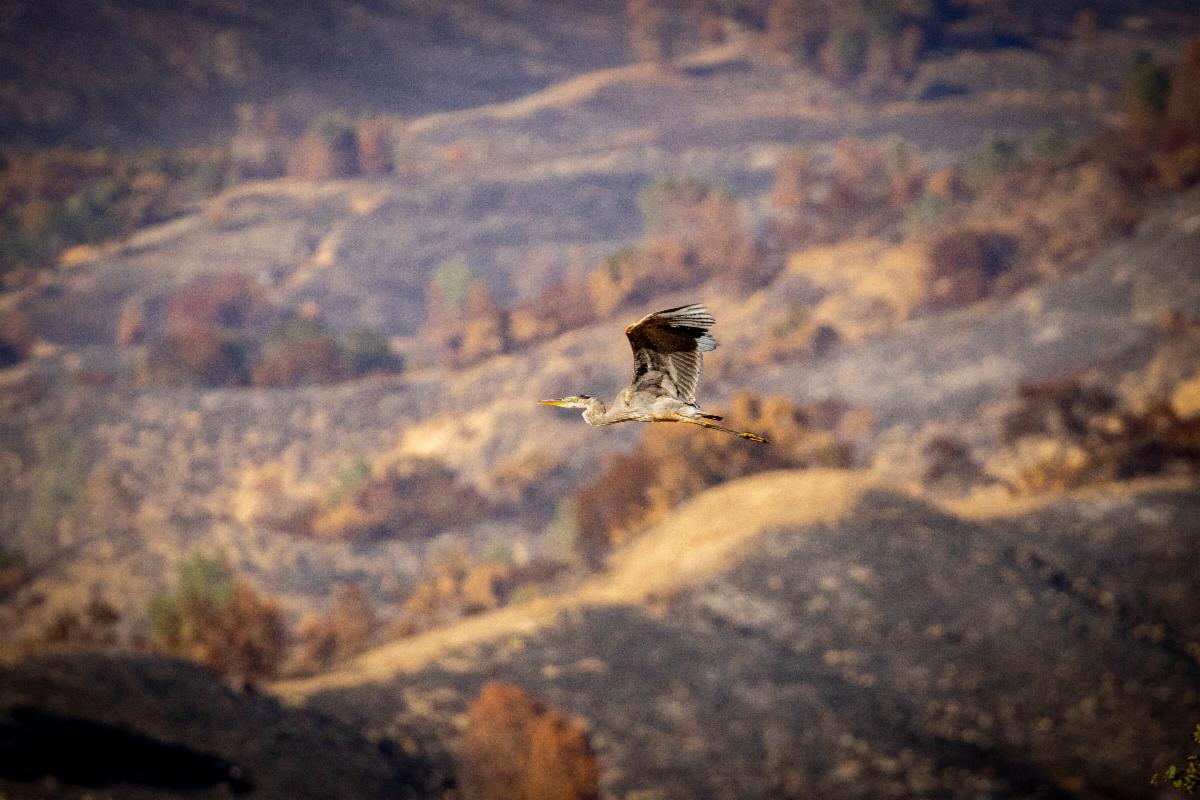
Image 11. Great Blue Heron Flies over the Lake Fire Burn Scar. Image Courtesy of Nikki Evans

Give to Sedgwick Reserve Today