|
Monthly newsletter from the City of Chula Vista
Sustainability Team
| | |
Join the San Diego Fixit Clinic for a Sustainable Holiday Season
Looking for a creative and eco-friendly way to repair, craft, and wrap your holiday gifts? The City of Chula Vista invites residents to join the San Diego Fixit Clinic at the Bonita-Sunnyside Library on Saturday, December 13, from 10:00 a.m. to 1:00 p.m. This hands-on event is a great opportunity to extend the life of your household items, learn new skills, and embrace sustainable holiday practices.
At the Fixit Clinic, participants receive free guidance from experienced Fixit Coaches who can help troubleshoot and repair a variety of items. Whether you’re hoping to fix a household gadget, tune up a road or mountain bike, or mend a beloved piece of clothing, the team is there to support you.
In addition to repairs, attendees can enjoy DIY crafting activities hosted by Be Creative Zone, along with a special demonstration of Japanese Furoshiki cloth gift wrapping—a beautiful and reusable alternative to traditional wrapping paper.
Event Details
Location: Bonita-Sunnyside Library
Date: December 13
Time: 10:00 a.m.–1:00 p.m.
RSVP: https://bit.ly/SDFC-Bonita
Walk-ins are welcome. Please arrive at least one hour before closing. First come, first served.
This holiday season, choose to repair, reuse, and reduce waste while picking up fun new skills. We hope to see you there!
| | |
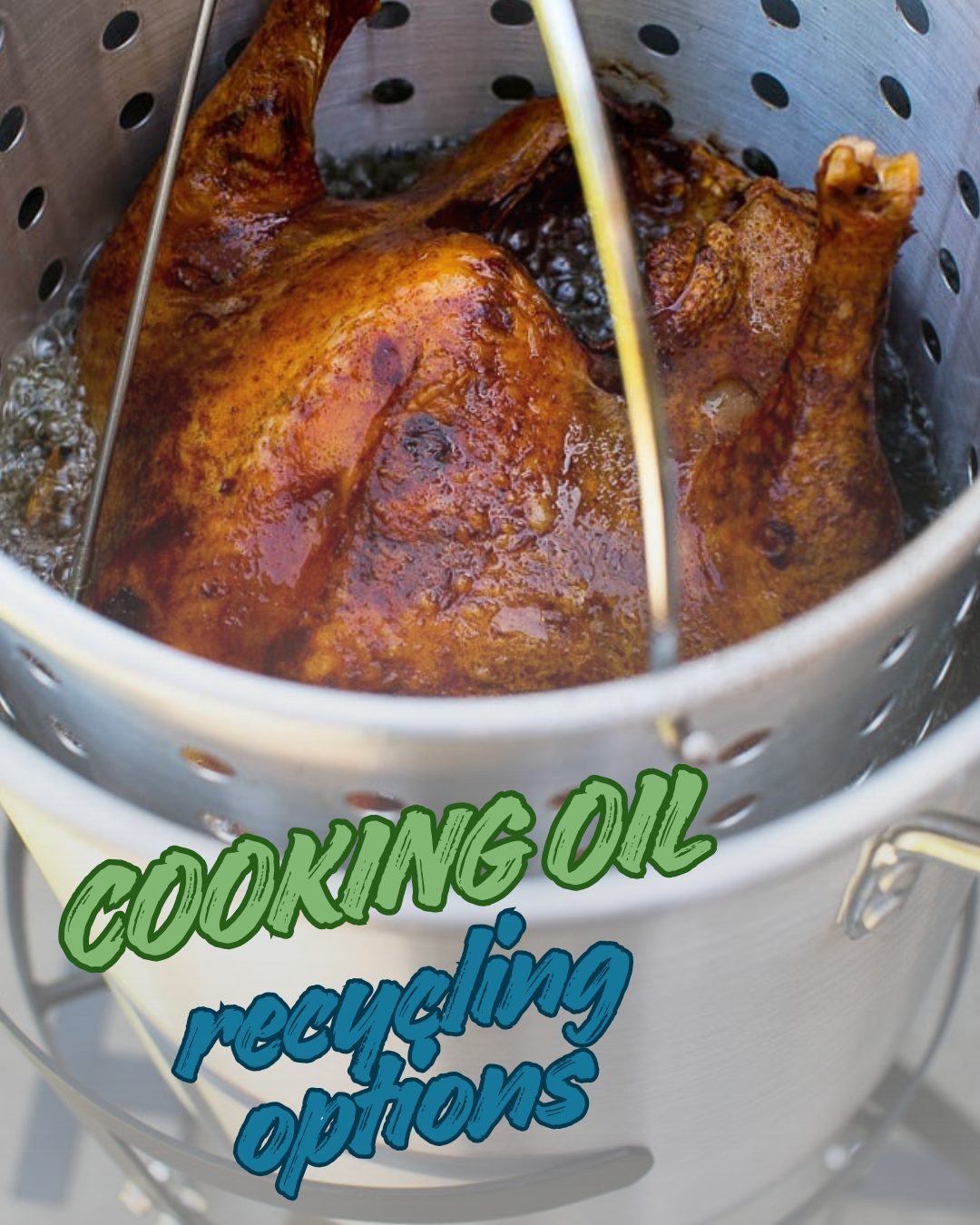
Holiday Tip: Proper Disposal of Used Cooking Oil
As part of our 12 Days of Sustainability, the City of Chula Vista is sharing simple ways residents can keep the holiday season clean, green, and environmentally friendly. One important step is making sure used cooking oil—especially after frying a holiday turkey—is handled properly.
Improper disposal of cooking oil can clog household pipes, damage sewer systems, and pollute our storm drains. Fortunately, Chula Vista residents have convenient free options to recycle used cooking oil responsibly.
Free Cooking Oil Recycling Options:
1. Drop-Off at the South Bay Household Hazardous Waste Facility
Residents can bring used cooking oil to:
1800 Maxwell Road, Chula Vista, CA 91911
Hours: Wednesdays and Saturdays, 9:00 a.m.–1:00 p.m.
Please note: The facility is closed Christmas Eve and New Year’s Eve.
2. Schedule a Free Collection
- Single-family homes: Call Republic Services at (619) 421-9400 to arrange a free pick-up.
- Residents in apartments or condominiums: Please contact your property manager or HOA to coordinate oil disposal.
By recycling used cooking oil, we help protect our plumbing, reduce pollution, and keep our waterways clean. Thank you for doing your part to keep Chula Vista sustainable this holiday season!
Follow us on Instagram, Facebook, or Twitter for more holiday tips, sustainable resources, news, and upcoming events.
| |
Offset Your Holiday Travel
If you or your loved ones are traveling more than 100 miles this holiday season, try to reduce air travel whenever possible and consider offsetting the fossil fuel pollution generated by your trip, no matter how you travel. These companies can help you reduce your impact.
-
Terrapass – Provides carbon offsets for flying, driving, etc.
-
CarbonFund – Provides a variety of carbon offset project options.
-
Sustainable Travel – Offers many ways to offset carbon emissions.
Please note that mention of the service above does not constitute an endorsement or assumption of any liability by the City of Chula Vista.
You can also reduce your air travel footprint by becoming a savvy green traveler and consider the following:
- Newer aircraft like the A320neo or Boeing 787-8 have 15% less fuel burn than older designs.
- Economic travel is better with more seats, and fewer unfilled seats, which means lower fuel burn per passenger.
- Very large aircraft with four engines are fuel intensive. Regular, medium-sized jets tend to be more fuel efficient.
- Fly direct, without layovers, where possible to reduce fuel burn due to circuitous routes.
| |
Holiday Season Energy-Saving Tips: Celebrate Smarter, Not Harder
The holiday season is a time for cozy gatherings, sparkling lights, and warm meals, but it can also be one of the most energy-intensive times of the year. Between decorative displays, extra cooking, and colder weather, it’s easy for energy bills to climb higher than Santa’s sleigh. The good news? A few simple strategies can keep your home festive and efficient.
1. Choose LED Lights for Decorations
If you haven’t made the switch to LED holiday lights, this is the year. LEDs use up to 75% less energy than traditional incandescent strands and last significantly longer. They also stay cooler to the touch, reducing fire risks. Bonus tip: Put your lights on timers so they turn on only when needed.
2. Use Smart Plugs and Timers
From trees to outdoor displays, smart plugs make it easy to control when lights turn on and off. Set schedules to avoid accidentally leaving decorations on overnight, and track energy use in real time if your device supports it.
3. Take Advantage of Natural Heat
Sunlight is free heat. During the day, open curtains and blinds on sun-facing windows to warm interior spaces. At night, close them to help hold in warmth and reduce heating demands.
4. Cook Efficiently During Holiday Meal Prep
Holiday cooking can put a strain on your oven and your energy bill. Try these kitchen energy-saving habits:
- Bake multiple items at once when possible.
- Use smaller appliances like air fryers, toaster ovens, or slow cookers for small dishes.
- Resist peeking in the oven; every opening drops the temperature significantly.
5. Seal Drafts for a Cozier Home
Cold air sneaking in through doors and windows forces your heating system to work harder. Add weather stripping, door sweeps, or even temporary plastic window insulation film to keep warm air indoors. These inexpensive fixes can make a noticeable difference in comfort and cost.
6. Lower the Thermostat When Entertaining
A house full of people generates extra warmth. Lowering your thermostat a few degrees during gatherings can help maintain comfort without using additional energy.
7. Give Energy-Smart Gifts
Consider gifts that help loved ones save energy year-round, such as:
- Smart thermostats
- Energy-efficient LED bulbs
- Insulated mugs or bottles
- Rechargeable batteries
8. Unplug What You Don’t Use
Even when turned off, many devices draw "phantom power." With new gadgets and decorations plugged in during the holidays, it's even more important to unplug devices or use power strips you can switch off easily.
Wrap-Up
Saving energy during the holidays doesn’t mean sacrificing cheer. With a few mindful adjustments, you can enjoy a warm, bright, and efficient season and maybe even use those savings for something a little more fun than your electric bill.
Happy holidays!
| |
An Eco-Friendly Option For Your Holiday Tree
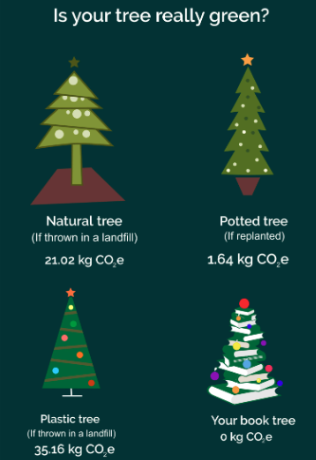
Studies have shown that cut or potted live trees are a much greener choice than an artificial tree. Living Christmas trees provide wildlife habitat, protect soil, moderate floods and drought, filter air and sequester carbon while they grow, which takes 6-8 years.
Tree farms also provide local jobs and good livelihood in rural communities. If getting a potted tree is not possible, reduce your carbon footprint by purchasing a locally grown cut tree, and making sure it gets mulched or otherwise recycled rather than put into the landfill when the holiday is over.
Artificial trees can last many years if well cared for, which seems to make them a more sustainable choice, but they do have some very significant drawbacks.
For example, you would have to keep your plastic Christmas tree for at least 10 years for it to have the same carbon impact as using a real tree each year. You might also consider alternative and fun trees, like book trees, wine bottle trees, or trees made from ornaments or lights.
| | |
Celebrating Creativity in Chula Vista Classrooms
This year, the City of Chula Vista’s Sustainability Division launched an exciting new pilot program called the Textile Reuse Program, which is aimed at giving unsold textiles a second life. Through partnerships with local donation centers, recovered clothing is being redirected to classrooms across the city, fueling creativity, reducing waste and inspiring the next generation of artists.
One of the first partners, Eastlake High School, received approximately 150 pounds of recovered textiles for their Visual Art and Mixed Media class, costuming club and theater department. The results have been nothing short of extraordinary. Students have already transformed these materials into vibrant Día de los Muertos paper-mâché calacas, imaginative costumes and eye-catching stage sets for upcoming productions.
City staff are amazed by the talent and innovation displayed by Eastlake High School’s students and educators. Their work showcases the incredible potential of this circular-economy initiative and we know this is only the beginning.
Interested in joining the program? We invite more Chula Vista teachers, schools and creative groups to take part in this growing effort. Together, we can support sustainability, spark artistic expression and make a meaningful impact in our community.
For more information or to get involved, reach out to the City of Chula Vista Sustainability Division, environmentalservices@chulavistaca.gov or call (619) 691-5122.
| | |
New State Law Brings Big Change for Grocery Shoppers in 2026
Plastic grocery bags will start disappearing from California grocery stores after January 1, 2026, when restrictions are set to tighten as part of a campaign to keep the bags from clogging waterways and landfills.
California technically banned plastic grocery bags in 2014. But at the urging of plastic and grocery lobbyists, that law left an exception for thicker plastic bags that can theoretically be reused 125 times. It didn't take long for the bulkier bags, which use more plastic and are still often thrown away after a single use, to become standard at grocery store registers.
The Governor signed a law prohibiting thicker bags last year, but this time lawmakers and environmental advocates are hopeful that the ban will stick. "What people will experience on the first day of 2026 is not dissimilar from what people experienced when the law first went into effect,” said Mark Murray, director of Californians Against Waste, which helped write the original law.
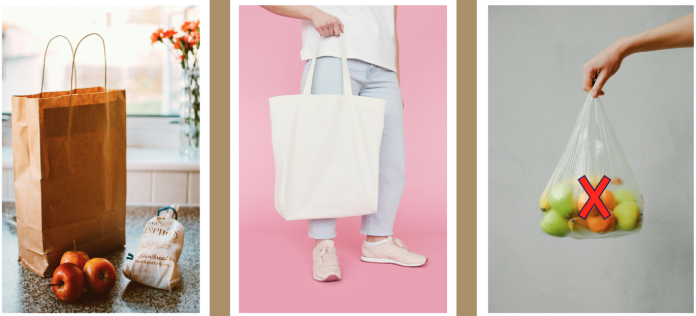
Paper, cloth or other durable textile bags will soon be the only option at grocery stores around the state. By 2028, paper bags will also be required to be made of at least 50% recycled paper. Stores are also required to charge customers at least 10 cents for the bags. Many hope that the change will encourage more people to make reusable bags their default or hand-carry their purchases and it helps that many grocery stores already sell canvas totes and insulated bags near the checkout counter. It's a win for environmentalists, who argue that the proliferation of thick plastic bags in the years since the ban has made the state's plastic pollution worse.
In 2022, the tonnage of plastic grocery and merchandise bags discarded in California was 47% higher than the year the ban was passed, according to a CalPIRG report. One reason for the jump is that very few of the theoretically reusable bags are brought back to grocery stores, said Judith Enck, a former Environmental Protection Agency regional administrator who's now the president of advocacy group Beyond Plastics. Plastic bags are harder to recycle than they are to reuse. They often get tangled in the machinery at recycling plants, where their complex chemical makeup makes it difficult to process them into new materials. Four plastic bag producers said they would stop selling bags in California last month, after Attorney General Rob Bonta alleged that they printed a "chasing arrows" symbol on their products without evidence that they could be recycled in the state.
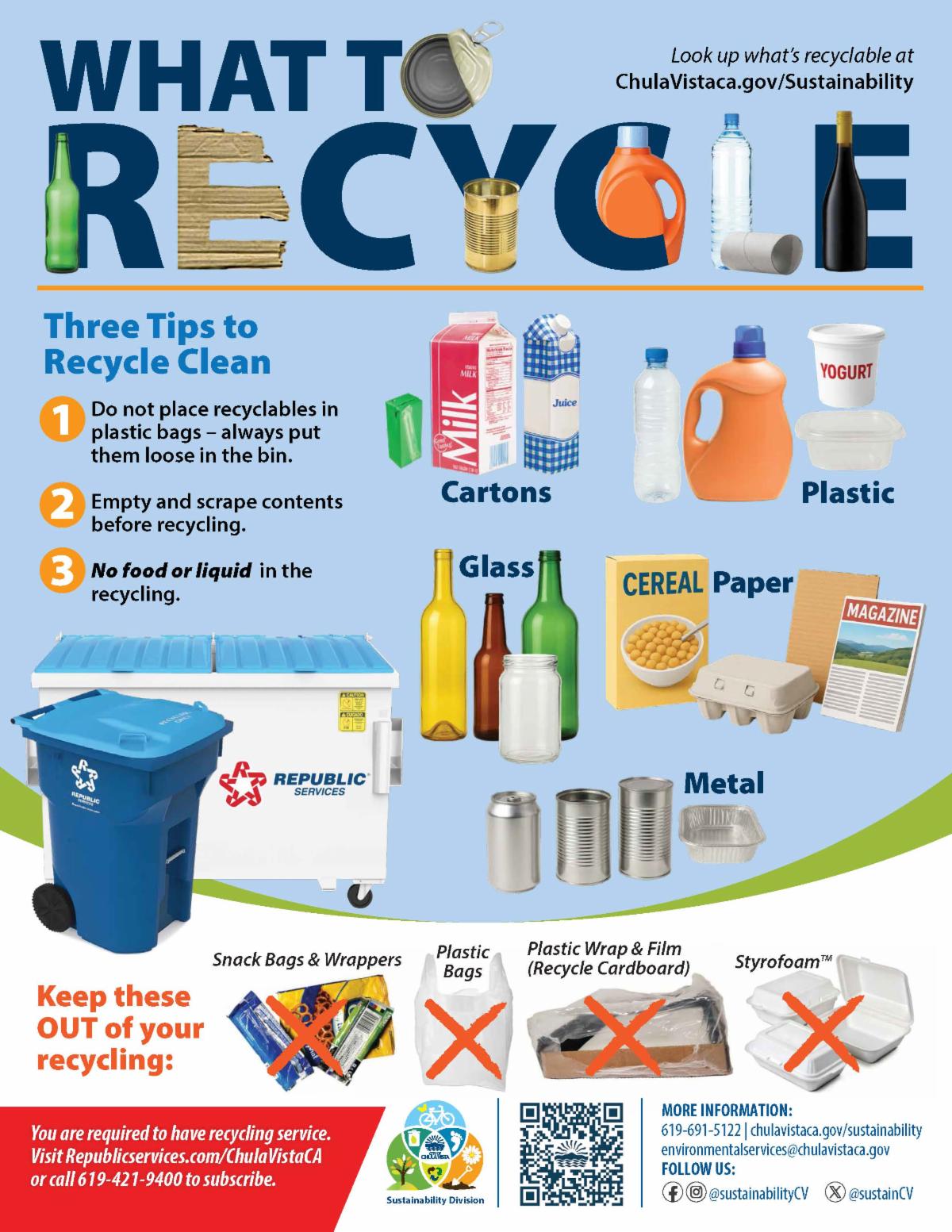
Many plastic bags still clog the recycling stream. They're the most common contaminant in recycling processing facilities. Even after January 1, the bags won't disappear from the city entirely. While they'll be banned at groceries, liquor stores and pharmacies, they will remain a legal option at many retailers and restaurants around the state. It is no exception in Chula Vista, plastic bags and flexible plastic packaging continue to contaminate recycling material in both residential and commercial recycling settings. When recyclables are contaminated with bags, the sorting process is much more difficult and often results in having loads disposed as trash. Heavily contaminated recyclables also impede using materials to create new products because adding recycled content feeds into a manufacturing process requires a high level of cleanliness. To learn what recyclables to place in your recycling cart or bin, but mainly what to keep out please refer to the flyer below:
| | |
Stormwater Smarts: Reducing Seasonal Trash and Debris
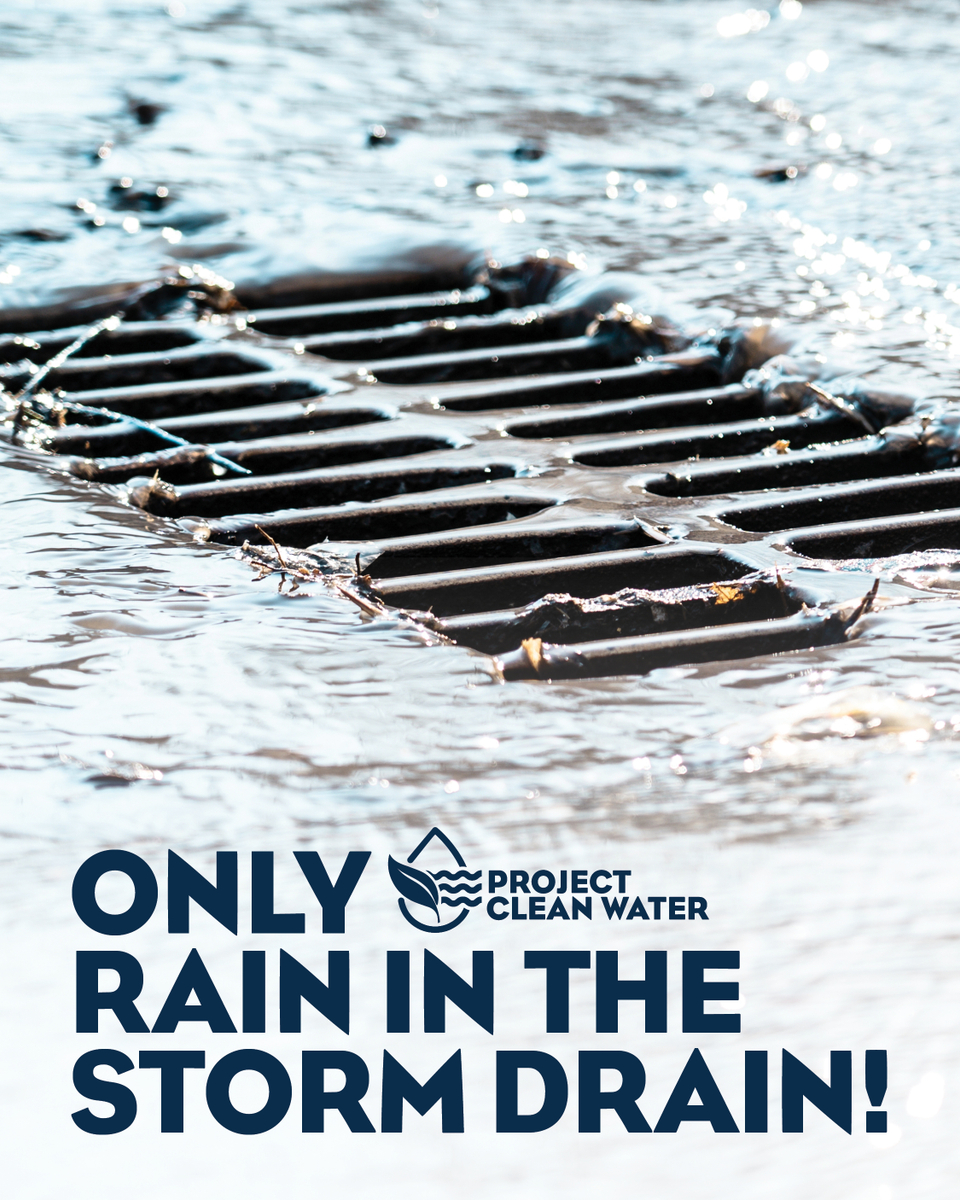
As we head into the festive season, winter rain and blustery winds can unintentionally carry holiday debris into our storm drains — and straight into local creeks, rivers and the San Diego Bay. The good news - few simple habits can help keep our waterways clean while keeping the season bright.
First, tackle trash before the wind does. Whether it’s packaging from gifts, take-out containers from holiday gatherings or bits of wrapping paper, make sure everything is securely disposed of in the proper bin. Closing bin lids tightly is one of the easiest ways to prevent litter from blowing into the street and ending up in storm drains, so residents are encouraged to break down boxes and avoid overfilling their bins.
Decorations matter too! Secure holiday lights, inflatables and outdoor ornaments so they don’t become accidental pollutants during rainy or windy weather. A few extra clips or ties can prevent festive cheer from washing away when storms roll through.
Finally, don’t forget about leaf litter with the changing seasons. Sweeping leaves away from gutters and sidewalks keeps them from clogging storm drains or carrying other pollutants along with them. Even natural debris can cause problems when it builds up in the stormwater system.
With just a little extra care, we can keep our community festive — and our waterways clean — all season long.
If you’d like more information about preventing storm water pollution, please visit chulavistaca.gov/stormwater.
| | |
Composting Workshops
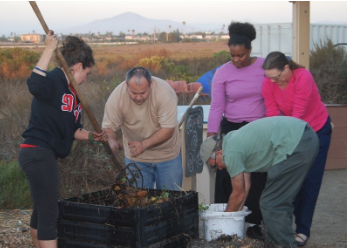
The City offers composting workshops every Sunday at 11:30 AM, at The Living Coast Discovery Center. These one-hour workshops provide the information to get you started composting at home. Workshops are offered in Spanish and English on the first Sunday of the month.
Adding compost to your yard and garden increases organic matter and beneficial organisms and improves soil fertility for a stronger, healthier, plant naturally with less toxic pesticides and synthetic fertilizers.
Compost bins are available for $35 to Chula Vista residents attending these workshops.
Chula Vista residents can also receive free admission to the Living Coast Discovery Center on select Sundays by registering in advance to attend a Backyard Composting Workshop! Click here
For more information please call (619) 409-5900 or email Katharine@thelivingcoast.org
| |
Free Compost for Chula Vista Residents
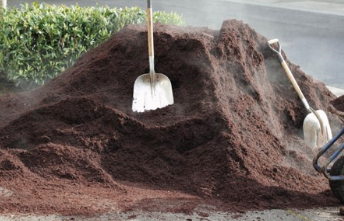
It’s time to start planning for getting compost in 2026! All Free Compost events for 2026 will be held on the second Saturday of the month and include January 10, March 14, May 9, July 11, September 12, and November 14. Put these dates on your calendar now!
Each event will be 8:00am - 12:00pm at the Otay Landfill (1700 Maxwell Road).
Bring your shovels for loading, containers to fill, and don’t forget the tarps to cover your compost! The event is for Chula Vista residents only.
All 2026 Events are posted on the City’s calendar (www.chulavistaca.gov) as well as the Sustainability Office’s events calendar.
| | |
Scientists Develop Self-Destructing Plastic That Can Break Down Naturally and on Demand
A routine hike through Bear Mountain State Park turned into a turning point for Rutgers chemist Yuwei Gu. He stopped when he saw plastic bottles scattered along the trail and floating in the lake. The scene felt wrong in a place that otherwise looked untouched. That moment sparked a question that guided his next research breakthrough. Nature makes polymers like DNA and RNA that eventually break down, but plastics do not. Why not? “Biology uses polymers everywhere, such as proteins, DNA, RNA and cellulose, yet nature never faces the kind of long-term accumulation problems we see with synthetic plastics,” Gu said.
Copying nature’s strategy
Yuwei Gu knew natural polymers include small helper groups built into their structure. These groups sit in strategic positions and make bonds easier to break when needed. Plastics lack those helpers. That gap became the foundation of a new approach. Can the structural trick be copied? Could we make human-made plastics behave the same way? The Rutgers University team tested the idea, and the concept worked. The researchers created plastics that stay strong while in use but break down when exposed to specific everyday triggers. No heat or harsh chemicals are required. The goal was to find a new chemical strategy that would allow plastics to degrade naturally under everyday conditions without the need for special treatments. This method does more than make plastics degradable. It lets scientists control the speed of degradation. The researchers achieved this by positioning chemical components, so they are ready to activate when triggered.
With adjustments, plastic can break down in days, months, or years.
Products could be tailored to the purpose. A take-out container might disappear after a short time. Car parts could remain for many years. The breakdown can also be switched on or off using ultraviolet light or metal ions. Early lab tests show the breakdown liquid is not toxic, but more evaluation is planned. Researchers also see potential for new technology, including medical capsules that release drugs on schedule and temporary coatings that erase themselves. Researchers are now studying safety, manufacturing compatibility and ways to apply chemistry widely. For more information about this ground-breaking study, please visit this Rutgers University page.
Solutions like these do not mean that the continued proliferation of plastic products in our everyday lives should continue. This is a potential solution for preventing plastic pollution and finding strategies to create a true circular economy with plastic products should remain. Many experts suggest that in addition to reducing their production, we need to look at ways to standardize plastic products and their packaging to make them a lot easier to recycle. If you would like to learn more what you can do at home to reduce waste please visit this EPA information page.
| |
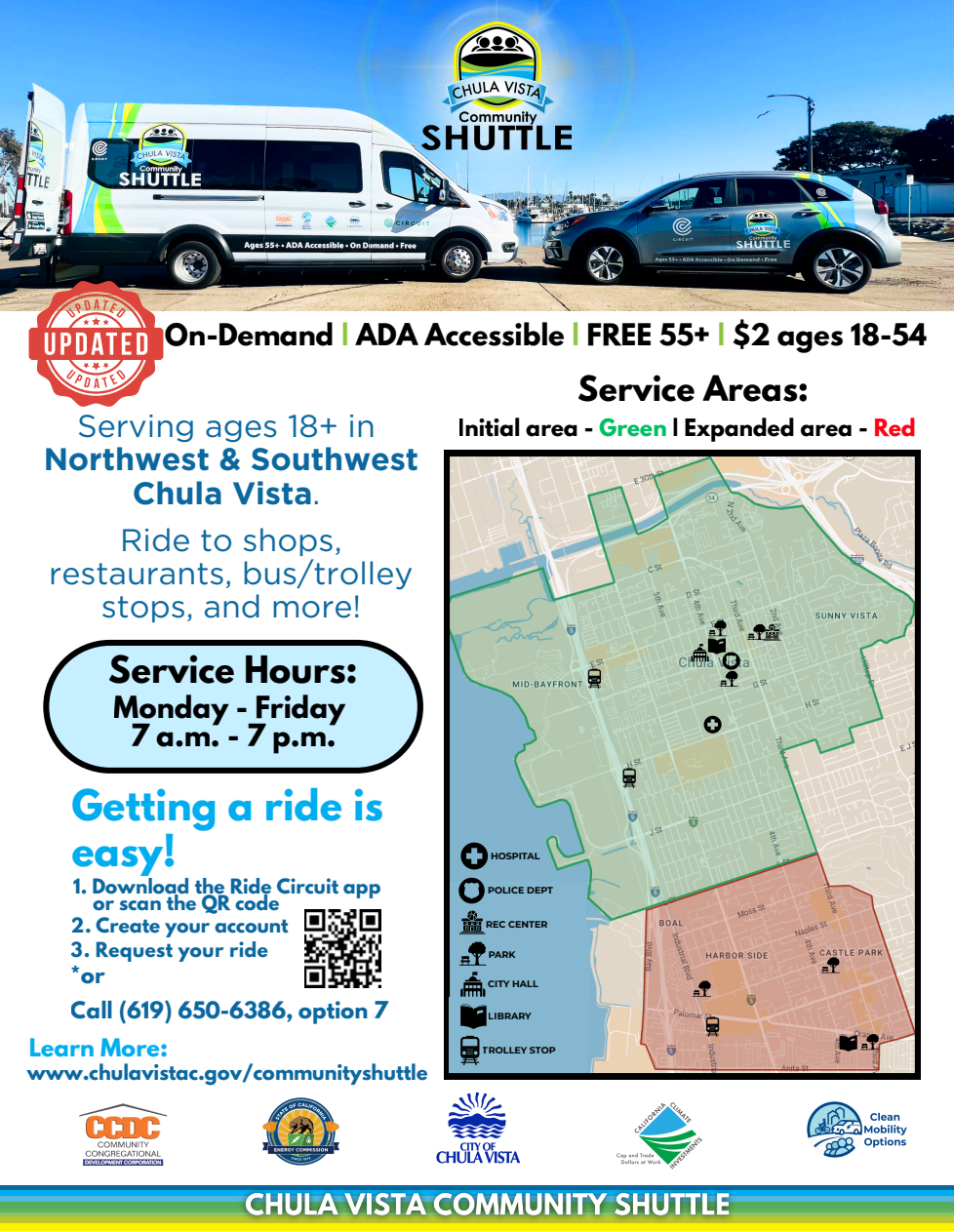
On Demand Accessible Rides: FREE for 55+ · $2 for Under 55
Need a ride? The Chula Vista Community Shuttle is here for you!
Monday - Friday · 7 AM - 7 PM
Now serving all ages in Northwest Chula Vista!
It's easy:
- Download the CIRCUIT RIDE app.
- Set up your account.
- Share your location and drop a pin where you want to go.
Whether you need to get an appointment, visit family and friends, catch the trolley, or grab lunch or happy hour after work in northwest Chula Vista, leave it to us.
The covered service area for the shuttle has recently expanded further south!
To learn more about this service and the newly expanded service area, visit the Chula Vista Community Shuttle website.
| | | | |