|
Another year is rounding to a close, and with it comes a time when many of us will take stock of who we are, where we want to go, and who we want to become in the coming year. This inner work is essential to challenge the past to build a better future and identify the parts of ourselves that need work to serve better those who rely on our guidance and support.
As conflict resolution professionals, the better we know ourselves and how external influences affect our mental well-being, the more effective we will be in helping our clients. This month, rather than focus on how to count calories or steps, we encourage you to take stock of your thoughts, emotions, fears, and biases - all of the parts that encompass who you are as a person without minimization or judgment. It is not healthy or wise to try to remove the reality of our experiences from the room. We should leverage them to know when to relate and empathize or to recuse ourselves from a course of action we may be encouraging because it resonates with our own life experience or trauma.
We have several resources available this month to help you approach this vital process while preparing to tackle new challenges in the year ahead. There are also new training opportunities to help develop your mediation skills and build a practice focused on the understanding-based approach.
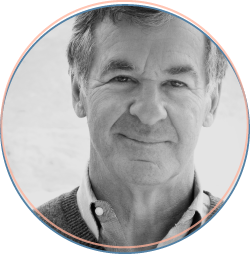
Gary J. Friedman
Trainer
| |
|
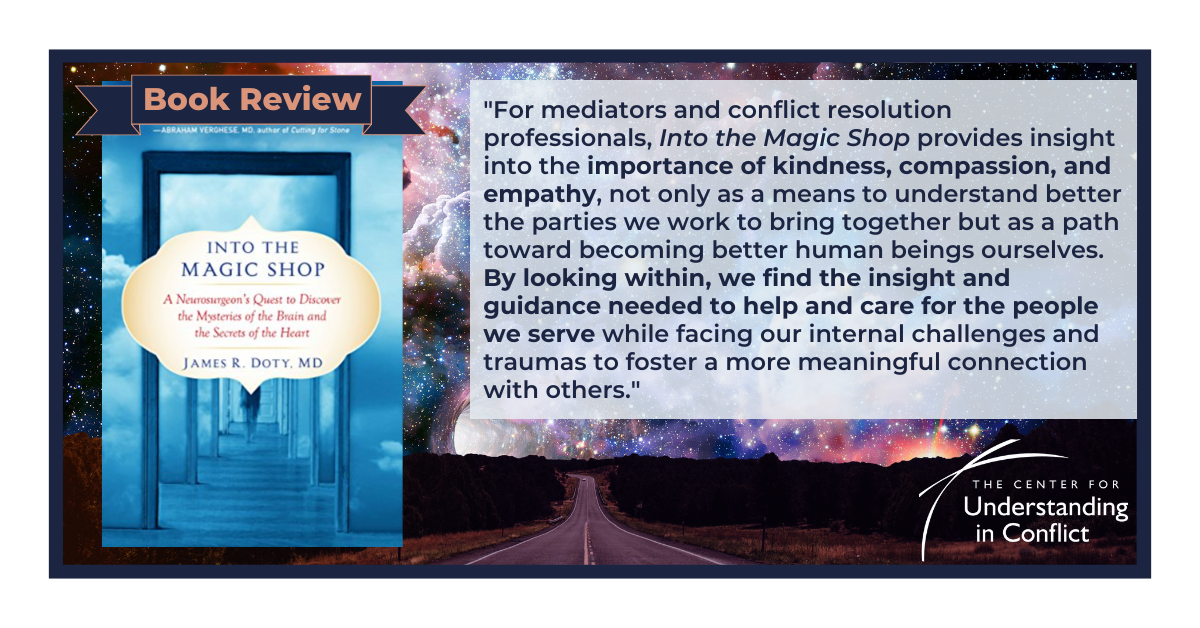
Into the Magic Shop: A Neurosurgeon's Quest to Discover the Mysteries of the Brain and the Secrets of the Heart
Review by James Dykeman
In Into the Magic Shop: A Neurosurgeon's Quest to Discover the Mysteries of the Brain and the Secrets of the Heart, author Jim Doty tells the story of his challenging childhood spent living in poverty with parents struggling with addiction and mental health issues. At 12 years old, Doty meets a woman in a magic shop who offers wisdom and advice that changes the trajectory of his life in profound and unexpected ways.
Guided by the 'magic' of practices that center on the importance of keeping an open heart guided by the mind while helping others, Doty grows into a wealthy and successful surgeon, far removed from the struggles of his youth. While following the trajectory of Doty's life, the book explores the link between the complexities of the mind and the emotional power of the heart while discussing the importance of being mindful with guidance on tackling internal challenges to build a brighter future. The road becomes rocky later in the memoir when Doty shares tumultuous repercussions when success and comfort take precedence over the importance of human connection and understanding.
| |
Three Sides to the Story: Finding Perspective in the Middle of the Storm
By James Dykeman
There is altruism in seeking to be the bridge that brings together two people who don’t get along. We see it at the dinner table, in schools, in community organizations, in workplace disagreements, and in fights that break out over who the better sports team is or whether Coke tastes better than Pepsi. The individual who steps into an environment of tension and discord, offering an olive branch and a path to peace, can be found in different areas of life, from law firms and professional mediators to being the person that gets called when two siblings are at each other’s throats.
But despite the multitude of mediation training opportunities, books written about conflict resolution, and a torrent of tips and advice columns that elevate the practice of bringing together the two parties in conflict, there is always a third person in the middle that also needs consideration. Those attempting to broker peace by facilitating a discussion must realize that they are not exempt from the pitfalls and passions innate to the human experience. Rather than purge your personhood from the equation by ignoring your feelings, reactions, and experiences, the understanding-based approach encourages you to lean in and leverage your humanity to connect with those you are trying to help. To do that, you must be honest and cultivate awareness of how your reactions and life experiences manifest while acknowledging and accepting that there will be people and actions you dislike, which is ok.
| |
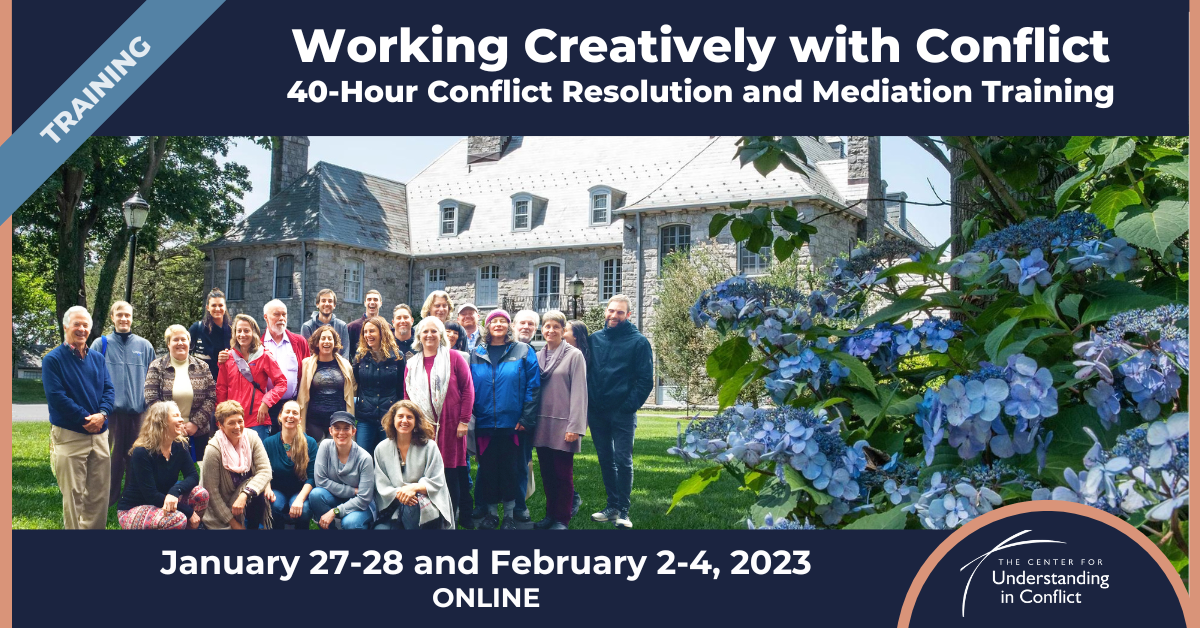
Our flagship experiential certificate training program centered around the Understanding-Based Model. | |
Realistic simulations, in which participants work through mediations from beginning to end, with coaching from our teachers, offer participants the chance to hone their skills and experience the emotional challenges faced by parties in dispute. Participants describe these different learning modes and their interplay as enjoyable, engaging, and rewarding. | |
|
2023 Training Dates
West Coast - Green Gulch, CA
March 23 - 26
November 15 - 19
Online
January 27 - 28 & February 2 - 4
Sept. 27 & 28 and Oct. 5 - 7
East Coast - White Plains, NY
May 3 - 7
| |
|
Your Next Steps:
Launching Your Understanding-Based ADR Work
| | |
|
|
You have taken a conflict resolution training and want to add consensual dispute resolution to your existing practice or start a new practice, what next?
This three-part series will help you explore your motivations, professional goals, opportunities and challenges. This will be an interactive process with exercises and briefings on practical aspects of starting and/or incorporating ADR into a practice or your work and bringing people in the door. You will leave with a concrete action plan to develop the next phase of your work.
| |
|
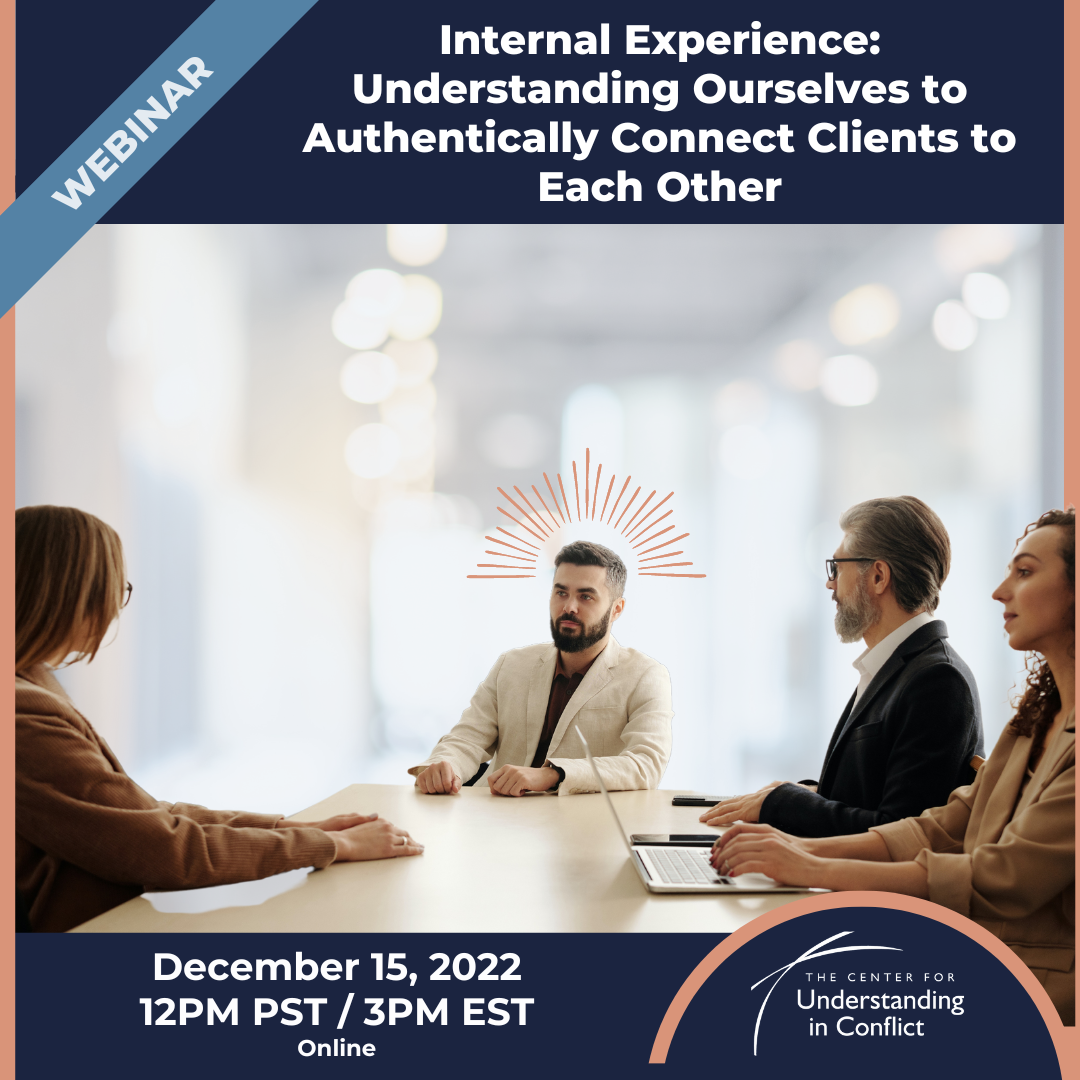
Using our inner experience in the presence of conflict and unblocking ourselves from parties can open channels of communication that help parties understand their problem at a deeper level. Recognizing internal reactions that can get in the way of connecting to a client and working with that reaction to open our connection to the client can also open the way for the parties to communicate better.
Join Gary Friedman and Hansa Patel on December 15th to learn the importance of the inner work required to be open and aware of our internal reactions and steps for using these insights to bring clients closer together in their efforts to resolve conflict.
| |
| |
|
|
Forgiveness can be a powerful force for restoring harmony and wholeness. A harmed person can find their freedom in practicing forgiveness. It can also empower them to move toward an amicable solution and allow the rebuilding of a fractured relationship.
However, many of us have a powerful instinct that a process that supports forgiveness without supporting accountability can be problematic, unhelpful, or worse.
As conflict professionals, how can we balance methods and options for an agreement that supports both taking responsibility and supporting forgiveness?
| |
|
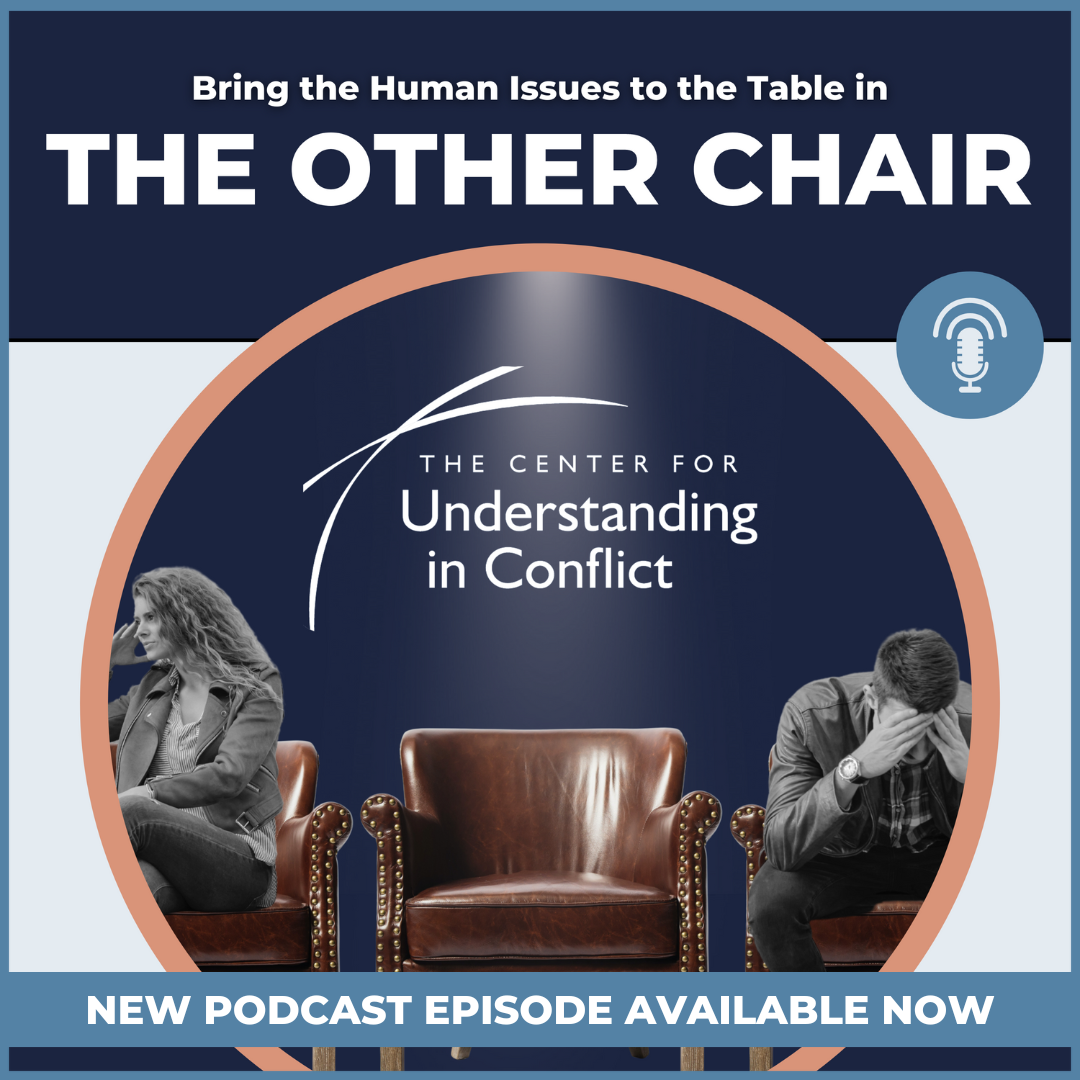
Welcome to our re-launched podcast The Other Chair!
In our latest episode, Center for Understanding in Conflict co-founder Gary J. Friedman explains the understanding-based approach to conflict and how it can help you bring people together in personal, professional, and practitioner settings.
Listen free each month as we bring you new voices and insights into the world of conflict resolution and mediation.
| |
|
Support the Center for Understanding in Conflict with a CUC Connect Membership and enjoy free interactive webinars, training discounts, and more! | | |
|
|
CUC Connect Members
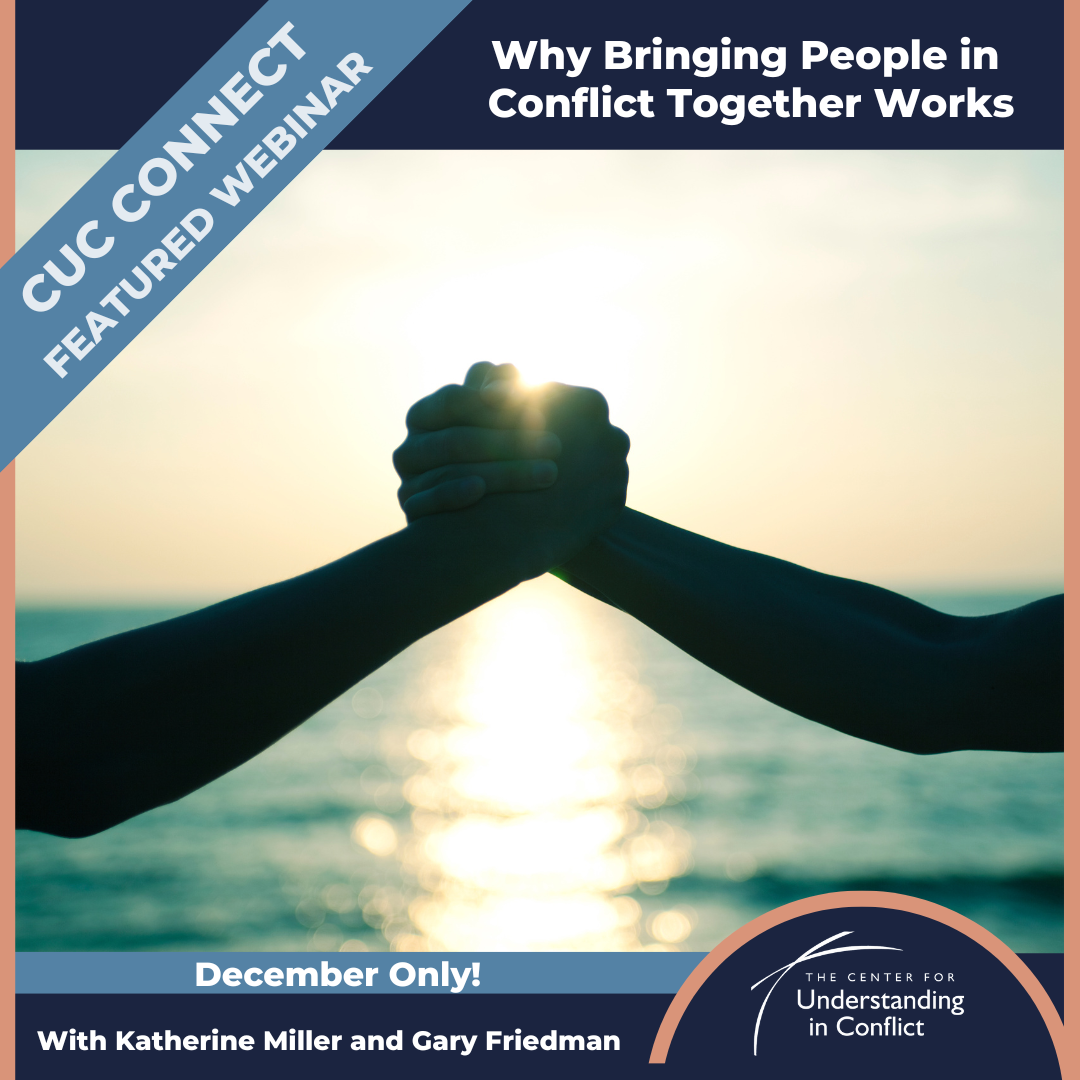
December Featured Webinar
Contrary to popular opinion, keeping people in conflict together usually works better than separating them. Gary Friedman and Katherine Miller discuss how the Understanding Model of mediation with no-caucus works so well to help people go through conflict rather than simply communicate through intermediaries to get them to an agreement.
| | | | |