The Wyoming Health Council works to ensure that all people can access equitable, inclusive, high-quality, and affordable reproductive and sexual health care. | | |
Major Philanthropic Investments Aim To Strengthen Women's Health
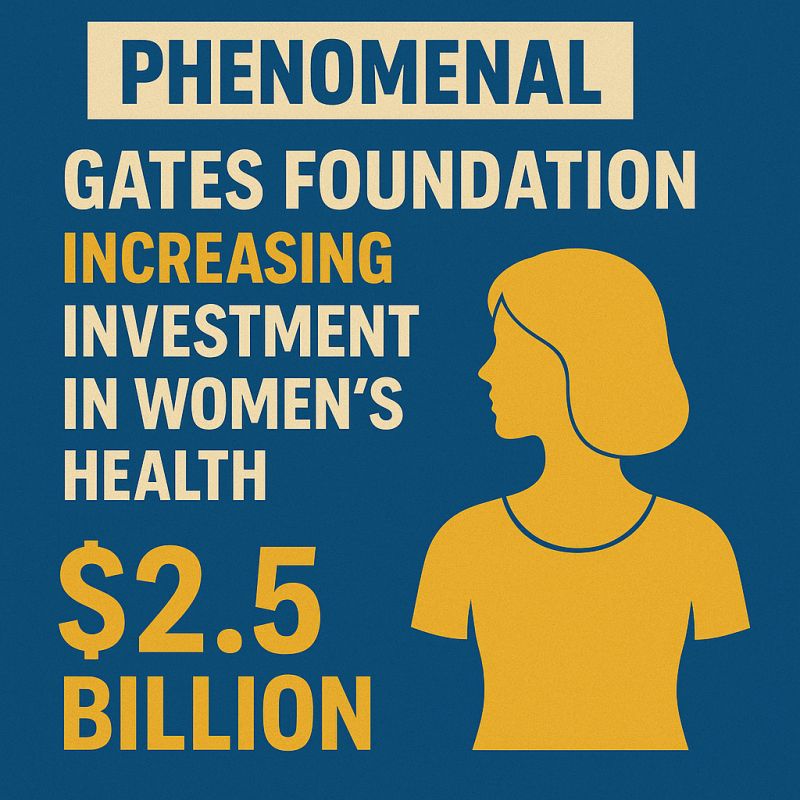
SEATTLE (August 4, 2025) –Investments Through 2030 to Catalyze Innovation in Maternal, Menstrual, Gynecological, and Sexual Health for Women Globally
The Gates Foundation today announced a $2.5 billion commitment through 2030 to accelerate research and development (R&D) focused exclusively on women’s health. It will support the advancement of more than 40 innovations in five critical, chronically underfunded areas—particularly those affecting women in low- and middle-income countries.
“For too long, women have suffered from health conditions that are misunderstood, misdiagnosed, or ignored,” said Dr. Anita Zaidi, president of the Gates Foundation’s Gender Equality Division. “We want this investment to spark a new era of women-centered innovation—one where women's lives, bodies, and voices are prioritized in health R&D.”
| |  | |
WHO launches new guidelines to tackle adolescent pregnancy and related health complications
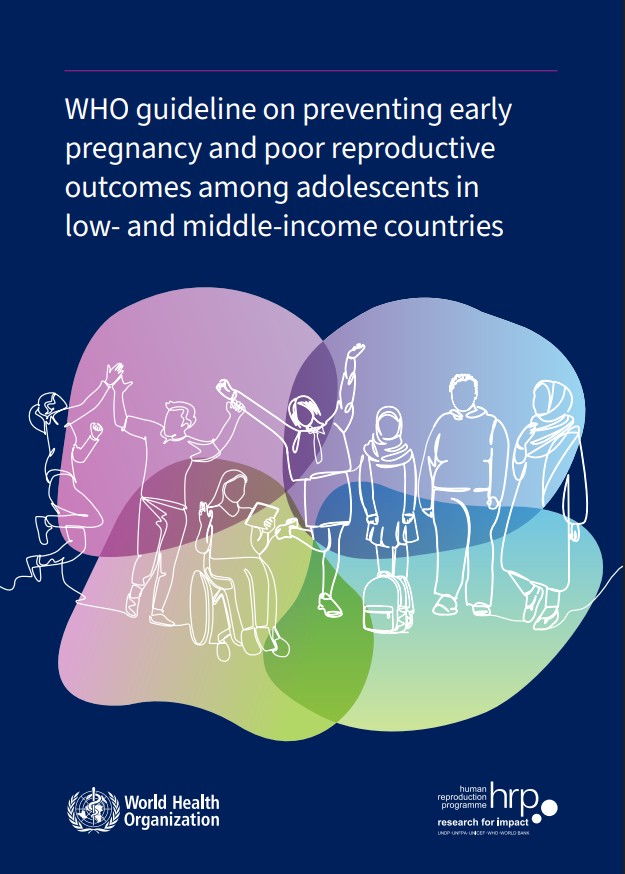
In a bid to tackle the leading cause of death globally among 15–19-year-old girls, the World Health Organization (WHO) today released a new guideline aimed at preventing adolescent pregnancy and its significant related health complications.
Among other strategies, the guideline urges rapid action to end child marriage, extend girls' schooling, and improve access to sexual and reproductive health services and information – all critical factors for reducing early pregnancies among teenagers around the world.
"Early pregnancies can have serious physical and psychological consequences for girls and young women, and often reflect fundamental inequalities that affect their ability to shape their relationships and their lives. Tackling this issue therefore means creating conditions where girls and young women can thrive – by ensuring they can stay in school, be protected from violence and coercion, access sexual and reproductive health services that uphold their rights, and have real choices about their futures."
Dr. Pascale Allotey, Director of Sexual and Reproductive Health and Research at WHO and the United Nations' Special Program in Human Reproduction (HRP).
| | |
Guttmacher Releases Most Comprehensive Evidence to Date on Global Family Planning Gaps, Investment and Economic Returns
Today the Guttmacher Institute unveiled findings from two groundbreaking research initiatives revealing the most comprehensive evidence to date of the transformative impact of family planning on women’s lives—underscoring the urgent need for sustained investment in global sexual and reproductive health. The new evidence has been released at the International Conference on Family Planning (ICFP), which kicked off today in Bogotá, Colombia.
The two complementary studies—Adding It Up and FP-Impact—demonstrate that investing in comprehensive sexual and reproductive health care delivers immediate, life-saving benefits while simultaneously functioning as economic “seed funding” that expands national workforces and generates sustained economic returns.
Key Findings
The Adding It Up report, which examines data on sexual and reproductive health services in 128 low- and middle-income countries, reveals an urgent need for action:
- 928 million women in low- and middle-income countries want to avoid pregnancy
- 214 million women are not using modern contraception; among those, 78 million women intend to use or would be open to using contraception in the future, representing the most strategic investment target
The report finds that the investment required to meet this need is significant but achievable:
- $104 billion annually to meet all sexual and reproductive health needs in low- and middle-income countries (just $15.56 per capita per year)—a $54 billion annual increase from current spending
- To close the contraceptive gap alone: $14 billion needed annually
- The return on investment is also significant: Every additional $1 spent on contraceptive services saves $2.48 care costs.
Full investment achieves a range of outcomes:
- All women receive pregnancy, STI and contraceptive care to decide whether and when to have children
- All newborns and their mothers receive essential care
- Unintended pregnancies, unsafe abortion and maternal deaths decline.
The report notes that—despite persistent unmet contraceptive need—investments in contraceptive care are declining, and without immediate resource mobilization, the funding gap will continue to widen.
| | |
New study reveals sex life impacts are major reasons for contraceptive discontinuation
A new study from the World Health Organization (WHO), the United Nations’ Special Program in Human Reproduction (HRP), and The Pleasure Project finds that approximately 1 in 20 people who discontinue contraception while still needing it – whether for pregnancy prevention or safer sex – do so because they perceive negative impacts on their sex lives.
Published today, the systematic review, titled The Sex Effect: The prevalence of sex life reasons for contraceptive discontinuation, analyzed 64 studies involving over 125 000 participants. Its findings have important implications for public health. Ensuring that people have contraceptive options that meet their needs – including their sexual well-being – improves contraceptive uptake. This in turn reduces unintended pregnancies, maternal mortality, and the spread of sexually transmitted infections.
“The ability to enjoy sex without fear of unintended pregnancy is a major reason people use contraception,” said Dr Pascale Allotey, Director of Sexual, Reproductive, Maternal, Child and Adolescent Health and Ageing at WHO and HRP. “These findings underscore the importance of considering sexual satisfaction in supporting successful contraceptive use, and highlight a clear missing link when it comes to improving sexual health and family planning programs around the world.”
| | | |
Aid cuts threaten fragile progress in ending maternal deaths, UN agencies warn
Women today are more likely than ever to survive pregnancy and childbirth according to a major new report released today, but United Nations (UN) agencies highlight the threat of major backsliding as unprecedented aid cuts take effect around the world.
Released on World Health Day, the UN report, Trends in maternal mortality, shows a 40% global decline in maternal deaths between 2000 and 2023 – largely due to improved access to essential health services. Still, the report reveals that the pace of improvement has slowed significantly since 2016, and that an estimated 260 000 women died in 2023 as a result of complications from pregnancy or childbirth – roughly equivalent to one maternal death every two minutes.
The report comes as humanitarian funding cuts are having severe impacts on essential health care in many parts of the world, forcing countries to roll back vital services for maternal, newborn and child health. These cuts have led to facility closures and loss of health workers, while also disrupting supply chains for lifesaving supplies and medicines such as treatments for haemorrhage, pre-eclampsia and malaria – all leading causes of maternal deaths.
Without urgent action, the agencies warn that pregnant women in multiple countries will face severe repercussions – particularly those in humanitarian settings where maternal deaths are already alarmingly high.
“While this report shows glimmers of hope, the data also highlights how dangerous pregnancy still is in much of the world today despite the fact that solutions exist to prevent and treat the complications that cause the vast majority of maternal deaths,” said Dr Tedros Adhanom Ghebreyesus, Director-General of the World Health Organization (WHO). “In addition to ensuring access to quality maternity care, it will be critical to strengthen the underlying health and reproductive rights of women and girls – factors that underpin their prospects of healthy outcomes during pregnancy and beyond.”
| | | |
NFPRHA and ACLU Challenge Trump Administration Over Unlawful Withholding of Title X Family Planning Program Grants
The lawsuit challenges the Department of Health and Human Services’ decision to withhold critical funding for preventive care like birth control, cancer screening, and STI screening and treatment.
WASHINGTON — The National Family Planning and Reproductive Health Association (NFPRHA), the lead national advocacy organization for the Title X family planning program, and the American Civil Liberties Union and the ACLU of the District of Columbia sued the Department of Health and Human Services (HHS) today over its unlawful withholding of $65.8 million in Title X federal family planning grants. Title X is the country’s only dedicated federally funded family planning program that provides access to effective contraceptive methods, cancer screenings, testing and treatment for STIs, and other preventive services, with priority given to patients with low incomes.
The lawsuit was filed in the U.S. District Court for the District of Columbia on behalf of the NFPRHA and its members. As a result of the Trump administration’s unlawful actions, at least seven states — California, Hawaii, Maine, Mississippi, Missouri, Montana, and Utah — have been left without any Title X-funded family planning services.
“The unprecedented action by the Trump Administration to withhold 22 federal Title X grants—25% of the Title X network—leaves approximately 842,000 people across the United States without access to Title X-funded services,” said Clare Coleman, president & CEO, National Family Planning and Reproductive Health Association (NFPRHA). “The consequences of withholding funding are devastating. The loss of Title X means hundreds of thousands of patients are at risk of losing access to critical health care, including contraception, testing and treatment for sexually transmitted infections, and cancer screenings. Affected grantees and their health centers simply do not have the resources to operate for weeks or months without Title X funding. NFPRHA is taking legal action to defend its members, the essential health care they provide access to, and the patients they serve.”
| | | |
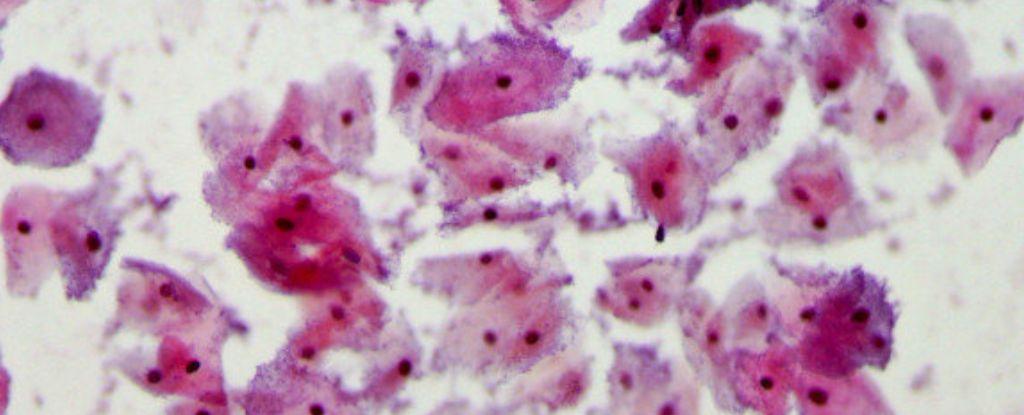
The FDA approves first U.S. at-home tool as a Pap-smear alternative
The Food and Drug administration has approved the U.S.'s first at-home alternative to the Pap smear, a procedure generations of women have dreaded and often found painful.
The new device by Teal Health will offer a "much preferred experience," the company said in its announcement, and also aims to increase screening rates by making the procedure more convenient.
Traditionally, gynecologists have inserted a cold metal speculum deep into a woman's vagina to scrape cells from the cervix.
The Teal Wand — "built with empathy," the company said — uses a swab to collect a vaginal sample. Women will then mail the sample to a lab that will screen for HPV (human papillomavirus), the virus that causes nearly all cervical cancers. A growing body of research has found HPV testing to be highly accurate.
| | |
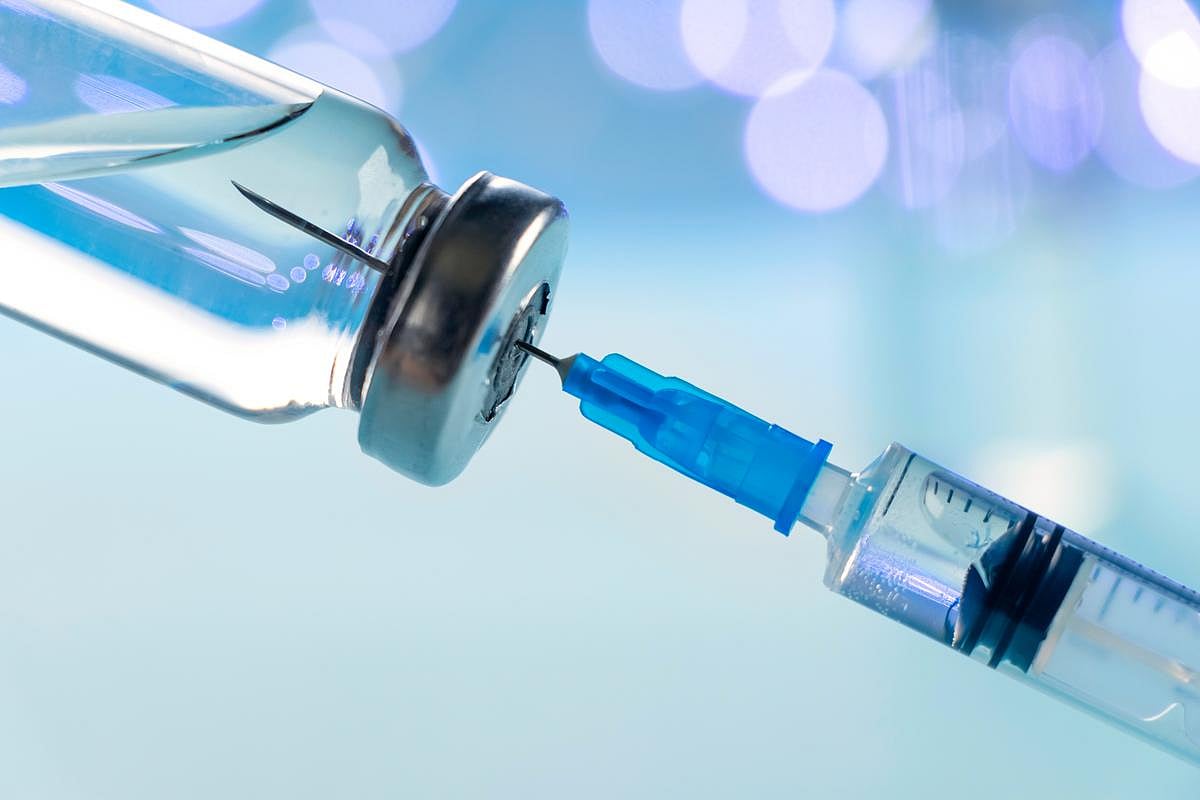
FDA approves twice-a-year injection for HIV prevention
A drug currently used to treat certain HIV infections has also, on Wednesday, received approval from the US Food and Drug Administration to be used to prevent HIV.
Gilead Sciences, maker of the drug, announced that a twice-a-year injection of lenacapavir has been approved in the United States for HIV prevention under the brand name Yeztugo. In clinical trials, the drug was found to dramatically reduce the risk of infection and provide near-total protection against HIV, significantly more than the primary options available for pre-exposure prophylaxis or PrEP.
Therapies called PrEP have been used to prevent HIV infections for years. In the United States, this may involve taking pills, such as a daily medication called Truvada, or getting shots, such as injections every two months of the medication Apretude. But a twice-yearly shot of lenacapavir has now become another option in the prevention toolbox – making it the first and only such shot for HIV prevention.
| | |
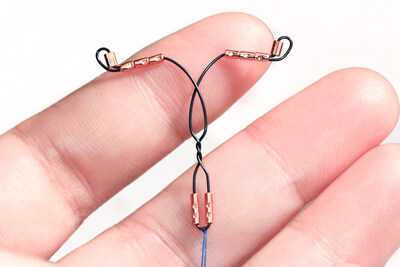
FDA Approves MIUDELLA®, the First Hormone-Free Copper Intrauterine System (IUS) in the U.S. in Over 40 Years, from Sebela Women's Health Inc.
ROSWELL, Ga., Feb. 25, 2025 /PRNewswire/ -- Sebela Women's Health Inc., a part of Sebela Pharmaceuticals, today announced that the U.S. Food and Drug Administration (FDA) granted approval of MIUDELLA® (copper intrauterine system) for the prevention of pregnancy in females of reproductive potential for up to three years. MIUDELLA is a next-generation, hormone-free, low-dose copper intrauterine device or IUD, the first to be approved by the FDA in the United States in over 40 years.
"Sebela Women's Health is thrilled to be able to bring this hormone-free IUD option for birth control to women in the United States," said Kelly Culwell, MD, Head of Research and Development, Sebela Women's Health. "Our innovative copper IUD MIUDELLA® offers effective pregnancy prevention using less than half the copper of the currently available copper-based IUD in the U.S., utilizing a small, flexible nitinol frame. We believe these and other features of MIUDELLA may help address barriers to use, while also providing women with the hormone-free option some prefer."
| |
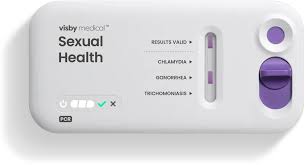
FDA approves first at-home, over-the-counter test for STIs. But there's a catch.
The U.S. Food and Drug Administration (FDA) has approved the first-ever testing kit for sexually transmitted infections that can be taken at home without a prescription. But it's not for everyone.
The FDA granted marketing authorization for the diagnostic test, the Visby Medical Women’s Sexual Health Test, to Visby Medical on Friday. The at-home kit, according to the FDA, is the first of its kind to test for chlamydia, gonorrhea and trichomoniasis, three of the most common STIs with symptoms that often go unnoticed.
The kit is intended for use in female patients with or without symptoms. It is single-use and includes a vaginal swab and a powered testing device that connects to the Visby Medical App. Results are displayed on the app about 30 minutes after testing.
| | |
Nonhormonal Birth Control for Males Found Safe, Effective in Human Trials
Scientists are closing in on the first-ever birth control pill for men.
YCT-529, the first hormone-free birth control for males, was determined safe and effective in its first human trial in 2024. Although the trial was small, with only eight male participants in each of the two cohorts, the results were promising enough to greenlight the drug for further studies in humans.
Now, YCT-529 has passed an important safety test in a second human clinical trial and could soon debut as the first nonhormonal oral birth control pill for men. The results were published on July 22 in Communications Medicine.
The trial included 16 healthy males ages 32 to 59 who had previously undergone a vasectomy, which was a precaution researchers took to avoid any permanent impacts of the drug on their fertility.
In the first clinical trial of its kind, a nonhormonal oral contraceptive that reversibly stops sperm production has just been deemed safe for human use. The nonhormonal oral contraceptive is a once-daily pill designed to block a vitamin A metabolite in the testes to restrict the production of sperm.
The trial only assessed for safety and didn’t examine the overall effectiveness of blocking sperm production, however. YourChoice Therapeutics, the manufacturer of the drug, is currently conducting more trials to determine this effect.
| | | |
New Speculum, Who’s This?
Why has one of the most widely used tools in gynecological care barely changed in two millennia? “Because it has to do with women’s health, and women’s health doesn’t get enough money or attention,” said Carrie Sopata, a gynecologist and professor at the University of Virginia. In the past, patient comfort during pelvic exams was an afterthought, if it was thought about at all. The only thing that mattered was the doctor’s ability to do the job.
But over the past decade, Sopata said, “we’ve started to think more about pain and to pay more attention to what patients tell us—and try to believe them.”
In the widespread dissatisfaction with a common device, some have seen an opening for lucrative innovation. The Yona, a prototype that hasn’t made it into production, features metal covered in silicone, which preserves a comfortable temperature and can be sterilized in an autoclave. The Lilium, developed by researchers at a Dutch university who recently concluded a crowdfunding campaign to support further testing, features three leaves that spread open like a flower when a patient deploys a tampon-like applicator. The Nella, the only one of these that is currently available for purchase, boasts a narrower duckbill and a one-handed locking mechanism for clinicians.
The creators of new-edition specula speak of their products not just as gentler alternatives but as critical tools for public health. Cervical cancer is almost entirely preventable with regular screenings every few years, but about 1 in 4 women is not up to date. Studies have shown that people who believe that Pap smears are painful are less likely to schedule regular screenings, contributing to thousands of preventable cervical cancer cases and deaths in the U.S. each year.
| | | |
Common vaginal condition is really an STD, study finds
For half of all women with bacterial vaginosis, the infection returns after completion of a week of antibiotics, the preferred medical treatment for BV, said first author Lenka Vodstrcil, a senior research fellow at the Melbourne Sexual Health Centre at Monash University in Australia.
“The bacteria that cause BV can be located in men, especially in penile skin and also in the urethra,” Vodstrcil said in a news release. “This suggests that BV is probably sexually transmitted, and that is why so many women get it back again after treatment.”
Symptoms of BV can include itching, pain while urinating, an odd odor and a thin, white vaginal discharge. For some women, however, BV is a silent predator, attacking without such telltale symptoms.
If left untreated, bacterial vaginosis can increase the risk of acquiring HIV as well as sexually transmitted infections, according to the World Health Organization. Women with BV can also develop an infection in the fallopian tubes, ovaries or uterus called pelvic inflammatory disease, the WHO states on its website.
| | | |
Some types of HPV may affect men's fertility, new study suggests
Most research about HPV’s potential impact on fertility has focused on women. But in recent years, researchers have increasingly expanded their focus to include the infection’s association with male fertility.
A new study from Argentinian researchers has found that the strains of HPV considered high risk because of their links to cancer were not only more common than low-risk strains in a small study population of men, they also appeared to pose a greater threat to sperm quality.
The study, published Friday in Frontiers in Cellular and Infection Microbiology, found that high-risk HPV appears to suppress key components of the immune system in the male genital tract. This could hamper the body’s ability to clear HPV, a process that typically takes about six months to a year after infection, while raising the risk of other infections that may also compromise male fertility.
“Individuals often have no symptoms or signs, yet still carry HPV in the male genital tract,” said the study’s senior author, Virginia Rivero, a professor of immunology at the National University of Córdoba in Argentina.
A 2020 systematic review of 50 studies found that 21% of infertile men had HPV-positive semen, compared with 8% in the general male population. Even after accounting for female infertility, men with HPV in their semen had three-fold greater odds of being infertile than those without the virus.
| | | |
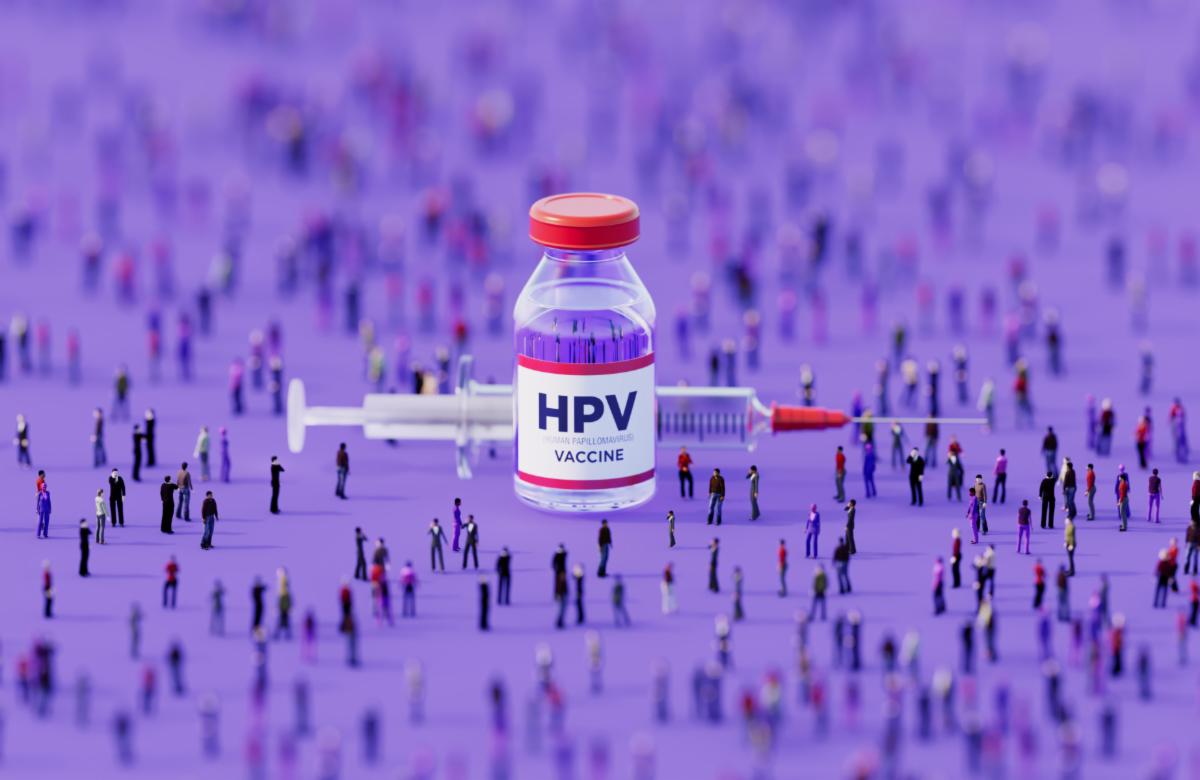
New research confirms HPV vaccination prevents cervical cancer
The findings show strong and consistent evidence that HPV vaccines are effective in preventing cervical cancer and pre-cancerous changes.
Two new Cochrane reviews show strong and consistent evidence that HPV vaccines are effective in preventing cervical cancer and pre-cancerous changes, especially when given to young people before they are exposed to the virus.
Girls vaccinated before the age of 16 were found to be 80% less likely to develop cervical cancer. The reviews also confirm that HPV vaccines are only likely to cause minor, transient side effects such as a sore arm. The reviews were supported by the National Institute for Health and Care Research (NIHR).
Human papillomavirus (HPV) is a family of common viruses, including the viruses that cause skin warts. Whilst many types of HPV are harmless, other ‘high-risk’ types can cause cancers of the cervix, anus, penis, vulva, vagina, and throat, and others cause anogenital warts. Cervical cancer is the fourth most common cancer in women worldwide and causes more than 300,000 deaths each year, mostly in low- and middle-income countries. The new reviews confirm that vaccination against HPV can prevent most of these cancers from developing.
| | | |
Did Awk Enter the Chat?
Picture this. You’re with your boo. You want to talk about something real. It gets weird. Cue the internal screams of “Awkward!” Learn how to navigate nerve-wracking chats with confidence—whether it’s spilling your feelings, diving into sexual desires, defining your relationship, setting boundaries, or talking about safer sex. Because when you own the awk, you can get closer, get on the same page, and build trust!
This multimedia campaign created by the National Coalition For Sexual Health helps young adults build their confidence and skills to have open, honest conversations with partners about sexual health and relationship topics!
| |
Please consider supporting reproductive and sexual health care in Wyoming!
You can donate directly to us—100% of your contribution goes toward supporting health care access in our state.
| | | |
This newsletter was developed (in part) with federal funds from the Office of Population Affairs. For more information on the rules and regulations that apply to our programs, please visit
https://opa.hhs.gov/grant-programs/title-x-service-grants
This project is supported by the Office of Population Affairs (OPA) and the Office of the Assistant Secretary of Health (OASH) of the U.X. Department of Health and Human Services (HHS) as part of a financial assistance award 1 FPHPA 006541-0-00 totaling $978,380 with 100 percent funded by OPA/OASH/HHS. The contents are those of the author and do not necessarily represent the official views of, nor an endorsement, by OPA/OASH/HHS or the U.X. Government.
| |
WYOMING HEALTH COUNCIL
111 S. Durbin, Suite 200
Casper, WY 82601
Call Us: (307) 439-2033
| | | | | |