January 2019
Declutter for Good Health
Studies show a link between clutter and stress. The good news is that both can be reduced.
The Negative Impact of Clutter
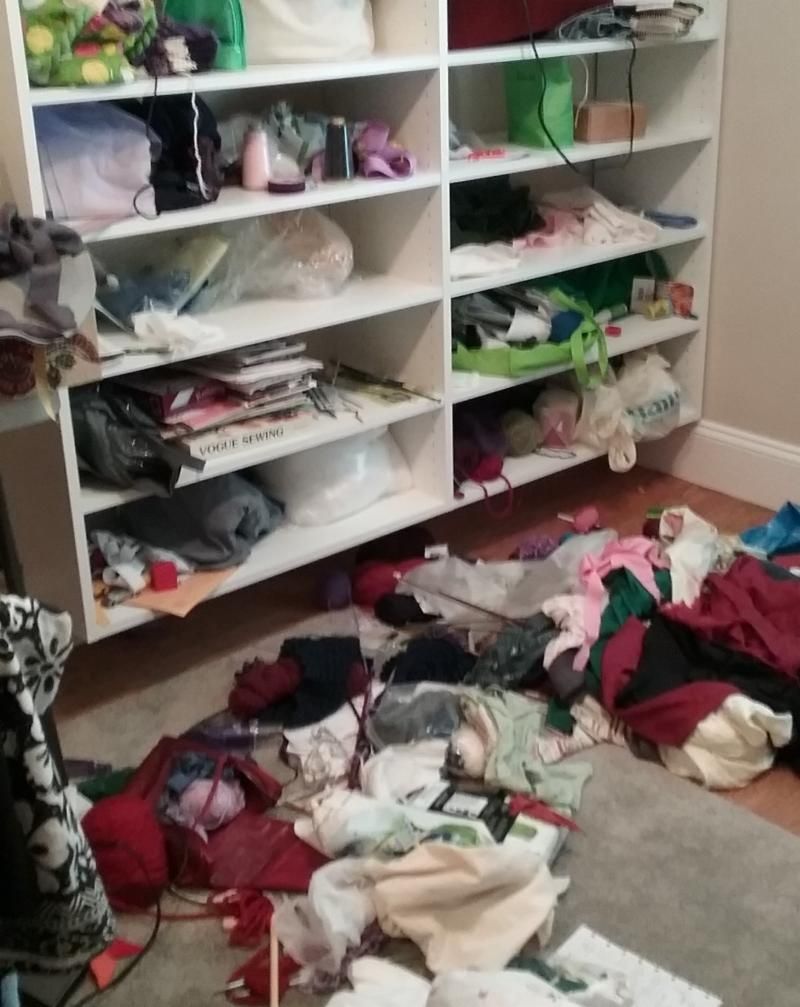
More and more research is being conducted to study the causes of clutter and its tie to our emotional state of being. The results are not encouraging. In each study, adults are questioned about how much clutter they live with and how it affects their daily lives. Significantly, women are impacted more than men with higher cortisol levels (the stress hormone) as a direct result of their relationship with clutter.

Clutter comes in many forms and is caused by a host of life's scenarios. It impacts us in ways we might not associate with it. Our energy levels are drained, bills are not paid on time, we're late for appoinments. in one form or an other, the culprit is often clutter.

With the popularity of books, TV shows and online challenges to declutter and get organized, a bright light secretly shines on our own cluttered piece of the world. It's no wonder it makes us feel bad and raises our stress levels.

The good news is that clutter can be conquered.
Reduce Clutter, Reduce Stress
You've most likely read in a number of previous newsletters that havaing a plan is a key element to getting organized. It bears repeating. Once you make the commitment, you don't want anything to derail you, and your plan is your roadmap for getting it done. Having a plan starts things off on the right foot and eliminates the stress of not knowing what to do or where to begin.

Know your goal and be specific. Have a vision for how you want to live in the selected space and how the space should work for you. Writing it down helps you be intentional about creating that desired space and keeping the committment you made. Tell friends and family about your project. You may find an accountability buddy among the group and some hands-on help, too.

Set a realistic timeline to achieve your goal. The key word here is realistic. Think about how much time you can dedicate to the project and at what intervals. Will your plan include a few hours each weekend until your goal date? Or will you proceed weekend warrior style? Take the time to plan according to what you believe you can reasonably handle as stress can build quickly on unrealistic expectations.

Get supplies ready so you're not interrupted by wasting time looking for them once the project gets underway. Use post-it notes to label categories of belongings. Have bags and boxes available for all those donations, and of course trash bags, for, well, trash. Get the 'to go' items out the door quickly.

An important step of any ORGANiZiNG plan is of course, maintenance. The last thing you want to do is slip back into old habits and have to start from scratch. Part of your plan should include time on a regular basis to keep your system hummng along. Once you've gained control and reduced stress due to disorganization, you'll never want to go back.

Remember, everyday ORGANiZiNG is always here to help.

Happy ORGANiZiNG!

Nancy Patsios
everyday ORGANiZiNG
everyday ORGANiZiNG | 978-494-2311 | nancy@everydayorganizing.net | www.everydayorganizing.net