|
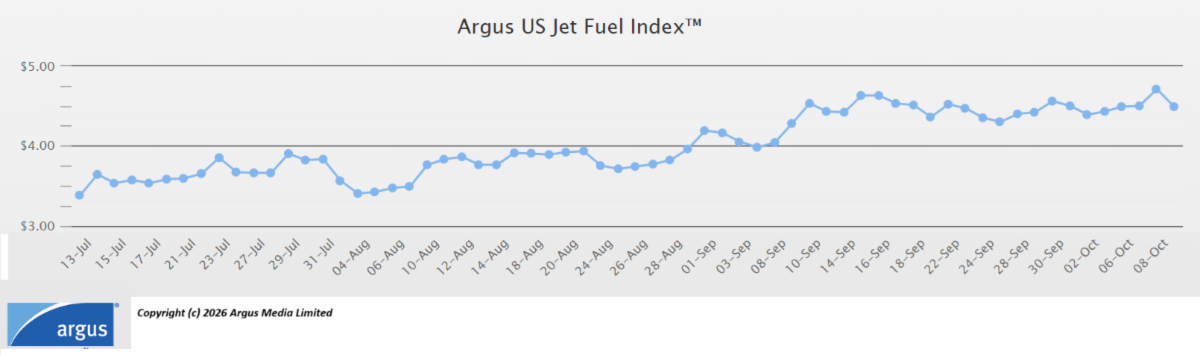
This is just three months. If we go back to the first of the year, the jump is almost 100%.
Anybody not just back from an extended vacation on Mars might just want to give some thought to how airline finance and marketing departments have been scrambling to re-strategize and replan.
Plus, remember that the airline business does not "bounce back" from major market blows. They restructure to accommodate, and many of those changes are usually not temporary. Like, the catharsis of 9/11 engendered changes that shifted the industry. The covid crisis also changed the structure of the air transportation system.
This fuel mess is doing the same.
Now, at risk of incentivizing the occupants in the analyst world to look beyond surface numbers, the point is that this fuel spike has completely shifted a lot of airline operational metrics.
They portend major changes in how network carriers will be re-thinking the future.
Discovery: Many Consumers Will Cough Up More To Take A Trip. Over the past ten months, one of the core findings inside airlines is that the market can absorb higher fares, without a lot of consumer push-back. Another is that premium-products are popular. So, this means that yields can be kept higher, even if fuel prices crater.
Higher fares ultimately will define the scope of the demographics of air travel. Plus, this underscores that "demand" is more and more a function of the capacity airlines decide to offer to maximize financial returns.
Ding-Dong - The ULCC Witch Is Dead. Next, major carriers no longer have the specter of ULCCs out there, ready to steal passengers. Spirit is gone. Frontier is on a quest to find places to fly 230-seat A321s, and Allegiant/Sun Country is focused mostly on the core leisure impulse sector. Breeze is tightly focused on developing its own traffic, and Avelo is apparently looking at metro-peripheral markets.
The Traditional Cost/Return Metrics Are Demolished. Now the other side. The point is that when fuel jumps up for an extended period, the entire range of prior cost equations at airlines change. The economics of their fleet types change.
Plus, the propensity of consumers to absorb higher fares is not system-universal. Some stratas of consumers in some market flows will simply reduce taking flying trips. That means the revenue contribution of each market is getting analyzed, along with the optimal fleet mix needed at each airline. Revisions coming.
Guaranteed, and make book on it: fleets and route systems are fixin' to change.
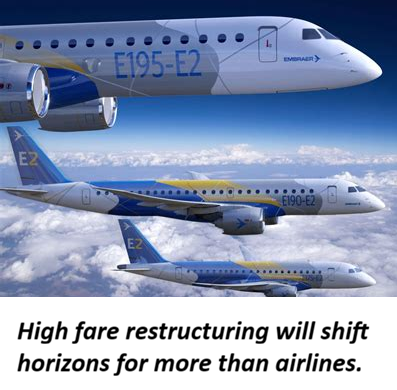
Shifting - And Reducing (?) - 76-Seat Lift? Fuel has gone up well over 90% in just ten months. This means the market contributions of various fleet types have changed. In particular, what 50-seaters major carriers are still leasing in from mis-named "regional airlines" probably are getting some real scrutiny.
Then we have the huge major airline fleets of mostly leased-in 76-seat E175s. Contrary to lore, these are not small market airliners, but are instead used also to adjust capacity where needed. The reality is that these are in fleets in large part because they can accommodate pilot union scope clauses, and not because they were necessarily the optimal unit capacity.
The fuel issue - not to mention some future labor groups heading past Section 6 openers - means there will be quiet scrutiny on the financial performance of these fleets. Point: there may be majors putting lease-cost pressure on the operators and leasing companies, formerly known as regional airlines. Or, fewer will be needed.
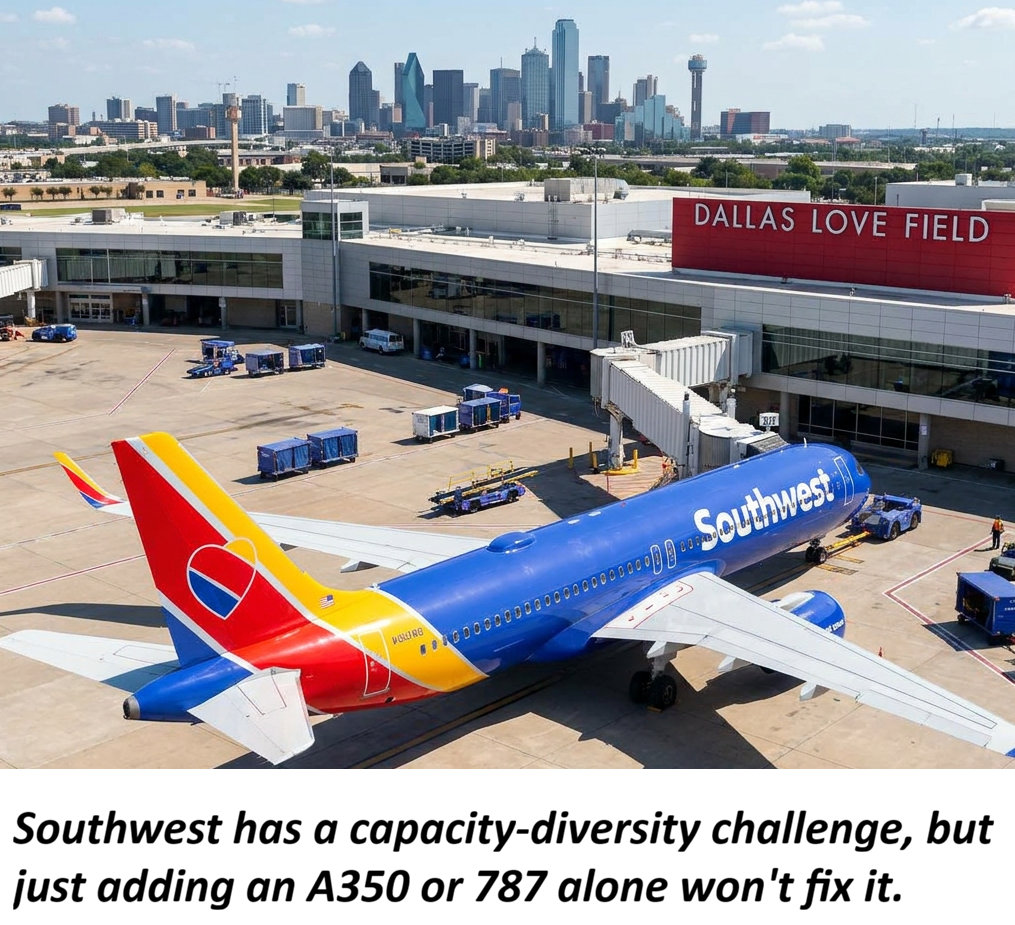
The Glow Is Off Super Long-Haul Nonstops? The fewer needed review is going to be fleet-wide. How about the economics of ultra long haul flying. Hurling an A350 nonstop between the US and, say, Hong Kong or Ho Chi Min City or Singapore may not pencil out as well as before, what with the cost to schlep the tons of $4.50 fuel necessary to make the route.
More To Come. More Under The Surface. American and United will be reporting 2Q earnings shortly. It's likely that once again there will be the boilerplate comments about it just being all about fuel prices.
True, but the near-term and mid-term changes in airline strategies are the aspects that will be missed entirely. The effects will be seen is several areas that will affect USA consumers. Fleet changes. Schedule changes. Capacity changes.
Something that our colleagues in the thin air of Wall Street are missing.
Until well after it becomes obvious.
_____________
_____________
|