Home of civic leaders Wellington and Wilma Webb among proposed landmarks | | The Landmark Preservation Commission and City Council will review several designation applications this spring. | |
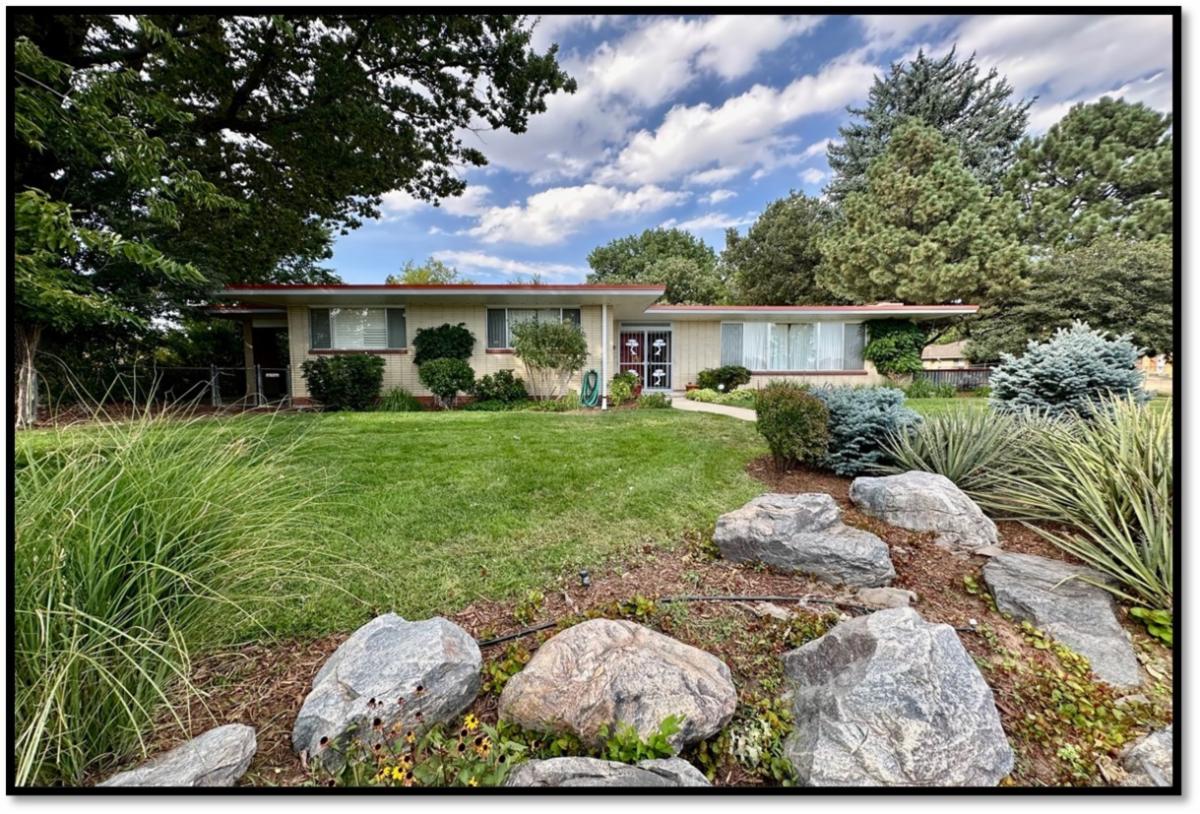
The Harris-Cousins House at 3535 E. 26th Ave. Pwy. is significant for two prominent Black families in Denver – Nora and Frank Harris, and Dorothy and Charles R. Cousins. Frank Harris was Denver’s first recognized Black landscape architect and Nora Harris, a claims department manager at the American Woodmen Association, served on the board of directors of the Denver NAACP chapter. Charles R. Cousins was an entrepreneur and real estate developer within Denver’s Black community. Dorothy Cousins was his partner in those endeavors and according to their daughter Renee, “much of the success he attained in business would not have been possible without Dorothy’s conscientious assistance.” The Harris-Cousins House application was reviewed by the Landmark Preservation Commission (LPC) on April 21 and will have a public hearing at City Council on June 1.
| |
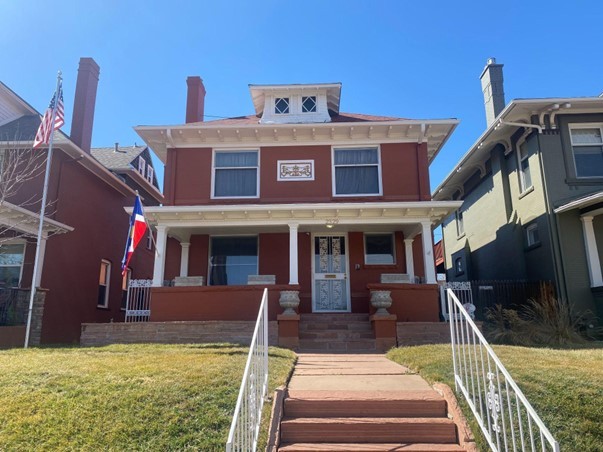
The Webb House at 2329 N. Gaylord St. is also significant for its association with two influential civic leaders and their lasting impact on Denver’s political, cultural, and community life. From this home, Mayor Wellington E. Webb, Denver’s first Black mayor, helped shape a more inclusive and nationally recognized city through his leadership and public service. The Honorable Wilma J. Webb is a trailblazing state legislator and longtime advocate for education, civil rights, and historic recognition—including the establishment of Dr. Martin Luther King Jr. Day in Colorado. The residence reflects the Webbs’ shared legacy of public leadership, community engagement, and transformative contributions to Denver’s history. The designation application will be reviewed by the LPC on May 5 followed by a public hearing at City Council on June 22.
| |
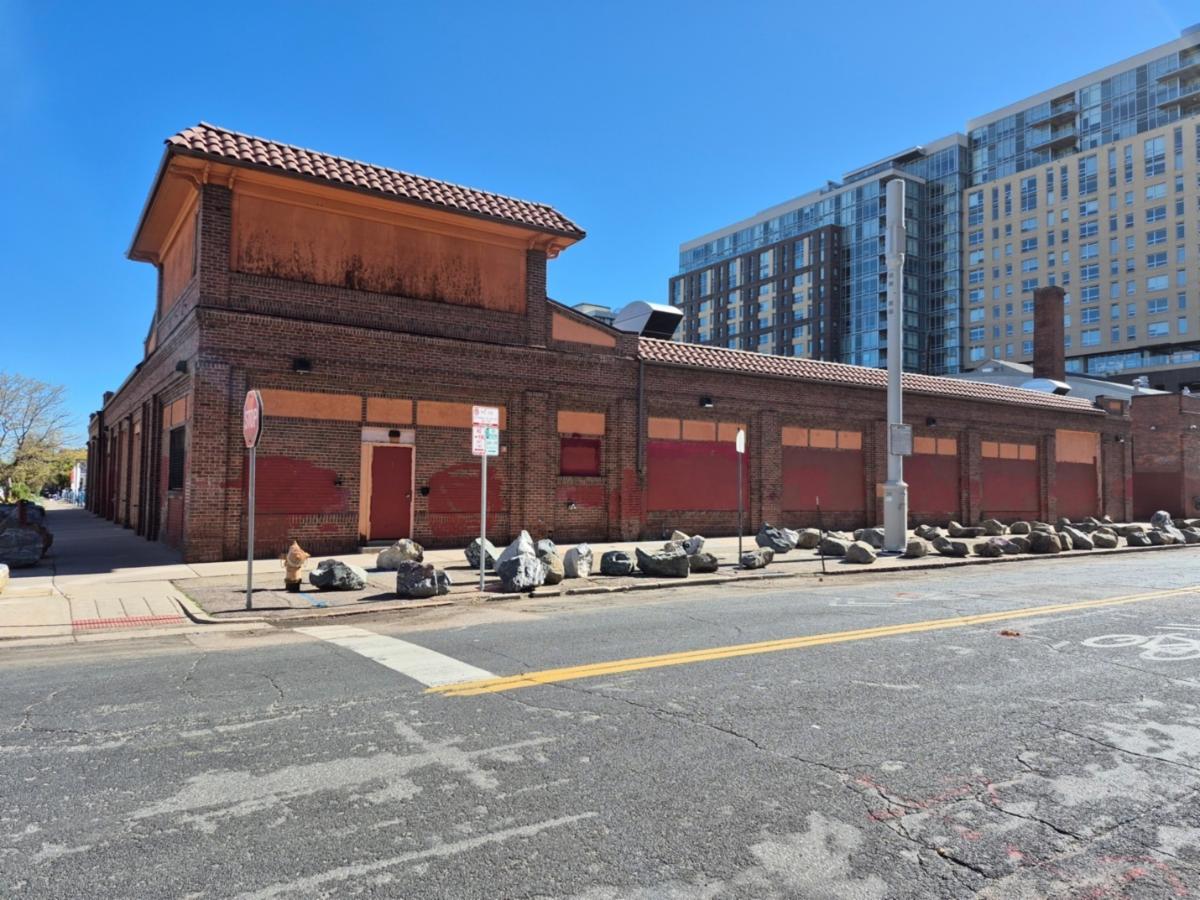
The designation application for the Federal Garage Buildings at 2106 California St. and 2101 Welton St. will go to LPC on May 19, followed by a public hearing at City Council on June 22. The Federal Garage Buildings are significant for their role in public transportation in Colorado as the country shifted from reliance on rail transportation to road vehicles as means of transport. In the 1920s, as ridership declined, local railroads developed bus companies to provide service between Denver and Pueblo. The garages at 2106 California St. and 2101 Welton St. provided buses with a home base and maintenance location. Additionally, as two of the few remaining industrial buildings in the area, the buildings also illustrate the changes to the neighborhood over time.
| | Historic properties create pathways to affordable housing | | |
The creation and maintenance of affordable housing is critical for Denver’s future. Historic properties that need a new purpose are often well adapted to reuse as affordable housing. In addition, several of Denver’s historic districts contain large vacant lots, which are prime candidates for ground-up affordable housing projects. Here are a few examples of affordable housing projects in our historic districts and individual landmark sites.
One of these project is Pancratia Hall, a former dormitory on the former Loretto Heights campus, opened in 2022 following a rehabilitation by Proximity Green and Hartman Ely Investments. The developers used affordable housing tax credits and historic preservation tax credits to create 74 income-restricted apartments. Pancratia Hall is an individual Denver landmark.
Archway Communities completed the rehabilitation of four historic dormitories on the Mosaic Campus (formerly the Johnson and Wales University campus) in 2024 to create 154 income-restricted apartments. Archway also utilized historic preservation tax credits for these properties.
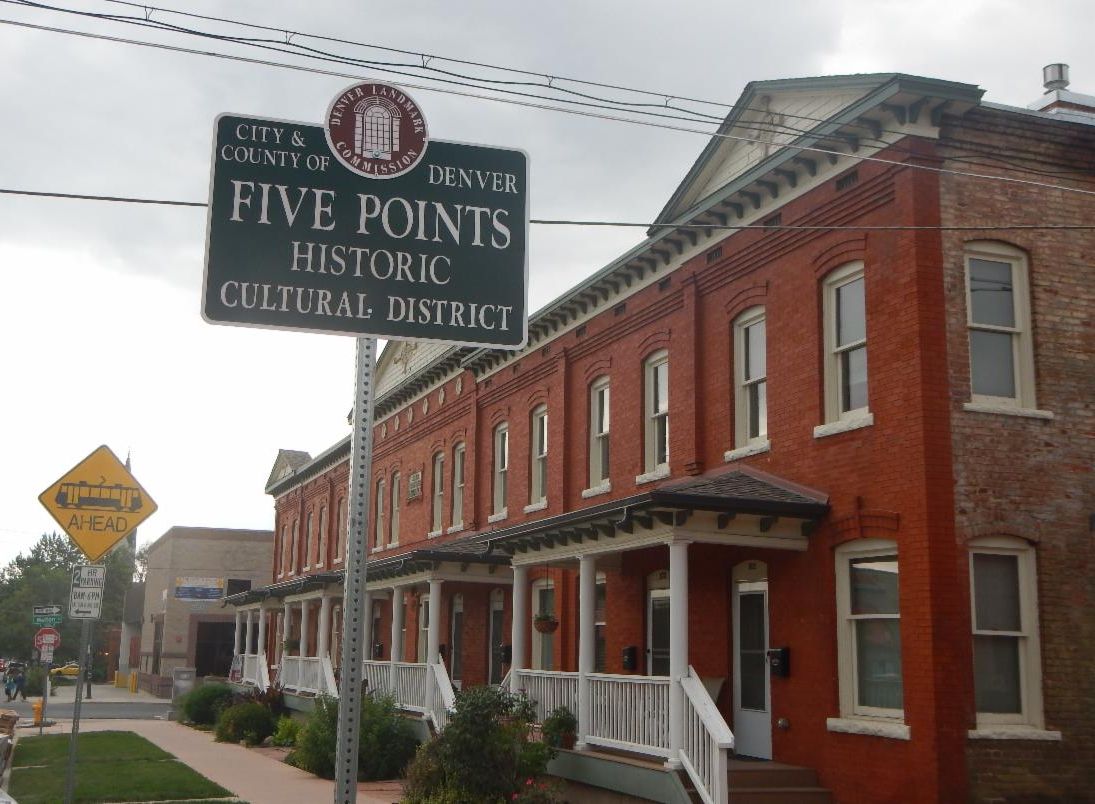
The Hattie McDaniel apartment building at the corner of 29 and Welton St. will create 62 units of income-restricted housing when it opens this month. The project is within the Five Points Historic Cultural District and is subject to design review by the Landmark Preservation Commission.
The individually landmarked Cuthbert/Dines Mansion at 1350 N. Logan St. has been converted into the People’s Mansion, a cooperative house with 19 income-restricted bedrooms. Better Housing Colorado (BHC) converted the former private residence and butler school, constructed in 1901, into a rental cooperative.
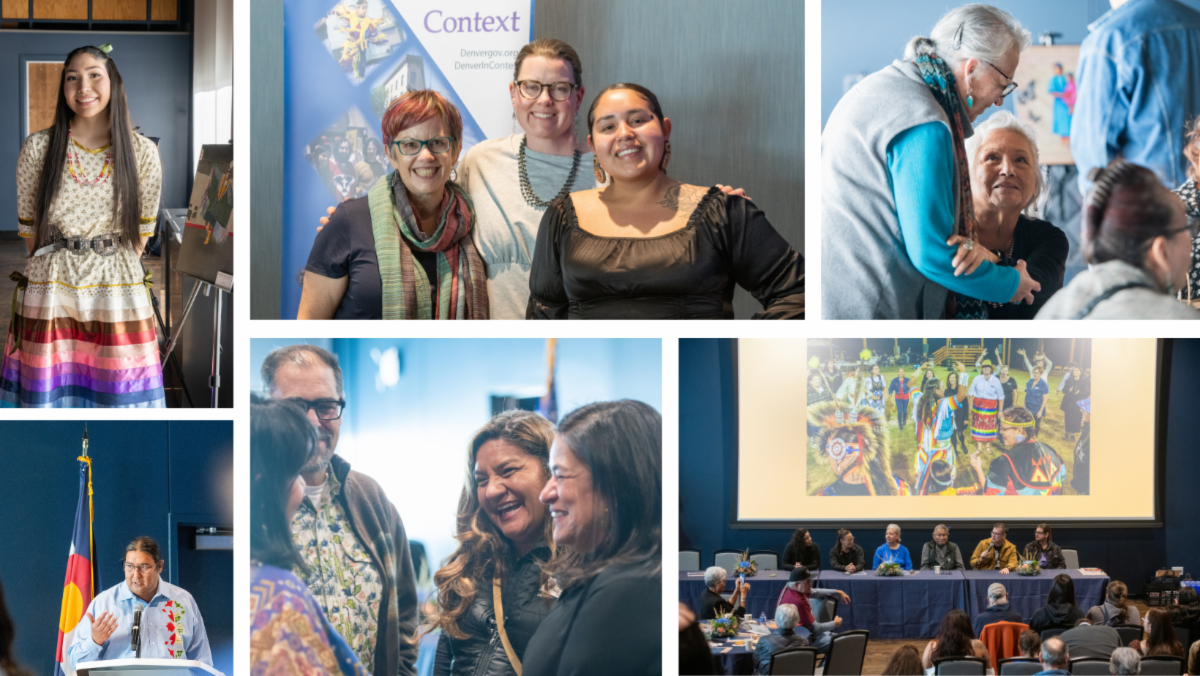
| | "We Are the Land" celebration recap | | On February 7, Denver Landmark Preservation and the American Indian community celebrated the release of We Are the Land, an oral history project and short documentary film. We Are the Land is a culmination of more than three years of work to preserve and celebrate the history and culture of Denver’s current American Indian population, who have come to Denver from Tribes across the country, as well as Tribal Nations with cultural and historic ties to the land that is now Denver. | |
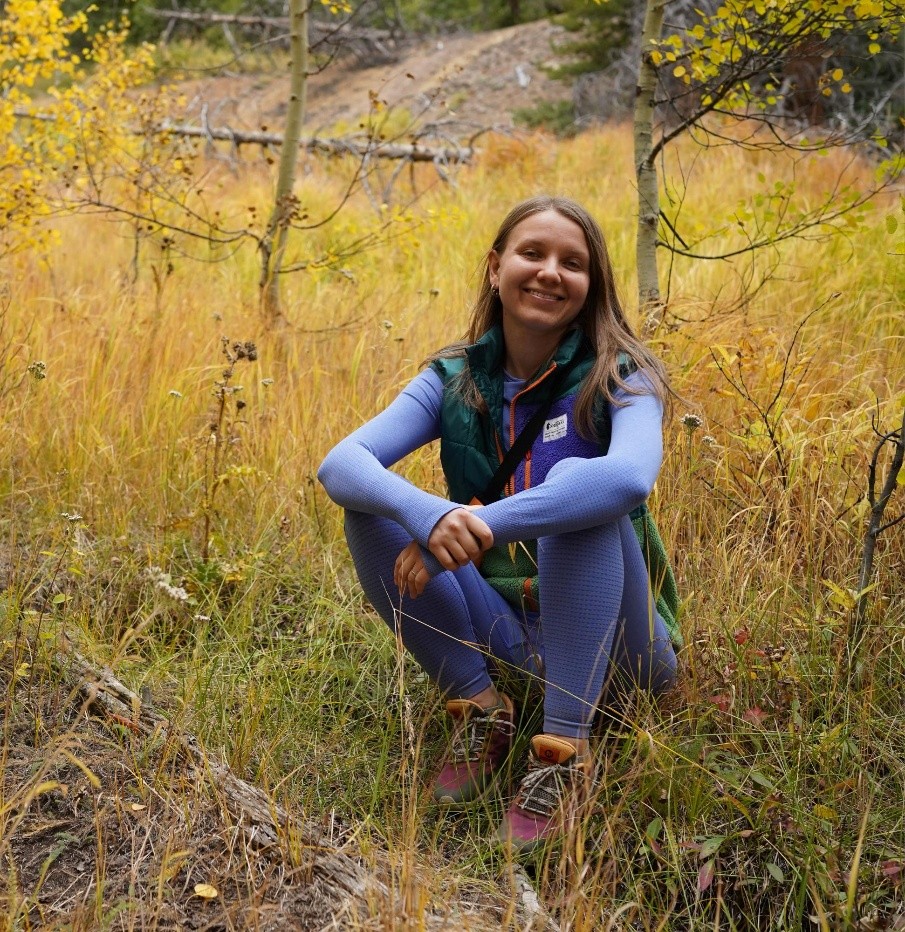
Welcome our new staff member, Olga!
We are thrilled to welcome our new Staff Planner, Olga Blyednova, to the Landmark team! Originally from Ukraine, Olga earned a dual MBA in Tourism and Cultural Heritage Management from Lyon University in France. Following graduate school, she gained hands-on understanding of what it takes to preserve historic places through internships at 17th and 19th century chateaux in Normandy. Olga later moved to New York City and then to Denver, where she worked for three years in residential remodeling, managing permits, architectural drawings, and project financials before starting with the Landmark Preservation team in February. She is a linguaphile; she fluently speaks English, Ukrainian, French, and German, and is currently learning Spanish and Korean.
| | | |
|
May is National Historic Preservation Month
Every May, we celebrate all things historic preservation. Started by the National Trust for Historic Preservation as Preservation Week in 1973 and expanded to a full month in 2005, Preservation Month is a time for preservation organizations to celebrate historic places, heritage tourism, and the economic benefits of historic preservation.
| | |
Did you know Denver Landmark Preservation was established by City Council nearly 60 years ago in 1967? While the program came after Charleson, South Carolina, which adopted the nation’s first preservation ordinance in 1933, Denver was still ahead of the curve! Our preservation ordinance was established only two years behind New York City’s, and before the ordinances for Washington, D.C., Chicago, Seattle, and Boston.
| | Landmark Preservation Commission News | | |
Landmark Preservation Commission Design Review Rules and Regulations Update
Landmark Preservation staff is updating the design review rules and regulations for the Landmark Preservation Commission (LPC) to ensure compliance with the city’s fast-track affordable housing review process associated with State Proposition 123. Staff shared the proposed update with the LPC on Tuesday, April 21 and a LPC public hearing for the rules and regulation adoption will take place on Tuesday, May 19. To comment on the proposed rules and regulations, you may email landmark@denvergov.org prior to noon on May 18.
| | About Landmark Preservation | | |
Landmark preservation is an important function of Denver Community Planning and Development. Denver City Council enacted the Denver Landmark Ordinance in 1967 to foster the protection, enhancement, perpetuation and use of structures and districts of historical, architectural, geographic and/or cultural significance.
Staff in our Landmark Preservation office and two landmark commissions carry out that mission through design review, historic surveys and landmark designations. Staff also assists owners of historic properties by providing guidance and resources for preserving, maintaining and rehabilitating historic buildings and properties.
Learn more about Denver's preservation efforts at denvergov.org/landmark.
| | Denver’s Department of Community Planning and Development (CPD) complies with applicable federal civil rights laws and does not discriminate on the basis of race, color, national origin, age, disability, or gender to include language. It is your right to request oral or written language assistance services in your primary language, sign language interpretation, real-time captioning via CART, or disability-related accommodations, if needed. Please fill out our language services request form, and these services will be provided free of charge. If you have any questions, contact CPD’s Operations Team at cpdoperations@denvergov.org. |
| | | |