View as Webpage

Substance Use Insights

The quarterly Department of Health newsletter focusing on Substance Use Prevention, Treatment, and Recovery

Summer 2026 Edition

Prevention Works. Treatment is Effective. People Recover.

Prevention

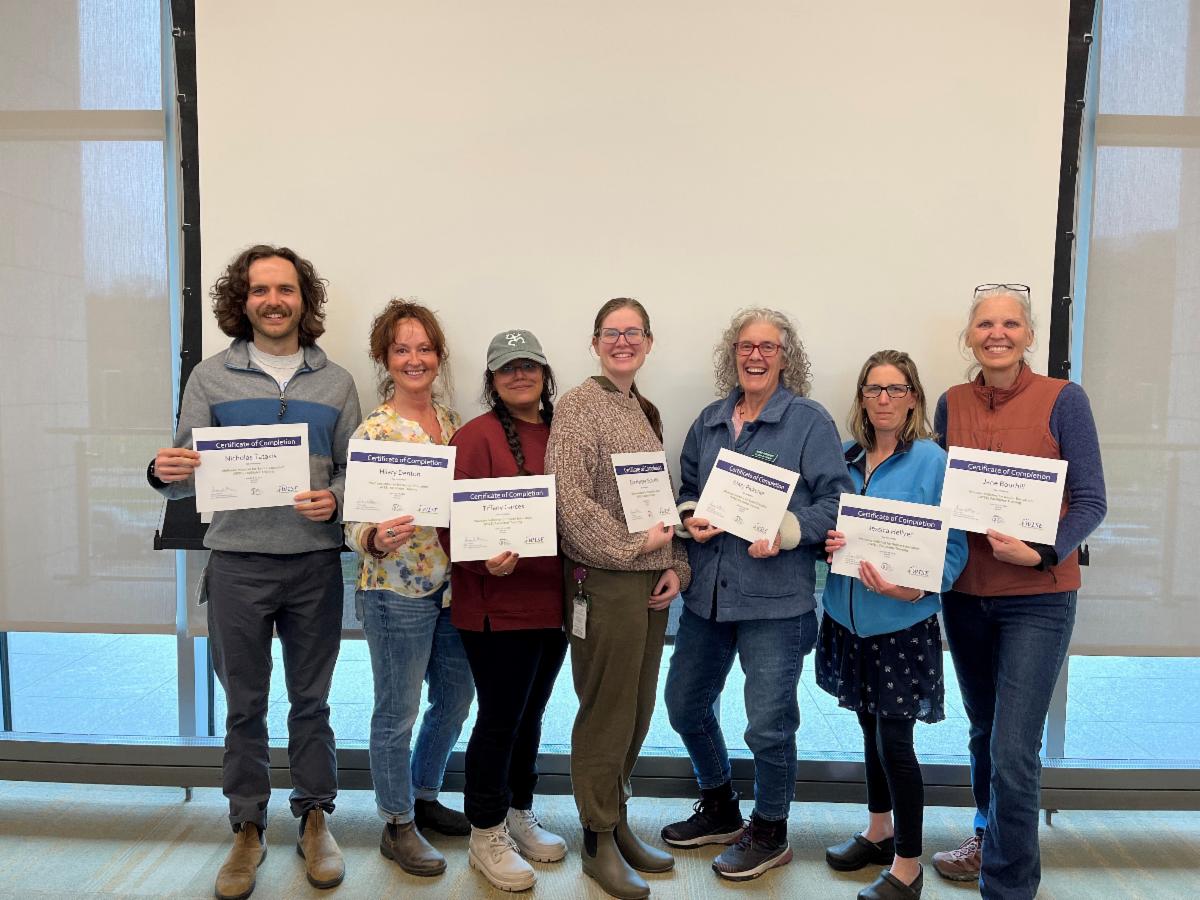
Prevention Consultants representing communities throughout Vermont attended the initial training


Celebrating Healthy Aging: New Wellness Program for Older Vermonters


Aging well is about more than just physical health; it's about community, connection, and making informed decisions. That’s why the Vermont Department of Health is excited to bring the nationally recognized Wellness Initiative for Senior Education (WISE) program to our state.

WISE is an interactive, six-session curriculum focused on wellness and prevention specifically designed for older adults. The program empowers participants to celebrate healthy aging, make positive lifestyle choices, and avoid substance misuse.


To prepare for the program's rollout, the Division of Substance Use Programs recently hosted an initial two-day training for 27 new local facilitators.


What’s Next: these community leaders are now equipped to lead WISE sessions. Community trainings will begin taking place throughout Vermont beginning later this summer!

Communications

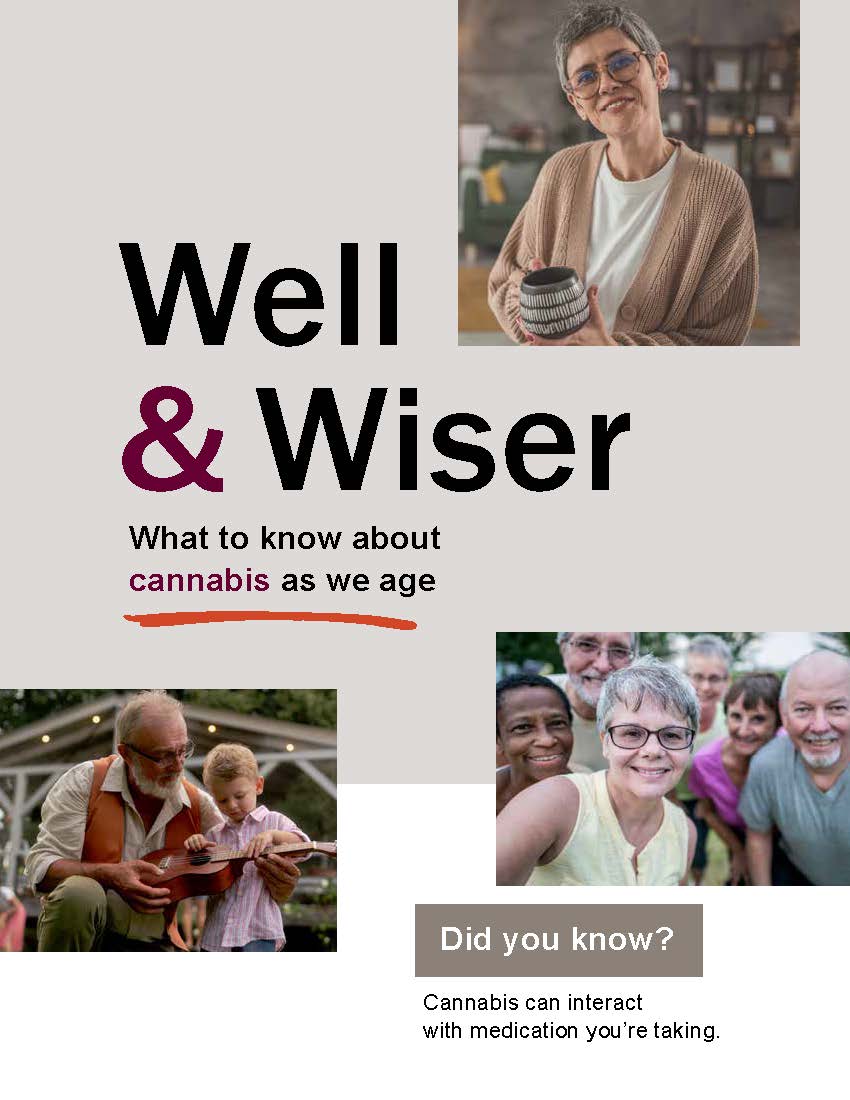
well and wiser cannabis cover

Navigating Substance Use as We Age: New Resources Available for older Vermonters


As we get older, our bodies change how they process different substances, making it especially important to stay informed about potential health impacts. To support older Vermonters, their families, and caregivers, the Department of Health has released new ‘Well & Wiser’ educational materials on aging and substance use.


Our newly revamped webpage provides comprehensive guidance, and we’ve launched a series of four brand-new brochures tailored to how aging affects the use of:

Get Your Free Copies: All Vermonters and Vermont-based organizations can order printed copies of these brochures for free through the Vermont Alcohol and Drug Information Clearinghouse (VADIC).


You can also explore our newly updated webpage to download digital versions and learn more about substance use and healthy aging.

Data

Substance use data and reports released this quarter


Find data briefs, reports, assessments, survey results and other publications on alcohol, opioids, cannabis and overall substance use in Vermont as well as analyses that inform Health Department efforts on addressing substance use.


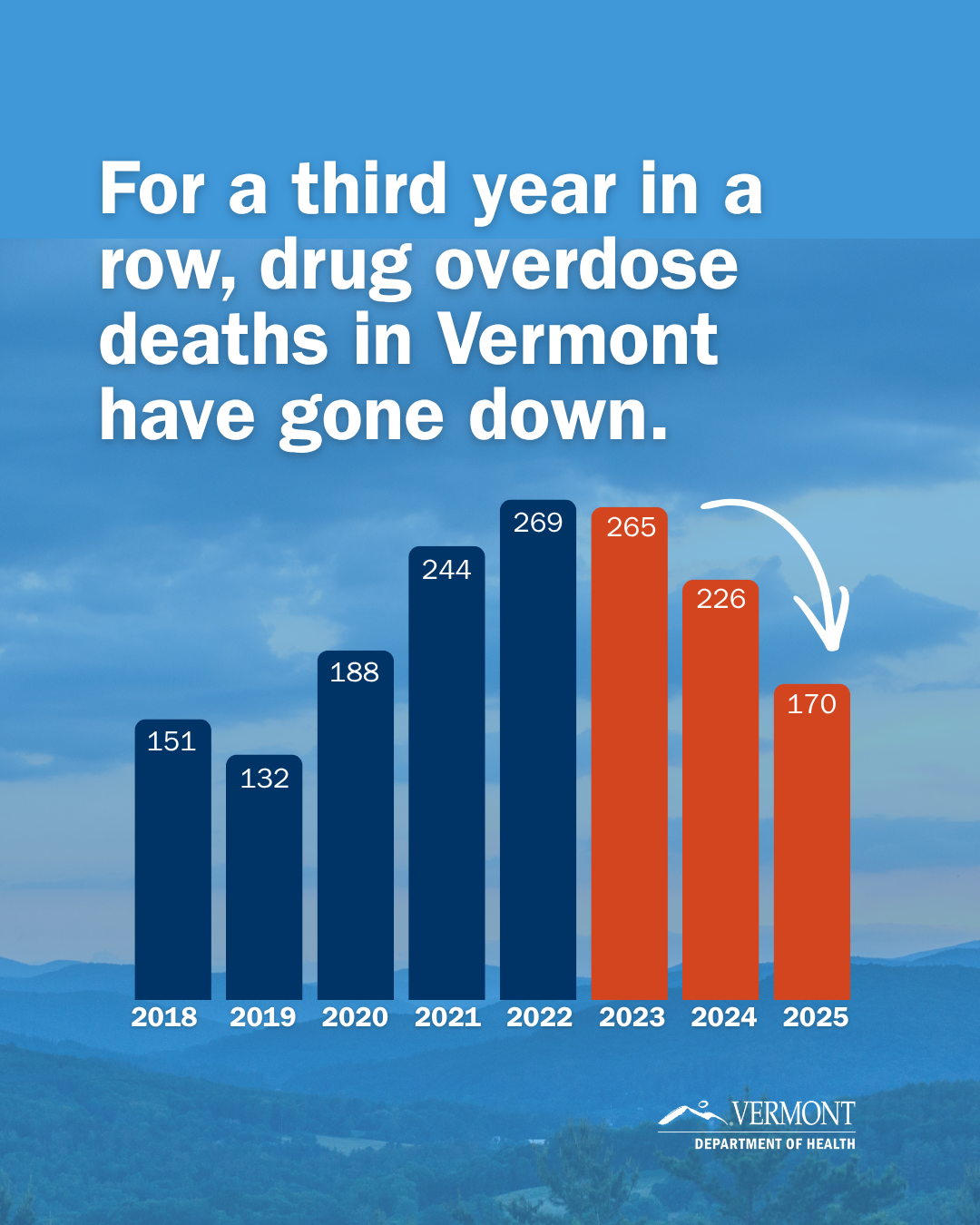
New 2025 Fatal Overdose Report Shows Encouraging Declines, New Insights


The Vermont 2025 Fatal Overdose Report is now available. For the first time, this comprehensive report expands its focus to include all drug overdose deaths rather than tracking opioid-related fatalities alone.


While we continue to lose far too many community members to fatal overdoses, the latest data highlights significant, hard-earned progress across the state:


  • Overall Decreases: Vermont saw a 25% decrease in drug overdose deaths between 2024 and 2025, marking a 37% decline since our peak in 2022.
  • Xylazine Drop: Fatalities involving xylazine decreased by 67%.
  • Shifting Mix: The data shows a decrease in deaths involving a combination of both opioids and stimulants, though deaths involving an opioid alone or a stimulant alone have seen an increase.


Despite these positive trends, the drug supply remains unpredictable. The health department is closely monitoring emerging substances of concern, such as medetomidine, which Vermont began testing for in the fall of 2025.


Explore the Data: You can view real-time monthly updates on the Vermont Overdose Dashboard.

Harm Reduction

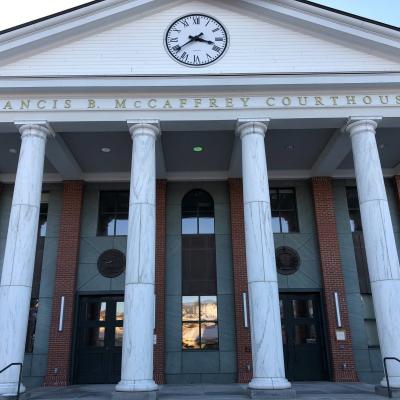
Expanding Care: Vermont Accountability Court Pilots Show Early Success


The Vermont Accountability Court utilizes a court-connected, interdisciplinary approach to support individuals whose substance use disorders, mental health conditions, and housing instability contribute to repeated justice-system involvement.


The program focuses on improving connections to community-based care and stabilization to reduce cycling between emergency departments, homelessness, crisis services, and repeated court involvement. By consolidating multiple, low-level charges into a single process, the program ensures a dedicated team addresses a participant's underlying clinical needs while significantly reducing strain on the broader criminal justice system.  


Currently operational in Chittenden and Rutland counties, the pilot program is tracking meaningful client outcomes and key successes, including:


  • Increased Treatment Retention: Longer stays in residential substance use disorder (SUD) treatment and improved connections to residential mental health programs.
  • Housing Stabilization: Higher rates of placement in supportive housing environments.
  • Comprehensive Care Coordination: Implementing a holistic approach that pairs clinical services with essential stabilization supports like transportation, phone access, and benefits navigation.


"It is an amazing opportunity to get our most vulnerable people the help they need," says Mary Pickener, a Substance Use Prevention Consultant who was instrumental in the initial court's staffing. "Being able to follow them for months after the case closes helps to stabilize their livessometimes for the first time in their lives."


What’s Next: the initiative is preparing to expand its footprint to support more individuals statewide, with a new pilot scheduled to launch in Windham County in July 2026

Recovery

updated from kelly

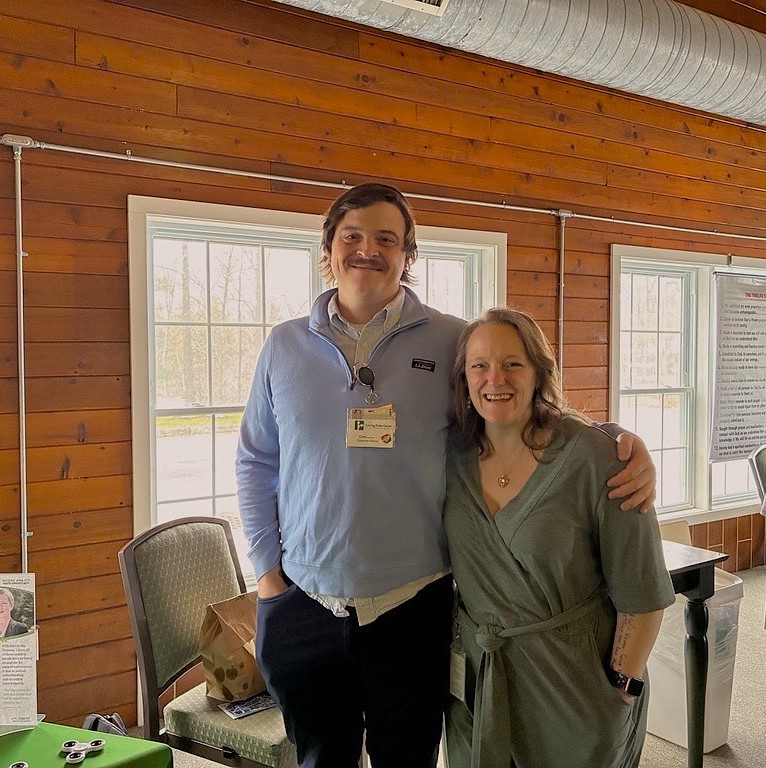
Turning Point Executive Director Cam Lauf with Dept. of Health Program Manager Kelly Morrill at the launch celebration

New Essex Satellite Site Expands Access to Recovery Support


To ensure vital resources are accessible outside of downtown Burlington, the Turning Point Center of Chittenden County launched a new satellite location in Essex on April 20th. Co-located with Champlain Housing Trust’s Susan’s Place, this welcoming space is open to anyone in the community seeking recovery support, connection, or resource navigation.


The site operates every Monday and features tailored programming throughout the day:


  • Mornings (Community Services): Connect directly with essential local partners, including STEPS to End Domestic Violence, HOPE Works, HireAbility, and the Vermont Foundation of Recovery.
  • Afternoons (Peer Support): Attend recovery groups and access one-on-one peer support services led by Turning Point Center staff.


By bringing these services directly into Essex, this neighborhood hub helps individuals overcome transportation barriers and find the localized care they need.

Recovery Service Certifications: progress update (and why it matters)


As of June 1, the Vermont Department of Health has officially certified 11 out of 12 certification site visits for Recovery Service Organizations, with the final certification process underway!


Why the push for certification?

  • Statewide alignment around a set of Substance Use Disorder Recovery Standards. The Recovery Centers helped review these standards to shape how recovery services are delivered.
  • Offers greater accountability and allows recovery service users to move between centers and experience consistency.
  • Sets the groundwork for centers to be able to bill recovery coaching services to Medicaid starting July 1, 2027

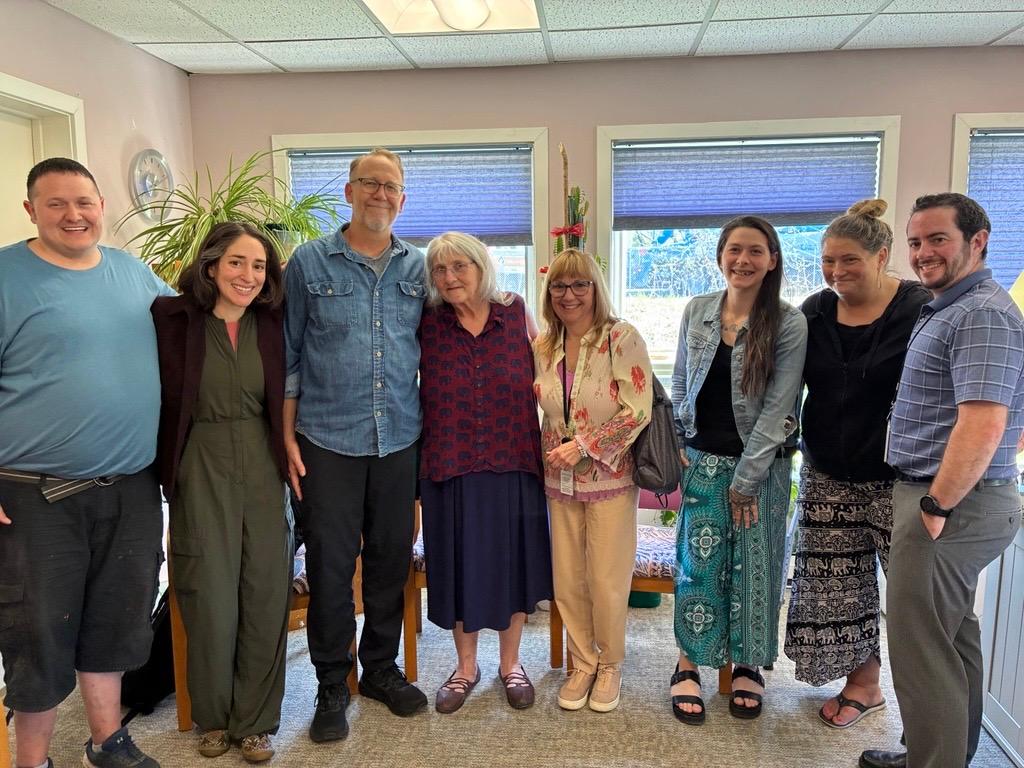
Second Wind and Division of Substance Use staff at a Certification Site Visit

How did you like this newsletter? We'd love your feedback!

👉 Did someone forward this message to you? Stay connected - sign up to get our newsletters directly: 

Subscribe here

Data & Reports

Programs & Services

Workforce Development

VT Helplink

VDH_LogoPrimary-01.png

280 State Drive, Waterbury, VT 05671-8300 

ahs.vdhdsu@vermont.gov

802-651-1550


Facebook  Instagram  YouTube