Heat Mitigation Strategies in the Desert | |
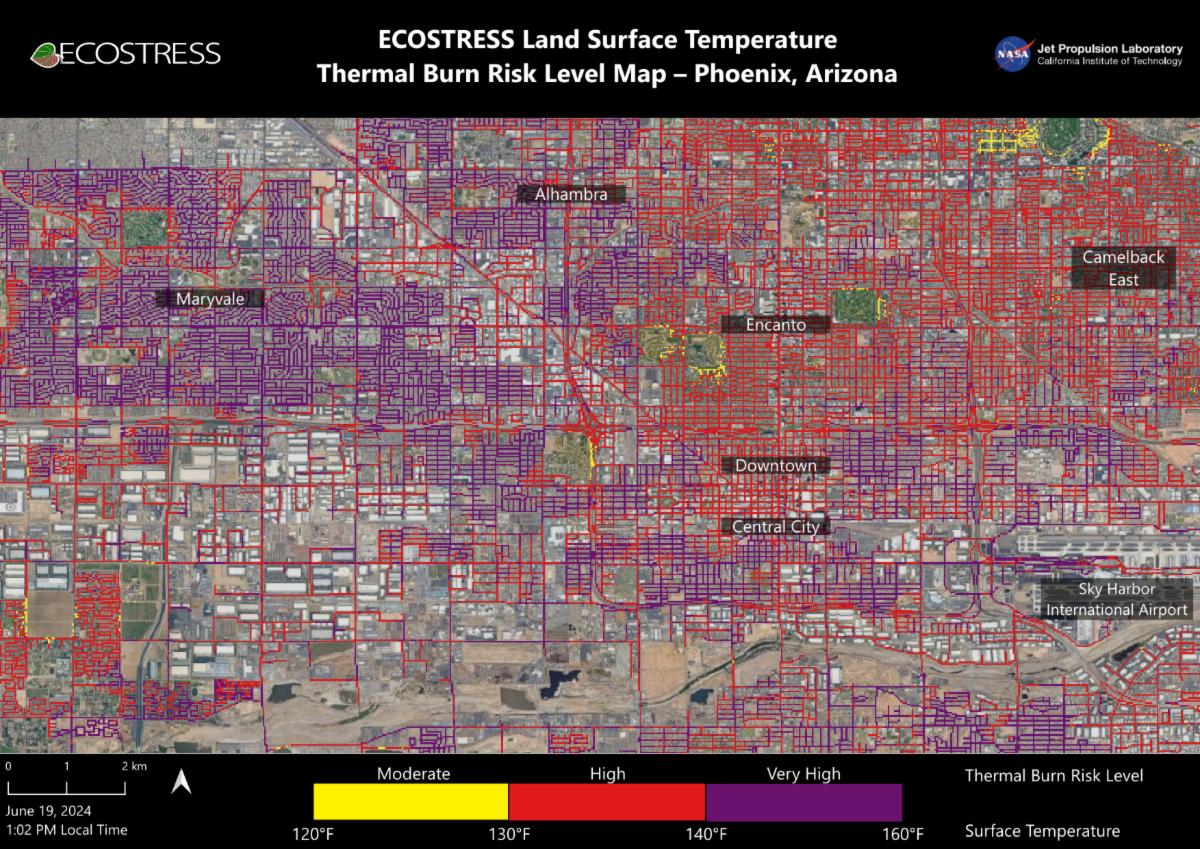
Hello again from Adaptive Architects! Over the past few months, we’ve been busy working on exciting projects, but instead of a company update, we wanted to address something that’s been on every Arizonans' mind lately: the heat. In June, NASA used state-of-the-art satellite technology to measure surface temperatures across the Phoenix area, and the results were staggering. While we know asphalt gets hot in the summer, seeing temperatures soar above 150 degrees was eye-opening. With October continuing to break records on top of a summer full of extreme heat, it got us thinking—what can we, as architects, do to help prevent this from worsening? In this edition, we dive into some key strategies that can make a real difference. Take a look: | |
Street Surface Temperatures measured by NASA's JPL in June 2024.
Note the pockets of green and yellow: these are areas with less concrete and asphalt. | |
|
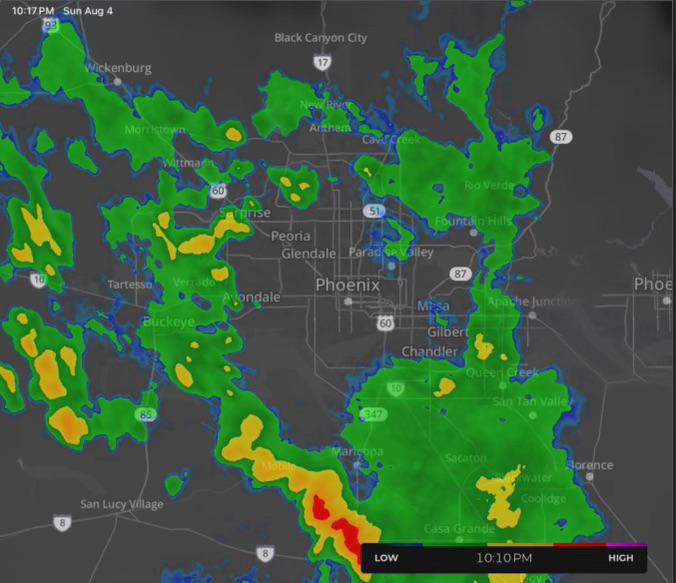
Heat Island Affecting Rainfall.
Notice how areas with level 3 heat aren't covered by the doppler radar scan of this particular storm.
| |
|
As many have noticed, Phoenix has been breaking heat records this year, largely due to the heat island effect amplified by the valley’s shape. The way we build—using materials like concrete and asphalt—traps heat during the day and releases it at night, causing record highs and lows. Even in October, these extreme temperatures persist, and they’ll only get worse unless we rethink how we design and build in the Phoenix Valley.
To combat this, we need smarter design strategies. At Adaptive, we focus on three key areas that can help mitigate the heat: building orientation, shade methods, and incorporating vegetation. Let’s dive into how these techniques can create more sustainable, cooler environments.
| |
How Do We Design for the Future? | |
Building orientation is crucial for energy efficiency in desert environments. By aligning buildings to reduce direct sun exposure and optimize natural ventilation, designers can lower the need for artificial cooling. Facing the building north or south minimizes harsh sunlight from the east and west, while strategic placement helps balance heat gain and loss throughout the year. This orientation also supports passive solar heating during cooler months. The result is a more comfortable, energy-efficient design that reduces reliance on mechanical systems, | |
|
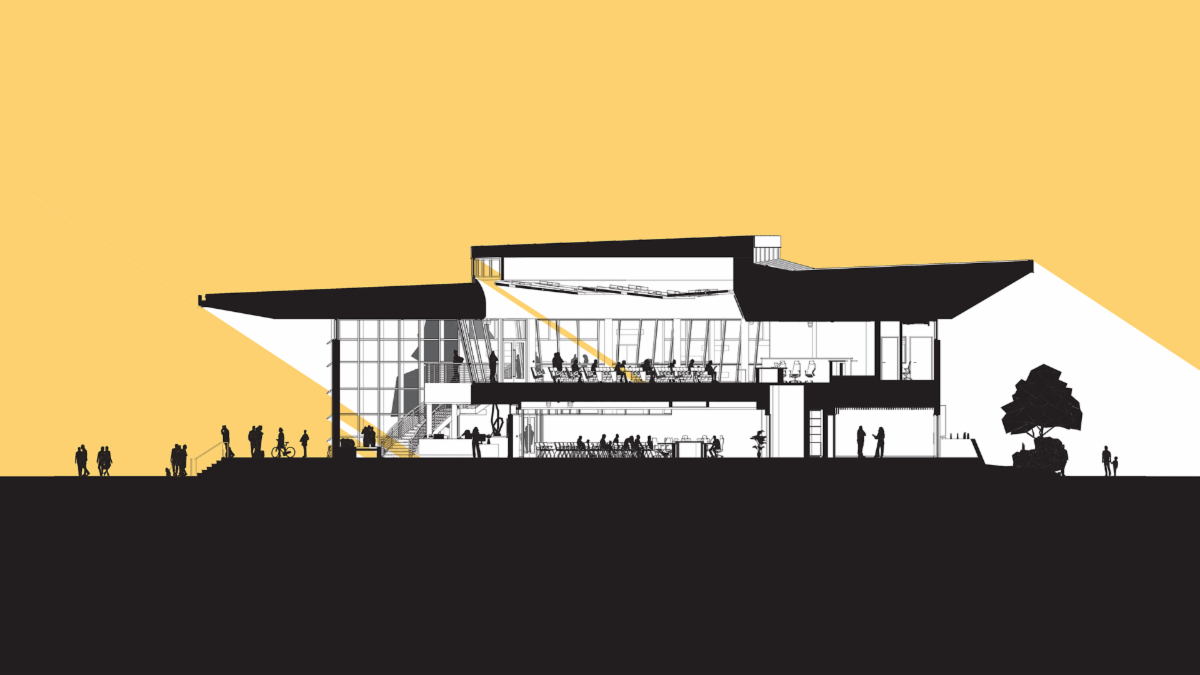
Mesa Council Chambers
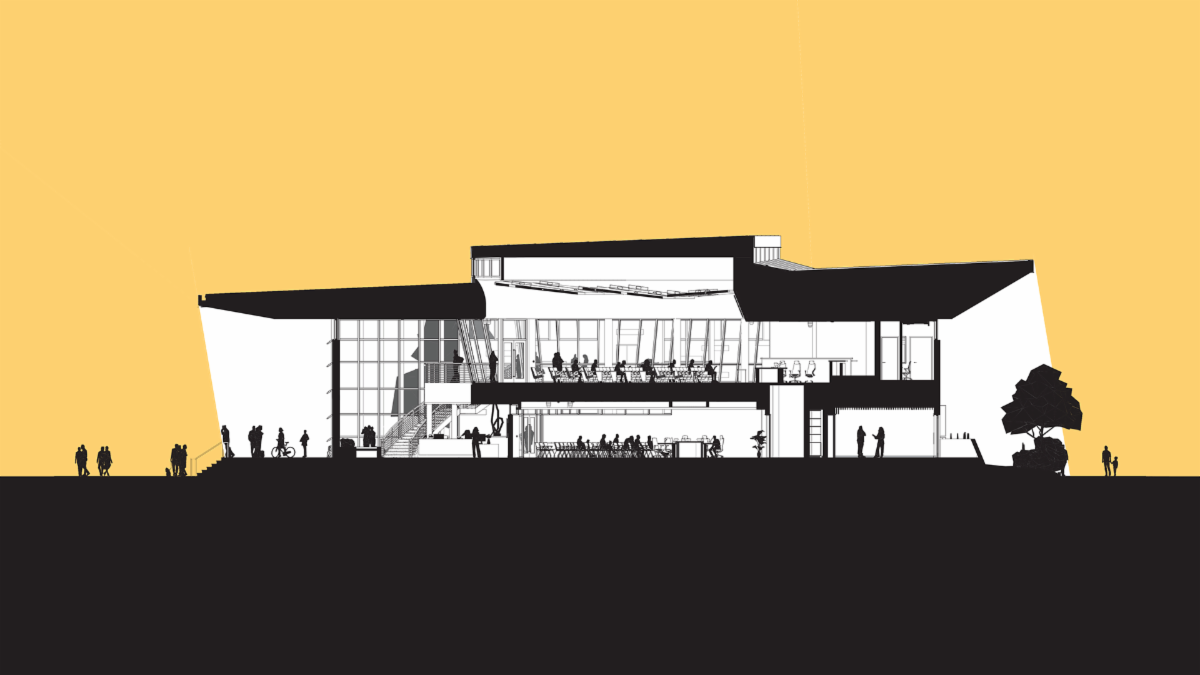
A prominent feature of the design was providing shade for the building. Since the design called for glass curtain walls, it was essential to cover as much glass as possible to prevent unwanted heat from entering. The glass is thermally insulated for added protection, and shade fins were included to block additional light. As a result, no direct summer light enters the structure at all.
| |
Shade methods complement building orientation by further controlling sun exposure. Deep eaves, pergolas, and awnings help block direct sunlight during the hottest parts of the day. In addition to structural elements, landscaping features like trellises and green walls provide natural shade that enhances cooling. These shade strategies reduce indoor temperatures, lowering the demand for air conditioning. Together, they create a sustainable approach to heat management and energy conservation. | |
Incorporating native vegetation is another powerful tool for cooling desert buildings. Trees and plants provide natural, renewable shade and cool the surrounding air through evapotranspiration, which releases moisture to lower temperatures. Strategically placed trees can block direct sunlight from windows and walls, reducing heat absorption. Ground cover and shrubs help cool the ground, further decreasing ambient temperatures around the building. These green elements not only enhance outdoor comfort but also cut down on indoor cooling needs, making the design more sustainable. | |
|
Mesa Council Chambers
The winter months require some sunlight for warmth, but in our climate, only a small amount is needed. By design, only a limited amount of winter light enters the structure during these months. The design allows light to fill the lobby space, with just a sliver reaching the council chambers.
| |
|
As we’ve explored, combating desert heat through thoughtful design is both an art and a science. By focusing on building orientation, effective shading, and the cooling power of plants, we can create spaces that are not only comfortable but also energy-efficient and sustainable.
| |
|
At Adaptive Architects, we’re committed to designing with the environment in mind, ensuring that our projects contribute to a cooler, more livable future for desert communities.
Stay hydrated, stay cool, and until next time, keep embracing the possibilities of adaptive design!
| | | | |