|
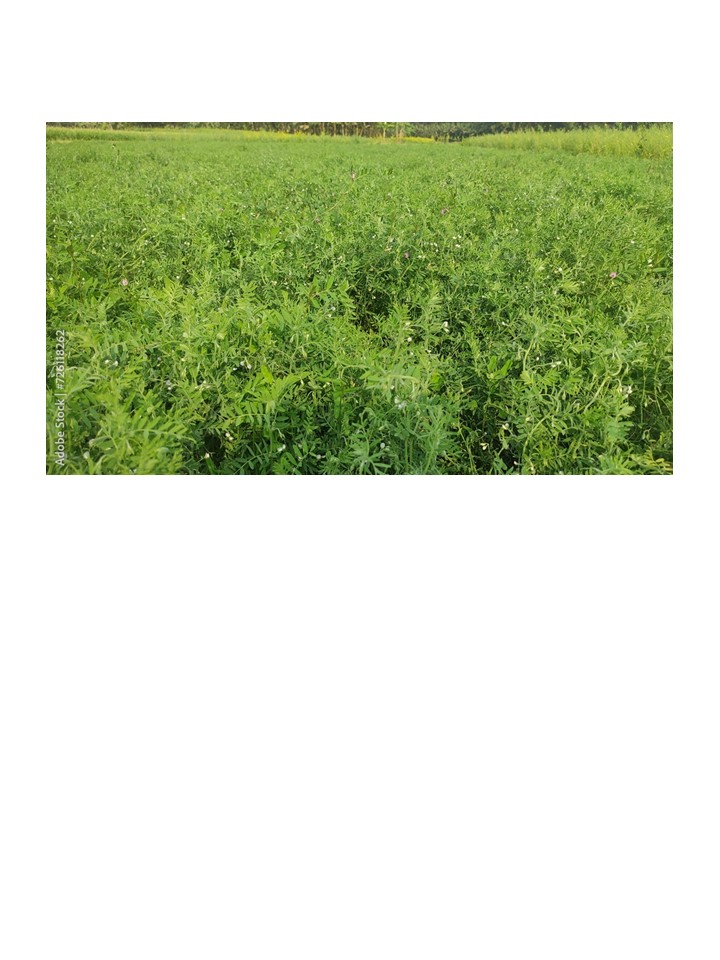
Lentil is gaining attention as a valuable alternative crop for diversifying cereal-based dryland cropping systems in western North Dakota. As a drought-tolerant pulse crop capable of meeting most of its nitrogen needs through biological nitrogen fixation, lentil can help reduce dependence on nitrogen fertilizers while improving overall system sustainability. Greater integration of lentil into regional crop rotations may help address emerging soil acidity concerns associated with long-term nitrogen fertilizer use, improve soil health, reduce nitrogen losses to the environment, and provide additional economic opportunities for producers through a high-value grain market.
To support wider adoption of lentil across the region, our research is evaluating key management practices that influence productivity and profitability under western North Dakota conditions. Specifically, we are comparing different nitrogen management strategies, including starter and split nitrogen applications, along with several rhizobial inoculant formulations and double-inoculation approaches. We are also assessing the performance of early- and late-maturing lentil cultivars to determine management combinations that optimize nodulation, nitrogen fixation, grain yield, nitrogen-use efficiency, and economic returns while minimizing production risks in the region's short growing season.
We invite producers, crop advisors, industry representatives, and other stakeholders to learn more about this work and other ongoing research projects at our field day on July 9 from 4:00–8:00 PM (MT). This event will provide an opportunity to view research plots, discuss preliminary observations, and exchange ideas on lentil production and dryland cropping system diversification in western North Dakota.
|